A new type of variable star has been discovered by astronomers in Switzerland. The team says that its observations reveal previously unknown properties of variable stars that defy current theories and raise more questions about the origins of the luminosity variation in stars. The team’s results are based on a seven-year-long study of regular measurements of the brightness of more than 3000 stars in the open star cluster NGC 3766, using the European Southern Observatory’s 1.2 m Euler telescope at the La Silla Observatory in Chile.
Variable stars are those with a brightness that appears to fluctuate or “vary” when they are observed from Earth. They are divided into two broad categories depending on the cause of the variation. If it is caused by a change in the physical properties of the star, then they are called “intrinsic variables”, whereas “extrinsic variables” fluctuate thanks to external factors, such as an eclipsing orbiting companion. “Our group didn’t know what would come out of the observations, but knew the potential of observing open clusters regularly on a long [period of time] to improve our understanding of known classes of variable stars…but none of us was expecting to find a new class,” says Nami Mowlavi of Geneva Observatory, who is the current leader of the research team. Mowlavi says that the team’s findings were so surprising that the researchers spent more than six months trying to understand and make sense of the results, but that ultimately “the quality of the data and of the analysis” convinced the researchers of the reality of the results.
Varying varieties
During the study, the team found 36 of the new variety of variable stars, which represent 20% of stars with similar magnitudes within the observed cluster. Mowlavi explains that these provide sufficient evidence of a new type because all the stars were observed in a single cluster. This means that they all have the same stellar properties, including their surface temperatures. Hence, what is so surprising about the results is that periodic light variations occur in stars with those specific temperatures.
“Were it only for their variability properties, these stars could have been considered as ‘standard’ variable stars, like some pulsating stars that are already known,” says Mowlavi. But knowing that they are main-sequence stars – that burn hydrogen in their core, such as the Sun – with surface temperatures of between 9000 and 11000 K makes them very special. This is because main-sequence stars at these temperatures are not expected to pulsate, or to have any other physical characteristic that would lead to periodic variations of their luminosity, according to current theories.
Unexpected and unexplained?
Mowlavi, along with Shopie Saesen, who is also an astronomer at Geneva Observatory, and colleagues, has considered three possible scenarios to explain these unexpected variations. The first looks at the possibility of a binary companion. “If the star is part of a binary system, then the total light emitted by the star could be modulated by its orbital motion around its companion,” says Mowlavi. “But about one-third of the 36 stars are multiperiodic. This means that more than one frequency is detected in their light signal, which cannot be explained by binarity,” he explains.
The second scenario relates to stellar pulsation that is consistent with the multiperiodicity, as well as with some other properties exhibited by the new class. Unfortunately, stellar pulsation is not expected in these stars. The team’s observations found that four of the 36 stars are characterized by very high rotational velocities – spinning at more than 50% of their critical velocity (the velocity above which the star would break up). “Fast rotation might alter the internal conditions of a star enough to sustain stellar pulsations. But we actually don’t know. There is currently no stellar model that can predict whether pulsation can be sustained in very fast rotating stars,” explains Mowlavi.
The third option takes into account the presence of “spots” on the surface of such rotating stars and that these spots would induce light variations as the star rotates. But hot stars are not expected to be active, and no theory can currently explain how spots could be produced on the surface of such stars. “So, the origin of these light variations is mysterious, and we do not exclude any possibility, even others not mentioned here. We plan further observations to better characterize these stars,” says Mowlavi.
The researchers have also observed other clusters during the seven-year study, and are currently analysing those data. Mowlavi told physicsworld.com that “since the stellar populations are different from one cluster to another, we may or may not find representatives of this new type of variable stars in other clusters”. He points out that whatever the result, it will provide the team with further clues to the origin of these light variations “by relating their presence – or their absence – with the clusters’ properties”.
The team hopes that its results will encourage specialists in stellar pulsation to provide predictions for very fast rotating stars. Mowlavi says that other collaborations at Geneva University with specialists in this domain believe that this is a “very difficult task”.
Illustration of some of the sectors that are benefiting from physics research.
What physics-related industry employs 30,000 people in the UK?
The answer, according to the Institute of Physics (IOP), is the country’s extremely successful space industry – which has been expanding steadily for decades and continues to develop an impressive array of satellite and related technologies. Indeed, the space sector has enjoyed an average annual growth rate of 7.5% since 2008. Not bad going when you consider that the rest of the UK (and much of the world) has been in an economic slump.
Space is just one of the applications of research covered in Physics: Transforming Lives – a 68-page report prepared by the IOP in partnership with EPSRC and the STFC, both of which fund physics research in the UK.
Researchers in the US have made a new biosensor from carbon-nanotube transistors that is capable of rapidly detecting the antigens of Lyme disease. The device can detect the biomarkers at concentrations as low as 1 ng/ml, which is better than is possible with standard urine testing and comparable to traditional ELISA and Western-blot immunoassays.
Lyme disease occurs throughout much of the northern hemisphere and is spread by ticks carrying the Borrelia burgdorferi bacterium. At least 30,000 new cases are reported in the US alone each year. The disease often goes unchecked – especially in its early stages – because the symptoms are so non-specific and because of a lack of sensitive tests. Late detection can be dangerous, however, because the disease can cause arthritis and even permanent neurological disorders, among other health problems.
Now, a team led by A T Charlie Johnson of the University of Pennsylvania has made a new Lyme-disease biosensor from large arrays of semiconducting carbon nanotube (CNT) transistors grown by chemical vapour deposition on oxidized silicon wafers. “Using a covalent-chemistry technique developed in our lab, we are able to attach antibody proteins to the nanotubes very efficiently,” explains Johnson. “These antibodies have a high affinity for the antigen protein of interest – p42 flagellar – which is a protein from the flagellum of the bacterium that carries Lyme disease. If this Lyme antigen is present in a sample, it gets captured by the antibodies, something which induces a change in the electronic properties of the nanotube transistors.”
The Pennsylvania group’s work follows on from similar strategies to detect prostrate-cancer biomarkers using CNTs. Indeed, the researchers say that they may one day be able to detect any disease with such nanotube devices simply by coating them with the appropriate proteins.
Close to nanotubes
“By directly attaching such antibody proteins to CNT transistors, the Lyme antigen is captured very close to the nanotubes,” says Johnson. “Since antigens are charged molecules, bringing them into the immediate vicinity of the tubes will alter the transistors’ electronic properties in a concentration-dependent manner – with higher antigen protein concentrations binding more antibodies. By measuring the shifts in these properties we can deduce the exact concentration of the Lyme antigen in a sample.”
The device can currently detect concentrations of the Lyme antigen as low as 1 ng/mL, which is better than is possible using urine tests (15 ng/mL) and comparable to traditional ELISA and Western-blot immunoassays. However, there is more to disease diagnosis than just sensitivity, says Johnson.
“The Centers for Disease Control and Prevention currently recommends a two-tiered testing approach for Lyme disease,” he explains. “The first tier is an ELISA assay, but this test can produce a false negative if the patient has a disease similar to Lyme. More importantly, it cannot distinguish between Lyme antibodies caused by a current, active Lyme infection and those caused by past, treated infections.”
The second-tier test is a Western blot, which tests specifically for Borrelia burgdorferi. Using Western blot on its own is more likely to lead to a false positive, resulting in inaccurate diagnosis and unnecessary treatment for a patient whose true disease may continue to afflict them.
“Our protein–nanotube hybrids overcome both these problems because they look directly for Lyme antibodies. This means that there is no lag between infection and detection (as in ELISA), and no danger of confusing current and past infections because the antigens will only be present if the Borrelia is active,” says Johnson.
Further improving the detection limit
The team says that it could further improve the detection limit of its sensor by attaching only the piece of the antibody (known as a “fragment”) responsible for antigen binding instead of the whole antibody protein. This would allow the antigens to be captured even closer to the nanotubes, which, in turn, would increase sensitivity – possibly by several orders of magnitude.
There is still much work to be done before the technology becomes commercially available; however, Johnson says that, luckily, there are several organizations that are already “very interested” in the group’s research. “An important next step is to develop methods to detect Lyme antigens in complicated real-word samples, such as human blood. Subsequent steps will include animal and, finally, human clinical trials.”
The attachment chemistry exploited in the new sensor relies on common protein features, so it could easily be extended to detect several biomarker proteins simultaneously, says Johnson. “For example, VIsE and OspA are other proteins from Borrelia burgdorferi that have been implicated in Lyme disease, so we could think about expanding our search by attaching antibodies for those antigen proteins to our nanotube transistors,” he adds. “Taking it one step further, we could even include proteins for other diseases on the same chip (nanotubes are quite small after all) and perform tests for all kinds of maladies using a single, small-volume blood sample. Someday, a medical check-up might consist of simply dropping blood on a nanotube array functionalized with hundreds or even thousands of different proteins, each looking for things as diverse as heart disease, arthritis, Alzheimer’s or stress biomarkers, with the results available in seconds – and all at very little cost.”
In March this year, the author of a well-regarded science website was revealed to be – wait for it – a woman. The identification of Elise Andrew as the founder of the provocatively titled Facebook page “I Fucking Love Science” was greeted with astonishment, tinged in some cases with outrage. This anecdote says much about the general reaction to women in science: even in 2013, it is still not taken as a given that women may be good at science and enjoy it. Imagine how hard it must have been 80 years ago, when Dorothy Wrinch was struggling to make a name for herself as a mathematician working at the interface with biology.
Wrinch (1894–1976) was educated at Girton College, Cambridge at a time when women still had to ask permission to attend lectures that were given by men for the university’s “real” students, i.e. the men. Over the years, she variously worked in Cambridge, London and Oxford (always in short-term posts with insecure funding), tackling philosophical problems with Bertrand Russell and other giants of the day and considering questions related to symmetry and beauty in nature. Ultimately, she became interested in protein structures. At this point, she ran up against Linus Pauling, to her great detriment, and she died in relative obscurity.
Does Wrinch’s losing encounter with Pauling explain why she is largely forgotten today? I had certainly never heard of her before I was sent this new biography, I Died For Beauty (the title comes from an Emily Dickinson poem). Or is it because she was a woman – and, as far as I can judge from the book, a cussed and difficult woman at that – at a time when they weren’t fully accepted into the scientific fold? The book left me uncertain as to the answer to those questions, although it does describe some rather interesting episodes in the history of science.
During Wrinch’s heyday of the 1930s to 1950s, there was huge interest in crystals and lattices as many scientists across a variety of disciplines tried to work out how these complex crystal structures, in particular proteins such as insulin and haemoglobin, could be inferred from X-ray diffraction patterns. Wrinch was part of this tribe of scientists. At the time, of course, the computers we today take for granted did not exist; indeed, the term “computers”, in the early days, referred to people who worked out complicated calculations to produce, for instance, tables of functions. These calculations were long and difficult. Hence, even had the theories of the time been robust, moving from the observed diffraction pattern (which necessarily lacks information on the phase of the contributing waves) to the underlying structure seemed like an intractable problem; progress on both theoretical and experimental fronts was slow.
Contentious: Wrinch’s lantern slide showing cyclol fragments as denatured proteins. (Courtesy: Sophia Smith Collection, Smith College)
Undoubtedly, Wrinch made significant contributions to the field, particularly in her fairly late work Fourier Transforms and Structure Factors (1946), in which she laid down in detail much of the field’s mathematical basis. But it was her model for protein structure itself that led to many personal attacks and damage. Wrinch was convinced that proteins were not long chains of molecules (described at the time as resembling Christmas tree lights). Instead, she believed they were an indefinite fabric of rings, which she termed “cyclols” (see “Contentious” figure). This idea was initially compatible with the limited evidence, but she clung to it long after new data made it scientifically untenable, and possibly right up to her death.
To begin with, she had many influential supporters, including the chemical physicist Irving Langmuir. However, her inflexible attitude as the counter-evidence built up did nothing for her reputation, and it seems that she was always something of a divisive character. The book’s author, Marjorie Senechal, knows this firsthand: she describes herself as a mathematical crystallographer, and towards the end of Wrinch’s life, when both women were at Smith College in Massachusetts, they worked together informally. Senechal draws on this personal experience in the book, but she also had access to extensive diaries kept by senior members of the Rockefeller Trust, whose role it apparently was to travel around asking senior scientists to comment on colleagues whose work the trust might fund. Quotations taken from these diaries include the statement that “[Wrinch] is in bad favour in many quarters in England” and “P said flatly that he has always said she is a fool but that B insists she is only mad”. And these quotes actually precede the fracas over Wrinch’s cyclol model, where she clashed so painfully with Pauling.
Senechal chooses to make the chapter on Wrinch’s exchanges with Pauling into the skeleton of an opera, outlining the acts though not fleshing out the libretto in full. As she puts it, “Dorothy Wrinch’s epic battle with Pauling is the stuff of opera. There is no other way to tell it. Two brilliant, arrogant, competitive antagonists with a flair for publicity and a touch of the devious! And what a plot!” These few sentences demonstrate the flavour of the book. Senechal’s style is personal and staccato, and throughout the book, her own interactions, interests and driving forces creep in, leading to multiple digressions in chronology and topic. This can be confusing, although the anecdotes are also illuminating and often intriguing. I learnt, for example, about diverse background issues and individuals ranging from D’Arcy Thompson to mineralogists and members of the Smith College faculty. But at the end of the book I felt I had not grasped the essence of Wrinch herself.
Clearly, she was a multi-faceted and hugely original scientist. She was also struggling to cross the divide between many disciplines, some of which, such as molecular biology, were at the time only just coming into being. But was she a flawed genius whose central thesis about cyclols was wrong, so the rest of her work, important though it was, has been allowed to sink into obscurity? Maybe – but then, Pauling himself made a glaring mistake late in his life, yet his reputation has survived pretty well intact. One might reasonably conclude that Wrinch’s gender was a factor in the way she was treated. But does this make her a brilliant woman in science, ahead of her time, whose strong personality led her to dare to challenge a patriarchal society and come off worst? Or was she just a run-of-the-mill scientist with an awkward character and a colourful personal life, whose vanishing from the list of the period’s “great and good” is justified? I suspect Senechal herself is ambivalent on these questions, but it is a pity that she doesn’t give readers enough solid information to allow us to form our own firm judgement.
Identifying problems: Francis Bacon wrote a treatise in 1620 to encourage scientific study. (Courtesy: Science Source/Science Photo Library)
The British scientist and philosopher Francis Bacon (1561–1626) was an avid promoter of science at a time when neither its practice nor its social value was plain. Science and modern life were not yet coupled and Bacon had two problems. One was to teach people how to study the natural world, and the other was to cultivate an appreciation in government circles of why science is useful. Moreover, Bacon had to find ways to be convincing when science was still in an embryonic state, using rhetoric that would persuade his 17th-century contemporaries.
One of Bacon’s most famous rhetorical images – developed in his 1620 treatise Novum Organum Scientiarum, or “New Instrument of Science” – was of the “four idols of the human mind” that hinder our study of nature. Back then, an idol was a powerfully loaded religious term in an era when religious wars were common and witches still persecuted. It meant a false god that distracts us from paying attention to the true god and provides us with reasons why we need not bother.
The human mind, Bacon told his contemporaries, is vulnerable to its own set of idols, which prevent us from seeing nature as it is and tell us that we do not have to. These idols come in four species. “Idols of the tribe” arise from defects in the mind itself, and include the human tendency to see patterns where none exist. “Idols of the cave” are different for each individual, whose background and training inevitably produce biases; some people, for example, overrate parts over wholes, while others wholes over parts. “Idols of the marketplace” stem from language and the way words are often imprecise and misleading. Finally, “idols of the theatre” are systems of thought that are sometimes enlightening but the inner logic of which can also bewitch us and prevent us from seeing the world as it is. (Bacon cited Platonism but we might think of Marxism or Freudianism.) In identifying and exposing these idols, Bacon sought to improve his contemporaries’ ability to practise science and to appreciate its value.
Bacon’s writings seem hopelessly naive today. Bacon had no appreciation for the role of mathematics in science and also wrote as though making discoveries were simply a matter of setting up the right conditions for observing nature. To be fair, Bacon lived in a much different world: when Bacon said “Knowledge is power,” it was at a time when nature was regarded as fearful and threatening, and he was trying to encourage his contemporaries to find out what nature is so they could devise ways of protecting themselves.
Today’s idols
Today we live in the scientifically and technologically rich world that Bacon envisioned, and have a very different perspective. Knowledge can have a dark side too, as we know from any number of examples of our power over nature being misused. We also live in an era when the scientific community is established and thriving. Through education and training, we have ways of addressing the first of Bacon’s problems – namely, instructing people who want to understand nature in how best to avoid the traps and temptations that arise from our own intrinsic, human weaknesses or from our own biases. Scientific language, too, is kept precise, and we have grown sceptical of systems – though, in some physicists’ minds, such complex theoretical packages as string theory can become so bewitching as to make them in effect Baconian idols of the theatre.
Some 400 years after Bacon, however, we still have not solved his second problem: how to cultivate an appreciation for the value of science among government administrators. Solutions to issues involving energy generation, pollution, climate change, food production, population control and health care all require us to apply detailed knowledge of how the world works in its full complexity. We already have much of the necessary science, but it is often blatantly ignored, misapplied or distorted.
Denouncing the rising tide of irrationalism and pseudoscience has not worked. What if we followed Bacon’s lead and sought to educate our peers by identifying and exposing what falsely subverts them from appreciating science? One problem is that these days the word “idol” is popularly used to mean “star” – think of the TV series Pop Idol or American Idol – rather than false god. Another problem is that, while Bacon addressed an educated ruling elite who spoke Latin, today we must address a different and more challenging audience: the ordinary citizens who elect the officials who pass legislation, and who tend to think in media-speak. Still, appealing to the connection of “idol” with “idolatry” – bewitchment – may provide an important rhetorical tool to influence this wider audience.
The critical point
Humans keep inventing new ways to misunderstand nature, and we have to keep inventing new ways to expose these misunderstandings. Our problem is not to couple science and modern life but to stop them decoupling. So what if we compiled a list of modern idols – of the false notions that bewitch us and keep us from looking directly at the world?
One is what I’d call “Idols of the political party”. Human beings worship this idol when they do not consult studies to decide whether, say, climate change is taking place, or evolution is real, or fracking is dangerous – but instead consult the party line of their political or interest group. This party line tells them how to look in the world in the “right” way, and warns them that it is wrong to look at the world differently.
But what do you think are our other modern idols? Send me your thoughts and I shall devote a future column to the responses.
It’s the sort of easy maths problem that you can work out in a few minutes using pencil and paper, but physicists in China, Canada and Singapore have now solved pairs of linear equations like this one using a simple quantum computer. Their experiment involves encoding quantum information into four photons and sending them through a system of optical devices. The physicists claim that their set-up could be improved and modified further to solve other types of problems.
The computational feat has been carried out by Jian-Wei Pan and colleagues at the University of Science and Technology of China, the University of Toronto and the National University of Singapore, who used a quantum algorithm created in 2009 by Aram Harrow, Avinatan Hassidim and Seth Lloyd. For simple systems of linear equations, Harrow and colleagues showed that their algorithm can be exponentially faster than the best solving methods that use a classical computer. One important caveat, however, is that the algorithm does not find an exact solution, but only the most likely answer.
Pan’s team implemented the algorithm by firing ultraviolet (UV) laser pulses into an optical system containing two barium-borate crystals to create two pairs of photons. The two photons in a pair are entangled in terms of their polarization, which means that the correlation between the polarizations of the photons is greater than that allowed by classical physics.
Beam splitters, mirrors and prisms
Each entangled pair is then sent through a polarizing beam splitter, which separates the photons according to their polarization – the four photons being the input qubits for the calculation. The qubits are then processed in an optical circuit that comprises polarizing beam splitters, mirrors and prisms. Two linear equations with two unknowns can be described in terms of a 2×2 matrix and a vector, both of which are encoded using three of the qubits. The fourth qubit is an “ancilla”, which is set to a fixed value to make the quantum circuit function in the desired way.
As the four photons pass through the circuit they are placed in a highly entangled Greenberger–Horne–Zeilinger state, which is a hallmark of the quantum computation. The four photons are then detected using four different detectors. These detectors measure the polarizations of the photons and this information can be used to obtain the solution to the algebra problem.
Of course, the team already knew the answer, so they were able to test their implementation of the algorithm against the output predicted by theory. This was done for three different problems and they found that the fidelity of the experimental output varied from 0.993 to 0.825. (A fidelity of 1 would have corresponded to a perfect match.)
Better sources and detectors
The team points out that its current set-up is limited by the use of single-photon sources – which are probabilistic and therefore do not always emit photons on demand – and by photon detectors that are relatively inefficient. However, the researchers are now developing better sources and detectors, which means that – when combined with on-chip integration – larger-scale implementations of the circuit could be created to solve more complex linear equation. The team’s technique could also be used to implement other quantum algorithms for solving differential equations or fitting data to mathematical functions.
“The near-future goal is to control 10 to 20 photonic quantum bits,” explains Lu Chaoyang at the University of Science and Technology of China. “The enhanced capability would allow us to test more complicated quantum algorithms, for instance, solving differential equations, realizing universal quantum-error correction codes, and quantum simulations of various systems.”
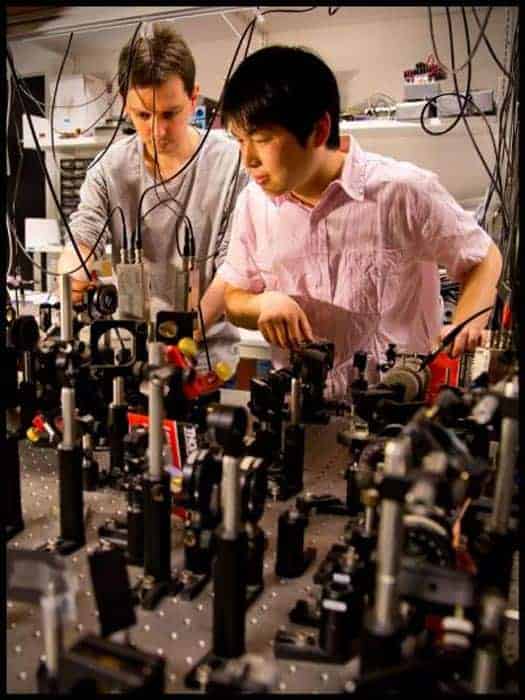
Teleporting states between atomic gases: Daniel Salart Subils (left) and Heng Shen are working on the teleportation experiment at the Quantum Optics Lab at the Niels Bohr Institute. (Courtesy: Ola Jakup Joensen, Niels Bohr Institute)
The macroscopic quantum spin state of caesium atoms held in a vessel has been teleported to a second vessel 50 cm away – according physicists in Denmark, Spain and the UK, who have performed the feat. Although this distance is far smaller than the 143 km record for the quantum teleportation of relatively simple states, the experiment achieves a different type of teleportation that had previously been achieved only across microscopic distances. The technique can teleport complex quantum states and could therefore have a range of technological applications – including quantum computing, long-distance quantum communication and remote sensing.
Quantum teleportation was first proposed in 1993 by Charles Bennett, of the IBM Thomas J Watson Research Center in New York, and colleagues. It allows one person (Alice) to send information about an unknown quantum state to another person (Bob) by exchanging purely classical information. It utilizes the quantum entanglement between two particles; one with Alice and one with Bob. Alice interacts the unknown quantum state with her half of the entangled state, measures the combined quantum state and sends the result through a classical channel to Bob. The act of measurement alters the state of Bob’s half of the entangled pair and this, combined with the result of Alice’s measurement, allows Bob to reconstruct the unknown quantum state.
Collective spin
This is usually demonstrated with discrete quantum states, such as single atomic spins that can be up, down or a superposition of these two states. In principle, however, it is possible to teleport quantum states that are effectively continuous, such as the collective spin of a large atomic ensemble. Furthermore, doing so would have interesting practical consequences for the development of technologies based on the teleportation process.
For Alice and Bob to send information using quantum teleportation, they must first be in possession of entangled particles (usually photons). Swapping entangled photons inevitably results in some being lost and this will have an effect on the reconstruction that Bob can make of Alice’s mystery quantum state. If the information being exchanged concerns a discrete state, it will be entangled with a single photon, which will either arrive or not arrive, and Bob will either make a perfect reproduction or no reproduction of the state. This is known as probabilistic quantum teleportation. If the information concerns a continuous state, it will be entangled with a pulse of light containing many photons. Some will arrive and others will not. Bob can always make a reconstruction of Alice’s quantum state but if losses are high then it will be less than perfect. This is deterministic quantum teleportation.
A key question is whether or not the fidelity with which Bob can reproduce Alice’s unknown quantum state exceeds the maximum possible fidelity achievable if Alice simply measured the state and told Bob the result – a limit imposed by the Heisenberg’s uncertainty principle. This will depend not just on the proportion of photons lost but also on other experimental parameters, such as the length of time the quantum states can be preserved for interactions between the unknown quantum state and the entangled particles.
Room-temperature samples
This deterministic continuous-variable teleportation was proposed and realized in the lab by Eugene Polzik and colleagues at the Niels Bohr Institute in Copenhagen, together with researchers at the Institute of Photonic Sciences (ICFO) in Barcelona and the University of Nottingham. Their experimental set-up involves two room-temperature samples of caesium-133 gas held in glass containers and separated by about 50 cm. The aim of the experiment is to use light to teleport the collective quantum spin state of 1012 atoms from one container to the other. The team extended the life of the state by coating the insides of the containers with a special material that does not absorb angular momentum from the atoms.
Precise control over the spin states of the system was done using constant and oscillating magnetic fields. They also collaborated with theorists Christine Muschik at the ICFO and Ignacio Cirac of the Max Planck Institute for Quantum Optics, near Munich, to develop a new model of the interaction between the atoms and the light. Using these advances, they teleported multiple collective spin states between the two canisters and looked at the variance in their measurements. When they compared this with the theoretical minimum variance that could be achieved by sending the spin state information in a purely classical manner, they found that the variance from their process was lower. “We have achieved the first deterministic, atomic-to-atomic teleportation over a macroscopic distance,” says Polzik.
Hugues de Riedmatten, a quantum-optics expert at the ICFO – who was not involved with the experiment – says that the research is “very significant”, describing the results as “convincing”. He cautions, however, that it is “a proof of principle”, saying “I think it’s a first step. If you would like to use it for doing useful things in quantum-information science, for example, you would need to transport much more complicated quantum states. It remains to be seen whether this will be possible or not.”
The emergence of artificial magnetic monopoles within a special magnetic material has been seen by physicists in Germany. These monopole-like defects are believed to pass through the material when tiny magnetic whorls called skyrmions coalesce. Skyrmions could have potential applications in future data-storage technologies – and this new understanding of their behaviour could be an important first step in developing this technology.
“[Our] new study shows the basic mechanism of how skyrmions may be destroyed (and thus also created),” says Christian Pfleiderer of the Technische Universität München, who was involved with the research. “As an added bonus, the mechanism corresponds topologically to magnetic monopoles – which is kind of cool.” The team also included researchers at the Technische Universität Dresden and the University of Cologne.
Skyrmions are small magnetic vortices that are known to exist in materials made of cobalt, iron and silicon. They were first spotted in 2009 by means of neutron-scattering studies. They appear as line-like structures that run parallel to the direction of an applied magnetic field. The magnetization of a skyrmion winds around the line and the skyrmions form a hexagonal lattice. While not actually magnetic fields, skyrmions can affect the motion of electrons in a manner similar to a magnetic field – which has led some physicists to describe them as an artificial magnetic field.
Winding up
Each skyrmion is said to have a non-zero “topological winding number” – which counts the number of times such a magnetic structure wraps a unit sphere. This means that the vortices cannot be easily untwisted into a normal magnetic state. “The topological winding can be thought of like a tennis-ball,” Pfleiderer explains. “No matter how you comb it there will always be a whorl that cannot be removed.” The skyrmions are named after the British particle physicist Tony Skyrme, who proposed the idea of modelling protons, neutrons and larger atomic nuclei as topological structures in a pion field condensate.
The team made its measurements on a cobalt–iron–silicon compound, which previous neutron-scattering experiments had shown to contain skyrmions in bulk. One aim of Pfleiderer and colleagues was to see if the surface pattern of the skyrmions corresponded to their layout below the surface. The researchers also wanted to work out whether there is a fundamental mechanism by which the topological winding in a skyrmion can be destroyed.
The team used a magnetic force microscope (MFM) to map out the distribution and shape of the skyrmions on the surface of the sample that was cooled to about 10 K and exposed to a magnetic field of about 20 mT. A MFM is similar to atomic force microscopy and involves placing a tiny magnetized tip very near to the surface of the sample, where it feels the local magnetic field. This allowed the researchers to map out the locations of the skyrmions, which averaged about 50 nm in diameter and were arranged about 100 nm apart in a hexagonal lattice (see image).
Coalescing into lines
The skyrmions disappeared as the magnetic field was reduced to zero, and the team made a careful study of how this occurs at a fixed temperature. The skyrmions were seen to decay by coalescing with their neighbours to form lines on the surface. At zero magnetic field, the lines created a tiger-stripe pattern. While the researchers could not see individual skyrmions within the bulk of the sample, computer simulations suggest that a similar coalescence occurs beneath the surface.
“The coalescence works like a zipper,” Pfleiderer told physicsworld.com. “At a tiny spot, the magnetization locally goes to zero. This defect propagates along the skyrmions, thereby ‘zipping’ them together.” According to Pfleiderer, the defect corresponds topologically to a magnetic monopole – a hypothetical particle with only one magnetic pole.
“The creation and annihilation of skyrmions is a vital issue from the viewpoints of both fundamental physics and technological applications,” says Naoto Nagaosa of the University of Tokyo, who was not involved in the study. Nagaosa adds that this discovery will have a significant impact on a range of physics.
Smaller and more efficient
Skyrmions could become the basis of future hard-disk technology. Today’s disks use magnetic domains to store information – and there are fundamental limits to how tiny such domains can be. However, the team believes that skyrmions have the potential to be much smaller than conventional domains. Therefore, they could be used to create storage devices with much higher density – and much less power consumption – than existing devices.
The team is now doing a systematic search for other types of materials that are capable of supporting skyrmions – which Pfleiderer suggests could be a “a rather universal property”. The researchers are also looking to develop new methods for manipulating skyrmions.
Last summer, the neutron celebrated its 80th birthday. This was not, of course, the 80th anniversary of its birth, for the neutron is only about one second younger than the universe itself. Rather, the celebrations marked eight decades since James Chadwick published a paper announcing the discovery of an electrically neutral particle to sit alongside the previously discovered proton within the atomic nucleus.
Quite soon after Chadwick’s landmark discovery, scientists realized that this neutral particle held enormous potential as a tool for studying nature’s fundamental laws. Neutrons offer a complete laboratory for experimental physicists. They experience all four known fundamental forces – gravity, the electromagnetic force, the weak force responsible for radioactivity and the strong force that keeps the particles in atomic nuclei bound together – but crucially, they are electrically neutral and thus insensitive to the effects of electric fields. Neutrons are therefore excellent candidates for investigating how gravity operates at the microscopic scale and how it fits in with the weird and wonderful world of quantum mechanics.
However, the neutron’s greatest asset can also be a drawback in practical terms. Since they have no electric charge, neutrons can easily pass through substances or penetrate deeply into them. Indeed, this property is exploited in condensed-matter research and certain types of imaging. But it also means that – unlike beams of protons, such as those in the Large Hadron Collider (LHC) at CERN – neutrons cannot be guided or focused using electric fields, and in general they are difficult to isolate and “hold” for further study.
The solution – which was already being hinted at in the 1950s, though it would be more than a decade before it was put into practice – is to cool the neutrons down to very low temperatures. Neutrons are officially “ultracold” at 2 mK above absolute zero. At such temperatures, their mean velocity is less than 6 m/s, so they can only travel about 2 m upward against the pull of the Earth’s gravity. They are also totally reflected from certain materials, such as copper or stainless steel, at any angle of incidence. This is useful as it makes it possible to store and observe ultracold neutrons for a relatively long time, and thus to make very high-precision measurements of their properties.
The effects of new particles or forces may show up in the static and decay properties of the neutron
Today, a growing community of scientists at my institution, the Institut Laue-Langevin (ILL) in Grenoble, France, and other facilities around the world are using ultracold neutrons to test aspects of the Standard Model of particle physics. Like our high-energy counterparts at the LHC, our goal is to find evidence of “new physics” beyond the Standard Model – which, despite its tremendous success, cannot explain or predict some of the most basic, yet unanswered, questions in physics, such as why the elementary particles have the masses that they do, and why the universe evolved to have more matter than antimatter. However, ultracold-neutron researchers go about this task in a very different way. In an accelerator, the energies of the colliding particles are often high enough to reproduce temperatures, densities and conditions not seen since shortly after the Big Bang. In contrast, ultracold-neutron research takes place at much lower energies, so we do not actually produce new particles that can be directly observed in a specialized particle detector. However, theory predicts that the effects of new particles or forces may show up in the static and decay properties of the neutron. Careful study of these properties therefore enables us to test predictions from the Standard Model and look for new physics beyond it.
Early experiments
The identity of the first person to observe ultracold neutrons is a minor Cold War mystery, one of several that arose as a result of frequent obstructions to the free flow of information from East to West (and vice versa). On the Soviet side, Yakov Borisovich Zel’dovich made an important theoretical advance in 1959, when he published a paper proposing a method of storing neutrons at low temperatures and also made the first predictions of the properties of ultracold neutrons and what they could be used for. Despite this, it was not until nearly 10 years later that his countryman, Fedor L’vovich Shapiro, succeeded in extracting them from a reactor at the Joint Institute for Nuclear Research (JINR) in Dubna, Russia.
For their neutron source, Shapiro and his team used the JINR’s pulsed reactor. After slowing down, or “moderating”, the fission neutrons with paraffin, the resulting population of slower – but still warm, or “thermal” – neutrons was then sent through a curved guide system that was designed with several sharp turns in the horizontal plane. These neutrons could not travel the whole length of the guide without striking the guide wall. Only neutrons in the very-low-energy “tail” of the Maxwellian distribution of thermal neutrons were reflected, rather than absorbed, when they collided with the guide walls, and were thus able to reach the detector at the other end. The flux of ultracold neutrons in the extracted beam at Dubna was only about two or three neutrons per 1000 seconds, but despite this obstacle Shapiro pressed ahead, convinced that slow-moving neutrons could help answer some of the fundamental questions in physics. In the summer of 1968, he and his colleagues successfully defied cynicism from their peers by observing these tiny cold particles and proving they could be stored for several seconds.
At around the same time, on the other side of the Iron Curtain, ultracold neutrons were also being extracted from the research reactor at the Technische Universität München in Germany. Albert Steyerl was working on research of a more applied nature, investigating the scattering of low-energy neutrons in different materials as a function of their velocity. He selected neutrons from a secondary graphite moderator and used the Earth’s gravitational field to slow them down, sending the neutron beam vertically through an 11 m long curved tube. Some of the neutrons that emerged at the top end of the tube had lost so much energy that they had become ultracold, and Steyerl was able to confirm this by measuring their velocities.
Regardless of which group came first, what is certain is that following these initial breakthroughs, the 1970s and 1980s saw a number of institutes in both East and West set up their own ultracold-neutron “factories”. However, the highest achievable densities of stored neutrons were still relatively low, typically 0.1 per 1 cm3, which limited the measurements that could be performed. As a result, scientists started to investigate other techniques for producing cold neutrons, such as cooling down the neutron spectrum within the reactor itself. This strategy increased the proportion of neutrons with velocities low enough for them to be stored for further study.
The technique adopted at the ILL in 1985 begins with energetic fission neutrons produced in the institute’s high-flux reactor. These neutrons are moderated by heavy-water molecules in the tank that contains the reactor core. Inside this tank is a second moderator full of liquid deuterium at 25 K. As the thermal neutrons pass through this second moderator, they lose energy by colliding with the cold deuterium nuclei and emerge with average velocities of around 700 m/s. As in Steyerl’s early experiments, the neutrons are then sent upwards through a guide, slowing down further under the influence of gravity. The neutrons emerge at the top of the pipe with average speeds of about 50 m/s and are then sent into a large vacuum vessel. This vessel contains a turbine with metal blades that rotate backwards when the neutrons hit them (a design first proposed and implemented by Steyerl in 1976). This back-rotation “cushions” the neutrons and causes them to lose some of their kinetic energy. The basic principle is similar to pulling back your tennis racket just as the ball hits it; in technical terms, the neutron gets Doppler shifted from a velocity of about 50 m/s down to about 5 m/s.
As well as being highly effective, the turbine’s mechanical mechanism provides researchers with a very reliable, constant-intensity source of ultracold neutrons. This has proven to be a major benefit to scientists working on high-precision measurements, as the flux of ultracold neutrons and the storage densities achievable with this system are about 50 times higher than was previously possible. As a result, the ultracold neutrons produced at the ILL have been the foundation of some of the longest-running and most important experiments in this field.
The fall of a neutron
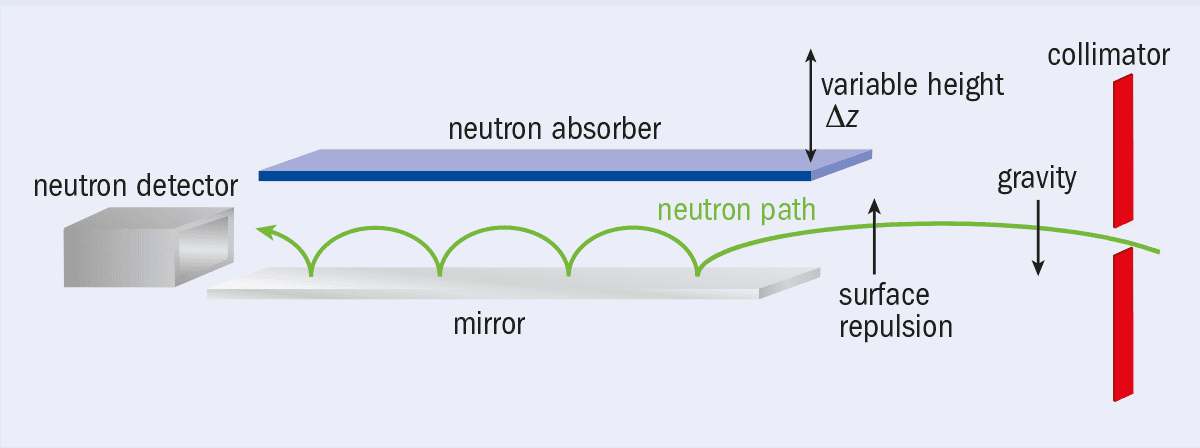
One of the experiments performed using the ILL’s turbine system involved “bouncing” ultracold neutrons along a mirror to see how they behave under the influence of gravity. In this experiment (V Nesvizhevsky et al. 2002 Nature415 297), neutrons leaving the turbine were directed through a slit composed of two parallel plates, each about 10 cm long and separated by a distance Δz that could be varied by a few tens of microns (figure 1). The upper plate had a rough surface that absorbed any neutrons that collided with it, while a lower plate made of standard optical polished glass reflected neutrons like a mirror. The combination of the mirror and the Earth’s gravitational field formed a potential well: a neutron falling towards the mirror would interfere with its own reflected wave, and this self-interference created a standing wave in the neutron density along the vertical direction.
1 Bouncing neutrons
(Courtesy: IOP Publishing)
To test the behaviour of ultracold neutrons under the influence of gravity, the researchers sent the neutron beam through a narrow slit formed by a mirror and a neutron absorber. When the slit height Δz was less than the 15 μm spatial extent of the neutron wavefunction, almost no neutrons reached the detector on the other side.
One would normally expect the neutron transmission rate T to be proportional to Δz1.5 (the additional power of 0.5 is down to the fact that increasing Δz allows neutrons with a greater spread of vertical velocities to enter the system, as well as improving their chances of being transmitted through it). Instead, the researchers saw T rise sharply from a negligible background level as soon as they increased Δz above 15 μm – the height at which the spatial wavefunction of neutrons in the ground state began to “fit” between the two plates. This study marked the first time that quantum states of matter had been observed in a gravitational field, and it opened the door to more complex experiments. For example, in 2011 a research team from the Vienna University of Technology and the ILL modified the parallel-plate arrangement so that the mirrored plate could be vibrated at particular frequencies, boosting the neutrons into higher quantum energy states (T Jenke et al.Nature Phys.7 468).
The next step will be to measure very precisely the energy differences between the various quantum states of a neutron in the Earth’s gravitational field. Such measurements are important because they provide a means of testing Newton’s theory of gravity at length scales of a few microns or millimetres. Any deviations from predicted values could reveal the existence of a new, short-range “fifth force” that couples to the neutron via some as-yet-undiscovered force-mediating boson. Conversely, if such deviations are not observed, that would place limits on the strength of the hypothetical fifth force and constrain theories of physics, such as string theory or extra dimensions, that incorporate such a force.
Here today, gone…when?
Although neutrons remain stable for billions of years within the atomic nucleus, free neutrons decay into protons, electrons and electron antineutrinos after a little less than 15 minutes. But the neutron lifetime is not known with great accuracy, and the accepted value for it has changed several times as experiments became more precise. Even after 60 years of experiments, there remains about a second’s worth of uncertainty in the current figure. Finding a more precise value for the neutron’s lifetime would be tremendous as it could help to answer a number of fundamental questions in physics.
Finding a more precise value for the neutron’s lifetime would be tremendous as it could help to answer a number of fundamental questions in physics
The first of these questions concerns the synthesis of nuclei in the aftermath of the Big Bang and the make-up of the matter that formed in the first few minutes of the universe. We know that during this period, protons and neutrons came together to form the first light elements, which in turn became the raw material for the first stars. We also know that the most common element formed was hydrogen, followed by a much smaller amount of helium and traces of lithium. However, the exact ratios of these elements actually depend to a large extent on the lifetime of the neutron. Had that lifetime been much smaller than it is, the universe would consist almost entirely of hydrogen; much larger, and it would contain only helium. The neutron’s true lifetime must be somewhere between these two extremes, and being able to pin down its value more precisely would allow us to test theories of the early universe.
As well as helping us to understand the make-up of “normal” matter in the early universe, knowing the precise lifetime of the neutron would also help scientists make more accurate predictions of the total amount of matter created. This, in turn, might reveal how much dark matter must exist to make our theories of the universe’s evolution consistent. Finally, a better knowledge of the neutron’s lifetime could provide insight into the operation of the weak force, since the decay of free neutrons is based purely on weak interactions. Precise measurements of the neutron’s lifetime can tell us much about the strength and structure of this force, which also governs nuclear fusion reactions, such as those that take place within stars.
Experiments that aim to improve the accuracy of the lifetime measurement can be grouped into two categories, known as “counting the dead” and “counting the survivors” (F E Wietfeldt and G L Greene 2001 Rev. Mod. Phys.83 1173). The first type of experiment uses a beam of neutrons that are counted as they pass through a detector. After the beam has travelled some distance, a second detector measures how many protons or other decay products (“dead neutrons”) are left behind. With experiments of this type, such as the one at the National Institute of Standards and Technology (NIST) in Maryland, US, the principal challenges are correctly counting the “live” neutrons entering the beam and then ensuring that all of the neutron decay products in the beam path are detected and accounted for. Several techniques, such as beam guides and new types of detectors, have been developed to improve this counting accuracy.
The second type of experiment uses neutrons that are stored in a container coated with a neutron-reflecting material, or in a magnetic “bottle” that traps neutrons using their sensitivity to magnetic fields. After neutrons are loaded into the container and a certain number of seconds have passed, the “surviving” neutrons are counted and the neutron bottle is emptied. This measurement is then repeated for several different storage times in order to trace out an exponential decay curve from which the neutron’s lifetime can be calculated.
In stored-neutron experiments, the absolute number of neutrons remaining after a particular time is not important. Instead, what matters is how this number changes as storage times are increased. Hence, stored-neutron experiments, such as the one currently operating at the ILL, are less sensitive to detector inefficiencies than is the case for beam-type experiments. However, they are sensitive to leakages caused by the scattering or absorption of neutrons in the storage container. Such leakages are one reason why magnetic bottles are being developed to replace forms of storage that allow the neutrons to bounce off the container walls like ping-pong balls.
Broken symmetries
Although the neutron appears electrically neutral overall, it is composed of up and down quarks, which carry opposing fractional electric charges. If the average positions of these charges within the neutron did not coincide, the neutron would have an electric dipole moment (EDM) and would be affected by an electric field. The existence of a neutron EDM would directly violate symmetries of nature (figure 2) related to parity (P) and time (T). To get a physically intuitive picture of why this is so, imagine the neutron (which has a nuclear spin) as a spinning top. If you take a symmetrical top, flip it upside down and watch a time-reversed film of it precessing as it spins on its axis, it will look the same as it did before these transformations took place. But if the top is not symmetrical – if, in this analogy, the neutron has an EDM – you will be able to tell the two systems apart, so P and T symmetries must be violated.
The violation of T symmetry implies that a neutron EDM would also violate the combined charge–parity (CP) symmetry. The reason for linking the two is that there is no physical process that simultaneously disobeys charge, parity and time (CPT) symmetry; as far as we know, all physical laws would remain the same if the electric charges and spatial coordinates of all the particles in the universe were inverted and time went into reverse. Hence, either both CP and T symmetries must be violated, or neither of them. Examples of CP violation are of great interest to physicists because most explanations for why our universe is full of matter, and not antimatter, rely on a significant degree of CP violation taking place just after the Big Bang. And while there are several experimentally verified examples of CP violation in processes associated with the weak force, these do not contribute enough to explain the matter–antimatter imbalance we now observe. This is one of the significant shortcomings of the Standard Model – it does not include a sufficient degree of CP violation.
2 Flipping asymmetries
Charge or C symmetry exists for physical processes that remain unaltered if charged particles in a system are replaced by their antiparticles, which have opposite charge
Systems that obey parity or P symmetry behave the same if the spatial coordinates of all the particles in the system are reversed
The combined charge–parity or CP symmetry is preserved if a system exhibits both C and P symmetry – but also if it violates both of them, because two violations cancel each other out
Time or T symmetry is preserved for physical processes that look the same whether time runs forwards or backwards
(Courtesy: IOP Publishing)
Top: A spinning particle with an electric dipole moment dn does not obey T symmetry because the direction of its spin angular momentum S changes if time is reversed.
Bottom: A P transform flips the positions of the centres of positive and negative charge, altering the direction of the electric dipole moment, so the system also violates P symmetry.
The idea that the neutron might have a non-zero EDM was first proposed by Norman Ramsey and Edward Purcell in 1950 and the first experiments (using thermal neutrons) to put an upper limit on the EDM’s magnitude were conducted at the Oak Ridge National Laboratory in Tennessee, US, a year later. Subsequent experiments using ultracold neutrons have lowered this limit, but searching for a neutron EDM is by no means an easy task. To give you an idea of the challenge the neutron-science community faces in trying to measure it, imagine blowing a neutron up to the size of the Earth. On this scale, the current limit on the maximum size of the neutron EDM would correspond to a separation between positive and negative charge centres of less than 3 μm – about the width of a hair – within the centre of the Earth (C A Baker et al. 2006 Phys. Rev. Lett.97 131801).
However, some theories that go beyond the Standard Model (and that might resolve the issue of why the universe is composed of more matter than antimatter) predict a neutron EDM somewhat smaller than this, so neutron researchers are developing even more sensitive experiments to measure it. The experiments taking place at the ILL begin by loading a spin-polarized sample of ultracold neutrons into a storage bottle. A very stable, homogeneous and well-controlled magnetic field is then applied to the system, and as the neutron spins precess around the field’s axis (similar to the principle upon which magnetic resonance imaging, or MRI, is based) their Larmor precession frequency is measured. Next, a very strong electric field is applied in a direction that is either parallel or anti-parallel to the magnetic field. If the neutron has an electric dipole moment, it will “detect” whether the electric and magnetic fields are parallel or anti-parallel, and its spin precession frequencies will be different in the two cases.
More neutrons, more science
The sensitivity of this frequency-difference measurement depends on three factors: the strength of the applied electric field; the storage time; and the number of neutrons in the apparatus. It is difficult to increase the field because of the need to avoid charge breakdown. As for the storage time, it cannot be higher than the 880 s lifetime of a free neutron – though in practice, leakages reduce the storage lifetime to around 250 s. Physicists are therefore looking for new materials that offer a higher charge-breakdown threshold and longer storage times. However, perhaps the most promising strategy for improving the sensitivity of the neutron EDM measurement is instead to increase the number of neutrons we can store. This approach is also true for other types of measurements on ultracold neutrons (and, generally, all particle-physics experiments): the more particles you have, the more precise the results you can obtain.
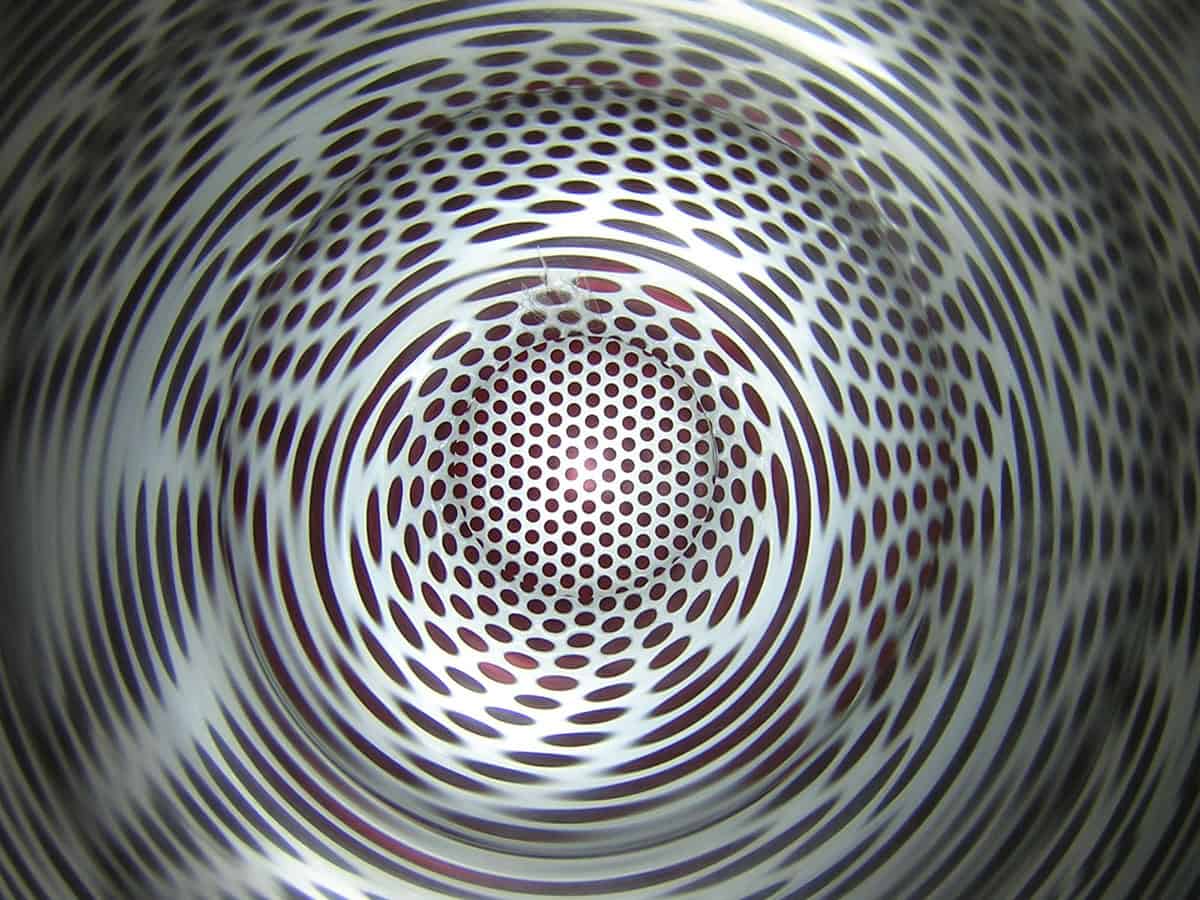
Shine on Highly polished stainless steel ultracold-neutron guide during the production process at the Paul Scherrer Institute in Switzerland. (Courtesy: Bernhard Lauss, PSI)
Consequently, groups around the world are developing a new generation of sources that should deliver higher densities of stored neutrons and open up new avenues for research. At present, new sources are either planned, under construction or have recently gone into service at facilities in Canada (TRIUMF), Germany (Technische Universität München, Johannes Gutenberg University Mainz), Japan (J-PARC, Research Center for Nuclear Physics), Russia (Petersburg Nuclear Physics Institute), Switzerland (Paul Scherrer Institute) and the US (Los Alamos National Laboratory, North Carolina State University). We hope these new sources will make it possible to improve our measurements of the properties described in this article – as well as others not discussed, such as the neutron’s degree of neutrality and the spatial asymmetries in the way it decays (D Dubbers and M G Schmidt 2011 Rev. Mod. Phys. 83 1111).
As storage densities increase and losses are reduced, new applications of ultracold neutrons may become feasible. For example, the wavelength of ultracold neutrons is comparable to the diameter of a nanoparticle, and since they tend to bounce along a surface many times before being absorbed, it might be possible to use them as probes to study surface and interface physics at scales of a few angstroms. Long hailed as a means of probing fundamental theories about the nature of matter and the early universe, it is possible that these extremely cold particles could find a use in more down-to-earth applications, too.