Data centres that house AI infrastructure are on track by the end of the decade to consume nearly three times as much electricity annually as Pakistan, Bangladesh and Nigeria combined. That is according to a report published by the United Nations University Institute for Water, Environment and Health (UNU-INWEH), which also discovers that the water footprint of such centres could match the annual domestic needs of all 1.3 billion people in Sub-Saharan Africa by 2030.
For hundreds of millions of people, generative AI is now woven into their daily lives. ChatGPT processes 2.5 billion prompts each day and, by integrating AI into its search engine, Google processes billions of AI-assisted interactions.
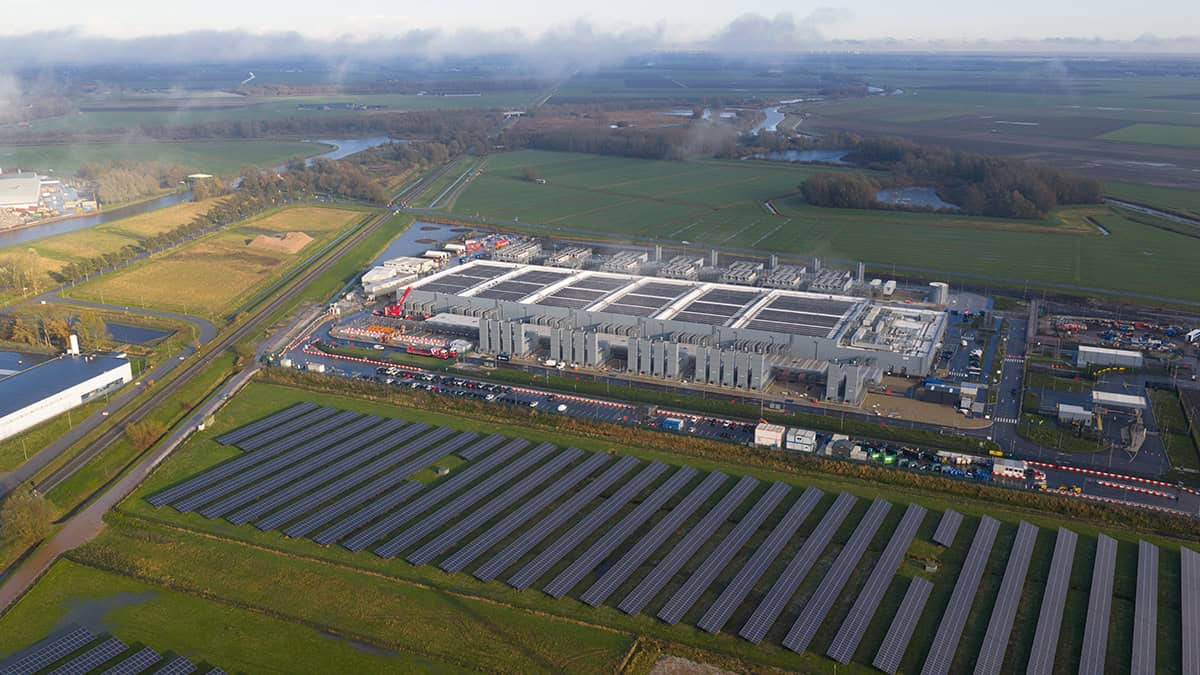
Behind every virtual compute, however, stands sprawling data centres that operate thousands of high-performance processors. Data centres consume vast amounts of electricity and water to operate, cool servers and transmit data.
Day-to-day search queries account for 80-90% of data centres’ energy costs. An average text-based prompt consumes about 0.42 Watt-hours (Wh) of electricity. ChatGPT interactions alone result in 383 GWh per year — enough to cover the domestic electricity needs of nearly three million people in Sub-Saharan Africa.
As of late 2025, only 32 countries had AI-specialized data centres, with nearly half of global data centres located in the US. More than 150 countries, including most of Africa and South America, lack infrastructure to participate in the AI economy.
Those who benefit least from AI, however, often bear a disproportionate share of its cost. Vulnerable communities near data centres face air pollution, drought conditions, and land shortage.
Even regions in the Global South that are devoid of data centres are impacted by mineral extractions to build AI hardware. Such extractions are energy-intensive, deplete water, and pollute the environment.
A responsible ecosystem
The report finds that the land footprint of data centres could span an area roughly 10 times the size of Mexico City by the end of the decade. Additionally, it projects that 2.5 million metric tonnes of e-waste could be produced annually from AI hardware — equivalent to scrapping 250 Eiffel Towers each year.
UNU-INWEH director Kaveh Madani says that the report is not “a case against artificial intelligence” adding that the technology is improving the lives of billions of people worldwide. “[The report] is a call for using it responsibly and addressing its unintended impacts proactively to make it sustainable and equitable,” adds Madani. What physicists can do to support the green economy
To build a responsible AI ecosystem, the report calls for a multilateral approach. AI developers should improve efficiency of design and transparently report their environmental footprint. International and national governance should engage local communities in siting decisions and enforce standardized environmental disclosure while investors should consider environmental impact in their due diligence.
For individuals, the report encourages users to avoid unnecessary use, choose the smallest model capable of the task and write concise prompts.