From tracking elusive animals to protecting some of the world’s most endangered species, the latest episode of Physics World Stories explores how cutting-edge robotics, drones and ecological science are coming together on the front lines of global wildlife conservation.
You’ll hear from Blair Costelloe, leader and principal investigator of the EU-funded WildDrone and WildBotics doctoral training networks, and director of research and conservation at Kenya’s Mara Elephant Project. Costelloe explains how drones, machine learning and other physics-based technologies are opening new possibilities for conservationists, from monitoring animals across large areas to collecting data that would be difficult to obtain on the ground.
Show host Andrew Glester also catches up with Camille Rondeau Saint-Jean, a PhD researcher at the University of Southern Denmark. She is developing and operating drones to track animal body data in real time, offering new insights into population dynamics and conservation. It’s the latest chapter in a career that has already taken her from musicology to drone piloting and conservation biology.
Finally, William Njoroge of Kenya’s Ol Pejeta Conservancy discusses how drones are being integrated with more traditional conservation methods, as well as the practical challenges involved, from technical constraints to regulatory requirements. Set against the backdrop of Mount Kenya, Ol Pejeta is an integrated conservation site and home to the world’s remaining two northern white rhinos.
The episode highlights the fascinating science that can emerge from collaborations across disciplines and cultures, united by a common goal: protecting wildlife.
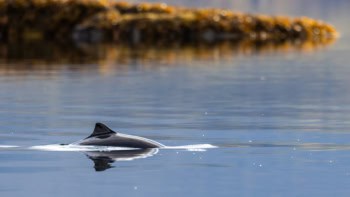
- Podcast image courtesy: Shutterstock/Jonas Aleksander Larsen