

Germany stays on track
Germany is continuing with its nuclear phase-out, while pushing renewables strongly, despite recent policy changes
 Read article: Germany stays on track

Germany is continuing with its nuclear phase-out, while pushing renewables strongly, despite recent policy changes
Read article: Germany stays on track
France has some quite ambitious renewable-energy targets, coupled with a partial nuclear phase-out policy, but progress has been a little patchy
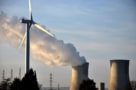 Read article: Renewables in France – good targets, slow progress
While the EU ought to reach its target of getting 20% of its energy from renewables by 2020, the UK is having problems getting to its 15% by 2020 national target
 Read article: Renewables in the EU and UK – the state of play
Team from Stanford reckons 100% of all global energy can come from renewable sources (with biomass excluded) by 2050
 Read article: Jacobson’s new 100% renewables model aims to rebut critics
The move away from feed-in tariffs could slow the push to renewables
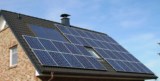 Read article: Supporting renewables: FiTs not tenders?
Renewable subsidies are falling as the technology improves, some say too fast, risking a slowdown and the loss of the non-energy benefits that renewables offer

The stimulation of private sector investment, local economic development and employment are now the key focus in Africa
Nuclear plants cannot easily and safely be ramped up and down rapidly and regularly. So how can we balance variable outputs from renewables?
As we move away from large power plants, there will be problems with maintaining the stability of the electric grid
Some renewables are variable, so how do we account for the cost of balancing them?