

The scientific sublime
Robert P Crease identifies a physics experiment that philosophers would dub “sublime”
 Read article: The scientific sublime

Robert P Crease identifies a physics experiment that philosophers would dub “sublime”
Read article: The scientific sublime
Robert P Crease talks to Nathan Myhrvold – author of the new five-volume blockbuster Modernist Bread – about the science and history of our favourite foodstuff
 Read article: The physics of bread
Robert P Crease reveals that space is not always as we know it
 Read article: Making space
Robert P Crease identifies the main threat to the US's approach to scientific planning
 Read article: Oh, America!
Robert P Crease is unhappy about what some physicists think about Plato
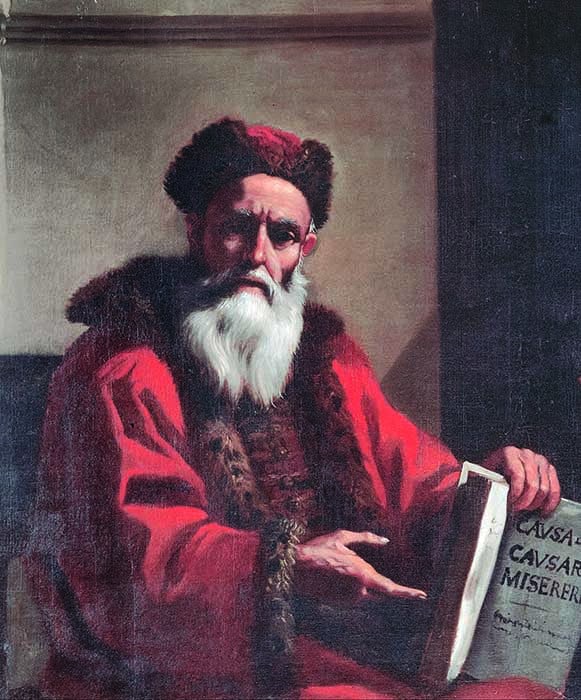 Read article: Whose cave is it?
Despite an ambivalence for science marches, Robert P Crease reveals why he went on one
 Read article: Of minds and marches
When Galileo was stopped at the US border, as Robert P Crease imagines it
 Read article: Entry denied
Would you put your $500,000 violin in a synchrotron? Robert P Crease meets a musician who did
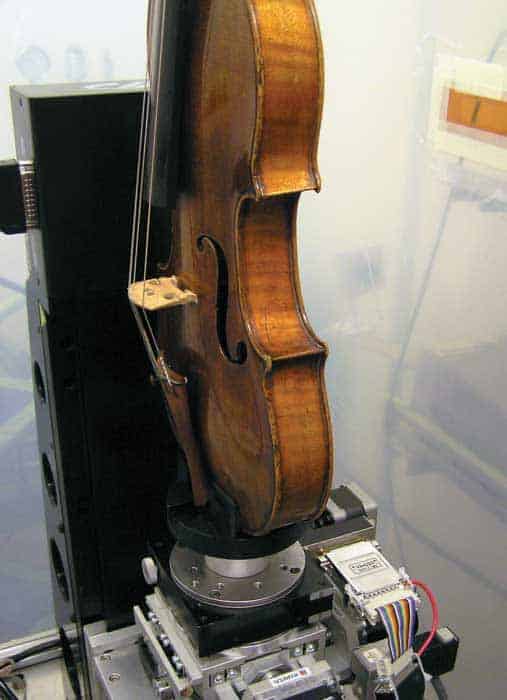 Read article: The sound of trust
Robert P Crease explains why trying to patent software is such a hard thing to do
 Read article: Interstate discomfort
Robert P Crease meets the US statistical physicist famed for his unique scientific meetings
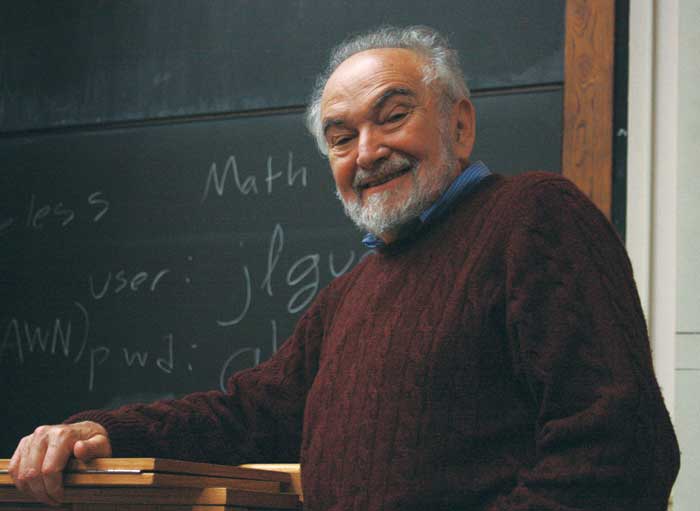 Read article: Joel’s conference