

Bright lights, big city: a lighting revolution comes to New York
Adaptive fritting, emergent surfaces and much more from the future of lighting

Adaptive fritting, emergent surfaces and much more from the future of lighting
An afternoon at the LIGHTFAIR in New York
Robert P Crease examines why Goethe so savagely attacked Newton's views on optics
 Read article: Fight over light
Robert P Crease stumbles into the incredible world of a "philosophical toy" that’s 200 years old
 Read article: Meet the kaleidoholics
Constellations has fun with the "many worlds" idea, but Robert P Crease isn't wholly convinced
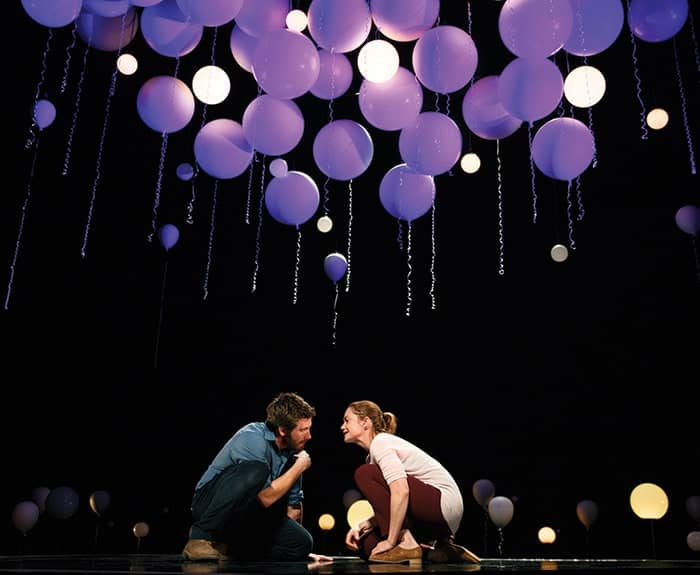 Read article: A multiverse play divides opinion
Robert P Crease drops in on an exhibition exploring how quantum physics inspires graphic artists
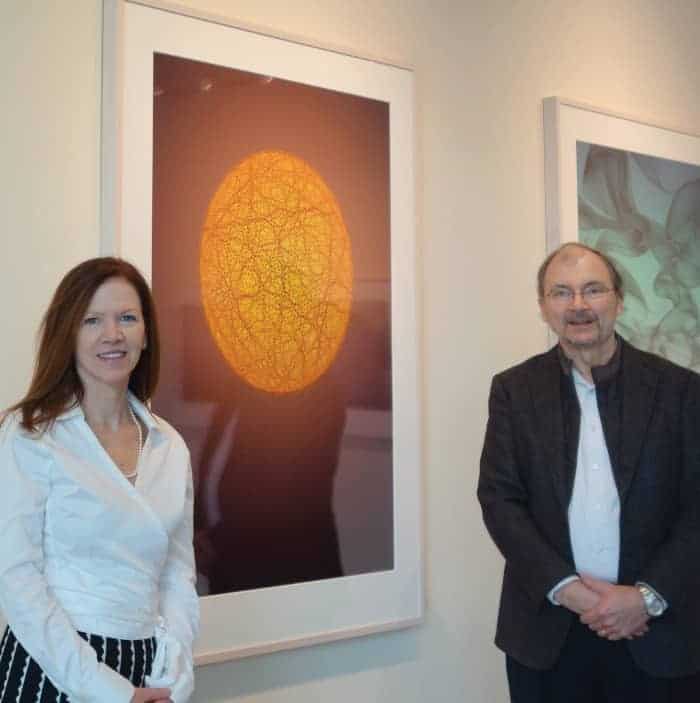 Read article: Quantum-inspired art
Robert P Crease on the meaning of ceremonies we hold for labs that are closing down
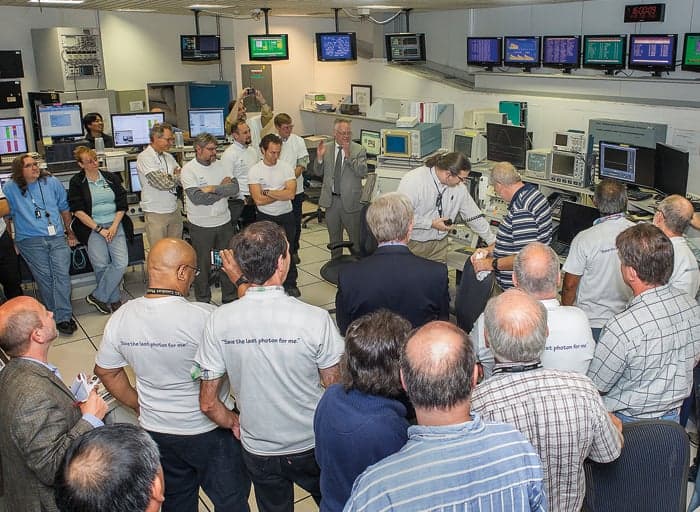 Read article: Shutdowns and start-ups
Robert P Crease wants your picks for the best fiction books set in physics labs
 Read article: Literature of the lab
Robert P Crease marks the centenary of the birth of Martin Gardner
 Read article: Celebrating the mind
The power of the quantum drew me to Brooklyn
 Read article: Quantum dances at the intersection of science and culture