Pushy bacteria create their own superfluids
Collective motion of bacterial swimming could power tiny motors
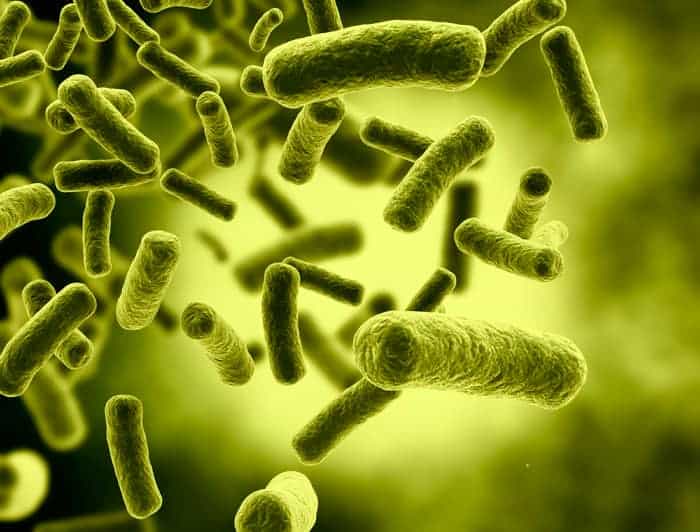 Read article: Pushy bacteria create their own superfluids

Collective motion of bacterial swimming could power tiny motors
Read article: Pushy bacteria create their own superfluids
Copying patterns found on snakes and lizards could reduce friction in tiny machines
 Read article: Reptile skin inspires super-slippery steel surfaces
Magnetic fluids could drive large-scale parallel chemical analysis
 Read article: Liquid droplets create logic circuits
Fibres made of concentric cylinders help creature cling to the sea floor
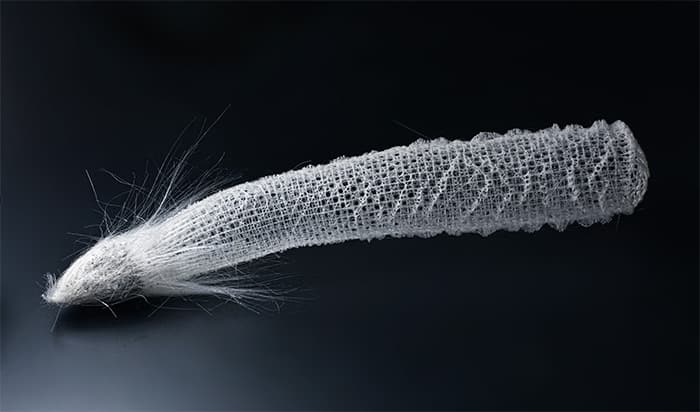 Read article: Scientists reveal how a sea sponge gets its remarkable strength
Why does an orange smell like an orange? The answer may have a quantum connection
 Read article: A quantum sense of smell
Simple mixtures of water and food colouring have a rich variety of behaviours

Study could point to new ways of preventing some cancers
 Read article: Fractal patterns seen on emerging cancerous cells
New technique could help combat HIV and influenza
 Read article: Virus mapped in 3D using X-ray pulses
System sculpts and guides Bessel beams
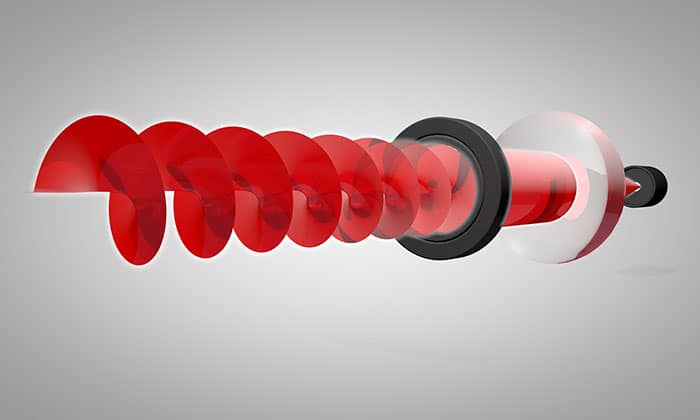 Read article: Ultrasound puts a new twist on light
Research could lead to better surgical treatments for preventing strokes
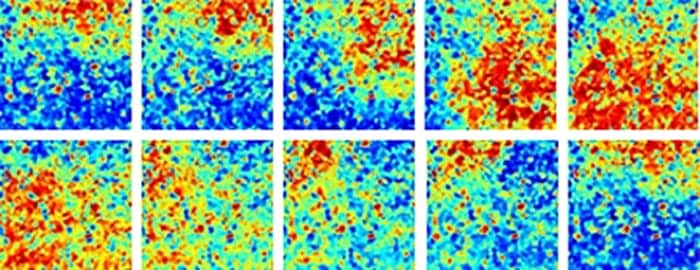 Read article: Heart-muscle model could help pinpoint regions of atrial fibrillation