Rainforest destruction harms fish too
Fewer carp live in streams in logged areas of Borneo
 Read article: Rainforest destruction harms fish too

Fewer carp live in streams in logged areas of Borneo
Read article: Rainforest destruction harms fish too
Can animals adapt to climate change? And if so, can species adapt fast enough to ensure survival? Reports so far are not promising
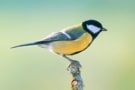 Read article: Animals adapt to climate heat, but too slowly
Cooperation may be key to preserving ecosystems, model finds
 Read article: Can native superorganisms keep invasive species at bay?
Team identifies knowledge gaps in historic data, collaboration, monitoring and more in bid to boost pollinator conservation
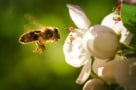 Read article: How can science best help bees?
Find out why conservationists are monitoring our finned friends in the Philippines
 Read article: Tracking pelagic thresher sharks
Pilot project with indigenous communities in Amazon has minimal impact on area inside scheme
 Read article: Conservation payments reduce deforestation on land next door
Forest regrowth is too slow to recover timber stocks, researchers find
 Read article: Selective logging will not be enough to sustain timber production in Amazonia
Yet Pacific Northwest’s dense soil carbon stores are vulnerable to climate change
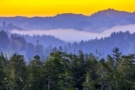 Read article: Wet weather sinks carbon into coastal temperate rainforests
Louise Murray looks at how scientists are using acoustics to learn more about pelagic thresher sharks’ behaviour and how to better protect them
 Read article: Listening for sharks
Population shifts could have dire consequences for Southern Ocean ecosystems
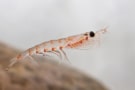 Read article: Warm weather drives Antarctic krill south