The future of the iconic Arecibo Observatory is at stake following the resignation of Robert Kerr, the facility’s director and principal investigator. Kerr’s departure is reportedly because of the way the National Science Foundation (NSF), which owns the observatory, has sought alternative sources of funding to keep the facility running.
The NSF is facing tight budget constraints following the construction of new facilities such as the Large Synoptic Survey Telescope in Chile. In late October, the foundation sent a letter to the scientific community requesting “viable concepts for the future [of Arecibo]” by the end of the year. Arecibo is a 52-year-old radio telescope with a 305 m collection dish built into a sinkhole depression in Puerto Rico.
Funding cuts
Although work carried out at the facility led to Russell Hulse and Joseph Taylor winning the 1993 Nobel Prize for Physics for discovering the first binary pulsar, a 2006 report from the NSF recommended reducing Arecibo’s annual funding from $10.5m to $4.0m. After lobbying by researchers, the NSF was able to cobble together sufficient funds to keep the observatory open. NASA, for example, adds funding of $2m each year to support the hunt for asteroids that could threaten Earth.
But the financial pressures continue, as funds for Arecibo’s operation compete with research grants for astronomers. The observatory’s situation was not helped by the need for repairs following a magnitude-six earthquake that hit the facility in January 2014.
Search for intelligent life
Earlier this year, Kerr, who had been director since 2011, thought he had a solution: the Breakthrough Listen project – a 10-year, $100m search for intelligent life in the universe that was set up by the Russian entrepreneur Yuri Milner in July. Later that month, Kerr told Scientific American that the project offered to buy observing time on the radio telescope. Yet the NSF – Kerr claims – indicated that accepting the deal would mean the loss of further NSF funding, an action that could, according to Kerr, lead to the “cessation of science operations, and possibly closure”.
The NSF has denied that threat, although it concedes that it could reduce funding if an organization such as Breakthrough Listen takes up some of Arecibo’s observing time. Kerr says that the NSF and SRI International – the contractor that operates the facility together with academic partners – withdrew contact with him following his comments in Scientific American. Kerr resigned as director in October after losing his position as principal investigator.
Astronomer Michael Nolan of the University of Arizona’s Lunar and Planetary Laboratory, who preceded Kerr as Arecibo director, told physicsworld.com that since Kerr stepped down, SRI International has sent in management staff to keep the facility running. Nolan admits that he does not know of any organization that would be willing to take over the operation of Arecibo from the NSF.
Adventures in science: the Magna centre in Rotherham, UK.
By Susan Curtis
At a time when the UK steel industry is close to meltdown, it felt quite humbling to be standing inside a disused steelworks on the outskirts of Rotherham. In its heyday in the 1970s the colossal plant employed 3000 people and housed six electric arc furnaces that set new records for steel production. Since closing in 1993, the facility has forged a new identity as the Magna Science Adventure Centre, which offers visitors an insight into the steel-making process and its heritage in the area around Sheffield.
Recently, I was at Magna for the annual TRAM conference, which showcases the latest technology advances in the aerospace industry. Organized by the Advanced Manufacturing Research Centre (AMRC), one of the UK’s Catapult centres based at the University of Sheffield and supported by Boeing, TRAM highlights how aircraft makers and their suppliers are improving materials and manufacturing processes to reduce cost and enhance performance. But among the talk of powder metallurgy, high-performance machining and the factories of the future, a presentation by Nick English from the UK-based watchmaker Bremont highlighted manufacturing innovation at a much smaller scale.
The comic book artist Frank Espinosa and Princeton University’s Sajan Saini have joined forces to create a comic book called A Star For Us. The book begins with a brief history of our understanding of nuclear fusion in the Sun and goes on to chronicle the challenges of creating a mini-Sun here on Earth.
Espinosa and Saini – who is a physicist turned professor of writing – spent time with physicists at the Princeton Plasma Physics Laboratory. Espinosa says that he was impressed by the researchers enthusiasm for the future of fusion energy. “I was trying to channel that energy of hope,” he explains.
“The mood of the comic tries to really capture a sense of a vast cosmic scale being made palpable, being made into something that we can realize within our own hands,” says Saini. I agree and you can judge for yourself by downloading a PDF of the comic book free of charge.
The physicist and former chief technology officer at Microsoft, Nathan Myhrvold, has a nice essay in Scientific American about the roles of the private and public sectors in driving technological innovation. He explains that when Microsoft Research was created in 1991, the company was keen on not making the same mistakes as AT&T, IBM and Xerox – which were all in the process of winding down their world-famous research labs. The problem was that these firms funded research in areas that they were not immediately able to exploit commercially. Myhrvold points out that many of the technologies first developed in those labs – including the transistor and giant magnetoresistance data storage – made much more money for fast-moving competitors such as Microsoft than they did for the companies that did the basic research.
The oldest stars in our Milky Way galaxy have been discovered by an international team of researchers. These ancient stars could contain vital clues about how the first stars in the early universe died, and their discovery marks the first time that extremely metal-poor stars have been observed in the central region of the galaxy. The location of the stars suggests that they formed when the Milky Way underwent rapid chemical changes during the first 1–2 billion years of the universe.
After the Big Bang, only elements such as hydrogen, helium and some trace amounts of lithium existed in the universe. Heavier elements such as oxygen, nitrogen, carbon and iron – referred to as “metals” by astronomers – were forged in the extremely high-pressure centres of the first massive stars, which are predicted to have formed within 200 million years after the Big Bang. The metals were scattered across the cosmos when these first stars, known as “population III” stars, quickly burned out and exploded in supernovae. These explosions seeded the universe with the metals to form “population II” stars, which are still “metal-poor” compared with “population I” stars like the Sun.
Not the stars we are looking for?
A true first population-III star has not yet been discovered, although the best evidence for them was found earlier this year in an extremely bright and distant galaxy in the early universe. Astronomers believe that old metal-poor stars would have formed in the central regions or the “bulges” of galaxies, where the effects of gravity were the strongest. The Milky Way bulge underwent a rapid chemical enrichment in the early universe, and this should have created a host of metal-poor stars – indeed, we should find them there even today. However, metal-poor stars have only been found in the outer regions or the “halo” of the Milky Way and not at its centre.
Now, Louise Howes of the Australian National University in Canberra and an international team have used the SkyMapper telescope to identify nearly 500 extremely metal-poor stars in the Milky Way bulge. The team also confirmed that most of these old stars are in tight orbits around the galactic centre, rather than being halo stars passing through the bulge. The researchers also found that the chemical compositions of these stars are, for the most part, similar to typical halo stars of the same metal content (or metallicity). However, some unexpected differences exist when it comes to the amount of carbon in such stars.
Stars with a low metal content look slightly bluer than others, so the team could sift through the millions of stars at the centre and whittle the observations down to 14,000 promising candidates. From those, the researchers identified 500 stars that had less than 100th the amount of iron in the Sun, making it the first extensive catalogue of metal-poor stars in the bulge. Of these, Howse and colleagues focused on 23 candidates that were the most metal-poor, and from these data, they homed in on nine stars with a metal content less than 1000th of the amount seen in the Sun. This includes one star with an iron abundance 10,000 times lower than that of the Sun – now the record-breaker for the most metal-poor star in the centre of the galaxy.
To and fro
To ensure that these stars were truly old – and not those that had formed much later in other parts of the galaxy that were not as dense and are now merely passing through the centre – the researchers used precise measurements and computer simulations to plot the stars’ movement in the sky. This allowed them to predict where the stars came from and where they were moving to. The team found that while some stars were indeed just passing through, seven of them were formed in the bulge and had remained there since.
“These pristine stars are among the oldest surviving stars in the universe, and certainly the oldest stars we have ever seen,” says Howes. “These stars formed before the Milky Way, and the galaxy formed around them.” While it is currently not possible to directly determine the ages of these ancient stars, the researchers say that it could be inferred from data collected by the extended Kepler mission or its successors.
The team’s discovery also challenges current theories about the environment of the early universe from which these stars formed. “The stars have surprisingly low levels of carbon, iron and other heavy elements, which suggests the first stars might not have exploded as normal supernovae,” says Howes. “Perhaps they ended their lives as hypernovae – poorly understood explosions of probably rapidly rotating stars, producing 10 times as much energy as normal supernovae.” If true, such hypernovae would be one of the most energetic things in the universe, and very different from the kinds of stellar explosions that we see today.
Disorder, or entropy, in a microscopic quantum system has been measured by an international group of physicists. The team hopes that the feat will shed light on the “arrow of time”: the observation that time always marches towards the future. The experiment involved continually flipping the spin of carbon atoms with an oscillating magnetic field and links the emergence of the arrow of time to quantum fluctuations between one atomic spin state and another.
“That is why we remember yesterday and not tomorrow,” explains group member Roberto Serra, a physicist specializing in quantum information at the Federal University of ABC in Santo André, Brazil. At the fundamental level, he says, quantum fluctuations are involved in the asymmetry of time.
Egging on
The arrow of time is often taken for granted in the everyday world. We see an egg breaking, for example, yet we never see the yolk, white and shell fragments come back together again to recreate the egg. It seems obvious that the laws of nature should not be reversible, yet there is nothing in the underlying physics to say so. The dynamical equations of an egg breaking run just as well forwards as they do backwards.
Entropy, however, provides a window onto the arrow of time. Most eggs look alike, but a broken egg can take on any number of forms: it could be neatly cracked open, scrambled, splattered all over a pavement, and so on. A broken egg is a disordered state – that is, a state of greater entropy – and because there are many more disordered than ordered states, it is more likely for a system to progress towards disorder than order.
This probabilistic reasoning is encapsulated in the second law of thermodynamics, which states that the entropy of a closed system always increases over time. According to the second law, time cannot suddenly go backwards because this would require entropy to decrease. It is a convincing argument for a complex system made up of a great many interacting particles, like an egg, but what about a system composed of just one particle?
Murky territory
Serra and colleagues have delved into this murky territory with measurements of entropy in an ensemble of carbon-13 atoms contained in a sample of liquid chloroform. Although the sample contained roughly a trillion chloroform molecules, the non-interacting quantum nature of the molecules meant that the experiment was equivalent to performing the same measurement on a single carbon atom, one trillion times.
Serra and colleagues applied an oscillating external magnetic field to the sample, which continually flipped the spin state of a carbon atom between up and down. They ramped up the intensity of the field oscillations to increase the frequency of the spin-flipping, and then brought the intensity back down again.
Had the system been reversible, the overall distribution of carbon spin states would have been the same at the end as at the start of the process. Using nuclear magnetic resonance and quantum-state tomography, however, Serra and colleagues measured an increase in disorder among the final spins. Because of the quantum nature of the system, this was equivalent to an increase in entropy in a single carbon atom.
”It’s easier to dance to a slow rhythm than a fast one” Roberto Serra, Federal University of ABC
According to the researchers, entropy rises for a single atom because of the speed with which it is forced to flip its spin. Unable to keep up with the field-oscillation intensity, the atom begins to fluctuate randomly, like an inexperienced dancer failing to keep pace with up-tempo music. “It’s easier to dance to a slow rhythm than a fast one,” says Serra.
Many questions remain
The group has managed to observe the existence of the arrow of time in a quantum system, says experimentalist Mark Raizen of the University of Texas at Austin in the US, who has also studied irreversibility in quantum systems. But Raizen stresses that the group has not observed the “onset” of the arrow of time. “This [study] does not close the book on our understanding of the arrow of time, and many questions remain,” he adds.
One of those questions is whether the arrow of time is linked to quantum entanglement – the phenomenon whereby two particles exhibit instantaneous correlations with each other, even when separated by vast distances. This idea is nearly 30 years old and has enjoyed a recent resurgence in popularity. However, this link is less to do with growing entropy and more to do with an unstoppable dispersion of quantum information.
Indeed, Serra believes that by harnessing quantum entanglement, it may even be possible to reverse the arrow of time in a microscopic system. “We’re working on it,” he says. “In the next generation of our experiments on quantum thermodynamics we will explore such aspects.”
What is time? was chosen by Physics World editors as one of the five biggest unanswered questions in physics. In the 25th anniversary issue of the magazine (published in 2013) Adam Frank chronicles what we know and don’t know about the mysterious fourth dimension
Was Bacon a hero or villain of science? (Courtesy: Sheila Terry/Science Photo Library)
Francis Bacon – the Elizabethan philosopher, not the 20th-century painter – seems to inflame people. Hillary Clinton has spent two decades having her every sneeze scrutinized for evidence of misconduct, but Bacon has received that treatment for the better part of four centuries.
The son of an official in Queen Elizabeth’s court, Bacon (1561–1626) grew up around the royal household. He became a barrister, member of parliament and attorney general. Bacon befriended the Earl of Essex, who advised the queen, but then helped level charges of treason against Essex, who was executed in 1601. Bacon became lord chancellor under Elizabeth’s successor, James I, but fell from power after being accused of bribery in 1621. The practice of bribery appears to have been widespread and the charges against Bacon seem to have stemmed from anti-royalist sentiment in parliament. Sensing he now lacked James’s support, Bacon prepared a defence, then dropped it and admitted the charges.
Bacon sought political influence to advance his far-sighted dream of what science on a grand scale could look like – and how it could remake England. He presented his vision in Instauratio Magna (“Great Instauration”), one of the most ambitious works ever written. Published in 1620, it outlined “a total reconstruction of sciences, arts and all human knowledge, raised upon the proper foundations” to restore the proper relation of humanity and nature. His contemporaries almost uniformly praised Bacon for his work. The poet Abraham Cowley likened him to Moses, who led his people out of Egypt, while Samuel Taylor Coleridge called the Novum Organum (part two of Instauratio Magna) “one of the three great works since the introduction of Christianity”.
Many later writers, however, saw Bacon as initiating the evils of modern civilization. He’s been called “the most wicked man in recorded history” and a “creeping snake” with “viper eyes”. Many invoke Alexander Pope’s quotable couplet: “think how Bacon shin’d/The wisest, brightest, meanest of mankind”. Pope’s lines were cited by others, including the early 19th-century British politician Lord Campbell, who claimed that Bacon was “THE MEANEST OF MANKIND!!!” using all caps and triple exclamation marks for emphasis. In 1978 Anthony Burgess blamed terrorism on “a Baconian faith”, claiming (falsely) that Bacon held that creating a new future requires destruction of the past, while in 1985, Time magazine lumped him alongside US presidents Garfield and Nixon as a famous corrupt politician.
Character assassination
A casual reader might therefore assume that Bacon was materialistic, utilitarian, power-hungry and heartless. But in her 600-page 1996 book Francis Bacon: the History of a Character Assassination, Nieves Mathews concludes that nearly all the charges against him are based on mistaken – or at least uncharitable – apprehensions. Even the word “meanest” in Pope’s couplet may well signify “unassuming” rather than “villainous”.
Similar misreadings characterize most other accusations. The evidence against Bacon, one could say, has been cooked.
Mathews’ book deals mainly with character assassinations, but there have also been what we might call philosophical assassinations, which regard Bacon’s vision of science as not only misguided but immoral and inhuman. In the 1920s, for example, German philosophers and sociologists from what’s known as “the Frankfurt school” saw Bacon as initiating a misplaced optimism in science and a narrow, overly rationalist approach to social problems. One early member, Max Horkheimer, even compared Bacon to a criminologist whose idea of obtaining trustworthy knowledge is the sort of thing you can only do in a police laboratory.
More recently, “ecofeminist” philosophers have charged Bacon with promoting a style of science based on patriarchal gender roles. Sandra Harding from the University of California, Los Angeles, for example, saw him as advocating the “marital rape” of nature – that is, “the husband as scientist forcing nature to his wishes”. Bacon, she wrote, “appealed to rape metaphors to persuade his audience that experimental method is a good thing”. Meanwhile, Carolyn Merchant from the University of California, Berkeley, charged Bacon with “treat[ing] nature as a female to be tortured through mechanical investigations”. She cites Bacon’s discussion of the fable of Proteus – which Bacon interprets as a parable about scientific experimentation – in which Bacon notes that Proteus must be “vexed” before he shows himself as what he is.
Recently, other scholars have argued that, when cited correctly and read in context, such passages are literary embellishments rather than substantive descriptions of Bacon’s vision. Peter Pesic of St John’s College in Santa Fe, for instance, shows that Bacon was using the word “vex” to mean something more like “perturb” than “torture”; Bacon, Pesic argues, was advising us to see how a phenomenon acts in its myriad ways before we try to say what it is.
The critical point
The assassination attempts on Bacon reveal the danger of not going back to the original sources to understand them in context. Bacon, a lawyer, was a perceptive and versatile speaker who knew the value of, and was skilled at, speaking in different ways to different audiences. This makes it easy to support contemporary misinterpretations of Baconian science – that it’s all about patriarchy, or the domination and control of nature, for instance – by picking and choosing remarks out of context.
Bacon noted that the human mind is vulnerable to certain flaws that distract us from seeing nature as it is. He called them idols, and described four: idols of the cave, the tribe, the marketplace and the theatre (June 2013). We might describe a fifth, the idol of the inkblot, referring to the human tendency to project our own feelings onto someone or something else. Analysing examples of this fallacy reveals many of the assumptions and prejudices about science that we have inherited. By studying Bacon, we can therefore learn much about our age’s attitudes to science, as well as about his.
Physicists working at the Gran Sasso National Laboratory in central Italy, located 1400 m under the mountain of the same name, are soon to start taking data from two new experiments. Each facility will target a different kind of missing matter: one will search for dark matter while the other will try and detect absent neutrinos to prove that neutrinos are their own antiparticle.
Dark flash
The hunt for dark matter – the mysterious substance believed to make up about 80% of all matter in the universe but not yet detected directly – will be carried out using XENON1T. This experiment, which was inaugurated at an event at Gran Sasso today, consists of 3.5 tonnes of liquid xenon. It is designed to measure very faint flashes of light that are given off whenever particles from the dark matter halo of the Milky Way collide with the xenon nuclei. The xenon will be stored at a temperature of about –100 °C in a cryostat and surrounded by a tank containing some 700 tonnes of purified water to minimize background radioactivity.
Run by an international collaboration of 120 students and scientists from 22 institutions, XENON1T is expected to be about 100 times more sensitive than its 160 kg predecessor experiment and around 40 times better than the world’s current leading dark-matter detector – the 370 kg Large Underground Xenon experiment in South Dakota, US. Due to start taking data by the end of March next year, XENON1T will either detect dark matter or place severe constraints on the properties of theoretically-favoured weakly interacting massive particles (WIMPs), says collaboration spokesperson Elena Aprile of Columbia University in New York.
Dark heart
The other new experiment at Gran Sasso is the Cryogenic Underground Observatory for Rare Events (CUORE), which will look for an extremely rare nuclear process known as “neutrinoless double beta decay“. That decay, if it exists, would involve two neutrons in certain nuclei decaying simultaneously into two protons while emitting two electrons but no antineutrinos (unlike normal beta decay), implying that the neutrino is its own antiparticle. Due to turn on early next year, CUORE will measure the energy spectrum of electrons emitted by 741 kg of tellurium dioxide surrounded by radioactively inert lead blocks recovered from a Roman ship that sank 2000 years ago.
Meanwhile, towards the end of 2016 another group of scientists at Gran Sasso should take delivery of about a kilogram of cerium oxide powder, which they will place several metres below the Borexino neutrino detector. The Short Distance Neutrino Oscillations with BoreXino (SOX) experiment will look for a sinusoidal-like variation in the number of interactions generated within the detector by neutrinos from the radioactive cerium. SOX leader Marco Pallavicini of the University of Genoa says that such a variation would be a sure sign of “sterile” neutrinos – hypothetical particles outside the Standard Model of particle physics that would “oscillate” into ordinary neutrinos but would not interact with any other kind of matter.
In the video below, Luke Davies of the University of Bristol explains why physicists believe that the universe is full of dark matter
People have long been fascinated by extreme environments and those who explore them. Back in 1969, some 800 million of us tuned in to watch Neil Armstrong set foot on the Moon, while earlier generations thrilled to hear news of Roald Amundsen’s 1911 journey to the South Pole or Edmund Hillary and Tenzing Norgay’s 1953 conquest of Mount Everest. Yet despite the daring of human explorers, it is remarkable that wherever we have ventured on Earth, we have always found that other organisms got there first.
From the inky ocean depths to the driest deserts and the coldest reaches of the polar regions, all of the most inhospitable places on the planet have been colonized. In fact, the greatest explorers of our time may not be humans at all, but the extreme-loving organisms known as “extremophiles” that can survive and thrive in physical and chemical environments that would kill most other forms of life.
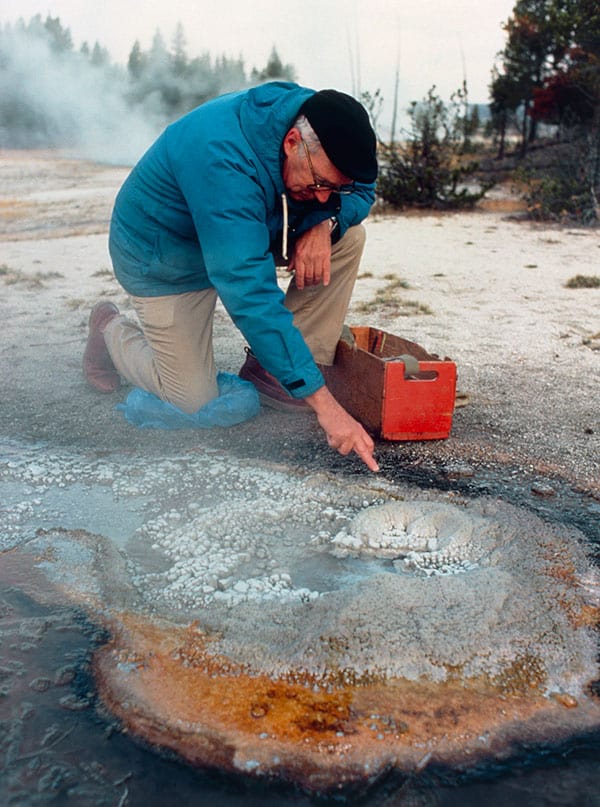
The study of extremophiles has a remarkably short history. As recently as 1965, scientific dogma held that no organism could live at temperatures above 55 °C. In that year, however, biologist Thomas Brock began exploring the waters of superheated geothermal pools in Yellowstone National Park, US. Brock observed bacteria growing in springs with temperatures up to 88 °C, and he and his colleagues eventually isolated a previously unknown genus of bacteria, Sulfolobus, that thrives in temperatures of between 75 and 80 °C.
The study of extremophiles really took off after 1977, when researchers using the submersible vessel Alvin discovered an oasis of life more than 2000 m below the surface of the Pacific Ocean off the Galapagos Islands. There is no sunlight at such depths, so instead, the organisms that call this environment home produce organic material via chemosynthesis. In this, they are helped by underwater geysers known as “black smokers”, which spew out superheated water laced with minerals such as sulphide (which gives them their bleak colour) at temperatures that can exceed 400 °C. This water is also highly acidic, with a pH as low as 2.8 – similar to vinegar, which has a pH of 2.2.
Today, the list of known extremophiles is impressively long. As well as the hyperthermophiles and acidophiles mentioned above, there are alkaliphiles, which survive and thrive in habitats with a pH above 9; halophiles, which flourish in highly salty waters such as the Dead Sea; and psychrophiles – cold-loving organisms found in the deep ocean at temperatures of 1–3 °C and at much lower temperatures below (and within) polar ice caps. There are even some organisms that thrive in multiple extreme conditions, such as the bacterium Deinococcus radiodurans. This beautiful example of a “polyextremophile” can survive cold, dehydration, vacuum and acid. Remarkably, it can also withstand a 5000 Gy dose of ionizing radiation with no loss of viability – a staggering amount compared with the 5 Gy dose that would kill a human.
With each discovery, new questions have emerged about the mechanisms that allow these organisms to survive. In our own bodies, extremes of temperature, both high and low, and extremes of pH will destroy DNA and other fundamental biological molecules in our cells. So how do extremophiles manage to tolerate such conditions? The answer is not yet clear, but research at the interface between the physical sciences and biology is providing insights into the complex processes of life in extreme environments. The physics aspect is important because at the cellular and molecular level, biological processes are noisy and stochastic, involving vast numbers of random motions and interactions. Many fields in physics are vital for exploring these complex processes, with knowledge from thermodynamics, statistical mechanics, soft-matter physics and more being brought to bear. These fields provide powerful methods to probe the processes of life in extreme environments in a quantitative and predictive way.
Physics has also given us a different and powerful approach to studying life in extreme environments. The physical properties of extremophiles are often discussed in terms of their equilibrium properties, such as their thermodynamic stability and static structures. We can also gain valuable insights into these systems by examining their kinetic stability, as well as the fundamental forces that govern their functions. We can develop a theoretical description of their behaviour, for example by using scaling laws borrowed from polymer physics. Finally, the development of new instrumentation adapted to extreme pressure, temperature and/or chemical environments has also been integral to advancing our knowledge of extremophile life – particularly since many of these organisms cannot survive in “normal” laboratory conditions.
Keeping it together
In the eyes of biological physicists, globular proteins are colloids, DNA is a stiff polymer and lipids forming cell membranes are surfactants. Extremophiles (and indeed other organisms) are almost entirely made up of “living soft matter”. Physics-based approaches make it possible to measure the forces and fluctuations that shape the dynamics and functionalities of these components, including single biological molecules as well as the larger molecular machinery of the cell.
Proteins, in particular, are fascinating for scientists investigating the extraordinary toughness of extremophile life. These chains of polymers are made up of monomeric units called amino acids, and they provide the workforce that keeps cells functioning – they are, in effect, “bionanomachines”. Proteins fold into a characteristic 3D shape that governs their function, stiffness, elasticity and adhesive properties, all of which play important roles in their various jobs, which include moving other molecules across a cell membrane and providing mechanical robustness in muscle function.
Despite being so useful, though, proteins are rather fragile. To perform their numerous functions, their structures need to be dynamic and flexible. Protein structures are stabilized by a large number of weak, non-covalent interactions, such as hydrogen bonds, ionic interactions, van der Waals forces and hydrophobic interactions. Given that the forces that maintain protein structure are weak, at room temperature the resulting dynamic structure of the protein can be described as malleable, or “mechanically soft” – in other words, they lose their structure when subjected to moderate perturbations. At higher temperatures, molecular vibrations from heat can literally shake a protein apart, unravelling its polymer chain or preventing new proteins from folding correctly once made. Without these protein workhorses, the normal biological machinery of the cell will not operate. How, then, do the proteins in heat-loving extremophiles manage to remain intact?
Applications of extremophiles
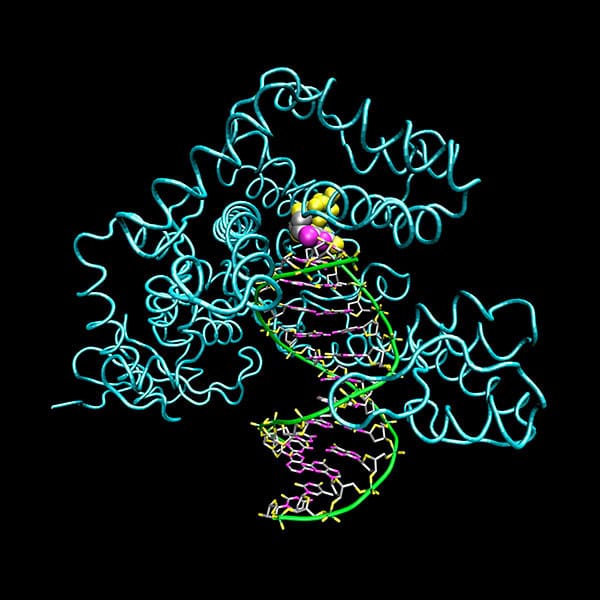
Chain reaction A molecular model of Taq polymerase (blue) replicating DNA. Taq is derived from the heat-resistant bacterium Thermus aquaticus. (Courtesy: Dr Tim Evans/Science Photo Library)
Much of the research on extremophiles has focused on answering fundamental questions about how these organisms survive. But there is also a growing industry that seeks to exploit enzymes isolated from organisms that can tolerate extremes of heat, cold, acid, pressure and more. A classic example concerns the heat-loving bacteria species Thermus aquaticus, which was discovered by Thomas Brock and Hudson Freeze in 1969. This bacterium is the source of a heat-resistant enzyme called Taq polymerase, whose job is to assemble a new DNA strand from individual nucleotides.
Taq is now a key component of a technique called polymerase chain reaction (PCR), which can generate thousands (sometimes even millions) of copies of a particular DNA sequence in a few hours using simple equipment. PCR has revolutionized biochemical and genetic research (its creator, Kary Mullis, shared the 1993 Nobel Prize for Chemistry) and it relies completely on the high-temperature adapted capabilities of the Taq enzyme, which must survive cycles of repeated heating and cooling of the DNA between about 68 and 96 °C.
Other applications of extremophiles include using extremophilic enzymes to recover gold, copper and other valuable metals from solid industrial wastes or to degrade toxic compounds. Such enzymes are also being used in agriculture (to modify crops to protect them from cold weather conditions) and to lower costs in the baking industry by making enzymatic reactions more efficient at lower temperatures. Understanding the structure and stability of extremophilic proteins is central to all of these industrial developments.
A myriad of adaptations
One conceptually attractive possibility is that the high thermal stability of proteins in thermophiles might be correlated with the high mechanical rigidity of the protein matrix. But fundamentally all proteins are made from the same collection of amino-acid building blocks. So how can two proteins display such differences in stability and therefore survive different environmental extremes? To answer this question, researchers have drawn on a treasure trove of data known as the protein database (PDB), which contains 3D structural data on proteins.
The first protein structure was solved in the 1950s by John Kendrew and Max Perutz (earning them a shared Nobel Prize for Chemistry in 1962 “for their studies of the structures of globular proteins”), and there are now more than 100,000 biological molecules in the PDB. This information includes common structural motifs, such as alpha-helices and beta-sheets, which had already been predicted by Linus Pauling. Around 90% of the data has been obtained using X-ray crystallography, in which a beam of incident X-rays is diffracted by atoms in the protein. By measuring the intensity and scattering angle of the diffracted beams, crystallographers can obtain a 3D picture of the density of electrons in the protein, and so work out the average position of each atom in the crystal. Most of the remaining 10% of structures in the PDB have been resolved using nuclear magnetic resonance spectroscopy, while a few structures have been solved by firing a beam of electrons through a cryogenically cooled sample, to yield a high-resolution image.
Bubbling up Microbiologist Tom Brock taking a sample from near a hot spring in Yellowstone Park, US, in the hunt for extreme bacteria. (Courtesy: Peter Menzel/Science Photo Library)
By comparing protein structures in the PDB, researchers have uncovered a myriad of adaptations that keep proteins stable and active under extreme conditions. For example, Michael Danson, a structural biologist at the University of Bath’s Centre for Extremophile Research, and co-workers have shown that heat-adapted (thermophilic) proteins tend to have a more tightly packed hydrophobic core and greater electrostatic interactions than their middling-temperature (mesophilic) counterparts. Cold-adapted (psychrophilic) proteins, in contrast, have a reduced hydrophobic core and a less charged protein surface, which may help them to stay flexible and active at low temperatures. Meanwhile, detailed studies by Oscar Millet and co-workers at the CIC bioGUNE lab, Spain, on salt-adapted (halophilic) proteins have shown that structures featuring amino acids with short “side chains” are preferred, as they reduce the interaction surface between the protein and the solvent. This is thought to be an advantage in an environment where water molecules are in short supply because so many of them are bonded to salt ions.
Among the other types of extremophiles, the pressure-adapted piezophiles are of particular interest to physicists. One of the first to study how proteins fall apart, or denature, at high pressure was Percy Bridgman, who won the 1946 Nobel Prize for Physics “for the invention of an apparatus to produce extremely high pressures and for the discoveries he made therewith in the field of high-pressure physics”. After subjecting an egg to a pressure of 7000 atmospheres, Bridgman found that the egg appeared as though it had been hard boiled in water – a discovery that fuelled interest in using high pressures to preserve food.
More recently, experimental studies have begun to probe the high-pressure limits on bacterial survival. For example, Paul McMillan and co-workers at University College London have found that the bacterium Shewanella oneidensis MR-1 can survive pressures into the gigapascal range – more than 10,000 times higher than atmospheric pressure at sea level. The survival mechanisms for such bacteria are not well understood, but new technologies may help. Nick Brooks and co-workers at Imperial College London, for example, are developing instruments to study the effect of high pressure on the structure and dynamics of biological systems. Their current projects include a device that makes it possible to carry out X-ray diffraction experiments at very high pressure, along with a platform for obtaining dynamic information under high pressure.
Folding into place
While we now know a lot about how the structures of proteins in extremophile organisms have adapted, we have less information (particularly quantitative data) on the conformational dynamics and flexibility of these proteins. An important area of study is what happens when proteins fold. Protein folding is a stochastic process by which a polypeptide chain transforms itself from a random coil into a characteristic and functional 3D structure.
Studying how proteins fold in extreme environmental conditions presents physicists with a wonderful opportunity to explore the balance of entropic and enthalpic components that govern protein stability
We are not yet able to predict the correct folded structure of a protein, or how it gets there, simply by looking at its sequence of amino acids. However, we do know that folding involves a delicate interplay between global geometry and local structure, and that it is induced by hydrophobic interactions between non-polar regions of the protein chain (as well as by other mechanisms such as hydrogen bonding). We also know that when a protein folds, it loses a lot of the entropy associated with the numerous possible conformations it could have. This loss of conformational entropy is balanced by the increase in the enthalpy that results when new bonds form, including hydrogen bonds and ionic interactions. Studying how proteins fold in extreme environmental conditions thus presents physicists with a wonderful opportunity to explore the balance of entropic and enthalpic components that govern protein stability.
1 Unravelling proteins from extremophiles Mechanically unfolding a hyperthermophilic protein (purple) and a well-characterized marker protein (yellow) using single-molecule force spectroscopy. (Reproduced from Biochemical Society Transactions43 179)
The advent of single-molecule force spectroscopy (SMFS) in the mid-1990s has helped to reveal the molecular mechanisms of protein folding. One common SMFS technique uses an atomic force microscope, with one end of the protein tethered to a gold surface, while the other end is attached to the tip of a small, flexible cantilever. As the tip is moved away, the protein stretches out and unfolds, and the cantilever bends. By measuring the cantilever’s deflection with a laser and photodetector, the force needed to unfold the protein can be calculated, and the size of this force reveals the protein’s mechanical stability. Force measurements can also be used with theoretical models to determine other properties of the protein, such as its stiffness.
SMFS experiments have provided remarkable insight into the mechanical stability of proteins, revealing details about the relationship between protein structure and stability, as well as directly measuring protein unfolding and folding kinetics. Thanks to this work, we can now probe the importance of non-covalent interactions to the mechanical and thermodynamic stability of extremophilic proteins, including in conditions that mimic those in which the extremophile organisms lived (high and low temperature, and solution pH).
At the University of Leeds, we have been using SMFS to manipulate a protein called TmCsp (commonly known as the “cold-shock protein”) that is found in a hyperthermophilic bacterium, Thermotoga maritima (figure 1). In measuring the forces required to unfold TmCsp at different temperatures, we have seen the protein’s spring constant drop as the temperature rises, reflecting the enhanced malleability of the structure. These findings actually run counter to the hypothesis that proteins from thermophiles should have rigid structures resulting from improved packing and increased numbers of ionic interactions. Instead, our experiments suggest that malleability may be an essential design feature of heat-adapted proteins – perhaps by giving the protein a way of recovering its structure under extreme high-temperature conditions. Further studies will seek to uncover more details of the “energy landscape” of folding in proteins from extremophilic organisms, and to understand the importance of intermediate stages in the folding process.
New frontiers for life
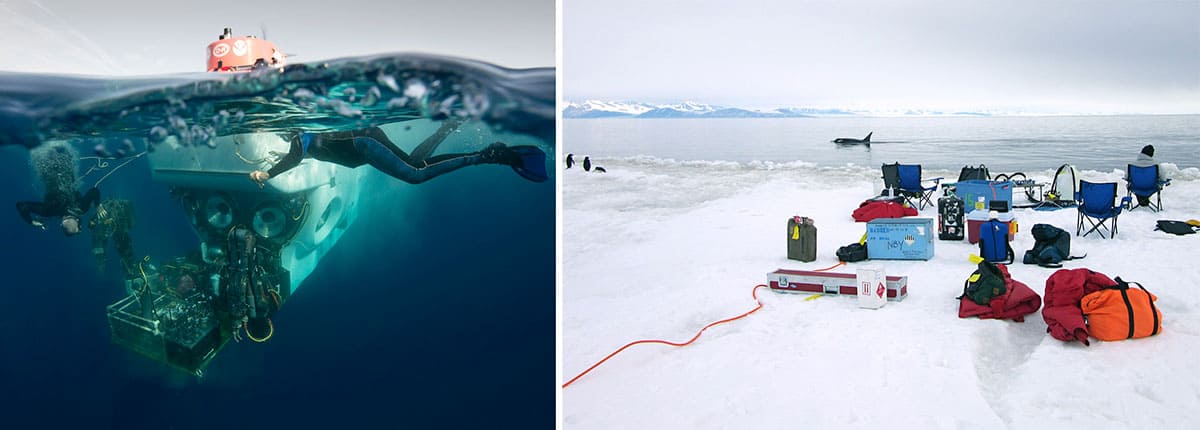
Outside the biological-physics lab, the hunt for new extremophiles continues. The exploration of Antarctica, for example, has revealed previously unknown areas of groundwater and subsurface liquid water, some of which may house new examples of extreme life. Specialist facilities such as the UK’s Boulby International Subsurface Astrobiology Lab – the world’s first permanent deep subsurface laboratory – also provide opportunities to complete experiments in extreme conditions. Each discovery gives us a clearer understanding of the conditions required for life and extends the limits of what we know is possible. Extremophile discoveries are also helping to fuel the search for life beyond our own planet. By advancing our understanding of how molecules and organisms respond to extreme environments, we also learn more about the potential habitability of other worlds – including Mars, which according to recent evidence may be home to flowing water.
Deep sea, deep cold Researchers look for life in extreme places, including under the sea using submersibles such as Alvin (left), and in Antarctica. (Courtesy: Chris Linder/Woods Hole Oceanographic Institution; Andrew Allen, Scripps Institute of Oceanography/J Craig Venter Institute)
Back here on Earth, studies of extremophiles and extremophile proteins may prove important for the development of new biomaterials. Designing materials that are thermodynamically and mechanically robust, yet are also malleable or rigid enough to suit particular applications, is a big challenge, and to fully exploit proteins as self-assembling components in such new materials, we will need to expand the toolbox of available proteins. Proteins from extremophilic organisms therefore present interesting opportunities for researchers seeking to engineer robust synthetic biological materials.
While the bacteria and their single-celled cousins, the archaea, are the true masters of extremes, as the field of synthetic biology continues to grow, we may eventually need to add a new domain to the tree of life. In creating such a domain – which has already been given a suggested name, synthetica – we can take inspiration from the many extremophiles that have been found in the bacteria and archaea domains, and perhaps some from our own domain, eukarya. Advanced techniques such as genome sequencing and super-resolution microscopy, as well as exploration of the macromolecular organization of the cellular machinery and collective motion, will undoubtedly shed light on the mystery of how extremophiles survive and adapt to some of the toughest conditions on the planet.
Physicists in Germany have steered beams of X-rays around corners by carefully shining them along extremely narrow channels carved into a thin layer of tantalum – a feat that had not been expected, given how X-rays are known to undergo optical refraction. The waveguides were able to deflect X-ray beams by up to 30°, and the team says that the thumbnail-sized devices might be used for ultrahigh-resolution imaging or for analysing pulses from free-electron lasers.
Building optical devices for light at X-ray wavelengths is extremely difficult because the index of refraction for X-rays in solid materials is slightly less than it is in air. This makes it difficult to send X-rays along waveguides such as optical fibres, which exploit total internal reflection. A ray of visible light travelling from glass to air is refracted away from the normal to a significant degree because the indices of refraction of glass and air are very different. This means that the light will reflect back into the glass waveguide, even when the beam is at relatively large angles to the air–matter interface. In contrast, X-rays need to be within about a thousandth of a degree of the interface to undergo total internal reflection.
Scientists have been able to make straight X-ray waveguides by very precisely shining a beam into a long, narrow channel of air cut into a medium such as silicon or a metal. However, the tiny difference in the refractive indices meant that no-one had tried to build a curved version.
Narrow and precise
Now, Tim Salditt and colleagues at the University of Göttingen have overcome this problem. They reasoned that an X-ray beam can be sent along a curved waveguide as long as the device is sufficiently narrow and the optics used to focus the beam sufficiently precise. When a beam enters a curved channel, the part of the beam on the inside of the curve is deflected through the greatest angle when bouncing off the far side of the channel (the outside of the curve). This means that the channel entrance must be made as narrow as possible to limit the beam’s maximum angle of deflection. On this basis, the team calculated the maximum width a waveguide could have if it is to transport a beam of a given wavelength through a given angle.
To put their idea to the test, the researchers used electron-beam lithography to carve out five curved channels on a 500 nm-thick tantalum “chip” measuring 5 × 5 mm. Each channel is 100 nm wide and the waveguides have radii of curvature of 10–80 mm. They placed the chip in a 1.5 nm-wavelength X-ray beam produced by the PETRA III synchrotron source at the DESY laboratory in Hamburg. The beam was fired into each waveguide in turn and the team measured the pattern of radiation emerging on the far side of the chip. The researchers found that they could transport a significant fraction of the beam’s intensity through quite large angles – over 18° in the case of the waveguide with 10 mm radius of curvature.
Emboldened by these results, they carved out a second chip on an identical-sized piece of tantalum but with the channels in this case having radii of curvature of 1–30 mm. They then placed this chip in a 1.5 nm beam produced at the European Synchrotron Radiation Facility in Grenoble, France. Although, as before, much of the beam leaked out along the way, a significant portion of it nevertheless made it to the end of the waveguide with the 10 mm curvature – turning through 30° in the process.
X-ray interferometry
According to Salditt, chips guiding X-rays through 30° could have a number of applications, including interferometers that split X-ray beams and then recombine them. Such devices could be used to measure the length of the very short pulses produced by free-electron lasers. Another possibility, he says, would be to direct X-rays to carry out very high-resolution imaging of objects such as living cells.
David Paganin of Monash University in Melbourne, Australia, agrees that curved X-ray waveguides could have a number of practical applications, and adds X-ray-based information processing and the probing of ultrafast molecular dynamics to Salditt’s list. “This development could be to X-rays what the optical fibre is to visible light,” he says.
According to Salditt, the waveguides could be made more efficient by covering the channels – currently they are open to the air above – and by replacing the tantalum with a material that absorbs fewer X-rays, such as diamond or beryllium. With the right combination of materials and beam wavelength, the team believes it may be possible to deflect X-rays through 90°, or even 180° for a waveguide having a radius of curvature of around 1 mm.
The photonics industry is a major contributor to the UK’s hi-tech economy. In 2012 (the most recent year for official statistics), the sector as a whole had an annual turnover of £10.5bn, and it employed more people than the country’s pharmaceutical industry. But that kind of status doesn’t develop overnight, and it doesn’t happen by accident.
That’s the message that comes across in this video, which was recorded at the University of Strathclyde’s Technology and Innovation Centre in Glasgow, Scotland. This £89m building was officially opened in July 2015 and now houses more than a dozen different groups, including the Centre for Microsystems and Photonics (part of Strathclyde’s engineering department), the Fraunhofer Centre for Applied Photonics (CAP) and the Institute of Photonics.
The last of these organizations was founded in 1995 to strengthen links between Strathclyde’s physics department and the photonics industry. In the video, you’ll hear Martin Dawson, director of research at the Institute of Photonics and head of the CAP, talking about how those academia–industry partnerships have developed within the cluster of photonics companies located in Scotland’s central belt. You’ll also hear Simon Andrews, executive director of Fraunhofer UK Research, explaining why such partnerships – and the government funding that supports them – are important for building and maintaining hi-tech industries.