Falling atoms measure the Earth’s rotation

A new type of gyroscope based on interfering atoms has been developed that can determine the latitude where the instrument is located – and also measure true north and the Earth’s rate of rotation. The device has been developed by physicists in the US, who hope to scale it up so that it can test Einstein’s general theory of relativity. They also want to miniaturize the technology so it can be used in portable navigation systems.

The gyroscope has been built by a team led by Mark Kasevich at Stanford University in California. It works by firing a cloud of atoms upwards at a slight angle to the vertical so that the atoms follow a parabolic trajectory as gravity pulls them down. A series of laser pulses is then fired at the cloud while in flight, which separates the atoms into a number of different bunches that follow different trajectories. The pulses are carefully selected so that two of these trajectories cross paths at a detector.

Given that the atoms are governed by quantum mechanics, they behave like waves with a relative shift in phase between the atoms taking different paths. The resulting interference at the detector is dictated in part by the relative orientations of the laser pulses, gravity and the rotation of the Earth.

Where in the world?

The device is set up so that the laser pulses are fired horizontally – that is perpendicular to gravity – and was tested by rotating the orientation of the laser pulses about the gravitational axis. The resulting interference pattern is a near-perfect sinusoid with an amplitude that depends on the Earth’s rate of rotation and the latitude of the location where the measurement is made. Because we know how fast the Earth is spinning, the latitude can therefore be easily determined. The direction of true north and south are given by the direction of the laser pulses when the amplitude of the sinusoid is zero.

As the gyroscope is also sensitive to its own motion relative to its surroundings, Kasevich and colleagues have shown that it could be used for “inertial navigation”, whereby the location of a vehicle (or person) is calculated by knowing its starting point and all the movements that it has made. The team demonstrated this by rotating the gyroscope about the axis perpendicular to both gravity and the laser pulses, which led to a steady change in the interference as the angular velocity was increased from zero to about 1.6 revolutions per second.

Testing Einstein

Although this is not the first atom gyroscope to be made, the team says that its dynamic range is 1000 times greater than previous versions. Another important difference between this and other atom gyroscopes is that the interference pattern does not depend on the velocity of the atoms, which means that noise and uncertainty in those measurements do not degrade its performance.

Kasevich believes that the technique could also be adapted to measure – for the first time in a laboratory setting – the tiny corrections to the trajectory of any object resulting from Einstein’s general theory of relativity. “As our atom-interferometry technique essentially determines trajectory, ultimately, the interferometer phase shift should reflect those trajectory corrections related to general relativity,” he says. Kasevich and colleagues now plan to refine their technique so that it is sensitive enough to measure this effect, known as “geodetic precession”, and implement it in a 10 m “drop tower” that is being built at Stanford.

Although the “geodetic precession” of general relativity has previously been measured using instruments on board satellites, Holger Müller of the University of California, Berkeley thinks that “confirmation by atom interferometers would be received with great interest”. However, he warns that the implementing the upgrade experiment in the 10 m tower will be “a challenge”.

Kasevich also has plans to implement the technology in small devices that could be used in navigation systems – and indeed is already associated with a small company called AOsense, based in Sunnyvale, California, that plans to do just that. Kasevich told physicsworld.com that a device with a volume of just 1 cm3 could be useful for terrestrial navigation applications. The current experiment is contained within a cubic magnetic shield with sides that measure about 50 cm.

The research is described in Physical Review Letters.

‘Tension’ emerges within OPERA collaboration

The claim by a team of researchers in Italy that neutrinos can travel faster than the speed of light will require extra checks before being submitted to a peer-reviewed journal. That is the position of a number of researchers in the OPERA collaboration, which announced on 23 September that it had observed superluminal neutrinos travelling from the CERN particle-physics lab near Geneva to the Gran Sasso underground lab in central Italy.

The announcement made headlines around the world, since it appears to contradict Einstein’s special theory of relativity. However, not everyone within OPERA was happy to release the results publicly, with several of the 30 group leaders within the 160-strong collaboration being opposed to the release of a paper on the arXiv preprint server and the accompanying seminars and press release without further tests of possible systematic errors being carried out. Now, a larger fraction of the group leaders is concerned about the paper being submitted to a research journal. One member of OPERA, who does not wish to be named, says there is a “lot of tension” within the collaboration and that up to half of the members are opposed to an immediate submission.

Precision measurements

Neutrinos are produced by accelerating protons at CERN’s Super Proton Synchrotron accelerator and colliding proton bunches 10 µs in length into a graphite target, generating mesons that in turn decay into neutrinos. The 1300-tonne OPERA detector, which has been running since June 2008, measures the properties of muon neutrinos as they travel 730 km through the Earth’s crust from CERN to Gran Sasso.

The experiment was originally designed to study the oscillation of muon neutrinos into tau neutrinos, but following tentative results in 2007 from the MINOS experiment in the US that showed neutrinos appearing to travel faster than light, researchers realized accurate velocity measurements could also be carried out with OPERA. Researchers installed atomic clocks at both ends of the neutrino beam to establish exactly when the neutrinos are created and detected, and used GPS-based measurements to precisely measure the length of the baseline – the velocity being derived by dividing the baseline by the time of flight.

Collecting more than 16,000 events between 2009 and 2011, the OPERA collaboration calculated that muon neutrinos arrive on average 60.7 ns earlier than they would have done had they travelled at the speed of light, which corresponds to a fractional increase over light speed of 25 parts in a million. Having accounted for a host of possible systematic errors, including uncertainties relating to the precise moment of creation and detection of the neutrinos plus errors introduced by cabling and clock synchronization, the researchers arrived at a total systematic error of 7.4 ns, comparable with the statistical error of 6.9 ns.

The OPERA collaboration calculated a confidence level of “6σ”, or a one in a billion chance the result was a statistical fluke, and this persuaded most of the collaboration that the result was solid enough to publish. However, some members were worried that unknown sources of systematic error might potentially destroy the confidence level. They argued that before making an announcement, further checks should be carried out – a process that could take several months.

One such check regards the timing of the neutrinos’ arrival at Gran Sasso, and involves carrying out an analysis of timing data collected by monitoring the charge, rather than the light, generated by particles passing through the detector. This analysis relies on a very precise and painstaking measurement of the length of the cabling used to collect the timing data, in order to isolate any systematic errors that may be present within the electronics or other parts of the timing system.

Another independent check involves the statistical analysis of the data collected by OPERA. The researchers are not able to track, and therefore time, individual neutrinos as they travel from Geneva to Gran Sasso, but instead they measure the temporal distribution of the protons within each bunch just before the protons hit the graphite target and then compare this with the distribution of the corresponding neutrinos as they are detected in OPERA – with the temporal offset between the two revealing the time of flight. Some members of the collaboration argue that this offsetting procedure needs to be carried out independently, in order to be sure that the temporal profile of the neutrinos leaving CERN can be inferred accurately from that of the protons that produced them.

Heated debate

Discussions about whether or not the collaboration was ready to publish took place in early September. As these discussions were quite animated, the decision was put to a vote, with collaboration spokesperson Antonio Ereditato from the University of Bern proposing that initially the research be published on arXiv while at the same time being presented in a series of scientific seminars, before later being submitted to a peer-reviewed journal. This strategy received a majority, but not a unanimous, vote. It was then left to individual researchers to sign the arXiv paper, with about 10 senior members out of a total of 170 people (including some non-official members) deciding not to do so.

There are so many things that people outside can’t check. It is these things that we have to do before publishing Caren Hagner, Hamburg University

Ereditato says that the collaboration will continue to carry out checks but will do so in parallel with the journal submission. He maintains that no-one outside the collaboration, either at the seminars or via e-mail, has yet presented “smoking guns against what we have seen” and adds that “as experimentalists we have done everything we can”. However, Caren Hagner, leader of the OPERA group at Hamburg University and one of the people whose name does not appear on the arXiv paper, believes that the collaboration should carry out the extra checks before submitting the paper for peer review. “Many of the collaboration are convinced that if a mistake is subsequently found it, won’t be down to OPERA,” she says. “But I am not really convinced. There are so many things that people outside can’t check. It is these things that we have to do before publishing.”

Laura Patrizii, who is leader of OPERA’s Bologna group and who did sign the preprint, clarifies the motivation of the dissenters. “It is not that people think there is a mistake that is being hidden,” she says. “But since something going faster than light would kill modern physics as we know it, some researchers would feel more at ease with these independent checks.”

Looking to the outside

In addition to the checks that can be carried out within the collaboration, there are also some additional checks that CERN could perform, such as using detectors downstream of the graphite target to provide a better estimate of the profile of the departing neutrinos. The MINOS experiment is also currently improving its cabling and electronics, and collaboration co-spokesperson Jenny Thomas from University College London says that new data collected with the upgraded detector combined with a better analysis of existing data could allow MINOS to largely rule out the OPERA result within the next four to six months (but not to rule it in, given that this would require a higher level of accuracy).

Giovanni Amelino-Camelia, a theoretical physicist at the University of Rome “La Sapienza”, believes that a confirmed OPERA result would lead to a “revolution” within physics. But he thinks that this confirmation is unlikely, pointing out that in the history of physics there have been many experimental “alarms” suggestive of a revolution but that only a small fraction of these, such as the Michelson–Morley experiment, have been confirmed.

With OPERA in the spotlight, collaboration members also disagree about their future research programme. Luca Stanco, leader of the OPERA group from the University of Padova and one of the people who did not sign the preprint, believes that the priority now should be further investigation of the superluminal-neutrino result, rather than neutrino oscillations. Ereditato, however, says that even though the collaboration will pursue superluminal research, “the main focus will continue to be oscillations”.

Electrons heat up in graphene

Graphene has once again amazed researchers with its bizarre properties – this time in the way it reacts to light. A team in the US has discovered that the material does not behave like a conventional semiconductor when exposed to light but instead produces “hot carriers” that generate a photocurrent. The finding could be useful for creating new types of ultrafast and highly efficient photodetectors and energy-harvesting devices such as solar cells.

Graphene is a layer of carbon just one atom thick that has a range of unique electronic, mechanical and optical properties that could have great technological promise. Indeed, since its discovery in 2004 the “wonder material” has been used to create transistors and other prototype components.

Hot carriers at all temperatures

Researchers are also keen to create optical devices using graphene and this latest discovery by Pablo Jarillo-Herrero and colleagues at the Massachusetts Institute of Technology and Harvard University could point the way forward. “This so-called hot-carrier regime is very unusual and is normally only seen at extremely low temperatures or in very non-linear processes,” explains Jarillo-Herrero. “However, in graphene it occurs at all temperatures from very low up to room temperature – and in the linear regime – when the material is excited with a laser.”

When a conventional semiconductor is excited with light, high-energy electron–hole pairs are produced. These charge carriers subsequently generate a photocurrent, which is usually driven by an electrostatic potential difference. Such processes form the basis of modern optoelectronics devices.

Graphene is different

Until now, researchers believed that graphene was no different in its reaction to light – although some suspected that thermoelectric processes could be at play in the material. The new research by the MIT–Harvard team has unambiguously confirmed for the first time that these processes are indeed responsible for photocurrent generation in graphene.

The researchers obtained their results by making a host of optoelectronic measurements on complex graphene p–n-junction nanodevices that they had fabricated themselves in the laboratory. In particular, they performed precise spatially resolved optical-excitation microscopy and electron-transport measurements by shining laser light with a wavelength of 850 nm onto the graphene p–n interfaces. They then measured the photocurrent produced in the devices as the laser spot was scanned over the samples.

The team observed that a strong photocurrent was produced at the p–n contact that increased as the power of the laser beam was increased. The maximum photocurrent recorded was 5 mA/W at low temperatures, a value that is six times higher than that seen in previous graphene optoelectronic devices.

Running hot and cold

According to the researchers, such high values are a result of the photothermoelectric effect. “It turns out that when you shine a light on graphene, the electrons in the material heat up, and remain hot, while the underlying carbon lattice remains cool,” explains Jarillo-Herrero. “It is these hot electrons that then produce a current.” The electrons in the excited graphene cannot cool down easily because they couple poorly to the carbon lattice and so cannot transfer their heat to it, he adds.

“Our study is of a very fundamental nature,” says Jarillo-Herrero, “and forces us to ask myriad questions.” For example, how efficient are the photogenerated charge carriers and can the dimensions of the devices we made be optimized to maximize the current produced? What happens if the number of graphene layers is changed and what happens if the devices are coupled to optical cavities?

“All of these questions will be relevant when making new types of ultrafast and highly efficient photodetectors and energy-harvesting devices, the basic operating principles of which could be quite different from those of standard semiconductor devices because they rely on hot-carrier generation,” he says.

“Graphene with its new exciting properties allows for unprecedented engineering of novel thermo-optoelectronic structures,” Gerasimos Konstantatos of the Institut de Ciències Fotòniques in Barcelona, Spain, who was not involved in the work, tells physicsworld.com. “This new research shows that delocalized photogenerated hot carriers produce a high photoresponse using electrostatic control of doping in a dual-gated graphene device. Harnessing hot carriers in this material is indeed an important finding, given its bandgap-less nature,” he adds.

The work will appear in Science.

Are big-science projects worth the money?

hands smll.jpg
By Tushna Commissariat

Published with the October issue of Physics World is a special big-science supplement where we take a good look at the specific challenges of designing and building humongous facilities such as ITER and the LHC –from how to get them funded to the engineering and scientific issues that have to be met before construction can begin. You can download a free copy of the PDF here.

So, our poll question for this week:
Do you think that “big science” facilities are value for money?
The options are “Yes”, “No” and “Depends on the project”.
Vote now on <a href="https://www.facebook.com/physicsworld“>Facebook.

Results just in

Last week we ran two polls, both of which were about the 2011 physics Nobel prize.
In our first poll we asked you which fields of physics deserved to win this year’s Nobel. We had more than 200 responses and here are some results.

Most people felt that “quantum information” would be a shoo-in with a 104 votes, followed by “neutrino oscillations” with 63 votes among others. Unfortunately, we did not have the foresight to include dark energy in the list, but one of our Facebook followers, Peter Moon, commented about an hour before the prize was awarded saying “The acceleration of the expansion of the universe is the most important and unexpected discovery of the last 30 years. Saul Perlmutter and his team from Berkeley responsible for the 1998 achievement deserve the prize, right now!” It looks as if he knew something that we didn’t!

Indeed, the prize was given “for the discovery of the accelerating expansion of the universe through observations of distant supernovae” to Perlmutter and two members of a rival group that came to the same surprising conclusion. (Read an extensive history of the discovery here

Our second poll question asked “Has the 2011 Nobel Prize for Physics ‘for the discovery of the accelerating expansion of the universe’ gone to the right people?” Some 88 of you answered with a “Yes”, while only 7 of you said “No”. So, that wraps up our Nobel polls, until next year!

Space missions look from the dark into the light

Hot on the heels of this week’s announcement of the physics Nobel prize “for the discovery of the accelerating expansion of the universe through observations of distant supernovae”, the European Space Agency (ESA) has chosen its next two science missions, one of which will explore the nature of dark energy – which many physicists believe is the cause of the accelerating expansion. Called Euclid, this mission will study the large-scale structure of the universe with the aim of understanding how it evolved following the Big Bang. The other mission is named Solar Orbiter and will gauge the influence of the Sun on the rest of the solar system, with a special focus on the effects of the solar wind.

The projects are the first in ESA’s Cosmic Vision 2015–2025 plan and fall into the category of medium-class missions. There are three such missions planned for launch in 2017–2022, but the third has yet to be chosen.

The dark side

In 1998 physicists were astounded by the discovery that the rate of expansion of the universe was increasing – not decreasing as had been previously thought. The cause of the acceleration remains one of the most enduring mysteries in cosmology. Euclid is a space-based telescope that aims to create the most accurate map yet of the large-scale structure of the universe. According to ESA’s mission objectives, this will enable astronomers “To understand the nature of dark energy and dark matter by accurate measurement of the accelerated expansion of the universe through different independent methods.”

Euclid will observe galaxies and clusters of galaxies out to redshifts of z ~ 2 at visible and near-infrared wavelengths. Its view will stretch across 10 billion light-years, revealing details of the universe’s expansion and how its structure has developed over the last three-quarters of its history. Euclid’s launch, on a Soyuz launch vehicle, is planned for 2019 at Europe’s Spaceport in Kourou, French Guiana.

Here comes the Sun

While the Euclid mission will probe the furthest corners of the universe, the other Cosmic Vision mission will be looking at something rather closer to home. The Solar Orbiter will investigate how the Sun creates and controls the heliosphere – the bubble in space that is “blown” by the Sun and engulfs the solar system. The mission is designed to better our understanding of the influences our Sun has on its neighbourhood. In particular, it will study how the Sun generates and propels the solar wind, which is the flow of particles in which the planets are bathed. Solar activity, such as solar flares, affects the solar wind, creating strong perturbations and making it turbulent. This can have dire consequences for radio communications, satellites and space missions, as well as triggering spectacular auroral displays visible from Earth and other planets.

The Solar Orbiter will maintain an elliptical orbit around the Sun and will venture closer to it than any previous mission. This will allow the mission to measure how the solar wind accelerates over the Sun’s surface and to sample this solar wind shortly after it has been ejected. The mission’s launch is planned for 2017 from Cape Canaveral using a NASA-provided Atlas launch vehicle.

Asking the right questions

Early in 2004, the Cosmic Vision 2015–2025 plan identified four scientific aims: What are the conditions for life and planetary formation? How does the solar system work? What are the fundamental laws of the universe? How did the universe begin and what is it made of? A “call for missions” around these aims was issued in 2007, with Euclid and the Solar Orbiter chosen this year. ESA is now evaluating five other medium-sized missions for the final launch slot in 2022. This includes the PLATO mission, which would look at nearby stars to study the conditions required for planet formation and the emergence of life, that narrowly missed out in this latest round.

“It was an arduous task for the Science Programme Committee to choose two from the three excellent candidates. All of them would produce world-class science and would put Europe at the forefront in the respective fields. Their quality goes to show the creativity and resources of the European scientific community,” says Fabio Favata, head of the Science Programme’s planning office.

Relativity’s new revolution

Einstein’s equations of general relativity are like the Himalayan mountains – beautiful and majestic when viewed from a distance, but slippery and full of crevasses when explored up close. Of those who venture into them, not everyone comes back alive. A set of 10 independent, nonlinear partial differential equations, Einstein’s equations relate the energy and matter in a region of space to its geometry. Astonishingly simple when expressed in the geometric, coordinate-independent language of tensors that Einstein ultimately hit upon, the equations – when applied to real situations – unfortunately become coupled beasts unlike anything physicists had tamed since the days of Newton.

Einstein’s equations of general relativity can be solved exactly only in a handful of cases – with one of the first such solutions, and perhaps its most famous, being that derived by the German astronomer Karl Schwarzschild in 1916 for the simple case of a static, spherical, uncharged mass in a vacuum. Schwarzschild’s assumptions, and his mathematical wizardry, reduced the Einstein equations to a single, ordinary differential equation that he was able to readily solve, though even the master himself was surprised at the possibility of an exact solution. The “Schwarzschild solution” leads naturally to the concept of a black hole (see “Black holes: the inside story”), although Schwarzschild himself never grasped the significance of the singularity in his solution, dying four months later on the Russian Front during the First World War. Even Einstein thought the Schwarzschild singularity – the radius where the solution is invalid because of division by zero – was physically meaningless, and it was only decades later that the depths of the Schwarzschild solution were plumbed in general relativity’s first golden age, which ran from about 1960 to 1975, by Roger Penrose, Kip Thorne, Stephen Hawking and many others besides.

As theories go, general relativity has been a great success. Most famously, its early approximate solutions accounted for a well-known discrepancy in the orbit of the planet Mercury that could not be completely accounted for using classical Newtonian physics, yielding a value for the difference that agreed spot-on with astronomical measurements. Einstein’s equations have also predicted that light bends in a gravitational field and even that radar signals are delayed when bounced off one of our solar system’s inner planets. However, these successes are all based on the “post-Newtonian” approximation of the full Einstein equations, where speeds are small compared with that of light and gravitational fields are weak. Einstein’s general relativity has never been tested in the vastly different “strong field” regime.

Thanks, however, to fast and powerful supercomputers, physicists can now crunch by brute force through Einstein’s equations using advanced computational algorithms. Using what is known as “numerical relativity”, we can explore physical regimes where space–time is far from the simple, flat, 4D world of special relativity, obtaining exact solutions even where gravity is strong and so space and time are stretched and twisted. Indeed, theorists have already made some major breakthroughs in solving Einstein’s equations with computers, leading to specific predictions that astronomers can now test.

With analysis and observation converging, new insights have been gained into some of the most energetic and spectacular phenomena in the universe that are, in turn, pushing the numerical relativists to study even more complex systems, in realms that physics has never delved before. These new methods have uncovered the possibility of “rogue” black holes, kicked from their galactic lairs to rush silently through intergalactic space. They have even become a tool for understanding the dynamics of black-hole pairs, for probing the equation of state of neutron stars, and for helping us to design future space-borne detectors for hunting gravitational waves – tiny oscillations in the fabric of space–time itself. It is, it has been said, general relativity’s new golden age.

Subtle and malicious

Relativists had been trying since the 1960s to numerically solve Einstein’s equations, but extracting the physics from even simple cases proved exceedingly difficult. Early on, theorists formulated clever ways to package the problem for a computer by dividing 4D space–time into a stack of 3D surfaces labelled by a time parameter. But those using such approaches found that their computer programs crashed after becoming unstable or suffering large numerical errors – even in simple cases such as two black holes colliding head-on. It seemed that Einstein might have been wrong after all: the Lord was both subtle and malicious.

The problem gained added urgency in the 1990s as the US began planning the Laser Interferometer Gravitational-Wave Observatory (LIGO) – two giant interferometers in Washington and Louisiana that eventually began taking data in 2002 in the still-ongoing quest to detect gravitational waves. In order to extract the tiny gravitational-wave signals from background noise, designers needed to know the exact form of gravitational waves that hopefully would wash over the apparatus – in particular their amplitudes and frequencies – because this would determine precisely by how much, and how fast, the arms of the interferometer would change in length. But at the time, theorists investigating the astrophysical phenomena that were expected to generate such waves, especially two black holes merging, could only help LIGO’s designers in general terms. “In the 1990s the Einstein equations for two black holes colliding became the holy grail of general relativity,” recalls Laura Cadonati, a gravitational phenomenologist at the University of Massachusetts at Amherst, who applies numerical results to astrophysical systems.

The problem was not simple. In addition to producing instabilities, the programs ultimately needed to span a time period long enough to cover the last few inspirals of an orbiting black-hole pair, their merger and subsequent settling (called the “ringdown”) of the final black hole. The relativists were stuck: their computers, and especially their methods, could address various parts of the problem – in two spatial dimensions, or just up until the merger – but not for an entire event that could occur in the real universe.

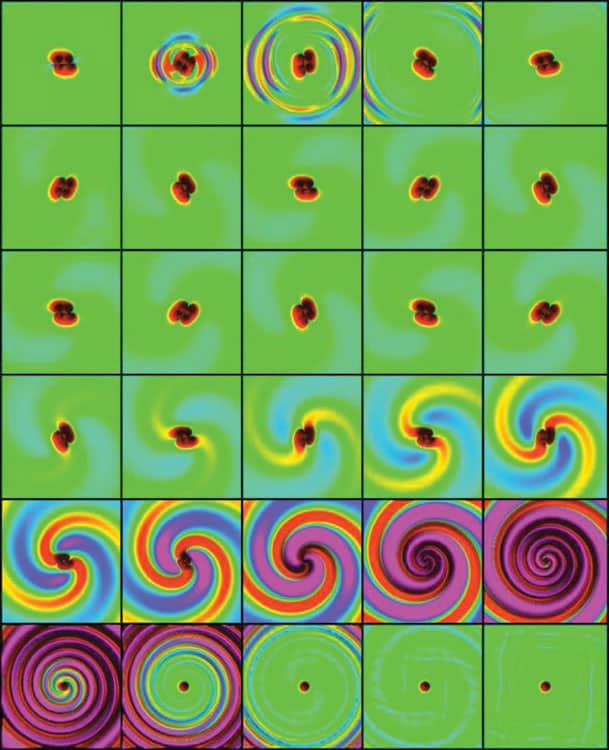
Then, in 2005, a postdoc at the California Institute of Technology, working largely on his own, stunned the relativity community with a stable numerical simulation of two equal-mass, initially non-spinning black holes from their single, last orbit to the ringdown (figure 1). Frans Pretorius formulated the Einstein equations in a different way from how others were doing it, leaving him with fewer and slightly simpler equations to solve. His trick was to use coordinates that made the partial differential equations describing the changes in space–time identical to the standard wave equation that physicists knew and loved so well.

“Several things came together,” says Pretorius, recalling his triumph, adding that “there was luck involved, too”. Pretorius eventually spent two years on the problem, which he says involved helpful insights from colleagues including David Garfinkle and Carsten Gundlach, lots of coding elbow grease and a supercomputer program that ran off-and-on for two months. It was, for him, “pure agony”.

Pretorius, who is now at Princeton University, found that the merger yielded a single spinning black hole weighing 1.90 times the mass of one of the initial black holes. It had an angular momentum of about 0.70 times the square of the final black-hole mass, and roughly 5% of the total initial mass was radiated away as gravitational waves – figures that no-one had calculated before. Pretorius also computed the detailed waveform of the emissions in terms of a scalar function that classifies space–time, which can be related to the time-varying amplitude of a gravitational wave and, in turn, the minute fractional changes in the length of the arms of a gravitational-wave detector. As his program kept going without crashing, Pretorius thought “Oh God, this can work” until he experienced what he says was “instant gratification with an endorphin rush” when it was finally complete. Pretorius’s result, now known as the generalized harmonic formulation, broke the field’s log jam.

Later that year researchers at the University of Texas at Brownsville and NASA’s Goddard Space Flight Center independently developed another technique for black-hole numerical solutions, called the “moving puncture” method, that was promptly adopted by much of the community because it was more accurate, albeit at the expense of greater computational complexity. A rough 2D analogue is a model of space–time where two parallel sheets of cloth, each with a disc removed at a black hole’s event horizon, are sewn together around the disc perimeters. These punctures – the interiors of the black holes removed from the computational domain – then move around the lattice grid that represents space–time as the computation progresses, revealing the motion through time of the black holes’ horizons.

“Very quickly everyone got it, along both approaches,” says Luis Lehner of the Perimeter Institute for Theoretical Physics in Waterloo and the University of Guelph, both in Canada. The challenge now for Lehner and others was to find out “how fast can we get the answers out, and where can we go looking for the unexpected to further our understanding and raise further questions”. Researchers at Goddard soon computed the merger of unequal-mass black holes for the first time, studying in the process the accompanying recoil of the final black hole. The result was found to depend only on the ratio of the masses of the merging black holes, not their individual values, making the calculated gravitational waveform applicable to a range of astrophysical situations. The overall energy released in the process – and the time taken for the two holes to merge – is proportional to the total mass, meaning that the merger could briefly outshine all the stars in the universe combined.

These first simulations were of black holes that were initially not spinning before they collided, and it was not long before a research group at the University of Texas at Brownsville carried out the first investigation of the merger of spinning black holes – both with their spin axes aligned and misaligned. Indeed, continuing advances in technique and computing power allowed researchers to calculate what happens as these spinning black holes collide over a range of different orbits. Theorists and experimentalists began to mix, not quite as cats and dogs but, as Cadonati politely puts it, “to improve the potential of gravitational-wave science and how that matches with astrophysics” (figure 2). The former slaved away plugging actual numbers into their elegant equations, while the experimentalists fished out their postgrad notes on tensor analysis.

Black holes get a kicking

In 2007 numerical relativists found a surprise emerging from their simulations. Straightforward considerations of the mechanics of unequal-mass, inspiralling black holes suggested that, in order to conserve angular momentum, the gravitational radiation they produce will not be emitted equally in all directions. The implication was that the final black hole produced when the two bodies collide ought to have some linear momentum relative to the centre of mass: they will in effect be given a “kick”. But full simulations by Manuela Campanelli and colleagues at the Rochester Institute of Technology in New York, and then José González and co-workers at the University of Jena in Germany, showed that this momentum was far from small: the final black hole could have a speed of up to 4000 km s–1 for holes spinning in opposite directions. (Stars near our own Sun, in comparison, move at barely a few tens of kilometres per second.)

Recently, even higher speeds, or “superkicks”, have been found of up to 15,000 km s–1 , with some theorists suggesting that speeds three times higher still – or 15% of the speed of light – might be possible. Because such kicks would be greater than the escape velocity of any galaxy, the finding opens up the possibility of black holes living in galactic halos far away from their galactic nucleus, or perhaps even single, rogue black holes cannonballing through the universe. These holes would be largely invisible until they roamed through, say, the Oort cloud of comets that lies within about a light-year of the Sun, when it might be possible to detect them through tiny, mysterious shifts in the movement of comets or tiny planets. In the unlikely event that a rogue black hole should barrel through our solar system, we would quickly be relieved of all our earthly worries.

Less catastrophically, superkicks have implications for those searching for gravitational waves. Black holes ejected from globular clusters – collections of stars that orbit galactic cores as a satellite – would lower the subsequent merger rate for black holes remaining in the cluster, and so would reduce the number of gravitational waves expected at detectors. Large recoils would also remove high-velocity black holes, and could constrain how early in the universe small seed black holes would have merged into larger black holes.

A spectroscopy of the heavens

Numerical relativity has played a key role as well in the search for gravitational waves, even if the added complication of rogue black holes is probably the last thing that those involved need, given that detecting these tiny ripples is hard enough as it is. The problem is that although sources such as binary stars radiate enormous amounts of energy as gravitational waves – at rates of 1028 W or more – by the time those waves reach Earth, their deviation from flat space will alter the length of an interferometer’s arm by a factor of only 10–18 , or even less. Gravitational-wave interferometers, such as LIGO in the US, VIRGO in Italy, TAMA in Japan and GEO600 in Germany, must therefore detect tiny length differences when a gravitational wave washes over them.

Gravitational-wave hunters are especially interested in stellar-mass black holes and supermassive black holes because they produce waves at frequencies of 10–10,000 Hz when they merge – exactly the range that ground-based detectors such as LIGO are most sensitive to. But because the Earth is a shaky place, the number crunchers need some guidance as they try to distinguish the minuscule fluctuations of gravitational waves from seismic shifts and even passing trains. Knowing what waves to expect helps a great deal.

Towards this end, the Numerical Injection Analysis project (NINJA) was started in 2008, bringing together numerical-relativity groups and data-analysis teams from 30 institutions across the globe. Relativists provide waveform templates in the form of ASCII data files that specify their predictions for the time-varying weights of the waves when decomposed into spherical harmonics. These must cover the broad parameter ranges of black-hole mergers – mass ratios, spins and eccentricities – that are most likely to occur. Even the simple case of a binary black hole has 17 variables, or degrees of freedom, among the source and detector configurations.

But the methodology works. On 16 September 2010, for example, detector scientists were alerted to the arrival of a “chirp” signal only minutes after its arrival. After analysing it, members of the LIGO and VIRGO collaborations reported the discovery of gravitational waves, seemingly from a neutron star spiralling into a black hole. They even wrote up a paper about it – only to be told that the event was a “blind injection” of fake data put in by project insiders. The researchers had been told of such a possibility beforehand, and although their paper went unpublished, their techniques were validated, as was their vigilance.

While the results from numerical relativity have gone some way towards helping gravitational-wave researchers, they could play a still bigger role in upcoming missions, notably the Advanced LIGO facility – an upgrade to LIGO that will search a volume of space 1000 times bigger than the existing facility and is expected to begin science operations in 2015. The first-generation LIGO had about 10,000 expected waveforms in its database, while Advanced LIGO will have about 100,000. Comparing data to such a large number of possibilities is, needless to say, computationally intensive.

Indeed, in January the National Science Foundation awarded Syracuse University in the US almost $800,000 to build a supercomputer that will eventually have almost 500 terabytes of storage for just this purpose. “It’s the Advanced LIGO detectors that people are looking to really open up the field of gravitational-wave astronomy,” says Syracuse’s Duncan Brown, who is a member of the LIGO collaboration. Syracuse’s machine will be one of three such devices designed for the purpose, the others being at the University of Wisconsin–Milwaukee and at the Albert Einstein Institute for Gravitational Physics in Germany.

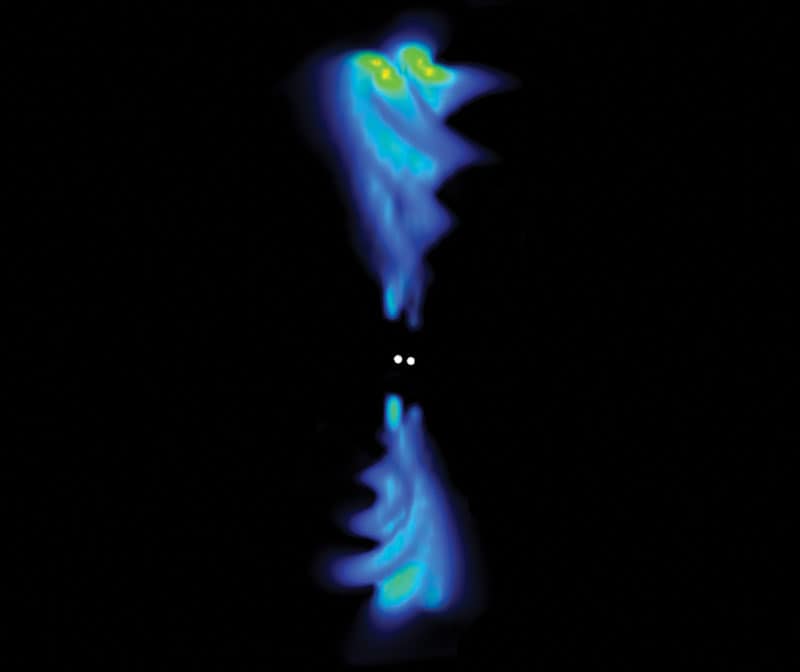
The details of gravitational waveforms depend on many factors. Relativists have studied systems that are more complex than binary black holes, such as a neutron star colliding with a black hole, or pairs of neutron stars, and recently have even moved on to inspiralling binaries with external magnetic fields and their surrounding plasmas, finding that these can lead to powerful jets that could be observed with X-ray telescopes. These interactions require the solution of the full Einstein equations coupled with hydrodynamic equations for the plasma, which in turn require an equation of state for the neutron star. Gravitational waves might therefore someday help us to distinguish between different models of neutron stars – a kind of “spectroscopy of the heavens”.

Adding yet another facet to the problem, Yuichiro Sekiguchi and other theorists from Kyoto University in Japan recently studied the behaviour of a neutron-star pair described by Einstein’s equations coupled with hydrodynamic equations, while incorporating the cooling of the final hypermassive neutron star by neutrino emission. They found both the gravitational-wave spectrum and the luminosity of neutrino emissions from the final star; the latter could be higher than even that seen in supernova explosions that already shine bright in ordinary heavenly light. Future astronomers will view all of these extreme events with three eyes: via gravitational waves, electromagnetic waves and neutrino bursts.

Scale me up

Picking out the best details will require a third generation of gravitational-wave detectors. With the existing LIGO detector, the gravitational waves of a binary neutron star are only in a detectable band for about 25 s (and about 1 s for a binary black-hole system). Advanced LIGO could detect a gravitational anomaly lasting about 1000 s, although this still only represents the last thousand seconds of a coalescence that has been billions of years in the making.

The future lies in scaling up. The proposed Laser Interferometer Space Antenna (LISA) system – three satellites that would be five million kilometres apart in a planetary-like orbit around the Sun – would see gravitational waves (in the band 0.1 mHz – 1 Hz) that could last hours, weeks or even months, out to redshifts of 5–10. Unfortunately, LISA’s realization is currently uncertain; NASA bowed out of the project this year and, although the European Space Agency said it might launch a smaller version, no decision has yet been made.

European researchers are, however, planning to build what is dubbed the Einstein Telescope – a gravitational-wave detector that would be built a few hundred metres below ground with two arms each a massive 10 km long. It would be 10 times more sensitive than even Advanced LIGO and able to access a million times the space-volume of current ground-based detectors. Although today’s best numerical simulations are good enough for the accuracy needed for such a detector, studying the entire 9D parameter space of even a black-hole binary without matter could take another decade.

Still, as with many breakthroughs, today’s new golden age of relativity is opening vast unexplored areas of physics, with many surprises surely to come. It might be almost 100 years since Einstein came up with his equations, but his gift is giving still. Today is a good time to be in the gravity business.

At a Glance: Numerical relativity

  • Einstein’s general theory of relativity describes the relationship between the energy and matter in a region of space and its geometry, and has passed all experimental tests to date
  • Unfortunately, Einstein’s equations are fiendishly complicated and can be solved exactly in just a handful of cases
  • Powerful supercomputers can, however, crunch through the equations using brute force
  • This approach, known as “numerical relativity”, has been used to study how black holes merge, showing that in some cases they might create rogue holes rushing through intergalactic space
  • Numerical relativity is also helping researchers seeking the signatures of gravitational waves

Black holes: the inside story

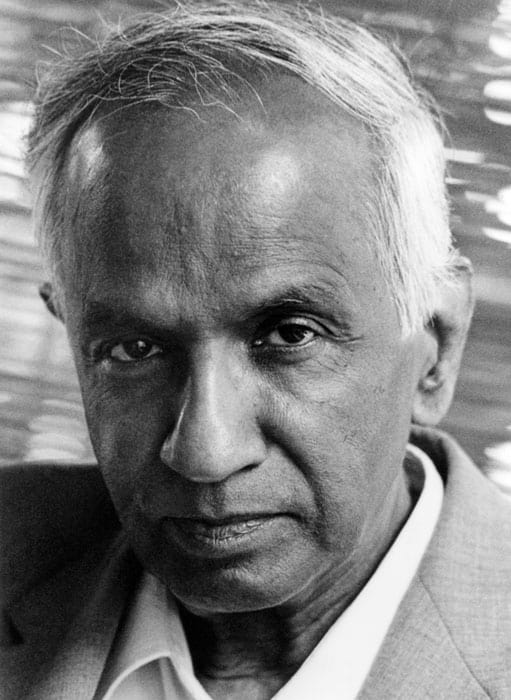
Amazingly, given their heft and their surly reputation, black holes are among the simplest objects in the universe and can be fully characterized by just three terms – their mass M, charge Q and angular momentum or “spin” J. Indeed, the Indian Nobel-prize-winning astrophysicist Subrahmanyan Chandrasekhar, who first predicted that they might be created when large stars die, called black holes “the most perfect macroscopic objects there are in the universe”. Black holes come in three main varieties:
1 solar-mass black holes, with masses about 3–30 times the mass of the Sun;
2 intermediate-mass black holes with about 100–10,000 solar masses, such as (almost all astronomers would now agree) the Hyper-Luminous X-ray source (HLX-1), which lies in a galaxy 290 million light-years from Earth;
3 supermassive black holes that lord over the centres of galaxies, with millions to billions of solar masses.

In terms of spin, at one extreme is a Schwarzschild black hole, which has zero spin, while an extreme Kerr black hole, carrying no charge, has the maximum spin allowed by general relativity of GM2/c, where G is the gravitational constant and c is the speed of light.

More about: Numerical relativity

J Centrella et al. 2010 Black-hole binaries, gravitational waves, and numerical relativity Rev. Mod. Phys. 82 3069
M Hannam 2009 Status of black-hole-binary simulations for gravitational-wave detection Class. Quant. Grav. 26 114001
D Merritt and M Milosavljevic 2005 Massive black hole binary evolution Living Rev. in Relativity 8 8
F Pretorius 2009 Binary Black Hole Coalescence, in Physics of Relativistic Objects in Compact Binaries: from Birth to Coalescence ed M Colpi et al. Astrophysics and Space Science Library vol 359 (New York, Springer)


Evaluations evaluated

Earlier this year, I canvassed readers on the best way to get the measure of potential PhD students (May column) . To get you thinking, I described the experiences of a Stony Brook colleague and myself in giving graduate-school applicants cleverly chosen physics problems – and then asking them not to solve each problem, but to explain the solution as if tutoring an undergraduate.

Demetris Charalambous, a former lecturer in mathematical physics at the University of Lancaster, UK, proposed one interesting challenge along these lines. Consider two identical metal spheres, one hanging from a piece of string and the other resting on a table. If you supply each with the same quantity of heat and ignore heat transfer to the table, string and so on, which sphere ends up hotter? Isn’t the student you want, he asked, the one who first spots the relevance of the centre of gravity?

Colin Pykett, now retired after having worked in several UK Ministry of Defence labs, remembered five challenges for prospective recruits. First, why is it that a mirror reverses your facial features but does not make you appear upside down? Second, why are there two tides a day? Third, if you are standing on a pavement flanked by a fence with vertical posts at regular intervals receding into the distance, what might happen if you clap your hands? Fourth, is the received power versus range law for a radar or sonar system inverse square and, if not, what is it and why? Finally, what are some differences between optical microscopy and X-ray crystallography?

Martin van Exter, from the Huygens Laboratory at the University of Leiden in the Netherlands, asks prospective students to explain Maxwell’s equations. He does not expect a treatise, just basic lines of reasoning, such as that the divergence of the electric (E) field is linked to the charge (or charge density), that the divergence of the magnetic (B) field is zero (because there can be no monopoles), that electric current acts as a generator of magnetic field and that the E and B fields are linked via time and space derivatives (thus containing the speed of light).

Peter Haynes, an admissions tutor at the doctoral-training centre in theory and simulation of materials at Imperial College London, says his colleagues prefer not to ambush applicants. Instead, in advance they send each candidate three straightforward problems – a 1D heat-diffusion equation, a 1D particle in a box and a cantilever bending under its own weight – to be explained at the interview. “We found that advance warning was vital to enable us to get to the stage where we could ask probing questions on the timescale of an interview,” says Haynes. He notes that some candidates treat the problems as purely algebraic exercises – struggling when asked how to interpret the final mathematical expression physically – while others write down equations they have memorized. The best students, in Haynes’ view, focus on the relevant physical principles and then express these mathematically. “They can readily sketch solutions and know how to interpret results,” he says.

Other means

Darryl Holm, also at Imperial, objected to the challenge-problem approach, noting that it was “exploitative” to treat PhD applicants as “cheap undergraduate instructors”. He has two alternative methods. One is to ask prospective PhD students what they love about science and maths. The answers, he says, make it easy to separate the passionate from the diffident. Another is to show them a rattleback – a kind of top that refuses to spin in one direction and can change its rotation to a preferred direction. “If, when they see it unexpectedly reverse spin, they start laughing, or say ‘Oh shit!’ or are otherwise energized, I know I am on the right track,” he says. The blasé or confused ones drop to the bottom of the list.

Harvey Buckmaster, an adjunct physics professor at the University of Victoria in Canada, says in three decades of experience with graduate students one good marker is their extra-curricular activities. “Those with significant interest and involvement in cultural activities have done more significant research and wrote better theses,” he says, adding that creativity in the arts is “no different from that in the sciences”.

The critical point

George Hart of the Museum of Mathematics, which is set to open next year in New York City, gave me a good challenge problem in person that might be asked of maths students: “Why does a negative times a negative equal a positive?” he asked.

I had no idea.

Hart, who is a former colleague of mine at Stony Brook, said the answer can be explained simply as a consequence of the distributive law. He hunted for pencil and paper, jotted down 1 + –1 = 0, multiplied both sides by –1, applied the distributive law a(b + c) = ab + ac, rearranged terms and ended with –1 × –1 = 1. He said another way was to use scaling, and drew a number line. Multiplication, he explained, “scales” numbers from the 0 point: multiplying by 2, for instance, doubles the distance from 0 in either direction, while multiplying by a negative number flips a distance from 0 by 180°. “A negative times a negative is thus a double 180° transformation,” concluded Hart.

I asked if a prospective maths PhD would know this. “Sure!” he said. “Mathematics isn’t a set of arbitrary definitions. Each definition is bound up with other parts in an architecture – it has consequences. Even an undergraduate, if really interested in mathematics, will have thought about this issue enough to have some way of describing how it fits in that architecture.”

Physics, of course, has a similar structure – its different laws and definitions, too, are bound up in a fabric. That is what makes the challenge-problem approach effective. A student’s promise is not measured best by the ability to memorize formulae, but by how well they understand this fabric, and know how to fit even simple problems into it.

Quasicrystal discovery bags 2011 chemistry Nobel


The 2011 Nobel Prize for Chemistry has been awarded to Dan Shechtman from Technion – Israel institute of Technology for his discovery of quasicrystals – materials that have ordered but not periodic structures. Shechtman’s discovery, which he made in 1984 while studying a sample of aluminium manganese, generated huge excitement, confusion and significant opposition. The Journal of Applied Physics, for example, rejected Shechtman’s original paper detailing the discovery on the grounds that it would not interest the physicists who read the journal. Linus Pauling – a giant of 20th-century crystallography – also dismissed the findings.

Before Shechtman’s discovery, most researchers thought that long-range order in physical systems was impossible without periodicity. Atoms were believed to be packed inside crystals in symmetrical patterns that were repeated periodically over and over again – and that this repetition was required to obtain a crystal. However, Shechtman found that the atoms in his crystal were packed in a pattern that could not be repeated and yet had “10-fold” rotational symmetry.

A system is said to possess n-fold rotational symmetry if it looks the same after it has been rotated through 360/n degrees, which meant that Shechtman’s sample was unchanged after being rotated through 36 degrees. Before his discovery, a periodic system was only supposed to have either 1-, 2-, 3-, 4- or 6-fold rotational symmetry, with anything else forbidden by the laws of crystallography.

Since Shechtman’s breakthrough, however, hundreds of different quasicrystals have been found, including icosahedral quasicrystals that have 2-fold, 3-fold and 5-fold rotational symmetry. There are also octagonal (8-fold), decagonal (10-fold) and dodecagonal (12-fold) quasicrystals that exhibit “forbidden” rotational symmetries within 2D atomic layers but that are periodic in the direction perpendicular to these layers.

In awarding the prize, the Royal Swedish Academy of Sciences says in a statement that Shechtman “had to fight a fierce battle against established science” to have his finding accepted as “the configuration found in quasicrystals was considered impossible”. It adds that this year’s Nobel prize has “fundamentally altered how chemists conceive of solid matter”.

Order from disorder

Shechtman announced his controversial discovery while on sabbatical in the US at the National Bureau of Standards in Washington, DC, where he was investigating the properties of mixtures of metals that had been melted together and rapidly cooled. Opposition to his finding was fierce, with Pauling, for example, suggesting that the observed diffraction pattern was caused by five crystals rotated by 72 degrees relative to one other, rather than being caused by just one crystal with 10-fold symmetry.

But these early doubts were soon swept away by new experimental evidence, and Shechtman’s paper – which was finally published in Physical Review Letters in November 1984 – has since become one of the most-cited research articles in the scientific literature.

Indeed, quasicrystals have led to important discoveries in disciplines as diverse as nanoscience and supramolecular chemistry. Photonic “metamaterials” based on quasicrystals may one day even replace semiconductor devices to make all-optical circuits for communication and information technologies, while quasiperiodic arrays of electronic spins could reveal new aspects of magnetism for spintronics applications.

The “right decision”

Before Shechtman’s discovery, mathematicians were well aware that some functions had the property of being “almost periodic” and that the mathematical basis of this “aperiodicity” had been outlined in 1933 by Harald Bohr (the brother of Niels Bohr). Indeed, quasiperiodic functions are a subset of the family of almost-periodic functions, with the most famous quasiperiodic pattern being Penrose tiling, which was discovered by Roger Penrose of Oxford University in 1974. Penrose tiling is not periodic, since sliding an exact copy of the pattern around will never produce an exact match.

Physicist Rónán McGrath from the University of Liverpool in the UK, who has studied quasicrystals for the last 12 years, says Shechtman’s award is “well deserved” and the right decision, even though the term “quasicrystal” was actually coined by the theorists Paul Steinhardt and Dov Levine at the University of Pennsylvania in the US. “Shechtman persisted in believing what he had was genuine,” says McGrath. “He managed to convince the community that he was correct all along. It is right that Shechtman alone is awarded.”

Renee Diehl from Penn State University in the US agrees that the prize is well deserved. “Shechtman was very astute to recognize that he had discovered a new form of crystalline matter,” he says. “This discovery completely changed how we think of crystalline matter and even necessitated a new definition for the term ‘crystal’.”

Born in 1941 in Tel Aviv, Shechtman graduated from the Technion in 1966 with a degree in mechanical engineering and then completed a PhD in materials engineering at the institute in 1972. After a postdoc in the US at the Aerospace Research Laboratories, Ohio, he returned to the Technion in 1975 where he has worked ever since. He was also awarded the Wolf Prize for Physics in 1999.

Physics Nobel will attract controversy

By Hamish Johnston

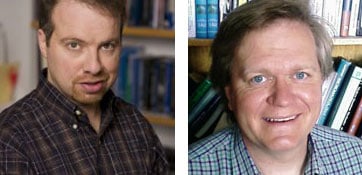
Assigning credit for a scientific discovery is never easy, especially when two rival, interacting teams of scientists are involved. That is exactly the problem that the Nobel committee must have grappled with before awarding this year’s physics prize to Saul Perlmutter, Adam Riess and Brian Schmidt.

Perlmutter led the Supernova Cosmology Project, while Schmidt and Riess were involved with the High-Z Supernovae programme. Both groups came to the surprising conclusion in 1998 that the rate of expansion of the universe is increasing, not decreasing as had been thought. So a shared prize seems fair enough.

Or is it? In 2007 Bob Crease wrote an extensive article about the same discovery that proved controversial – to say the least. Some members from both teams had been particularly worried about Crease’s article, which went through more than 20 drafts.

At issue was the fact that the teams were rivals using different techniques – as well as the question of who reported and published their work first. What Bob’s article reveals is how deeply scientific progress is indebted to ambition, desire, pride, rivalry, suspicion and other perfectly ordinary human passions.

You can read the article here, and I would also recommend looking at the comments that follow.

Also, let us know what you think by voting in our Facebook poll, where the question is:

Has the 2011 Nobel Prize for Physics for “the discovery of the accelerating expansion of the universe” gone to the right people?

Dark-energy pioneers scoop Nobel prize

The 2011 Nobel Prize for Physics has been awarded to Saul Perlmutter from the Lawrence Berkeley National Laboratory, US, Adam Riess at Johns Hopkins University, in Baltimore, and Brian Schmidt from the Australian National University, Weston Creek, “for the discovery of the accelerating expansion of the universe through observations of distant supernovae”.

Perlmutter has been awarded a half of the SEK10m (£934,000) prize, with Riess and Schmidt sharing the other half. In a statement, the Royal Swedish Academy of Sciences said “For almost a century, the universe has been known to be expanding as a consequence of the Big Bang about 14 billion years ago. However, the discovery that this expansion is accelerating is astounding. If the expansion will continue to speed up the universe will end in ice.”

Going against gravity

Only 25 years ago most scientists believed that the universe could be described by Albert Einstein and Willem de Sitter’s simple and elegant model from 1932 in which gravity is gradually slowing down the expansion of space.

From the mid-1980s, however, a remarkable series of observations was made that did not seem to fit the standard theory, leading some people to suggest that an old and discredited term from Einstein’s general theory of relativity – the “cosmological constant” or “lambda” – should be brought back to explain the data.

This constant had originally been introduced by Einstein in 1917 to counteract the attractive pull of gravity, because he believed the universe to be static. He considered it a property of space itself, but it can also be interpreted as a form of energy that uniformly fills all of space; if lambda is greater than zero, the uniform energy has negative pressure and creates a bizarre, repulsive form of gravity. However, Einstein grew disillusioned with the term and finally abandoned it in 1931 after Edwin Hubble and Milton Humason discovered that the universe is expanding.

In 1987 physicists at the Lawrence Berkeley National Laboratory and the University of California at Berkeley initiated the Supernova Cosmology Project (SCP) to hunt for certain distant exploding stars, known as type Ia supernovae. They hoped to use these stars to calculate, among other things, the rate at which the expansion of the universe was slowing down.

Deceleration was expected because in the absence of lambda, many people thought that “ΩM”, which is the amount of observable matter in the universe today as a fraction of the critical density, was sufficient to slow the universe’s expansion forever, if not to bring it to an eventual halt.

In 1998, after years of observations, two rival groups of supernova hunters – the High-Z Supernovae Search Team led by Schmidt and Riess and the SCP led by Perlmutter – came to the conclusion that the cosmic expansion is actually accelerating and not slowing under the influence of gravity as might be expected.

The two teams came to this conclusion by studying type Ia supernova where they found that the light from over 50 distant supernovae was weaker than expected. This was a sign that the expansion of the universe was accelerating.

In order to account for the acceleration, about 75% of the mass-energy content of the universe had to be made up of some gravitationally repulsive substance that nobody had ever seen before. This substance, which would determine the fate of the universe, was dubbed dark energy.

It is now thought that dark energy constitutes around 75% of the current universe, with around 21% being dark matter and the rest ordinary matter and energy making up the Earth, planets and stars.

“The findings of the 2011 Nobel Laureates in Physics have helped to unveil a universe that to a large extent is unknown to science,” stated the Academy. “And everything is possible again.”

“My involvement in the discovery of the accelerating universe and its implications for the presence of dark energy has been an incredibly exciting adventure,” says Riess. “I have also been fortunate to work with tremendous colleagues and powerful facilities. I am deeply honored that this work has been recognized.”

New problems

Cosmologist Michael Turner from the University of Chicago says that the award to Perlmutter, Riess and Schmidt is “well deserved”. “The two competing teams is a wonderful story in science – the physicists vs the astronomers,” says Turner. “The biggest surprise to both teams was that the other team got the same answer. Each team believed the other didn’t know what they were doing.”

Turner adds that before the discovery, cosmology was in some disarray with astronomers having a model of the universe based on cold dark matter and inflation, but with not enough matter to make the universe flat – a key prediction of inflation.

“Dark energy and cosmic acceleration was the missing piece of the puzzle,” says Turner. “Moreover, in solving one problem, it gave us a new problem – what is dark energy? I think that is the most profound mystery in all of science.”

Robert Kirshner from Harvard University who supervised both Schmidt and Riess when they were PhD students says the decision by the Nobel committee is “great” as it will mean “no more waiting”. “We did a lot of foundational work at Harvard and my postdocs and students made up a hefty chunk of the High-Z Team,” says Kirshner. “[Riess] did a lot after the initial result to show that there was no sneaky effect due to dust absorption and that, if you look far enough into the past, you could see that the universe was slowing down before the dark energy got the upper hand, about five billion years ago.”

Kirshner adds that Perlmutter is also “very deserving” of the prize. “[Perlmutter] was persistent even when his programme was moving slowly and, despite getting a contrary result in 1997, was convinced of cosmic acceleration during 1998 by comparing his own extensive data set of distant supernovae with the nearby supernovae measured by the group in Chile.”

Peter Knight, president of the Institute of Physics, which publishes physicsworld.com says the work has “triggered an enormous amount of research” on the nature of dark energy. “These researchers have opened our eyes to the true nature of our universe. They are very well-deserved recipients,” says Knight.

Leading lights

Born in Champaign-Urbana, Illinois, in 1959, Perlmutter graduated from Harvard University in 1981 receiving his PhD from the University of California, Berkeley in 1986 where he worked on robotic methods of searching nearby supernovae. He then moved to the Lawrence Berkeley National Laboratory and the University of California, Berkeley. Perlmutter now heads the SCP based at Lawrence Berkeley National Laboratory.

Schmidt was born in Missoula, Montana, in 1967. He graduated from the University of Arizona in 1989 and received his PhD from Harvard University in 1993 on using type II Supernovae to measure the Hubble Constant. During postdocs at Harvard, Schmidt, together with Nicholas Suntzeff from the Cerro Tololo Inter-American Observatory in Chile, formed the High-Z Supernovae Search Team. In 1993 Schmidt then went to the Harvard-Smithsonian Center for Astrophysics for a year before moving to the Australian National University where he is currently based.

Riess is also a former member of the High-Z Supernovae Search Team where he lead the 1998 study that reported evidence that the universe’s expansion rate is now accelerating. He was born in Washington, D.C in 1969 and graduated from The Massachusetts Institute of Technology in 1992. Riess received his PhD from Harvard University in 1996 researching ways to make type Ia supernovae into accurate distance indicators. In 1999 he moved to the Space Telescope Science Institute at Johns Hopkins University.

Copyright © 2026 by IOP Publishing Ltd and individual contributors