Researchers in Germany and Korea have fabricated a quantum sensor that can detect the electric and magnetic fields created by individual atoms – something that scientists have long dreamed of doing. The device consists of an organic semiconducting molecule attached to the metallic tip of a scanning tunnelling microscope, and its developers say that it could have applications in biology as well as physics. Some possibilities include sensing the presence of spin-labelled biomolecules and detecting the magnetic states of complex molecules on a surface.
Today’s most sensitive magnetic field detectors exploit quantum effects to map the presence of extremely weak fields. Among the most promising of these new-generation quantum sensors are nitrogen vacancy (NV) centres in diamond. These structures can be fabricated inside a nanopillar on the tip of an atomic force microscope (AFM) tip, and their spatial resolution is an impressively small 10–100 nm. However, this is still a factor of 10 to 100 larger than the diameter of an atom.
A spatial resolution of 0.1 nm
The new sensor developed by Andreas Heinrich and colleagues at the Forschungszentrum Jülich and Korea’s IBS Center for Quantum Nanoscience (QNS) can also be placed on a microscope tip – in this case, a scanning tunnelling microscope (STM). The difference is the spatial resolution of this atomic-scale device is just 0.1 nm, making it 100 to 1000 times more sensitive than devices based on NV centres.
The team made the sensor by attaching a molecule with an unpaired electron – a molecular spin – to the apex of an STM’s metallic tip. “Typically, the lifetime of a spin in direct contact with a metal is very short and cannot be controlled,” explains team member Taner Esat, who was previously at QNS and is now at Jülich. “In our approach, we brought a planar molecule known as 3,4,9,10-perylenetetracarboxylic-dianhydride (or PTCDA for short) into a special configuration on the tip using precise atomic-scale manipulation, thus decoupling the molecular spin.”
Determining the magnetic field of a single atom
In this configuration, Esat explains that the molecule is a spin ½ system, and in the presence of a magnetic field, it behaves like a two-level quantum system. This behaviour is due to the Zeeman effect, which splits the molecule’s ground state into spin-up and spin-down states with an energy difference that depends on the strength of the magnetic field. Using electron spin resonance in the STM, the researchers were able to detect this energy difference with a resolution of around ~100 neV. “This allowed us to determine the magnetic field of a single atom (which finds itself only a few atomic distances away from the sensor) that caused the change in spin states,” Esat tells Physics World.
The team demonstrated the feasibility of its technique by measuring the magnetic and electric dipole fields from a single iron atom and a silver dimer on a gold substrate with greater than 0.1 nm resolution.
The next step, says Esat, is to increase the new device’s magnetic field sensitivity by implementing more advanced sensing protocols based on pulsed electron spin resonance schemes and by finding molecules with longer spin decoherence times. “We hope to increase the sensitivity by a factor of about 1000, which would allow us to detect nuclear spins at the atomic scale,” he says.
A holy grail for quantum sensing
The new atomic-scale quantum magnetic field sensor should also make it possible to resolve spins in certain emerging two-dimensional quantum materials. These materials are predicted to have many complex magnetic orders, but they cannot be measured with existing instruments, Heinrich and his QNS colleague Yujeong Bae note. Another possibility would be to use the sensor to study so-called encapsulated spin systems such as endohedral-fullerenes, which comprise a magnetic core surrounded by an inert carbon cage.
“The holy grail of quantum sensing is to detect individual nuclear spins in complex molecules on surfaces,” Heinrich concludes. “Being able to do so would make for a magnetic resonance imaging (MRI) technique with atomic-scale spatial resolution.”
The researchers detail their sensor in Nature Nanotechnology. They have also prepared a video to illustrate the working principle of the device and how they fabricated it.
Making a success of any new venture can be a major challenge, but it always helps to have powerful partnerships. In the case of the Quantum Software Lab (QSL), established in April 2023 as part of the University of Edinburgh’s School of Informatics, its position within one of the world’s leading research centres for computer science offers direct access to expertise spanning everything from artificial intelligence through to high-performance computing. But the QSL also has a strategic alliance with the UK’s National Quantum Computing Centre (NQCC), providing a gateway to emerging hardware platforms and opening up new opportunities to work with end users on industry-relevant problems.
Bringing those worlds together is Elham Kashefi, who is both the director of the QSL and Chief Scientist of the NQCC. In her dual role, Kashefi is able to connect and engage with the global research community, while also exploiting her insights and ideas to shape the technology programme at the national lab. “Elham Kashefi is the most vibrant and exuberant character, and she has all the right attitudes to bring diverse people together to tackle the big challenges we are facing in quantum computing,” says Sir Peter Knight, the architect behind the UK’s National Quantum Technologies Programme. “Elham has the ability to apply insights from her background in computer science in a way that helps physicists like me to make the hardware work more effectively.”
The QSL’s connection to the NQCC imbues its activities with a strong focus on innovation, centring its development programme around the objective of demonstrating quantum utility – in other words, delivering reliable and accurate quantum solutions that offer a genuine improvement over classical computing. “Our partnership with the QSL is all about driving user adoption,” says NQCC director Michael Cuthbert. “The NQCC can provide a front door to the end-user community and raise awareness of the potential of quantum computing, while our colleagues in Edinburgh bring the academic expertise and rigour to translate the mathematics of quantum theory into use cases and applications that benefit all parts of our society and the economy.”
Since its launch, the QSL has become the largest research group for quantum software and algorithm development in the UK, with more than 50 researchers and PhD students. This core team is also supported by number of affiliate members from across the University of Edinburgh, notably the EPCC supercomputing centre, as well as from the Sorbonne University in France, where Kashefi also has a research role.
Within this extended network Kashefi and her faculty team have been working to establish a research culture that is based on collective success rather than individual endeavour. “There is so much discovery and innovation happening right now, and we set ourselves the goal of bringing disparate pieces together to establish a coherent programme,” she explains. “What has made me very happy is that we are now focusing on what we can achieve by combining our knowledge and expertise, rather than what we can do on our own.”
Within the Lab’s core programme, the Quantum Advantage Pathfinder, the primary goal is to work with end users in industry and the public sector to identify key computational roadblocks and translate them into research problems that can be addressed with quantum techniques. Once an algorithm has been devised and implemented, a crucial step of the process is to benchmark the solution to assess what sort of benefit it might offer over a conventional supercomputer.
“We are all academic researchers, but within the QSL we are nurturing a start-up culture where we want to understand and address the needs of the ecosystem,” says Kashefi. “For each project we are following the full pathway from the initial pain point identified by our industry partners through to a commercial application where we can show that quantum computing has delivered a genuine advantage.”
In just one example, application engineers from the NQCC and software developers from the QSL have been working with the high-street bank HSBC to explore the benefits of quantum computing for tackling the growing problem of financial fraud. HSBC already exploits classical machine learning to detect anomalous transactions that could indicate criminal behaviour, and the project team – which also includes hardware provider Rigetti – has been investigating whether quantum machine learning could deliver an advantage that would reduce risk and enable the bank to improve its anti-fraud services.
Collaboration counts The QSL has created an environment where researchers share their knowledge and expertise to solve real-world problems. (Courtesy: NQCC)
Alongside these problem-focused projects, the discovery-led nature of the academic environment also provides the QSL with the freedom to reverse the pipeline: to develop optimal approaches for a class of quantum algorithms or protocols that could be relevant for many different application areas. One project, for example, is investigating how hybrid quantum/classical algorithms could be exploited to solve big data problems using a small-scale quantum computer, while another is developing a unified benchmarking approach that could be applied across different hardware architectures.
For the NQCC, meanwhile, Cuthbert believes that the insights gained from this more universal approach will be crucial for planning future activities at the national lab. “Theoretical advances that are focused on the practical utilization of quantum computing will inform our technology programme and help us to build an effective quantum ecosystem,” he says. “It is vitally important that we understand how different elements of theory are developing, and what new techniques and discoveries are emerging in classical computing.”
Indeed, the importance of theory and informatics for accelerating the development of useful quantum computing is underlined by the QSL’s leading role in two of the new quantum hubs that were launched by the UK government at the end of July. For the one that will be focused on quantum computing, which is based at the University of Oxford, QSL researchers will take the lead on developing software tools that will help to extract more power from emerging quantum hardware, such as quantum error correction, distributed quantum computing, and hybrid quantum/classical algorithms. The QSL team will also investigate novel protocols for secure multi-party computing through its partnership with the Integrated Quantum Networks hub, which is being led by Heriot-Watt University.
Joining forces Sir Peter Knight says that “you need a marriage between the hardware and software to drive progress and work out where the roadblocks are”. (Courtesy: NQCC)
At the same time, the QSL’s direct link to the NQCC will help to ensure that these software tools advance in tandem with the rapidly evolving capabilities of the quantum processors. “You need a marriage between the hardware and software to drive progress and work out where the roadblocks are,” comments Sir Peter. “Continuous feedback between algorithm development, the design of the quantum computing stack, and the physical constraints of the hardware creates a virtuous circle that produces better results within a shorter timeframe.”
An integral part of that accelerated co-development is the NQCC’s development of hardware platforms based on superconducting qubits, trapped ions and neutral atoms, while the national lab is also set to host seven quantum testbeds that are now being installed by commercial hardware developers. Once the testbeds are up and running in March 2025, there will be a two-year evaluation phase in which QSL researchers and the UK’s wider quantum community will be able to work with the NQCC and the hardware companies to understand the unique capabilities of each technology platform, and to investigate which qubit modalities are most suited to solving particular types of problems.
One key focus for this collaborative work will be developing and testing novel schemes for error correction, since it is becoming clear that quantum machines with even modest numbers of qubits can address complex problems if the noise levels can be reduced. Researchers at the QSL are now working to translate recent theoretical advances into software that can run on real computer architectures, with the testbeds providing a unique opportunity to investigate which error-correction codes can deliver the optimal results for each qubit modality.
Supporting these future endeavours will be a new Centre for Doctoral Training (CDT) for Quantum Informatics, led by the University of Edinburgh in collaboration with the University of Oxford, University College London, the University of Strathclyde and Heriot-Watt University.
“As part of their training, each cohort will spend two weeks at the NQCC, enabling the students to learn key technical skills as well as gaining an understanding of wider issues, such as the importance of responsible and ethical quantum computing,” says CDT director Chris Heunen, a senior member of the QSL team. “During their placement the students will also work with the NQCC’s applications engineers to solve a specific industry problem, exposing them to real-world use cases as well as the hardware resources installed at the national lab.”
With the CDT set to train around 80 PhD students over the next eight years, Kashefi believes that it will play a vital role in ensuring the long-term sustainability of the QSL’s programme and the wider quantum ecosystem. “We need to train a new generation of quantum innovators,” she says. “Our CDT will provide a unique programme for enabling young people to learn how to use a quantum computer, which will help us in our goal to deliver innovative solutions that derive real value from quantum technologies.”
A network of vacuum-sealed tubes inspired by the “arms” of the LIGO gravitational wave detector could provide the foundations for a future quantum Internet. The proposed design, which its US-based developers describe as both “revolutionary” and feasible, could support communication rates as high as 1013 quantum bits (qubits) per second. This would exceed currently-available quantum channels based on satellites or optical fibres by at least four orders of magnitude, though members of the team note that implementing the design will be challenging.
Quantum computers outperform their classical counterparts at certain problems. Realizing their full potential, however, will require connecting multiple quantum machines via a network that can transmit quantum information over long distances, just as the Internet does with classical information.
One way of creating such a network would be to use existing technologies such as fibre optics cables or satellites. Both technologies transmit classical information using photons, and in principle they can transmit quantum information using photonic qubits, too. The problem is that they are inherently “lossy”, with photons being absorbed by the fibre or (to a lesser degree) by the Earth’s atmosphere on their way to and from the vacuum of space. This loss of information is particularly challenging for quantum networks, as qubits cannot be “copied” in the same way that classical bits can.
The new design for a long-distance quantum network involves connecting quantum channels made from vacuum-sealed tubes fitted with a series of lenses. These vacuum beam guides (VBGs), as they are known, measure around 20 cm in diameter, and Huang says they could span thousands of kilometres while supporting the transmission of 10 trillion qubits per second. “Photons carrying quantum information could travel through these tubes with the lenses placed every few kilometres in the tubes to ensure they do not spread out too much and stay focused,” he explains.
Working in a vacuum: To make a quantum network a reality, researchers at the University of Chicago have proposed building long quantum channels using vacuum-sealed tubes with an array of lenses spaced out along them. (Courtesy: Jiang Group)
The new design is inspired by the system that the Laser Interferometer Gravitational-Wave Observatory (LIGO) experiment employs to detect gravitational waves. In LIGO, twin laser beams travel down two tubes – the “arms” of the interferometer – that are arranged in an L-shape and kept under ultrahigh vacuum. Mirrors precisely positioned at the ends of each arm reflect the laser light back down the tubes and onto a detector. When a gravitational wave passes through this set-up, it distorts the distance travelled by each laser beam by a tiny but detectable amount.
Engineering challenges, but a big payoff
While LIGO’s arms measure 4::km in length, the tubes in Jiang and colleagues’ experiments could be much smaller. They would also need only a moderate vacuum of 10-4 atmospheres of pressure as opposed to LIGO’s 10-11 atm. Even so, the researchers acknowledge that implementing their technology will not be simple, with several civil engineering issues still to be addressed.
For the moment, the team is focusing on small-scale experiments to characterize the VBGs’ performance. But members are thinking big. “Our hope is to realize these channels over a continental scale,” Huang tells Physics World.
The benefits of doing so would be significant, he argues. “As well as benefiting secure quantum communication (quantum key distribution protocols, for example), the new VBG channels might also be employed in other quantum applications,” he says. As examples, he cites ultra-long-baseline optical telescopes, quantum networks of clocks, quantum data centres and delegated quantum computing.
Jiang adds that with the entanglement created from VBG channels, the researchers also hope to improve the performance of coordinating decisions between remote parties using so-called quantum telepathy – a phenomenon whereby two non-communicating parties can exhibit correlated behaviours that would be impossible to achieve using classical methods.
Freshwater scarcity affects 2.2 billion people around the world, especially in arid and remote regions. More work needs to be done to develop new technologies that can provide freshwater in regions where there is a lack of suitable water for drinking and irrigation. Harvesting moisture from the air is one approach that has been trialled over the years with varying degrees of success.
“Water scarcity is one of the major challenges faced by the globe, which is particularly important in Middle East regions. Depending on the local conditions, one needs to identify all possible water sources to get fresh water for our daily use,” explains Qiaoqiang Gan, from King Abdullah University of Science and Technology (KAUST).
Gan and his team have recently developed a solar-driven atmospheric water extraction (SAWE) device that can continuously harvest moisture from the air to supply clean water to people in humid climates.
New development in an existing area
Technologies for harvesting water from the air have been around for many years, but SAWEs have faced various obstacles – one of the main being slow kinetics in the sorbent materials. In SAWEs, the sorbent material first captures moisture from the air. Once saturated, the system is sealed and exposed to sunlight to extract the water.
The slow kinetics means that only one cycle is possible per day with most devices, so they have traditionally worked using a two-stage approach – moisture capture at night and desorption via sunlight during the day. Many systems have low outputs, and require manual switching between cycles, so they cannot provide continuous water harvesting.
This could be about to change, because the system developed by Gan and colleagues can produce water continuously. “We can use the extracted water from the air for irrigation with no need for tap water. This is an attractive technology for regions with humid air but no access to fresh water,” says Gan.
Continuous water production
The SAWE developed at KAUST passively alternates between the two stages and can cycle continuously without human intervention. This was made possible by the inclusion of mass transport bridges (MTBs) that provide a connection between the water capture and water generation mechanisms.
The MTBs comprise vertical microchannels filled with a salt solution to absorb water from the atmosphere. Once saturated, the water-rich salt solution is pulled up via capillary action into an enclosed high-temperature chamber. Here, a solar absorber generates concentrated vapour, which then condenses on the chamber wall, producing freshwater. The concentrated salt solution then diffuses back down the channel to collect more water.
Under 1-sun illumination at 90% relative humidity, a prototype SAWE system with an evaporation area of 3 × 3 cm consistently produced fresh water at a rate of 0.65 L/m2/h. The researchers found that the system could also function in more arid environments with relative humidity as low as 40% and that – in regions with abundant solar irradiance and high humidity – it had a maximum water production potential of 4.6 L/m2 per day.
Scaling up in Saudi Arabia
Following the initial tests, the researchers built a scaled-up system (with an evaporation area of 13.5 × 24 cm) in Thuwal, Saudi Arabia, that was just as affordable and simple to produce as the small-scale prototype. They tested the system over 35 days across two seasons.
“Saudi Arabia launched an aggressive initiative known as Saudi Green Initiative, aiming to plant 10 billion trees in the country. The key challenge is to get fresh water for irrigation,” Gan explains. “Our technology provided a potential solution to address the water needs in suitable regions like the core area near the Red Sea and Arabic Bay, where they have humid air but no sufficient fresh water.”
The tests in Saudi Arabia showed that the scaled-up system could produce 2–3 L/m2 of freshwater per day during summer and 1–2.8 L/m2 per day during the autumn. The water harvested was also used for off-grid irrigation of Chinese cabbage plants in the local harvesting area, showing its potential for use in remote areas that lack access to large-scale water sources.
Looking ahead, Gan tells Physics World that “we are developing prototypes for the atmospheric water extraction module to irrigate plants and trees, as the water productivity can meet the water needs of many plants in their seeding stage”.
The radioactive half-life of samarium-146 has been measured to the highest accuracy and precision so far. Researchers at the Paul Scherrer Institute (PSI) in Switzerland and the Australian National University in Canberra made their measurement using waste from the PSI’s neutron source and the result should help scientists gain a better understanding of the history of the solar system.
With a half-life of 92 million years, samarium-146 is ideally suited for dating events that occurred early in the history of the solar system. These include volcanic activity on the Moon, the formation of meteorites, and the differentiation of Earth’s interior into distinct layers.
Samarium-146 in the early solar system was probably produced in a nearby supernova as our galaxy was forming about 4.5 billion years ago. Thanks to the isotope’s relatively long half-life, it would have been incorporated into nascent planets and asteroids. The isotope then slowly vanished from the solar system. It is now so rare that it is considered an extinct isotope, whose previous existence is inferred from the presence of the neodymium isotope to which it decays.
There is another isotope, samarium-147, with a half-life that is 1000 times longer than samarium-146. While the two isotopes have identical chemical properties, samarium-147 currently accounts for about 15% of samarium on Earth. Together, these two isotopes can be used for dating rocks, but only if their half-lives are known to sufficiently high accuracy.
Huge range
Unfortunately, the half-life of samarium-146 has proven notoriously difficult to measure. Over the past few decades, numerous studies have placed its value somewhere between 60 and 100 million years, but its exact value within this range has remained uncertain. The main reason for this uncertainty is that the isotope does not occur naturally on Earth and instead is made in tiny quantities in nuclear physics experiments.
In previous studies, the isotope was created by irradiating other samarium isotopes with protons or neutrons. However, this approach has drawbacks. “The main disadvantages are the cost and time required for dedicated irradiation and the fact that the desired isotope is made of the same element as the target material itself,” explains Rugard Dressler at PSI’s Laboratory for Radiochemistry. “This rules out the possibility of separating samarium-146 by chemical means alone.”
To overcome these limitations, a team led by Dorothea Schumann at PSI looked to the Swiss Spallation Neutron Source (SINQ) as a source of the isotope. SINQ creates neutrons by smashing protons into solid targets, which are damaged in the process. To better understand how this damage occurs, a range of different target materials have been irradiated at SINQ. This included tantalum, which Schumann identified as the most promising material to extract a quantity of samarium-146 in solution using a sequence of highly selective radiochemical separation and purification steps.
“Only in this way it was possible to obtain a sufficient amount of samarium-146 for the precise determination of its half-life – a possibility that is not available anywhere else around the world,” explains PSI’s Zeynep Talip.
Then they used some of the solution to create a thin layer of samarium oxide on a graphite substrate. Using mass spectrometers at PSI and in Australia to study their original solution, the team determined that there were 6.28×10¹³ samarium-146 nuclei in their sample.
Alpha particles
The sample was place at a well-defined distance from a carefully calibrated alpha radiation detector. By measuring the energy of emitted alpha particles, the team confirmed that the particles were produced by the decay of samarium-146. Over the course of three months, they measured the isotope’s decay rate and found it to be just under 54 decays per hour.
From this, they calculated the samarium-146 half-life to be 92 million years, with an uncertainty of just 2.6 million years.
“The half-life derived in our study shows that the results from the last century are compatible with our value within their uncertainties,” Dressler notes. “Furthermore, we were able to reduce the uncertainty considerably.”
This result marks an important breakthrough in an experimental challenge that has persisted for decades, and could soon provide a new window into the distant past. “A more precise determination of the half-life of will pave the way for a more detailed and accurate chronology of processes in our solar system and geological events on Earth,” says Dressler.
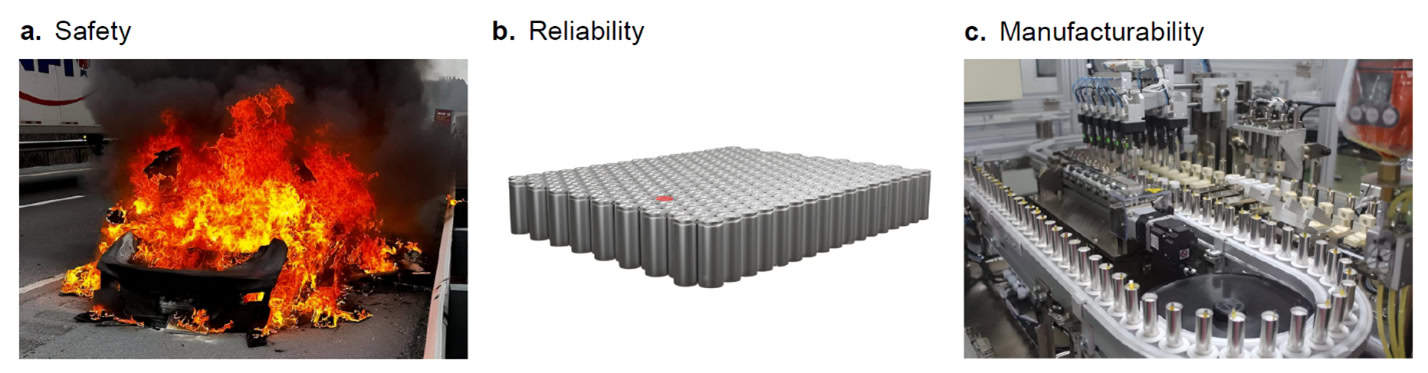
Battery quality lies at the heart of major issues relating to battery safety, reliability, and manufacturability. This talk reviews the challenges and opportunities to enable battery quality at scale. First, the interplay between various battery failure modes and their numerous root causes is described. Then, which failure modes are best detected by electrochemistry, and which are not, is discussed. Finally, how improved inspection – specifically, high-throughput computed tomography (CT) – can play a role in solving the battery quality challenge is reviewed.
An interactive Q&A session follows the presentation.
Peter Attia is co-founder and chief technical officer of Glimpse. Previously, he worked as an engineering lead on some of Tesla’s toughest battery failure modes and managed a team focused on battery data analysis. Peter holds a PhD from Stanford, where he developed seminal machine learning methods for battery lifetime prediction and optimization. He has received honours such as Forbes 30u30 but has not written a bestselling book on aging.
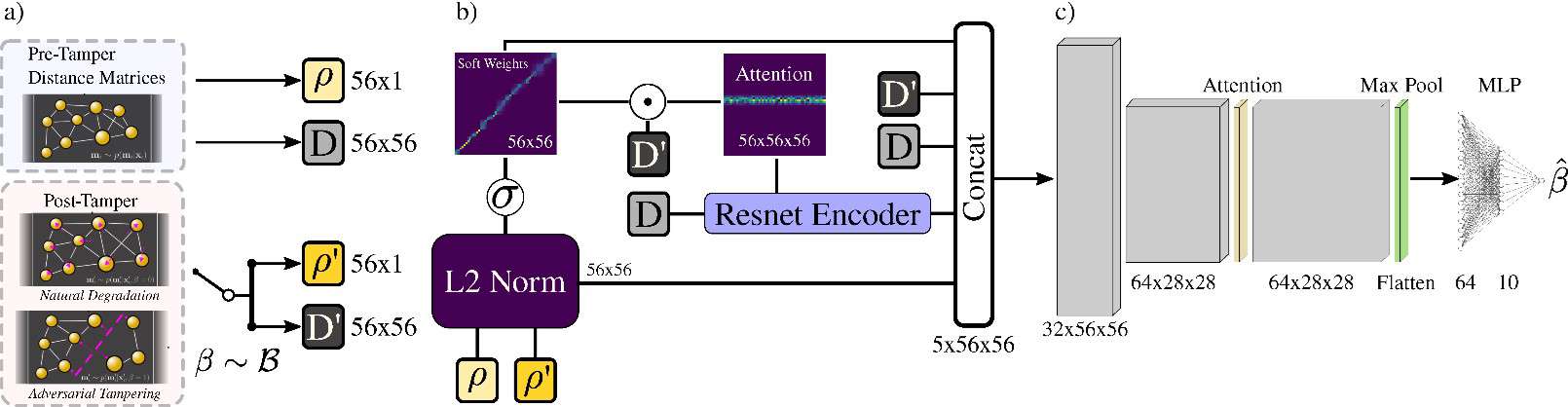
Researchers have combined artificial intelligence and photonics technology to develop a robust new method for detecting counterfeit chips. The RAPTOR system illustrated here uses an attention mechanism for prioritizing nanoparticle correlations across pre-tamper and post-tamper samples before passing them into a residual, attention-based deep convolutional classifier. (Courtesy: Blake et al., doi 10.1117/1.AP.6.5.056002)
The semiconductor industry is an economic powerhouse, but it is not without its challenges. As well as shortages of new semiconductor chips, it increasingly faces an oversupply of counterfeit ones. The spread of these imitations poses real dangers for the many sectors that rely on computer chips, including aviation, finance, communications, artificial intelligence and quantum technologies.
Researchers at Purdue University in the US have now combined artificial intelligence (AI) and photonics technology to develop a robust new method for detecting counterfeit chips. The new method could reduce the risks of unwanted surveillance, chip failure and theft within the $500 bn global semiconductor industry by reining in the market for fake chips, which is estimated at $75 bn.
The main way of detecting counterfeit semiconductor chips relies on “baking” security tags into chips or their packaging. Such tags work using technologies such as physical unclonable functions made from media such as arrays of metallic nanomaterials. These structures can be engineered to scatter light strongly in specific patterns that can be detected and used as a “fingerprint” for the tagged chip.
The problem is that these security structures are not tamper-proof. They can degrade naturally – for example, if temperatures get too high. If they are printed on packaging, they can also be rubbed off, either accidentally or intentionally.
Embedded gold nanoparticles
The Purdue researchers developed an alternative optical anti-counterfeiting technique for semiconductor devices based on identifying modifications in the patterns of light scattered off nanoparticle arrays embedded in chips or chip packaging. Their approach, which they call residual attention-based processing of tampering response (RAPTOR), relies on analysing the light scattered before and after an array has degraded naturally or been tampered with.
To make the technique work, a team led by electrical and computer engineer Alexander Kildishev embedded gold nanoparticles in the packaging of a packet of semiconductor chips. The team then took several dark-field microscope images of random places on the packaging to record the nanoparticle scattering patterns. This made it possible to produce high-contrast images even though the samples being imaged are transparent to light and provide little to no light absorption contrast. The team then stored these measurements for later authentication.
“If someone then tries to swap the chip, they not only have to embed the gold nanoparticles, but they also have to place them all in the original locations,” Kildishev explains.
The role of artificial intelligence
To guard against false positives caused by natural abrasions disrupting the nanoparticles, or a malicious actor getting close to replacing the nanoparticles in the right way, the team trained an AI model to distinguish between natural degradation and malicious tampering. This was the biggest challenge, Kildishev tells Physics World. “It [the model] also had to identify possible adversarial nanoparticle filling to cover up a tampering attempt,” he says.
Writing in Advanced Photonics, the Purdue researchers show that RAPTOR outperforms current state-of-the-art counterfeit detection methods (known as the Hausdorff, Procrustes and average Hausdorff metrics) by 40.6%, 37.3%, and 6.4% respectively. The analysis process takes just 27 ms, and it can verify a pattern’s authenticity in 80 ms with nearly 98% accuracy.
“We took on this study because we saw a need to improve chip authentication methods and we leveraged our expertise in AI and nanotechnology to do just this,” Kildishev says.
The Purdue researchers hope that other research groups will pick up on the possibilities of combining AI and photonics for the semiconductor industry. This would help advance deep-learning-based anti-counterfeiting methods, they say.
Looking forward, Kildishev and colleagues plan to improve their nanoparticle embedding process and streamline the authentication steps further. “We want to quickly convert our approach into an industry solution,” Kildishev says.
In this webinar, we will explore innovative advancements in Monte Carlo based dose calculations that are poised to impact radiation oncology quality assurance. This expert session will focus on new developments in 3D dose calculation engines and improved dosimetry capabilities.
Designed for medical physics and dosimetrist experts, the discussion will outline the latest developments and emphasize how these can improve dose calculation accuracy, treatment verification processes, and clinical workflows in general. Join us in understanding better how fast Monte Carlo can contribute to advancing quality assurance in radiation therapy.
An interactive Q&A session follows the presentation.
Veng Jean Heng, PhD, is a medical physics resident at Stanford University. He received both an MSc and a PhD from McGill University. During his MSc, he performed Monte Carlo beam and dose-to-outcome modelling for CyberKnife patients. His PhD was on the clinical implementation of a mixed photon-electron beam radiation therapy technique. His current research interests revolve around the development of dose calculation and optimization methods.
Carlos Bohorquez
Carlos Bohorquez, MS, DABR, is the product manager for RadCalc at LifeLine Software Inc., a part of the LAP Group. An experienced board-certified clinical physicist with a proven history of working in the clinic and medical device industry, Carlos’ passion for clinical quality assurance is demonstrated in the research and development of RadCalc into the future.
Alzheimer’s disease is a neurodegenerative disorder with limited treatment options. The causes of Alzheimer’s are complex and not entirely understood. It is commonly thought, however, that the build-up of amyloid-beta plaques and tangles of tau proteins in the brain leads to nerve cell death and dementia. A team at the University of Utah is investigating a new way to use radiation to reduce such deposits and potentially alleviate Alzheimer’s symptoms.
Developing a therapy for Alzheimer’s disease is a key goal for many researchers. One recent study, for example, showed evidence that reducing amyloid-beta plaques with a newly approved antibody-based drug improved cognition in patients with early-stage Alzheimer’s. Alongside, scientists are studying non-pharmacological approaches such as whole-brain, low-dose ionizing radiation, which has been shown to break up plaques in mice and exhibited a positive cognitive effect in preliminary clinical studies.
While promising, whole-brain irradiation unavoidably delivers radiation dose to healthy tissues. Instead, the University of Utah team is exploring the potential of targeted alpha therapy (TAT) to reduce amyloid plaque concentrations while minimizing damage to healthy tissue and the associated side effects.
“Our goal was to build on these studies and, as opposed to irradiating the whole brain, target the plaques specifically,” explains lead author Tara Mastren. “TAT could have potential benefits compared to the current antibody treatment, as much smaller doses are required to achieve an effect. Currently, it is hard to say if it will be better as this is new territory and studies need to be done to prove that.”
Targeted irradiation
TAT works by delivering an alpha particle-emitting radionuclide directly to a target, where it releases energy into its immediate surroundings. As alpha particles only travel a few micrometres in tissue, they deliver a highly localized dose. The approach has already proved effective for treating metastatic cancers, and the Utah team postulated that it could also be used to break bonds within amyloid-beta aggregates and facilitate plaque clearance.
To perform TAT, Mastren and colleagues synthesized a compound called BPy (a benzofuran pyridyl derivative) that targets amyloid-beta plaques. They linked BPy to the radionuclide bismuth-213 (213Bi), which has a short half-life of 46 min and decays by emitting a single alpha particle, thereby creating [213Bi]-BiBPy.
To examine whether TAT could reduce amyloid-beta concentrations, the researchers incubated [213Bi]-BiBPy with homogenates created from the brain tissue of mice genetically modified to develop amyloid plaques. After 24 h, they measured the concentration of amyloid-beta in the samples using Western blot and enzyme-linked immunosorbent assays.
Both analysis methods revealed a significant, dose-dependent reduction in amyloid-beta following incubation with [213Bi]-BiBPy, with plaque reduced to below the detection limits. Incubating the brain homogenate with free 213Bi also reduced levels of amyloid-beta, but to a significantly lesser extent. Other proteins in the homogenate were not affected, suggesting a lack of off-target damage.
The team found that a dose of 0.01488 MBq per picogram of amyloid beta was required to reduce amyloid by 50% in vitro. Mastren notes that this finding must now be investigated in vivo, as biological processes in a living brain differ from those in postmortem tissue. “However, this value gives a starting point for our in vivo studies,” she adds.
To confirm the targeted binding of [213Bi]-BiBPy, the researchers also examined 10 µm-thick brain tissue sections from the mice. They stained the sections with a fluorescent BPy probe (fluorescein-functionalized) and with thioflavin-S, an amyloid stain. Thioflavin-S revealed a dense presence of plaques, particularly in the cortex. The fluorescent BPy probe also stained plaques in the cortex, but less intensely and with more off-site binding. This finding highlights the need to investigate alternative targeting vectors to reduce white-matter binding.
The researchers conclude that TAT can significantly reduce amyloid-beta aggregates in vitro, paving the way for studies in live animals and eventually in humans. As such, they plan to start in vivo testing of TAT later this year.
“Initially, we will be looking at the biodistribution, ability to cross the blood–brain barrier, immune response to treatment and effects on plaque concentrations,” says Mastren. “If successful, we hope to follow up with testing cognitive response to treatment.”
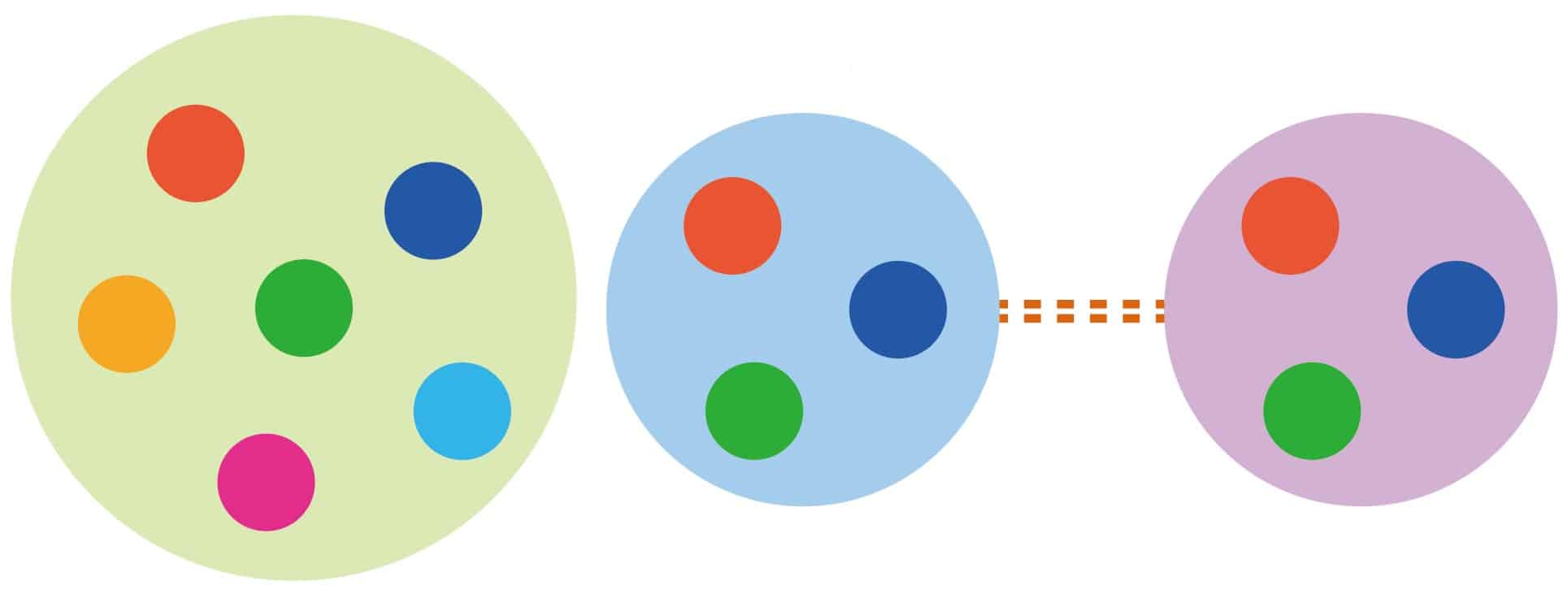
Two types Illustration of a compact hexaquark (left) and a molecular hexaquark comprising two bound baryons (right). Each contains six quarks. (Courtesy: Bo Wang/Hebei University)
Multiple hexaquarks – strongly interacting hadronic particles comprising six quarks – are likely to exist, according to a new theoretical study by four physicists in China and Germany. The hypothetical particles they considered contained strange (s) and charm (c) quarks. These are both heavy quarks whose presence usually makes hadrons very short-lived and difficult to study experimentally. However, evidence from accelerator experiments has already hinted at the existence of such hexaquarks, leading the team to believe that future experiments at facilities like the Large Hadron Collider (LHC) could validate their predictions.
“Hexaquarks are a type of exotic hadron, distinct from the more familiar baryons (which contain three quarks, like protons and neutrons) and mesons (which contain a quark-antiquark pair),” explains Bo Wang of Hebei University who collaborated on the research. “In general, there are two types of hexaquark states: one where six quarks are confined within a compact hadron, and another that consists of a molecular-like structure formed by two baryons [see figure]. Our [research] focuses on the latter type.”
In molecule-like hexaquarks, the constituent baryons are expected to be not as tightly bound by the strong interaction as the quarks within each baryon. This makes these hexaquarks particularly interesting for studying new aspects of the strong interaction that binds quarks together. This could help physicists better understand quantum chromodynamics – which is the theory that describes the strong interaction and is enormously challenging to implement in calculations.
In their new work, Wang and colleagues employed a combination of techniques used in previous hadron studies, incorporating specific parameters related to the strong interaction that were determined from earlier research on other exotic hadrons, such as tetraquarks (four-quark states) and pentaquarks (five-quark states).
Bag of quarks
“It can be easily inferred within our model that if the molecular tetraquarks and pentaquarks exist, then the molecular hexaquarks must also exist,” said Wang. “Experimental searches for these hexaquark states will help reveal whether nature prefers to construct higher-level structural units, namely hadronic molecular states, or whether it merely favours putting the quarks into a bag, meaning compact multiquark states.”
By applying a range of sophisticated techniques, the scientists were able to calculate the hexaquarks’ masses and lifetimes, which are among the most important parameters of elementary particles and play a primary role in their identification in experiments.
“We have developed a method that combines effective field theory and the quark model to describe the residual strong interactions between quarks,” explained Wang. “The parameters are determined using well-measured states, such as the Pc pentaquarks and the tetraquarks X(3872) and Zc(3900). Finally, the mass spectrum of the molecular-like hexaquark states is determined by solving the Lippmann-Schwinger equation.”
Using this approach, Wang and his colleagues explored various potential hexaquark configurations, all of which included not only the lighter up (u) and down (d) quarks found in protons and neutrons, but also the much heavier s and charm c quarks. Their theoretical models encompassed hexaquarks made from two identical baryons, a baryon paired with its antiparticle, and combinations of two different baryons.
Wealth of testable predictions
While only non-molecular hexaquark candidates have been observed experimentally so far, Wang a colleagues offer a wealth of testable predictions about the subtle properties of strong interactions, making these findings particularly significant.
“Several candidates for molecular-type tetraquarks and pentaquarks have been observed experimentally, notably by collaborations such as the LHCb, BESIII, and Belle, but no candidates for molecular-type hexaquark states containing heavy quarks have yet been found.” said Wang.
The researchers were also able to compare their findings with results from other methods, such as lattice quantum chromodynamics, where space is represented by a finite grid, enabling detailed calculations. In all cases where comparisons were possible, the results were consistent, lending further credibility to the team’s conclusions. However, only experimental evidence can provide definitive proof, and the researchers are optimistic that such confirmation is not far off.
“As future collider experiments are upgraded and established, they will undoubtedly generate a wealth of data for the study of hadronic physics,” concluded Wang. “Research into hadronic molecular states is currently one of the most vibrant areas of inquiry and is expected to remain so for the foreseeable future.”
“Our aspiration is to develop a theoretical framework that comprehensively describes the residual strong interactions, unifying the nuclear forces and interactions between heavy-flavour hadrons under a consistent model and set of parameters. This holds profound significance for our understanding of strong interactions, making the investigation of various properties of hadronic molecular states an excellent entry point for this endeavour.”