Hopfions seen in a magnetic crystal

Researchers have observed three-dimensional magnetic spin structures called hopfions in a naturally-occurring material for the first time. The result could lead to new concepts for spintronics devices – that is, those that use the spin of an electron as well as its charge.

Hopfions are doughnut-shaped, three-dimensional versions of solitons, which are packets of waves that maintain their shape and size as they propagate through a material. Hopfions can also be thought of as closed, twisted strings of skyrmions, which are 2D solitons with a vortex-like structure.

Previously, hopfions had only been observed in synthetic multilayered materials. In the latest work, researchers led by Fengshan Zheng at South China University of Technology, Nikolai Kiselev of Forschungszentrum Jülich, Germany, and Filipp Rybakov at Uppsala University, Sweden, used transmission electron microscopy to observe them forming coupled states with strings of skyrmions in plates cut from a single crystal of iron germanide (FeGe).

Skyrmion strings and hopfion rings

“The spin configurations we discovered are perhaps the most complex topological magnetic textures ever imaged in magnetic crystals,” Kiselev says. “They are composed of two base elements linked to each other: the skyrmion strings and the hopfion rings around them.”

The discovery, as often happens in experimental physics, was unexpected. The researchers’ initial goal was to study skyrmions that have an arbitrary topological charge, which are known in the literature as skyrmion bags. They chose FeGe because they have been working on it since 2015 and had already discovered many interesting magnetic structures in it, including chiral bobbers, skyrmion braids and skyrmion-antiskyrmion pairs.

“We expected to observe skyrmion bags, but as well as seeing these, we also observed another structure, which puzzled us,” Rybakov says. “After that, there were several months of tough work, when we had to reproduce and accumulate experimental data and perform a long series of micromagnetic simulations to reconstruct each of the images we had recorded in the microscope.”

Edge phenomenon

One of the complicating factors, Rybakov adds, is that spin configurations in hopfions correspond to metastable states. This is different from skyrmions, which have spin configurations that are completely stable, making them relatively easy to observe.

A further complication is that hopfions do not arise spontaneously, so the researchers had to tease them out. They did this by exciting their crystal, which contains billions of magnetic atoms, in such a way that the magnetic moments of atoms in a tiny volume of the crystal took on what Rybakov terms a “topologically non-trivial” magnetic texture. “This is a texture that, by continuous transformations, cannot undergo a transition into a ferromagnetic state in which all the spins point in nearly the same direction,” he explains. “Continuous transformations keep the angle between the neighbouring spins small, meaning much smaller than 90 degrees.”

A similar process occurs for topological solitons in bulk crystals, he notes. These 2D spin structures cannot arise except in the presence of a discontinuity where the angles between spins becomes very large. However, states with discontinuities are energetically unfavourable, and under normal conditions they do not form. Only at the edges of the sample, where the magnetization field naturally exhibits discontinuities, can these structures appear.

Probabilistic character

When the researchers placed their plates of FeGe in a cycling magnetic field that sequentially changed direction, they noticed “an interesting phenomenon” at the sample’s edges, Zheng tells Physics World. “In particular, the [magnetic] spin texture forms closed loops of spiral modulations,” he says. “As more cycles of the field are applied, more concentric loops are formed.”

After much painstaking effort, the researchers found that configurations with many such concentric loops represent a state with a high probability of transforming into a hopfion ring as the magnetic field gradually increases. In most cases, however, the system would converge to states with a lower energy than the hopfion ring.

“Because of this, the appearance of the hopfion has a probabilistic character,” Kiselev explains. “This made the experiment particularly challenging, but we found that the probability of hopfion appearing increases at a specific temperature range. While it is yet difficult to quantify the probability of the quasiparticles appearing, automating our experiment might help us do that in the future.”

Closed loops of spiral modulations

Though it is hard to predict applications for hopfions, Kiselev notes that unlike skyrmions, they are three-dimensional objects that can move in three spatial dimensions. They might therefore find use in 3D versions of already-established skyrmion concepts, such as racetrack memories, neuromorphic computing and quantum bits.

The researchers, who report their work in Nature, now plan to study how an applied current affects the motion of hopfion rings. They also aim to observe other hopfions, including those that are not linked to skyrmion strings. “We hope to perform a tomography experiment too,” Zheng says. “This would provide us with a real three-dimensional structure of hopfion rings, instead of the just the two-dimensional projected images we have today.”
Next-generation 7 T scanner ramps the resolution of brain MR imaging

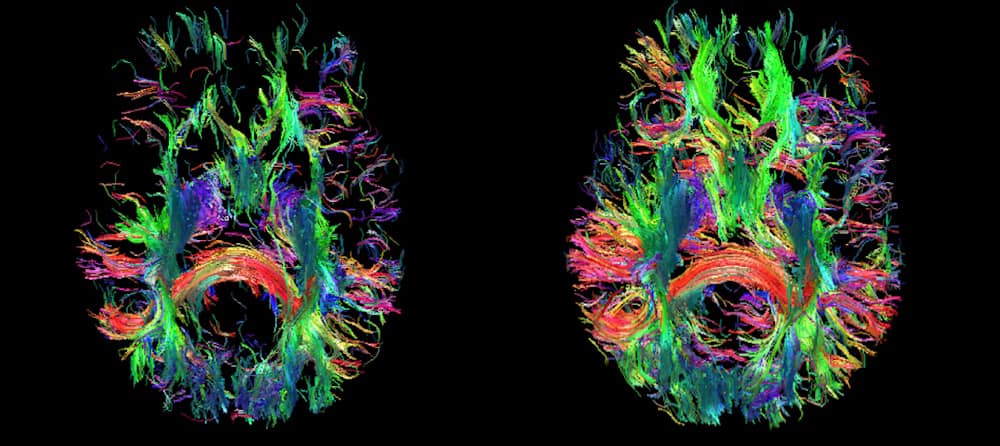
An ultrahigh-resolution 7 tesla (T) MRI scanner seven years in development can generate functional brain images with 10 times better spatial resolution than current 7 T scanners, and over 180 times more detail than conventional 3 T systems. As reported in Nature Methods, this improved spatial resolution reveals functional MRI (fMRI) features as small as 0.35 mm, compared with the typical 2–3 mm of standard 3 T fMRI.

“The scanner was designed for ultrahigh spatial resolution to identify neuronal activity at different depths in the cerebral cortex, allowing brain circuitry to be studied by differentiating activity in different cortical cell layers,” explains project director David Feinberg, of the Helen Wills Neuroscience Institute at UC Berkeley. Such high-resolution fMRI is not possible using current 7 T scanners, because the signal decays before it can be recorded by the scanner’s hardware systems.

Feinberg explains that the improved resolution will help researchers examine neuronal circuits in different parts of the brain and track signals propagating from one area of the cortex to another while a person is thinking and reasoning. Pinpointing the fMRI activity to a specific depth in the cortex reveals activity in feedforward and feedback circuitry localized at different cortical depths, enabling neuroscientists to determine the direction of information movement throughout the brain.

As well as improving fMRI, the new NexGen 7 T scanner also offers higher spatial resolution in diffusion, physiological and structural MR imaging. The team plans to use it to study underlying changes in brain circuitry in various brain disorders, including degenerative diseases, schizophrenia and development disorders such as autism.

Scanner design

The NexGen 7 T scanner is based on a commercial MAGNETOM Terra 7 T scanner from Siemens Healthineers. To increase the spatial resolution, Siemens scientists – in collaboration with researchers at Harvard-MIT Health Sciences and Technology and UC Berkeley – developed the Impulse head-only gradient coil, which incorporates an additional third layer of wire windings and a powerful cooling system.

Shielded gradient coils in a standard MRI scanner include two layers of conductive wiring. The inner layer generates linear magnetic fields for spatial encoding of images and the outer layer minimizes eddy currents in the surrounding superconducting magnet by cancelling the external magnetic fields. The addition of a third layer of wire winding in the Impulse gradient coil provides the additional degrees of freedom needed to reduce peripheral nerve stimulation, as well as optimize the gradient field linearity, mechanical resonances and torque.

The Impulse gradient coil achieves much faster gradient switching (900 T/m/s) and higher maximum gradient amplitude (200 mT/m) than standard 7 T whole-body gradient coils. As such, it can achieve an order of magnitude greater performance than current standard 7 T systems, and about five times the performance of an existing head-only gradient coil operating at 7 T.

Diffusion MR images

The NexGen 7 T scanner is also the first to incorporate a 128-channel receiver system. The scanner currently includes two RF receiver–transmit coil arrays: a 64-channel receiver array coil and a 96-channel coil, with 4 cm loop diameters. These larger receiver arrays with smaller coil loops achieve higher signal in the cortex and roughly 30% improvement in signal-to-noise ratio compared with a standard 32-channel receiver array coil.

Other system modifications required to optimize the new scanner included adapting the acquisition computer to support the large data set size acquired with 64-, 96- and 128-channel receiver coil arrays and the larger matrix sizes used for high-resolution imaging. This included increasing the memory capacity of the reconstruction computer to superfast memory modules and expanding the disk space for raw k-space data on the measurement and reconstruction system. The team also designed a custom interface connector to accommodate 128 receive channels.

To date, the researchers have imaged over 100 healthy volunteers on the NexGen 7 T scanner with no adverse effects. Studies included evaluating multi-echo echo-planar imaging, cerebral blood volume contrast imaging, diffusion imaging, gradient echo imaging and MR angiography. They note that future studies with co-registration of structural and functional data in a single participant, combining high angular resolution of fibre tracks and laminar fMRI of the whole brain should be possible.

Many technical challenges remain before super-resolution MRI scanners can be used in routine clinical brain imaging. High cost is another factor. But the team believes that “the numerous innovations developed and incorporated into the NexGen 7 T scanner will make diverse human neuroscience studies at ultrahigh resolution routinely possible, including functional imaging of cortical layer and columnar organization”.

  • The NextGen 7 T scanner was developed by a multi-institutional team of researchers at a cost of $22 million, with an initial $13.4 million research grant from the NIH’s Brain Research through Advancing Innovative Neurotechnologies (BRAIN) initiative. Academics and scientists at Siemens Healthcare, RF coil designer MR CoilTech and R&D company Advanced MRI Technologies (AMRIT) were major contributors to the scanner’s development.

Baidu and Alibaba plan to quit quantum computing research

The Chinese search engine company Baidu is giving up its quantum computing division by donating its entire research facility to the government-run Beijing Academy of Quantum Information Sciences (BAQIS). The company says that the two parties are currently in discussion over the details of the donation.

Baidu’s quantum computing facilities were established in early 2018 after the company said it wanted to become a leading global quantum computing research institution within five years by focussing on areas such as quantum AI, algorithms and architecture. It revealed its first quantum computer, which had 10 superconducting qubits, in 2022 and later developed a 36-qubit quantum chip.

The firm made further steps towards a complete quantum computing infrastructure, by building quantum software-hardware interfaces as well as a “quantum operating system” as well as a cloud-based quantum machine-learning platform.

In March 2023, Baidu and BAQIS launched China’s first quantum computing intellectual property alliance, which aimed to stimulate innovation in the industry.

Dropping out

Baidu’s exit follows a similar move by the Chinese e-commerce giant Alibaba, which gave up its quantum research facilities last November. Alibaba’s research institution Damo Academy donated its quantum lab to Zhejiang University. The company began research into quantum technologies relatively over a decade ago with reports stating it has already spent £12bn.

It is expected that the Damo Academy’s 30 employees will continue with positions at Zhejiang University and in an official statement Damo Academy said it would instead become more focused on fundamental research in AI and its application in areas such as agriculture and healthcare.

Analysis: government control could be behind the latest quantum shift

The reasons behind the sudden exits of Baidu and Alibaba from quantum tech are not entirely clear. Given it takes many years before quantum products fully hit the market, the shift in focus to other business activities may be commercially driven. Indeed, AI applications, in which both companies are active, may lead to earlier commercial success.

But as both Baidu and Alibaba have donated their facilities to government-backed academic institutions, their choices may not have been entirely made alone and perhaps reveal that the Chinese government wants a firmer grip on the nation’s quantum computing development.

Thomas Kuhn: new insights into a revolutionary philosopher of science

In 1962 the philosopher Thomas Kuhn published The Structure of Scientific Revolutions, a book that shook the history of science and laid important groundwork for an entirely new field – the sociology of science. In this contentious volume, Kuhn portrayed scientific revolutions as extended periods of intellectual conflict that he called “extraordinary science”. Older theories, during such times, can no longer account for new phenomena.

A famous example of such a revolution is the “ultraviolet catastrophe” of the early 1900s. That was when classical physics predicted that the energy emitted by a black body should increase to infinity as the wavelength of the radiation falls. This prediction disagreed with experiments, which showed the energy peaking before dropping away again, forcing physicists to turn to something entirely new: quantum theory.

By emphasizing discontinuity, Kuhn did not think new paradigms have to “fit” or share scientific vocabulary with previous ones. To use his language, he said they are “incommensurable” with each other. In proposing incommensurability, Kuhn was challenging the widely held assumption that scientific knowledge accumulates linearly over time. Instead, he argued, science switches to new paradigms, defined by new concepts, methods and worldviews.

Kuhn’s 1962 book initially received a chilly reception. But as the 1960s and 1970s rolled by, it started having a widespread impact on philosophy, history and even political science. Many philosophers took incommensurability to mean that scientific theories just change from one form to another and can’t therefore be compared across paradigms. Kuhn, it seemed, had abandoned the assumption that science progresses to ever-improving states of knowledge.

Others said Kuhn’s position smacked of relativism – that our knowledge, in other words, is only true “relative” to our current paradigm. Kuhn’s book was also criticized for seeming to do away with the supremacy of rational argumentation in paradigm shifts. Kuhn describes how it could be rational for scientists to dismiss contradictory evidence by modifying existing theories to fit their beliefs or by rationalizing away exceptions to their point of view. It was a view that prompted some to even accuse Kuhn of introducing “mob psychology” into science.

Unfortunately, the basic message of his book was widely misunderstood. Sure, Kuhn was a counterweight to “linearized” narratives of history, but what he really wanted to do was make the notion of progress more nuanced, not discard it altogether. Indeed, in 1969 Kuhn published a postscript to his book, in which he abandoned the term paradigm in favour of “exemplars”. These are concrete, ideal examples such as the “inclined plane” and the “infinite square well”, which students encounter in their education and shape their views about science. He resisted attempts to use rival approaches, such as sociology and psychology, to explain how science progresses.

Bojana Mladenovic, a philosopher at Williams College in the US, has done a great service with her new book The Last Writings of Thomas S Kuhn. Containing the unfinished draft of a book that Kuhn was still working on when he died in 1996, Last Writings brings much needed clarity to Kuhn’s philosophy and his understanding of how science develops. The book also includes two previously unpublished papers by Kuhn entitled “Scientific knowledge as historical product” and “The presence of past science”.

Kuhn essentially said the only way to model how scientific theories change is to take into account the shared lexicon of concepts and methods of scientists living at the time

In her introduction, Mladenovic charts Kuhn’s direction of thinking from the Structure to his unfinished draft, titled Plurality of Worlds: an Evolutionary Theory of Scientific Development. As Mladenovic makes clear, Kuhn never entirely gave up the idea of incommensurability, but revised the concept extensively in Plurality of Worlds. Far from reducing science to psychology or sociology, Kuhn essentially said the only way to model how scientific theories change is to take into account the shared lexicon of concepts and methods of scientists living at the time.

Historians cannot, for example, compare different theories about the behaviour of waves without examining how the terms “wave”, “sound” and “light” varied in meaning in the 18th and 19th centuries. Similarly, we cannot judge theories of temperature without understanding how the concepts of “hot” and “cold” differed widely among scientists after the invention of the mercury thermometer in 1714. For Kuhn, the ideas that our knowledge about waves or heat simply improved conceals conceptual differences – incommensurability – that resist easy comparisons.

As for Kuhn’s essay “The presence of past science”, it offers fairly standard critiques of the “whiggish” approach to history, which essentially judges the past from the point of view of the present. Also known as “presentist” history, it assumes the past has little to tell us about current events. Presentist accounts, in other words, tend to favour historical insights that serve as precursors to “modern” thinking and treat past viewpoints as less advanced than those that followed. Most historians today are aware of the flaws in this approach and in some sense Kuhn’s essay foreshadowed current thinking.

Taken together, Last Writings makes clear that Kuhn thought history must deal with its own incommensurability to model progress, which is done by “rediscovering” the achievements of past science. So instead of writing history with the benefit of hindsight, Kuhn’s aim was to reconstruct the intelligibility and the reasoning of scientists at the time. That way, we can see shifts, merits and deficiencies that motivate us to take up one lexicon over another. Kuhn deemed that what was necessary to ground incommensurability is a “theory of meaning” and Plurality of Worlds takes serious steps to flesh out this project.

Kuhn veered between the two extremes of historicism and naturalism. Like his fellow philosophers Noam Chomsky and Ludwig Wittgenstein, he believed that human beings perceive and classify nature in similar ways while reflecting distinct cultural inheritance and practices. At the same time, Kuhn’s incommensurability suggests that no two distinct lexicons, even with overlapping terms that appear to describe the same objects, typify nature in the exact same way.

The hard road then, and perhaps one worth taking, is to make sense of our common ground without presuming a one-to-one correspondence between terms or trying to translate every statement for a given set of lexicons. In saying that lexicons are distinct but communicable, Kuhn’s goal was ambitious but well-conceived. It’s therefore unfortunate Kuhn never had time to finish his final book because he showed a strong sense of what is needed to answer his own questions about incommensurability.

The second part of Plurality of Worlds tries to give structure to Kuhn’s theory of meaning by discussing various types of entities using cognitive psychology. In doing so, Kuhn draws a distinction between natural phenomena, like biological taxonomy, and human-made tools, which he dubs “artefactual terms”. He further distinguishes these from physics terms such as “mass”, “extension” and “motion”, which he calls “singletons”.

Unlike the informal vocabulary of everyday life, Kuhn regarded singletons as unique, deliberate formalizations in theoretical science. They are law-like generalizations that formalize everyday observations. Kuhn’s choice to label “singletons” as neither purely natural nor artefactual shows promise because he gives meaning to physical terms without taking our models literally or simply regarding them as useful tools for doing calculations.

Kuhn was perhaps right that we cannot strip concepts of their lexical context and carelessly judge them from today’s point of view

Some may find Kuhn’s notion of incommensurability just as tricky to grasp as when he wrote Structure back in 1962. Despite his revisions, Kuhn still does not think we can say, for example, that Alessandro Volta was wrong about the direction of electrical current, since his notion of “current” differed from present-day usage. But what can we say then? Misreads of relativism aside, Kuhn too often reverts to denying our ability to compare scientific concepts over vast periods of time.

Kuhn was perhaps right that we cannot strip concepts of their lexical context and carelessly judge them from today’s point of view. Just think of Aristotle’s notion of “nothingness”, which he called “the void”. We can’t simply mix that idea with our own methods of evaluation. For Aristotle, the non-existence of void was a tautological truth. For us, the existence of the void is a fact about vacuum.

However, as far as I can tell, what is missing is a way of translating concepts from one theory to another without losing the original meaning. After all, Aristotle’s notion of void is not a vacuum as we now know it, but surely it corresponds with something from modern science. Granted, Kuhn’s work was unfinished, but hopefully, the Last Writings will reinvigorate conversations about incommensurability for years to come.

  • 2022 University of Chicago Press 312pp $27.50hb

Evidence grows for deconfined quark matter in neutron-star cores

It is very likely that ultra-dense deconfined quark matter exists in the cores of the most massive neutron stars, according to a study by an international team of physicists. The team led by Aleksi Vuorinen at the University of Helsinki applied Bayesian inference to observations of neutron stars and concluded that there is a 80–90% that the exotic state of matter exists in the heaviest objects.

At extreme temperatures and pressures, quantum field theory predicts that quarks and gluons no longer bind tightly to each other – as they do in protons, neutrons and other hadrons. Instead, they are free to exist individually in an exotic quark–gluon plasma called deconfined quark matter.

It is believed that this state of matter dominated the universe in the very first moments following the Big Bang. It has also been created very briefly at facilities like the Large Hadron Collider by smashing heavy nuclei together.

Dense and compact objects

“While the experimental study of high-density nuclear and quark matter with particle colliders remains extremely challenging, it has long been known that quark matter may be present in nature in the cores of neutron stars – the densest and most compact astrophysical objects in existence,” Vuorinen explains.

Neutron stars are the collapsed cores of stars that pack more than a Sun’s worth of matter into objects just 10–20 km in radius. The density of a neutron star is expected to increase from its crust to its core. As a result electrons and protons in the interior of such a star are expected to be crushed together to create matter that is mostly neutrons.

What is more, some physicists believe that the temperature and pressure at the core of a neutron star could be high enough to allow a phase transition from hadronic matter to deconfined quark matter. To search for evidence of such a phase transition, Vuorinen’s team used “Bayesian inference”, which is a method for statistical deduction infers the likelihoods of different model parameters by making direct comparisons with observational data.

Equation of state

In this case, the observations are the “equations of state” of neutron stars. The equation of state relates the pressure in a neutron star to the density – and can be inferred by observing properties of a neutron star such as its mass and radius.

“We combined this approach to a framework we had earlier pioneered in the study of neutron-star matter, where the equation of state of dense quark matter is interpolated between accurately known low- and high-density regimes,” Vuorinen explains. Since the equation of state of deconfined quark matter is expected to be fundamentally different to that of hadronic matter, this approach should identify the presence of deconfined quark matter in the cores of observed neutron stars.

For their study, Vuorinen and colleagues used equation of state calculations from 12 neutron star observations.

“Similar studies have been performed before, but we were able to both take an unprecedented number of observational results into account in our study, and to deduce the phase of strongly interacting matter from the results,” Vuorinen describes. Using their recently-developed framework, the team used a supercomputer to calculate the likelihood that deconfined quark matter is present in the cores of the heaviest neutron stars they examined.

Strong first-order phase transition

“The results were in the ballpark of 80-90%, which is high, but by no means constitutes a discovery,” Vuorinen continues. “The remaining 10-20% likelihood corresponds to a very interesting scenario in itself: we were able to show that should all neutron stars in existence be composed of nuclear matter alone, there needs to be a strong first-order phase transition separating the nuclear and quark matter phases.”

From an astrophysical perspective, the possibility of deconfined quark matter existing in neutron star cores raises a whole host of intriguing new questions, explains team member Joonas Nättilä at the Flatiron Institute and Columbia University in New York City.

“Now that we know there can be such a new state of material lurking inside neutron stars, we can start to speculate how it affects various astrophysical phenomena”.

He says the research raises some very interesting questions.  “Can we temporarily release the quark matter in a collision of two neutron stars? Can we, at some point, hope to observe the collapse of a neutron star into a black hole if the matter undergoes a strong phase transition? Does the quark-neutron matter interface change the internal structure of the star?”

In their future research, the team will aim to delve deeper into these fascinating questions.

The study is described in Nature Communications.

Moiré material makes a synaptic transistor for neuromorphic computing

Artist's image of a highly connected brain rising from a flat moire-patterned material

Researchers at Northwestern University, Boston College and the Massachusetts Institute of Technology (MIT), all in the US, have developed a new type of transistor for use in neuromorphic computing. The device, which works at room temperatures, can be trained to recognize similar patterns of inputs – a property known as associative learning that goes beyond standard machine-learning tasks.

Neuromorphic computers, as their name suggests, are inspired by the architecture of the human brain. The building blocks of their circuits are highly connected artificial neurons and artificial synapses that simulate the brain’s structure and functions. These machines have combined processing and memory units that allow them to process information at the same time as they store it – just like a multi-tasking human brain. This ability sets them apart from digital computers with separate processing and storage units, which consume huge amounts of energy when performing data-intensive tasks. Such tasks are becoming increasingly commonplace with the arrival of smart, connected devices and vast datasets.

While synaptic devices have progressed significantly in recent years, they are limited by a lack of good switching mechanisms, explains Mark Hersam of Northwestern, who co-led the research effort. “The stochastic nature of filamentary switching in memristors (short for memory resistors), which are the most common synaptic technology today, leads to significant device-to-device and cycle-to-cycle variability,” he says.

Other types of synaptic devices rely on magnetic and phase change switching, but these suffer from low switching ratios and high switching energies, respectively, Hersam adds.

Moiré quantum materials

To overcome these problems, Hersam and colleagues have been studying two-dimensional moiré quantum materials. These are made up of layers of different atomically thin materials stacked atop each other and twisted by small angles. Such structures have electronic properties that do not exist in individual layers of material. By twisting the layers at different angles relative to each other, researchers can tune these electronic properties very precisely – a property that is very attractive for new electronic devices, including components for neuromorphic computing.

In their work, which is detailed in Nature, the researchers created an asymmetric structure made up of two layers of graphene (a flat crystal of carbon just one atom thick) and a layer of hexagonal boron nitride (hBN). Since these two materials have very similar lattice constants, the moiré effects caused by the slight mismatch in the locations of their atoms are very pronounced. The result is a strong Coulomb coupling between the bipartite electronic states in the heterostructure that manifests itself as an electronically controlled ratcheting mechanism. This ratchet allows the conductance of a transistor made from the heterostructure to be precisely controlled and continually tuned.

“The continuous tuneability of the device conductance yields dense and programmable memory states in addition to novel quantum synaptic functions, such as bio-realistic homeostasis and input-specific adaptation,” explains Hersam. “What is more, our devices consume very little power and show minimal device-to-device variations thanks to the homogeneity of the moiré electronic states.”

Room temperature operation

And that is not all: the devices switch quickly, retain their electronic states even when the power is switched off and, importantly, are stable at room temperature. This is in contrast to previous moiré devices that only functioned at cryogenic temperatures.

To test their transistor, Hersam and team trained it to recognize patterns that look similar to each other. They began by inputting a sequence of three zeros in a row (000) and then tested it to identify similar patterns, such as 111 or 101.

“If we trained it to detect 000 and then gave it 111 and 101, it knows 111 is more similar to 000 than 101,” explains Hersam. “000 and 111 are not exactly the same, but both are three digits in a row.”

Recognizing similarity is a higher-level form of cognition known as associative learning and the new device is capable of this, he says.

The researchers are now exploring the potential of other van der Waals materials beyond graphene and hBN, hoping to integrate them into moiré heterostructures with even more sophisticated neuromorphic functionality. “A longer-term goal would be to scale up the most promising examples among these heterostructures to realize fully integrated neuromorphic circuits and systems,” Hersam tells Physics World.

CERN QTI: harnessing big science to accelerate quantum innovation

What are the long-term objectives for CERN QTI?

In its first three years, CERN QTI has accelerated the dialogue between the high-energy physics (HEP) and quantum technology communities. It’s all about creating an understanding of mutual benefits, identifying opportunities that quantum provides in HEP, and establishing specific areas of competence where CERN scientists and engineers can contribute to the development of quantum technologies and applications – both within CERN as well as within industry and the wider economy.

Benjamin Frisch

The CERN QTI roadmap, published in 2021, shapes our activity versus a set of strategic objectives, including: scientific/technical development and capacity-building; establishment of co-development partnerships with industry and academia; creation of a quantum tech community within HEP; and close integration with national and international quantum initiatives. Those reference points translate into a diverse R&D effort at CERN and specific projects spanning quantum theory and simulation; quantum computing and algorithms; quantum sensing and related nanotechnologies; and quantum networking. 

So you’re seeking greater convergence between the HEP and quantum tech communities?

Correct. CERN QTI aspires to act as a focal point for R&D collaboration and knowledge exchange between the HEP and quantum technology communities, whether academic, industrial or government partners. Education, outreach and technical dissemination are the priorities. A case in point, created and organized by CERN QTI, is the International Conference on Quantum Technologies for High-Energy Physics (QT4HEP). The first edition, held at CERN in November 2022, attracted more than 250 international experts (see “The QC4HEP White Paper: the race for quantum advantage”, below). As a follow-up, in November 2023, CERN hosted the seventh edition of the interdisciplinary Quantum Techniques in Machine Learning (QTML) conference with more than 330 participants.   

More specifically, how does CERN QTI maximize engagement with the quantum industry and supply chain?

CERN’s Knowledge Transfer (KT) group looks after CERN QTI activities in terms of industrial engagement strategy. This starts with an analysis of the industrial ecosystem in CERN’s member and associate member states plus a review of unmet needs across the quantum supply chain. All of which is then mapped versus CERN’s quantum know-how and technologies to inform discussions with industry on licensing, consultancy, co-development projects and intellectual property.

Formal links to key players in the quantum supply chain have been established through CERN’s associate membership of the European Quantum Industry Consortium (QuIC), a pan-European trade association for the quantum industry. Visibility is everything in this regard, which is why CERN QTI has a prominent exhibitor presence at flagship events like the European Quantum Technologies Conference (held in Hannover, Germany, in October) to highlight CERN as a potential innovation partner for quantum tech companies.

How is CERN QTI supporting wider efforts to develop the specialist quantum workforce?

A CERN initiative to encourage cross-fertilization between HEP and the quantum tech sector naturally includes a commitment to capacity-building. CERN is a melting pot of more than 16 000 people – staff scientists and engineers, postdocs and graduate students, as well as more than 13 000 scientific users from research institutes and universities across the world.

Alongside hands-on training, CERN QTI offers this diverse workforce ongoing education, training and professional development in all things quantum – including, for example, the QTI Journal Club, QTI Theory Forum, as well as an extensive programme of quantum science lectures, workshops and schools. Among CERN QTI’s flagship training events is the seven-part introductory online course on quantum computing given by Elias Combarro (University of Oviedo, Spain). The course was broadcast live and free-to-air at the end of 2020 and still attracts significant engagement today.

The QC4HEP White Paper: the race for quantum advantage

The AWAKE R&D project at CERN

The formation of a dedicated working group on Quantum Computing for HEP (QC4HEP) was among the headline developments at the International Conference on Quantum Technologies for High-Energy Physics (QT4HEP), which took place at CERN in November 2022.

The working group, which includes more than 50 members from HEP institutes across the EU, US and Japan, has a remit to analyse the potential for quantum computing to realize a “paradigmatic change” in computing hardware and software for the natural sciences and beyond.

“We’re looking at the possibility of estimating the resources needed, case by case, to reach the so-called quantum advantage, where calculations which are unattainable or extremely expensive with classical machines become possible or practical with quantum computers,” says Michele Grossi, quantum senior fellow at CERN and a member of CERN QTI and the QC4HEP working group. “The group recognizes that the HEP community is key to unlocking the power of quantum computing, since the field is a rich source of challenging computational problems.”

There’s no shortage of momentum either. In July this year, the QC4HEP working group published a white paper (available on arXiv) to identify use-cases in theoretical and experimental particle physics where quantum computing could yield significant long-term upside. The paper is authored by experts from CERN, DESY, IBM Quantum and over 30 other organizations. 

“In terms of theoretical aspects in particle physics,” adds Grossi, “there are promising areas related to the evolution of quantum states, lattice-gauge theory, neutrino oscillations and quantum field theories in general. On the experimental side, meanwhile, the white paper singles out areas related to jet and track reconstruction during high-energy particle collisions, extraction of rare signals, for-and-beyond Standard Model problems, and parton showers [cascades of radiation].”

The working group is currently prioritizing a set of HEP applications to implement as part of IBM Quantum’s “100×100” Challenge, a next-generation quantum computing testbed that will come online in 2024.

Further reading

Alberto Di Meglio et al. 2023 Quantum computing for high-energy physics: state of the art and challenges. Summary of the QC4HEP working group arXiv 

What lessons have been learned during Phase I of CERN QTI?

It’s encouraging to see broad recognition of CERN QTI’s expertise as a driving force for scientific collaboration across disciplines – in effect, acting as an “honest broker” linking the HEP and quantum tech communities. There’s also been tangible progress, with the projects pursued in the first two years of CERN QTI pointing to long-run opportunities for quantum technologies in many areas of HEP – from theoretical considerations and quantum computing infrastructures for “big data” analytics to next-generation detector designs across different energy regimes.

Working with industry and academic partners, CERN QTI is also committed to scaling the talent pipeline – whether supporting scientific programmes here at CERN or transferring those coveted skills into the emerging quantum supply chain. The latter is key: while many commercial entities in the quantum sector are seeing significant growth, those same companies are struggling to fill essential technical roles needed to accelerate, and ultimately sustain, that growth.

What’s next for CERN QTI?

Phase II of the initiative gets underway in January 2024 and is all about consolidation, prioritizing a set of investigations with potential game-changing impacts for CERN’s HEP research programme. From an organizational perspective, there will be four thematic Centres of Competence (CCs). The CC on Hybrid Quantum Computing Infrastructures and Algorithms, for example, will develop a robust understanding of the performance and optimal use of quantum computing systems (including integration with high-performance computing centres), ensuring that the requirements of the HEP community are taken into account within the industry supply chain. Co-development partnerships adapted to CERN use-cases will be essential along this coordinate. 

The CC on CERN Technologies as Quantum Platform Demonstrators will develop competences linked to quantum computing and sensing technologies with direct applications to physics beyond the Standard Model. Meanwhile, the CC on Quantum Networking aims to position CERN as part of the R&D community for quantum communications, contributing specialist expertise to implement novel quantum network protocols.

Particle physics offers new views on FLASH proton therapy

Breakthrough technologies originally created for the most ambitious experiments in particle physics have often triggered innovations in medical treatment and diagnosis. Advances in accelerators and beamline engineering have aided the development of highly effective strategies for treating cancer, while detectors designed to capture the most elusive particles have offered new ways to view the inner workings of the human body.

In one recent development, a US-based research team led by Karol Lang, an experimental particle physicist at the University of Texas at Austin, has for the first time achieved real-time imaging of the effects of FLASH proton therapy before, during, and after the delivery of the beam. These emerging FLASH treatments administer ultrahigh doses over extremely short timescales, which can effectively eradicate cancer cells while causing less damage to healthy tissue. FLASH treatments require fewer irradiations over shorter treatment cycles, which would allow more patients to benefit from proton therapy and significantly reduce the risk of radiation-related side effects.

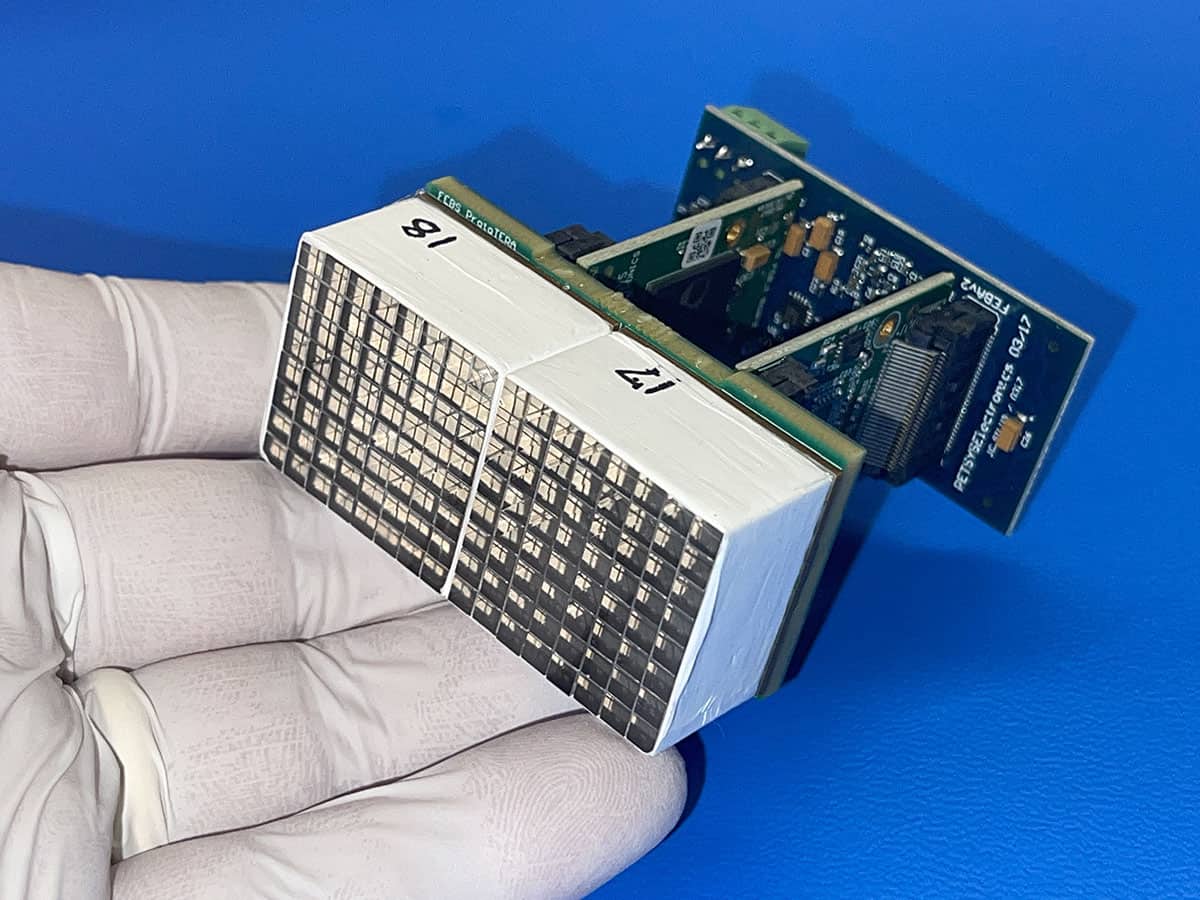
The research team, which also involves medical physicists at the MD Anderson Proton Therapy Center in Houston, produced the images using a purpose-designed scanner for positron-emission tomography (PET), a technique that itself emerged from pioneering experiments at CERN in the 1970s. Using five different phantoms that act as surrogates for a human patient, the team exploited their customized PET instrument to image both the rapid onset of the proton beam and its effects up to 20 minutes after irradiation.

“Irradiation by protons produces short-lived isotopes in the body that in many cases are positron emitters,” explains Lang. “With FLASH proton therapy the beam generates a higher positron intensity, which boosts the strength of the signal. Even with small PET detector arrays we were able to produce images and measure both the abundance of the isotopes and their evolution over time.”

A detector array used in the PET scanner

The measurements recorded during these proof-of-principle experiments suggest that an in-beam PET scanner could provide real-time imaging and dosimetry for proton therapy treatments. The team was even able to determine the intensity of the proton beam by detecting prompt gammas – so named because they are produced by the decay of nuclei over very short timescales – produced during the extraction of the proton beam. With just a slight modification of the apparatus, Lang believes that the prompt gammas could be measured to obtain a snapshot of the proton beam, with PET then used to follow the evolution of the isotopes after the beam has been delivered.

“These results show that it would just be a matter of improving the experimental set-up for the technique to provide useful measurements in a clinical setting,” he says. “Of course we know there would still need to be a lot of pre-clinical testing, but at this stage it’s clear that there are no showstoppers for the technique.”

Lang and his colleagues describe their approach and results in two papers published in Physics in Medicine & Biology (PMB), both of which are free to access. The researchers also benefitted from an emerging publishing model, called a transformative agreement, that allowed them to publish both articles open access without needing to pay the usual article publication charges.

Under these so-called transformative agreements, in this case between IOP Publishing and the University of Texas System, researchers at any institution within the academic group can both access research content and publish their own work free of charge. Indeed, IOP Publishing – which publishes PMB on behalf of the Institute of Physics and Engineering in Medicine – now has transformative agreements in place with more than 900 institutions in 33 different countries, providing free access and publishing across most if not all of its portfolio of scientific journals.

The aim of these read-and-publish agreements is to accelerate the transition to open-access publishing, since it avoids the need for researchers to source their own funding for publication charges. For Lang, any move that opens up the science and enables different communities to collaborate will help to trigger new ideas from other disciplines that will drive future innovation. “If I come across an interesting paper that I cannot access, particularly if it is in a different field, I am missing some information that might help me in my work,” he says. “Open and free information is essential for us to make progress.”

From his own experiences in particle physics, Lang has seen the benefits that can emerge from an open and collaborative research culture. “In particle physics everyone shares their best thoughts and achievements, and people want to get involved in finding different ways to develop and exploit new ideas,” he says. “Without that collaborative mindset the breakthroughs we have seen at CERN, Fermilab and elsewhere just wouldn’t have happened.”

The team and their purpose-built PET scanner

However, it is clear that Lang is frustrated that some people in the medical community appear to be less open-minded to new ideas, particularly from a physicist who has no prior clinical experience. “We know that many of the best technologies in medical physics and nuclear imaging come from advances in particle and nuclear physics, but it is hard to bring the latest new ideas into medicine,” he says. “I now understand better why that is – changing tried-and-trusted medical procedures and formal treatment protocols is much more complicated than just swapping in a better detector – but I’m still disappointed at how difficult it is to penetrate the sector and engage in collaborative research.”

While Lang has attempted to build medical detectors before, he acknowledges that he and other particle physicists can be guilty of naivety or even arrogance when it comes to introducing novel technologies into the tightly controlled hospital environment. For this new work, however, a group of medical physicists asked him to take the lead on a research project that required his expertise in building particle detectors. “I’m still continuing my research in neutrino physics, but I believe that what we can offer is so unique and worthwhile that I wanted to get involved,” Lang says. “As I learnt more, I got more intrigued and became really hooked on the idea of FLASH treatments.”

While more work will be needed to optimize the in-beam imaging technique for clinical use, Lang believes that in the short term it could offer a valuable research tool to help understand the FLASH effect. “No-one really knows why FLASH works, or exactly which beam parameters should be used to achieve the best results,” he says. “That suggests to me quite profoundly that we don’t fully understand how radiation interacts with either healthy or cancerous tissue.”

With this new instrument, argues Lang, it would be possible to explore the physical mechanisms at play during a FLASH treatment. “This technique could help us to understand how the human body reacts after it has been irradiated with such intense bursts of energy,” he says. “It offers a way to explore the time-dependent effects of the irradiation, which it seems to me has not been done systematically before.”

Longer term, however, the aim is to create an image-guided treatment modality that would measure the effects of each irradiation to inform and update subsequent treatments. Such adaptive approaches are impractical with conventional treatment protocols, in which smaller doses are delivered in around 30 daily sessions, but could be more viable with FLASH treatments that may only require a few doses to deliver enough energy to eradicate the cancer.

“Checking the effects of each irradiation would completely transform the dynamics, logistics and outcomes of the treatment,” says Lang. “Combined with a better understanding of the interactions between energetic protons and the human body, such adaptive FLASH protocols could have a revolutionary impact on patient outcomes.”

Cardiac vest creates detailed map of the heart’s electrical activity

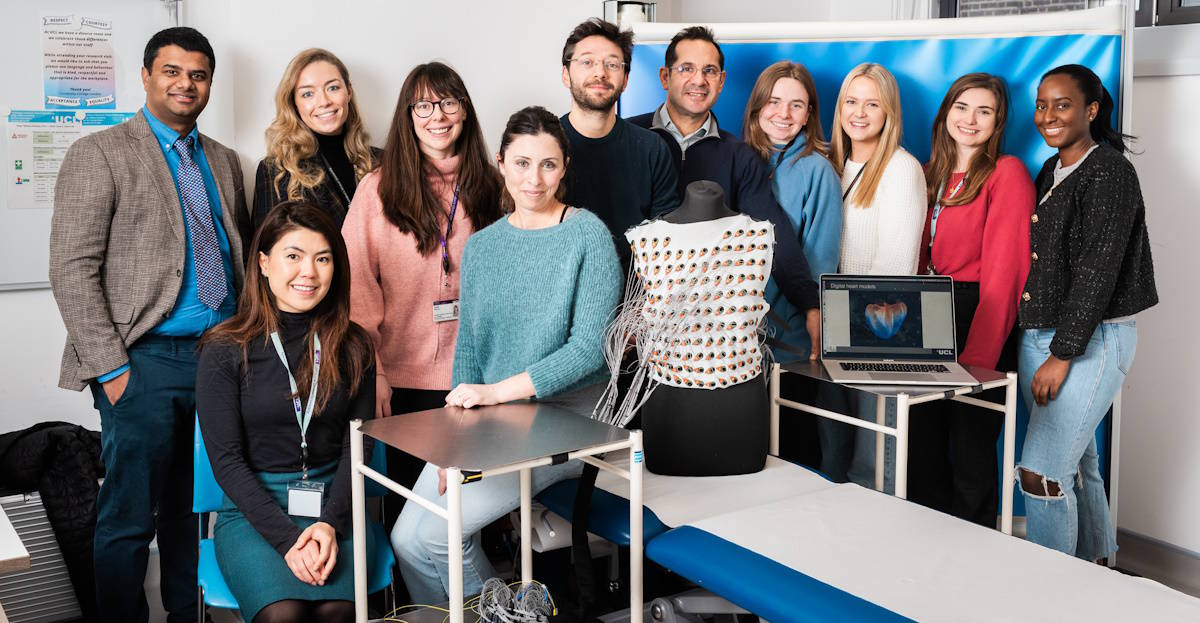
A reusable vest that generates high-resolution maps of the heart’s electrical activity could help identify people at risk of sudden cardiac death. Developed by a team headed up at University College London (UCL), the vest combines electrical data recorded by its 256 sensors with detailed MR images of heart structures to create real-time maps of cardiac activation and recovery patterns.

There are 4–5 million cases of sudden cardiac death each year worldwide, the majority caused by heart rhythm disorders. Implantable cardioverter defibrillators that monitor the heart’s rhythm and, if needed, shock it back into a normal rhythm can save lives. But an implanted device comes with its own risks, making it essential to identify how a particular cardiac structural abnormality can affect the risk of sudden cardiac death.

While detailed electrophysiological mapping can quantify this risk, such procedures are time consuming, costly and often highly invasive. Instead, the researchers propose the use of electrocardiographic imaging (ECGI) – a non-invasive technique that combines cardiac and torso geometry with body surface potentials recorded from multiple electrodes. As ECGI is high resolution and corrects for anatomy, it can detect information-rich electrical phenomena that would be missed by conventional 12-lead ECG.

“The ECG only collects signals from 12 limited points on the heart’s surface – that is not enough to generate a 3D map of all the flow of electrical data across the heart,” explains the vest’s developer Gabriella Captur. “To construct such a map you need a dense and high-resolution data collection method like ECGI. With ECGI we have 256 leads across the front and back and we process these to yield 1000 individual nodes over each heart.”

“12-lead ECG is like looking at the night sky with the naked eye,” Captur tells Physics World. “The ECGI vest is like looking into deep space using the James Webb telescope when suddenly the whole universe is teeming with stars.”

Unlike previous ECGI approaches that used CT for anatomical imaging, the new vest uses radiation-free cardiovascular magnetic resonance (CMR) to provide data on cardiac structure and function.

“MRI is the ‘Rolls Royce’ of cardiac imaging. It tells us which, if any, sections of the heart muscle wall are dead, scarred, inflamed, weakened or injured,” says Captur. “For the first time we can say precisely how these changes in the heart muscle wall are impacting the electrics of the heart, with obvious advantages in terms of predicting likelihood of dangerous heart rhythms or response to therapy.”

Test the vest

The ECGI vest, described in the Journal of Cardiovascular Magnetic Resonance, is a cotton garment embroidered with 256 textile-based dry electrodes (2 × 2 cm), with a graphite-snap connector in each electrode to connect the ECG lead. As it uses dry electrodes, rather than metallic electrodes that require a gel layer next to the skin, the vest (minus the ECG leads) is fully washable and reusable – providing a cost-effective screening tool.

For ECG data collection, the electrode vest is secured around the patient’s chest, with an inflatable gilet worn over the top to maximize skin–electrode contact. Body surface potentials are recorded for 5 min, after which the electrode vest is swapped for a “mirror vest” for CMR scanning. This mirror vest, in which each electrode is replaced by a CMR-safe fiducial marker, avoids the need to disconnect all 256 ECG leads after each recording and thus streamlines the process. The CMR scan is then performed using a 3T or 1.5T MRI system.

The researchers tested the same reusable vest on 77 participants, including 27 young healthy volunteers and 50 older persons. All ECGI recordings were completed without complications and took less than 10 min per participant.

UCL research team

After data collection, the team reconstructed epicardial electrograms and used these to compute local electrophysiological parameters, including cardiac activation time, repolarization time and activation recovery intervals. The total post-processing – including segmentation of heart–torso geometries from the CMR scan, signal averaging and reconstruction of epicardial maps – took approximately 15 min per participant.

The researchers performed variability studies on 20 participants, which included repeating all steps in the post-processing pipeline. The CMR-ECGI workflow showed excellent reproducibility, with low intra- and inter-observer variability in measured ECGI parameters. The team also examined the scan/rescan variability in eight participants, by repeating the ECGI recording and CMR scan at least three months after the original measurements, observing high repeatability.

The vest measurements revealed differences between young and older participants, with electrophysiological parameters such as repolarization time and activation recovery interval prolonged in the older compared to the younger group. The team suggest that this may be due to age-related changes in cardiac ion channels and calcium handling that would alter the action potential duration and recovery.

The ECGI vest has now been used in 800 patients, and the team is currently using it in people with heart muscle disorders. “We are using this vest to study the hearts of patients with hypertrophic cardiomyopathy (thickened heart muscle) to understand if the ECGI signature can identify those carrying the gene mutation before the thickening starts and to see whether the ECGI signature can predict the risk of sudden death,” says Captur.

“We are also using the vest at rest and during exercise to study the hearts of patients with weak hearts (dilated cardiomyopathy), to understand whether scar in a specific section of the heart muscle wall increases one’s risk of having a cardiac arrest.”

Captur has patented the vest in the US and is working with g.tec medical engineering, which created the prototype and is now manufacturing the vest for other research centres to purchase and use.

New type of magnetism appears in a layered semiconductor

Diagram of a kinetic energy-based form of magnetism that does not depend on electron exchange interactions

The magnetic properties of materials usually originate from exchange interactions between their electrons, but researchers at ETH Zurich in Switzerland have now discovered a new type of magnetism that disobeys this rule. Known as kinetic magnetism, and previously only predicted theoretically, the new mechanism occurs in a regime where the strength of electron exchange interactions vanishes. While the discovery is unlikely to lead directly to new devices, it could advance our understanding of materials like Mott insulators and other systems featuring strongly correlated electrons.

The magnetic properties of a material arise from the quantum mechanical spins of its electrons. In a ferromagnetic material, for example, exchange interactions between electrons cause all the spins to align in the same direction, even in the absence of an external applied magnetic field. With the new mechanism, however, alignment occurs even without exchange interactions. Instead, it arises because the electrons’ kinetic energy – which is much larger than their exchange energy when electrons are strongly correlated – is minimized when the spins are aligned. This effect was first predicted by the Japanese physicist Yosuke Nagaoka in 1966.

In the new work, which is detailed in Nature, researchers led by Atac Imamoglu at ETH Zurich’s Institute for Quantum Electronics and Eugene Demler at the Institute of Theoretical Physics studied materials known van der Waals heterostructures. They fabricated these in their lab by placing atomically thin layers of two different semiconductor materials, molybdenum diselenide (MoS2) and tungsten disulphide (WS2), atop each other. At the plane of contact between the two, the materials’ different lattice constants (that is, the separation between their atoms) produces a two-dimensional periodic potential with a lattice constant 30 times bigger than those of the two semiconductors by themselves. This moiré lattice, as it is known, can be “filled” with electrons by applying a voltage.

Electron filling effects

Imamoglu and colleagues exposed this material to polarized laser light and measured how strongly the incident light was reflected for different polarizations. Because the amount of each polarization that gets reflected depends on the orientation of the material’s magnetic moments (and therefore its electron spins), these “polarization-resolved attractive polaron oscillator strength” measurements enabled them to determine whether the material’s spins tend to point in the same direction (ferromagnetism) or in random directions (paramagnetism).

As they increased the voltage, the researchers explain that the moiré lattice sites become filled with electrons. Up to a filling of exactly one electron per site of the moiré lattice (an arrangement that produces a system known as a Mott insulator), the material is paramagnetic. As the number of electrons are further increased, however, the material begins to behave like a ferromagnet.

This effect, explains Imamoglu, is “striking evidence” for a new type of magnetism that cannot be explained by exchange interactions, which arise from quantum mechanical effects that occur when two identical particles are swapped. In fact, if the exchange interaction were responsible, the effect the team observed should have also appeared with a smaller number of electrons in the lattice.

Doublons in the strongly interacting regime

According to the researchers, electronic band gap theory predicts that when each site of an electron lattice is occupied by a single electron, the system should be metallic. In the strongly interacting regime, however, the material becomes an insulator. As the number of electrons increases even more, sites with two electrons, termed “doublons”, form.

“In principle, doublons, which have a total spin of zero and are thus non-magnetic, could freely hop from site to site, making the material go from being a Mott insulator to being electrically conductive,” explains Imamoglu. “The energy of these doublons would be minimized if the doublon hopping were subject to constructive quantum interference between different pathways for hopping from one site to another: this is only possible if the spins of the electrons in the singly occupied sites are aligned, thus forming a ferromagnetic state.”

The researchers admit that there are features in their experiment that they still do not understand. One example is the abrupt disappearance of ferromagnetic correlations when the electron filling factor of the lattice is 3/2.

Looking forward, they hope to use the effect they observed to uncover new physics. As a next step, Imamoglu says they would like to design new structures that exhibit ferromagnetic order at higher temperatures. At the moment, the material they studied had to be cooled down to between a few degrees and a fraction of a degree of absolute zero.

Copyright © 2026 by IOP Publishing Ltd and individual contributors