‘Autonomous laboratory’ unearths the best quantum dots for optoelectronic and photonic devices

A new autonomous laboratory system has enabled researchers to identify the highest-performing materials for certain applications in a matter of hours or days, compared to years using conventional wet-chemistry techniques. The system, dubbed SmartDope and devised by researchers in the US, also uses machine learning to analyse the results of experiments. According to its creators, it could accelerate the process of discovering and developing advanced materials for optoelectronics and photonics devices.

In developing SmartDope, a team led by North Carolina State University chemical engineer Milad Abolhasani focused on a specific challenge: how to synthesize best-in-their-class doped quantum dots. These semiconductor nanocrystals contain impurities that have been deliberately introduced to modify the dots’ optical and physicochemical properties, and they show much promise for next-generation photovoltaic devices. Doped quantum dots could, for example, improve the efficiency of solar cells if they were engineered to convert the Sun’s abundant UV light into wavelengths that are more efficiently absorbed by these cells, enhancing the unit’s energy conversion.

The problem is that it is challenging to synthesize quantum dots with the very high quality required for such applications. Identifying the best “recipe” for doing so using conventional techniques could take 10 years of focused laboratory experiments, explains Abolhasani. “This is the reason why we developed our autonomous lab – so we could do this in a matter of just hours or days,” he says.

A closed-loop system

The first step when using SmartDope is to provide the system with precursor chemicals and give it a goal. One example might be to find the doped perovskite quantum dots with the highest quantum yield – that is, the one that produces the greatest number of photons emitted per photon absorbed. The system will then run the experiments autonomously in a continuous flow reactor, manipulating variables such as precursor amounts, reaction temperatures and reaction times. It also characterizes the optical properties of the quantum dots produced by each experiment automatically, as the quantum dots leave the flow reactor.

The system then uses machine learning to analyse the results. In the process, it updates its understanding of the synthesis chemistry and selects which experiment to run next to optimize the quantum dots’ optical properties. This so-called closed-loop operation allows SmartDope to rapidly identify the best quantum dot possible.

In the work, which Abolhasani and colleagues describe in Advanced Energy Materials, they studied the best way to make metal cation-doped lead halide perovskite quantum dots. More specifically, they analysed the multi-cation doping of CsPbCl3 quantum dots using a “one-pot” high-temperature synthesis process.

Thanks to SmartDope, the researchers were able to identify, in just one day of autonomously running their experiments, the best recipe for making doped quantum dots that produced a photoluminescence quantum yield of 158% — that is, the quantum dots emitted an average of 1.58 photons for every photon they absorbed. The previous record in this class of materials is 130%.

“The implications for this work are profound,” Abolhasani tells Physics World, “especially for renewable energies. SmartDope’s ability to swiftly identify and optimize advanced functional materials for applications such as next-generation photovoltaic devices opens up new possibilities for improving the efficiency of solar cells, for example.”

The researchers are now refining their system further, with the aim of “exploring new materials and expanding its physical and digital capabilities to address a wider range of challenges in chemical and material sciences”, Albohasani says. “We are also actively considering collaboration with industry partners to implement SmartDope in real-world settings,” he reveals. “Our goal is to continue leveraging the power of autonomous labs to drive rapid advancements in chemical and materials sciences.”

Ultrafast laser-based electron beam could help explore radiobiology of the FLASH effect

During his time as a postdoctoral researcher at the Institut National de la Recherche Scientifique (INRS) in Canada, Simon Vallières was approached by a colleague who had made a puzzling observation. The colleague was creating a plasma in air using a newly upgraded laser at INRS’s Advanced Laser Light Source (ALLS) Laboratory when they noticed that the readings on their Geiger counter were higher than expected.

“He was focusing the laser, which was running at 100 Hz, in air and putting a Geiger counter close to the focal spot. Even three metres away from the focal spot, his Geiger counter was clicking,” says Vallières, now a research associate at INRS. “That’s quite a far range for X-rays or electrons to travel. I said, maybe we should measure [the dose being delivered] with well-calibrated dosimeters.”

Medical physicists from the McGill University Health Centre measured the radiation dose from the experimental setup with three independently calibrated radiation detectors. Doses were measured over eight orders of magnitude at distances up to 6 m from the laser focus, as well as for different angles at fixed distances. They used absolute dose calibrations to confirm the data.

The laser had been upgraded from a µJ- to a mJ-class high average power laser. And now, with the laser tightly focused and tuned to an opportunistic set of parameters to create a plasma in air, an electron beam reaching up to 1.4 MeV at a dose rate of 0.15 Gy/s was produced. The researchers’ finding pushes the boundaries of our knowledge about high-power laser pulses, radiation safety and maybe even FLASH radiotherapy, an emerging cancer treatment technique.

Operating with optimal parameters

“Our models ruled out other acceleration mechanisms that could have played a role. We narrowed it down to one explanation: this was acceleration from the laser electric field, known as ponderomotive acceleration,” Vallières says.

The researchers were operating the laser in a regime that ionized air molecules and then harnessed the laser’s electric field to accelerate the resulting electrons above 1 MeV.

“If you tell laser physicists that you can focus a laser in air and produce 1 MeV electrons, no-one will believe it. That’s because the more energy you put into laser pulses, during the focusing period, you will accumulate nonlinear effects which will destroy the shape of the beam, and you will saturate in intensity. But it turns out that we were very lucky,” Vallières says. “The wavelength, pulse duration and focal length all played a role.”

Vallières explains that the researchers were operating the laser in the mid-infrared part of the electromagnetic spectrum. By using a longer wavelength than most high average power lasers (1.8 µm instead of around 800 nm), nonlinear aberrations were reduced. This wavelength is also ideal for creating a plasma at near-critical density, contributing to a high dose per pulse.

The researchers also used a short laser pulse (12 fs). This reduced the nonlinear refractive index – a parameter related to the electrons that oscillate in air molecules and the rotation of air molecules themselves – by approximately 75%, which also limited nonlinear effects.

With tight focusing (a short focal length), the researchers again drastically reduced nonlinear effects. Ultimately, the laser reached a high enough intensity (peak intensities up to 1019 W/cm2) to kick out electrons at up to 1.4 MeV.

FLASH, radiation safety applications

Infinite Potential Laboratories LP has provided funding for the researchers to push R&D forward and develop related technologies, and at least one patent is pending.

One application of interest is the FLASH effect. Compared with conventional radiation therapy techniques, FLASH radiotherapy can be used to rapidly deliver high doses of radiation to better protect the healthy tissue around a tumour. Instantaneous dose rates of the electron bunches produced by the researchers’ laser-based system are orders of magnitude higher than medical linear accelerators, even those driven in FLASH mode.

“No study has been able to explain the mechanism behind the FLASH effect yet,” says Vallières. “We hope we can develop a cell or mice radiation platform to study the radiobiology of FLASH.”

Lessons in radiation safety are also a high priority for Vallières. Today’s high-average-power lasers now produce laser beams with intensities as high as the largest lasers of the early 2000s, and at much higher repetition rates – leading to high dose rates. The researchers hope that this work improves field-level knowledge and leads to radiation safety regulations.

“The electron energies we observed allow them to travel more than three metres in air. We unravelled a big radiation hazard,” Vallières says. “I have presented this work at conferences, people are shocked… It’s true, I mean, who aligns a focusing parabola with a Geiger counter? We did this because it’s something we’ve done in the past. I think [this work] is just going to open peoples’ eyes a bit more and they’re going to be more careful when they create a plasma in air. We hope to change the laser safety regulation through this work.”

The research is described in Laser & Photonics Reviews.

Solar-powered fabric cools in the day and warms at night

Researchers in China have unveiled a new concept for solar-powered clothing that can regulate its wearer’s body temperature. Created by Ziyuan Wang and colleagues at Nankai University, the design combines electrocaloric devices with state-of-the-art flexible solar cells. The team describes its approach in a paper in Science.

Thermoregulating clothing aims to keep the body at a safe and comfortable temperature in a wide range of environments. Broadly, it falls into two categories: passive and active. Passive thermoregulation uses materials that exploit effects including absorption, radiation and the latent heat of phase transitions to keep their wearers comfortable.

A key advantage of a passive approach is that an external power source is not needed. However, passive thermoregulation normally goes in one direction with garments either having a cooling or warming effect – but not both.

Energy challenge

Bidirectional thermoregulation is usually achieved using active materials that employ mechanisms such as coolant circulation and fluidic channels to achieve rapid heating and cooling. These systems are usually powered by batteries, which add weight and must be recharged. In principle, however, they could also be powered by harvesting energy from the Sun – but this has proven to be a significant design challenge.

“Because of their high energy consump­tion, it is difficult for active systems to maintain continuous thermoregulation of the human body for a long time through portable, sustainable energy-harvesting devices,” Xingyi Huang and Pengli Li at Shanghai Jiao Tong University write in a commentary article in Science that accompanies Wang’s paper.

To tackle this challenge, Wang’s team drew from the latest advances in flexible organic photovoltaics. Today, these solar cells can maintain high conversion efficiencies even when contorted into different shapes.

“If such a highly efficient and flexible organic photovol­taic unit could be integrated with a proper thermal management system, then robust, self-sustaining, and thermoregulating cloth­ing could be achieved,” Huang and Li predict.

Flexible electrocaloric module

In their study, Wang and colleagues built up a small piece of wearable material by integrating a flexible solar cell onto a flexible electrocaloric module. The latter is a device that undergoes reversible temperature changes in response to applied electric fields.

When placed in sunlight, the solar cell harvested more than enough energy for the electrocaloric module to cool a wearer’s skin by up to 10 degrees in hot weather. Any excess energy can be stored in a small separate battery. In darkness, the device can be switched to warming mode and the stored energy used to warm the wearer’s skin by as much as three degrees. Altogether, the device  can achieve thermoregulation throughout a 24 hour period.

“With its excellent thermal management performance, easy switching of the thermal management direction, and optimal temperature control, Wang’s team has demonstrated cloth­ing that allows the human body to adapt to changes in ambient temperature,” Huang and Li say.

By integrating this technology into wearable fabrics, Wang’s team hopes the innovation could lead to a new generation of practical, solar-powered clothing that help wearers adapt to complex and challenging environments.

With its active thermoregulation, the device could allow wearers to endure scorching deserts, frigid polar regions, and many climates with rapid swings in temperature. It could even be adapted for use in outer space, where temperatures become extremely hot in direct sunlight, but plummet in the shade.

“Beyond clothing, such devices could be applied to vehicles and buildings,” Huang and Li add. “It is possible to imagine a future of all-weather thermal management that is not limited by an energy supply and where extra collected energy might even power electronic devices under special conditions.”

Crystalline material traps electrons in 3D

Physicists have produced an electronic structure known as a flat band in a three-dimensional material for the first time. The flat band was created by trapping an electron within a crystal called a pyrochlore, and an international team led by Joseph Checkelsky and Riccardo Comin of the Massachusetts Institute of Technology (MIT), US, used it to transform the material into a superconductor. As well as superconductivity, the material could offer a platform for studying other physics that arises from strongly correlated electrons, including novel forms of magnetism and electronic symmetry breaking. What is more, the team says the flat-band state could, in principle, appear in other combinations of atoms, provided the atoms occupy an arrangement known as a line graph lattice.

Flat electronic bands are interesting for physicists because electrons become “dispersionless” in these bands – that is, their kinetic energy is completely suppressed so that they can no longer move so freely in a material lattice. As the electrons slow almost to a halt, they become localized at specific positions in the lattice and begin to interact strongly with one other in co-ordinated ways. This has several physical consequences. Among them is that the electrons’ effective mass approaches infinity, which produces exotic topological phenomena and strongly correlated states of matter associated with high-temperature superconductivity, magnetism and other quantum properties of solids.

Although researchers have created flat-band states in 2D materials before, it has proven difficult to maintain these states in 3D. This is because the electrons that are trapped in 2D “escape” via the third dimension.

Kagome lattices

In a previous study, researchers led by Checkelsky and Comin observed trapped electrons in a 2D kagome lattice – a pattern formed by interconnected, corner-sharing triangles. In this lattice, which is named after a similar structure that appears in traditional Japanese baskets, electrons become confined with the hexagonal space between the triangles. However, while the electrons could not hop across the 2D kagome lattice, they could escape up and out of it.

The team has now remedied this by creating a flat-band state in a 3D lattice material, CaNi2. This material, known technically as a C15 Laves phase metal, contains nickel atoms arranged in a pyrochlore, which is a 3D structural arrangement made up of a repeating pattern of cubes. The face of each cube resembles a kagome lattice and electrons become trapped by the geometry of the atomic “scaffolding” surrounding them.

“When the electrons simultaneously try to hop out from this trap, they collide with each other on their way out and their quantum-mechanical trajectories are self-destroying,” Comin explains. “This effect occurs because the electrons can only escape by hopping to a neighbouring atom but the geometrical arrangement of the atoms makes them collide with each other destructively so that they are eventually forced to stay in the trap.”

The same flat band of energy

The researchers confirmed their results by measuring the energy of individual electrons in the crystal to show that they all fell into the same flat band. They did this using a targeted technique called angle-resolved photoemission spectroscopy (ARPES). Here, a single photon of light is focused onto specific locations across the uneven surface of the 3D material. In response, the material emits a single electron, and the energy of this electron can then be precisely measured using a detector. This technique enabled the researchers to “map” the energies of individual electrons across the material’s surface – something that would not be possible with standard photoemission experiments.

In a further experiment, the researchers manipulated the correlated electrons by synthesizing the same crystal geometry with atoms of rhodium and ruthenium instead of nickel. They calculated that this structure shifts the electrons’ flat band energy to zero, which leads to superconductivity as electrons pair up.

Comin says the discovery will enable physicists to design and create new classes of quantum materials. “Superconductors are the quintessential quantum materials, where electrons work collectively to realize a quantum ‘choreography’ that translates to various exotic phenomena not displayed by ordinary materials,” he says. As examples, he cites electrical current flow without dissipation (zero resistance); magnetic levitation (perfect diamagnetism, or the Meissner effect) and the realization of quantum devices through quantum interference and the Josephson effect.

The discovery of 3D flat bands also enables a new set of design rules that Comin says will broaden and diversify the playground of quantum solids, including superconductors among other types of materials. The team now plans to study such lattice-born flat bands in other materials.

The team reports the present work in Nature

Viruses change structure at the temperature of the human body to better infect us

A series of neutron scattering measurements has uncovered the structure of viral DNA in unprecedented detail, shedding new light on changes that make the DNA more fluid-like at temperatures close to that of the human body. According to the researchers at Lund University, Sweden, who performed the measurements, these structural changes help explain the rapidity with which viruses release DNA into host cells, so facilitating infection.

Unlike bacteria or fungi, viruses cannot survive without a host. Once they infect a cell, though, they produce new virus particles that then infect other cells. To protect the virus’ genetic information in the interim, the viral DNA is usually enclosed within a protein shell known as a capsid.

In the latest work, team leader Alex Evilevitch and colleagues focused on phage viruses – that is, those that attack bacteria. Using neutrons from the synchrotron research facility at the US National Institute of Standards and Technology (NIST) in Gaithersburg, Maryland, they imaged the structure of the virus DNA and its density inside the capsid as a function of temperature.

“The technique we employed is called small-angle neutron scattering (SANS), which is not typically used for microbiology research,” says Evilevitch. “By exposing the phage bacterial viruses to the neutron beam, we could reveal the structural details of virally packaged DNA with atomic resolution.”

Central role for delivery kinetics

The researchers undertook this work to follow up their earlier discovery that the structure of DNA material inside the capsid undergoes a sudden structural change when exposed to a temperature of 37 °C. This is the normal temperature of the human body, and it implies that structure plays a central role the way the virus delivers its genetic material into a cell – the first step in an infection. Notably, the DNA within viruses is packaged at a very high density, and it is hundreds of times longer than the diameter of the capsid. Even so, during infection, the DNA is rapidly ejected from the capsid through a single pore.

How this happens is a puzzle, Evilevitch says. “Because of the high packaging density of DNA in the capsid and the just-few-angstroms separation between the neighbouring negatively charged DNA surfaces, there is a strong electrostatic friction hindering DNA ejection,” he explains. “We therefore decided to investigate how temperature affects the structure of the viral genome, since it is known that at optimum body temperature (37°C) viruses can rapidly eject their fluid-like DNA.”

The researchers decided to use an atypical approach for neutron imaging because SANS allows for contrast matching, which makes protein capsids effectively invisible to the neutron beam. This enabled them to focus instead on the capsid’s contents, and therefore unearth the details of the DNA’s shape and density.

Two phases

“We demonstrated, for the first time, that DNA inside a virus capsid coexists in two phases – a hexagonally ordered high-density phase in the periphery of the capsid and a low-density less-ordered, fluid-like phase in the core of the capsid,” Evilevitch tells Physics World. “Increases in temperature trigger a transition in DNA where a portion of the ordered DNA in the periphery moves to the less ordered phase in the centre, which allows the DNA ejection from the virus into a cell to begin.”

According to Evilevitch, these findings show that temperature plays a significant role in the infection process and that neutron scattering is a useful tool for studying the structure of viral genomes inside viral capsids.

The Lund team is now optimizing its approach with neutron light to investigate density changes in DNA packaged in type-1 human Herpes virus. “This knowledge will be important for understanding the DNA ejection mechanism, which in turn may control the course of infection,” Evilevitch says. “This can be either latent (dormant) or lytic (active, and where the virus rapidly replicates).”

So far, Evilevitch and colleagues have only observed DNA density changes in cell cultures in the laboratory. Analyses that take into account factors like the immune response and how they affect the course of infection will be needed in the future, they say.

Ultimately, the researchers believe the results from this study, which is detailed in PNAS, could help scientists better comprehend how DNA exits a virus and enters a host cell – something that might be important for developing techniques to, in effect, switch viruses on and off. In turn, this could help in the development of new antiviral agents.

Magnetic reconnection in space and fusion plasmas: challenges at large and small scales

Want to learn more on this subject?

Magnetic reconnection is a fundamental phenomenon in magnetic confinement fusion as well as in space plasmas. The fingerprint of reconnection is the formation of intense current sheets and the release and transport of energy on short time scales.

In the tokamak geometry of fusion devices like ITER, magnetic reconnection gives rise to the formation of magnetic islands which can develop at all scales (from a few millimetres to several tens of centimetres) with different consequences for confinement. Large centimetric islands can lead to the loss of confinement of plasma and cause the onset of major disruptions, leading to a degradation of the machine. Small millimetric islands can affect electron heat transport. At all scales, the presence of multiple islands leads to magnetic chaos which can modify the single-island scenario typically considered.

Analogously, in space plasmas, magnetic reconnection is recognized as an important process at different length scales ranging from the microscopic scale of plasma turbulence up to the global scales of planetary magnetospheres, solar and stellar flares, and accretion disks around black holes. In practice, magnetic reconnection allows the formation of solar flares and coronal mass ejections, which can propagate to Earth causing geometric storms, potentially disrupting satellite communications and electric grids.

The objective of this webinar is to bring together these two communities (fusion and space plasmas) working on magnetic reconnection and to highlight common issues that they both face.

Want to learn more on this subject?

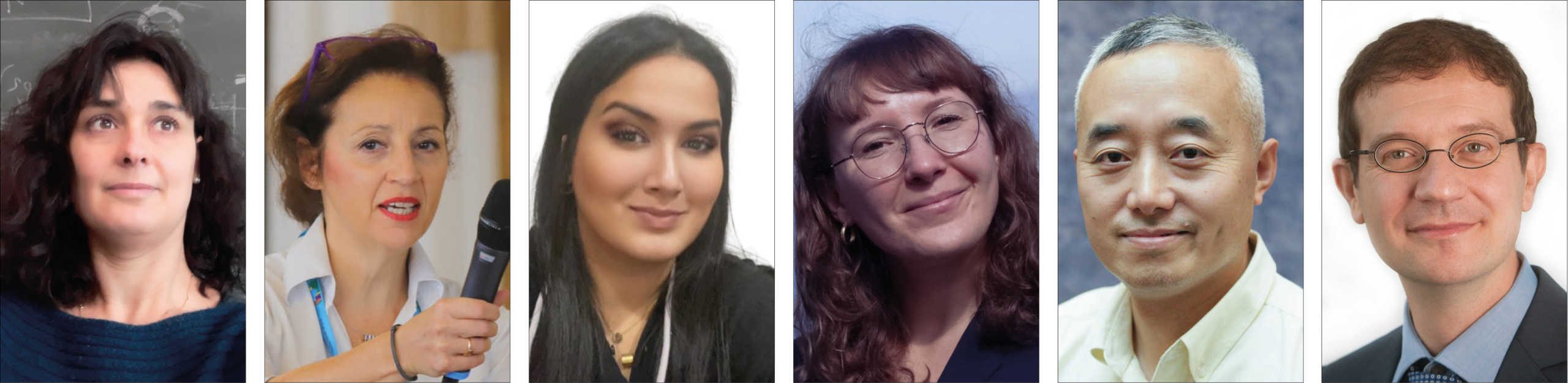
Magali Muraglia (Chair) is associate professor at Aix-Marseille University since 2011. She received her PhD in plasma physics and astrophysics in 2009 at Aix-Marseille University with a work dedicated to “Multi-scales interaction between magnetic island and turbulence in hot magnetized plasmas”. She has since become an expert in theory and modelling of magnetized plasma and in magnetic reconnection processes. Recently, Muraglia has helped to originate the First European Conference on Magnetic Reconnection in plasma (https://ecmrp.sciencesconf.org), bringing together worldwide experts on magnetic reconnection from the fields of fusion and space plasmas to present and discuss their work.

Daniela Grasso is a senior researcher with the National Research Council at the Institute of Complex Systems in Turin, Italy. She is an expert researcher in analytical and computational plasma physics. She has been working for 25 years in the field of magnetic reconnection, both in fusion and astrophysical applications.

Myriam Hamed is a postdoctoral researcher at the Dutch Institute for Fundamental Energy Research (DIFFER) in the Netherlands. Her expertise lies in investigating turbulent transport phenomena in fusion research, particularly focusing on electromagnetic mode (micro tearing) turbulence. Myriam is developing a comprehensive quasilinear turbulence model, which aims to provide a better understanding of the turbulent transport by integrating accurate linear dispersion relation solutions with sophisticated saturation rules; effectively capturing the intricate nonlinear physics impacting turbulent fluxes. Her research methodology involves thorough comparisons between these models and gyrokinetic simulations, utilizing experimental data to validate and refine the models’ accuracy.

Giulia Cozzani is a postdoctoral researcher in the space physics research group at the University of Helsinki in Helsinki, Finland. Her main research interests are related to magnetic reconnection in space plasmas, particularly at the Earth’s magnetosphere. Since the beginning of her academic career, she recognized the importance of combining in situ spacecraft observations with numerical simulations to investigate complex plasma processes such as magnetic reconnection. For this reason, she has consistently aimed to become a versatile researcher capable of using both approaches. She received her PhD from Paris-Saclay University (École Polytechnique, Palaiseau, France) and the University of Pisa (Pisa, Italy) in 2019. She then spent two years at the Swedish Institute of Space Physics in Uppsala, Sweden, before joining the University of Helsinki in 2021. She is the recipient of the Vincenzo Ferraro Award 2022 and her PhD thesis has been published as a book in the Springer Theses “Recognizing Outstanding Ph.D. Research” series.

Hantao Ji is a professor of astrophysical sciences at Princeton University. He has been conducting laboratory experiments to study fundamental physical processes important to both astrophysical and laboratory plasmas, including dynamo effects, magnetic reconnection, magnetorotational instability (MRI), and other basic physical processes. Hantao graduated from University of Tokyo in 1990 with a DSc degree in physics. He was a research associate at National Institute for Fusion Science in Japan and University of Wisconsin – Madison before joining Princeton Plasma Physics Laboratory, where he rose to the rank of Principal Research Physicist in 2004. In 2013, he was appointed as a full professor at Department of Astrophysical Sciences. He was a recipient of the American Physical Society 2002 John Dawson Award for Excellence in Plasma Physics Research, and was elected as an APS Fellow in 2004.

Emanuele Poli is a staff member of the Tokamak Theory Division at the Max Planck Institute for Plasma Physics in Garching bei München, Germany. He was acting director of the division from 2014 to 2016 and is an adjunct professor at the University of Ulm since 2016. He received his PhD in theoretical physics from the University of Pavia (Italy) in 1999, with a thesis on paraxial electron-cyclotron (EC) wave beams. Since then, he was actively involved in the modelling of EC waves in several devices, including ITER and DEMO, and contributed to various aspects of the theory of high-frequency waves, in particular concerning methods for the description of beam scattering from density fluctuations in tokamaks. Recently, he has applied techniques borrowed from beam physics and nonlinear optics to the study of geodesic acoustic mode packets. The second focus of his research is the kinetic simulations of plasma instabilities like the tearing mode, considering both neoclassical processes and the interaction between disparate scales, like tearing modes and turbulence, and more recently between turbulence and fast-particle-driven modes.

About this journal

Plasma Physics and Controlled Fusion is a monthly publication dedicated to the dissemination of original results on all aspects of plasma physics and associated science and technology.

Editor-in-chief: Jonathan Graves, University of York, UK and EPFL, Switzerland


How to survive a physics PhD

I did it! I submitted my thesis, got through my four-hour-long viva, and passed with minor corrections. After four-and-a-half years, I finally got my PhD in physics from the University of Liverpool.

My thesis was on neutron tagging at Super-Kamiokande, a neutrino observatory in Japan. I first got interested in neutrinos towards the end of my undergraduate degree at Queen Mary University of London, so naturally I applied to do a PhD at universities with great neutrino physics groups. I was fortunate enough to be offered a place at Liverpool and began my doctoral studies in October 2018. The COVID pandemic during my PhD did present some challenges and extended the original length of my degree, but thankfully I submitted my thesis in March 2023.

No degree is worth harming your mental health

After an educational journey as long (and sometimes arduous) as a doctoral degree, it is natural to wonder what you could have done differently to make the entire experience a little easier. So here I offer five tips for those on their PhD journey that helped me during my studies – or that I wish I’d been told beforehand.

As no two routes to a doctoral degree are alike, my advice is naturally very broad. And rather than focusing simply on the work, I have also tried to suggest ways to bolster your motivation and wellbeing as well. No degree is worth harming your mental health, and given the dire stats regarding PhD student mental health in the UK, it is something that needs to be kept in mind.

With all this said, here are five ways to make the process a little smoother.

1 Work according to your energy levels – and don’t constrain yourself to a routine if you feel you can’t

At the start of my PhD I was told “treat it like a 9-to-5”. That’s all well and good, provided you don’t have meetings outside these hours, conferences to attend, deadlines to meet, or experiments that need checking overnight – all of which you most likely will have in some form or another over the course of your studies.

Don’t feel like you have to stick to the same routine every day

Instead, something that worked for me (especially towards the end of writing my thesis) was working when I felt like it, when the momentum grabbed me. This naturally increased the closer to thesis submission: you are carried through by adrenaline from the looming deadline.

But this approach applies in earlier years as well – don’t feel like you have to stick to the same routine every day. If your brain switches off a couple hours prior to 5 p.m., that’s fine. I tended to fall into a slump in the afternoon, when I would switch off, leave the office, and work in the evening instead. And sometimes I would hit a wall mid-week, but felt a bit more motivated at the weekend.

There’s no point over-exerting yourself when there are no fruits to be born from your intellectual labour, and it’s definitely not worth risking burnout over. You’re allowed to make your own hours more than you would with a “conventional job”, so make the most of it.

2 Make a continuous effort to connect with the field in general – not just strictly your own work

This is incredibly easy to preach, but a lot harder to practise. For many PhD students, the everyday minutiae of your research is a far cry from what attracted you to the field in the first place. And it sucks: it’s hard to feel how, for example, the compiler error you’ve been stuck on for two days relates to what you enjoy learning about in physics and what drove you to your field of research. You can’t see the wood for the trees, and you feel lost.

But remember, everything is connected. To see that, try to reinforce your surrounding knowledge and understanding of your field. Take part in journal clubs, read papers from other similar experiments, talk to others about their analyses, and find similarities to yours.

I’ll admit, it’s difficult to motivate yourself to do this. Why waste time reading stuff that won’t fix the error you’re stuck on? But I definitely wish I had done far more of it during my PhD. It’s all about bringing yourself back to where your mind wants to engage with physics, and is ultimately more about motivation than results. This is how education and learning should be. But to a physics PhD student – who will have been through an education system more devoted to exams and results than instilling a love of learning – it is difficult to adjust to this mindset.

3 Start writing your theory and literature chapters as early as you can

This is, again, much easier said than done, but it does make the months leading up to thesis submission a lot easier. I started writing at the beginning of my third year, but I still feel as though I could have started earlier.

The benefit of getting this done earlier isn’t just about making submission easier, but also about improving wellbeing and motivation as well. Say you’re in a bit of a rut around some results analysis – fair enough, everyone hits stumbling blocks. Rather than trudging on, why not take a break and write some of your thesis theory chapter or prepare your literature review.

Not only will writing feel like you have done something concrete, which will boost your morale, it will also refresh your broader knowledge of the field. And while it may not be directly related to the analysis result you want to get out, sometimes thinking about something else gives your brain a chance to come up with new ideas. Plus, anything that counts towards your thesis is helpful, so don’t hesitate to start writing early.

Journals and papers

4 Document when someone says something positive about your work

PhD students are often told that a key part of becoming a researcher is having faith in your own work and results, instead of relying too heavily on the opinions of others. If there is criticism, we’re meant to not take it as a personal reflection of our abilities, and, in theory, we shouldn’t. But the truth is, we’re human and ultimately social creatures – and the human brain sadly remembers negative information more vividly than positive information. In a degree as challenging as a PhD, and a field filled with sometimes obstinate academics, you can hear and remember a lot more criticism than you do praise.

To counteract this, I started doing something that could be considered a little strange – I made a note every time a supervisor, a postdoc, a collaborator or even a friendly colleague in the office said something nice about my work. I wrote the comment down in a Word document, and when work got tough, I pulled it up to read through. Odd as it may seem, it helped to lift my mood when I needed it.

5 Treat your viva like a performance

An academic once told me that a viva “is about the ability to perform” and honestly, this was a great insight. Your viva is your chance to showcase your knowledge about your work and explain it to your examiners. Given the fact you’ve probably spent four or more years on it, you’ll know it inside out.

Nobody knows your thesis and PhD better than you

Remember that you are allowed to take an annotated copy of your thesis in with you, so spend a couple of weeks going through it, annotating it thoroughly and learning the physics around what is written in your literature review. You could be asked about anything in the broader field, so pull out your previous degree notes and brush up on the (relevant) basics. If you’re asked a question you don’t immediately know the answer to, take a minute or so to think, and vocalize this thinking process so your examiners can maybe guide you to an answer.

Waiting for the viva is much scarier than the viva itself, so try not to fret or stress about it too much. Sure, that’s once again easier said than done, but remember nobody knows your thesis and PhD better than you, and those few hours in a viva will be over before you know it. Doing a PhD is far from easy, but trust me when I say that it’ll all work out.

Surface phonon polaritons enhance thermal conductivity

H shaped device

Materials with high thermal conductivity are sought after for use in electronic devices because they swiftly remove excess heat, allowing for optimal performance. However, as chips become more densely-packed with devices and run faster, removing heat is becoming increasingly challenging.

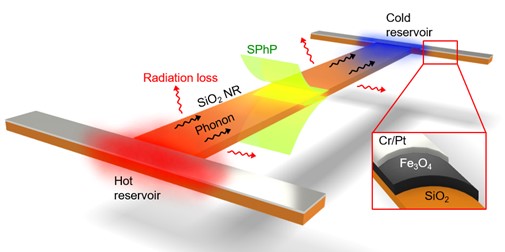
Recent studies have suggested that surface phonon polaritons (SPhPs) – quasiparticles that arise from the coupling between phonons and photons – could enhance thermal conductivity in certain materials. Now, researchers at the University of California San Diego have demonstrated this for the first time in silicon dioxide nanoribbon waveguides.

SPhPs are particle-like excitations that occur at the surface of certain materials, specifically polar dielectrics. They are formed by the interaction between quantized oscillations of the crystal lattice (phonons) and electromagnetic waves (photons). SPhPs can transport large quantities of heat along the surface of a material owing to their phonon component. However, the photonic nature of SPhPs means that their mean free path of propagation is much longer than uncoupled phonons. This makes SPhPs an ideal candidate for long-range heat transport. Some recent research provides evidence for this enhancement, and now San Diego’s Yu Pei and colleagues have made the first unambiguous demonstration of thermal conductivity enhancement by SPhPs.

Hot and cold reservoirs

The team built a device comprising two parallel silicon dioxide rails connected by a narrower silicon dioxide waveguide in a configuration that resembles the letter H (see figure). The silicon dioxide rails acted as hot and cold thermal reservoirs. These were coated with a layer of platinum, allowing the hot reservoir to act as a heater and the cold reservoir as a temperature sensor.

Through mathematical modelling, the researchers showed that the SPhP propagation length increased with decreasing waveguide thickness, reaching a remarkable maximum length of more than 1 cm. This is because, in thinner waveguides, a larger proportion of the mode volume exists in the vacuum and experiences no loss.

Initially, however, this larger mode volume presented two problems for the researchers. It increased leakage of the SPhPs into the surrounding substrate; and it reduced coupling between the waveguide and the thermal reservoirs. To circumvent these problems, two special features were incorporated into the nanoribbon design. The waveguide and reservoirs were suspended above the substrate to reduce overlap between the SPhP mode and the substrate, reducing leakage. Also, an absorbing layer of black oxide (Fe3O4) was sandwiched between the silicon dioxide rails and the platinum layer to facilitate the absorption of the SPhPs by the thermal reservoirs.

Black oxide is crucial

To determine the effect of the SPhPs and the device design on thermal transport, the team heated the hot reservoir by applying a voltage to the platinum and measured the temperature rise in both reservoirs. They showed that samples without the layer of black oxide had conductivity typical of that mediated by uncoupled phonons. When the black oxide was present, however, the thermal conductivity was enhanced by up to 34% compared to bulk silicon dioxide. This suggests that the black oxide is crucial to the transport of heat by SPhPs from the waveguide to the reservoir and that heat cannot be effectively absorbed without this layer.

Pei and colleagues also found evidence of ballistic heat transport, demonstrating that the thermal conductivity of thicker, wider nanoribbons was not affected by increasing the length of the waveguide from 49 micron to 99 micron. Comparing this to the mean free path of uncoupled phonons, which tends to be 1 micron or less, it is easy to see the impact that SPhPs could have on heat transport in nanoelectronics and microelectronics. The team also showed that, when the nanoribbons were smaller than the SPhP wavelength in 1D or 2D, they exhibited two- and one-dimensional temperature dependence, respectively. Such a heat conduction regime has been sought for nearly two decades.

These results represent a real breakthrough for microelectronics, nanophotonics and further fundamental studies into heat transport and SPhPs. Through careful waveguide design and a specific focus on mode volume and coupling into the thermal reservoirs, the researchers demonstrated SPhP-enhanced thermal conductivity with 1D and 2D temperature dependence, both for the first time. This will open the road towards the study of low-dimensional and quantum heat conductance at high temperatures, and, with additional optimization of the nanoribbon design, further enhancement of thermal conductivity should be possible.

The research is described in Nature Communications.

Calling all physicists: why you’re vital for the green economy

“Over the next quarter of a century the world will determine its fate more profoundly than at any time since the first industrial revolution. We are at a fork in the road.” That’s the sobering warning from the University of Birmingham nuclear physicist Martin Freer in the foreword to the recent Physics Powering the Green Economy report from the Institute of Physics (IOP), which publishes Physics World.

“One path,” Freer adds, “sees us fail to transition away from fossil fuels, with runaway climate change. The other offers a future where we limit climate change and embrace clean technologies that transform the way we live, travel and work.”

Alok Sharma, the physicist who served as president of the United Nations COP-26 conference, calls climate change “the defining issue of our age”

As the outgoing vice-president of science and innovation at the IOP, Freer is well aware that physicists are part of the solution. “Success at this juncture will be made possible by the green economy, built on sustainable, low-carbon technologies,” he says. “Many of the technologies comprising the green economy have been driven, and will continue to be driven, by physics”.

Freer’s thoughts are echoed in the report by Alok Sharma, the physicist who served as UK business and energy secretary in 2020/1 and was president of the United Nations COP-26 conference in Glasgow. Sharma calls climate change “the defining issue of our age”, but believes it is an issue we can overcome “if we treat it with the urgency it demands”. Physicists are ideally suited to the task, he thinks, but that it must be properly co-ordinated by government departments.

The power of physicists

Physics Powering the Green Economy is a timely reminder of how physicists are – and have been – responsible for many green innovations ranging from low-energy computing and solar cells to wind power and the batteries that are need to store energy drawn from new sources. If we want the green economy to develop, the report makes clear, it’s vital to have a healthy physics ecosystem supporting these developments.

At this stage, I should declare that I was one of the many people who contributed to the report. It is mainly aimed at policymakers in the hope that they will engage more closely with the IOP and the physics community on the green economy. But given that climate change is such an important issue, I hope you don’t mind me telling you about its key messages

The report has some detailed and solid analysis about changes in how we generate and use energy. It points out, for example, that energy from renewables in the UK and Ireland has grown continuously since 1996 as a proportion of the overall energy we produce. Wind, in fact, now accounts for two-fifths of all electricity generated in the UK (up from barely a few per cent back then).

Another area covered in depth is the amount of physics research and development supported by the UK government and funding agencies. UK Research and Innovation (UKRI), in particular, has spent almost £2.25bn since 2005 on nuclear power, renewable energy, energy storage, carbon capture plus hydrogen and other “alternative” fuels. Almost three-quarters (72%) of this money has gone into research classified as “core physics” and “strongly physics”.

Perhaps the biggest surprise of the report is the sheer number, breadth and diversity of physics-based businesses focused on the green economy

Businesses in the UK and Ireland are also playing a huge part in the green economy. According to the report, the UK’s “low carbon and renewable energy” firms have a current turnover of £54bn. The IOP’s analysis identifies, however, a much broader group of green-economy companies – spread geographically across the UK and Ireland – with a turnover of nearly £750bn. Given the UK’s gross domestic product was £2.27 trillion in 2020, that’s a significant percentage. Physics-powered green economy businesses are, it’s clear, vital for international competitiveness and economic growth.

Perhaps the biggest surprise of the report is the sheer number, breadth and diversity of physics-based businesses focused on the green economy. The report includes 19 case studies but for each company highlighted there are many tens of others working in the same area. Clean energy alone has more than 1600 companies in the UK and almost 120 in Ireland. The combined turnover of businesses operating in at least one of the five key technology areas identified in the report is put at £744bn.

Time for action

But will all this effort help the UK and Ireland to reach net-zero targets by 2050? Pragmatic and realistic as they are, 83% of physicists think we will miss that goal, according to a survey of IOP members that was carried out specially for this report. In fact, I can already hear some readers thinking, well, the report sounds worthy but it’s all a bit pie in the sky.

There are many deniers, but to me climate change is a modern-day version of a Pascal’s wager

However, it’s worth remembering the statement released in early 2020 by BlackRock Inc – the world’s largest investment manager – which said it would no longer invest in “thermal coal”. The company, which manages around $7 trillion of funds, also said it will “drop” any company directors who fail to act on financial risks from climate change. When a company the size of BlackRock acts this way, you know things are for real.

There are many deniers, but to me, climate change is a modern-day version of a Pascal’s wager. As the 17th-century French philosopher, mathematician and physicist Blaise Pascal argued, any rational person should live and act as though God exists. If God doesn’t, you’ll only have forfeited a few pleasures. But if God does exist, there’s everything to be gained. Similarly, dealing with climate change will have huge benefits – from avoiding famine and mass extinctions, to minimizing drought and food shortages.

Physicists Powering the Green Economy is therefore worth reading as it sets out the central role that physics – and innovations from physics – can play in building a sustainable, internationally competitive green economy in the UK and Ireland. Physicists are well suited to the task given that it’s a “systems challenge”, in which various elements have to advance in a co-ordinated way without anyone losing sight of how each piece fits together.

The skills physicists have and the way they think are perfect for the green economy. Even if you’re not involved in the sector yourself, you can help spread the message that physics is a great way for addressing climate change. Knowing that studying physics is key will surely inspire the next generation of young people looking to make their mark on the world.

Unifying gravity and quantum mechanics without the need for quantum gravity

Jonathan Oppenheim at University College London has developed a new theoretical framework that aims to unify quantum mechanics and classical gravity – without the need for a theory of quantum gravity. Oppenheim’s approach allows gravity to remain classical, while coupling it to the quantum world by a stochastic (random) mechanism.

For decades, theoretical physicists have struggled to reconcile Einstein’s general theory of relativity – which describes gravity — with quantum theory, which describes just about everything else in physics. A fundamental problem is that quantum theory assumes that space–time is fixed, whereas general relativity says that space–time changes dynamically in response to the presence of massive objects.

So far, reconciliation efforts have been dominated by the idea that our current understanding of gravity is incomplete, and that a quantized description of the interaction is required. This reasoning has led to numerous lines of inquiry – including the development of string theory and loop quantum gravity. However, experiments to test these ideas are extremely challenging, and a theory of quantum gravity remains elusive.

Coupled realities

Quantum gravity is not the only path to unification, and the problem can be addressed by investigating whether quantum mechanics and general relativity could be coupled in a state of co-existence.

However, this approach has fallen by the wayside because it appears to invoke various “no-go theorems” that make the coupling impossible. Indeed, many coupling schemes would violate Heisenberg’s uncertainty principle – which is a central tenet of quantum theory.

One key assumption shared by previous coupling schemes is that the connection between the quantum and gravitational worlds is reversible. This means that if the state of the system is measured at any given time, it can be used together with its equations of motion to predict its state at any point in the past or future.

Now, Oppenheim argues that this assumption may not be needed and says that the coupling could be stochastic. This means that the system’s past and future states cannot predicted definitively based on a single measurement. Instead, the past and future can only be predicted with probabilistic equations that present a range of possibilities.

Stochastic framework

In his study, Oppenheim builds on this idea to develop a new stochastic framework for coupling the quantum and classical-gravity worlds. Since these worlds have fundamentally different rules, Oppenheim’s theory uses separate statistical theories for each of them.

On the quantum side, Oppenheim assumes that the states of the system are constantly affected by random fluctuations in the surrounding environment. On the classical side, states appear instead as probability distributions within the system’s phase space.

Drawing these two descriptions together, Oppenheim describes a single “classical quantum state”. This state simultaneously predicts the system’s probability of existing in some region of phase space, and its quantum state in that particular region.

This allowed Oppenheim to derive an equation that describes the coupling between quantum mechanics and classical gravity, while preserving each of their unique characteristics. This in turn allowed him to explore the deeper physical implications of his ideas. These include the possibility of coupling between general relativity, and the quantum field theory underlying the Standard Model of particle physics.

The proposal is described in Physical Review X. In a viewpoint article accompanying the paper, Thomas Galley at Austria’s Institute of Quantum Optics and Quantum Information in Vienna says that Oppenheim’s idea is both radical and conservative at the same time – rejecting firmly rooted assumptions, while still remaining consistent with long-established physical laws. However, he warns that “trading quantumness for stochasticity has its own conceptual difficulties”. He points out that, “Oppenheim finds that quantum information can be lost in a black hole, a result that many physicists might find unacceptable”.

Copyright © 2026 by IOP Publishing Ltd and individual contributors