OK, I know that asking how to make a better cup of coffee will often result in a tedious argument about the relative merits of various appliances, beans and grinds. Now, researchers at the University of Huddersfield in the UK have weighed in with a study of the physics of coffee making. In particular they looked at a curious feature of espresso makers – which force hot water through a cylindrical filter containing finely ground coffee.
In 2020, researchers discovered that using a finely ground coffee can sometimes produce a weaker tasting cup than using coffee ground to a larger particle size. This seems odd because the surface-to-volume ratio of a finer grind is greater than that of a coarser grind, so I would have thought that more flavour would be extracted from the finer grind.
William Lee and his Huddersfield colleagues reckoned that effect is caused by the uneven extraction of coffee from different regions within an espresso filter. To investigate this hypothesis, the team did computer simulations of a simplified system that comprised two different coffee-making regions through which water can flow. The coffee was packed at two different densities in either region to simulate the variations that would occur in a real-life filter.
Dynamic extraction
They found that the difference in density along with the dynamic extraction of coffee led to different flow rates in each region.
“Our model shows that flow and extraction widened the initial disparity in flow between the two regions due to a positive feedback loop, in which more flow leads to more extraction, which in turn reduces resistance and leads to more flow,” explains Lee.
One consequence of this phenomenon is that coffee is not fully extracted from one region before all the water has flowed through it. And, the amount of this unextracted coffee increases with decreasing particle size.
Active effect
“This effect appears to always be active, and it isn’t until one of the regions has all of its soluble coffee extracted that we see the experimentally observed decrease in extraction with decreasing grind size.”
The researchers believe that gaining a better understanding of this effect could lead to a better cup of coffee – as well as reducing waste. This is because there is an optimal way to extract coffee from grounds. If the grounds are exposed to too little water, the taste of the coffee is what experts call “underdeveloped”. However, if the grounds are exposed to too much hot water, the taste becomes overly bitter. So even if the overall level of coffee extraction seems fine, the resulting beverage could be a combination of these two less desirable fluids.
With a scale of 1 to 18, the design features a light-blue IBM server cabinet of microwave electronics with a Bluefors cryostat support frame suspending a golden dilution refrigerator with an IBM 433-qubits Osprey quantum processor at the bottom.
“Kids and adults alike can use this LEGO set to discover and learn about the composition of a quantum computer system while recreating a slice of a real-life quantum computer data centre,” notes SupersonicEmmet098, who will now be hoping to hit the next supporter milestone of 1000 votes.
As leading figures in the UK’s quantum community gathered in Edinburgh to mark the launch of the first research centre in the country to be devoted to quantum software, there was a palpable sense that the development of quantum computing in the UK is entering a new and expansive phase. Held in April, the Edinburgh event came just a month after the release of the UK’s National Quantum Strategy, which commits £2.5bn of new funds to the development of quantum technologies over the 10 years from 2024.
That additional investment more than doubles the UK’s ongoing support for quantum research and innovation, with the current National Quantum Technologies Programme (NQTP) already delivering government funding of about £1bn since 2014. The new strategy also aims to capitalize on the rapid progress that has been made over the last 10 years – both in terms of technical achievements and the emergence of a vibrant and collaborative quantum ecosystem – by placing greater emphasis on translating breakthrough science into practical quantum computers that deliver real value for society and the economy.
“We have some important questions to answer,” said Sir Peter Knight of Imperial College London, a leading architect of the new strategic framework as well as the NQTP. “What is a quantum computer good for? How do we benchmark and validate performance? Where should we focus our efforts for fast and valuable outcomes?”
The Quantum Software Lab (QSL) aims to address some of those questions, with a key focus on investigating practical ways to exploit quantum computing for solving problems that are beyond the reach of classical machines. The lab, which is being hosted by the University of Edinburgh’s School of Informatics, has been established in a collaboration with the National Quantum Computing Centre (NQCC), and aims to accelerate the development and adoption of quantum computing by working with industry partners to translate their most vexing computational challenges into use cases that can be addressed through quantum computing.
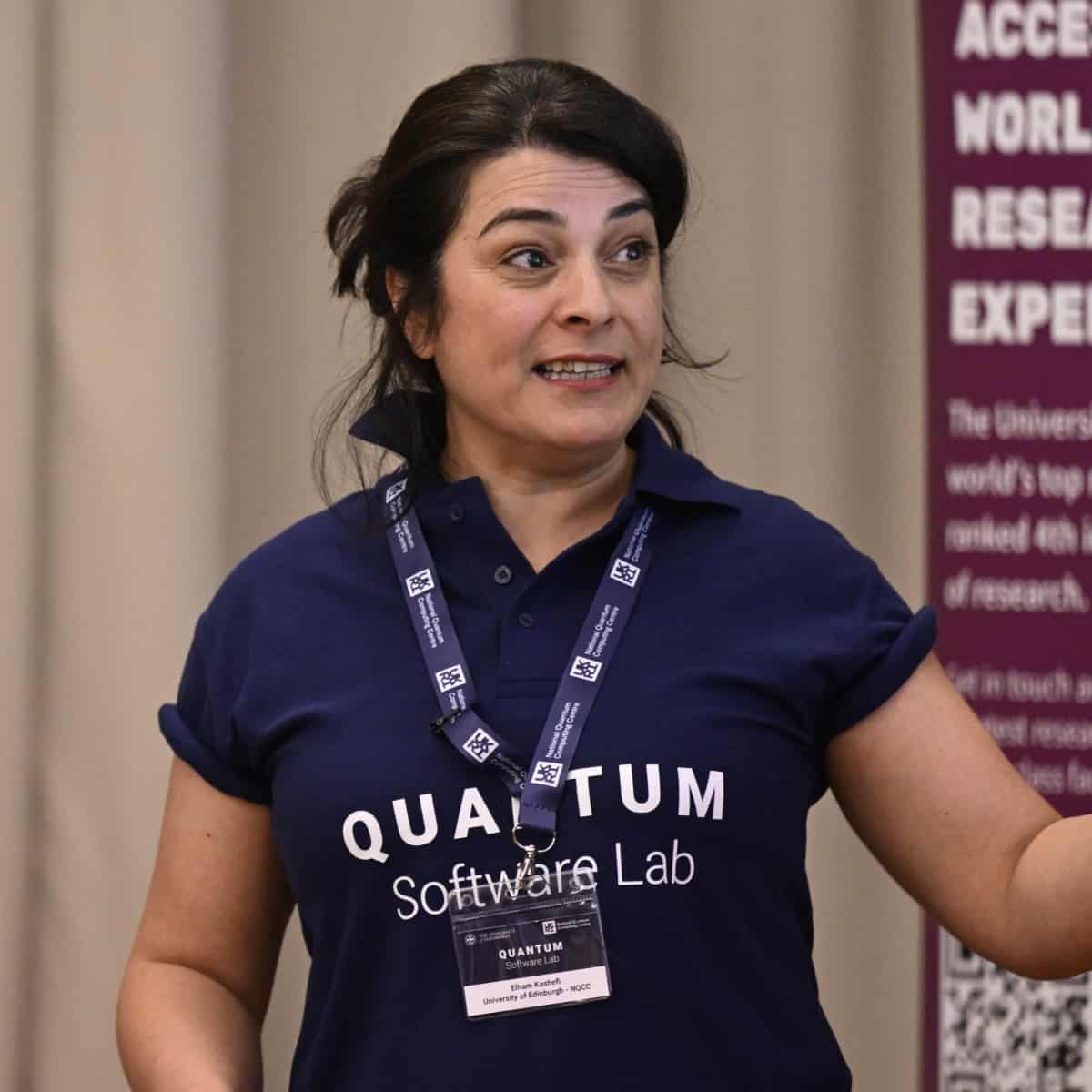
Software innovation: “The NQCC is the dream partner for the QSL, and we are ready for the challenge,” said Elham Kashefi at the launch of the Quantum Software Lab. (Courtesy: NQCC)
“We want to understand the pain points in different industries,” said Elham Kashefi, the director of the QSL. Kashefi is a professor of quantum computing at the University of Edinburgh and a CNRS director of research at the Sorbonne University in Paris, and was appointed chief scientist of the NQCC in November 2022. “That will allow us to develop use cases and applications for quantum computing that solve real problems.”
Those ambitions align with the NQCC’s user engagement programme, called SparQ, that aims to explore practical uses of quantum computing by providing access to the technology, alongside training and networking opportunities. The QSL team will work closely with the NQCC’s innovation specialists and applications engineers to identify and develop use cases where quantum computing can deliver a demonstrable benefit over classical solutions. “This joint endeavour will create a core research capability to address some of the key challenges in developing quantum software, paving the way towards practical applications of quantum computing that can have a real impact on the industry,” commented Michael Cuthbert, director of the NQCC. “The expertise within QSL will help to drive user adoption and provide a pathway to demonstrating quantum advantage.”
By creating a focal point for quantum software development in the UK, the QSL aims to attract new research talent, provide education and training for the next generation of quantum developers, and provide a source of scientific expertise for the wider quantum community. In some ways it fills a gap in the UK quantum landscape, with the early years of the NQTP focusing largely on demonstrating novel qubit architectures and developing quantum algorithms for performing specific computational tasks. Now that the emphasis has shifted to building practical quantum computers, there is a greater need for software to control the core quantum processors, characterize and mitigate for the errors caused by noise, and provide the critical connections between the quantum hardware and classical computing infrastructure.
“Quantum software is the glue that brings together all the different elements of a quantum computer,” commented Matthias Christandl of the University of Copenhagen, a prime mover in the new European Quantum Software Institute, speaking at the launch event. “It requires the ingenuity of quantum software scientists to harness the remarkable power of quantum hardware, while co-development of hardware and software will also be crucial as different qubit architectures continue to evolve.”
While the QSL will work in collaboration with the NQCC to explore specific use cases across different industry sectors, it will also develop generalized theoretical and mathematical approaches that can be applied across different hardware platforms and applications. Research at the lab will provide the foundational knowledge for follow-up phases of the NQCC programme in quantum software and applications, and will also pave the way for the UK’s first secure and verifiable distributed cloud platform for quantum computing. “We need to keep an open mind and allow blue sky research,” said Kashefi. “Advances in the science may enable new applications, while new applications may inspire new research directions.”
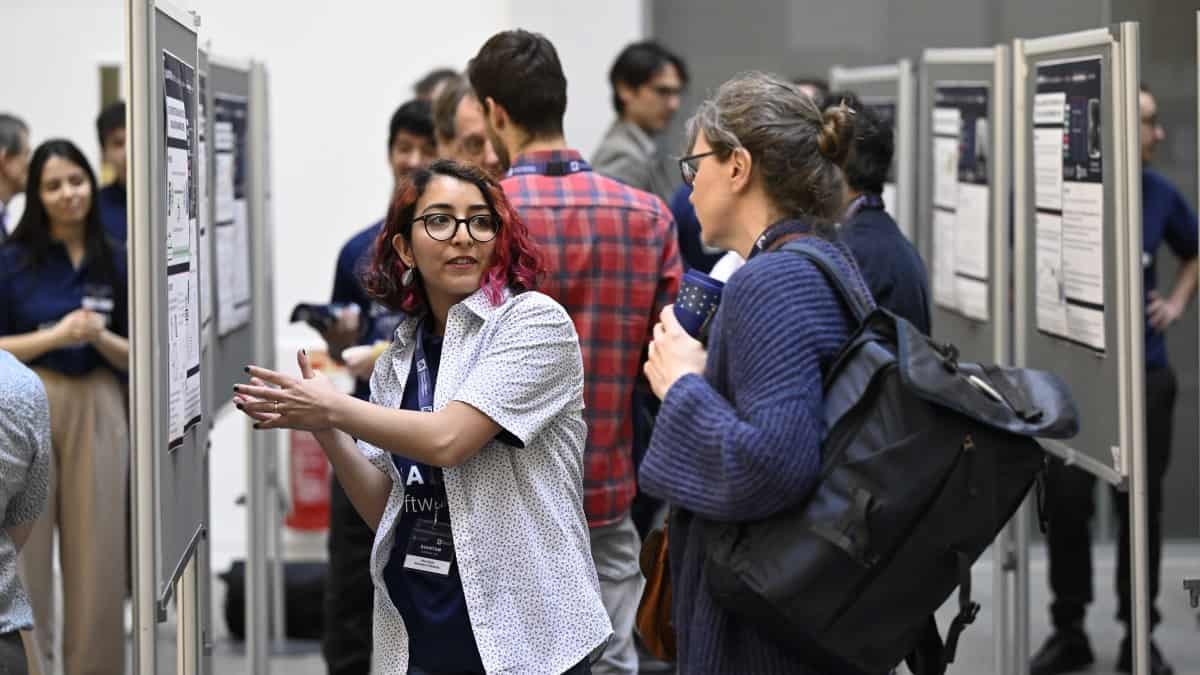
Knowledge sharing: a poster session during the launch event allowed researchers at the Quantum Software Lab to discuss their latest work. (Courtesy: NQCC)
One key goal for the lab’s research programme is to develop the tools needed to prove whether a quantum-enabled solution achieves a genuine performance advantage over a traditional supercomputer. “We need formal methods to test whether an approach addresses the problem and delivers quantum advantage,” said Kashefi. “We want to explore the universe of possible applications, and find out where quantum advantage can be achieved and where it cannot.”
Kashefi believes that the outcomes from the QSL’s discovery science will help to guide the development of novel software solutions that can be used to solve real-world problems. “We want to be the engine that brings everything together,” she said. Within the lab’s overall framework there is a clear focus on translating specific use cases into practical solutions, with senior researchers in the team responsible for establishing initial use cases, translating the requirements into a research problem, developing and optimizing appropriate quantum algorithms, and then benchmarking the solution to make sure it meets requirements of the application. “Our aim is to create a start-up culture within an academic environment,” added Kashefi.
Located in the University of Edinburgh’s School of Informatics – by some margin the largest of its kind in the UK – the QSL will have access to valuable expertise in all areas of computer science. Around 30 researchers are already involved with the lab, while the team also has a direct link with EPCC, the university’s centre of excellence in supercomputing and data science. “To get the best out of current quantum computers they need to operate within a classical computing environment,” said Kashefi. “We need expertise in high-performance computing to help optimize system architectures and control systems, and to create distributed platforms that combine quantum hardware with classical computing resources.”
The QSL team is also in a perfect position to engage with scientists and engineers at the university who are working on research problems that can be addressed with quantum computing, such as molecular simulations in chemistry or many-body problems in physics. More generally, the aim is to create an open environment that fosters collaboration with both academic groups and industry partners. “We want our research to have the widest possible impact,” said Craig Skeldon, the QSL’s business development manager. “Our aim is to connect with end users in different industries to develop practical solutions, and to work with hardware and software providers who are developing innovative products.”
The lab’s strategic partnership with the NQCC will also help to create a community of quantum software specialists who can work with other stakeholders, including hardware developers and end users across government, academia and industry, to drive the development and adoption of practical quantum computers. “It takes a whole ecosystem to develop a useful quantum computer,” concluded Kashefi at the end of the launch event. “The NQCC is the dream partner for the QSL, and we are ready for the challenge.”
Using light and optical fibres to send information from point A to B is today a standard practice, but what if we could skip the “sending and carrying” steps entirely and simply read information instantaneously? Thanks to quantum entanglement, this idea is no longer a work of fiction, but a subject of ongoing research. By entangling two quantum particles such as ions, scientists can put them into a fragile joint state where measuring one particle gives information about the other in ways that that would be impossible classically.
Researchers from the University of Innsbruck, Austria, have now performed this tricky entanglement process on two calcium ions trapped in optical cavities 230 m apart – equivalent to around two football pitches – and connected via a 520 m long optical fibre. This separation is a record for trapped ions and sets a milestone in quantum communication and computation systems based on these quantum particles.
Towards a quantum network
Quantum networks are the backbone of quantum communication systems. Among their attractions is that they could link the world with unprecedented computing power and security while enhancing precision sensing and time measurement for applications ranging from metrology to navigation. Such quantum networks would consist of quantum computers – the nodes – connected through the exchange of photons. This exchange can be done in free space, similarly to how light travels through space from the Sun to our eyes. Alternatively, the photons can be sent through optical fibres similar to those used to transmit data for Internet, television and phone services.
Quantum computers based on trapped ions offer a promising platform for quantum networks and quantum communication for two reasons. One is that their quantum states are relatively easy to control. The other is that these states are robust against external perturbations that can disrupt the information carried between and at the nodes.
Trapped calcium ions
In the latest work, research teams led by Tracy Northup and Ben Lanyon at Innsbruck trapped calcium ions in Paul traps – an electric field configuration that produces a force on the ion, confining it in the centre of the trap. Calcium ions are appealing because they have a simple electronic structure and are robust against noise. “They are compatible with technology needed for quantum networks; and they are also easily trapped and cooled, therefore suited for scalable quantum networks,” explains Maria Galli, a PhD student at Innsbruck who was involved in the work, which is described in Physical Review Letters.
The researchers began by placing a single trapped ion inside each of two separate optical cavities. These cavities are spaces between pairs of mirrors that allow precise control and tuning of the frequency of light that bounces between them (see image above). This tight control is crucial for linking, or entangling, the information of the ion to that of the photon.
After entangling the ion-photon system at each of the two cavities – the nodes of the network – the researchers performed a measurement to characterize the entangled system. While the measurement destroys the entanglement, the researchers had to repeat this process multiple times to optimize this step. The photons, each entangled with one of the calcium ions, are then transmitted through the optical fibre that connects the two nodes, which are located in separate buildings.
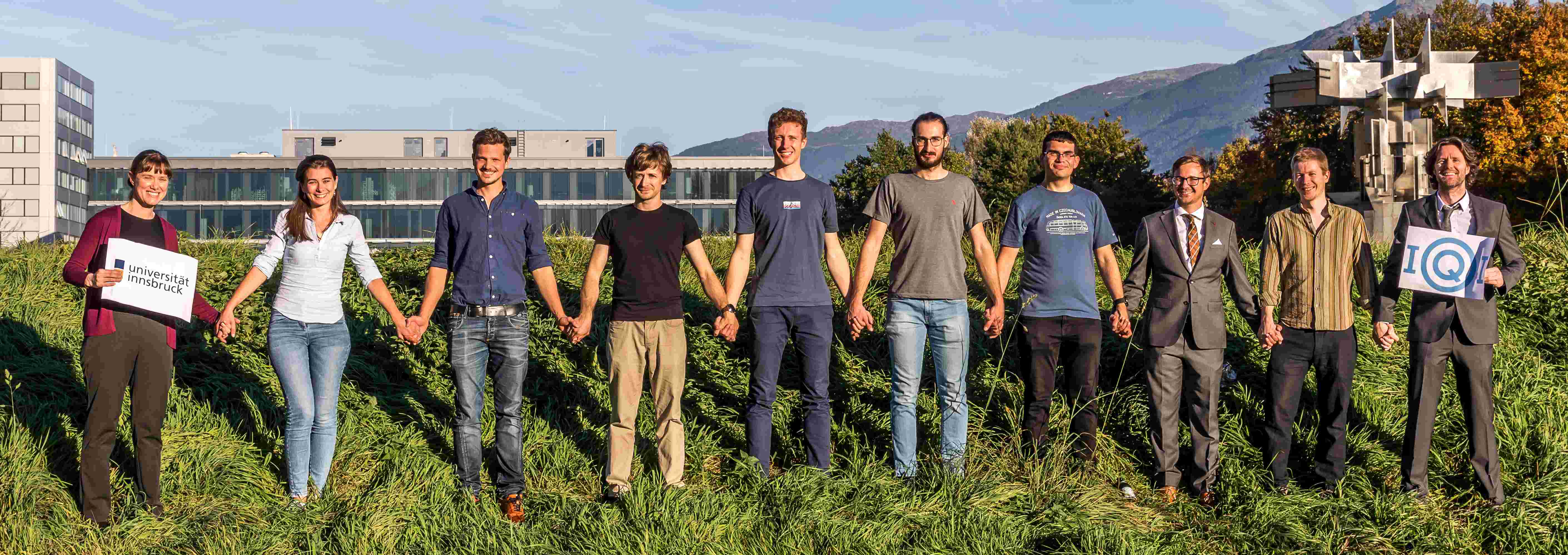
Team effort: Tracy Northup and Ben Lanyon with their respective teams, photographed at the Institute for Quantum Optics and Quantum Information (IQOQI) campus in Innsbruck. (Courtesy: Innsbruck Quantum Network team)
Exchanging information
While the researchers could have transferred the photons in free space, doing so would have risked disrupting the ion-photon entanglement due to several noise sources. Optical fibres, in contrast, are low loss, and they also shield the photons and preserves their polarization, allowing longer separation between the nodes. However, they are not ideal. “We did observe some drifts in the polarization. For this reason, every 20 minutes we would characterize the polarization rotation of the fibre and correct for it.” says Galli.
The two photons exchange the information of their respective ion-photon systems through a process known as a photon Bell-state measurement (PBSM). In this state-selective detection technique, the photons’ wavefunctions are overlapped, creating an interference pattern that can be measured with four photodetectors.
By reading the measured signals on the photodetectors, the researchers can tell whether the information carried by the photons – their polarization state – is identical or not. Matching pairs of outcomes (either horizontal or vertical polarization states) consequently herald the generation of entanglement between the remote ions.
Trade-offs for successful entanglement
The researchers had to balance several factors to generate entanglement between the ions. One is the time window in which they do the final joint measurement of the photons. The longer this time window is, the more chance the researchers have of detecting photons – but the trade-off is that the ions are less entangled. This is because they aim to catch photons that arrive at the same time, and allowing a longer time window could lead them to detect photons that actually arrived at different times.
The researchers therefore needed to carefully check how much entanglement they managed to achieve for a given time window. Over a time window of 1 microsecond, they repeated the experiment more than 13 million times, producing 555 detection events. They then measured the state of the ions at each node independently to check the correlation, which was 88%. “Our final measurement step is in fact to measure the state of both ions to verify that the expected state correlation is there,” Galli says. “This confirms that we have succeeded in creating entanglement between the two ions.”
From a sprint to a marathon
Two football pitches may seem like a large distance over which to create a precarious quantum entangled state, but the Innsbruck team has bigger plans. By making changes such as increasing the wavelength of photons used to transmit information between the ions, the researchers hope to cover a much greater distance of 50km – longer than a marathon.
While other research groups have previously demonstrated entanglement over even longer distances using neutral atoms, ion-based platforms have certain advantages. Galli notes that the fidelities of quantum gates performed with trapped ions are better than those of quantum gates performed on atoms, mainly because interactions between ions are stronger and more stable than interactions between atoms and the coherence time of ions is much longer.
Open to reinvention Masako Yamada did a PhD in high-performance computing, then shifted to experimental optics, and now works at quantum computing company IonQ. (Courtesy: Masako Yamada, IonQ)
What skills do you use every day in your job?
The quantum-computing industry is a dynamic, fast-moving space, and I find myself using a mix of different skills to manage the personnel and technical aspects of my job.
As part of my daily role at IonQ, I manage a team of applications researchers – both scientists and engineers – and ensure that everyone’s work contributes to our goal of developing impactful quantum applications for quantum computers. Our work is truly multidisciplinary, and involves sales, products, marketing, operations, and even legal and finance. Our success depends on me clearly communicating with team members, clients and leadership; fostering a culture of collaboration across functions; and making time for one-to-one sessions to brainstorm ideas, offer feedback or even exchange a joke or two.
I’m also responsible for bringing to the table novel technical problems that either our company or our customers are looking to solve. With quantum, the challenge is not so much solving the problem but defining the problem. To do this I have to think outside the box and lean on a creative and diverse team.
What do you like best and least about your job?
The things I like most about my job are how truly disruptive quantum systems are becoming, and the wealth of talented people I get to meet and work with.
I came to IonQ from GE Research, where for more than two decades I led teams focused on fields like experimental optics, high-performance computing and industrial AI. Growing up within a company like GE was amazing, but I felt that at IonQ I could make a greater proportional impact. IonQ is a growing company in an exploding field, and rubbing shoulders with some of the pioneers in the space probably feels a bit like working with Thomas Edison when he was founding GE. I interviewed a candidate last week for a position at IonQ and in his follow-up email, he wrote, “I can tell you love what you do.” That was the best compliment.
As for the most challenging thing about my job, I’d have to say it’s the speed of innovation. Whereas other technologies have had decades to establish their foothold upon which future developments could be built, quantum computing is still fairly new – we’re basically trying to crawl, run and fly at the same time. It can be difficult work, but I’m excited to be part of a company like IonQ that has steadily kept to product roadmaps and business objectives, heading towards mass-producing scalable, commercial quantum systems.
What do you know today that you wish you knew when you were starting out in your career?
There’s a common misconception that once you get a PhD in something, that’s it – you’ll be defined by that one topic. I wish I had known back when I was first starting my career that this is simply not the case. People can always reinvent themselves as they enter a new domain, as long as they are in a culture that embraces a growth mindset, and individuals take every opportunity to learn.
My PhD was in high-performance computing and materials modelling, but when I joined GE Research after graduate school, I set aside those interests to work in experimental optics, as that’s where the need was at the time. My boss trusted that I would learn quickly, and I did. It wasn’t until a decade later, when I moved to the advanced computing group, that I was able to revisit those early interests. I even got to run simulations on the world’s most powerful computer systems at Oak Ridge National Laboratory. Fast forward to where I am today, my role at IonQ would never have existed had I and everyone at the company not believed in our capability to reinvent ourselves to pursue this burgeoning field of quantum computing.
If you were awarded $3m prize money for your scientific excellence and hard graft, would you give it all away to strangers? That’s what the Northern Irish astrophysicist Dame Jocelyn Bell Burnell did in 2018 after winning the Special Breakthrough Prize in Fundamental Physics for her 1967 discovery of pulsars and her inspiring scientific leadership. She used the cash – topped up with more personal money from a separate prize – to launch the Bell Burnell Graduate Scholarship Fund, which supports PhD students in the UK and Ireland from groups under-represented in physics.
In this episode of the Physics World Stories podcast, we look at the impacts the award is already having on the lives of early-career physicists. Our first guest is Helen Gleeson, a liquid crystals and soft matter researcher at the University of Leeds, who is chair of the selection panel for the fund. She talks about the importance of providing opportunities for physics students from non-traditional backgrounds, who may face multiple barriers – both personal and structural within the physics community.
Later in the episode, we also hear from a fund awardee. Joanna Sakowska, a PhD student at the University of Surrey, is studying the formation and evolution of the Magellanic Clouds galaxies, while searching for neighbouring ultra-faint dwarf galaxies believed to contain large quantities of dark matter. Sakowska offers inspiring, practical advice to anyone interested in a career in physics, emphasizing the importance of reflecting on your personal achievements, even if self-promotion does not come naturally!
Want to know more about the Bell Burnell Graduate Scholarship Fund and how to apply? Listen to the episode or read this recent Physics World article by Helen Gleeson.
Designed diffuser as X-ray imaging lens: Top: schematic of full-field transmission X-ray microscopy. The attenuation (amplitude) map of a sample is measured. The image resolution (dx) is limited by the outermost zone width of the zone plate (Δ). Bottom: schematic of the proposed method. A designed diffuser is used instead of a zone plate. The image resolution is finer than the hole size of the diffuser (dx << Δ). (Courtesy: KAIST Biomedical Optics Laboratory)
A new X-ray microscopy technique could make it possible to image objects in finer detail, overcoming the spatial resolution limits of today’s X-ray imaging technologies. Developed by researchers in Korea, the technique relies on an X-ray diffuser made from a metal film speckled with tiny holes, and its single-shot spatial resolution of 14 nm is already smaller than the size of the holes. According to the researchers, the resolution could be improved still further by using next-generation X-ray light sources and high-performance X-ray detectors.
Because X-rays can penetrate most objects, they are a popular tool for characterizing materials as well as imaging bones and other biological structures. The resolution of X-ray imaging is, however, limited by the difficulty of constructing optics for very short wavelengths of light.
Unlike optical microscopy, which uses refractive lenses to focus and manipulate visible light, X-ray microscopy typically relies on circular gratings known as zone plates. The quality of the nanostructures in these plates determines the spatial resolution of the image, but manufacturing such structures to the desired tolerances is challenging, and once built, they are prone to collapse because of their thin, comb-like nature. The result is that the resolution of X-ray microscopy has never approached its theoretical (diffraction) limit and is instead restricted by practicalities.
A new X-ray “lens”
Physicists KyeoReh Lee and YongKeun Park of the Korea Advanced Institute of Science and Technology (KAIST) have now overcome this limitation by cleverly exploiting the random nature of diffraction. Working with colleagues at the Pohang Accelerator Laboratory (PAL), they constructed their X-ray diffuser by punching numerous holes in a thin tungsten film. When this diffuser is placed behind the sample being imaged, it diffracts the light, generating a pattern of speckles. At a first glance, this speckle pattern may appear unrelated to the incident light, but Lee explains that a high-resolution sample image can nevertheless be retrieved from it by exploiting the mathematical properties of random diffraction.
Close match: images taken from the proposed randomness-based X-ray imaging (bottom) and the corresponding scanning electron microscope (SEM) images (top). (Courtesy: KAIST Biomedical Optics Laboratory)
The team first demonstrated this randomness-based imaging technique using visible light in 2016, and the contrast with traditional X-ray microscopy methods is striking, Lee says. “In conventional zone-plate-based X-ray microscopy, the finer outermost zone width is used to collect higher-angle diffracted photons that contain higher-resolution features,” he tells Physics World. “On the contrary, in this work, we do not collect the photons at all. Instead, we measure the phase of high-angle diffracted photons by exploiting the pseudorandomness, and reconstruct the high-resolution image computationally.”
Lee and colleagues say their new technique could substantially improve the resolution of X-ray microscopy, especially at very high energies (the so-called hard X-ray regime) where making high-resolution zone plates is more difficult. Possible applications could include non-invasive observations of the fine structures present in nanoscale samples of battery materials, ceramics, semiconductors and more.
While the technique shows promise, the researchers acknowledge that its current resolution of 14 nm is “not very impressive” comparted to alternatives. Lee, however, argues that using next-generation X-ray light sources such as diffraction-limited storage rings along with high-performance X-ray detectors could pave the way for much higher resolutions. The ultimate goal, he adds, is to reach sub-nanometre image resolution using X-rays.
“In principle, increasing the size of the diffuser and detector in the demonstrated setup could potentially attain the desired resolution, but for non-crystalline samples, it may be difficult to obtain sufficient diffracted photons for detection,” Lee concludes.
Machine-learning technologies are unleashing a wave of data-driven innovation and transformation in radiation oncology, yielding step-function improvements in automation, workflow efficiency and consistency of treatment – both for individual clinics and across multicentre healthcare systems. Writ large, the end-game of data-driven oncology represents a compelling narrative – one that will be elaborated in detail for visitors to the booth of RaySearch Laboratories, the Stockholm-based oncology software company, at the annual congress of the European Society for Radiotherapy and Oncology (ESTRO) in Vienna, Austria, later this week.
“Clinical collaboration and model validation are essential for the successful deployment of machine learning in the planning, delivery and management of radiotherapy treatment programmes,” explains Fredrik Löfman, director of machine learning at RaySearch. What Löfman is alluding to, specifically, is the at-scale collection and aggregation of data for model development from RaySearch’s international user base, while partnering closely with clinical experts on tasks like data enrichment and data curation to ensure robust validation of machine-learning models for the vendor’s flagship RayStation treatment planning system (TPS).
Front-and-centre on the RayStation innovation roadmap are automated deep-learning segmentation (DLS) and deep-learning-enabled automation in treatment planning. “The priority is to work with medical physicists and radiation oncologists to improve, optimize and generalize the machine-learning models in RayStation over their life-cycle,” adds Löfman. “After all, it’s the clinics that provide the real-world evaluation and validation of machine learning measured in terms of treatment quality and patient outcomes.”
Streamlined segmentation
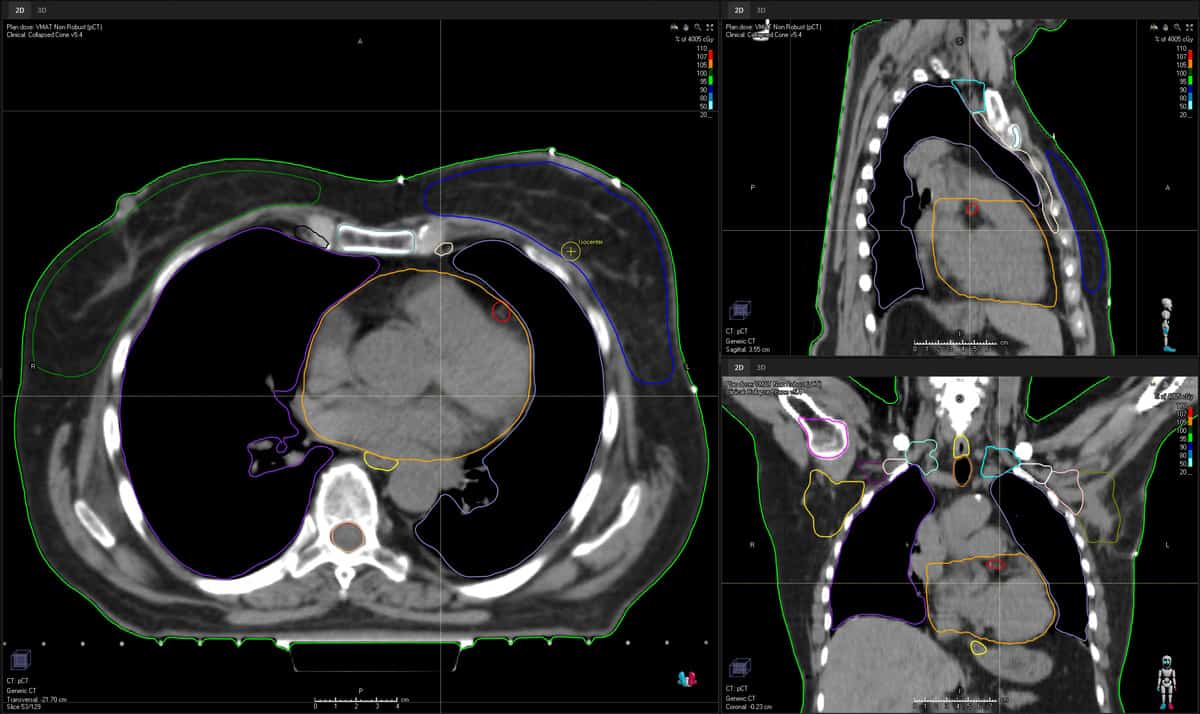
That process of clinical validation is already well under way – and accelerating. Consider the commercial roll-out and clinical trajectory of DLS, with a growing number of treatment centres fast-tracking the clinical adoption of RayStation’s catalogue of DLS models for automated segmentation of diverse disease indications spanning head-and-neck/brain, thorax and breast, abdomen and pelvis – in some cases, reducing the time spent on patient contouring by as much as 75% versus manual or semi-automatic methods.
Put simply, RayStation’s DLS functionality – trained and validated on large-scale patient data sets – automatically creates contours of critical structures in the tumour near-environment. Clinical teams are then able to review and fine-tune the segmentation in order to optimize tumour control and reduce radiation toxicity.
Fredrik Löfman: “It’s the clinics that provide the real-world validation of machine learning measured in terms of treatment quality and patient outcomes.” (Courtesy: RaySearch Laboratories)
Last year, a case study in this regard saw the training, validation and clinical implementation of RayStation DLS models for radiotherapy of loco-regional breast cancer – a collaboration between RaySearch, St Olavs Hospital (Trondheim, Norway) and Ålesund Hospital (Ålesund, Norway). The joint team trained DLS models for 18 structures (including breast lymph nodes) on 170 left-sided breast-cancer cases; another 30 patient cases were used for validation. Based on the first two months of clinical experience, the treatment centres reduced total delineation time from roughly one hour to 15 minutes per patient, while the DLS models also out-performed manual segmentation methods in terms of the consistency and standardization of contouring.
“The DLS methodology, algorithms and ‘infrastructure’ are an integral part of RayStation,” explains Löfman. “As such, DLS is a natural extension of the TPS and modelling of patients, with patient data always remaining within RayStation and no need for users to export image data and import results.” What’s more, the DLS catalogue is growing with every model release and will ultimately cover all of the main disease sites for radiotherapy treatment. An enhanced prostate model will go live in June, for example, while models for head-and-neck lymph nodes are another development priority this year.
Planning horizon
Downstream from DLS in the RayStation workflow, Löfman and his cross-disciplinary team – 20 scientists and engineers split across planning, imaging and analytics subgroups – are also pressing ahead with the clinical roll-out of deep-learning-enabled automation in treatment planning. Here, RayStation’s machine-learning models are used to predict and optimize 3D spatial dose, with in-built strategies to automatically generate a set of deliverable treatment plans across key modalities, including intensity-modulated radiotherapy (IMRT), volumetric modulated arc therapy (VMAT), helical tomotherapy and pencil-beam-scanning treatment systems.
Operationally, fast-track comparison of those candidate plans is followed by selection of the optimal plan for each patient in terms of tumour coverage, conformality and tissue-sparing. In this way, the radiation oncology team can quickly review the plans for each patient, pick the most suitable, and then fine-tune (automatically, semi-automatically or manually) if needed.
“We now have over a dozen centres using RayStation’s deep-learning-enabled treatment planning clinically on a regular basis – saving lots of time and effort in the process,” explains Löfman. “Working with our customers, we have proved that deep-learning technology delivers robust, high-quality plans automatically – for both photon and proton treatment systems and a range of disease sites spanning prostate, lung, breast, head-and-neck and rectum.”
Individualized planning: deep-learning-enabled automation enables fast-track comparison of treatment plan options in the RayStation TPS followed by selection of the optimal plan for each patient in terms of tumour coverage, conformality and tissue sparing. (Courtesy: RaySearch Laboratories)
RaySearch, for its part, works closely with end-users to configure deep-learning planning models to local treatment protocols and clinical preferences, while deployment into the radiotherapy workflow is a multistep process designed to streamline the path to clinical translation. In the first instance, RaySearch engineers will validate the model prior to release (a mix of quantitative and qualitative assessment), with the model scope and limitations subsequently shared with the customers. After which the clinic will commission the model (evaluating its performance on local data) ahead of approval and live implementation in the radiotherapy treatment chain.
“It is essential to consider the full life-cycle of the clinically deployed deep-learning models,” notes Löfman. “Right now, for example, we are collaborating with key clinical partners to initiate a systematic programme of evaluation looking at model performance over time.”
Meanwhile, delegates attending the ESTRO exhibition will be able to see the latest RayStation innovations up close – with one eye-catching product demonstration highlighting the operational upside of integrating DLS and deep-learning-enabled planning within a unified TPS environment. Starting with the CT image of a prostate case, the demonstration will show how DLS can fast-track segmentation of all critical structures and the prostate to automatically generate the target volumes. The DLS output then feeds seamlessly into the VMAT plan set-up, using a deep-learning model to automatically generate a deliverable, high-quality plan. “This is a game-changer,” claims Löfman. “The DLS and treatment planning take approximately 2 minutes end-to-end with only a single user-click to initiate the process.”
Clinical intelligence
Notwithstanding the headline focus on machine learning, Löfman is also pushing the importance of “big data” as an enabler of clinical best practice in radiation oncology – and specifically the availability, accessibility and standardization of patient and workflow data to support optimized treatments and enhanced patient outcomes. At the heart of that collective conversation is RayIntelligence, the vendor’s cloud-based oncology analytics system, which combines consolidated data warehousing as well as structuring, transformation and dashboarding of the resulting centralized data repository for easier consumption and analysis.
“RayIntelligence is all about helping clinics to become more data-driven,” notes Löfman. “In other words: using data collected during the ‘patient journey’ to deliver personalized care that’s grounded in real-world evidence.” There is a gap, he argues, for this sort of data warehousing capability, such that users will be able to visualize and drill down into their patient and workflow data in near-real-time to facilitate benchmarking, outlier detection and continuous process improvement.
Long term, Löfman also sees opportunities for RayIntelligence to provide the infrastructure and tools needed for evaluation of machine-learning models on relevant patient cohorts. He concludes: “Innovation in machine learning requires large-scale data sets that researchers, clinics and industry can access in an unbiased and representative way. RayIntelligence provides the building blocks needed to centralize – and allow models to learn from – the vast amounts of data generated by multicentre clinical trials.”
This episode of the Physics World Weekly podcast features interviews with the chief executive of a UK-based medical start-up and the new president of the Australian Institute of Physics.
First up is Alasdair Price of the medical-imaging company Siloton, which is using photonic integrated circuits to develop a portable imaging system that can monitor the progression of eye diseases such as age-related macular degeneration.
He is followed by the theoretical physicist Nicole Bell of the University of Melbourne who talks about her research into dark matter and other aspects of her work at the intersection of particle physics, astrophysics and cosmology. She also chats about her recent appointment as president of the Australian Institute of Physics and her vision for that organization.
Five environmental and cultural-heritage groups are suing the US Federal Aviation Administration (FAA) following the maiden launch of SpaceX’s Starship. The launch, which took place on 20 April in Boca Chica, Texas, caused significant damage to the launchpad and the surrounding area. The groups say that by permitting take-off without a comprehensive environmental review, the FAA violated the US National Environmental Policy Act.
The maiden launch of SpaceX’s Starship atop the Super Heavy Rocket lasted for barely four minutes before it exploded. While SpaceX initially called the flight’s end “a rapid unscheduled disassembly”, it transpired that the launch team had sent a self-destruct command to the rocket as it started to lose altitude and tumble. SpaceX boss Elon Musk, however, declared the launch a success as the rocket reached an altitude of about 39 km.
Telemetry data indicated that six or seven of the rocket’s 33 engines were damaged, possibly by material torn from the pad during the launch. “[The launch] was 70% success, 30% failure,” says systems engineer Olivier de Weck from the Massachusetts Institute of Technology. “This was a very first test flight and a big success from a rocket development perspective – it reached maximum pressure and sent back a lot of telemetry.”
Any little thing that goes wrong can cause a zipper effect that creates a giant problem
Philip Metzger
Damage to the launchpad was hardly unexpected. Three months before the launch, Musk noted that SpaceX had begun work on a water-cooled steel plate that would be placed beneath the concrete pad to help it deal with the heat and force of the engines’ firing. As SpaceX thought that the pad would survive the launch, based on an earlier test, it went ahead despite the plate not being ready.
The damage, however, was far worse than expected. According to Philip Metzger from the University of Central Florida, the concrete in the pad cracked and gases from the engines splayed into them, which split the concrete further. This resulted in pieces of concrete being catapulted across the launch site together with the ejection of huge amounts of dust over several square kilometres.
“Launch and landing pads are touchy,” Metzger noted on Twitter. “Any little thing that goes wrong can cause a zipper effect that creates a giant problem.”
Other damage included the destruction of multiple cameras set up to snap the lift-off as well as a 14,000 m2 fire in a state park near the launch pad. The five groups suing the FAA say that “catastrophic damage” was caused on the ground nearby while the US Fish and Wildlife Service found debris scattered over 1.5 km2 of SpaceX property and the state park.
‘Agile development’
The organizations suing the FAA say it should have carried out an in-depth environmental impact statement before approving the launch. They argue that the agency used “a considerably less thorough analysis” than originally planned “based on SpaceX’s preference”. The analysis did not, for example, consider the possible closure of the road leading to the launch site and the public beach next to the site.
The impact of the test launch also indicates the difference in approach between SpaceX and NASA – and between governmental and commercial space programmes generally.
“In systems engineering we talk about the waterfall process, carried out in a measured, rather slow, tedious step by step way,” de Weck told Physics World. “With SpaceX, it’s now agile development – a fast, test-driven process that is used in software coding.” In other words, SpaceX is more prepared to lose rockets and crewless spacecraft to perfect the technology as quickly as possible.
The next launch of the Starship and the Super Heavy Rocket now awaits installation of the cooled steel plate on the launchpad as well as the completion of an FAA investigation into the mishap. “Success comes from what we learn,” SpaceX states on its website. “We learned a tremendous amount about the vehicle and ground systems…that will help us improve on future flights of Starship.”
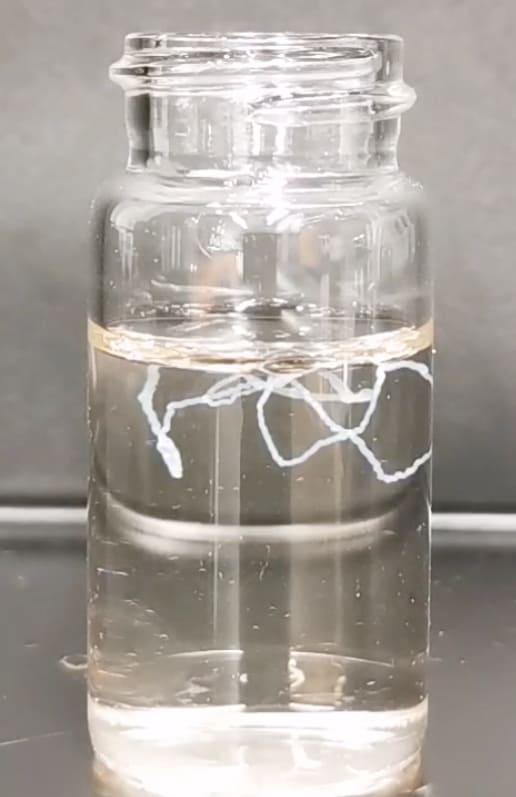
Hybrid therapy: the chemotherapy and immunotherapy mixture transforms into a gel. (Courtesy: Johns Hopkins University)
A new gel made by combining molecules routinely employed in chemotherapy and immunotherapy could help treat aggressive brain tumours known as glioblastomas, according to new work by researchers at Johns Hopkins University in the US. The gel can reach areas that surgery might miss and it also appears to trigger an immune response that could help suppress the formation of a future tumour.
Glioblastomas are the most common, and most dangerous, type of brain tumour. Conventional treatment typically involves a combination of surgery, radiation therapy and chemotherapy, but patient outcomes are generally poor.
In the new work, the researchers, led by bioengineer Honggang Cui, made their gel by converting the small-molecule, water-insoluble anticancer drug paclitaxel into a molecular hydrogelator. They then added aCD47, a hydrophilic macromolecular antibody, in solution to this hydrogelator. To be able to do this, the researchers first used a special chemical design to assemble the paclitaxel into filamentous nanostructures.
When loaded into the resection cavity left behind after a tumour has been surgically removed, the mixture spontaneously forms into a gel and seamlessly fills the minuscule grooves in the cavity, covering its entire uneven surface. The gel can reach areas that may have been missed during surgery and that current anticancer drugs struggle to reach. The result: lingering cancer cells are killed and tumour growth suppressed, say the researchers. They describe their technique, which they tested in mice, in PNAS.
The gel releases the paclitaxel over a period of several weeks. During this time, the gel remains close to the injection site, reducing any “off-target” side effects. It also appears to trigger a macrophage-mediated immune response that sensitizes the tumour to the “don’t eat me” signal induced by the aCD47.This, in turn, promotes tumour cell phagocytosis (one of the main methods by which cells, particularly white blood cells, defend our body from external invaders) by immunity-promoting macrophages and also triggers an antitumour T cell response. In this way, the aCD47/paclitaxel filament hydrogel effectively suppresses the recurrence of a future brain tumour.
In tests on mice with brain tumours, the gel prolonged the overall survival rate of animals that hadn’t undergone tumour surgery to 50%. This figure increased to a striking 100% survival in mice that also had surgical removal of the tumour.
“The gel could supplement the current and only FDA-approved local treatment for brain tumours, the Gliadel wafer,” Cui tells Physics World. “The current formulation also has the potential to treat other types of human cancer.”
The Johns Hopkins team now plans to test its gel in other animals to further confirm its therapeutic efficacy. “We also plan to undertake more studies to assess its potential toxicity and determine dose regimens,” says Cui.