Clinical experiences and error detectability tests with RadCalc’s 3D EPID module

Want to learn more on this subject?

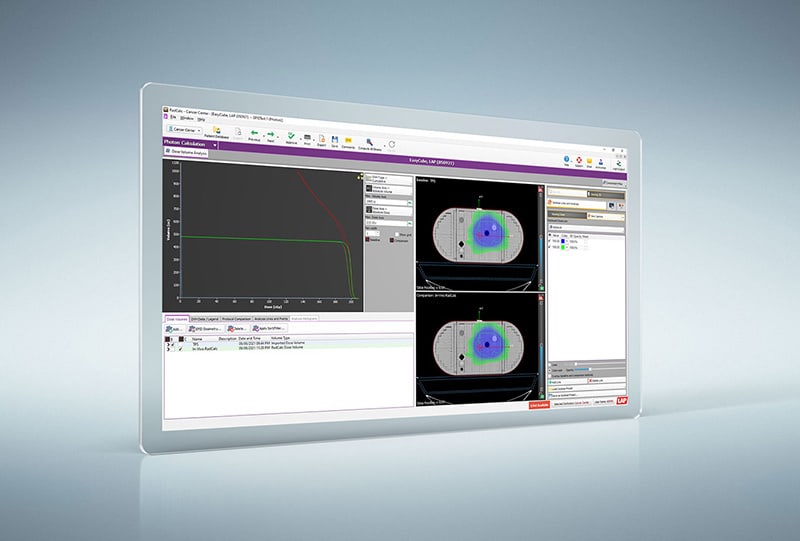
In this webinar, we will share our clinical experiences with RadCalc’s 3D EPID module.

Firstly, the commissioning process of this 3D EPID module will be shown, and Wang Ruoxi will demonstrate their in-house solution to fully automate the data pipeline (i.e. from the dosimetry image acquisition to the 3D dose reconstruction). He will then present the validation of the EPID 3D module, which was performed by comparing the reconstructed dose distribution both with the dose distribution calculated from the TPS, and with the phantom-based measurements. Furthermore, error detectability tests were performed and in order to demonstrate the value of the EPID-based reconstructed dose distribution, treatment plans with manually introduced errors were delivered and the corresponding dosimetric influences were evaluated with the 3D EPID module.

Finally, the presentation will be summarized with potential clinical benefits from the RadCalc’s 3D EPID module.

Want to learn more on this subject?

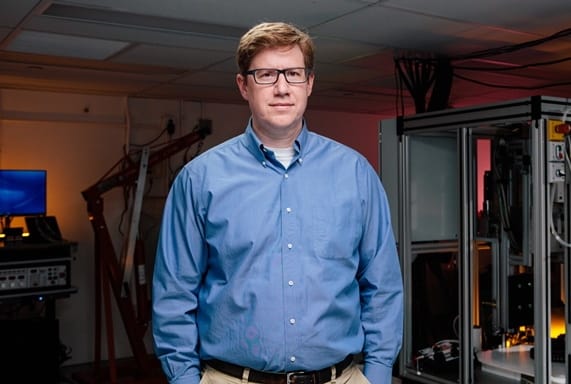
Ruoxi Wang received his doctorate from Université Claude Bernard Lyon 1, France, in 2015. He was engaged in the research and development of new dosimeters in Lyon Institute of Nanotechnology. After graduation, he joined Beijing Cancer Hospital in 2017, where he is a medical physicist in the Department of Radiotherapy.

His main areas of research are: application of Monte Carlo simulation method in the field of medical physics (dose deposition calculation, dosimeter simulation), in-body dose reconstruction, new methods of radiotherapy quality control and assurance, and automatic radiotherapy planning.

The first-sentence challenge

Book openings

1 “A well-known scientist (some say it was Bertrand Russell) once gave a public lecture on astronomy.”

2 “No matter how hard you try you will never be able to grasp just how tiny, how spatially unassuming, is a proton.”

3 “Once on a Wednesday excursion when I was a little girl, my father bought me a beaded wire ball that I loved.”

4 “The origin of the universe is explained in the Younger Edda, a collection of Norse myths compiled around 1220 by the Icelandic magnate Snorri Sturleson.”

5 “When I was about eleven or twelve I set up a lab in my house.”

6 “The Sun beat down through a sky that had never seen clouds.”

7 “Melvin Butler, the personnel officer at the Langley Memorial Aeronautical Laboratory, had a problem, the scope and nature of which was made plain in a May 1943 telegram to the civil service’s chief of field operations.”

8 “The Cosmos is all that is or ever was or ever will be.”

9 “Some of the great mathematicians killed themselves.”

10 “The University of Cambridge at the end of summer with the leaves going dry is as beautiful as it must have been when the great evolutionary biologist Charles Darwin was an undergraduate here in the early nineteenth century.”

11 “Katherine Schaub had a jaunty spring in her step as she walked the brief four blocks to work.”

12 “In 1978, when John Bell first met Reinhold Bertlmann, at the weekly tea party at the Organisation Européenne pour la Recherche Nucléaire, near Geneva, he could not know that the thin young Austrian, smiling at him through a short black beard, was wearing mismatched socks.”

13 “The dark clouds of war had been gathering for more than eighty years by the time the initial skirmish took place in the attic of Jack Rosenberg’s San Francisco mansion.”

14 “The coveralls in the trailer were stiff and gray with salt, crackling as we stepped into them.”

15 “In his youth Albert Einstein spent a year loafing aimlessly.”

16 “It’s hard to know where to begin.”

Book titles

A A Short History of Nearly Everything by Bill Bryson

B The Second Creation: Makers of the Revolution in Twentieth-Century Physics by Robert P Crease and Charles C Mann

C “Surely You’re Joking, Mr Feynman”: Adventures of a Curious Character by Richard Feynman

D Trespassing on Einstein’s Lawn: a Father, a Daughter, the Meaning of Nothing, and the Beginning of Everything by Amanda Gefter

E The Age of Entanglement: When Quantum Physics Was Reborn by Louisa Gilder

F Chaos: Making a New Science by James Gleick

G A Brief History of Time: From the Big Bang to Black Holes by Stephen Hawking

H How the Universe Got Its Spots: Diary of a Finite Time in a Finite Space by Janna Levin

I The Radium Girls: the Dark Story of America’s Shining Women by Kate Moore

J Seven Brief Lessons on Physics by Carlo Rovelli

K Cosmos by Carl Sagan

L Inferior: How Science Got Women Wrong and the New Research That’s Rewriting the Story by Angela Saini

M Hidden Figures: the American Dream and the Untold Story of the Black Women Mathematicians Who Helped Win the Space Race by Margot Lee Shetterley

N Longitude: the True Story of a Lone Genius Who Solved the Greatest Scientific Problem of His Time by Dava Sobel

O The Black Hole War: My Battle with Stephen Hawking to Make the World Safe for Quantum Mechanics by Leonard Susskind

P The First Three Minutes: a Modern View of the Origin of the Universe by Steven Weinberg


Looking for the answers? They’re listed below. But before you check them, why not listen to Physics World editors discuss this quiz in the Physics World Weekly podcast of 11 August? 

1 G 2 A 3 N 4 P 5 C 6 F 7 M 8 K 9 H 10 L 11 I 12 E 13 O 14 B 15 J 16 D 

Champion semiconductor could replace silicon, say researchers

Cubic boron arsenide is one of the best semiconductors known to science and could even dethrone silicon as the principal component of modern electronics. This finding, from teams headed by Gang Chen at the Massachusetts Institute of Technology in the US and Xinfeng Liu of the National Center for Nanoscience and Technology in Beijing, China, is based on experiments showing that small, pure regions of the material display a thermal conductivity and charge carrier mobility that far outperforms those of existing widely-used semiconductors, including silicon. The results validate theoretical predictions and suggest that cubic boron arsenide could revolutionize the field of electronics – at least in principle.

Silicon has dominated the electronics industry for decades. It is relatively easy to purify into a material with an almost perfectly uniform molecular lattice – an important requirement for robust and reliable electronic properties – and its status as one of the most abundant elements in Earth’s crust makes it commercially viable to use at scale.

Silicon’s performance as a semiconductor, however, leaves much to be desired. The issues with the material are twofold. The first concerns the mobility of its “holes”, which are regions of positive charge left behind when electrons are excited from a semiconductor’s insulating (valence) band to its conduction band. In silicon, these holes move much more slowly than the electrons in the conduction band, diminishing the material’s electrical performance. The second issue is silicon’s low thermal conductivity, which makes silicon-based electronic systems prone to overheating: a problem that can only be mitigated with costly cooling systems.

Reduced defects yield desirable properties

Several recent theoretical studies have predicted far more desirable properties in cubic boron arsenide (c-BA). According to these calculations, the material’s thermal conductivity should be some 10 times higher than silicon’s, stemming from its unique chemical bonding properties. Theorists also predicted simultaneously high mobilities of electrons and holes at room temperature.

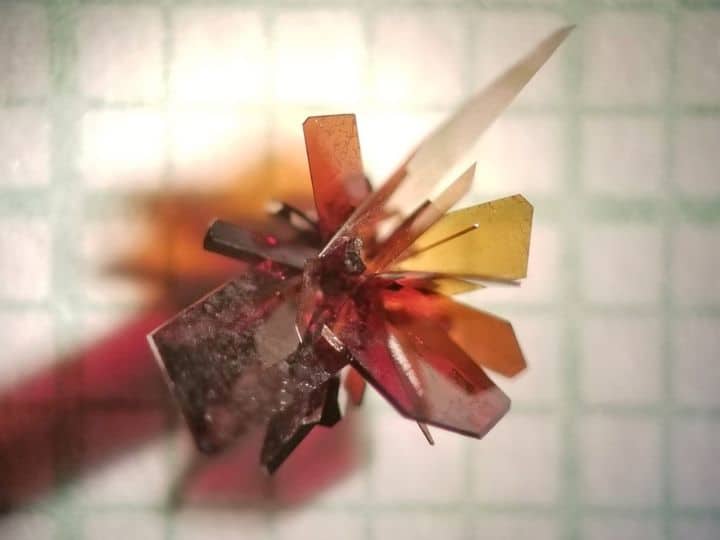
A photo of several boron arsenide crystals, which look like flat, pale-orange-to-red sheets of fragile-looking, semi- transparent material

Until now, however, these promising predictions haven’t been borne out in experiments. The problem is that with existing fabrication methods, c-BA crystals typically feature large, non-uniform concentrations of defects, leading to significant discrepancies with predicted behaviour.

In the latest studies, which are described in back-to-back papers in Science, members of the two teams used a combination of spectroscopic techniques to precisely map out the distribution of impurities within thin c-BA samples. This allowed them to identify local regions of uniformity in its molecular lattice, free from impurities. Within these regions, the material’s semiconducting properties were some of the best ever measured, displaying exceptional values for thermal conductivity and hole mobility that were similar to those predicted from first-principles calculations.

Despite this promising discovery, it remains to be seen whether c-BA has a realistic chance of replacing silicon. Both boron and arsenic are far less abundant than silicon in the Earth’s crust, and researchers would need to substantially improve the purity of the material during fabrication for large-scale applications to be feasible. However, if these barriers can be overcome, Zhifeng Ren, director of the Texas Center for Superconductivity at the University of Houston, US and a corresponding author on both studies, says the discovery could have an impact similar to the advances in electronics that followed the advent of silicon wafers.

SunCHECK Quality Management Platform adds SaaS option to streamline deployment

Scalability – check. Sustainable workflow efficiencies – check. Robust data security and redundancy – check. Taken together, these are the enhanced benefits of the SunCHECK Quality Management Platform from Sun Nuclear following the release of the cloud-hosted, software-as-a-service (SaaS) option of a product that’s already the de facto QA engine-room for more than 1600 radiotherapy customers globally.

For context, SunCHECK is a single interface and database offering a unified view of patient and machine QA independent from the treatment system. SunCHECK Patient encompasses all aspects of patient QA, including plan checks, secondary checks, phantomless pre-treatment QA and automated in vivo monitoring. Meanwhile, SunCHECK Machine addresses critical machine QA needs, including template-driven daily, monthly and annual QA; automated imaging, multileaf collimator (MLC) and volumetric modulated arc therapy (VMAT) checks; as well as long-term data trending and analysis.

Operationally, a dedicated SunDEPLOYS team also works side-by-side with new customers to ensure users achieve their clinical operational goals – from project management, site planning and system preparation all the way through training and go-live support.

Built-in scalability

In this way, SunCHECK already provides the “infrastructure of choice” to meet clinical customers’ diverse QA requirements – from single-linac treatment centres to large research hospitals and regional radiation oncology networks. If that’s where things stand now, however, the cloud-hosted SaaS model represents the future direction of travel for the product development roadmap – and a significant investment by Sun Nuclear in the long-term growth of SunCHECK’s clinical footprint.

Streamlined introduction and deployment are fundamental to efficient software implementation and, as such, sit front-and-centre within the SaaS business model. “One of the challenges with any enterprise software is the need to run and keep current an onsite server,” explains Adrian Fleet, SunCHECK international account manager. “With the SaaS SunCHECK acquisition model, we can leverage the power of the cloud and eliminate this challenge.”

Put another way: the cloud-based implementation model addresses the burden associated with local management of software and servers, reducing the budget, time and resources required for upfront deployment, ongoing platform support and software version updates. “At the recent ESTRO and AAPM annual meetings,” Fleet adds, “attendees were eager to learn more about the SunCHECK Platform, knowing that their clinics may have an easier time getting buy-in on the SaaS option. Initial markets adopting the SaaS model include the US, UK, Germany, Spain and Australia.”

Equally significant, the SaaS version of SunCHECK is a response to another key pressure point for clinical IT departments: the need to ensure evolving best practice when it comes to data storage, management, cybersecurity and operational continuity. “The SunCHECK SaaS option is all about giving the customer peace of mind,” notes Fleet.

With Amazon Web Services (AWS) as the cloud provider, for example, there’s built-in data backup and redundancy as standard, plus the highest levels of data encryption (both at rest and in-transit). Fleet continues: “Out of the box, SunCHECK SaaS provides a complete solution, including all the software licences, training and support as well as a secure and inherently scalable cloud-hosting environment. Sun Nuclear is currently pursuing ISO 27001:2013 certification, further reinforcing the commitment to security.”

Alongside the cloud-hosting innovations, the SunCHECK development team has been future-proofing the platform’s databases and associated patient and machine QA workflows. “As part of this project,” explains Fleet, “we challenged our team with establishing an architecture that meets the demand for high performance and easy implementation, while creating a pathway for highly sought-after future enhancements for both SaaS and on-premise customers.”

Education and execution  

In terms of outreach to promote the SaaS model, Sun Nuclear will be running a series of user meetings and clinical cross-site visits for existing and prospective SunCHECK customers in the EMEA region in the second half of this year. Those user meetings will take place at existing SunCHECK reference sites, including long-term users of the software like the UK’s Clatterbridge Cancer Centre and Belgium’s Iridium Netwerk. “The user meetings are a fundamental part of Sun Nuclear’s requirements-gathering conversation, with an agenda to promote radiotherapy QA best practice through the SunCHECK platform,” explains Fleet.

In a related international development, Sun Nuclear has also established a Latin American SunCHECK Users group. The goal here is to encourage clinical collaboration and best practice in radiotherapy QA via regional SunCHECK meetings and related initiatives. Current SunCHECK sites in Latin America include VITTA Centro Avancado Radioterapia (Brazil), São Camilo Oncologia (Brazil), GRAACC (Brazil) and CEMENER (Argentina), with several more customers set to join the initiative later this year.

More broadly, SunCHECK demonstrations and clinical outcomes will be featured at the upcoming ASTRO annual meeting in the US, as well as the European Congress of Medical Physics in Dublin, Ireland, and the Annual Conference of the German Society of Medical Physics (DGMP) in Aachen, Germany. In each case, Sun Nuclear associates will be available to provide details on the SaaS option.

Slab avalanches resemble strike-slip earthquakes

Researchers in Switzerland and the US have gleaned new insights into how slab avalanches begin on snowy mountainsides, reconciling the predictions of two competing theories. Led by Johan Gaume at the École Polytechnique Fédérale de Lausanne (EPFL), the team used calculations, computer simulations and observations from real slab avalanches to show that the cracks responsible for the falling snow are formed by mechanisms similar to those found in strike-slip earthquakes. The result could make it easier to forecast when and where avalanches will form.

Avalanches can be triggered by a variety of possible mechanisms, many of which rely on specific conditions such as loose, wet, or powdery snow. In slab avalanches, mechanical failure begins within weak, highly porous layers of snow that have become buried beneath fresh, more cohesive layers.

On steep mountain slopes, the weight of this newer snow can overcome the friction between the two layers. When this happens, broad fractures form in the upper layer and propagate along the mountainside at speeds of over 150 m/s – causing slabs of cohesive snow to slide and break away.

Competing theories and mechanisms

Scientists have developed two competing theories about the nature of this release mechanism. The first suggests that the weak snow layer fails under the shear stress imparted by the upper layer. The second argues that a collapse in the porous structure of the lower layer is the main culprit.

Although small-scale experiments seem to validate the first mechanism, the cracks that appeared in these earlier studies propagated far more slowly than was the case in real slab avalanches. Based on this evidence, Gaume’s team suggest that neither mechanism bears sole responsibility: rather, the shifting snow layers undergo a transition from one mechanism to the other.

To test their theory, the researchers constructed a large-scale simulation of the two layers and modelled the propagation of cracks in the upper layer during a transition between the two mechanisms. They then compared their measured propagation speeds with those observed in video recordings of real slab avalanches.

In their most accurate simulations, the team found that cracks began to form as the porous lower layer was crushed under the weight of newer snow, as suggested by the second theory. As this happened, however, the influence of the shear force between the layers took over, initiating crack formation via the first theory’s preferred mechanism.

These shear-induced cracks subsequently propagated along fractures already formed by the second mechanism, allowing them to travel far more quickly than if they were propagating through structurally-undamaged snow. In the team’s simulations, these propagations closely mimicked those observed in real avalanches.

Gaume and colleagues say that the insights in their study, which is published in Nature, could help to improve the accuracy of avalanche forecasting systems, enabling mountain communities and ski resorts to better evaluate the risks they pose. The mechanisms they have uncovered also have striking similarities with strike-slip earthquakes – meaning further research could provide similarly important insights for seismologists.

Top tips for safe diving, a water-powered battery and understanding Gaelic with ultrasound

With the 2022 Commonwealth Games underway in Birmingham, UK, athletes from 73 nations are competing in more than 20 different sports, including track and field, gymnastics and, of course, swimming and diving. A brand-new aquatics centre has been built for the occasion – complete with a 10-metre high diving board – which will be open to the public once the games are over.

Now I don’t know about you, but the thought of jumping from that height into a pool of water fills me with dread. Fortunately, researchers at Cornell and West Chester universities in the US, led by Sunghwan Jung, have just released some advice in the journal Science Advances for anyone foolish enough to plunge from that height.

By dropping 3D printed models of a near life-sized human torso, connected to a force sensor, into a tank of water, they conclude that – without any training – you’re likely to injure your spine and neck if you dive head-first from a height of more than 8 metres into water. Plunge in hands-first from above 12 metres and you’ll probably knacker your collarbone, while you’re likely to damage your knees if you just jump in feet-first from above 15 metres. You have been warned.

Power when you need it

Now if you’re off on holiday, there’s nothing more annoying than discovering your phone’s battery has died – just when you need to capture that Instagram-perfect sunset or show your online boarding pass to an impatient security guard. I can therefore see an obvious market for a new water-activated disposable battery devised by Gustav Nyström and colleagues at the Swiss Federal Laboratories for Materials Science and Technology (Empa) in Dübendorf.

Photo of the two-cell paper battery with a design spelling out the name of the authors' research institution

It consists of a rectangular strip of paper with an ink of graphite flakes on one side acting as the cathode and a zinc powder printed on the other as the anode. As they explain in a paper in Scientific Reports, both sides are covered with another layer of graphite flakes and carbon black, which connects the anode and cathode to two wires at one end of the paper.

What’s clever is that the paper has salt (sodium chloride) dispersed throughout it. So if you add a bit of water, the salts dissolve, releasing ions that activate the battery. The authors combined two of these cells into one battery and used it to power an alarm clock with a liquid-crystal display.

Tests show that just two drops of water can activate the battery within 20 seconds, providing a healthy 1.2 volts. That value falls away sharply as the paper dries but adding two more drops will perk it back up to 0.5 V for an additional hour.

That’s probably not enough for a mobile phone: the authors say their battery is, in fact, more suited for “smart labels” for tracking objects, environmental sensors and medical diagnostic devices. Still, one can dream.

Teangannan na Gàidhlig (Gaelic tongues)

And finally, if you’re on vacation on the Isle of Lewis off the west coast of Scotland and have no idea what people are saying to you, help is at hand.

That’s because researchers at Lancaster University have videoed people’s tongues while they spoke Gaelic and Western-Isles English to investigate what kinds of movements are used to produce different consonants.

Using ultrasound, they then obtained a profile image of the tongue inside the mouth as the speaking took place. You can watch some of the videos on the Seeing Speech website, created by speech and language experts at the University of Glasgow and Queen Margaret University in Edinburgh. If it helps, here’s someone saying “beer”.

Self-assembling microlaser adapts to its environment

Physicists in the UK have designed a self-assembling photonic system, which can actively adapt the laser beams it produces in response to changing illumination. The team, led by Riccardo Sapienza at Imperial College London and Giorgio Volpe at University College London, based their design around a system of suspended microparticles, which formed dense clusters when the mixture was illuminated.

Many systems in nature can harness the energy in their surrounding environments to form coordinated structures and patterns within groups of individual elements. These range from schools of fish, which dynamically change their shape to evade predators, to the folding of proteins in response to bodily functions, such as muscle contraction.

An extensive field of research is now dedicated to emulating this self-organization in artificial materials, which can adapt and reconfigure themselves in response to their changing surroundings. In this latest research, reported in Nature Physics, Sapienza and Volpe’s team aimed to reproduce the effect in a laser device, which changes the light it produces as its environment is altered.

To achieve this, the researchers exploited a unique class of materials named colloids, in which particles are dispersed throughout a liquid. Since these particles can be easily synthesized with sizes comparable to the wavelengths of visible light, colloids are already widely used as the building blocks of advanced photonic devices – including lasers.

When their particles are suspended in solutions of laser dyes, these mixtures can scatter and amplify the light trapped within them, producing laser beams through optical pumping with another high-energy laser. So far, however, these designs have largely involved static colloids, whose particles can’t reconfigure themselves as their surroundings change.

In their experiment, Sapienza, Volpe and colleagues introduced a more advanced colloid mixture, in which titanium dioxide (TiO2) particles were evenly suspended in an ethanol solution of laser dye also containing Janus particles (which have two distinct sides with different physical properties). One half of the spherical surfaces of the Janus particles was left bare, while the other was coated with a thin layer of carbon, altering its thermal properties.

This meant that when the Janus particles were illuminated with a 632.8 nm HeNe laser, they generated a molecular-scale temperature gradient in the liquid surrounding them. This caused the TiO2 particles in the colloid to cluster themselves around the hot Janus particle and form an optical cavity. Once the illumination ended, the Janus particle cools and the particles disperse back to their original, uniform arrangements.

This unique behaviour allowed Sapienza and Volpe’s team to carefully control the sizes and densities of their TiO2clusters. Through optical pumping, they showed that sufficiently dense clusters could produce an intense laser, spanning a narrow range of visible wavelengths. The process was also completely reversible, with the laser dimming and broadening once illumination was removed.

In demonstrating a laser system that can actively respond to changes in illumination, the researchers hope their results could inspire a new generation of self-assembling photonic materials: suitable for applications as wide-ranging as sensing, light-based computing and smart displays.

Passive optical concentrator could boost solar-cell efficiency

A new optical lens harvests and concentrates scattered light from multiple directions without any moving components, raising hopes that it could help make future solar cells more efficient. Designed by Nina Vaidya and Olav Solgaard at Stanford University, US, the lens relies solely on the increasing refractive indices of successive glass layers to redirect light. The success of a prototype suggests that it could be used as a tile-able surface on solar panels.

To improve the efficiency of solar cells, many researchers are working on techniques to concentrate incoming sunlight onto smaller areas. This can be done using a wide range of advanced optical setups – but for optimum efficiency, these devices must move to face the Sun at all times, which requires costly and complex tracking systems.

As an alternative, Vaidya and Solgaard designed a lens that collects scattered sunlight passively, over a broad range of incident angles, and concentrates it onto a single spot. Dubbed the Axially Graded Index Lens (AGILE) by its designers, the device is shaped like an inverted square pyramid with the apex cut off. It is composed of eight glass layers, with refractive indices that increase progressively towards the bottom.

Thanks to this arrangement, when a beam of light enters the larger square at the top of AGILE, its path curves downwards as it progresses through the pyramid. Regardless of the beam’s angle of incidence at the top, it will thus be almost vertical once it reaches the smaller square at the bottom. Vaidya and Solgaard also coated the sloping sides of their pyramid with a mirror, so light that might otherwise escape from the lens gets reflected inside.

Search for the right materials

To build a prototype version of AGILE, Vaidya and Solgaard carried out an extensive search of possible glass materials. These glasses would need to satisfy a stringent set of requirements, including the ability to transmit a broad range of wavelengths from the solar spectrum, which spans roughly 300 to 1200 nm. The materials would also need to display similar rates of thermal expansion, while still encompassing a broad range of refractive indices.

Once the duo identified a set of optical glasses that fulfilled these conditions, they fabricated a prototype by bonding the layers together into a vertical stack, before carving out the lens’ pyramid shape and coating it with reflective aluminium.

In their initial experiments, which they describe in Microsystems and Nanoengineering, the researchers showed that AGILE transmitted over 90% of incoming scattered light, concentrated on a spot a third of the size of the upper square surface. Based on this result, they suggest that solar panels could be coated with arrays of AGILE tiles, which would not only allow the panels to capture the Sun’s light passively throughout the day, but also permit them to harvest the diffuse light scattered by Earth’s atmosphere.

The duo report that the next step will be to show how AGILE could be manufactured on large scales, through techniques including spray coating, moulding and 3D printing.

Celebrating the life of the pioneering nuclear physicist Gertrude Goldhaber

In this episode of the Physics World Weekly podcast, we explore the life and scientific legacy of Gertrude Goldhaber, who overcame great adversity to become a pioneering nuclear physicist and advocate for women in science.

Born in 1911 into a Jewish family, Goldhaber fled Nazi Germany in 1935, eventually settling in the US where she became the first female physicist at Brookhaven National Laboratory. Goldhaber died in 1998 and now archivists at the Center for Jewish History in New York City have finished processing her papers – with the aim of making them available online.

In this podcast you will hear the recollections of Goldhaber’s sons Michael and Fred along with Fred’s wife Suzan Goldhaber. Renate Evers, The Bruno and Suzanne Scheidt Director of Collections at the Leo Baeck Institute New York, also joins the conversation.

  • A description of the Gertrude Goldhaber archive is available online. The first part of the collection has already been digitized and is accessible online. Additional articles, photos, and sources related to Gertrude Goldhaber can be found here. You can also find out more about her work in this Physics World feature by Sidney Perkowitz.

FLASH proton therapy: uncovering the optimal delivery technique

Proton FLASH delivery modes

FLASH radiotherapy – the delivery of therapeutic radiation at ultrahigh dose rates – offers the potential to vastly reduce normal tissue toxicity while maintaining anti-tumour activity. While almost all studies to date have been pre-clinical, the first patient treatment with FLASH was performed at Lausanne University Hospital in 2019, and the first clinical trial in humans completed accrual last year.

Most pre-clinical FLASH studies, as well as the patient treatment, used electrons. But proton therapy systems can also deliver FLASH dose rates, and could prove particularly promising for clinical use, offering more conformal dose distribution than electrons and the ability to treat deeper tumours. Proton beams can be delivered using various techniques that create distinct spatial-temporal dose-rate structures. So which is the most optimal modality for delivering FLASH proton beams?

Eric Diffenderfer

A team led by Eric Diffenderfer from the University of Pennsylvania is using computational modelling to find out. Diffenderfer (presenting on behalf of first author Ray Yang from BC Cancer) described the group’s work to quantitatively determine which aspects of the proton dose-rate structure maximize the FLASH effect.

The researchers simulated four modes of proton FLASH delivery: pencil-beam scanning (PBS), which provides the highest instantaneous focal dose rate; double-scattering using a ridge filter; range-modulated double-scattering using a rotating modulator wheel; and a hybrid PBS-RF approach in which the pencil beam is delivered through a ridge filter to irradiate all depths simultaneously.

They then compared the impact of these different FLASH delivery modes on normal tissue sparing. In particular, they examined three surrogate metrics of tissue sparing: the oxygen depletion effect; kinetics of organic radical species formation; and survival of circulating immune cells.

To model these metrics, each technique was used to deliver a spatially equivalent spread-out Bragg peak plan with 11 energy layers to a 5x5x5 cm target. The cyclotron output for FLASH was defined as a beam current of 500 nA, which gives a dose rate of approximately 2 Gy/ms at the Bragg peak.

The model calculates spatial dose distributions using machine data from the IBA proton therapy system at Penn. The team then used the model outputs to quantify the abovementioned radiophysical, radiochemical and radiobiological parameters, on a voxel-by-voxel basis. Diffenderfer noted that the model’s flexibility enables parameters to be refined for comparison with new experimental evidence.

The researchers first examined radiosensitivity modulation via the oxygen effect: the hypothesis that oxygen depletion at ultrahigh dose rates mimics hypoxia in normal tissues, making them more radioresistant. Diffenderfer showed how at ultrahigh dose rates, transient oxygen depletion occurs differentially over space and time and reduces the effective dose deposition.

The team calculated the dose rate-dependent oxygen depletion and recovery, and determined energy deposition versus oxygen concentration for all four delivery modes. The hybrid PBS-RF technique exhibited the most significant downward shift in oxygen concentration.

Oxygen is just one of several dose rate-dependent species that facilitate the formation of organic radicals, a known precursor to DNA damage. So next, the researchers used radiochemical rate equations to determine the concentration of organic radicals over time, with the cumulative area under the curve a surrogate metric for DNA damage. For all four delivery methods, FLASH reduced the level of damage compared with the corresponding conventional irradiation.

Another potential mechanism proposed to explain FLASH’s tissue-sparing effect is the reduction in radiation-induced death of circulating immune cells at ultrahigh dose rates. To investigate this, the team implemented a radiobiological model that considers how radiation intersects with the circulating blood pool to quantify the survival of immune cells.

Plotting the proportion of immune cells killed as function of dose rate for the four techniques revealed that PBS causes the greatest cell death, likely because it allows the most time for different parts of the blood pool to be exposed to radiation.

Overall, all three mechanistic models agreed on their rankings, with the most tissue sparing seen for the PBS-RF model. The least effective delivery techniques was PBS, likely due to its inherent long slew times (particularly for energy-layer switching) allowing significant oxygen replenishment, increased retention of radicals and reduced immune cell survival.

“We identified differences in spatial-temporal dose-rate structure for different delivery techniques and how that influences tissue sparing at ultrahigh dose rates, in a more subtle way than just looking at the field-averaged dose rate,” Diffenderfer concluded. The team’s findings could pave the way to better understanding and adapting the spatial-temporal structure of proton treatment plans to maximize the FLASH effect.

Copyright © 2026 by IOP Publishing Ltd and individual contributors