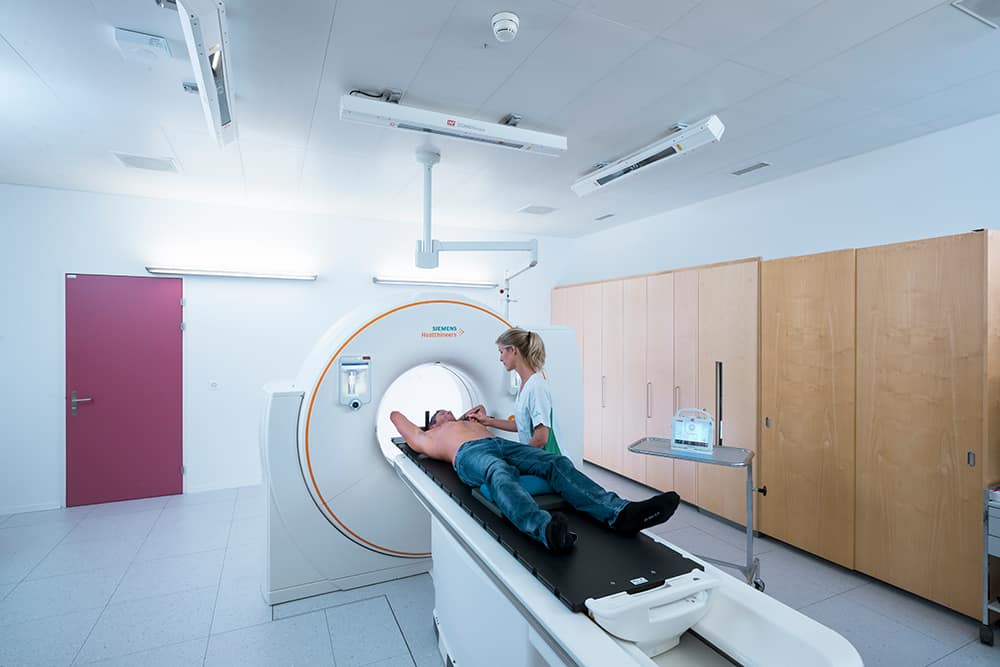
ASTRO convenes in-person conference for the cancer care community

The American Society for Radiation Oncology (ASTRO) will once again welcome delegates to its annual meeting, which is due to take place in Chicago, IL, on 24–27 October 2021. Thousands of oncologists, clinicians, researchers and healthcare professionals are expected to come together to share knowledge and experience, and to reconnect with colleagues and friends at an in-person event.

“The ASTRO Annual Meeting will be the first major medical conference held in Chicago since the start of the COVID-19 pandemic,” said ASTRO president Laura A Dawson. “We are working closely with the city of Chicago and local planners to ensure that safety protocols are in place to foster a healthy, safe and engaging learning experience for attendees.”

Those unable to attend in person can still access all the presentations through ASTRO Digital XP, a virtual meeting platform that includes live interactive sessions, recorded presentations and Q&A from the live meeting, plus additional original programming that will feature a keynote presentation as well as extra scientific sessions. All the content on Digital XP will be available to view until 30 November.

The theme for the meeting will be “Embracing change, advancing person-centred care”, with the Presidential Symposium focusing on how to exploit rapid advancements in the field to provide the best patient care in the most efficient ways. Around this theme, some 1500 scientific presentations highlighting new results from clinical trials and other research studies will be presented, alongside educational panels, keynote addresses and other special sessions.

More than 160 exhibitors will also make their way to Chicago’s McCormick Place to showcase their latest technologies for cancer care. Attendees will be able to network with industry partners, view product demonstrations, and ask questions about new products and trends on the horizon. Some of the latest innovations are highlighted below.

Motion phantom delivers end-to-end quality assurance

The QUASAR Respiratory Motion Phantom (pRESP) from Modus QA is a programmable breathing and tumour 3D motion simulator that enables end-to-end quality assurance (QA) on motion-guided radiation therapy systems such as CT, LINAC and PET.

The phantom makes it easy to adjust the motion frequency and amplitude in real time using a local manual control at the motor, while more complex patient-specific waveforms can be created, imported and played back with the advanced programmable motion software.
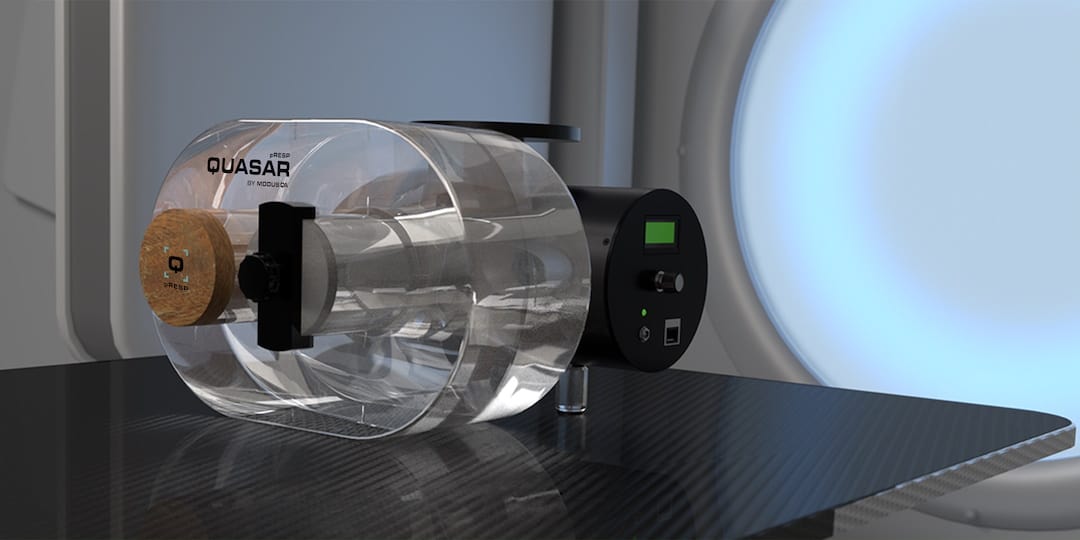
QUASAR Respiratory Motion Phantom

Versatile and interchangeable inserts are available for imaging, planning, targeting, dosimetry and delivery QA. The pRESP also features a vertical chest-wall surrogate that is compatible with various third-party tracking systems for motion-guided radiotherapy.

With more than 1100 units in use worldwide, Modus says that the QUASAR pRESP is a proven motion QA solution that has solidified its reputation as a trusted, efficient and cost-effective tool for respiratory motion management.

SRS phantom enables fast and accurate measurement of multiple lesions

The NavPhan phantom has been optimized for testing and commissioning systems for stereotactic radiosurgery (SRS) and the novel technique of single-isocentre multi-target (SIMT) SRS, which enables multiple lesions to be treated more rapidly. The phantom enables accurate end-to-end testing, QA for image-guided radiotherapy with six degrees-of-freedom, and patient-specific measurements in a single device. NavPhan is the first product to be launched by NavAxis, a medical device start-up specializing in radiation oncology QA.
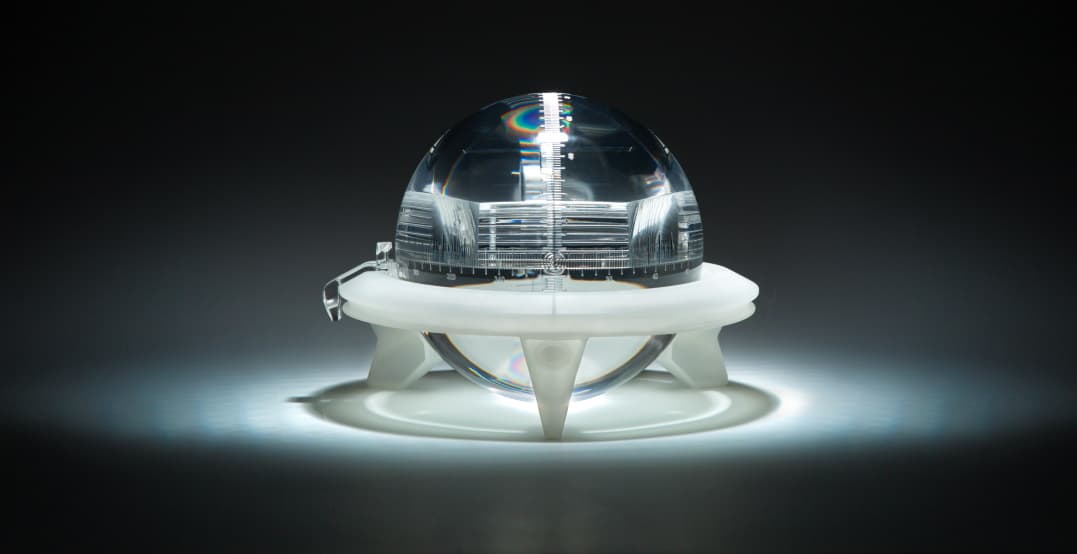
The NavPhan phantom

NavPhan’s patented design allows the user to measure any distribution of targets directly using full composite delivery. The workflow allows accurate measurement of the dose for the smallest of targets, whether they are on- or off-axis. Since three targets are guaranteed to be measured per delivery, the system is three times more efficient during measurement than other planar devices.

The NavPhan can achieve a set-up accuracy of less than 0.2 mm and below 0.1° both in terms of dose plane extraction and during the measurement. Exactly aligning the measurement plane with the one extracted from the dose distribution eliminates a common source of error in small-field QA that can often require the measurements to be taken again.

Phantom offers end-to-end verification for stereotactic treatments

Stereotactic radiosurgery requires a high degree of accuracy in both target localization and dose delivery. Small errors can result in significant undertreatment of regions within the tumour volume, or overdose of nearby healthy tissues.

The Stereotactic End-to-End Verification Phantom (STEEV) from CIRS offers a way to check all the necessary steps of a treatment planning system – from diagnostic imaging with CT, MR and PET, to verification of the treatment plan. STEEV’s anthropomorphic exterior allows multiple positioning and fixation devices to be used, while internal details such as cortical and trabecular bone, brain, spinal cord, teeth, sinuses and trachea provide the most realistic clinical simulation for different anatomies.

The STEEV phantom

Geometric and organic target inserts offer comprehensive testing for different imaging modalities as well as machine QA and treatment planning. These include a variety of interchangeable tissue equivalent inserts that are suitable for small-field dosimetry, enabling dose measurements at both isocentre and off-isocentre positions.

Sun Nuclear highlights integrated and independent QA solutions

With the ever-increasing demands on the resources available for radiation therapy, both independence and integration are needed for effective quality management. During ASTRO’s Annual Meeting, Sun Nuclear will feature its leading quality management solutions in exhibitor booth #1029, with daily demonstrations and in-booth talks from clinical users.

Talks on automated workflows will discuss the use of SunCHECK – a single scalable platform for standardizing, integrating and automating both machine and patient QA. These include:

  • Comparison of Vendor-Dependent versus Commercially-Available, Independent Linac Quality Assurance (QA) featuring SunCHECK Machine  Presenter: Cassandra Stambaugh, Tufts Medical Center, Boston, US  
  • Automating and Standardizing QA Workflows with SunCHECK Platform  Presenter: Mark Geurts, Aspirus Health, Wausau, US
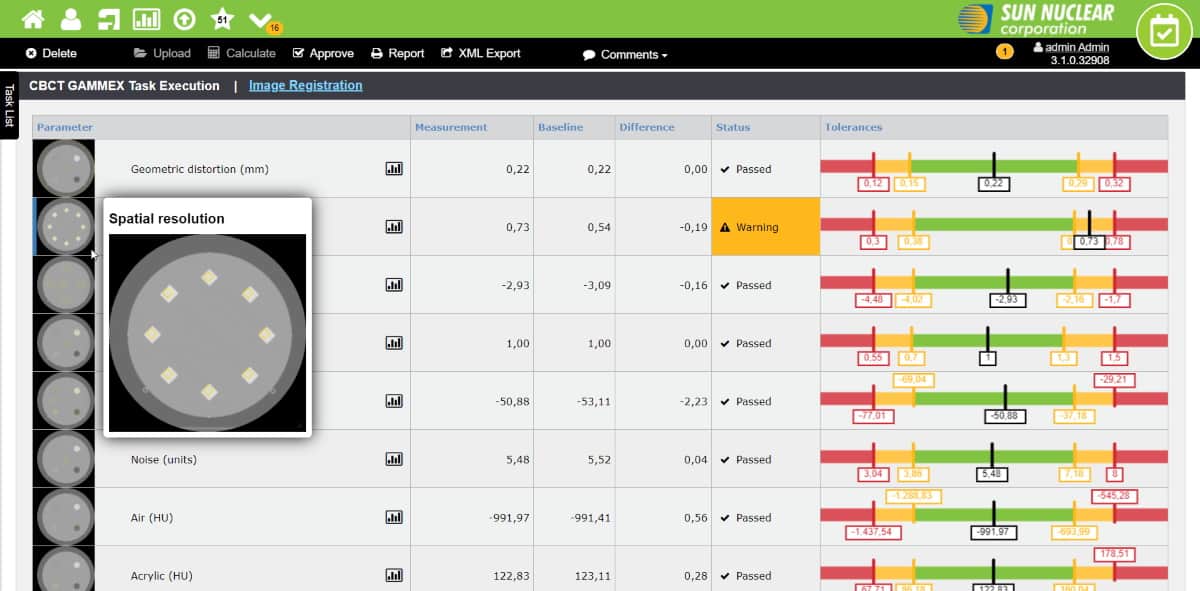
SunCHECK platform

Another presentation will offer an insight into building a strong end-to-end stereotactic programme using SRS MapCHECK, Sun Nuclear’s film-less array for patient QA.

  • Single Isocenter Multi-met SRS: Planning, Delivery and QA  Presenter: Justin Roper, Winship Cancer Institute of Emory University, Atlanta, US

SRS MapCHECK now includes CyberKnife machine QA, making it the only device that offers both machine QA and patient QA on a CyberKnife.

To learn about these solutions and more, visit sunnuclear.com.

Digital QA solution by IBA Dosimetry delivers speed and film-class resolution for stereotactic treatments

IBA Dosimetry will be showcasing its fully digital solution for high-resolution QA for both stereotactic radiosurgery (SRS) and stereotactic body radiation therapy (SBRT). The myQA SRS system features a digital detector array for faster QA, and also achieves a film-class resolution of 0.4 mm. With an active detector area measuring 12×14 cm2, the solution offers more than 100,000 measurement pixels to avoid the need for interpolation.

“The digital detector QA workflow with myQA SRS is 106 times faster and easier compared to using film,” comments Yun Yang of Rhode Island Hospital, who has tested the solution in a clinical setting. “The film-equivalent resolution for our QA measurements is the basis for better and more meaningful SRS patient plan verification with a high sensitivity and specificity to detect the real dose errors.” Yang presented his results in a poster during the AAPM 2021 Annual Meeting, as well as in a webinar that is available on the IBA Dosimetry website.
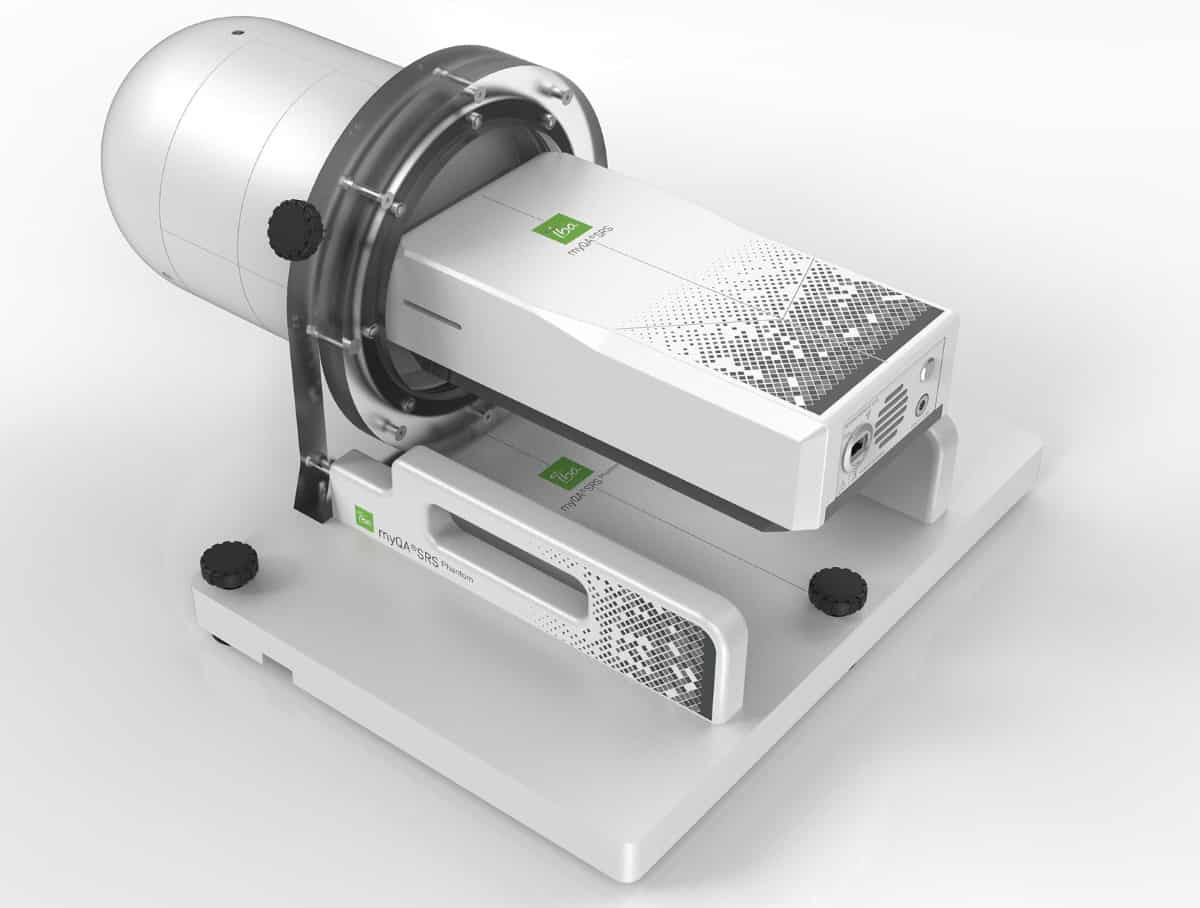
The myQA SRS solution

IBA Dosimetry will also be introducing myQA iON, a software environment that combines all patient QA tasks and workflow steps in a single interface. The software allows irradiation log files and dose measurements to be used alongside Monte Carlo prediction techniques, allowing the dose profile to be recalculated with fewer measurements and greater accuracy.

Magic smartphone trees: technology for a circular economy

“How incredible would it be if a smartphone could be grown like an apple on a tree?” So ask physicist Chris Forman and science communicator Claire Asher in their new book Brave Green World: How Science Can Save Our Planet. As fantastical as it might sound, they are not just idly imagining such a scenario.

The question of how to build a circular economy inspired by nature’s systems is the focus of the book, and the possibility of a “biosmartphone” forms a case study. Sections at the end of each chapter speculate on how key features, from the touchscreen to the electronics, might be recreated in more sustainable ways that would lend themselves to manufacturing and recycling in a closed-loop system.

The authors draw on the full spectrum of fields within science and engineering to explore how current and future technologies could transform all aspects of production. One chapter looks at the potential of 3D and 4D printing to mimic how proteins are assembled in cells, and what we could learn from non-equilibrium physics to create organized systems of recycling at the smallest scale. Elsewhere, the book examines the precision control involved in synthetic biology and the possible role of artificial intelligence in designing products and processes to fit a circular system.

While at times the suggestions feel too futuristic, the book is illustrated throughout with existing examples of technologies discussed. The (immense) difficulty is in piecing them together to create an overarching structure, which the book concedes has “colossal technical challenges”. Nevertheless, it is an exciting and original contribution to the discussion around sustainability, and it certainly refreshes my appreciation for nature, which has evolved the incredibly complex, ordered and efficient systems that we wish to emulate.

  • 2021 MIT Press $29.95pb 256pp

Cosmic rays reveal Vikings lived in North America in 1021, meteorite narrowly misses sleeping person

In the 1960s the Norwegian archaeologist Anne Stine Ingstad along with her explorer husband Helge Ingstad discovered the remains of a Viking settlement at L’Anse aux Meadows, which is on the northern tip of Newfoundland in Canada. The Vikings appeared to have been there about 1000 years ago, shattering the idea that Christopher Columbus and crew were the first Europeans to arrive in North America in 1492.

Now, Margot Kuitems, Michael Dee and colleagues at the University of Groningen in the Netherlands, along with researchers in Canada, have used radioactive isotope techniques to put an extremely precise date on the Viking settlement. According to a paper published in Nature this week, Vikings were living in Newfoundland in 1021 – exactly 1000 years ago.

The team could give such a precise date because of a fortuitous cosmic ray shower that is known to have occurred in 993. This event boosted the amount of radioactive carbon-14 in the environment – and some of that carbon was taken up by trees worldwide. This provides archaeologists with a distinct marker in the rings of ancient trees, signifying that the tree was growing in 993. By counting how many subsequent rings are present in a sample of wood, they can work out how many years passed from 993 to when the tree was cut down.

Wooden objects found at L’Anse aux Meadows had distinctive rings from 993, plus about 28 more – suggesting that they were made from wood that was cut in 1021. Writing in Nature, the team says, “Our new date lays down a marker for European cognisance of the Americas”. They add, “It also provides a definitive tie point for future research into the initial consequences of transatlantic activity, such as the transference of knowledge, and the potential exchange of genetic information, biota and pathologies”.

Rude awakening

Moving from the east coast of Canada to Golden, British Columbia in the west, where Ruth Hamilton had a shockingly close encounter with something from outer space. She awoke on 3 October to find a meteorite on the bed next to her. Hamilton told CBC News that she was woken by the sound of her dog barking, which was followed by an explosion of sound and debris as the space rock came through the ceiling and landed near her pillow – where her head had been seconds earlier.

Local construction workers reported seeing a bright flash in the sky at around the same time, leading physicist Peter Brown at Western University to conclude that the rock is probably a meteorite. Brown is now eagerly awaiting delivery of the object for further study.


Early stages of the COVID-19 pandemic penalized women in academia

Female academics submitted fewer papers than their male counterparts during the first wave of the COVID-19 pandemic. That is the main conclusion of a study by researchers in Europe, which found that while overall submissions increased by around a third in those early months of the pandemic, the productivity of female scientists was lower than expected. The authors warn that this could deepen gender inequalities in academia.

When the COVID-19 pandemic hit in early 2020, many researchers were forced to work at home, leading to a big increase in submissions of journal papers. However, home-working also created clashes between work and parental and other family responsibilities.

Men with many publications during the pandemic will have more citations and funding and with it increased reputation and prestige in the future

Flaminio Squazzoni

To see if lockdown disproportionately impacted female researchers, sociologist Flaminio Squazzoni of the University of Milan, Italy, and colleagues analysed article submissions to Elsevier’s 2329 journals from February to May in 2018, 2019 and 2020. The study covered more than five million authors, examining the number of academic papers each individual scientist submitted to journals during those time periods.

The researchers discovered that overall submissions to Elsevier journals between February and May 2020 were 30% higher than in the same period in 2019. However, women were found to have submitted fewer manuscripts than men across all academic fields. While women submitted more papers in early 2020 compared with previous years, the increase was much greater for male academics.

When the data were examined in more detail, this gender gap was found to be more pronounced for female academics early in their careers.

Squazzoni told Physics World that the most likely explanation for these differences is that women are more prone to be “on the front line of home schooling and parental care during the pandemic”. This is especially so for early-career scientists who are more likely to have children at home.

Uneven playing field

To see if the productivity differences were linked to lockdowns, the researchers compared researchers living under similar COVID restrictions. “We used Google mobility data to try to compare men and women submitting manuscripts in the same fields, living in the same countries, so exposed to the same lockdown measures,” says Squazzoni. The results indicate that as academics spent more time at home due to coronavirus restrictions there was a fall in manuscript submissions for women.

According to the authors, the results suggest that the early stages of the pandemic created cumulative advantages for men. Squazzoni says that not acknowledging and addressing this disparity will create inequalities that will persist and harm the progress of female academics.

“Men with many publications during the pandemic will have more citations and funding and with it increased reputation and prestige in the future,” Squazzoni says. “This is only because during the pandemic they were more likely to be able to work.”

Could the future of vaccines be syringe-free?

In the global fight against COVID-19, around 6.8 billion vaccine doses have been administered across the world, a figure that is likely to rise as more doses become available and with many countries now recommending booster jabs. As often in times of health crises, new medical technologies have emerged, driven by the sense of urgency and extra funding, that address difficulties of existing methods and could change healthcare paradigms for years to come.

During the COVID-19 crisis, we have witnessed the rise to prominence of messenger-RNA vaccines, which trigger immune reaction by directly teaching cells to produce subunit antigens, rather than by introducing weakened forms of the virus. This design makes them easier to design and manufacture than traditional vaccines.

But the pandemic also highlighted logistic and delivery hurdles. Indeed, many supply chain and delivery challenges have hindered mass vaccination against COVID-19, particularly in resource-limited countries: vaccines need to be stored in freezers, both during shipping and at delivery sites, and injected by trained healthcare professionals. This usually requires a visit to a clinic or a hospital, while those who fear needles may be offput by the traditional syringe-based vaccine delivery.

To address these challenges, two independent teams from the US and China set out to create patches composed of multiple microneedles, each smaller than a millimetre high, that can deliver vaccines into the skin. This technique can result in more antigen-presenting cells (the vaccine’s targets) than achieved via muscular injection. The teams report their findings in two separate articles, where they also highlight the technology’s potential for boosting immunity while reducing the volume of compound administered.

Customizing patches

In a study described in PNAS, researchers from the University of North Carolina and Stanford University in the US, led by Shaomin Tian and Joseph DeSimone, took advantage of continuous liquid interface production (CLIP) 3D printing to create vaccine patches with microneedles of different sizes and shapes. CLIP functions by triggering a photochemical reaction at the interface of a liquid resin, curing the resin into a solid state. It relies on a tuneable light sequence that meticulously manages the light–resin interaction.

Until now, 3D-printed patches could not offer such a high level of customization, resulting in bed-of-nails-like patches created through moulds. Repeated use of the moulds over time decreased the sharpness of the microneedles created, which eventually limited the vaccine efficiency.

“Our approach allows us to directly 3D print the microneedles, which gives us lots of design latitude for making the best microneedles from a performance and cost point-of-view,” Tian says.

The needle design chosen by the team is shaped like a fir tree, which increases its surface area and cargo loading (36% greater loading than a conventional pyramidal design). When compared with traditional subcutaneous injection, patches containing a common model antigen (ovalbumin) and the immunostimulator CpG induced an immune response 20 times higher after prime immunization, and 50 times higher after booster injection in mice.

The studies also highlighted the potential dose sparing ability of the patch, as the immune response elicited was the same with 10 times less ovalbumin (but the same level of CpG), or with five times less CpG (but the same level of ovalbumin).

The team of immunologists and chemical/biomedical engineers are continuing to innovate by formulating RNA vaccines, such as the Pfizer and Moderna COVID-19 vaccines, into microneedle patches for future testing.

No need for cold storage

In China, a team led by Guangjun Nie and Hai Wang from the National Center for Nanoscience and Technology and Hui Li from Dongfang Hospital in Beijing focused less on the needle design but specifically tackled the SARS-CoV-2 virus, in a study published in ACS Nano.

Hai Wang and his research group

The researchers designed a patch composed of 100 biodegradable microneedles, each less than one tenth the diameter of a bee’s stinger, mounted on top of a polyvinyl acetate backing layer and a layer of PNIPAM-B, a thermally responsive polymer. To release the needles’ cargo, it is important to separate the backing layer and leave the needles inside the epidermis.

The PNIPAM-B layer enables this release through an interesting property: it is hydrophobic at room temperature but becomes hydrophilic when its temperature falls below 14–16 °C. Using this property, the backing layer of the patch can be easily separated from skin by lowering the skin temperature through washing it for three minutes, leaving the microneedles in the skin.

The team tested the patch on mice, using a vaccine based on DNA sequences (which is more stable than an mRNA vaccine) encoding either the SARS-CoV-2 spike protein or nucleocapsid protein to the surface of non-toxic nanoparticles. The researchers observed a strong and potent adaptive immunity, both with freshly prepared patches and patches stored for two weeks at room temperature.

Interestingly, no decrease in immune response was noted between these two types of patches, showing promise for bypassing the need for cold storage in future vaccines. Additional experiments demonstrated that the DNA vaccines could even be stored at room temperature for at least one month.

If the COVID-19 pandemic showed how the next generation of vaccines may function, these studies give a glimpse of how they could be delivered. The future of vaccine could be syringe-free, which could facilitate its storage, transportation and administration while inducing higher immune response with lower doses.

Celebrating Open Access Week 2021, new environmental open-access journals

Next week marks International Open Access Week 2021, which has as its theme “It matters how we open knowledge: building structural equity”. Now in its 13th year, the global event aims to promote the benefits of open-access publishing.

Open-access publishing – which removes the requirement for journal subscriptions as research papers are instead made immediately and freely available for anyone to read and reuse in their own work – has been going from strength to strength in recent years.

To mark Open Access Week, which runs from 25-31 October 2021, IOP Publishing (IOPP) is planning to publish a series of video and interviews about open access, which you can find here.

Environmental concerns

IOPP, which publishes Physics World, has also recently announced three new open-access journals to boost the publisher’s open-access portfolio. Environmental Research: Health and Environmental Research: Climate  are now accepting papers while Environmental Research: Ecology will open for submissions later this year. They will join three other journals belonging to the Environmental Research series, which address major areas of environmental science.

To support researchers, IOPP will waive all open-access article publication charges (APCs) for papers that are submitted to the three new launches before 2024. After the initial waiver period, authors from low- and middle-income countries who publish in IOPP’s new journals will not have to pay any APCs.

Authors of papers published in the new journals will also be encouraged to share data and code where appropriate and have the option to submit their paper for double anonymous and transparent peer review.

The new environment-focused journals couldn’t come at a better time given that the 2021 United Nations climate Change Conference will begin in Glasgow, UK, on 31 October. Immediately after that meeting of world leaders, IOP Publishing will be hosting Environmental Research 2021 – an online conference that will take place from 15 to 19 November 2021. The free-to-attend virtual event will be one of the first major international scientific meetings to take place after COP26.

Don’t miss either the Physics World Weekly podcasts on 28 October and 4 November, both of which will examine some of the issues at stake at COP26.

Metal-organic frameworks stabilize perovskite LEDs

Perovskite nanocrystals are promising materials for light-emitting diodes (LEDs), but they tend to clump together – an instability that destroys their light-absorbing and light-emitting properties. Researchers in the US have now succeeded in stabilizing these materials in porous structures known as metal-organic frameworks (MOFs). The resulting films, which can be fabricated at room temperature, could have applications in consumer electronics and medical imaging as well as photovoltaic devices.

Perovskites are low-cost, easily-processed crystalline materials made from earth-abundant elements. They have an ABXstructure, where A is caesium, methylammonium (MA) or formamidinium (FA); B is lead or tin; and X is a halide (chlorine, bromine or iodine). They absorb light over a broad range of solar spectrum wavelengths thanks to their tuneable bandgaps, and the colours they emit can also be continuously tuned throughout the visible spectral range. All these properties make them better than classic LED materials, but – as is so often the case in materials research – there is a snag: because the nanocrystals tend to clump together, the material degrades back to a bulk phase, which is useless for LEDs.

Avoiding clumps

A team led by Wanyi Nie from the Center for Integrated Nanotechnologies at Los Alamos National Laboratory has now found a way to avoid this clumping by building the crystals inside MOFs. These porous, cage-like structures effectively separate the crystals from each other, thereby preventing them from merging.

The researchers took their inspiration from pioneering work on perovskite-MOF (PeMOF) powder synthesis. Researchers have known for a while that the lead metal cores in a lead-MOF can react with the organic halide salt in the perovskite, resulting in non-interacting perovskites crystals assembled around the metal nodes. Instead of working with powders, however, Nie and colleagues focused on making highly uniform thin films suitable for device fabrication.

“We began by making a lead-MOF thin film, whose thickness we could control, and then introduced an organic halide solution, in this case methylammonium bromide, into the MOF,” explains team member Hsinhan Tsai. “We then converted the top layer of the film into a perovskite-MOF structure.”

Bright red, blue and green light

This concept of combining perovskite nanocrystals in an MOF had been demonstrated before in powder form, but this is the first time anyone has successfully integrated it as the light emitting layer in an LED, Tsai adds. The method is based on a solution-coating approach that is far less expensive than the conventional vacuum processing techniques routinely employed to create inorganic LEDs today.

The MOF-stabilized LEDs can be fabricated to create bright red, blue and green light, as well as varying shades in between. Nie notes that the devices also display an improved colour purity and a higher photoluminescence (PL) quantum yield, which is a measure of a material’s ability to produce light.

The researchers tested their materials by exposing them to ultraviolet radiation, heat and an electrical field. None of these factors caused the materials to degrade, and the tests showed that they did not lose their light-absorbing and light-emitting efficiencies either. Using optical and X-ray spectroscopy at the Advanced Photon Source (a Department of Energy facility at Argonne National Laboratory), the team also discovered that the bright light emission comes from carriers (electrons and holes) recombining in localized regions of the structure. The PL intensity changes very little with temperature, explains Tsai, because the system is free of traps. These are defects that can trap electrons and holes, preventing them from recombining and thus making it so they can’t emit light.

As for applications, Tsai tells Physics World that as well as LEDs, the new PeMOF structures might come in useful as radiation scintillators for medical X-ray imaging. “We also expect them to be used in photovoltaics applications, by tuning the perovskite composition so that it absorbs solar spectrum wavelength radiation,” he says.

The researchers, who report their work in Nature Photonics, say they now plan to tune the colour emitted by the structures into the blue region of the spectrum. “Blue LED technologies are the basic element for white light emission and there aren’t many materials that can emit this wavelength efficiently,” Tsai says.

Biological systems inspire new method for extracting lithium

A new way to extract lithium from contaminated water could make this technologically important metal much easier to produce. The technique, which involves passing aqueous brines through lithium-selective polymeric membranes, works in a way that mimics the potassium channels that regulate the balance of ions in biological systems.

Lithium has several applications in low-carbon energy and is widely employed in electrochemical technologies. Lithium-ion batteries, for example, dominate today’s market for rechargeable power storage thanks to the element’s low mass, large reduction potential and high energy density.

As electric vehicles become more popular, industrial demand for lithium is set to increase still further. This creates challenges, because although lithium is an earth-abundant metal, extracting it from natural sources is not easy. Currently, it is sourced from deposits of a mineral called pegmatite and salt brines via solar evaporation – a costly and inefficient process that can take over a year.

Crown ethers

Researchers have previously explored ways of using polymer membranes to extract lithium from aqueous solutions. Conventional polymer membranes typically separate solutes based on differences in either the size or the charge of ions, but this is not specific enough to target lithium alone. Most such membranes allow sodium ions to permeate at a greater rate than lithium ones.

A team led by Benny Freeman of the University of Texas at Austin has now succeeded in reversing this behaviour by developing a novel polymer membrane containing crown ethers – chemically functionalized ligands that can bind certain ions. These ligands hinder the permeation of sodium but “ignore” lithium, meaning it passes through the membrane at a greater rate than sodium. Indeed, the team’s lithium transport measurements revealed that the material boasts an unprecedented reverse permeability selectivity, preferring lithium over sodium by a factor of roughly 2.3 – the highest selectivity ever documented for a dense, water-swollen polymer.

“Lithium is currently extracted from brines through the use of evaporation ponds, which is a slow and laborious process,” explains Freeman. “Using membranes such as ours that can extract lithium is advantageous because they are energy efficient, scalable and can have a much higher throughput than evaporation ponds.”

Solute specific selectivity

By tuning a polymer’s interactions, it is possible to make the material’s selectivity specific to the desired solute, he tells Physics World. “Such selectivity is observed in biological systems, such as potassium channels, which motivated the design of our material system.”

As well as lithium extraction, the researchers say the new membranes might also be useful for removing toxic solutes from water. Further ahead, the team plan to study the factors that affect the “host-guest” interaction between solutes and the polymer membranes at the molecular scale. “These studies will include looking into the polymer structure as well as identifying new ligands for making the membrane more selective to lithium,” Freeman says.

The research is detailed in PNAS.

Donna Strickland on her life-changing Nobel prize, previewing #BlackInPhysics week, nuclear fusion in stars

In this episode of the Physics World Weekly podcast, the Canadian Nobel laureate and laser physicist Donna Strickland talks about how winning the prize in 2018 was a life-changing event.

Sunday 24 October is the start of #BlackInPhysics week and Physics World is celebrating by publishing a series of essays from outstanding Black physicists on the theme of “burnout and how to avoid it”. The atomic, molecular and optical physicist Garrett Williams of the University of Illinois Urbana-Champaign joins us to talk about his experiences of burnout and what strategies he uses to mitigate its effects.

Also on the podcast is astrophysicist Zach Meisel of Ohio University, who shares his knowledge of the nuclear processes that power the Sun and other stars. He also previews future studies of stellar burning that will use the next generation of nuclear and astrophysical experiments.

Patient alignment with lasers from LAP: why lasers are essential for the workflow in your radiation therapy

Want to learn more on this subject?

There have been enormous improvements in radiation therapy over the last 20 years. MR-only workflows and the invention of MR-guided Linacs brought new perspectives.

This webinar, presented by Raphael Schmidt, addresses questions such as:

  • Are lasers important for the alignment of patients in RT?
  • What kind of different laser workflows are currently practised in RT?

We will also be giving you an overview of laser solutions from LAP for new and conventional treatment techniques.

Want to learn more on this subject?

Raphael Schmidt is responsible for the product management of laser systems for CT and MRI from LAP. During his studies at KIT (Karlsruhe Institute of Technology) he gained broad experience in different workflows in radiation therapy while analysing them. The topic of his final thesis dealt with the improvement of workflows in RT through to new information and assistance systems. Raphael holds a degree in industrial engineering and management.

Copyright © 2026 by IOP Publishing Ltd and individual contributors