Turbomolecular pumps: diverse customers drive advanced performance

Mechanical turbomolecular pumps are nothing if not versatile. They’re a workhorse technology for analytical instrumentation OEMs – providing a core building block in mass spectrometry, electron microscopy, thin-film deposition systems and plenty more besides. They also enable diverse applications in frontline research – whether that’s in a “big science” particle physics facility or a university materials laboratory focused on nanoscale surface science and engineering. Either way, vacuum specialist Edwards reckons its nEXT family of mechanical turbomolecular pumps can only benefit from the vendor’s twin focus on these distinct – and very different – customer bases.

Over the past three decades, Edwards has shipped more than 320,000 turbomolecular pumps and pumping stations into a wide range of applications and markets – with significant sales growth over the past 10 years in particular. “We’re not only at the forefront of primary vacuum-pump technology, but we are also a technology and innovation leader in turbomolecular pumping,” claims Daniel Reinhard, manager, divisional product management, at Edwards.

“We have always addressed a good balance between the OEM instrumentation and scientific end-user markets,” he adds. “Because our pumps are used extensively by the analytical instrument OEMs, we get plenty of transferable advantages for the scientific end-user – including economies of scale, compact footprint, robustness and reliability.”

Daniel Reinhard

Those scientific customers are very much front-and-centre for Reinhard, who highlights field serviceability of the nEXT pumps as a significant win in terms of research productivity. Specifically, the nEXT design is such that the customer can change the lower bearing in the pump themselves using a simple toolkit (plus instructions on a YouTube video). “It’s a straightforward process and takes around 10 minutes to change the oil reservoir and bearing,” claims Reinhard. “This ‘design for serviceability’ translates into a lower cost of ownership – because there’s no need to send the pump back to a service hub when the bearing needs replacing – and also minimizes experimental downtime for our research customers.”

Another notable innovation within the nEXT range is the integration of an infrared sensor into the pump to measure the temperature of the rotor directly, whereas previously this measurement was based on a best estimate. “How far you can push your pump comes down to that rotor and how hot it’s getting,” explains Reinhard. “In the past, pump operation had to be fairly conservative, reducing pump speed to avoid overheating and potential damage to the rotor. Now, because we no longer have to estimate shaft temperature, users can push the pump harder – which means a bigger performance envelope, while providing peace of mind when it comes to robustness and reliability.”

Listening to the customer

As for the bigger picture, product development of Edwards’ turbomolecular pumps and pumping stations is shared between the company’s Global Technology Centre (GTC) in Burgess Hill, UK, and three specialist product companies located in Lutin, Czech Republic; Cologne, Germany; and Yachiyo, Japan. Within a diversified and global R&D effort, the GTC employs a team of scientists and engineers dedicated to core technology development and validation across all of Edwards’ product lines, including nEXT pumps. Effectively the GTC is the engine-room of new product innovation at Edwards, with the focus squarely on next-generation enabling technologies and product platforms.

While part of the GTC’s remit is to address requirements coming in from the end-users, the centre spends at least half of its time working on longer-range blue-sky R&D. “Some of this will be driven by direct market needs and really listening to customer requirements,” says Reinhard, “while some of it will be driven by the GTC team thinking there’s a new technology opportunity.”

The Edwards product companies, meanwhile, concentrate on development and evolution of existing product lines. A typical example of their role is the recent addition of an onboard micro USB port to the nEXT pumps, allowing users to configure, control and monitor the pumps remotely from a personal computer.

“We have really strong links from the sales teams into the core business,” says Reinhard. “That market intelligence helps us to understand what the customers want and what they don’t want, allowing market sector managers and product managers to define the priorities for continuous improvement of our nEXT pumps for the product companies. Next year, for example, we will be launching more nEXT variants to extend the pumping speed ranges covered by this platform.”

Another significant player in the Edwards innovation ecosystem is its product company in Eastbourne, UK, which specializes in the design, development and manufacture of electronics for use across the Edwards product range. All the electronics in the nEXT pumps, for example, are designed and manufactured in-house at Eastbourne – including the TIC and TAG controllers that support the pumps, as well as the controller in the T-Station pump carts. Engineering staff from Eastbourne are also part of the development and introduction teams for the nEXT pumps, “ensuring an incredibly close bond between pump and electronics that’s only possible with a full in-house electronics design and manufacturing capability”, says Reinhard.
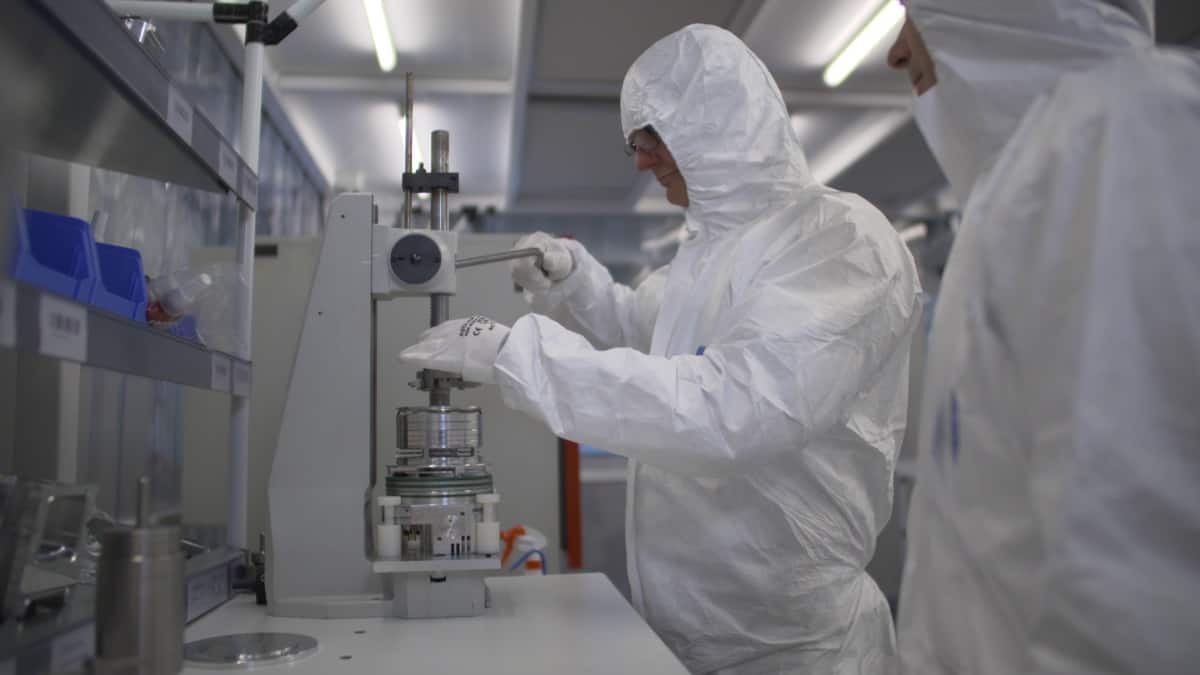
Product development at Edwards' Global Technology Centre

“This means that nEXT pumps are optimized for this pairing, and we have full control and flexibility on our electronics,” he adds. “We can do variants for our analytical instrument customers very easily, something that is much harder if you purchase your electronics from a third party. Because we specialize in the electronics, we also can bring reliability and functionality benefits to our customers much faster and more easily than if the electronics were outsourced.”

Vacuum made easy

For many research scientists, of course, vacuum technology will always remain a means to an end – an essential enabler that works best when it does its job unnoticed and uninterrupted. A case in point is Felix Hofmann, whose group at the University of Oxford, UK, uses a range of experimental and analytical techniques to study the role that atomic-scale defects play in the mechanical, physical and failure properties of structural alloys.

“It’s usual to think of defects as something detrimental, something bad,” says Hofmann. “We’re interested in what sorts of defects are created under different conditions – whether mechanical deformation, chemical changes or irradiation – and also how we can control and tune those defects to deliver improved material functionality.”

For his part, Hofmann is typical of many scientific end-users of vacuum products. “What I want to do is think about vacuum as little as possible,” he explains. “Essentially I want a system that pulls the vacuum and is 100% reliable, 100% of the time – it’s that simple. We’ve got two of Edwards’ turbomolecular pumping stations in our lab for that reason.”

So what role does vacuum play in Hofmann’s science? One particular area of interest is thermal transport in very thin surface layers – and specifically the use of ion implantation to mimic the kinds of degradation that materials will undergo in future fusion reactors. The damaged layer thickness that this technique creates is only a few microns thick, which means that special laser techniques are needed to measure the material properties – in particular, thermal conductivity – within the very thin surface layer.

What’s more, those laser measurements need to be carried out in vacuum to avoid spurious signals from air next to the sample surface. “We’ve built a bespoke vacuum chamber that also gives us flexibility when it comes to inserting different types of sample environments,” says Hofmann. “For example, we’re currently in the process of building a heating stage; there will also be a deformation rig with the ability to do some electrical loading.”

Hardware aside, Hofmann says a key benefit of the relationship with Edwards is the active dialogue after the point of sale. “What’s been really important is having, in some sense, real flexibility in terms of the vacuum chamber configuration,” he explains. “It turns out the original vacuum system design we came up with was not optimal. But working together with Gavin [our sales engineer at Edwards] helped us to realize that we can separate the turbomolecular pump from the pumping station and attach it directly to the chamber, while still getting the push-button functionality that the pumping station offers.”

  • Edwards will feature the nEXT range of mechanical turbomolecular pumps on booth W10 at the Vacuum Expo in Coventry, UK (9-10 October 2019).

Pump it up: products in brief

The Edwards’ family of mechanical turbomolecular pumps and pumping stations comprises the following core product lines:

  • nEXT turbomolecular pumps are hybrid bearing pumps with a compound drag stage and integrated controllers for pumping speeds from 47 to 400 l/s. All nEXT pumps feature a permanent magnetic upper bearing, which eliminates hydrocarbons at the top of the rotor, and an oil-lubricated lower bearing for reliable high-speed operation. The on-board controller interfaces directly with Edwards’ TIC and TAG controllers to facilitate system integration.
  • The T-Station 85 is a compact turbomolecular pumping station combines an nEXT85H turbomolecular pump with either a dry-diaphragm or oil-sealed backing pump and a simple controller. Pumping speeds range from 47 to 84 l/s. The T-Station 85 comes with an integrated turbo and active gauge controller to enable single-button start/stop of the system and control of one active gauge in general laboratory applications.
  • nEXT turbomolecular pumping stations are configurable with turbomolecular pump speeds ranging from 47 to 400 l/s and a choice of oil-sealed or dry backing pumps ranging from 1 to 20 m3/h. All nEXT pumping stations feature an integrated TIC turbo and instrument controller, offering full system control (including up to three active gauges) via an intuitive user interface. The pumping stations are supplied ready to run straight out of the box and include RS232 serial communications and Windows software for monitoring and control.

Indian Ocean warming could be stabilizing Atlantic circulation, say scientists

  • This story is part of Covering Climate Now, a global collaboration of more than 250 news outlets to strengthen coverage of the climate story. 

Warming in the tropical Indian Ocean could strengthen the Atlantic meridional overturning circulation (AMOC) system that transports warm water from the tropics into the North Atlantic, even though AMOC is expected to weaken or even halt as a result of climate change. That is the finding of a global climate simulation run by scientists in the US. They say that this is a previously unidentified link that needs to be investigated further and highlights the important role that the tropical Indian Ocean plays in global climate.

AMOC is a large system of ocean currents that transport warm water from the tropical Atlantic Ocean north towards the Arctic. The circulation is driven by differences in the water density, caused by differences in temperature and salinity. When the warm water reaches the North Atlantic it cools and its salinity increases. This now denser water then sinks and slowly moves southwards, back to the tropics, where it is warmed and the circulation continues.

The AMOC plays an important role in regulating the climate in the Europe, but recent research has suggested that it has been weakening since the mid-twentieth century. Models also indicate that this slowdown will continue as the climate warms, but there is uncertainty around the magnitude of the weakening.

Greater warming

The tropical Indian Ocean has also experienced changes linked to global warming since the mid-twentieth century, with its surface temperature increasing by more than 1 °C. This is around 50–60% greater than warming seen in other tropical basins. Due to the direct and indirect influence of the tropics on global climate, Shineng Hu, of the University of California-San Diego, and Alexey Fedorov, of Yale University, wondered if the warming of the Indian Ocean could impact global ocean circulation currents.

To test their prediction, the researchers ran a global climate model that simulated a uniform surface warming of 1 °C on the tropical Indian Ocean. This was found to strengthen the AMOC by around 30%. They also ran simulations of 2 °C of surface warming and 1 °C of surface cooling. These models suggest that the AMOC responses almost linearly to changes in Indian Ocean temperature, strengthening as it warms and weakening as it cools, they report in Nature Climate Change.

This does not mean, however, that the AMOC is getting stronger overall. Just that tropical Indian Ocean warming may have had a stabilizing effect, making the slowdown of the circulation system under climate change less pronounced, the researchers say.

Cascade of effects

Hu and Fedorov found that the mechanism behind the Indian Ocean’s impact on the AMOC involves a cascade of effects. As the tropical Indian Ocean warms, increased evaporation of its surface water leads to a rise in rainfall and an associated heat release. This influences local airflow and strengthens tropical atmospheric circulations.

As the surface ocean gets denser, the AMOC gets stronger

Shineng Hu

In the Atlantic Ocean these changes in atmospheric circulations strengthen cross-equatorial winds and lower the sea surface temperature, leading to atmospheric changes that reduce rainfall. This rainfall reduction increases surface water salinity (and hence density), and over time this more saline water is transported by the AMOC to the northern Atlantic. Once there, the denser water sinks faster than before, accelerating the deep-water convection currents. “As the surface ocean gets denser, the AMOC gets stronger,” Hu told Physics World.

Annalisa Cherchi, of the National Institute of Geophysics and Volcanology in Italy believes that the work is important because it highlights the significance of Indian Ocean warming. “It seems like it is more important in terms of climate change than was thought before,” she says. More modelling and observational work is need on the Indian Ocean, and we need to pay more attention to how it is simulated in models, she adds, “because it could be important for other processes outside the Indian Ocean”.

Hu says that it is hard to know if Indian Ocean warming will continue to stabilize the AMOC, explaining that it depends on the relative warming rates of Indian, Pacific and Atlantic Oceans. “Over the last few decades the Indian Ocean has been warming faster than the tropical Atlantic and Pacific,” he says. “That, we argue, is important for the AMOC, but if later on the Atlantic or Pacific Ocean can catch up with that warming rate then the Indian Ocean warming impact would be weaker.”

Cherchi says that while the results presented in the study seem robust, they are based on a single model, so need to be repeated with other models. Hu says that this is their next step, looking at “different climate models to see if this idea is robust across different models, and doing some diagnostic analysis to see how much tropical Indian Ocean warming has been contributing to the current AMOC changes over the past few decades”.

UK–EU power links vital

While politically the UK may soon be decoupled from the EU, it is busy building power grid links with mainland Europe. And some say it should build more, creating offshore wind hubs and network systems to help with green power balancing, exports and imports. For example, the planned 1.4 GW HVDC Viking inter-connector between Denmark and Lincolnshire will pass through or near some big offshore wind farms. And more are on the horizon.

National Grid has done comparative connection studies for the proposed 1.6 GW Eurolink to the Netherlands and 1.5 GW Nautilus link to Belgium (completion expected by around 2025 and 2027, respectively) with the proposed Sizewell C nuclear plant area in mind, but also local offshore wind projects. Some say the UK should be looking to build many tens of gigawatts of offshore wind in the mid-North Sea and also offshore connection hubs, like the artificial island proposed for Dogger Bank, almost 100 miles out from Hull.

Grid upgrade needed

Certainly, the resource is vast, and the study of European grid issues (PDF) produced by ENTSO-E, the European Network of Transmission System Operators for Electricity, sees the UK as one of the key hubs in the network. The ENTSO-E study of EU grid issues up to 2040 updates its 2016 “Ten Year Network Development Plan” (TYNPD). It says that there will be a need for increased transmission capacity in some places, both internally and to other countries, to make the system work in 2040. This is largely due to the increasing levels and use of renewables to supply all areas of the European grid; the report says that up to 75% of the total demand of renewable energy will be reached by 2040, so that “European countries will more than ever need to rely on each other through cross-border exchanges”.

Physical connector links with the EU energy system could mean having to comply with internal EU energy market rules

Dave Elliott

However, interestingly, it suggests that there will be different balances in net supply across the EU. From ENTSO-E’s studies, it looks like NW wind, offshore especially, dominates, with a lot of surplus power shifted east at times. Much of that will presumably be from the North Sea. But it will be variable, so there will be technical, regulatory and market challenges to ensure stability, with increased system flexibility. And a need for new grids.

ENTSO-E says that, overall, the benefits of the expanded network far outweigh the necessary efforts that will need to be mobilized for its realization: “A lack of new investments by 2040 would hinder the development of the integrated energy market and would lead to a lack of competitiveness.In turn, this would increase prices on electricity markets leading to higher bills for consumers. By 2040, the ‘No Grid’ extra bill (€43 billion a year in the average case) would be largely above the expected cost of the new grid (€150 bn in total in the TYNDP 2016 plus internal reinforcements, 25% discount rate)”. A lack of investments would also affect the stability of the overall grid and could, in some regions, “threaten the continued access to electricity which also has a cost for society”. And finally, in all the scenarios the organization looked at, “without grid extension, Europe will not meet its climate targets”.

UK benefits

The UK has to be part of this, if only for parochial reasons. It will have a lot of surplus renewable power to export at times, as the renewable capacity builds up to 40, 50 and 60 GW, more than enough much of the time to meet the country’s needs (summer night-time demand is around 20 GW, peak winter demand under 60 GW).  At times though, when UK renewable availability is low and demand high, it may need some top-ups via the grid interconnectors. That said, the exports are likely to dominate, so the UK would be a net earner of substantial income, assuming the surplus can be sold at reasonable prices. That would help offset the cost of building up renewables, and the links can also clearly help with balancing. As the climate policy think tank E3G said earlier this year, the UK government must continue to work closely with the EU to develop cross-border power grid interconnections after Brexit, if it is to ensure the lowest-cost decarbonization pathway. More linking of the UK to EU power grids could help boost its energy security and flexibility as renewables grow.

Last year, interconnectors provided 6% of UK power supply, via the four existing links, making the UK a net importer of power across these links. However, as I noted in my last post, its wind potential is very large, so that pattern should change as more renewables are installed in the UK. Indeed it already has, with the UK being a net exporter to France for much of this year. The government currently plans to have at least 9 GW more grid link capacity. However, the ability to trade profitably depends on many factors — not just the availability of capacity and grid links, but also demand patterns, prices, the regulatory framework and wider policy context. The E3G paper warned that leaving the EU will “severely reduce” the UK’s ability to influence EU energy policy in line with its interests, which may make reaping the full benefits of greater inter-links harder. It could render the UK a rule-taker from the EU in some respects, as physical connector links with the EU energy system could mean having to comply with internal EU energy market rules, such as those covering energy, environment, state aid and competition. Sounds like a familiar issue…

The UK has some of the key resources needed for the emerging Europe-wide grid system (including its vast offshore wind resource) and the power engineering and marine technology expertise (including for offshore wind and undersea links). It may not like the EU single power market any more, but it may nevertheless need to get into it. At least that is the logic of the energy system. Political logic may be different, although it is perhaps worrying that, reportedly, Ireland is looking to a new 500 mile under-sea HVDC power link to France, and the EU market, by-passing the UK, with some funding from the EU.  It may also be worrying that, post-Brexit,  the UK will presumably miss out on EU funding for grid development – like the €800 m available  under the Connecting Europe programme for interconnectors. That’s supporting some of the already-planned and agreed UK links, but the UK may not be eligible for more after Brexit. So it’s all a bit uncertain and a bit of a mess, whereas the need for links is getting ever clearer and UK green power capacity is building up — offering an export potential.

Magnetic threads slide through blood vessels to reach clots in the brain

A team of researchers from Massachusetts Institute of Technology has designed a new surgical tool that is manoeuvrable through some of the narrowest twisting networks of blood vessels to help treat stroke and aneurysm. Using hydrogels and magnetic materials, they have created a magnetically steerable guidewire that can slide easily through blood vessels to reach blood clots in the brain (Science Robotics 10.1126/scirobotics.aax7329).

It is vital to treat stroke as quickly as possible to prevent potentially lethal damage – outcomes are better for patients who are treated within the first hour after the stroke, known as the “Golden Hour”. One method used to reduce clots is an endovascular procedure in which a guidewire inserted in a leg or groin is manipulated through the body to the blood vessel in the brain where the blockage is located.

Endovascular surgery is technically difficult, and the procedure requires a specially trained surgeon. A traditional guidewire can also be tricky to manoeuvre through tight spots and can create friction and further damage vessels.

To address the difficulties of control and friction, the team combined their knowledge of hydrogels and magnetic materials to design the new guidewire to be externally steerable and less damaging to blood vessels.

Down to the wire

The wire core is made from nitinol, a nickel titanium alloy. It is bendy and springy – allowing for more flexibility within the complex maze of brain blood vessels. The researchers coated the core with a paste containing magnetic particles to make it steerable. This allows the wire to be operated remotely.

The team also coated the wire in a hydrogel, to make it pass through blood vessels more easily. Hydrogels are formed from biocompatible polymers that can hold a large amount of water and are particularly smooth. Coating the wire with the hydrogel reduced friction on the walls of the blood vessel, making it easy to manipulate, even in tight spots.

To test the wire, the researchers passed it through a life-sized silicone replica of blood vessels in the brain. They filled the replica with a blood-like fluid and, using a large magnet, successfully manipulated the wire through the complex model.

The guidewire can also be functionalized to deliver clot-reducing drugs or break up blockages using lasers. For the latter, the team was able to replace the nitinol core of their previous model with an optical fibre designed to transmit laser light. They could then remotely activate the laser once it reached the blockage.

Looking to the future

This system was operated by manually moving the magnets to better control its location whilst being able to see the wire. However, in the future, the team hopes to manipulate the magnets with a more precise control system whilst visualizing the wire with a fluoroscope to replicate surgical conditions.

“Existing platforms could apply magnetic field and perform the fluoroscopy procedure at the same time to the patient, and the doctor could be in the other room, or even in a different city, controlling the magnetic field with a joystick,” lead author Yoonho Kim says. “In the next step, our hope is to leverage existing technologies to test our robotic thread in vivo.”

How do we manage the retreat of communities hit by climate change?

Imagine you’re a passenger on an overloaded boat in a storm. You and every experienced person aboard know the ship is swamping. But the captain and crew are incompetent. Bent on the course they think will most profit themselves, they tell you the ship is great. Many passengers find this a relief, thrilled they don’t have to change how they act.

Unfortunately, you and other concerned passengers cannot convince the despicable captain and crew to take action. Had they acted earlier, both ship and cargo could have been saved; now it’s possibly too late. Part of the cargo will have to be heaved overboard to rescue the ship. But how should you choose how much cargo and which bit of it? And what will be the impact on the ship and passengers?

This was the basic situation tackled at a conference held last June at Columbia University in New York, entitled At What Point Managed Retreat? Resilience Building in the Coastal Zone. The storm is global warming; the swamping is its drastic effects; and heaving the cargo is what must be done to preserve anything like the life we now have.

Down, down

The conference was staged by the Earth Institute – a centre at Columbia that takes an interdisciplinary approach to complex looming issues facing the planet and its inhabitants. It attracted an overflow crowd of about 400 people, plus a further 300 who tuned in live online. Participants included social scientists, administrators, educators, activists, elders, journalists, lawyers, philosophers and representatives of non-governmental organizations.

Alex Halliday, the British geochemist who is the institute’s director, conveyed the urgency in his opening remarks. Sea levels are now rising by about 3–4 mm a year, he said, which doesn’t sound like much, but the rate could increase 10-fold. That will hit coastal cities and force hundreds of millions of people to be relocated and destroy trillions of dollars in property and infrastructure. Cascading effects associated with other climate developments will trigger monsoons, river floods, hurricanes, melting glaciers and more. “Sorry to put a damper on the beginning of the meeting,” Halliday said.

Robin Bronen, a lawyer and director of the Alaska Institute for Justice, a non-profit human-rights organization, was next. “I am heartbroken,” she said. “I can barely articulate the level and rapidity of change that I am bearing witness to.” The Arctic is, after all, in the front lines of climate change. In recent winters, temperatures there have risen by 3.5–4 °C, while last March they were 11 °C above the norm – far more than climate models had predicted.

I can barely articulate the level and rapidity of change that I am bearing witness to

Robin Bronen

“That is rapidly changing the snow and ice, which…the indigenous communities that we work with rely on for their hunting and gathering food,” Bronen said, adding that it forces the communities to plan relocations. “What’s causing these changes is my and your greenhouse-gas emissions. If we do not radically cut those greenhouse-gas emissions, we are condemning millions of people to an uncertain future.”

The message conveyed by the 133 speakers who followed was no more upbeat. Though mainly from the US, they were from Australia, Bangladesh, Denmark, Ghana, Oman and Slovakia and half a dozen other countries too. Presentations included  a documentary about the impact of Hurricane Sandy on New York City neighbourhoods. A New Hampshire theatre troupe staged a mock discussion between a scientist, homeowner and elected community official in which the audience took part.

Just transition

Few papers addressed the scientific nuts and bolts of coastal flooding. Instead, most talks – and most hallway discussions – concerned social issues. Who should decide which coastal areas are to be relocated? How will decisions be made about when and where to relocate communities, or what support networks will have to be developed and maintained for them? And what about the delicate interactions between the decision-makers and the communities to be relocated? Even these days, when new buildings and roads are built, such interactions can be hugely contentious; the tensions and stakes when it comes to coastal relocations will be much higher, with the interactions taking place on a global scale.

How can we ensure that the most vulnerable communities who will have the least information and poorest infrastructure don’t end up treated the worst?

Robert P Crease

Social-justice issues were also debated. Many waterfront communities on the US eastern seaboard and along the Gulf of Mexico historically were stolen from Native American tribes, some of which have already been relocated several times against their will. How can we ensure that the most vulnerable communities who will have the least information and poorest infrastructure don’t end up treated the worst?

Many threatened regions are now occupied by wealthy landowners whose properties are products of over-development and greed. How can we ensure that the more economically valuable real estate of the top 1%, who after all have by far the most political clout, do not once again receive preferential treatment? How, in other words, can we ensure “just transition”, as one speaker put it?

The critical point

At What Point Managed Retreat? was the first major conference to discuss not the looming danger of climate change, but how to cope with its unfolding. By the end of the three-day meeting, few clear solutions had emerged, though it was an important step forward to recognize social justice as an essential component of any solution.

It was affirming to see that you’re not crazy and that other people are worrying about this

Radley Horton

Some participants were left fearful and depressed, but conference co-organizer Radley Horton told me afterwards that many felt relief and even optimism. “It was affirming to see that you’re not crazy and that other people are worrying about this,” he said to me. “It’s still early days. But it’s encouraging to see people beginning to discuss, proactively, what safer and less vulnerable places might look like.”

At least some passengers see the need to develop a plan for dealing with the vile and immoral actions of the captain and crew.

Regional climate shapes river topography

  • This story is part of Covering Climate Now, a global collaboration of more than 250 news outlets to strengthen coverage of the climate story. 

Strong connections between regional climate and the topography of rivers have been identified by researchers in the UK. Shiuan-An Chen and Katerina Michaelides at the University of Bristol and colleagues at Queen Mary University of London and Cardiff University discovered the relationship by combining an extensive study of satellite data with numerical modelling. Their analysis could offer important insights into how landscapes could evolve in the future, as climate change brings widespread changes to regional humidity levels.

For some time, geoscientists have understood that the topography of Earth’s land surface is strongly tied to climate through the processes of rainfall, runoff and erosion. The evolution of rivers over time is an important example of this effect.

The topography of a river can be characterized in terms of its longitudinal profile, which is plotted in terms of elevation versus downstream distance. Such profiles reveal two main ways that rivers can make their descent. One common profile resembles a linear ramp with the river falling in a straight line, while the other looks like a concave surface that is steep at the top and flattens out towards the bottom.

However, researchers have struggled to draw links between the longitudinal profiles and regional climates of rivers. One major difficulty is a lack of data on rivers in drylands, which comprise around 40% of the Earth’s land surface.

Global study

In their study, the team aimed to learn more about the connection between climate and profile using data gathered during NASA’s Space Shuttle program. These images contained the longitudinal profiles of over 330,000 rivers spanning the globe, allowing the researchers to explore how longitudinal profile concavity is affected by climate zones of all types.

The team’s analysis clearly shows that longitudinal profiles are more concave in humid environments and become more ramp-like as aridity increases. To explain this trend, they then employed a simple numerical model that accounted for effects including stream flow and erosion. It showed that the shapes of longitudinal profiles strongly depend on the rate of change of stream flow as downstream distance increases.

In humid environments, which have significant rainfall and runoff throughout the year, rivers tend to flow constantly throughout their length, and so stream flow increases with downstream distance. This means that riverbed sediments are continually transported downstream, thereby carving out concave shapes over time. In arid regions, rivers only flow sporadically in localized regions. As a result, sediment transport is far less frequent, and longitudinal profiles remain straighter.

The team believes that with improvements in computing power, the techniques could also offer important insights into how the topography of drainage basins could be altered by climate change.

The research is described in Nature.

ASTRO: highlighting radiation oncology breakthroughs

The ASTRO Annual Meeting takes place this week in Chicago. The world’s largest scientific meeting on radiation oncology, the event is predicted to attract over 10,000 attendees, including oncologists, medical physicists, dosimetrists, radiation therapists and other healthcare professionals from around the globe. Here is a small selection of some of the top-rated abstracts highlighted at this year’s meeting.

Cardiac radioablation tackles high-risk arrhythmias

Ventricular tachycardia (VT), the rapid onset of rapid, abnormal heartbeats, is the most lethal heart rhythm disorder. If not treated immediately with defibrillation to shock the heart back into a normal rhythm, VT can be fatal. A new treatment – EP-guided non-invasive cardiac radioablation (ENCORE) – uses a single, high dose of radiation to dramatically reduce VT episodes in high-risk heart patients.

“The results are very promising,” says lead author Clifford Robinson from Washington University School of Medicine in St. Louis. “The use of non-invasive radiation therapy is providing new hope for patients with life-threatening ventricular arrhythmias and limited treatment options.”

Patients at risk for VT are usually given an implantable cardioverter defibrillator (ICD). While shocks from an ICD can be life-saving, they are painful and can result in poor quality-of-life. Patients with repeated VT often receive catheter ablation, an invasive and risky procedure that requires general anaesthesia, and only has a 50% chance of stopping arrhythmias from recurring.

The non-invasive ENCORE procedure fuses electrical (electrocardiogram) and imaging (CT, MRI and PET) data to pinpoint the scar tissue in the heart responsible for the arrhythmias. This region is then targeted with a single dose of stereotactic body radiotherapy (SBRT), with no general anaesthesia needed.

In a phase I/II prospective trial, Robinson and his team treated 19 patients with life-threatening cardiac arrhythmia using a single 25 Gy fraction of SBRT. ENCORE reduced VT episodes by 94% in the first six months. Longer-term follow-up revealed that in 78% of patients, this reduction persisted for more than two years after treatment. Overall survival was 74% after one year and 52% after two.

Serious toxicity was low, but three serious adverse events were observed more than two years after treatment. This is not surprising, explains Robinson, as the patients were often being treated as a last line of defence because they were too sick to undergo further catheter ablation.

An additional benefit of ENCORE, Robinson notes, was the reduction in required medication. “These patients were on heavy doses of medications, with side effects such as liver damage, lung damage, nausea and thyroid problems,” he says. “After they were treated, we saw reduced VT, reduced medication and improved quality-of-life, at least in the intermediate term.”

Radiotherapy can reinvigorate the immune system

Non-small-cell lung cancer (NSCLC) is often diagnosed at a late stage when tumours have already spread, making it difficult to cure. Now, researchers from Yale School of Medicine have shown that delivering SBRT after patients no longer respond to immunotherapy reinvigorates the immune system in some patients with metastatic NSCLC, increasing progression-free survival.

Allison Campbell

“This study provides one more important piece of data that indicates that, for some patients, the immune system can be a really powerful tool to combat metastatic lung cancer,” explains lead author Allison Campbell from Yale Cancer Center. “It points us in the direction of places to look for biomarkers that might predict which patients would best respond to this type of therapy.”

In the phase II prospective trial, Campbell and her team treated a single cancerous lesion with SBRT in NSCLC patients whose cancer had continued to spread after immunotherapy. They studied 56 patients with two or more tumours, six of whom had already received immunotherapy and immediately underwent SBRT. The other 50 began immunotherapy with pembrolizumab at the start of the trial. Of these, 16 experienced disease progression, at which point they were treated with SBRT.

A total of 21 patients completed both treatments and lived an average five months longer without disease progression. In two patients, tumours outside the treated area shrank by 30% or more (attributed to the abscopal effect) and stayed that way for more than a year. Ten patients experienced disease stabilization following SBRT.

Analysing patients’ peripheral blood cells suggested that T cells played an important role in the immune system response. “We found two things that correlated with patients living longer without their disease progressing,” says Campbell. “Those were T cells infiltrating the tumour before immunotherapy, and the presence of immune-related side effects during the course of treatment, such as inflammation of the lung or gastrointestinal tract.”

In patients who responded well to the combination therapy, the researchers saw a population of CD8 T cells that looked more excited, while in poor responders, they saw a population of CD4 T cells with inhibitory markers. “The bigger picture here is that there are signatures in the peripheral blood that are promising avenues for future identification of people who will respond well to SBRT combined with immunotherapy,” Campbell notes.

The next step will be to validate the findings in a larger population, such as a phase III randomized trial.

Machine learning model predicts irradiation side effects

Radiotherapy plays an integral role in the management of head-and-neck cancers, but can also cause adverse side effects such as sore throat, mouth sores, loss of taste and dry mouth. Severe sore throats can make it difficult for the patient to eat and may lead to weight loss or require temporary insertion of a feeding tube.

For the first time, a machine learning model has accurately predicted two major toxicities associated with head-and-neck radiotherapy: significant weight loss and the need for feeding tube placement. Being able to identify which patients are at greatest risk would allow radiation oncologists to take steps to prevent or mitigate possible side effects.

Jay Reddy

“In the past, it has been hard to predict which patients might experience these side effects,” explains lead author Jay Reddy from The University of Texas MD Anderson Cancer Center. “Now we have a reliable machine learning model, using a high volume of internal institutional data, that allows us to do so.”

Reddy and his team developed models to analyse large sets of data, merged from electronic health records, an internal web-based charting tool and the Mosaiq record/verify system. The data included more than 700 clinical and treatment variables for head-and-neck cancer patients who received more than 2000 courses of radiation therapy from 2016 to 2018.

The researchers used the models to predict three endpoints: significant weight loss, feeding tube placement and unplanned hospitalizations. They then validated the results from the best-performing model against 225 subsequent consecutive radiation treatments.

The models predicted the likelihood of significant weight loss and need for feeding tube placement with a high degree of accuracy. They could not, however, predict unplanned hospitalizations with sufficient clinical validity. Reddy notes that adding more training data could improve the accuracy. “As we treat more and more patients, the sample size gets bigger, so every data point should get better. It’s possible we just didn’t have enough information accumulated for this aspect of the model,” he explains.

While the machine learning approach can’t isolate the factors that lead to negative side effects, it can help patients and clinicians understand what to expect during the course of treatment. Machine learning models could also potentially predict which treatment plans would be most effective for different types of patients and enable more personalized approaches to radiation oncology.

“Machine learning can make doctors more efficient and treatment safer by reducing the risk of error,” says Reddy. “It has the potential for influencing all aspects of radiation oncology today – anything where a computer can look at data and recognize a pattern.”

Black hole is hairless, reveals analysis of gravitational waves

The no-hair theorem, which says that black holes only have three defining properties, has been tested in a new analysis of the first-ever gravitational waves to be detected.

Maximiliano Isi at the Massachusetts Institute of Technology and colleagues in New York and California looked at the “ringdown” signal from the GW150914 merger of two black holes and have shown that it is consistent with the theorem.

The no-hair theorem is the statement that a black hole is characterized by only three observable properties – its mass, angular momentum and electrical charge. “No hair” refers to the resemblance of a black hole to a bald head with few defining features. While the theorem has no rigorous mathematical proof, it is in line with general relativity and therefore widely accepted.

Information paradox

The theorem is also at the centre of an important paradox of modern physics regarding whether information is destroyed when something is sucked into a black hole. The no-hair theorem suggests that information must be destroyed, whereas quantum theory says otherwise. As a result, understanding whether the no-hair theorem is correct has important implications beyond black holes.

This latest test of the theorem uses data from September 2015, when the LIGO gravitational-wave detectors observed a signal from two black holes orbiting each other in a binary system some 1.3 billion light-years away. Astronomers watched as the objects got closer and closer together until they coalesced into a single black hole with a mass of about 62 Suns.

Ring tones

At first, the resulting black hole is distorted and undergoes a rapid relaxation over a few milliseconds to a more symmetrical state. The distorted black hole has a natural set of oscillatory modes – much like the tones of a bell – and the relaxation involves the emission of gravitational waves at the frequencies of these modes in a process called ringdown.

The exact nature of the ringdown process is defined by the physical properties of the black hole – and therefore the frequencies should be consistent with those predicted by general relativity and the no-hair theorem.

Isi and colleagues found that the ringdown signal can be described in terms of the fundamental mode of the black hole plus at least one overtone. This, they say, is consistent with the hypothesis that the GW150914 merger created a “Kerr black hole” – which is a black hole with zero electrical charge. Furthermore, the analysis is consistent with a black hole that is characterized by the no-hair theorem

The LIGO (and Virgo) gravitational detectors have been upgraded since the detection of GW150914 and ringdown signals taken at improved detector sensitivities should provide a better indication of the validity of the no-hair theorem. Ringdown data could also help astronomers identify exotic astrophysical objects that could mimic black holes.

The research is described in Physical Review Letters.


Optical lace could make a ‘nervous system’ for robots

A new sensor containing optical fibres embedded in a 3D-printed elastomer could make for a sensor network that allows robots to feel touch and sense how they interact with their environment. The optical lace, as it has been dubbed, could be distributed throughout the body of a robot and is similar to a biological nervous system as well as being stretchable. It can localize applied deformations with sub-millimetre positional accuracy and sub-Newton force resolution (0.3 N).

In the biological world, animals with poor vision have evolved other forms of perception, such as touch, to navigate their environment thanks to complex networks of nerves distributed throughout their bodies. Although researchers have succeeded in making artificial skin with tactile sensing for robots, wiring nerve-like networks throughout the body of a robot has proved more difficult.

A team of mechanical engineers led by Patricia Xu and Rob Shepherd of Cornell University in the US has now made an optical lace comprising optical fibres that host more than a dozen mechanosensors embedded in a 3D-printed elastomer (polyurethane) attached to a light-emitting diode that could overcome this problem.

Optical guides detect level of deformation

When the lattice structure is pressed, the optical guides detect the level of deformation (buckling and bending) experienced by the struts in the 3D lattice by measuring the intensity and location of light loss in the optical fibres through coupling. The intensity of the coupled light determines the intensity of the deformation itself, explains Xu.

The researchers say that the optical lace can be distributed throughout the body of the robot and not just coated on its surface. It allows the robot to be both exteroceptive – that is, sensitive to touch, so that it can detect where it is pressed – and proprioceptive so that it can measure the level of its own compression and “be aware” of its own body.

The optical lace is similar to a biological nervous system in which individual mechanoreceptors are embedded in the skin and muscle at different locations, explains Xu.

“In animals, these sensors send information about the size and location of deformation to the brain for processing. In the same way, our optical lace has distributed sensors throughout the structure that report the magnitude and position of deformations to a computer. The location is encoded in the position of the sensor and the intensity of light coupled encodes the magnitude of deformation.”

Safer interactions with people

Our optical sensors are more stable compared to many other stretchable electronic sensors, she tells Physics World. “In robots, if the sensor is placed closer to the surface in the right orientation, we can measure externally caused deformation (exteroception) and if it is placed deep inside the structure, it measures internal deformation (proprioception).”

Integrating these sensor networks into robots could allow them to more safely interact with people, adds Shepherd. “We are hopeful that, eventually, systems like these will allow robots to assist the elderly and people with reduced abilities. In such applications, the robot would need to know its own shape in order to hold and assist a person without hurting them.”

“Softer than cold, hard cyborgs”

Such robots, which would be softer than the cold, hard cyborgs we are used to seeing in science fiction films, could also be used in manufacturing, he adds. “If they can feel what they’re touching, then that will improve their accuracy.”

In their work, which is detailed in Science Robotics 10.1126/scirobotics.aaw6304 and supported by the Air Force Office of Scientific Research and the Office of Naval Research, the researchers employed physical models to translate sensor signals into deformation states. “In the future we would like to make larger networks and produce more complex deformations, so our current physical models will not work as well,” says Xu. “Machine learning could come in useful here to create these more sophisticated models and detect distortions, like bending and twisting.”

Striving towards a fusion future

“I’ve been thinking about fusion since I was about eight years old,” says David Homfray, Head of Engineering Realisation at the UK Atomic Energy Authority (UKAEA). “It has always fascinated me what we could do if we could harness the power of the Sun and the stars.”

Homfray was recruited by UKAEA in 2002. He originally applied for a position as a mechanical engineer, a role he admits he was “entirely unsuited for”, and didn’t get the job. But his interviewers were so impressed by his energy and enthusiasm that they offered him a role as a physicist instead.

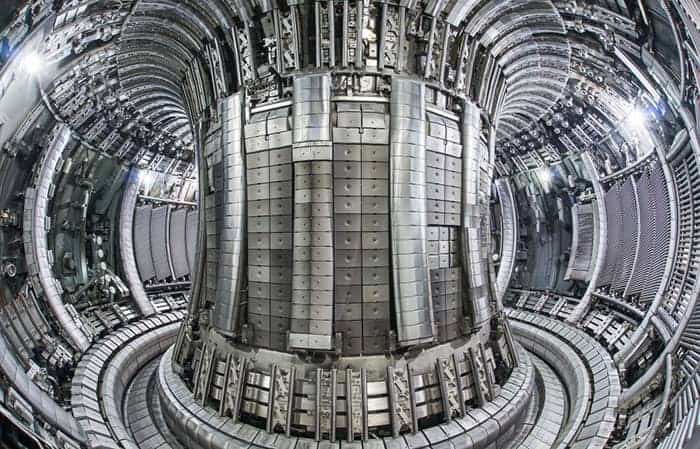
Today, some 17 years later, Homfray is at the bleeding edge of fusion research, a technology that promises to deliver sustainable electricity without harmful emissions. He is now an Engineer in Charge of the Joint European Torus (JET), currently the world’s most powerful fusion machine, and he also leads a team that is maturing the technologies needed to build a working fusion power plant.

“This is without doubt the most exciting time in the 20 years I’ve been here,” says Homfray. “If you’d have asked me even three years ago whether we could deliver fusion power in my lifetime, I would have given you some nice diplomatic answer. Now, in my opinion, I think we will see it in my career.”

Doughnut or apple?

Homfray’s optimism is well founded. An international consortium is currently building the most ambitious fusion experiment to date in rural southern France. ITER will ultimately produce 10 times more energy than is needed to heat its fusion fuel – generating 500 MW of power for 20 minutes using only 50 MW of input power – and one of its core objectives is to prepare the ground for the first large-scale fusion power plants.

Photograph of the doughnut-shaped vessel of the Joint European Torus

Since ITER is essentially a scaled-up version of JET’s toroidal tokamak design, the experience that UKAEA has gained with JET has made it a critical partner in the ITER project. JET is providing both a testbed for new ITER technologies and a training ground for the next generation of fusion professionals.

Alongside its central role in the development of ITER, Homfray is enthused that UKAEA is also rapidly expanding its world-class capabilities across a broad range disciplines that will be crucial to realizing fusion power as fast as possible. This includes several major new facilities, such as Remote Applications in Challenging Environments (RACE), which is developing robotic maintenance techniques for reactors; the Materials Research Facility for processing and analysing radioactive samples; the Fusion Technology Facilities for testing components in the extreme conditions inside a fusion machine; and the Hydrogen-3 Advanced Technology (H3AT) centre for tritium science – a key fuel for fusion reactions.

A particularly exciting new development is a major upgrade to the Mega Amp Spherical Tokamak (MAST), a UK facility that represents a different approach to fusion power. MAST exploits a spherical design – like a cored apple, rather than the ring doughnut shape of JET and ITER – that was pioneered by the UKAEA in the late 1990s. The compact geometry of the spherical tokamak requires a lower magnetic field, which is less expensive to produce and maintain.

The upgrade to MAST-U, enabled by funding from the UK’s Engineering and Physical Sciences Research Council, will allow scientists to study long pulse-length plasmas that are closer to the steady-state conditions that will be needed for commercial fusion power plants. “It’s an incredible opportunity for the country to really drive forward the development of a technology the world is crying out for, and in which we are already a global leader,” Homfray adds.

Expanding workforce

With so many new facilities coming online, UKAEA is well equipped to explore a wide variety of promising fusion research avenues. But to make the most of these capabilities, the organization must expand its workforce too. UKAEA needs new recruits, and not just nuclear and plasma physicists. “We’re bringing in people with all types of skills,” says Heather Lewtas, UKAEA’s Head of Manufacturing Realisation. “We’re recruiting chemists, mechanical engineers, physicists, material scientists, biologists, as well as data scientists, AI researchers, roboticists, project managers, business development, HR … you name it, we need them.”

Those joining UKAEA will be contributing to a diverse workforce, which ranges from seasoned nuclear professionals to those just beginning their careers. For the latter, there are certified apprenticeship and graduate schemes in a host of different areas. And all new recruits can take advantage of many exciting continuous professional development schemes, including MSc and PhD fellowships.

Moreover, the collaborative atmosphere at UKAEA allows ideas and results to be shared with colleagues and with the international fusion community. This not only makes UKAEA “an incredibly friendly place to be”, but also accelerates learning and development.

This is without doubt the most exciting time in the 20 years I’ve been here

David Homfray

Lewtas joined UKAEA in December 2016. She is a prime example of how new recruits can develop their skills rapidly and find themselves working on important projects. Though she had a PhD in experimental physics from the University of Oxford, as well as postgrad and industrial experience, like many UKAEA staff she had “no background in fusion, no background in nuclear”. Luckily for her, UKAEA’s excellent formal and informal training, including a mentoring scheme and management development programme, enabled her to rapidly get up to speed.

As a result, just a year into her role at UKAEA she was tasked with leading a project called Joining and Advanced Manufacturing (JAM), which aims to find innovative manufacturing and testing solutions for a fusion power plant by forging collaborations with universities, the UK’s High Value Manufacturing Catapult centres, as well as SMEs and industry. “I enjoy making links between different areas of science and engineering, or between different sectors,” she says. “I absolutely love the fact that I’ve got the opportunity to do that and to make a real difference in progressing fusion in the process.”

Lewtas could not have achieved so much success without a dynamic, energized team behind her. JAM team members have backgrounds from a range of sectors and spanning all levels of experience. Who knows? Her next team member could even be you. “People shouldn’t write themselves off because they think they won’t fit into an organization like UKAEA,” Lewtas says. “Many, many different skillsets can contribute to trying to realize fusion.”

Copyright © 2026 by IOP Publishing Ltd and individual contributors