The cobbled streets of Lindau are that bit quieter now that the 69th Lindau Nobel Laureate Meeting has finished. The meeting wrapped up in style on Friday with a cruise to the flower-covered island of Mainau. Returning to Lindau, partying ensued onboard with a live band. At the penultimate stop, the fancy Hotel Bad Schachen, laureates were given an affectionate farewell. As they walked up the wooden jetty to their accommodation, young scientists cheered and banged on the metal hull of the boat.
Earlier on Mainau, attendees had made their way to a large marquee on top of the island for a moving Q&A with Yemeni Nobel peace laureate Tawakkol Karman and a thought-provoking panel, How Can Science Change the World for the Better?
On the walk, I chatted to Maria Żurek, a postdoc at the Lawrence Berkeley National Laboratory, about a panel she took part in two days earlier, “Student, Postdoc, and Then? – Aiming for a Career in Science”. You can watch the entire discussion here.
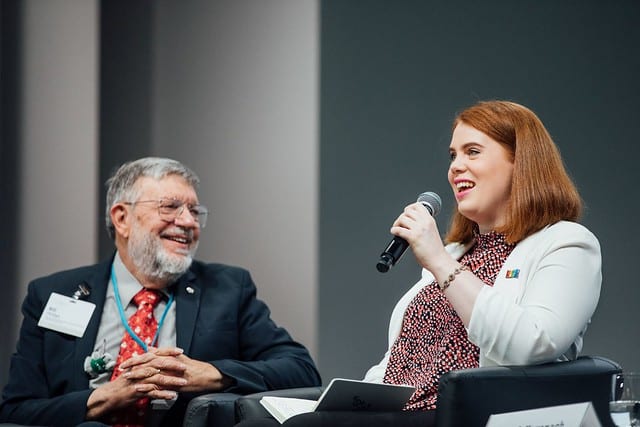
Niamh Kavanagh, here pictured with with fellow panellist and Nobel laureate Bill Phillips, has chosen to pursue a career outside academia (Courtesy: Julia Nimke/Lindau Nobel Laureate Meetings)
One key issue raised by a young scientist in the audience was that of leaving academia and how this is perceived. Responding, fellow panellist Niamh Kavanagh of University College Cork talked of her personal experience. Kavanagh is close to submitting her PhD thesis in photonics, but the hard reality that only a minority of PhD students will secure permanent positions in academia prompted Kavanagh to think carefully about her options.
Her final decision was to focus on opportunities elsewhere, she told the audience. “I want to give myself the most options and set myself up for success in whatever that means for me.” However, her choice hasn’t always been met positively. “I’ve had responses like ‘Oh, that’s a pity’. So that’s quite difficult to deal with.”
Laureate Donna Strickland, also on stage, was supportive of non-academic paths. “We need scientists in many different jobs,” she said, citing how politics can benefit from scientific minds, and how R&D can be just as rewarding in industry – and even ahead of academic research in some fields.
Wolfgang Ketterle, another laureate panellist, was also encouraging. He suggested that young researchers should invite alumni working outside academia back to their labs as guest speakers, something that already happens at MIT. “[They] tell our current grad students and postdocs what they have done, how they transitioned and how they feel now after a couple of years,” he said. “I felt that this has been an extremely valuable advice.”
Żurek was glad to see the matter addressed. “Nobel laureates who have influence … they are saying, ‘Yes, these career paths are also valid’,” she told me. “I think this is the only way to change the mindset of our community.”
Plenty more besides was covered by the panel. Discussion onstage and via Twitter on work-life balance, in particular for those with families, showed how this remains a tricky issue for young scientists – and one that has no easy answers.
Other topics included tips on how to change fields at postdoc level, who to turn to in difficult situations, how to handle failure, and the benefits of networking. All in all, plenty of food for thought for young scientists as they make their way home to all corners of the globe. Alles Guteund gute Reise!
Numerous physicists over the years have claimed they can turn hydrogen into a metal by squeezing it extremely hard – but none so far have managed to persuade sceptical rivals. Now researchers in France reckon they have finally found convincing evidence for the transformation, having built new devices for pressurizing and observing tiny samples of hydrogen. Yet others in the field remain doubtful, arguing that infrared data reported by the French group does not on its own constitute adequate proof – and that what is needed are measurements of conductivity.
Experts have little doubt that hydrogen should become a metal when subject to very high pressures. Theory tells us that pressure frees electrons from the confines of individual atoms or molecules, allowing them to freely propagate through the material. Indeed, many insulators have been observed making the transition – molecular oxygen, for example, was shown about 20 years ago to become a metal at around one million times atmospheric pressure (about 100 GPa). “Indisputably, metal hydrogen should exist,” write Paul Loubeyre, Florent Occelli and Paul Dumas of the French energy agency CEA in a paper recently uploaded to arXiv.
Metallic hydrogen could have many striking properties including being a superconductor at room temperature. Studying its behaviour could also lead to new insights about conditions inside Jupiter and other gas-giant planets, given its predicted abundance there.
Extremely difficult and controversial
But making metallic hydrogen has proven extremely difficult and controversial. Since it was predicted in 1935, researchers have tried to create it in the lab by squeezing tiny samples of hydrogen gas between the tips of two diamonds. These miniature anvils can deliver pressures of hundreds of gigapascals, but the results are often ambiguous. In 2016, two researchers at Harvard University in the US reported making metallic hydrogen at 500 GPa. Others, however, questioned whether such a high pressure was reached by the team.
Loubeyre and colleagues are not newcomers to the search. In 2002 they used visible light to observe changes in a hydrogen sample that they compressed up to 320 GPa. As they raised the pressure, they saw that the electronic bandgap of solid hydrogen dropped proportionally. By extrapolating the line to higher pressure they reckoned it should have reached zero at about 450 GPa. At this point hydrogen would become a metal because its electrons would freely enter the conduction band.
To reach this pressure, the team developed new kind of “toroidal” anvil cell in which samples are squeezed between two tiny flat surfaces surrounded by ring-shaped depressions. This, they say, can generate pressures of up to at least 600 GPa. They also designed and built an infrared microscope that can be deployed together with a cryostat within the intense radiation from a synchrotron source.
We show a first order phase transition near 425 GPa from insulator molecular solid hydrogen to metal hydrogen
Paul Loubeyre, Florent Occelli and Paul Dumas
The team put their toroidal anvil, containing hydrogen at 80 K, and microscope in a beamline at the SOLEIL synchrotron on the outskirts of Paris. At pressures of about 425 GPa they observed that the infrared light that would otherwise pass through the sample was almost completely absorbed. This is proof, they say, that the bandgap was closed. They add that their results closely match predictions made by theorists in 2015. “We show a first order phase transition near 425 GPa from insulator molecular solid hydrogen to metal hydrogen,” they write in their paper.
Other researchers welcome the latest work but some are not entirely convinced. “I think that the paper contains good evidence about the band gap closure in hydrogen,” says Alexander Goncharov of the Carnegie Institution for Science in Washington. “Some interpretations may be incorrect, and some data could be better, but I generally trust that this is valid.” Nevertheless, he reckons that the evidence isn’t watertight, arguing that with a narrow but non-zero band-gap the hydrogen might have become a very narrow band-gap semiconductor, rather than a metal.
Mikhail Eremets of the Max Planck Institute for Chemistry in Mainz, Germany, agrees, and argues that the reduction of the band gap doesn’t constitute “direct evidence of metallization”. What’s really needed, he says, is a measurement of the hydrogen’s electrical conductivity. He adds that he and his colleagues carried out such a measurement two years ago, showing that hydrogen starts to conduct (like a “semimetal”) at about 360 GPa and that conductivity increases strongly with pressure. They also measured Raman spectra, which determine whether hydrogen is in a molecular state. “Our data could be complimentary to Loubeyre et al’s infrared data” he says, “but [they] completely ignore this work.”
Schematic showing the combination of titanium oxide nanoparticles with microwaves for tumour treatment and the likely mechanism. (Courtesy: Nanomedicine: NBM 10.1016/j.nano.2019.02.016).
An international team of researchers has demonstrated how titanium dioxide (TiO2) nanoparticles stimulated by microwaves can be used to selectively kill cancer cells – paving the way for more targeted and less harmful treatment. So, what are the key benefits of microwave activation over previous methods? And what are the next steps for the research team?
Nanoparticles take control
Microwave ablation has been used for cancer treatment for some time – generally involving the simple heating of cancer cells to a certain temperature, typically around 45oC, to induce tissue necrosis in solid tumours. However, existing approaches are limited by the fact that they are not easy to control; it is difficult to focus heat solely on tumour cells, leading to the common problem of overheating and damage to surrounding normal tissue.
In an effort to solve this problem, researchers based at Guangdong Academy of Medical Sciences, Beihang University and the General Hospital of Guangzhou Military Command of PLA in China, as well as at the University of Texas at Arlington, have investigated the effect of inserting nanoparticles – including TiO2, copper cysteamine and graphitic-phase carbon nitride quantum dots – into tumours (Nanomedicine: NBM 10.1016/j.nano.2019.02.016).
As co-author Wei Chen explains, a key characteristic of these nanoparticles is the fact that they can absorb microwave energy more effectively, making it easier to heat up tumour cells locally while avoiding or reducing the heating of surrounding normal tissue.
Applying microwaves to cells for nanoparticle-mediated microdynamic therapy. (Courtesy: Wei Chen)
“Interestingly, we found that inserting nanoparticles into tumours didn’t increase the heating or temperature [when exposed to microwaves] as compared with water, but the tumour cell killing was more effective,” says Chen. “In our observations, we found that reactive oxygen species [ROS] like singlet oxygen or hydroxyl radicals were produced from the nanoparticles following interaction with microwaves. The heating plus the ROS kills the tumour cells in a more effective way.”
Powerful Combination
According to Chen, a key benefit of using microwave energy is the fact that, compared with X-rays, microwaves are much safer and cheaper. Moreover, when compared with laser light, microwaves can penetrate far deeper into tissue. Whereas light energy cannot penetrate more than 1 cm, microwave energy can reach depths of up to 7 cm. The interaction of microwave with materials or tissues has two effects – a heating effect and a non-heating effect. The heating effect is very easy to understand – and entails the simple conversion of microwave energy to heat, in the same way that it is used for cooking.
The non-heating effect is not so straightforward but, in basic terms, entails the use of energy to cause chemical reactions and, in the case of TiO2 nanoparticles, to produce the ROS that Chen describes as “lethal” to cancer cells.
“Both the heating and non-heating effects are fully used for cancer destruction – this combination is powerful because tumour cells are more vulnerable at high temperature, rendering them more easily killed by ROS or oxidative therapy,” he says. “Here, we defined microwave-induced oxidative therapy as microdynamic therapy.”
Moving forward, Chen reveals that the new microdynamic therapy method has many applications and, in addition to cancer treatment, can also be used to kill viruses, bacteria, fungi and infectious diseases.
“I think the use of microwaves alongside nanoparticles is a powerful combination because it not only generates heat but also ROS,” Chen explains. “However, although ROS is a lethal weapon to kill bad guys like cancer cells, viruses and bacteria, they can also hurt good guys like healthy tissue or cells, meaning that caution is needed and professional training is required. As nanoparticles are needed, regulations and approval from the FDA [US Food and Drug Administration] are also mandatory.”
The next step for the research team will be to carry out more experiments and studies and work on extending use of the approach to clinical settings. “Our goal is to license the technology for clinical trial and product development for practical applications in fighting cancer and other diseases,” Chen adds.
“The most authoritative book ever written about Apollo” – that’s the bold claim on the back cover of my proof copy of Apollo 11: the Inside Story, especially when you consider the books written by some of the lunar astronauts themselves. But once you begin reading journalist and former BBC science-broadcaster David Whitehouse’s latest book, it won’t take long for that claim to fade from bold to fairly reasonable. Apollo 11 is a true celebration of what is inarguably one of humanity’s greatest achievement – setting foot on the Moon. The book tells the story through the voices of the people at the very heart of it – the US and Russian astronauts, as well as the administrators and politicians in both countries.
Whitehouse does not spend much time talking about the thousands of people behind the scenes – the engineers, physicists and mathematicians, those who made the spacesuits and spacecraft. Thankfully, however, their stories are finally being told elsewhere. Still, despite avoiding those tales, there is so much to pack in that the author doesn’t actually get to the surface of the Moon until the last quarter of the book, as the lunar module Eagle finally comes to rest in the Mare Tranquillitatis basin. By that point, you will be under no illusion as to how history had conspired, politicians had manoeuvred and astronauts had jockeyed for position, before Neil Armstrong and Buzz Aldrin set foot on that grey, alien surface.
Apollo 11 begins with the story of pioneering Russian rocket scientist Konstantin Tsiolkovsky, whose 1903 research paper “The exploration of cosmic space by means of reaction devices” is considered to be the first scientifically viable work exploring our ability to conquer space with rockets. Tsiolkovsky was a self-educated school teacher who imagined rockets fuelled by liquid oxygen and hydrogen, and developed the formula for rocket propulsion. He dubbed this the “formula of aviation”, which describes the relationship between the changing mass and velocity of a rocket, as it burns fuel. You will also read about Valentina Tereshkova, the first woman in space; find out about just how close Russia got to winning the so-called “space race”, and discover how many spacecraft accidentally crashed into the Moon before the Eagle was landed so deftly by Armstrong.
Inextricably intertwined with the majesty and awe of the feats of engineering and physics that were the Moon landings, is the sea of politics and war at the other end of what humanity is capable of. Whitehouse skilfully navigates these often-contradictory aspects of human nature. The author’s compelling style has been honed over years of writing for the BBC and his other books, but his voice here is relatively unheard. Instead, Whitehouse leaves most of the talking to the events that transpired and key players.
I particularly enjoyed hearing from John Glenn, the first American to orbit the Earth. Despite this honour, the journey involved him being stranded for an hour in his Friendship 7 space capsule on top of the Atlas LV-3B rocket while a last-minute engineering check was carried out. In desperate need of the toilet, but not allowed to leave his harness, Glenn frustratedly urinated into his spacesuit. It’s hard not to see this as a metaphor for the astronauts’ role in the Apollo space programme – as figureheads, celebrated guinea pigs and pawns, often caught in a struggle between tetchy world superpowers, with no real control for themselves.
Whitehouse sets the space race in its historic context, born out of fear of the other side getting into space first
As tempting as it is to think of the Apollo missions only as a triumph for science and exploration, it’s equally legitimate to think of them as an unexpected quirk of the Cold War that was raging between Moscow and Washington. In the opening chapter, “The spoils of war”, Whitehouse sets the space race in its historic context, born out of fear of the other side getting into space first in the belief that whoever commanded space, commanded Earth.
The words and sentiment “we came in peace for all mankind” – as printed on the lunar plaque left on the Moon by the Apollo 11 astronauts – were not there from the outset. Indeed, once the Apollo programme ended in 1975, the Russian Luna programme continued for a while but, as Whitehouse puts it, “there was nothing to be gained”. It would be more accurate, though, to say there were no political advantages, as there remains plenty of science to be done on the Moon even today. But with the race “won”, political will and funding dried up, as did the public gaze. An estimated half a billion watched the Apollo 11 Moon landing, while only a fraction of that number watched Apollo 12. The drama of Apollo 13 pulled the programme into focus once more, but it soon waned, before the final planned Apollo mission was cancelled. The 10th, 25th and 30th anniversaries of the first landing each brought renewed focus, just as we see this month on the 50th anniversary.
In the book’s penultimate chapter, “The long goodbye”, Charlie Duke, the 10th man to walk on the Moon, tells of how he and John Young covered miles in the Descartes Highlands of the lunar surface during Apollo 16. “There was no magnetic field on the Moon, so a magnetic compass wouldn’t work. So we had a little gyroscope that was mounted in the instrument panel of the rover. You never really worried about getting lost up there, because everywhere you drove, you left your tracks.” I can’t help wondering if Duke and Young had been exploring the Moon in a solar-powered electric buggy today, instead of in 1972 during the “been there, done that” malaise in the wake of Apollo 11, they would they be household names too, just like Armstrong and Aldrin.
While many people probably do know that astronauts drove around the Moon in a buggy, I wonder how well known it is that the Apollo 16 crew were expecting to find volcanic rocks to support scientific theories of the time on how the craters on the Moon formed. They discovered no such rocks, but did come home with a treasure trove of samples that are still studied by geologists today (see “Giant leaps for knowledge”) and they changed our understanding of the universe at large.
Apollo 11 sits comfortably among the most informative and enjoyable books about the space programme. It won’t really matter when you read it, but now is as good a time as any.
Cosmic gamma rays with energies as high as 450 TeV (1012 eV) have been observed by the ASgamma observatory in Tibet – which is run jointly by China and Japan. This shatters the previous record of 75 TeV, which was set by the High-Energy-Gamma-Ray Astronomy observatory on the Canary Islands.
ASgamma detected 24 gamma rays with energies in the 100-450 TeV range. The particles appear to originate in the Crab Nebula, which is a supernova remnant about 6000 light-years away. It is home to a pulsar – a rapidly rotating neutron star that broadcasts a bright beam of electromagnetic radiation.
Astronomers believe that gamma rays in the 100-450 TeV range are created when much higher energy electrons in the petaelectronvolt (1015 eV) range interact with the cosmic microwave background – radiation released just after the Big Bang that permeates the universe. These electrons are believed to be accelerated to such high energies by the swirling magnetic fields generated by the pulsar. Indeed, the ASgamma researchers describe the Crab Nebula pulsar as “the most powerful natural electron accelerator known so far in our galaxy”.
Cosmic shower
ASgamma looks for high-energy gamma rays by detecting the shower of secondary particles that rain down on Earth when a cosmic ray interacts with the atmosphere. By analysing the components of a shower, physicists can work out what type of cosmic ray caused the shower (gamma ray or charged particle) and the energy of the cosmic ray. Located at 4300 m above sea level, ASgamma does this using two types of detectors – plastic scintillators on the surface and Cherenkov detectors buried underground.
Now that cosmic gamma rays with energies above 100 TeV have been detected, ASgamma scientists are keen to find other regions where electrons are accelerated to petaelectronvolt energies. This could help solve one of the most important mysteries of astrophysics – what are the origins of the very highest energy cosmic rays?
A paper describing the observations has been accepted for publication in Physical Review Letters and a preprint is available on arXiv.
Earlier this week the Massachusetts Institute of Technology (MIT) tweeted that, for the first time the majority of its heads of engineering departments are women. Pictured above are the five (out of a total of eight) heads. They are Asu Ozdaglar of Electrical Engineering and Computer Science; Paula Hammond of Chemical Engineering; Anne White of Nuclear Science and Engineering; Angela Belcher of Biological Engineering; and Evelyn Wang of Mechanical Engineering. MIT is an eminent institution when it comes to engineering so let’s hope that universities worldwide will follow its example of equality and diversity.
If you have ever used one of those automated hand-dryers in public toilets you will know just how loud they are. While previous research touched on how they operate at dangerously loud levels for adults, no-one has tested how bad they are for children’s hearing, particularly given that they tend to be installed at head level for a child. That is, however, until nine-year old Nora Keegan took a sound meter and tested 44 different dryers around Calgary, Canada. Now 13, she has just published her work in Paediatrics & Child Health, reporting that many exceed 100 dBA – the top limit allowed for children’s toys in Canada.
Keegan measured sound levels where children stand and found that some dryers even touch an ear-busting 121 dBA (I hope she was wearing ear plugs). Not content with just a paper, Keegan has even invented a prototype air diverter that reduces the noise level for shorter users by around 11 dBA and is thinking about taking it to manufacturers. Hopefully, it won’t fall on deaf ears.
How should humanity respond if contacted by an alien civilization? Some, including Stephen Hawking, believe that we shouldn’t say anything lest a response elicits an alien invasion. Others advocate a friendlier approach, but who gets to decide – and furthermore, would it be possible to co-ordinate a single response? The Guardian’s science editor Ian Sample has spoken to members of the UK SETI Research Network, who are about to launch a survey of public attitudes towards alien contact. As well as pointing out that there is nothing in international law about alien contact, the scientists also concede that deciding on a response should not be left to just the scientific community.
A high proportion of foreign scientific personnel at institutes belonging to the Max Planck Society (MPS) in Germany feel that they are being ignored or excluded. That is according to a survey commissioned by the society, which also found that bullying and sexual discrimination occur regularly within MPS institutions.
The MPS, which conducts basic science, consists of 84 world-leading scientific institutes, five of which are outside of Germany. Of the over 23 000 staff that the MPS employs, around a third are scientists. About 30% of all employees are from outside Germany with 40% of its directors, 50% of its PhDs and 75% of its postdocs coming from abroad.
The survey was commissioned by the MPS following allegations last year of bullying at two MPS institutes – the Max Planck Institute for Astrophysics in Garching and the Max Planck Institute for Human Cognitive and Brain Sciences in Leipzig. The survey was conducted in February and March by an independent research team from the Fraunhofer Center for Responsible Research and Innovation in Berlin. Some 12 349 MPS staff members participated in the survey with responses from 9078 participants deemed valid enough to be included in the analysis.
Ultimately, we want to create an environment where everyone can realise their potential
Martin Stratmann
The survey revealed that the group atmosphere and leadership culture at Max Planck institutes was “generally positive”. Some 82.8% of scientific staff felt that their immediate superiors were friendly, with 84.7% feeling respected by their bosses while 84.4% were willing to put in “maximum effort” for the success of their institutes.
However, a tenth of respondents had experienced bullying in the workplace over the previous year. When asked if they had ever experienced bullying, the figure rose to 17.5%. In addition, during the previous 12 months, 3.9% of all respondents had experienced some sexual discrimination. The MPS notes in a statement that this is “below average internationally”, comparing it to the outcome of a report by the US National Academies of Sciences, Engineering and Medicine, which “states a value of 20% in this area”.
View from outside
Another worrying trend from the survey is the difference between the responses of German and non-German staff. Some 37.3% of scientists from non-European Union (EU) nations and 45.2% from other EU nations had experienced being “ignored or excluded”. This compared to 28.1% for German researchers. And 8% of female scientists and researchers from other EU nations and 10.4% from non-EU nations said that they had been sexually harassed or discriminated, compared with 7.2% of their German female colleagues. Furthermore, some 17.0% of female scientists from non-EU countries and 29.9% from other EU countries had been targeted with offensive sexist remarks, compared to 11.1% for female German staff.
While MPS president Martin Stratmann says that the survey shows that the overwhelming majority of MPS staff are highly committed and enjoy working for the society, he admits there are some areas of concern. “We take these findings very seriously,” Stratmann told Physics World. “The staff of our institutes come from different cultural backgrounds, where different types of behaviour can be interpreted as appropriate or desirable. We will therefore expand our intercultural training and development programmes”. This will include increased mentoring “at all work levels” as well as leadership training and coaching. Stratmann also says that the Max Planck Society’s senate has just adopted a code of conduct for Max Planck employees.
Indeed, Stratmann admits that more work needs to be done on integrating foreign researchers. “Ultimately, we want to create an environment where everyone can realise their potential. In the lab, it is initially quite easy to become integrated because everyone speaks English,” he says. “However, to really fully arrive in Germany and make social contacts, you have to learn the language.”
The MPS says that it will now offer increased support to non-German staff in everyday matters such as finding accommodation and dealing with the authorities and that it plans to create a “travel guide” for PhD students and postdocs similar to those produced for newly appointed directors. “We also see that our international staff are not always aware of the point of contacts in situations of conflict,” adds Stratmann.
Christina Beck, head of media relations at the MPS, told Physics World that “a deeper analysis” of the survey results will follow “within the next month”.
There’s plenty to learn in modern Peru from the designers of ancient water-saving methods, scientists are finding. Our forebears could even keep the capital’s taps running through the summer heat.
Lima, Peru’s desert capital, a city of 12 million people, expects to run out of water by 2025. It already faces a crisis each summer as the supply from the mountains dwindles to a trickle. Yet the quantity of rain in the wet season can be overwhelming.
Between the Andes and the Pacific ocean, Lima sits on a coastal plain where the average rainfall is a tiny 9 mm a year, and it has to rely on the snow melt from the mountains and glaciers to provide summer drinking water and the needs of industry and farming.
But with the glaciers disappearing because of climate change, and the population increasing, the city will soon become untenable for many of the poor in summer, unless water supplies can be improved.
A group of scientists has found that reviving systems developed 1,400 years ago by local people before the Inca empire existed could harvest water from the winter rainy season in the mountains to ensure Lima’s summer supplies.
The local people still use a method developed in 600 AD by Peruvian civilisations that created systems in the mountains to divert excess rainwater from source streams through ponds and canals onto mountain slopes and down through fissures in the rocks.
The water would take weeks or even months to trickle through the system and resurface downstream – just in time for the dry season.
The researchers used dye tracers and hydrological monitoring to study the system from the wet to dry seasons of 2014–2015 and 2015–2016. Social scientists involved also worked with Huamantanga’s local people to understand the practice and help map the landscape.
Big increase
They found the water took between two weeks and eight months to re-emerge, with an average time of 45 days. From these timescales, they calculated that, if governments upscale the systems to cater for today’s population size, they could reroute and delay 35% of wet season water, equivalent to 99 million cubic metres per year of water flowing through Lima’s natural terrain.
This could increase the water available in the dry season by up to 33% in the early months, and an average of 7.5% for the rest of the summer.
The method could essentially extend the wet season, providing more drinking water and longer crop-growing periods for local farmers.
The study, published in the journal Nature Sustainability, is the first to examine the pre-Inca system in this much detail to find answers to modern problems. The authors say their research shows how indigenous systems could complement modern engineering solutions for water security in coastal Peru.
Lead author Dr Boris Ochoa-Tocachi, from Imperial’s Department of Civil and Environmental Engineering, said: “With the advent of modern science, you’d be forgiven for wondering how ancient methods could apply to modern-day problems. However, it turns out that we have lots to learn from our ancestors’ creative problem-solving skills.”
Growing too fast
Senior author Dr Wouter Buytaert, from the same department, said: “Like many tropical cities, Lima’s population is growing fast – too fast for water reserves to keep up during dry seasons. Upscaling existing pre-Inca systems could help relieve Peru’s wet months of water and quench its dry ones.”
The seasonal variability typical of coastal Peru is worsened by human impacts. Apart from glacier melting caused by global warming, humans also contribute to erosion, which renders soil too weak to support dams big enough to hold all the water needed in the summer.
Climate change also makes wet seasons wetter, and dry seasons drier − making the need for effective water storage in Peru even more urgent.
The authors say combining pre-Inca systems with classic structures, such as smaller dams, could also help to improve adaptability and water supply in an unpredictable climate.
Medical physicists will be gathering in San Antonio, Texas, later this week for the Annual Meeting of the American Association of Physicists in Medicine (AAPM). According to AAPM president Cynthia McCollough, director of the CT Clinical Innovation Center at the Mayo Clinic, this year’s programme promises symposia, courses and workshops that span the range of medical physics topics, with this year’s theme being “Building Bridges, Cultivating Safety, Growing Value”.
“Come and build lasting partnerships with colleagues and vendors, learn how to cultivate a safety culture, and increase your value to those you work with and to the patients we serve,” says McCullough. “The technical exhibit also provides the perfect opportunity to connect with vendors, learn about new products and services, and seek technical support.”
Our medical physics editor Tami Freeman will be in San Antonio to report from the event, but in the meantime here’s a sneak preview of some of the technical innovations that leading vendors will be featuring in the exhibit.
Elekta to focus on magnetic-resonance radiation therapy
Elekta will be demonstrating its latest innovations in precision radiation medicine and has provided an online tool for attendees to pre-book a demonstration. Most attention is likely to focus on the company’s Unity MR-linac, which has been available for clinical use in the United States and Europe since last year. Elekta Unity offers real-time, high-resolution anatomical and biological MRI at the point-of-care, setting a new standard for personalized radiation therapy. With the potential to preserve more healthy tissue, the system extends the capabilities of radiation therapy for hard-to-treat cancers, and allows clinicians to assess tumour responses early in treatment.
The Elekta Unity MRI-guided radiotherapy system (Courtesy: Elekta)
Among the other products available for demonstration are the company’s QA systems; the Monaco HD treatment-planning system; Leksell GammaPlan treatment planning and management software; Oncentra Brachy comprehensive brachytherapy treatment planning software; and MOSAIQ Plaza, Elekta’s newest software solution for the delivery of complex radiation treatment. You can also register for a Physics User Meeting on 13 July and a Lunch Symposium on 15 July.
Varian breaks new ground in stereotactic radiosurgery solutions
Several years of collaborative development between Varian and its clinical partners has resulted in HyperArc, a high-definition radiotherapy system that represents a significant step forward for linac-based radiosurgery.
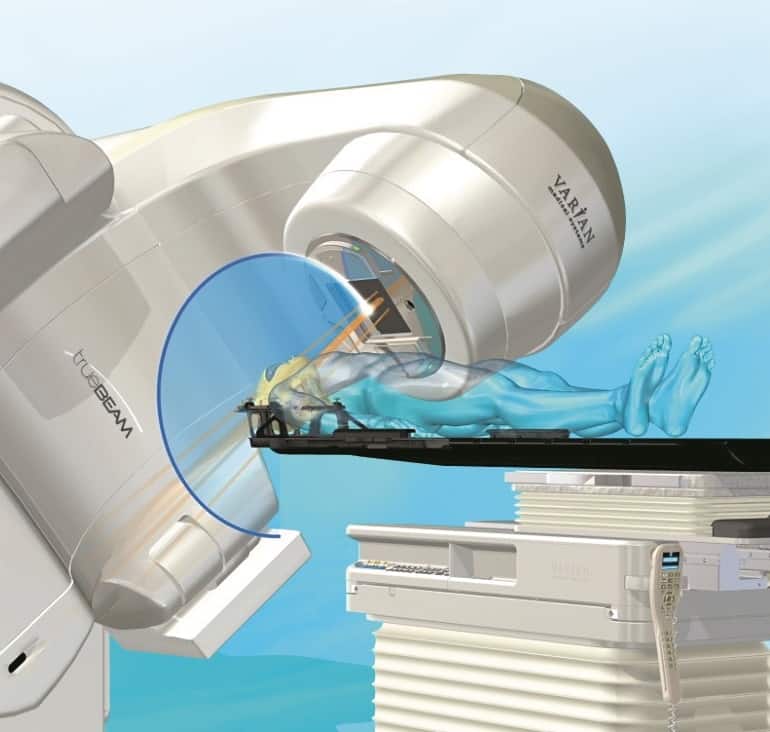
HyperArc provides an intracranial radiosurgery solution (Courtesy: Varian)
HyperArc provides an intracranial radiosurgery solution that harnesses the power of Varian’s TrueBeam and Eclipse platforms, and combines it with the expertise of leading practitioners in the field. The result is a streamlined, end-to-end solution that can extend the benefits of radiosurgery to many more patients and that can be adopted by clinics worldwide.
SRS-specific optimization tools have been developed to optimize not only dose, but also treatment delivery. Dedicated algorithms ensure efficient workflow and automation, and new ways of looking at multiple targets simultaneously have been introduced to reduce the complexity of the planning process.
“Brain metastases are one of the most commonly diagnosed recurrences for cancer patients and HyperArc puts world-class expert planning and delivers capability directly in the clinic alongside clinicians globally,” commented Chris Toth, President of Varian Oncology Systems.
Find out more by visiting Varian at booth #81
Phantom exploits spherical design to deliver precision measurement
The Magphan series of phantoms from Image Owl makes it possible to precisely evaluate the performance of magnetic-resonance imaging (MRI) systems and correct for any distortion in the images. Magphan models exploit test objects developed from more than a decade of scientific investigation and field experience, with different designs available for specific applications.
The Magphan RT phantom from Image Owl
The Magphan RT, for example, offers an integrated phantom and analysis system for MRI quality assurance in radiotherapy, using arrays of precisely located spheres to provide an accurate and detailed 3D map of image distortion. The S162 model is optimized for applications where MRI scanners are used for quantitative imaging, particularly in cases where geometric distortion can have a critical impact, while the EMR051 and the smaller EMR121 phantoms are suitable for neuroimaging and for measuring distortion in radiation therapy planning and guidance scanners. An automated analysis service tracks key parameters, and saves results in a cloud-based database for longitudinal studies, process control, and inter-machine comparisons
Discuss your QA requirements with Image Owl at booth #526
Radiation oncology for the next generation
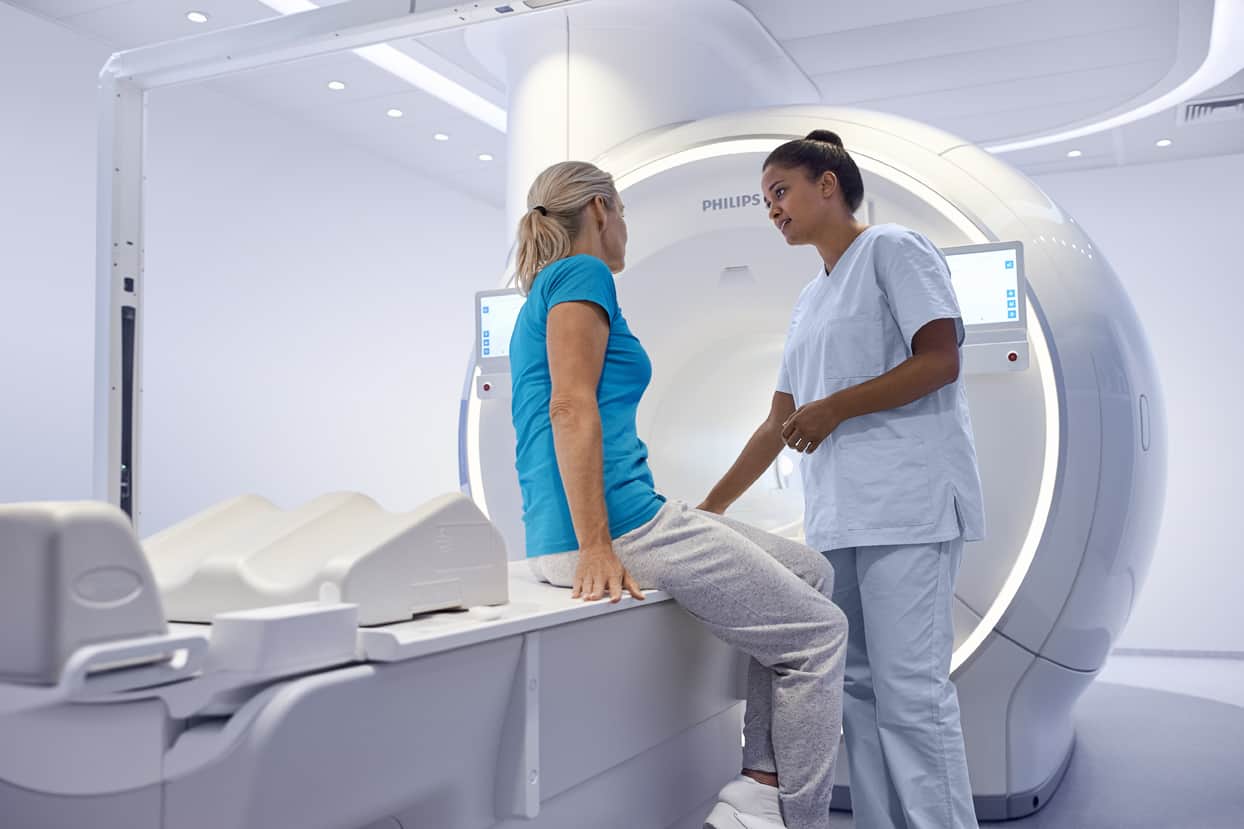
A new portfolio of radiation oncology solutions from Philips Healthcare promises to deliver increased accuracy and reduced time to treatment. The company says that its latest imaging platforms, which include Big Bore RT and the Ingenia MR-RT Ambition/Elition, offer better clinical accuracy and more flexible configuration options, while its Pinnacle Evolution treatment planning system speeds up the optimization process to help streamline the clinical workflow.
Philips’ high-field Ingenia Elition magnetic-resonance imaging system is fast and accurate (Courtesy: Philips)
AAPM delegates can attend two Philips “Partners in Solutions” presentations. Michael Meltsner, a senior clinical research scientist, will speak at 1.30pm on Monday 15 July, and will explain what makes the Pinnacle scripting interface so powerful and comprehensive, and will introduce the Pinnacle architecture and show how users can communicate with its core code.
In the second presentation, which takes place at 10.00am on Tuesday 16 July, senior clinical research scientist Matthijs Kruis will address the unique needs for spectral CT acquisitions and workflow in radiation oncology.
You can find out more about Philips’ full range of radiation oncology solutions at Booth #1100
IMT showcases simple and fast phantoms for stereotactic radiosurgery
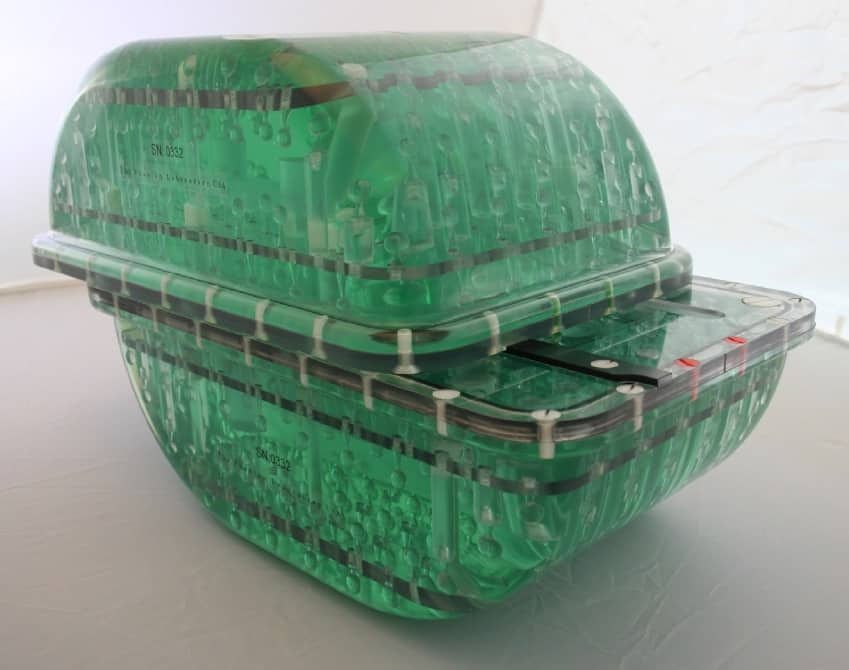
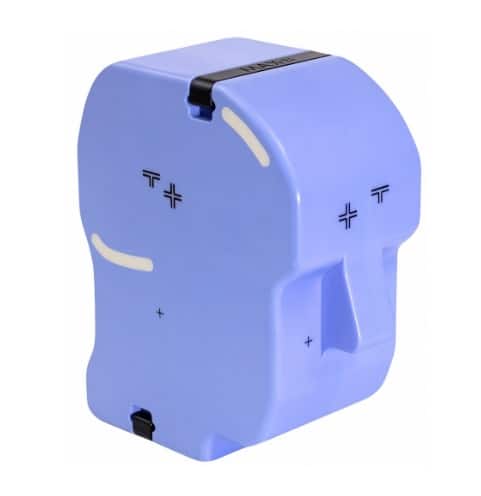
IMT, a US company that specializes in quality-assurance (QA) solutions, will be highlighting two phantoms that provide simple and fast QA for stereotactic radiosurgery (SRS). The MAX-EI and MAX-EA offer end-to-end SRS QA for less than $10,000 ($7500 for 2019 early adopters), and includes embedded Winston-Lutz central and offset targets for fast, easy and repeatable Winston-Lutz verification.
The MAX-EI phantom from IMT
“We have been using the MAX-EI to gather SRS validation data because it provides a unique, pseudo-anthropomorphic geometry which allows us to quickly check our IGRT and SGRT end-to-end accuracy, while also providing precise spatial and dosimetric validation data in one simple setup,” commented Michael Tallhamer, chief of radiation physics at Centura Health, who has performed a clinical evaluation study of the device.
IMT’s products are manufactured with precise tolerances, under 0.15 mm, virtually eliminating the phantom itself from any variation in measurement. This high level of precision provides IMT product users with excellent repeatability over time as well as repeatability across multiple machines and sites. The MAX-EI and MAX-EA also benefit from IMT’s new SRS Quality Audit & Peer Review Service.
Visit IMT at booths #746 and 748 to find out more about the company’s full range of QA solutions
This video introduces the MeasureReady M91 FastHall, an all‑in-one Hall analysis instrument that delivers significantly higher levels of precision, speed, and convenience to researchers involved in the study of electronic materials.
The M91 FastHall measurement controller combines all of the necessary HMS functions into a single instrument, automating and optimizing the measurement process, and directly reporting the calculated parameters. With Lake Shore’s patented new FastHall measurement technique, the M91 fundamentally changes the way the Hall effect is measured by eliminating the need to switch the polarity of the applied magnetic field during the measurement. This results in faster and more accurate measurements, especially when using high-field superconducting magnets or when measuring very low mobility materials.