Advances in quantum error correction showcased at Q2B25

This year’s Q2B meeting took place at the end of last month in Paris at the Cité des Sciences et de l’Industrie, a science museum in the north-east of the city. The event brought together more than 500 attendees and 70 speakers – world-leading experts from industry, government institutions and academia. All major quantum technologies were highlighted: computing, AI, sensing, communications and security.

Among the quantum computing topics was quantum error correction (QEC) – something that will be essential for building tomorrow’s fault-tolerant machines. Indeed, it could even be the technology’s most important and immediate challenge, according to the speakers on the State of Quantum Error Correction Panel: Paul Hilaire of Telecom Paris/IP Paris, Michael Vasmer of Inria, Quandela’s Boris Bourdoncle, Riverlane’s Joan Camps and Christophe Vuillot from Alice & Bob.

As was clear from the conference talks, quantum computers are undoubtedly advancing in leaps and bounds. One of their most important weak points, however, is that their fundamental building blocks (quantum bits, or qubits) are highly prone to errors. These errors are caused by interactions with the environment – also known as noise – and correcting them will require innovative software and hardware. Today’s machines are only capable of running on average a few hundred operations before an error occurs; but in the future, we will have to develop quantum computers capable of processing a million error-free quantum operations (known as a MegaQuOp) or even a trillion error-free operations (TeraQuOps).

QEC works by distributing one quantum bit of information – called a logical qubit – across several different physical qubits, such as superconducting circuits or trapped atoms. Each physical qubit is noisy, but they work together to preserve the quantum state of the logical qubit – at least for long enough to perform a calculation. It was Peter Shor who first discovered this method of formulating a quantum error correcting code by storing the information of one qubit onto a highly entangled state of nine qubits. A technique known as syndrome decoding is then used to diagnose which error was the likely source of corruption on an encoded state. The error can then be reversed by applying a corrective operation depending on the syndrome.
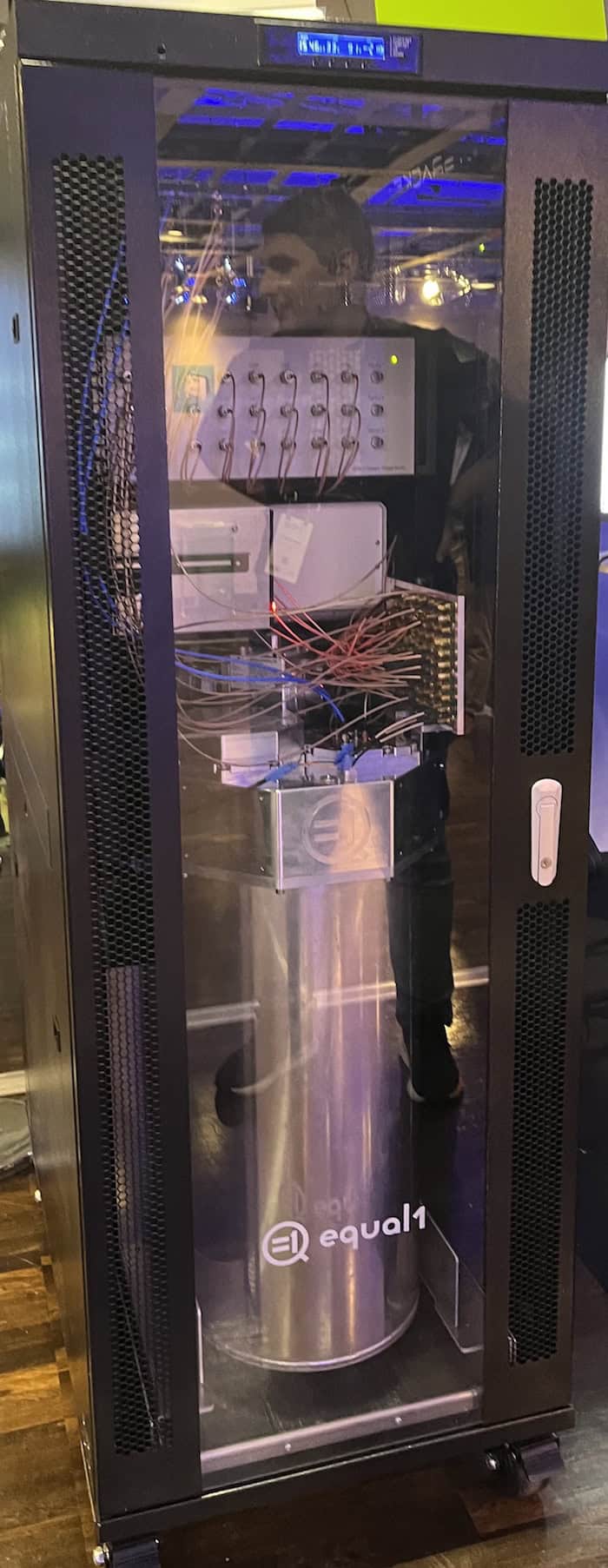
Prototype quantum computer from NVIDIA

While error correction should become more effective as the number of physical qubits in a logical qubit increases, adding more physical qubits to a logical qubit also adds more noise. Much progress has been made in addressing this and other noise issues in recent years, however.

“We can say there’s a ‘fight’ when increasing the length of a code,” explains Hilaire. “Doing so allows us to correct more errors, but we also introduce more sources of errors. The goal is thus being able to correct more errors than we introduce. What I like with this picture is the clear idea of the concept of a fault-tolerant threshold below which fault-tolerant quantum computing becomes feasible.”

Developments in QEC theory

Speakers at the Q2B25 meeting shared a comprehensive overview of the most recent advancements in the field – and they are varied. First up, concatenated error correction codes. Prevalent in the early days of QEC, these fell by the wayside in favour of codes like surface code, but are making a return as recent work has shown. Concatenated codes can achieve constant encoding rates and a quantum computer operating on a linear, nearest-neighbour connectivity was recently put forward. Directional codes, the likes of which are being developed by Riverlane, are also being studied. These leverage native transmon qubit logic gates – for example, iSWAP gates – and could potentially outperform surface codes in some aspects.

The panellists then described bivariate bicycle codes, being developed by IBM, which offer better encoding rates than surface codes. While their decoding can be challenging for real-time applications, IBM’s “relay belief propagation” (relay BP) has made progress here by simplifying decoding strategies that previously involved combining BP with post-processing. The good thing is that this decoder is actually very general and works for all the “low-density parity check codes” — one of the most studied class of high performance QEC codes (these also include, for example, surface codes and directional codes).

There is also renewed interest in decoders that can be parallelized and operate locally within a system, they said. These have shown promise for codes like the 1D repetition code, which could revive the concept of self-correcting or autonomous quantum memory. Another possibility is the increased use of the graphical language ZX calculus as a tool for optimizing QEC circuits and understanding spacetime error structures.

Hardware-specific challenges

The panel stressed that to achieve robust and reliable quantum systems, we will need to move beyond so-called hero experiments. For example, the demand for real-time decoding at megahertz frequencies with microsecond latencies is an important and unprecedented challenge. Indeed, breaking down the decoding problem into smaller, manageable bits has proven difficult so far.

There are also issues with qubit platforms themselves that need to be addressed: trapped ions and neutral atoms allow for high fidelities and long coherence times, but they are roughly 1000 times slower than superconducting and photonic qubits and therefore require algorithmic or hardware speed-ups. And that is not all: solid-state qubits (such as superconducting and spin qubits) suffer from a “yield problem”, with dead qubits on manufactured chips. Improved fabrication methods will thus be crucial, said the panellists.

Q2B25


Collaboration between academia and industry

The discussions then moved towards the subject of collaboration between academia and industry. In the field of QEC, such collaboration is highly productive today, with joint PhD programmes and shared conferences like Q2B, for example. Large companies also now boast substantial R&D departments capable of funding high-risk, high-reward research, blurring the lines between fundamental and application-oriented research. Both sectors also use similar foundational mathematics and physics tools.

At the moment there’s an unprecedented degree of openness and cooperation in the field. This situation might change, however, as commercial competition heats up, noted the panellists. In the future, for example, researchers from both sectors might be less inclined to share experimental chip details.

Last, but certainly not least, the panellists stressed the urgent need for more PhDs trained in quantum mechanics to address the talent deficit in both academia and industry. So, if you were thinking of switching to another field, perhaps now could be the time to jump.
A low vibration wire scanner fork for free electron lasers

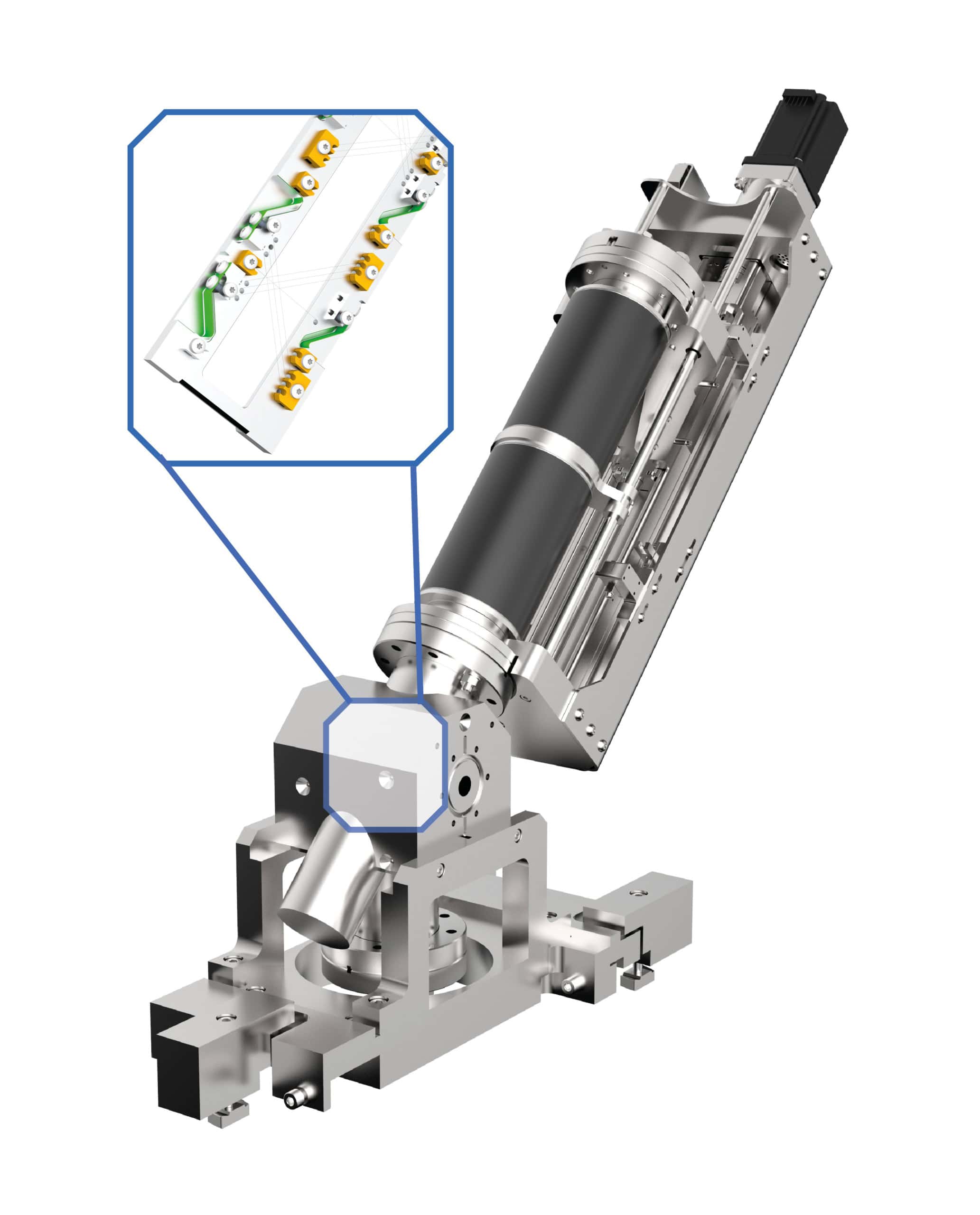
High performance, proven, wire scanner for transverse beam profile measurement for the latest generation of low emittance accelerators and FELs. (Courtesy: UHV Design)

A new high-performance wire scanner fork that the latest generation of free electron lasers (FELs) can use for measuring beam profiles has been developed by UK-based firm UHV Design. Produced using technology licensed from the Paul Scherrer Institute (PSI) in Switzerland, the device could be customized for different FELs and low emittance accelerators around the world. It builds on the company’s PLSM range, which allows heavy objects to be moved very smoothly and with minimal vibrations.

The project began 10 years ago when the PSI was starting to build the Swiss Free Electron Laser and equipping the facility, explains Jonty Eyres. The remit for UHV Design was to provide a stiff, very smooth, bellows sealed, ultra-high vacuum compatible linear actuator that could move a wire fork without vibrating it adversely. The fork, designed by PSI, can hold wires in two directions and can therefore scan the intensity of the beam profile in both X and Y planes using just one device as opposed to two or more as in previous such structures.

“We decided to employ an industrial integrated ball screw and linear slide assembly with a very stiff frame around it, the construction of which provides the support and super smooth motion,” he says. “This type of structure is generally not used in the ultra-high vacuum industry.”

The position of the wire fork is determined through a (radiation-hard) side mounted linear optical encoder in conjunction with the PSI’s own motor and gearbox assembly. A power off brake is also incorporated to avoid any issues with back driving under vacuum load if electrical power was to be lost to the PLSM.  All electrical connections terminated with UTO style connectors to PSI specification.

Long term reliability was important to avoid costly and unnecessary down time, particularly between planned FEL maintenance shutdowns. The industrial ball screw and slide assembly by design was the perfect choice in conjunction with a bellows assembly rated for 500,000 cycles with an option to increase to 1 million cycles.

Eyres and his UHV design team began by building a prototype that the PSI tested themselves with a high-speed camera. Once validated, the UHV engineers then built a batch of 20 identical units to prove that the device could be replicated in terms of constraints and tolerances.

The real challenge in constructing this device, says Eyres, was about trying to minimize the amount of vibration on the wire, which, for PSI, is typically between 5 and 25 microns thick. This is only possible if the vibration of the wire during a scan is low compared to the cross section of the wire – that is, about a micron for a 25-micron wire. “Otherwise, you are just measuring noise,” explains Eyres. “The small vibration we achieved can be corrected for in calculations, so providing an accurate value for the beam profile intensity.”

UHV Design holds the intellectual property rights for the linear actuator and PSI the property rights of the fork. Following the success of the project and a subsequent agreement between them both, it was recently decided that UHV Design buy the licence to promote the wire fork, allowing the company to sell the device or a version of it to any institution or company operating a FEL or low-emittance accelerator. “The device is customizable and can be adapted to different types of fork, wires, motors or encoders,” says Eyres. “The heart of the design remains the same: a very stiff structure and its integrated ball screw and linear slide assembly. But, it can be tailored to meet the requirements of different beam lines in terms of stroke size, specific wiring and the components employed.”

UHV Design’s linear actuator was installed on the Swiss FEL in 2016 and has been performing very well since, says Eyres.

A final and important point to note, he adds, is that UHV Design built an identical copy of their actuator when we took on board the licence agreement, so that we could prove it could still reproduce the same performance. “We built an exact copy of the wire scanner, including the PSI fork assembly and sent it to the PSI, who then used the very same high-speed camera rig that they’d employed in 2015 to directly compare the new actuator with the original ones supplied. They reported that the results were indeed comparable, meaning that if fitted to the Swiss FEL today, it would perform in the same way.”

For more information: https://www.uhvdesign.com/products/linear-actuators/wire-scanner/

Rapid calendar life screening of electrolytes for silicon anodes using voltage holds

Want to learn more about this webinar?

2025-09-ecs-wb-schematic-main-image

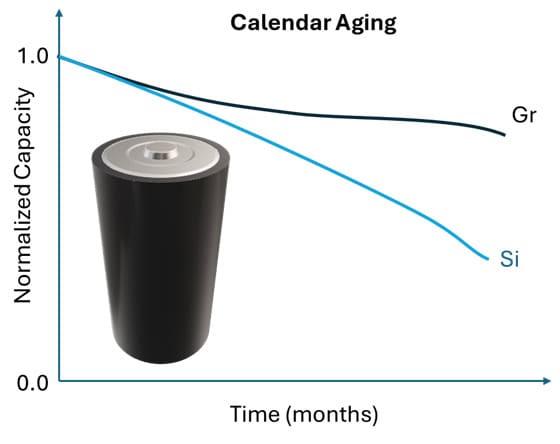
Silicon-based lithium-ion batteries exhibit severe time-based degradation resulting in poor calendar lives. In this webinar, we will talk about how calendar aging is measured, why the traditional measurement approaches are time intensive and there is a need for new approaches to optimize materials for next generation silicon based systems. Using this new approach we also screen multiple new electrolyte systems that can lead to calendar life improvements in Si containing batteries.

An interactive Q&A session follows the presentation.

Want to learn more about this webinar?

ankit-verma-headshot

Ankit Verma’s expertise is in physics-based and data-driven modeling of lithium-ion and next generation lithium metal batteries. His interests lie in unraveling the coupled reaction-transport-mechanics behavior in these electrochemical systems with experiment-driven validation to provide predictive insights for practical advancements. Predominantly, he’s working on improving silicon anodes energy density and calendar life as part of the Silicon Consortium Project, understanding solid-state battery limitations and upcycling of end-of-life electrodes as part of the ReCell Center.

Verma’s past works include optimization of lithium-ion battery anodes and cathodes for high-power and fast-charge applications and understanding electrodeposition stability in metal anodes.


the-electrochemical-society-logo

biologic-battery-logo-800

John Clarke, Michel Devoret and John Martinis win the 2025 Nobel Prize for Physics

John Clarke, Michel Devoret and John Martinis share the 2025 Nobel Prize for Physics “for the discovery of macroscopic quantum mechanical tunnelling and energy quantization in an electric circuit”. 

The award includes a SEK 11m prize ($1.2m), which is shared equally by the winners. The prize will be presented at a ceremony in Stockholm on 10 December.

The prize was announced this morning by members of the Royal Swedish Academy of Science. Olle Eriksson of Uppsala University and chair of the Nobel Committee for Physics commented, “There is no advanced technology today that does not rely on quantum mechanics.”

Göran Johansson of Chalmers University of Technology explained that the three laureates took quantum tunnelling from the microscopic world and onto superconducting chips, allowing physicists to study quantum physics and ultimately create quantum computers.

Speaking on the telephone, John Clarke said of his win, “To put it mildly, it was the surprise of my life,” adding “I am completely stunned. It had never occurred to me that this might be the basis of a Nobel prize.” On the significance of the trio’s research, Clarke said, “The basis of quantum computing relies to quite an extent on our discovery.”

As well as acknowledging the contributions of Devoret and Martinis, Clarke also said that their work was made possible by the work of Anthony Leggett and Brian Josephson – who laid the groundwork for their work on tunnelling in superconducting circuits. Leggett and Josephson are previous Nobel winners.

As well as having scientific significance, the trio’s work has led to the development of nascent commercial quantum computers that employ superconducting circuits. Physicist and tech entrepreneur Ilana Wisby, who co-founded Oxford Quantum Circuits, told Physics World, “It’s such a brilliant and well-deserved recognition for the community”.

A life in science

Clarke was born in 1942 in Cambridge, UK. He received his BA in physics from the University of Cambridge in 1964 before carrying out a PhD at Cambridge in 1968. He then moved to the University of California, Berkeley, to carry out a postdoc before joining the physics faculty in 1969 where he has remained since.

Devoret was born in Paris, France in 1953. He graduated from Ecole Nationale Superieure des Telecommunications in Paris in 1975 before earning a PhD from the University of Paris, Orsay, in 1982. He then moved to the University of California, Berkeley, to work in Clarke’s group collaborating with Martinis who was a graduate student at the time. In 1984 Devoret returned to France to start his own research group at the Commissariat à l’Energie Atomique in Saclay (CEA-Saclay) before heading to the US to Yale University in 2002. In 2024 he moved to the University of California, Santa Barbara, and also became chief scientist at Google Quantum AI.

Martinis was born in the US in 1958. He received a BS in physics in 1980 and a PhD in physics both from the University of California, Berkeley. He then carried out postdocs at CEA-Saclay, France, and the National Institute of Standards and Technology in Boulder, Colorado, before moving to the University of California, Santa Barbara, in 2004. In 2014 Martinis and his team joined Google with the aim of building the first useful quantum computer before he moved to Australia in 2020 to join the start-up Silicon Quantum Computing. In 2022 he co-founded the company Qolab, of which he is currently the chief technology officer.

The trio did its prizewinning work in the mid-1980s at the University of California, Berkeley. At the time Devoret was a postdoctoral fellow and Martinis was a graduate student – both working for Clarke. They were looking for evidence of macroscopic quantum tunnelling (MQT) in a device called a Josephson junction. This comprises two pieces of superconductor that are separated by an insulating barrier. In 1962 the British physicist Brian Josephson predicted how the Cooper pairs of electrons that carry current in a superconductor can tunnel across the barrier unscathed. This Josephson effect was confirmed experimentally in 1963.

Single wavefunction

The lowest-energy (ground) state of a superconductor is a macroscopic quantum state in which all Cooper pairs are described by a single quantum-mechanical wavefunction. In the late 1970s, the British–American physicist Anthony Leggett proposed that the tunnelling of this entire macroscopic state could be observed in a Josephson junction.

The idea is to put the system into a metastable state in which electrical current flows without resistance across the junction – resulting in zero voltage across the junction. If the system is indeed a macroscopic quantum state, then it should be able to occasionally tunnel out of this metastable state, resulting in a voltage across the junction.

This tunnelling can be observed by increasing the current through the junction and measuring the current at which a voltage occurs – obtaining an average value over many such measurements. As the temperature of the device is reduced, this average current increases – something that is expected regardless of whether the system is in a macroscopic quantum state.

However, at very low temperatures the average current becomes independent of temperature, which is the signature of macroscopic quantum tunnelling that Martinis, Devoret and Clarke were seeking. Their challenge was to reduce the noise in their experimental apparatus, because noise has a similar effect as tunnelling on their measurements.

Multilevel system

As well as observing the signature of tunnelling, they were also able to show that the macroscopic quantum state exists in several different energy states. Such a multilevel system is essentially a macroscopic version of an atom or nucleus, with its own spectroscopic structure.

The noise-control techniques developed by the trio to observe MQT and the fact that a Josephson junction can function as a macroscopic multilevel quantum system have led to the development of superconducting quantum bits (qubits) that form the basis of some nascent quantum computers.

Is materials science the new alchemy for the 21st century?

For many years, I’ve been a judge for awards and prizes linked to research and innovation in engineering and physics. It’s often said that it’s better to give than to receive, and it’s certainly true in this case. But another highlight of my involvement with awards is learning about cutting-edge innovations I either hadn’t heard of or didn’t know much about.

One area that never fails to fascinate me is the development of new and advanced materials. I’m not a materials scientist – my expertise lies in creating monitoring systems for engineering – so I apologize for any over-simplification in what follows. But I do want to give you a sense of just how impressive, challenging and rewarding the field of materials science is.

It’s all too easy to take advanced materials for granted. We are in constant contact with them in everyday life, whether it’s through applications in healthcare, electronics and computing or energy, transport, construction and process engineering. But what are the most important materials innovations right now – and what kinds of novel materials can we expect in future?

Drivers of innovation

There are several – and all equally important – drivers when it comes to materials development. One is the desire to improve the performance of products we’re already familiar with. A second is the need to develop more sustainable materials, whether that means replacing less environmentally friendly solutions or enabling new technology. Third, there’s the drive for novel developments, which is where some of the most ground-breaking work is occurring.

On the environmental front, we know that there are many products with components that could, in principle, be recycled. However, the reality is that many products end up in landfill because of how they’ve been constructed. I was recently reminded of this conundrum when I heard a research presentation about the difficulties of recycling solar panels.

Solar farm in the evening sun

Photovoltaic cells become increasingly inefficient with time and most solar panels aren’t expected to last more than about 30 years. Trouble is, solar panels are so robustly built that recycling them requires specialized equipment and processes. More often than not, solar panels just get thrown away despite mostly containing reusable materials such as glass, plastic and metals – including aluminium and silver.

It seems ironic that solar panels, which enable sustainable living, could also contribute significantly to landfill. In fact, the problem could escalate significantly if left unaddressed. There are already an estimated 1.8 million solar panels in use the UK, and potentially billions around the world, with a rapidly increasing install base. Making solar panels more sustainable is surely a grand challenge in materials science.

Waste not, want not

Another vital issue concerns our addiction to new tech, which means we rarely hang on to objects until the end of their life; I mean, who hasn’t been tempted by a shiny new smartphone even though the old one is perfectly adequate? That urge for new objects means we need more materials and designs that can be readily re-used or recycled, thereby reducing waste and resource depletion.

As someone who works in the aerospace industry, I know first-hand how companies are trying to make planes more fuel efficient by developing composite materials that are stronger and can survive higher temperatures and pressures – for example carbon fibre and composite matrix ceramics. The industry also uses “additive manufacturing” to enable more intricate component design with less resultant waste.

Plastics are another key area of development. Many products are made from single type, recyclable materials, such as polyethylene or polypropylene, which benefit from being light, durable and capable of withstanding chemicals and heat. Trouble is, while polyethene and polypropene can be recycled, they both create the tiny “microplastics” that, as we know all too well, are not good news for the environment.

Person holding eco plastic garbage bio bags in rolls outdoors

Bio-based materials are becoming more common for everyday items. Think about polylactic acid (PLA), which is a plant-based polymer derived from renewable resources such as cornstarch or sugar cane. Typically used for food or medical packaging, it’s usually said to be “compostable”, although this is a term we need to view with caution.

Sadly, PLA does not degrade readily in natural environments or landfill. To break it down, you need high-temperature, high-moisture industrial composting facilities. So whilst PLAs come from natural plants, they are not straightforward to recycle, which is why single-use disposable items, such as plastic cutlery, drinking straws and plates, are no longer permitted to be made from it.

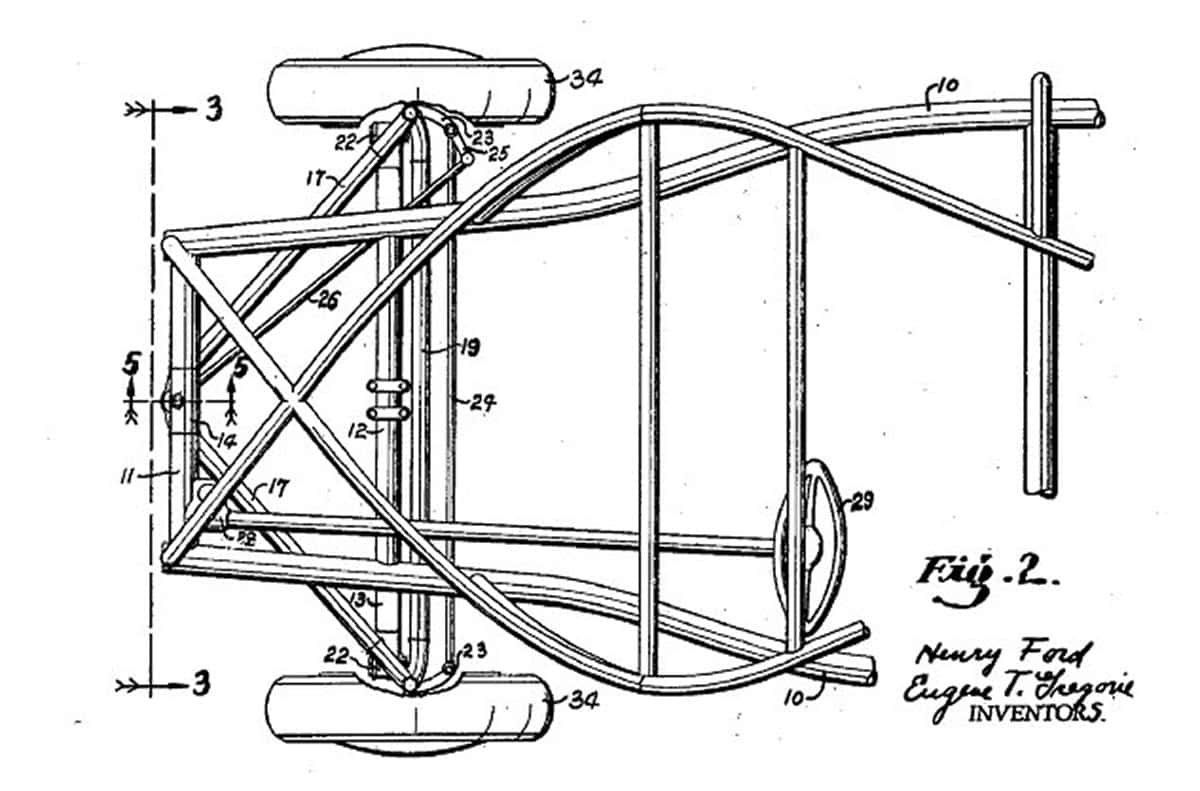
Thankfully, we’re also seeing greater use of more sustainable, natural fibre composites, such as flax, hemp and bamboo (have you tried bamboo socks or cutlery?). All of which brings me to an interesting urban myth, which is that in 1941 legendary US car manufacturer Henry Ford built a car apparently made entirely of a plant-based plastic – dubbed the “soybean” car (see box).

The soybean car: fact or fiction?

Soybean car frame patent

Henry Ford’s 1941 “soybean” car, which was built entirely of a plant-based plastic, was apparently motivated by a need to make vehicles lighter (and therefore more fuel efficient), less reliant on steel (which was in high demand during the Second World War) and safer too. The exact ingredients of the plastic are, however, not known since there were no records kept.

Speculation is that it was a combination of soybeans, wheat, hemp, flax and ramie (a kind of flowering nettle). Lowell Overly, a Ford designer who had major involvement in creating the car, said it was “soybean fibre in a phenolic resin with formaldehyde used in the impregnation”. Despite being a mix of natural and synthetic materials – and not entirely made of soybeans – the car was nonetheless a significant advancement for the automotive industry more than eight decades ago.

Avoiding the “solar-panel trap”

So what technology developments do we need to take materials to the next level? The key will be to avoid what I coin the “solar-panel trap” and find materials that are sustainable from cradle to grave. We have to create an environmentally sustainable economic system that’s based on the reuse and regeneration of materials or products – what some dub the “circular economy”.

Sustainable composites will be essential. We’ll need composites that can be easily separated, such as adhesives that dissolve in water or a specific solvent, so that we can cleanly, quickly and cheaply recover valuable materials from complex products. We’ll also need recycled composites, using recycled carbon fibre, or plastic combined with bio-based resins made from renewable sources like plant-based oils, starches and agricultural waste (rather than fossil fuels).

Vital too will be eco-friendly composites that combine sustainable composite materials (such as natural fibres) with bio-based resins. In principle, these could be used to replace traditional composite materials and to reduce waste and environmental impact.

Another important trend is developing novel metals and complex alloys. As well as enhancing traditional applications, these are addressing future requirements for what may become commonplace applications, such as wide-scale hydrogen manufacture, transportation and distribution.

Soft and stretchy

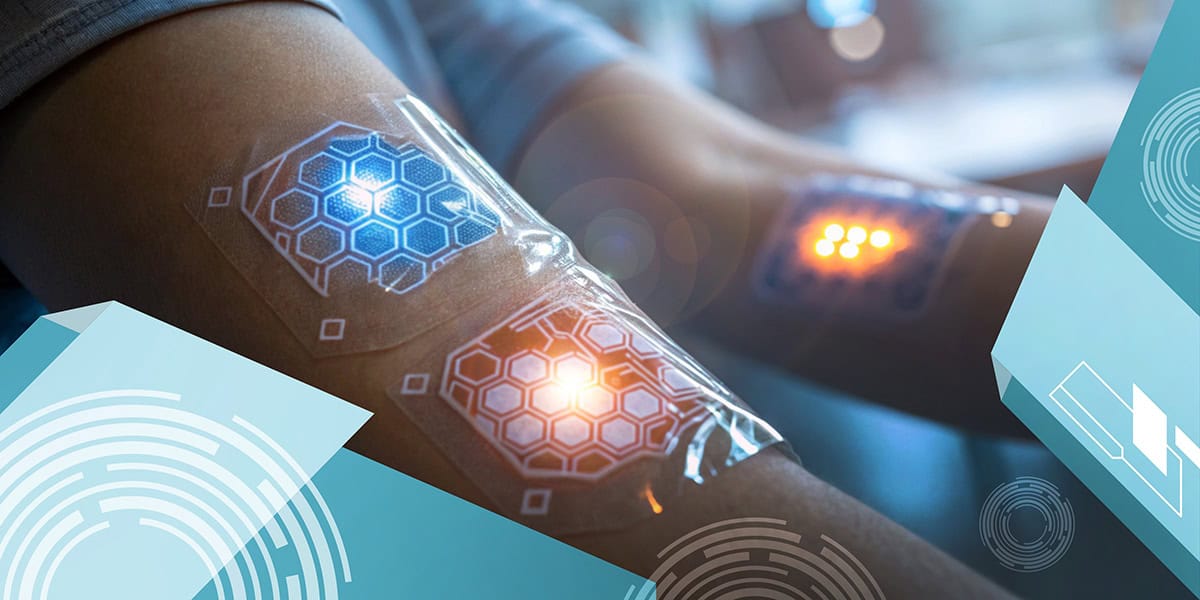
Then there are “soft composites”. These are advanced, often biocompatible materials that combine softer, rubbery polymers with reinforcing fibres or nanoparticles to create flexible, durable and functional materials that can be used for soft robotics, medical implants, prosthetics and wearable sensors. These materials can be engineered for properties like stretchability, self-healing, magnetic actuation and tissue integration, enabling innovative and patient-friendly healthcare solutions.

Wearable electronic monitors on patients' arms

And have you heard of e-textiles, which integrate electronic components into everyday fabrics? These materials could be game-changing for healthcare applications by offering wearable, non-invasive monitoring of physiological information such as heart rate and respiration.

Further applications could include advanced personal protective equipment (PPE), smart bandages and garments for long-term rehabilitation and remote patient care. Smart textiles could revolutionize medical diagnostics, therapy delivery and treatment by providing personalized digital healthcare solutions.

Towards “new gold”

I realize I have only scratched the surface of materials science – an amazing cauldron of ideas where physics, chemistry and engineering work hand in hand to deliver groundbreaking solutions. It’s a hugely and truly important discipline. With far greater success than the original alchemists, materials scientists are adept at creating the “new gold”.

Their discoveries and inventions are making major contributions to our planet’s sustainable economy from the design, deployment and decommission of everyday items, as well as finding novel solutions that will positively impact way we live today. Surely it’s an area we should celebrate and, as physicists, become more closely involved in.

Perovskite detector could improve nuclear medicine imaging

A perovskite semiconductor that can detect and image single gamma-ray photons with both high-spatial and high-energy resolution could be used to create next-generation nuclear medicine scanners that can image faster and provide clearer results. The perovskite is also easier to grow and much cheaper than existing detector materials such as cadmium zinc telluride (CZT), say the researchers at Northwestern University in the US and Soochow University in China who developed it.

Nuclear medicine imaging techniques like single-photon emission computed tomography (SPECT) work by detecting the gamma rays emitted by a short-lived radiotracer delivered to a specific part of a patient’s body. Each gamma ray can be thought of as being a pixel of light, and after millions of these pixels have been collected, a 3D image of the region of interest can be built up by an external detector.

Such detectors are today made from either semiconductors like CZT or scintillators such as NaI:TI, CsI and LYSO, but CZT detectors are expensive – often costing hundreds of thousands to millions of dollars. CZT crystals are also brittle, making the detectors difficult to manufacture. While NaI is cheaper than CZT, detectors made of this material end up being bulky and generate blurrier images.

High-quality crystals of CsPbBr3

To overcome these problems, researchers led by Mercouri Kanatzidis and Yihui He studied the lead halide perovskite crystal CsPbBr3. They already knew that this was an efficient solar cell material and recently, they discovered that it also showed promise for detecting X-rays and gamma rays.

In the new work, detailed in Nature Communications, the team grew high-quality crystals of CsPbBr3 and fabricated them into detector devices. “When a gamma-ray photon enters the crystal, it interacts with the material and produces electron–hole pairs,” explains Kanatzidis. “These charge carriers are collected as an electrical signal that we can measure to determine both the energy of the photon and its point of interaction.”

The researchers found that their detectors could resolve individual gamma rays at the energies used in SPECT imaging with high resolution. They could also sense extremely weak signals from the medical tracer technetium-99m, which is routinely employed in hospital settings. They were thus able to produce sharp images that could distinguish features as small as 3.2 mm. This fine sensitivity means that patients would be exposed to shorter scan times or smaller doses of radiation compared with NaI or CZT detectors.

Ten years of optimization

“Importantly, a parallel study published in Advanced Materials the same week as our Nature Communications paper directly compared perovskite performance with CZT, the only commercial semiconductor material available today for SPECT, which showed that perovskites can even surpass CZT in certain aspects,” says Kanatzidis.

“The result was possible thanks to our efforts over the last 10 years in optimizing the crystal growth of CsPbBr3, improving the electrode contacts in the detectors and carrier transport and nuclear electronics therein,” adds He. “Since the first demonstration of high spectral resolution by CsPbBr3 in our previous work, it has gradually been recognized as the most promising competitor to CZT.”

Looking forward, the Northwestern–Soochow team is now busy scaling up detector fabrication and improving its long-term stability. “We are also trying to better understand the fundamental physics of how gamma rays interact in perovskites, which could help optimize future materials,” says Kanatzidis. “A few years ago, we established a new company, Actinia, with the goal of commercializing this technology and moving it toward practical use in hospitals and clinics,” he tells Physics World.

“High-quality nuclear medicine shouldn’t be limited to hospitals that can afford the most expensive equipment,” he says. “With perovskites, we can open the door to clearer, faster, safer scans for many more patients around the world. The ultimate goal is better scans, better diagnoses and better care for patients.”

Radioactive BEC could form a ‘superradiant neutrino laser’

Radioactive atoms in a Bose–Einstein condensate (BEC) could form a “superradiant neutrino laser” in which the atomic nuclei undergo accelerated beta decay. The hypothetical laser has been proposed by two researchers US who say that it could be built and tested. While such a neutrino laser has no obvious immediate applications, further developments could potentially assist in the search for background neutrinos from the Big Bang – an important goal of neutrino physicists.

Neutrinos – the ghostly particles produced in beta decay – are notoriously difficult to detect or manipulate because of the weakness of their interaction with matter. They cannot be used to produce a conventional laser because they would pass straight through mirrors unimpeded. More fundamentally, neutrinos are fermions rather than bosons such as photons. This prevents neutrinos forming a two-level system with a population inversion as only one neutrino can occupy each quantum state in a system.

However, another quantum phenomenon called superradiance can also increase the intensity and coherence of the radiation from photons. This occurs when the emitters are sufficiently close together to become indistinguishable. The emission then comes not from any single entity but from the collective ensemble. As it does not require the emitted particles to be quantum degenerate, this is not theoretically forbidden for fermions. “There are devices that use superradiance to make light sources, and people call them superradiant lasers – although that’s actually a misnomer” explains neutrino physicist Benjamin Jones of the University of Texas at Arlington and a visiting professor at the University of Manchester. “There’s no stimulated emission.”

In their new work, Jones and colleague Joseph Formaggio of Massachusetts Institute of Technology propose that, in a BEC of radioactive atoms, superradiance could enhance the neutrino emission rate and therefore speed up beta decay, with an initial burst before the expected exponential decay commences. “That has not been seen for nuclear systems so far – only for electronic ones,” says Formaggio. Rubidium was used to produce the first ever condensate in 1995 by Carl Wiemann and Eric Cornell of University of Colorado Boulder, and conveniently, one of its isotopes decays by beta emission with a half-life of 86 days.

Radioactive vapour

The presence of additional hyperfine states would make direct laser cooling of rubidium-83 more challenging than the rubidium-87 isotope used by Wiemann and Cornell, but not significantly more so than the condensation of rubidium-85, which has also been achieved. Alternatively, the researchers propose that a dual condensate could be created in which rubidium-83 is cooled by sympathetic cooling with rubidium-87. The bigger challenge, says Jones, is the Bose–Einstein condensation of a radioactive atom, which has yet to be achieved: “It’s difficult to handle in a vacuum system,” he explains, “You have to be careful to make sure you don’t contaminate your laboratory with radioactive vapour.”

If such a condensate were produced, the researchers predict that superradiance would increase with the size of the BEC. In a BEC of 106 atoms, for example, more than half the atoms would decay within three minutes. The researchers now hope to test this prediction. “This is one of those experiments that does not require a billion dollars to fund,” says Formaggio. “It is done in university laboratories. It’s a hard experiment but it’s not out of reach, and I’d love to see it done and be proven right or wrong.”

If the prediction were proved correct, the researchers suggest it could eventually lead towards a benchtop neutrino source. As the same physics applies to neutrino capture, this could theoretically assist the detection of neutrinos that decoupled from the hot plasma of the universe just seconds after the Big Bang – hundreds of thousands of years before photons in the cosmic microwave background. The researchers emphasize, however, that this would not currently be feasible.

Sound proposal

Neutrino physicist Patrick Huber of Virginia Tech is impressed by the work. “I think for a first, theoretical study of the problem this is very good,” he says. “The quantum mechanics seems to be sound, so the question is if you try to build an experiment what kind of real-world obstacles are you going to encounter?” He predicts that, if the experiment works, other researchers would quite likely find hitherto unforeseen applications.

Atomic, molecular and optical physicist James Thompson of University of Colorado Boulder is sceptical, however. He says several important aspects are either glossed over or simply ignored. Most notably, he calculates that the de Broglie wavelength of the neutrinos would be below the Bohr radius – which would prevent a BEC from feasibly satisfying the superradiance criterion that the atoms be indistinguishable.

“I think it’s a really cool, creative idea to think about,” he concludes, “but I think there are things we’ve learned in atomic physics that haven’t really crept into [the neutrino physics] community yet. We learned them the hard way by building experiments, having them not work and then figuring out what it takes to make them work.”

The proposal is described in Physical Review Letters.

Bayes’ rule goes quantum

How would Bayes’ rule – a technique to calculate probabilities – work in the quantum world? Physicists at the National University of Singapore, Japan’s University of Nagoya, and the Hong Kong University of Science and Technology in Guangzhou have now put forward a possible explanation. Their work could help improve quantum machine learning and quantum error correction in quantum computing.

Bayes’ rule is named after Thomas Bayes who first defined it for conditional probabilities in “An Essay Towards Solving a Problem in the Doctrine of Chances” in 1763.  It describes the probability of an event based on prior knowledge of conditions that might be related to the event. One area in which it is routinely used is to update beliefs based on new evidence (data). In classical statistics, the rule can be derived from the principle of minimum change, meaning that the updated beliefs must be consistent with the new data while only minimally deviating from the previous belief.

In mathematical terms, the principle of minimum change minimizes the distance between the joint probability distributions of the initial and updated belief. Simply put, this is the idea that for any new piece of information, beliefs are updated in the smallest possible way that is compatible with the new facts. For example, when a person tests positive for Covid-19, they may have suspected that they were ill, but the new information confirms this. Bayes’ rule is a therefore way to calculate the probability of having contracted Covid-19 based not only on the test result, and the chance of the test yielding a false negative, but also on the patient’s initial suspicions.

Quantum analogue

Quantum versions of Bayes’ rule have been around for decades, but the approach through the minimum change principle had not been tried before. In the new work, a team led by Ge Bai, Francesco Buscemi and Valerio Scarani set out to do just that.

“We found which quantum Bayes’ rule is singled out when one maximizes the fidelity (which is equivalent to minimizing the change) between two processes,” explains Bai. “In many cases, the solution is the ‘Petz recovery map’, proposed by Dénes Petz in the 1980s and which was already considered as being one of the best candidates for the quantum Bayes’ rule. It is based on the rules of information processing, crucial not only for human reasoning, but also for machine learning models that update their parameters with new data.”

Quantum theory is counter-intuitive, and the mathematics is hard, says Bai. “Our work provides a mathematically sound way to update knowledge about a quantum system, rigorously derived from simple principles of reasoning, he tells Physics World. “It demonstrates that the mathematical description of a quantum system—the density matrix—is not just a predictive tool, but is genuinely useful for representing our understanding of an underlying system. “It effectively extends the concept of gaining knowledge, which mathematically corresponds to a change in probabilities, into the quantum realm.”

A conservative stance

The “simple principles of reasoning” encompass the minimum change principle, adds Buscemi. “The idea is that while new data should lead us to update our opinion or belief about something, the change should be as small as possible, given the data received.

“It’s a conservative stance of sorts: I’m willing to change my mind, but only by the amount necessary to accept the hard facts presented to me, no more.”

“This is the simple (yet powerful) principle that Ge mentioned,” he says, “and it guides scientific inference by preventing unwanted biases from entering the reasoning process.”

An axiomatic approach to the Petz recovery map

While several quantum versions of the Bayes’ rule have been put forward before now, these were mostly based on the fact of having analogous properties to their classical counterpart, adds Scarani. “Recently, Francesco and one co-author proposed an axiomatic approach to the most frequently-used quantum Bayes rule, the one using the Petz recovery map. Our work is the first to derive a quantum Bayes rule from an optimization principle, which works very generally for classical information, but which has been used here for the first time in quantum information.

The result is very intriguing, he says: “we recover the Petz map in many cases, but not all. If we take that our new approach is the correct way to define a quantum Bayes rule, then previous constructions based on analogies were correct very often, but not quite always; and one or more of the axioms are not to be enforced after all. Our work is therefore is a major advance, but it is not the end of the road – and this is nice.”

Indeed, the researchers say they are now busy further refining their quantum Bayes’ rule. They are also looking into applications for it. “Beyond machine learning, this rule could be powerful for inference—not just for predicting the future but also retrodicting the past,” says Bai. “This is directly applicable to problems in quantum communication, where one must recover encoded messages, and in quantum tomography, where the goal is to infer a system’s internal state from observations.

“We will be using our results to develop new, hopefully more efficient, and mathematically well-founded methods for these tasks,” he concludes.

The present study is detailed in Physical Review Letters.

The top five physics Nobel prizes of the 21st century revealed

With the 2025 Nobel Prize for Physics due to be unveiled on Tuesday 7 October, Physics World has been getting in the mood by speculating who might win. It’s a prediction game we have fun with every year – and you can check out our infographic to make your own call.

Quantum physics is our hot favourite this time round – it’s the International Year of Quantum Science and Technology and the Nobel Committee for Physics aren’t immune to wider events. But whoever wins, you know that the prize will have been very carefully considered by committee members.

Over the 125 years since the prize was first awarded, almost every seminal finding in physics has been honoured – from the discovery of the electron, neutrino and positron to the development of quantum mechanics and the observation of high-temperature superconductivity.

But what have been the most significant physics prizes of the 21st century? I’m including 2000 as part of this century (ignoring pedants who say it didn’t start till 1 January 2001). During that time, the Nobel Prize for Physics has been awarded 25 times and gone to 68 different people, averaging out at about 2.7 people per prize.

Now, my choice is entirely subjective, but I reckon the most signficant prizes are those that:

  • are simple to understand;
  • were an experimental or theoretical tour-de-force;
  • have long-term implications for science and open new paths;
  • expose deeper questions at their heart;
  • were on people’s bucket lists and/or have long, historical links;
  • were won by people we’d heard of at the time;
  • are of wider interest to non-physicists or those with only a passing interest in the subject.

So with that in mind, here’s my pick of the five top physics Nobel prizes of the 21st century. You’ll probably disagree violently with my choice so e-mail us with your thoughts.

5. Neutrino oscillation – 2015 prize

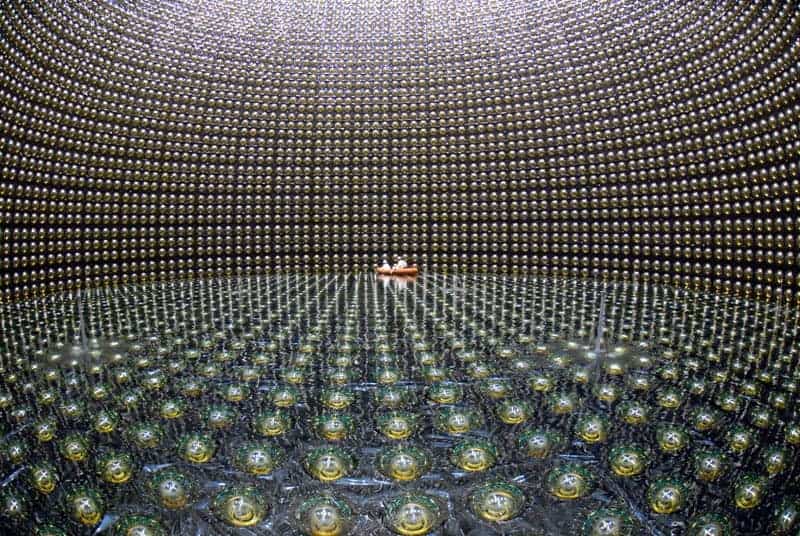
Coming in at number five in our list of top physics Nobels of the 21st century is the discovery of neutrino oscillation, which went to Takaaki Kajita and Art McDonald in 2015. The neutrino was first hypothesized by Wolfgang Pauli back in 1930 as “a desperate remedy” to the fact that energy didn’t seem to be conserved when a nucleus emits an electron via beta decay. Fred Reines and Clyde Cowan had won a Nobel prize in 1995 for the original discovery of neutrinos themselves, which are chargeless particles that interact with matter via the weak force and are fiendishly hard to detect.

But what Kajita (at the Super-Kamikande experiment in Japan) and McDonald (at the Sudbury Neutrino Observatory in Canada) had done is to see them switch, or “oscillate”, from one type to another. Their work proved that these particles, which physicists had assumed to be massless, do have mass after all. This was at odds with the Standard Model of particle physics – and isn’t it fun when physics upends conventional wisdom?

What’s more, the discovery of neutrino oscillation explained why Ray Davies and John Bahcall had seen only a third of the solar neutrinos predicted by theory in their famous experiment of 1964. This discrepancy arose because solar neutrinos are oscillating between flavours as they travel to the Earth – and their experiment had detected only a third as it was sensitive mainly to electron neutrinos, not the other types.

4. Bose–Einstein condensation – 2001 prize

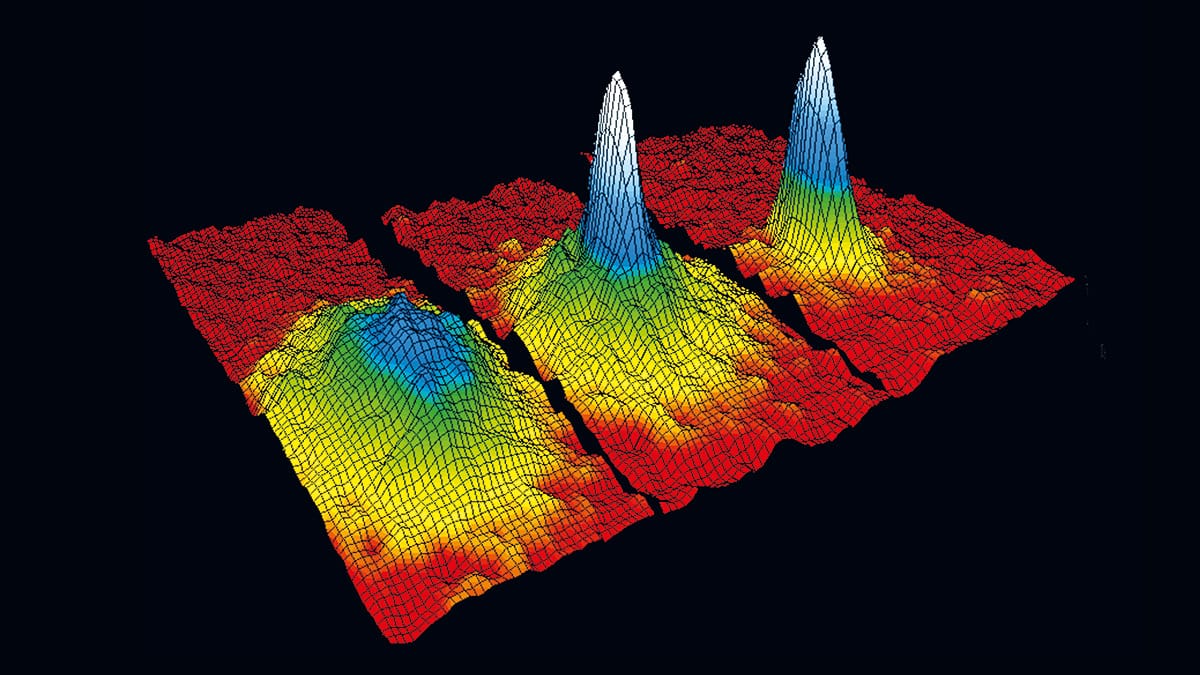
A Bose–Einstein condensate emerges from a cloud of cold rubidium atoms

At number four in our list of the best physics Nobel prizes of the 21st century is the 2001 award, which went to Eric Cornell, Wolfgang Ketterle and Carl Wieman for creating the first Bose–Einstein condensates (BECs). I love the idea that Cornell and Wieman created a new state of matter – in which particles are locked together in their lowest quantum state – at exactly 10.54 a.m. on Monday 5 June 1995 at the JILA laboratory in Boulder, Colorado.

First envisaged by Satyendra Nath Bose and Albert Einstein in 1924, Cornell and Wieman created the first BEC by cooling 2000 rubidium-87 atoms to 170nK using the then new techniques of laser and evaporative cooling. Within a few months, Wolfgang Ketterle over at the Massachusetts Institute of Technology also made a BEC from 500,000 sodium-23 atoms at 2 μK.

Since then hundreds of groups around the world have created BECs, which have been used for everything from slowing light to making “atom lasers” and even modelling the behaviour of black holes. Moreover, the interactions between the atoms can be finely controlled, meaning BECs can be used to simulate properties of condensed-matter systems that are extremely difficult – or impossible – to probe in real materials.

3. Higgs boson – 2013 prize

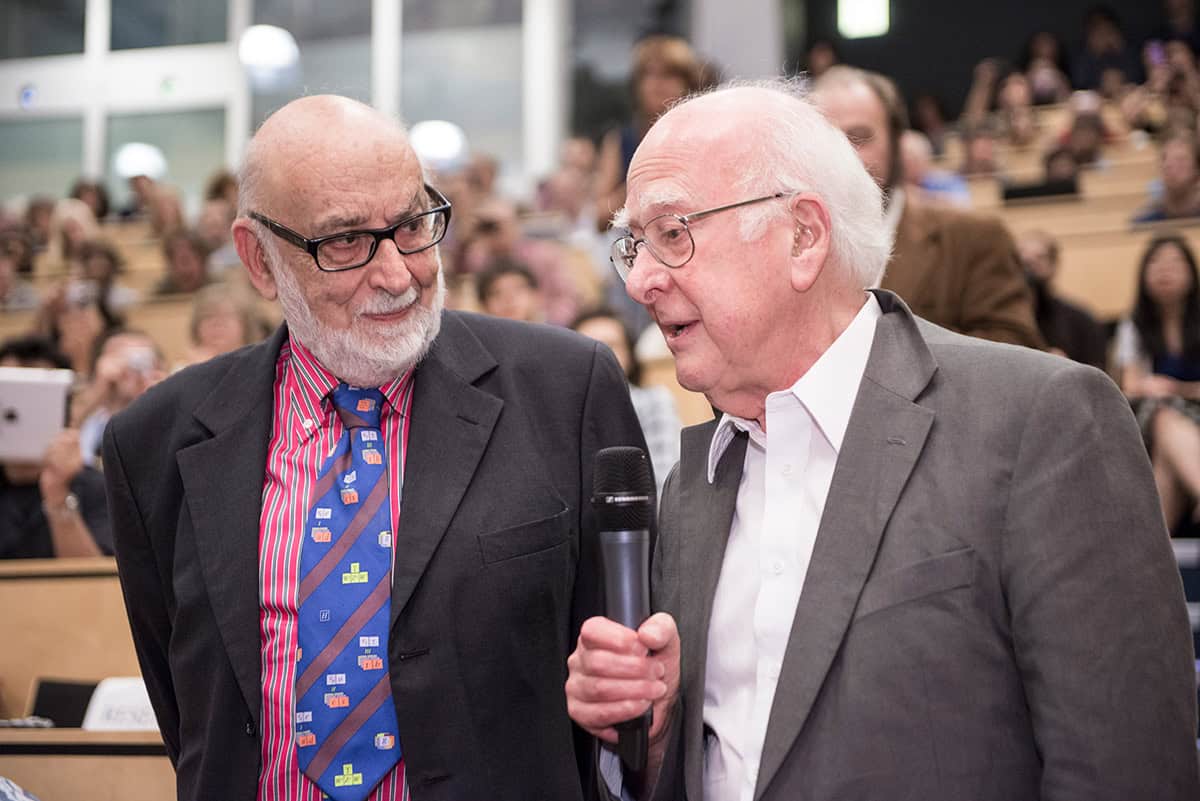
Francois Englert and Peter Higgs.

Coming in at number three is the 2013 prize, which went to François Englert and the late Peter Higgs for discovering the mechanism by which subatomic particles get mass. Their work was confirmed in 2012 by the discovery of the so-called Higgs boson at the ATLAS and CMS experiments at CERN’s Large Hadron Collider.

Higgs and Englert didn’t, of course, win for detecting the Higgs boson, although the Nobel citation credits the ATLAS and CMS teams in its citation. What they were being credited for was work done back in the early 1960s when they published papers independently of each other that provided a mechanism by which particles can have the masses we observe.

Higgs had been studying spontaneous symmetry breaking, which led to the notion of massless, force-carrying particles, known as Goldstone bosons. But what Higgs realized was that Goldstone bosons don’t necessarily occur when a symmetry is spontaneously broken – they could be reinterpreted as an additional quantum (polarization) state of a force-carrying particle.

The leftover terms in the equations represented a massive particle – the Higgs boson – avoiding the need for a massless unobserved particle. Writing in his now-famous 1964 paper (Phys. Rev. Lett. 13 508), Higgs highlighted the possibility of a massive spin-zero boson, which is what was discovered at CERN in 2012.

That work probably got more media attention than all Nobel prizes this century, because who doesn’t love a huge international collaboration tracking down a particle on the biggest physics experiment of all time? Especially as the Standard Model doesn’t predict what its mass should be so it’s hard to know where to look. But it doesn’t take top slot in my book because it “only” confirmed what we had expected and we’re still on the look-out for “new physics” beyond the Standard Model.

2. Dark energy – 2011 prize

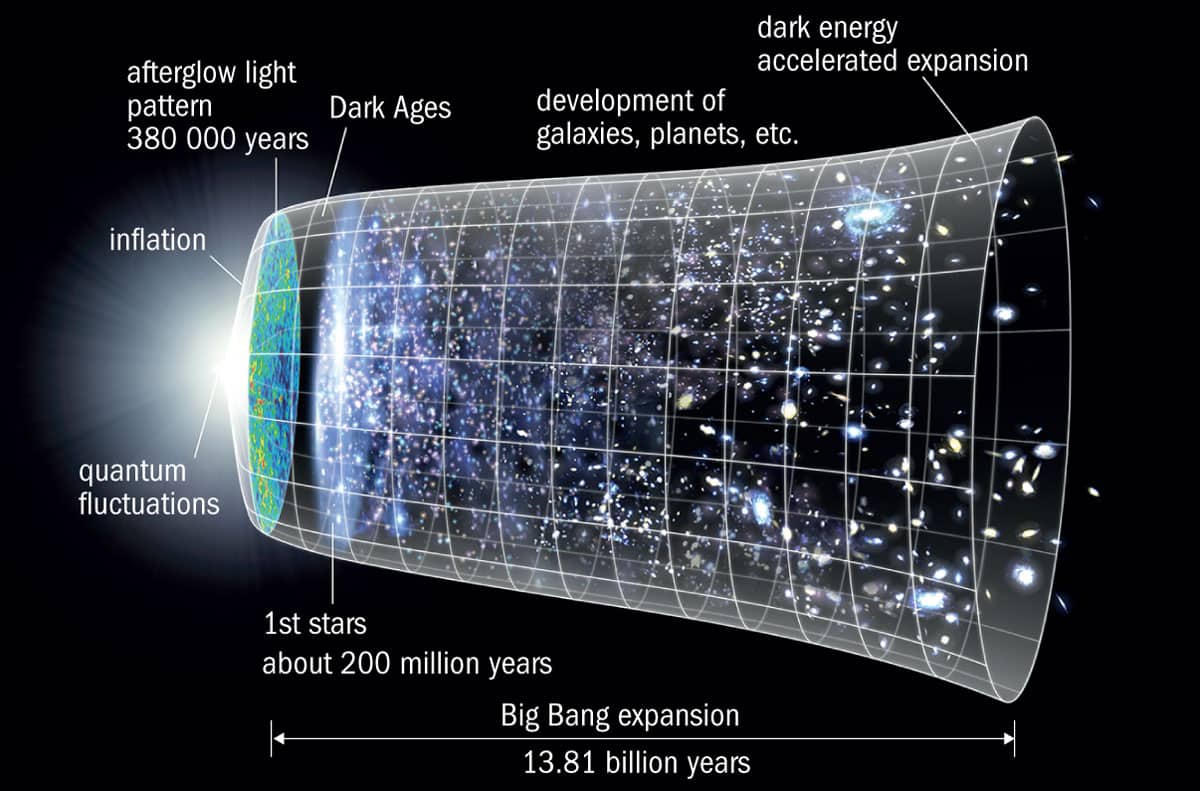
Cooper-fig1

Taking second place in our list is the discovery that the expansion of the universe is not slowing down – but accelerating – thanks to studies of exploding stars called supernovae. As with so many Nobel prizes these days, the 2011 award went to three people: Brian Schmidt, who led the High-Z Supernovae Search Team, and his colleague Adam Riess, and to Saul Perlmutter who led the rival Supernova Cosmology Project.

Theirs was a pretty sensational finding that implied that about three-quarters of the mass–energy content of the universe must consist of some weird, gravitationally repulsive substance, dubbed “dark energy”, about which even now we still know virtually nothing. It had previously been assumed that the universe would – depending on how much matter it contains – either collapse eventually in a big crunch or go on expanding forever, albeit at an ever more gentle pace.

The teams had been studying type 1a supernovae, which always blow up in the same way when they reach the same mass, which means that they can be used as “standard candles” to accurately measure distance in the universe. Such supernovae are very rare and the two groups had to carry out painstaking surveys using ground-based telescopes and the Hubble Space Telescope to find enough of them.

The teams thought they’d find that the expansion of the universe is decelerating, but as more and more data piled up, the results only appeared to make sense if the universe has a force pushing matter apart. The Royal Swedish Academy of Sciences said the discovery was “as significant” as the 2006 prize, which had gone to John Mather and the late George Smoot for their discovery in 1992 of the minute temperature variations in the cosmic microwave background – the fossil remnants of the large-scale structures in today’s universe.

But to me, the accelerating expansion has the edge as the implications are even more profound, pointing as they do to the composition and fate of the cosmos.

1. Gravitational waves – 2017 prize

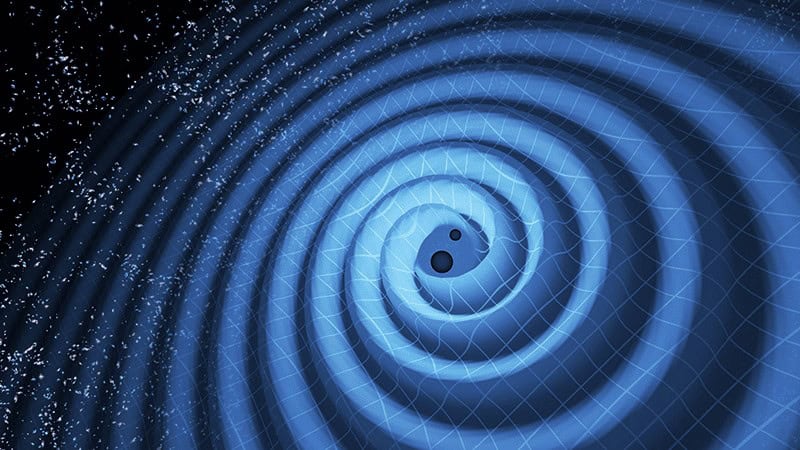
Artist's impression of gravitational waves from a black-hole binary

And finally, the winner of the greatest Nobel Prize for Physics of the 21st century is the 2017 award, which went to Barry Barish, Kip Thorne and the late Rainer Weiss for the discovery of gravitational waves. Not only is it the most recent prize on my list, it’s also memorable for being a genuine first – discovering the “ripples in space–time” originally predicted by Einstein. The two LIGO detectors in Livingston, Louisiana, and Hanford, Washington, are also astonishing feats of engineering, capable of detecting changes in distance tinier than the radius of the proton.

The story of how gravitational waves were first observed is now well known. It was in the early hours of the morning Monday 14 September 2015, just after staff who had been calibrating the LIGO detector in Livingston had gone to bed, when gravitational waves created from the collision of two black holes 1.3 billion light-years away hit the LIGO detectors in the US. The historic measurement dubbed GW150914 hit the headlines around the world.

More than 200 gravitational-wave events have so far been detected – and observing these ripples, which had long been on many physicists’ bucket lists, has over the last decade become almost routine. Most gravitational-wave detections have been binary black-hole mergers, though there have also been a few neutron-star/black-hole collisions and some binary neutron-star mergers too. Gravitational-wave astronomy is now a well-established field not just thanks to LIGO but also Virgo in Italy and KAGRA in Japan. There are also plans for an even more advanced Einstein Telescope, which could detect in a day what it took LIGO a decade to spot.

Gravitational waves also opened the whole new field of “multimessenger astronomy” – the idea that you observe a cosmic event with gravitational waves and then do follow-up studies using other instruments, measuring it with cosmic rays, neutrinos and photons. Each of these cosmic messengers is produced by distinct processes and so carries information about different mechanisms within its source.

The messengers also differ widely in how they carry this information to the astronomer: for example, gravitational waves and neutrinos can pass through matter and intergalactic magnetic fields, providing an unobstructed view of the universe at all wavelengths. Combining observations of different messengers will therefore let us see more and look further.

  • Think we’re right or spectacularly wrong with our pick of the top five Nobel physics prizes of the 21st century? Get in touch by e-mailing us with your thoughts.

ASTRO 2025: expanding the rules of radiation therapy

“ASTRO 2025 has opened with a palpable sense of momentum. The turnout has been really strong and the energy is unmistakable,” said Catheryn Yashar, president-elect of the American Society for Radiation Oncology (ASTRO). “There’s a buzz in the exhibit hall, lots of talking in the lobby. And the sessions have generated excitement – it’s data that’s challenging our long held standards and testing the expanding rules of radiation therapy.”

Yashar was speaking at a news briefing arranged to highlight a select few high-impact abstracts. And in accord with the ASTRO 2025 meeting’s theme of “rediscovering radiation medicine and exploring new indications”, the chosen presentations included examples of innovative techniques and less common indications, including radiotherapy treatments of non-malignant disease and a novel combination of external-beam radiation with radioligand therapy.

Keeping heart rhythm under control

Ventricular tachycardia (VT) is a life-threatening heart rhythm disorder that’s usually treated with medication, implantation of a cardiac device and then catheter ablation, an invasive procedure in which a long catheter is inserted via a leg vein into the heart to destroy abnormal cardiac tissue. A research team at Washington University School of Medicine has now shown that stereotactic arrhythmia radiation therapy (STAR) could provide an equally effective and potentially safer treatment alternative.

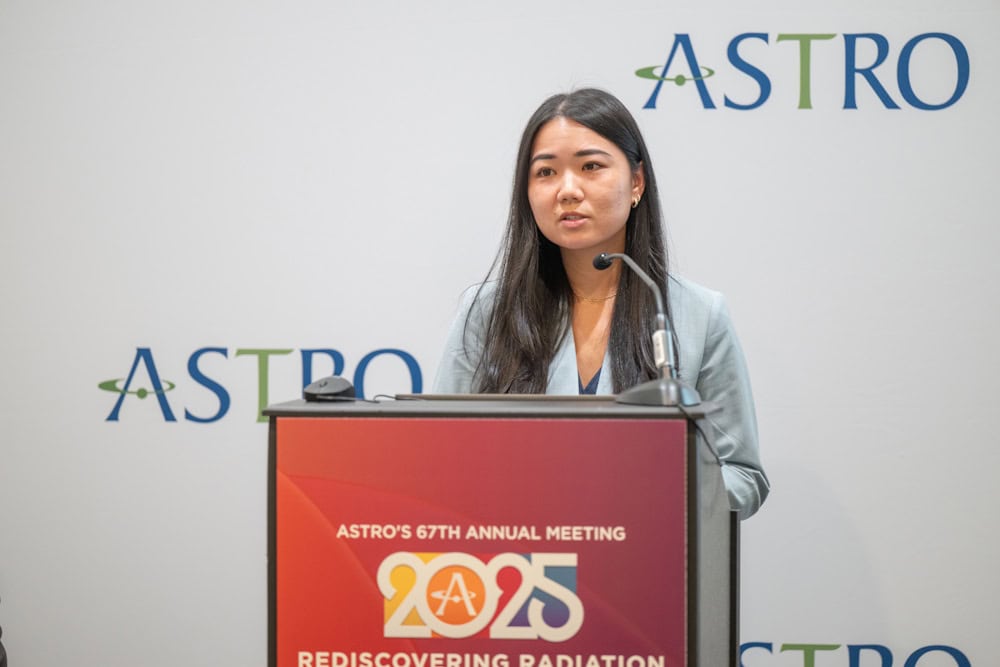
Shannon Jiang at ASTRO 2025

STAR works by delivering precision beams of radiation to the scarred tissue that drives the abnormal heart rhythm, without requiring invasive catheters or anaesthesia.

“Over the past several years, STAR has emerged as a novel non-invasive treatment for patients with refractory VT,” said Shannon Jiang, who presented the team’s findings at ASTRO. “So far, there have been several single-arm studies showing promising results for STAR, but there are currently no data that directly compare STAR to catheter ablation, and that’s the goal for our study.”

Jiang and colleagues retrospectively analysed data from 43 patients with recurrent refractory VT (which no longer responds to treatment). Patients were treated with either STAR or repeat catheter ablation at a single institution. The team found that both treatments were similarly effective at controlling arrhythmia, but patients receiving radiation had far fewer serious side effects.

Within one year of the procedure, eight patients (38%) in the ablation group experienced treatment-related serious adverse events, compared with just two (9%) in the STAR group. These complications occurred sooner after ablation (median six days) than after radiation (10 months). In four cases, patients receiving ablation died within a month of treatment, soon after experiencing an adverse event, and one patient did not survive the procedure. In contrast, in the STAR group, there were no deaths attributed to treatment-related side effects. One year after treatment, overall survival was 73% following radiation and 58% after ablation; at three years (the median follow-up time), it was 45% in both groups.

“Despite the fact that this is a retrospective, non-randomized analysis, our study provides some important preliminary data that support the use of STAR as a potentially safer and equally effective treatment option for patients with high-risk refractory VT,” Jiang concluded.

Commenting on the study, Kenneth Rosenzweig from Icahn School of Medicine at Mount Sinai emphasizes that the vast majority of patients with VT will be well cared for by standard cardiac ablation, but that radiation can help in certain situations. “This study shows that for patients where the ablation just isn’t working anymore, there’s another option. Some patients will really need the help of radiation medicine to get them through, and work like this will help us figure out who those patients are and what we can do to improve their quality-of-life.”

A radiation combination

A clinical trial headed up at the University of California, Los Angeles, has shown that adding radioligand therapy to metastasis-directed radiation therapy more than doubles progression-free survival in men with oligometastatic prostate cancer, without increasing toxicity.

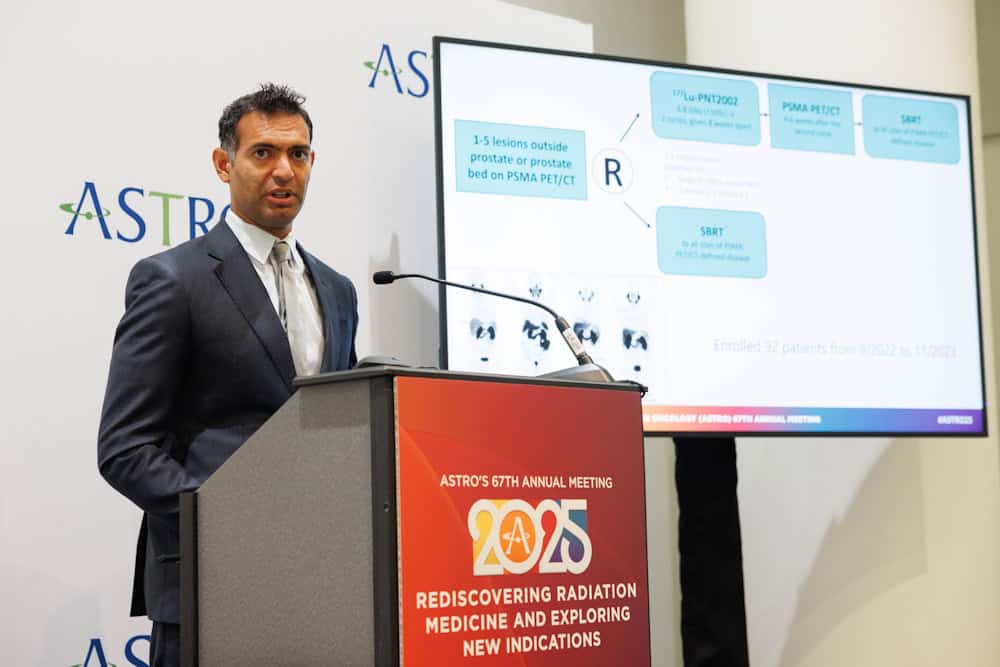
“When we pair external-beam radiation directed to tumours we can see with a radiopharmaceutical to reach microscopic disease we can’t see, patients can experience a notably longer interval before progression,” explained principal investigator Amar Kishan.

Patients with oligometastatic prostate cancer (up to five metastases outside the prostate after initial therapy) are increasingly treated with metastasis-directed stereotactic body radiation therapy (SBRT). While this treatment can delay progression and the need for hormone therapy, in most patients the cancer recurs, likely due to the presence of undetectable microscopic disease.

Amar Kishan at ASTRO 2025

Radioligand therapy uses a radiopharmaceutical drug to deliver precise radiation doses directly to tumours. For prostate cancer, the drug combines radioactive isotope lutetium-177 with a ligand that targets the prostate-specific membrane antigen (PSMA) found on cancer cells. Following its promising use in men with advanced prostate cancer, the team examined whether adding radioligand therapy to SBRT could also improve progression-free survival in men with early metastatic disease.

The phase II LUNAR trial included 92 men with oligometastatic prostate cancer and one to five distant lesions as seen on a PSMA PET/CT scan. The patients were randomized to receive either SBRT alone (control arm) or two cycles of the investigational PSMA-targeting drug 177Lu-PNT2002, eight weeks apart, followed by SBRT.

At a median follow-up of 22 months, adding radioligand therapy improved median progression-free survival from 7.4 to 17.3 months. Hormone therapy was also delayed, from 14.1 months in the control group to 24.3 months. Of 65 progression events observed, 64 were due to new lesions rather than regrowth at previously treated sites. Both treatments were well tolerated, with no difference in severe side effects between the two groups.

“We conclude that adding two cycles of 177Lu-PNT2002 to SBRT significantly improves progression-free survival in men with oligorecurrent prostate cancer, presumably by action on occult metastatic disease, without an increase in toxicity,” said Kishan. “Ultimately, while this intervention worked well, 64% of patients even on the investigational arm still had some progression, so we could further optimize the dose and cycle and other variables for these patients.”

Pain relief for knee osteoarthritis

Osteoarthritis is a painful joint disease that arises when the cartilage cushioning the ends of bones wears down. Treatments include pain medication, which can cause significant side effects with long-term use, or invasive joint replacement surgery. Byoung Hyuck Kim from Seoul National University College of Medicine described how low-dose radiotherapy (LDRT) could help bridge this treatment gap.

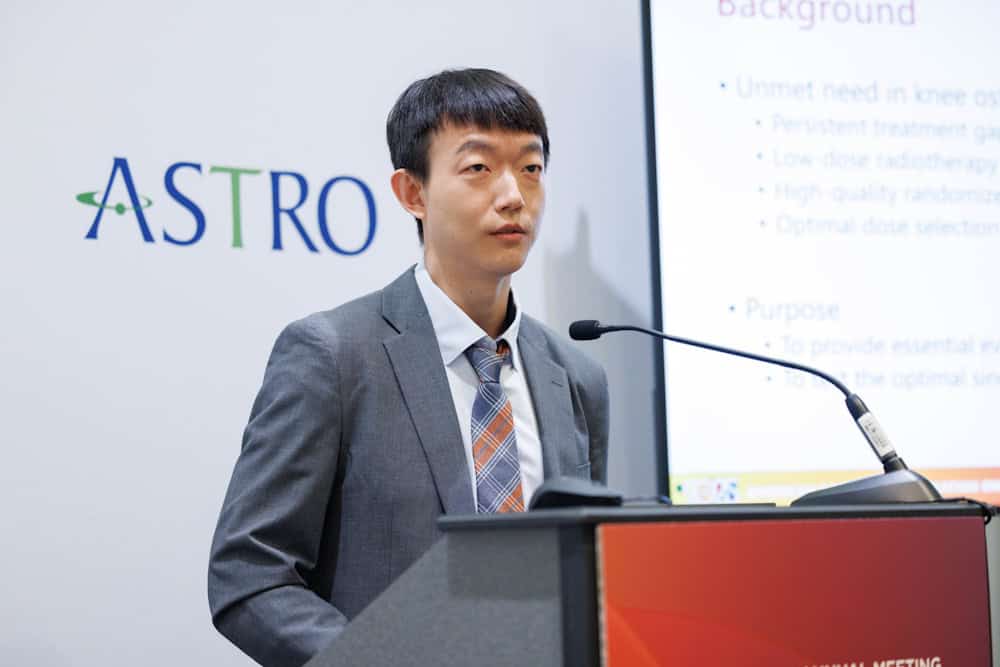
Byoung Hyuck Kim at ASTRO 2025

LDRT could provide a non-invasive alternative treatment for knee osteoarthritis, a leading cause of disability, Kim explained. But while it is commonly employed in Europe to treat joint pain, its use in other countries is limited by low awareness and a lack of high-quality randomized evidence. To address this shortfall, Kim and colleagues performed a randomized, placebo-controlled trial designed to provide sufficient evidence to incorporate LDRT into clinical standard-of-care.

“There’s a clinical need for moderate interventions between weak pain medications and aggressive surgery, and we think radiation may be a suitable option for those patients, especially when drugs and injections are poorly tolerated,” said Kim.

The multicentre trial included 114 patients with mild to moderate knee osteoarthritis. Participants were randomized to receive one of three treatments: 0.3 Gy radiotherapy in six fractions; 3 Gy in six fractions; or sham irradiation where the treatment system did not deliver radiation – an approach that had not been tested in previous studies.

The use of pain medication was limited, to avoid masking effects from the radiation itself. Response was considered positive if the patients (who did not know which treatment they had received) exhibited improvements in pain levels, physical function and overall condition.

“Interestingly, at one month [after treatment], the response rates were very similar across all groups, which reflects a strong placebo effect from the sham group,” said Kim. “At four months, after the placebo effect had diminished, the 3 Gy group demonstrated significantly higher response rate compared to the sham control group; however, the 0.3 Gy group did not.”

The response rates at four months were 70.3%, 58.3% and 41.7%, for the 3 Gy, 0.3 Gy and sham groups, respectively. As expected, with radiation doses less than 5% of those typically used for cancer treatments, no radiation-related side effects were observed.

“Our study shows that a single course of low-dose radiotherapy improves knee osteoarthritis symptoms and function at four months, with no treatment-related toxicity observed,” Kim concluded. “So our trial could provide objective evidence and suggest that LDRT is a non-pharmacologic scalable option that merits further trials.”

“While small, [the study] was really well executed in terms of being placebo controlled. It clearly showed that the 3 Gy arm was superior to the placebo control arm and there was a 30% benefit,” commented Kristina Mirabeau-Beale from GenesisCare. “So I think we can say definitively that the benefit is from radiation more than just the placebo effect of interacting with our healthcare system.”

Copyright © 2026 by IOP Publishing Ltd and individual contributors