Negative order appears in liquid crystals

Researchers have observed spontaneous negative orientational order in a liquid crystal material for the first time. The result, obtained quite by chance, could help in the development of applications such as artificial muscles for soft robotics.

Liquid crystals are non-solid materials in which molecules arrange themselves in an ordered way. “This order, which is described by a scalar parameter is a very central concept in liquid crystal physics, but the negative range is frequently forgotten,” explains research team leader Jan Lagerwall of the University of Luxembourg. “Although the equation describing the parameter ranges from -1/2 to +1, it is often said that it goes from 0 for fully disordered to 1 for fully ordered.

“One of the reasons for this is that before our work, there was no liquid crystal material that spontaneously developed negative order – even though this phenomenon does occur in systems other than liquid crystals (the sticks in a Mikado game is a good example).”

Negative order is not the same as disordering, which is a state that can be achieved by heating a liquid crystal to its “clearing point” – the temperature at which it changes into a regular isotropic liquid. To obtain negative ordering, Lagerwall and colleagues say they actually cooled their system down.

Very unusual situation

“The very unusual situation in our system is this ordering, which spontaneously occurs without us acting on it in any way except cooling it, in the direction of negative order parameter,” says Lagerwall. “As shown in the video below, it is in fact more ordered than the case of zero order parameter and is a type of orientational order that we don’t normally think about.”

The researchers discovered the phenomenon by chance while studying liquid crystal elastomer (LCE) shells. “My colleague Chris Yakacki of the University of Colorado Denver in the US and I started exploring a new chemistry that he had developed in the shell geometry, which is where our expertise lies. As we started to obtain some promising results, Kevin Reguengo de Sousa, a master’s student in our laboratory, informed me that something was amiss with the colours of the shells when observed in a polarizing microscope with a lambda plate inserted.”

Inverted patterns

Compared to shells previously studied, the pattern was inverted: old shells became blue, new ones became yellow. Lagerwall says that he then realized that the stretching mechanisms he and his colleagues were using to study these materials (that is, applying an osmotic pressure gradient across the shell) affected the order in the shells in a fundamentally different way to the uniaxial stretching usually employed when making LCEs.

“Negative order parameter can also be induced in an ordinary rubber balloon when it is blown up because the same type of stretching occurs, but our experiments showed that we had stumbled onto something quite remarkable when study lead author Venkata Jampani prepared the shells at higher temperatures than usual. When cooled, the shells crumpled together, which shows that the elastomer has a ground state with significant negative order parameter, even lower than that fixed when the material is originally prepared.”

Global minimum becomes inaccessible

It is here that the LCE differs from the rubber balloon, however, he tells Physics World. “We can make sense of this behaviour by considering theories for the free energy of the material as a function of the order parameter, which actually predict a tiny local minimum. Normally, the global minimum at the positive order parameter ‘wins out’ in normal LCEs, but our way of preparing the material makes the global minimum inaccessible, so the system goes to the negative order parameter minimum instead.”

According to Lagerwall, such negative order parameter materials might be used to make actuators (artificial muscles) that are complementary to standard positive order LCE ones. “The most common way to trigger the shape change in an LCE is to heat and cool it,” explains Lagerwall. “Heating can be very fast, but cooling is often slow. This means that the actuator responds faster on heating than cooling.”

Towards faster and more powerful actuators

“Since a negative order LCE has the opposite response pattern compared to a positive one, we could combine both types of actuator for faster operation in both hot and cold directions. Here, we would heat the positive order LCE for one type of change and the negative order LCE for the opposite response.”

The team says that it is now busy gathering quantitative data on how strong the negative order is following different LCE shell preparation techniques. “We also want to continue scaling up negative order LCEs to make them larger and thicker so they actuate more powerfully,” says Lagerwall. “In our present work, which is detailed in Science Advances 10.1126/sciadv.aaw2476, we showed that we can scale up the devices, but that their optical properties are not so good as in the thinner shells. There is thus still much room for improvement.”

Fluorescent nanoparticles drive a bright start(up)

How did Stream Bio get started?

Andy Chaloner, chief executive: We are a little bit of an anomaly as start-ups or spin-outs go, because my partner Michelle Waterfall and I had wanted to start a life-science-based-company for a while, but neither of us are bench scientists. Michelle is a surgeon practitioner by training and I dropped out of a science degree years ago, joined the Navy as an officer and flew helicopters, so my experience is on the project management and logistics side.

We began by doing an intellectual-property trawl, assessing various technologies to see what we could license with a view to making a viable company. We had a good relationship with King’s College London thanks to another project, so we evaluated about a dozen of its technologies. We then narrowed them down to a shortlist, and met the academic inventors – including Mark Green, who is now our director of research.

Mark was originally a quantum dot scientist, but when people started using quantum dots as fluorescent markers in biological cells, he thought, “Hang on, those things are toxic; they’re cadmium-based.” That’s when he started messing around with other materials, including a class of polymers that were originally designed for organic light-emitting diode (OLED) TVs and display screens.

As it turns out, these conjugated polymer nanoparticles (CPNs) are considerably brighter and more stable than anything else used in cell imaging and labelling. Other fluorophore agents, such as the widely used Alexa Fluor® family of dyes, fade after a couple of hours, while quantum dots suffer from blinking effects as well as toxicity. In contrast, CPNs are non-toxic, 1000 times brighter than Alexa dyes, and offer greater photothermal and chemical stability. It’s a real platform technology, and when we were talking to Mark we realized that it has many potential applications. For example, there are research applications for lab scientists doing things like ELISA (Enzyme-Linked ImmunSorbent Assay), Western blotting and flow cytometry. But, there are also applications in diagnosing diseases such as hepatitis C and sepsis, and in therapeutics for tumour imaging or drug delivery.

How did you choose which applications to pursue?

AC: The versatility of these nanoparticles is a massive attraction, but it’s also a slight drawback for us as a company because we had to decide where to start. Our first thought was to use CPNs for tumour imaging – you could do multi-modal imaging with MRI alongside these fluorescent markers. However, when we presented the idea to venture capitalists (VCs), they said it had great potential, but they couldn’t define their exit strategy. They wanted more data. That’s when we flipped the business model and went back to the research market, where you don’t need a clinical trial or a CE mark to get started. That avoids a lot of expense and meant we could get a product to market relatively quickly.

Who else did you bring in to help you?

AC: Initially there were four of us: myself, Michelle, our director of therapeutics David Howat and our chair Peter Brown. After we negotiated a license agreement with King’s, Mark came on board, and we brought in a molecular biologist, Dermot O’Callaghan, to strengthen the link between the technology and its biological applications. Peter also introduced us to Steve Self, who became our commercial director.

Steve Self: I’ve worked with various pharma companies in commercial and R&D roles, and when Peter asked if I would like to become involved in Stream Bio, I enthusiastically said yes. I have a particular interest in nanoparticles, and the reason I like this area is because I think there is an enormous amount of potential in these types of nanoparticle technologies, but they’ve been underexploited. There have been some technological issues, which are now being solved, and the particles themselves are becoming more targeted. Their potential in therapeutics has gone up exponentially, and I think we’re going to see that continue over the next decades as the technology improves even further.

You mentioned approaching VCs and not having much success. How did you get funding?

AC: At the moment we’re still self-funded; we’re just moving into the early stages of generating revenue. However, we’ve had a lot of support from the Centre for Process Innovation (CPI) at NETPark, which is near Sedgefield, UK, and from the European Regional Development Fund (ERDF). That support has helped us to establish an industrial manufacturing process that can produce the nanoparticles in the quantities we need, with the correct sizes and stability, and with all the quality control and assurance you need for a commercial operation. If we’d had to build our own facilities, employ our own staff and buy all our own equipment, it would have meant between half and three quarters of a million pounds of capital investment, versus about £150 000 in ERDF money at CPI.

SS: In the longer term, as we move into the areas of diagnostics and therapeutics, we will need a facility that complies with regulations on good manufacturing practices for pharmaceuticals. But the transition from manufacturing that had been done at a “bench and beaker” level in an academic lab up to an industrial scale is already crucial for a technology like this.

Aside from obtaining funding and developing industrial-scale processes, what’s been your biggest challenge?

SS: We’re entering a competitive market with some very big players. When you do that, you have to work out what’s going to change a buyer’s behaviour – what’s going to make them move away from the existing products that Andy mentioned and choose our particles instead. We’re refining our commercial message constantly to communicate why people should consider using our particles rather than alternatives.

AC: People have known about the problems with the incumbent dyes for so long that scientists have learned to work with them. We can overcome a lot of those problems with our CPNs, but first we have to convince people that they really are as good as we say they are. When I tell potential customers that Alexa dyes last for a couple of hours, but we’ve got a marker that lasts for more than 12 months and is a thousand times brighter, they look at me as if I’m a bit silly. They can’t quite believe it. I’m not saying that Alexa dyes are bad – there are some applications where they work quite well – but there are other areas where our product would be a lot better.

What do you hope to do next with Stream Bio?

AC: Generate revenue!

SS: Good answer, Andy. We set up our first distributor in October 2018, and we now have distributors in the UK, France, Germany, Spain, Portugal and Italy. As 2019 progresses we want to bed in those relationships and refine our marketing message. The next great area is the US. We’ve just received our first purchase order from there.

AC: Earlier in 2019 we also received a loan via the UK’s Innovate Loans competition, which is a pilot project that the UK government started in 2018 as part of its industrial strategy. The rates on these loans are better than you can get at a bank, and they’re designed for what they term “higher risk” companies that can’t get funding for late-stage R&D projects elsewhere. This funding will allow us to develop CPNs that fluoresce at different wavelengths, add new surface chemistries and optimize the size of our nanoparticles. Scientists want choice, and we’re looking to increase our portfolio by three- or four-fold by the end of 2019.

What do you know now that you wish you’d known when you started?

AC: Hindsight is always brilliant and always perfect. If you look at where we are today – making consumable products for R&D customers, with no CE mark or clinical trials and an easy route to market – you could say that it’s a good business model. But it’s almost like we got to that point by bouncing down a cone: we explored one route, it didn’t work, so we came back the other way, and so forth. If we’d adopted that model from the word “go”, that might have saved us a bit of time. Then again, it might not. We had an awful lot of learning experiences along the way.

SS: I would have liked to have known much more about the market structure. When I was in pharmaceuticals there was a lot of information available about what was being sold where and in what strength, but it’s much harder to obtain that information in this field.

What advice would you give to someone who’s starting a company in nanomaterials?

AC: Never give up, and if someone says you can’t do it, ignore them.

  • Enjoy the rest of the 2019 Physics World Focus on Nanotechnology & Nanomaterials in our digital magazine or via the Physics World app for any iOS or Android smartphone or tablet.

Skyrmion bags point the way to high-density data storage

Skyrmions that spin on the surface of magnetic films like tiny vortices have been touted as the answer to our rising demand for data storage. Now, physicists in the UK and the US have shown that multiple anti-skyrmions can be contained within a larger structure that they have called a “skyrmion bag”, which, they say, could store more information than is possible with a single skyrmion.

“We need new technological approaches to increase the amount of data we want to store in our computers, phones and other devices, and skyrmion bags might be a route to this,” says lead author Mark Dennis of the University of Birmingham in the UK. “Rather than using trains of single skyrmions to encode binary bits, each skyrmion bag can hold any number of skyrmions, massively increasing the potential for data storage.”

Skyrmions, originally proposed as a theoretical model of the nucleon by Tony Skyrme in 1962, are particle-like excitations on the surface of magnetic films that behave like nanometre-sized magnetic vortices. They have been widely studied in many condensed matter systems, including chiral magnets and liquid crystals, and have found to be topologically similar to many other physical phenomena, and also robust against destabilizing forces. Since skyrmions are both orderly and reconfigurable, they are ideal for storing and transferring large amounts of data, and would also use far less power than conventional computer drives.

Several studies have now attempted to use skyrmions to store data, but so far only single bits have been encoded onto them. In their research, Dennis’ team aimed to improve these capabilities by creating stable, high-degree structures that can contain configurations of many anti-skyrmions within a single, larger skyrmion. Any number of anti-skyrmions can fit inside one of these so-called skyrmion bags, which suggests that they could be used to store far more information than conventional skyrmions.

Testing the properties of skyrmion bags

Dennis and colleagues demonstrated the data storage capabilities of skyrmion bags through both experiments and numerical simulations of these structures in liquid crystals. Using laser tweezers, the physicists experimentally probed pair interactions between skyrmion bags and regular skyrmions within the materials. In these interactions, the bags behaved just like single skyrmions, which suggest that the bags would be suitable for use in high-density data storage.

The physicists also proved that skyrmion bags are robust against destabilising forces – just like single skyrmions. Small-scale simulations of skyrmion bags within ferromagnets, both with and without the influence of demagnetizing magnetic fields,  confirmed that the bags maintained their high-degree configurations throughout the simulation.

Dennis’ team believe that these tests demonstrate for the first time that the diverse configurations of multiple anti-skyrmions characteristic of skyrmion bags can indeed be exploited to store and transfer data. Furthermore, they believe that their results could allow for new advances in other technologies, including display screens, sensors, and solar cells.

The research is described in Nature Physics.

ACROBEAT mitigates cardiac motion during imaging

Robotic C-arm cone-beam CT (CBCT) provides an indispensable tool for guiding interventional cardiac surgical procedures. CBCT is also valuable within radiotherapy, providing 3D images immediately prior to treatment to ensure precise patient alignment. With any cardiac imaging technique, however, the intrinsic motion of the beating heart causes blurring and image artefacts. And existing motion mitigation approaches based on retrospective gating can create streaking artefacts and deliver unnecessary radiation dose to the patient.

To address these shortcomings, a team at the University of Sydney’s ACRF Image X Institute has developed ACROBEAT (adaptive cardiac cone-beam computed tomography), a gated acquisition protocol that compensates for cardiac motion during the scan. ACROBEAT uses the patient’s electrocardiogram (ECG) signal to adaptively regulate gantry velocity and projection time interval, significantly reducing delivered dose while improving image quality (Phys. Med. Biol. 10.1088/1361-6560/ab03f4).

“Our motivation for developing ACROBEAT was twofold,” explains first author Tess Reynolds. “Firstly, we wanted to improve cardiac imaging within the interventional suite. Being able to acquire 3D images mid-procedure is becoming an invaluable tool for valve replacements, as well as stent and pacemaker placements. Secondly, cardiac motion is an emerging challenge in radiotherapy. Treatment of central lung and mediastinal tumours is difficult due to the proximity to the heart and mediastinum, which are both influenced by cardiac and respiratory motion.”

Single sweep

In retrospectively gated protocols, the gantry performs several rotations at a constant velocity and projection time interval. Only projections acquired when heart motion is minimal are used for image reconstruction, resulting in unnecessary dose to the patient and increasing the risk of cardiac toxicities.

ACROBEAT works differently: the C-arm performs just one sweep of the patient, using the ECG signal to define the angular separation between projections and the projection time intervals in real time. This prospective gating, which uses previous cardiac cycles to help predict future cycles, ensures that projections are only recorded within the defined acquisition window, reducing unnecessary exposure. Optimizing the angular separation between projections, meanwhile, helps improve image quality.

ACROBEAT versus conventional imaging

Reynolds and colleagues developed an in silico cardiac imaging model and simulated scans of an XCAT digital phantom using both ACROBEAT and a conventional multi-sweep retrospective ECG gated protocol. The phantom moved according to three patient ECG traces, representing low (average 54 bpm), medium (average 76 bpm) and irregular heart rates.

The team examined acquisition windows of 30%–40% and 60%–70% through the cardiac cycle, representing optimal gating windows with minimal heart motion. They also investigated the 80%–90% window,  where large heart motion is observed, and a longer window spanning 60%–80% of the cardiac cycle.

In simulations of the conventional protocol, the C-arm completes six rotations, acquiring a total of 990 projections in a scan time of 42 s. Roughly 10% of these were used for image reconstruction. For ACROBEAT, the researchers performed three simulations for each scenario, acquiring around 100, 125 and 160 evenly spaced projections in scan times of between 25 and 71 s. All projections were used in image reconstruction.

Enhanced images

Cardiac images reconstructed using the conventional protocol contained streak and blurring artefacts for all three ECG traces. In all ACROBEAT simulations, these artefacts almost completely disappeared.

Reconstructed cardiac-gated images

For all ECG traces and 10% acquisition windows, ACROBEAT increased the contrast-to-noise ratio (CNR) compared with the conventional protocol, indicating better visibility of image features. The edge response width (ERW), a measure of boundary sharpness between adjacent regions, was also lower (indicating sharper images) in ACROBEAT simulations than in equivalent conventional images.

 Increasing the acquisition window from 60%–70% to 60%–80% resulted in fewer streak artefacts in conventional retrospectively gated images for the two regular ECG traces but not in the arrhythmic trace. Increasing the window length did not have a detrimental effect on either the CNR or ERW of the ACROBEAT images. For medium and arrhythmic heart rates, the 60%–80% window significantly reduced total scan time, although it slightly increased scan time for the low heart rate.

Scan time is important because patients with cardiovascular disease or thoracic cancers typically have reduced breath-hold capabilities. For the 10% acquisition windows, ACROBEAT had an average scan time of 47 s, which is too long for a diseased patient to hold their breath. The extended window, however, decreased the average scan time to 33 s.

“We envisage that a 20% acquisition window would most likely be used,” notes Reynolds. “In its current form, ACROBEAT would still need to be performed under breath-hold conditions to eliminate motion from patient breathing. Therefore, we want to keep the acquisition time as short as possible.”

Overall, ACROBEAT enabled up to a five times average improvement in CNR, a 40% reduction in ERW and an 80% reduction in total projections acquired compared with conventional retrospective ECG gating. The team now plans to undertake the first experimental implementation of ACROBEAT on a robotic C-arm.

“We have an industry partnership with Siemens Healthineers that will provide us with real-time control of a robotic C-arm system, allowing us to test our ACROBEAT protocol,” Reynolds tells Physics World. “In doing so, we are also looking to expand to dual cardiac and respiratory imaging with a robotic C-arm, eliminating the need for a breath-hold.”

Seeing past the ordinary

Muons – elementary particles produced via high-energy cosmic ray showers in the atmosphere – make up much of the cosmic radiation that reaches the Earth’s surface. At sea level, every square metre receives some 100 muons per second, and the muons’ high energies mean that they pass easily through material that would stop some other particles, such as electrons.

For physicist Ralf Kaiser, these heavy-hitting particles sparked the idea for an imaging innovation. In 2016 he founded Lynkeos Technology, a start-up that develops 3D-imaging systems that use muons to “see” inside complex, shielded structures, such as drums containing nuclear waste. I visited Ralf Kaiser and his colleague David Mahon in their Glasgow lab to learn more about how they set up their company.

What was your career like before you started Lynkeos?

Ralf Kaiser: I did a PhD in particle physics at Simon Fraser University in Vancouver, Canada, and after that I went to the DESY-Zeuthen laboratory, near Berlin, Germany, for my postdoc. I’d been a postdoc for three and a half years and was starting to consider a move into something else when I got an appointment as a lecturer at the University of Glasgow, UK. I did basic nuclear physics research for many years, working on accelerator-based experiments and designing and constructing new detectors.

Then, in 2010 I got the opportunity to work at the International Atomic Energy Agency (IAEA) in Vienna, Austria. It started out as a sabbatical, but I ended up spending seven years there as head of physics, doing things like flying drones over Fukushima, Japan, and getting involved in science politics and representing the IAEA on international councils such as the ones that oversee the ITER fusion reactor and the SESAME synchrotron. This entirely changed my view of what science and technology can do. At the IAEA, the centre of attention is on the impact that science has on our lives, rather than the knowledge you gain from it. I’m now particularly interested in doing things that solve problems and improve people’s lives, and our product at Lynkeos definitely falls into this category.

How did Lynkeos get started?

RK: It began in 2009 as a research project with support from the University of Glasgow, the Nuclear Decommissioning Authority (NDA) and the National Nuclear Laboratory. Having conducted a feasibility study, and a Monte Carlo simulation, which showed that, in principle, we could do something useful with muon imaging, we got funding to build first a small-scale prototype and then a full-scale one. That was a seven-year, £4.8m research programme funded by the NDA, and at the end of it we had a system that worked on full-sized drums of intermediate-level waste.

Then, in the aftermath of a reorganization at Sellafield, our funding was cut, and instead of supporting us directly, the NDA offered us the intellectual property rights to those seven years of research if we started a company to commercialize our technology. Starting a company was something we’d planned to do at some point. My colleague David Mahon, who worked with me closely on the research project and is now a director at Lynkeos, had received business training as part of a Royal Society of Edinburgh (RSE) Enterprise Fellowship, and I did a diploma course for non-executive directors run by the Financial Times newspaper. We weren’t completely unprepared, so losing our funding, which at first looked pretty negative, actually turned out well.

Can you say more about your training?

David Mahon: I did my PhD at Glasgow with Ralf as my supervisor, and I worked on the software side of the project, developing imaging algorithms. During the RSE fellowship, I was placed in a cohort with 10 other people from different areas – life sciences, biomedical engineering, and so on – who were all trying to commercialize their research. We were put in touch with mentors and met up once a month for a few days’ training in everything from how to set up a company to how to make investment decisions. It was an invaluable year, and it gave me a crash course in business.

RK: At the IAEA I looked into an MBA, but a friend who had done this Financial Times diploma suggested it might fit better in my schedule. I learned about company structure, corporate governance, and rules and regulations. I also had to take an undergraduate-level accounting course with a three-hour written exam – the first I’d done in 20 years. I passed with a B–.

Tell me more about your imaging technology.

RK: We use muons to image the contents of drums containing intermediate-level radioactive waste encapsulated in concrete. Reactor sites such as Sellafield in the UK have large numbers of these “legacy” waste drums that were filled with the cladding of fuel elements maybe 40 or 50 years ago, and sometimes a piece of uranium fuel broke off and ended up in the concrete as well. Uranium oxide takes up about twice the volume of uranium, so when these pieces of fuel corrode, they expand, and pressure builds up inside the drums. Eventually you get enough pressure that the steel drum bulges, and then it’s a question of when, not if, the drum will burst open – particularly if you’re storing them for long periods.

If you put one of these drums into our system, we can detect whether it contains a piece of fuel, locate the fuel accurately in three dimensions and image it even through a metre of concrete – too thick for conventional imaging tools such as X-rays or ultrasound. When you’re managing waste, it makes a big difference if you have the technology to look inside your storage units, and muons are also completely natural – you get them free, as part of the background, so there’s no additional radiation. You don’t need a permit to operate our system any more than you need a permit to operate a toaster.

You don’t need a permit to operate our system any more than you need a permit to operate a toaster

What’s next for Lynkeos?

RK: We installed our first commercial system at Sellafield in 2018, so the next step is to sell our product to nuclear facilities elsewhere in the UK and in other countries such as Germany or France. We’ve also started developing a mobile version for civil engineering applications.

DM: At the moment, if you want to use our system to image an object, that object needs to be small enough to fit inside our detector. But we’d like to extend this by designing a system we can take to the point of inspection, so that we can look inside bridges, buildings and other large-scale structures that can’t be imaged using conventional techniques.

What do you know now that you wish you’d known when you started?

RK: The biggest technical challenge we faced was to get our system certified as a commercial product. We started off developing a research system, so we didn’t necessarily select materials and processes that would be compliant with CE [European health, safety and environmental protection] certification. We should have thought about that earlier.

Any other advice for someone who’s thinking of commercializing their research?

RK: The first thing to realize is that this is actually a viable option. A lot of things only become viable options when you see them. When I went from the university to the IAEA I saw a whole different aspect of the world, and it was an eye-opener for me. I now look at many things, including some political things, differently – and, I think, with more information and a better understanding.

DM: There are organizations out there that are actively trying to help new start-ups. In addition to the RSE, Scottish Enterprise, Innovate UK and Business Gateway have been great for us in providing support and training. If you have an idea, there are people who will help you turn it into reality.

Ralf Kaiser is the founder and chief executive officer of Lynkeos Technology, and also a physicist at the University of Glasgow, UK, e-mail ralf.kaiser@lynkeos.co.uk. David Mahon is an STFC RCUK Innovation Fellow at Glasgow and a director at Lynkeos, e-mail david.mahon@glasgow.ac.uk.

Community renewables – on to version 2.0?

In 2014, the government set out a strategy for a million homes to be powered by community energy schemes by 2020, according to the Community Energy Manifesto produced by a coalition of 20 community energy projects and affiliated groups. “Four years on, that vision has been abandoned with only 67,000 homes powered by community energy,” the manifesto says. “The scrapping of the strategy and the reduction in feed-in tariffs means community energy groups are now struggling to develop viable projects.”

As I noted in an earlier post, local energy projects are having problems, but the positive vision remains clear. As Community Energy England says, “community energy schemes break down barriers, showing local people how renewable energy can work and benefit everyone.” The Manifesto calls on the government to account for the wider economic and social value of community-scale projects in its review of energy market design, and wants new pilot programmes and capacity-building to help scale it all up.

Even if the big utilities can be kept at bay, will many community groups want to participate?

A linked Green Alliance report, Community Energy 2.0, looks at specific ways ahead, offering something of a new approach. “The UK’s energy transition, spurred by regulation, is moving fast and disrupting the existing centralised energy system,” it says. “New economic value in this emerging order will lie in providing clean, flexible, cheap and local energy to households and businesses.” Community projects can help. “As trusted intermediaries between consumers and the energy system, they can ensure consumers get maximum value from the transition,” the report says. “By targeting energy programmes, particularly energy efficiency, at the right households, they can protect the poor and the vulnerable from being left behind. By aggregating domestic energy assets and providing ancillary services to grid operators, they can generate new revenue to benefit local communities. And, as active owners and partners of renewable energy generation, they can develop new business models to accelerate the decarbonisation of the UK economy.”

Local microgrid trading

The Green Alliance is big on innovative smart grid systems, using blockchain cyber-ledger systems and the like to allow local peer-to-peer (P2P) microgrid trading to flourish. It notes that “the peer to peer market in Germany, enabled by the high uptake of rooftop solar, is estimated at £4 billion a year”. Microgrids are platforms where consumers pay local prosumers to generate their energy. This “stimulates the adoption of decentralised renewables and contributes to faster decarbonisation,” the alliance says. “Community-scale microgrids benefit the local economy as trading profits stay in the community instead of transferring to large utilities.”

The Green Alliance report looks at the Brooklyn Microgrid (BMG) blockchain-based system that facilitates data transfer and energy trading alongside a physical grid of wires that connects the homes participating in the trade. “The microgrid remains connected to the larger grid to ensure reliability but can decouple during times of system stress,” it says. “In the BMG, trades occur within short time windows with consumers and prosumers bidding into the market with their maximum and minimum buying and selling prices. In effect, this model is a miniature version of the wider energy market.”

Following this approach, “in the future, the UK’s homes will be able to function as integrated units, actively participating in the energy system and responding to real time price signals,” the report says. It also looks at what’s happening in that direction. For example, SmartKlub’s energy balancing service offers to optimize community-level distributed energy systems, including some seeking to link up electric vehicle use, batteries and rooftop solar. The Alliance also notes that Energise Barnsley has won the Ofgem Sandbox competition to establish whether it is possible to develop a tariff or trading system to allow households without solar PV to purchase exported solar energy generated by their neighbours. It says the Northern Powergrid could act as a balance and checking mechanism for such a P2P retail energy platform.

There are issues with using blockchain bitcoin-type systems, however. They are energy hungry and there’s much general debate about the viability of blockchain. However some variants may use less energy, and clearly there is a lot of enthusiasm.

Nevertheless, this all means a new, as yet untried, approach. And not just in relation to the integration technology. In terms of communities, the Green Alliance vision for 2030 is very different from the grass roots voluntary DIY tradition, with a lot of emphasis on business plans and power-trading market relations. The vision looks forward to a time when “most businesses and homes across Britain own or manage some form of distributed generation like energy storage, electric vehicles, smart meters or demand controllers, and are actively participating in new markets and services to help to balance a highly electrified and flexible energy system” and “distributed generation assets are shared between community energy operators and grid operators”. In such a system, “Ofgem should regulate system operators to include community projects in their flexibility and capacity procurement strategies”.

A new market

Basically, the Green Alliance seems to want to create a new market, just as energy minister Claire Perry has proposed in her ‘Smart Export Guarantee’ (SEG) replacement for the export tariff part of the now abolished Feed-In Tariff. The main difference seems to be that the Green Alliance wants to ensure full access by community groups for direct P2P trading. Fair enough. As it is currently proposed, SEG will be managed by (and probably for) the power system operators. But, even if the big utilities can be kept at bay, will many community groups want to participate? There will be individual prosumers keen to sell surplus power and play with market prices, but is that what community groups should and can do well? Are we to become a nation of small entrepreneurs, buying and selling in aggregated P2P micro-markets?

Maybe, but there are problems with relying on markets to link individual and community interests — they are not always the same. And some groups can corner and control markets. That’s arguably, in part, how we got in this high price, non-optimum technology mess to start with — the market power of the energy utilities let them dominate, setting prices and defining energy paths that best suited their economic interests, with governments usually just holding the ring, maintaining market order and imposing some limits.

In theory, community groups can improve on that, reflecting their own values, with hopefully a local democracy bonus. But they still have to operate in a market defined by others, and also have to compete with other groups, including those with different values. It’s the problem faced by co-ops in any market economy. They must play by the same rules, even if they may be able to play a little differently. Of course, if the bulk of the economy becomes socialized, in theory the problems lessen, at least within that economy. Although there will still be global markets to face.

These big intractable political issues have been around for a while. What may have changed is that, arguably, the new smart energy technology is more suited to local control. Will that make decentralized operation, and more democratic management, easier? Let’s hope so.

Will it happen?

The technology is certainly going that way. The Green Alliance says that today, 30% of the UK’s energy capacity is decentralised and connected at the distribution level and much of this has been installed over the past five years. “National Grid, in a recent future scenario, estimated that 65% of all energy capacity could be distributed by 2050,” it adds. “According to a recent study, 11 million households could be producing or storing their own energy in the UK by 2030, compared to just over a million today.”

The alliance also said that consumer support for renewable energy was growing, with 85% of the UK public backing it, and 80% agreeing that renewable energy should provide direct benefit to their local communities. “Consumer trust in the Big Six energy suppliers is at an all-time low, with more now choosing alternative, smaller suppliers,” it says. “This trend is also causing a shift, by some, towards using more decentralised technologies, offering the promise of greater democratic control of energy, led by consumers. Community energy has been an important part of this shift and, since 2008, the sector has grown considerably. The motivations are varied, ranging from addressing climate change to tackling local fuel poverty and providing more affordable energy. As energy technologies get smaller and can be more consumer driven, these motivations are increasing.”

We will see. It would certainly be a positive alternative to simply railing against energy price increases. Several local test projects are going ahead, some using blockchain. And some may be heading off into new territory — powering trains.

NASA study verifies global warming trends

A new study by researchers from NASA has verified the accuracy of recent global warming figures.

The team used measurements of the “skin” temperature of the Earth taken by a satellite-based infrared measurement system called AIRS (Atmospheric Infra-Red Sounder) from 2003 to 2017.

They compared these with station-based analyses of surface air temperature anomalies – principally the Goddard Institute for Space Studies Surface Temperature Analysis (GISTEMP).

They found a high level of consistency between the two datasets over the past 15 years. Their results are published today in Environmental Research Letters.

Commenting on the study, lead author Dr Joel Susskind, from NASA’s Goddard Space Flight Center, said: “AIRS data complement GISTEMP because they are at a higher spatial resolution than GISTEMP, and have more complete global coverage.

“Both data sets demonstrate the earth’s surface has been warming globally over this period, and that 2016, 2017, and 2015 have been the warmest years in the instrumental record, in that order.

“This is important because of the intense interest in the detail of how estimates of global and regional temperature change are constructed from surface temperature data, and how known imperfections in the raw data (due to station moves, gaps, instrument and practice changes, urban heat island effects) are handled.”

AIRS data reflects skin temperature at the surface of the ocean, land, and snow/ice covered regions. Surface-based data are a blend of two metre surface air data anomalies over land, and bulk sea surface temperature anomalies in the ocean.

To compare the two, the researchers constructed monthly grid point climatologies for each calendar month and for each set of data, by averaging the monthly values over 2003 to 2017, with anomalies for a given month, in a given year, defined as the difference of the grid point value for that month from its monthly climatology.

Co-author Dr Gavin Schmidt, from NASA’s Goddard Institute for Space Studies, said: “Interestingly, our findings revealed that the surface-based data sets may be underestimating the temperature changes in the Arctic. This means the warming taking place at the poles may be happening more quickly than previously thought.

“Our work also shows that complementary satellite-based surface temperature analyses serve as an important validation of surface-based estimates. They may point the way to make improvements in surface-based products that can perhaps be extended back many decades.”

Can we fight neural disorders with light?

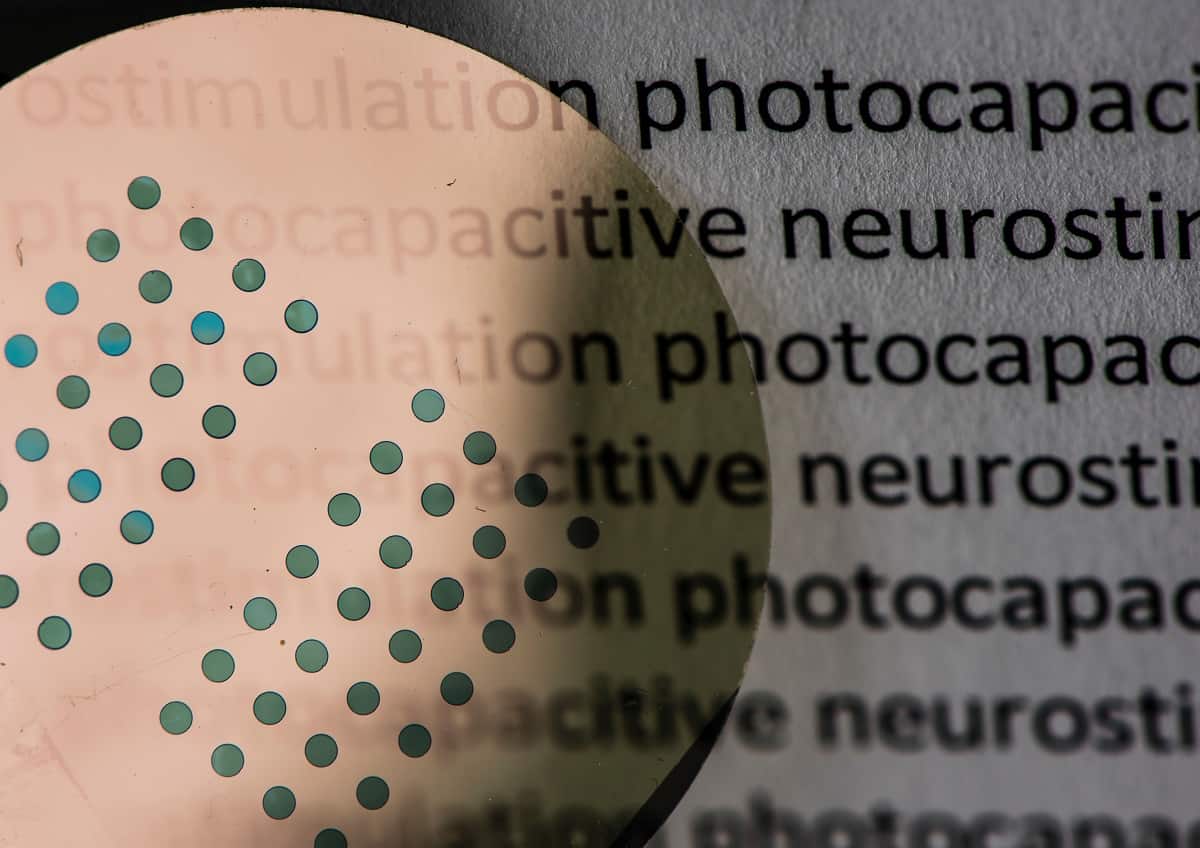
A new organic device can influence the electrical properties of single cells and tissues with light, opening up an exciting and powerful opportunity for biomedical scientists in various fields, e.g. the stimulation of nerve cells. Marie Jakešová from the Laboratory of Organic Electronics at the Linköping University, Sweden, and her colleagues are the first to produce a device based on organic materials that controls the electrical properties of single cells. This device, called an organic electrolytic photocapacitor (OEPC) can replace traditional electrodes, is minimally invasive and works with no wires, or genetic engineering.

What came first: the chicken or the egg?

In this case the question is not rhetorical: the group had previously demonstrated the stimulation of ganglion cells from blind chick retina by OEPC. They have now taken their approach a step further and show how it works on a single cell level as well, with the help of egg cells from the African clawed frog (Xenopus laevis). Their results show that the OEPC successfully changes the charge distribution of the cell membrane, which they can see from the opening of the potassium channels after illumination.

Organic electrolytic photocapacitor

Seeing through walls

The group uses a specific mixture of organic materials, whose electron structure makes light absorption a hundred times more efficient than in a silicon wafer, allowing the fabrication of devices with nanoscale thickness. By optimizing the material combination of their device as they describe in Science Advances, the team have designed it to operate in the 630–660 nm wavelength range, where body tissues are the most transparent for light.

“The technology we are developing aims to be the simplest and most minimalistic technique for artificially stimulating nervous tissue” – explains Eric Glowacki, principal investigator in the Laboratory of Organic Electronics, meaning that similar devices have the prospect of in vivo application such as in peripheral nerve stimulation.

The device operates based on capacitive coupling, where energy transfers either within one electric network or between distant networks in the presence of an electrical field. The researchers demonstrate that the capacitive coupling to the studied egg cells is more efficient than what they first expected despite the presence of the vitelline membrane (characteristic for egg cells) on top of the cell membrane, making it more difficult for the light to penetrate. Moreover, numerical modelling proves that the experienced voltage exceeds the threshold level needed to trigger the firing of nerve cells.

From telecommunication to treating neural disorders

“[It is important] to call upon the logic that modern telecommunication is based on optoelectronic elements: light is transduced to electrical signals,” Glowacki points out. The researchers discuss that the path is worth exploiting further and the optimization of their OEPC devices, based on the same principles as modern telecommunication, shows great potential – especially since their prototype survives sterilization and its stability is relatively constant even after a large number of illumination cycles. They believe that once they optimize their OEPC devices, integration with sophisticated implantable platforms can lead to the treatment of neural disorders in a less invasive and, above all, safe manner.

Are there more interstellar visitors like ‘Oumuamua out there?

APS April Meeting in Denver, Colorado

I was just in a fascinating session that explored how space and ground-based telescopes are being used to catalogue near Earth objects with a view to spotting asteroids that could be on a collision course with Earth.

One remarkable thing I learned from NASA’s Amy Mainzer is that astronomers predicted an impact in Sudan in 2018 and scientists were able to go to the site and find pieces of the object. Pretty impressive, and good to know that in principle a populated area could be evacuated if a significant impact is expected.

Mainzer said that we have mapped the orbits of about 90% of the “dinosaur killers” near Earth and the effort continues. However, she pointed out that we have only detected about 1% of objects on par with the Chelyabinsk impact of 2013 so there is still much to do.

Also speaking was NASA’s Emily Kramer, who searches for objects using ground-based telescopes. Currently only three instruments are being used (in Arizona, California and Hawaii), which is not ideal. Fortunately, two more telescopes (both in the Southern Hemisphere) will join the hunt next year.

One of the current telescopes (Pan-STARRS) had discovered the interstellar visitor ‘Oumuamua in 2017. Kramer said that the telescope is likely to discover about one such interstellar object every ten years. Indeed the telescope has been running for a decade.

Does she believe the theory that ‘Oumuamua is a light sail of an alien spacecraft? See said that’s “not a popular explanation” in the observing community. And what about the more recent claim that another interstellar object struck Earth in 2014? “Not popular”.

2D magnetic insulator makes electrically switchable spin-FET

Transistors that make use of the spin magnetic moment of an electron rather than its charge could be used to make devices that are smaller and more energy efficient than conventional electronics. Individual electron spins – which can point up or down – could also be used to store and transfer information in computers. Such devices are challenging to make, however. Researchers at Cornell University in the US have now succeeded in fabricating a new spin tunnel field-effect transistor (TFET) from a 2D van der Waals material that can be switched between high and low resistance states using an applied electric field. The device could help in the development of real-world, high-performance spin-FETs in the future.

Spin-FETs are electrically switching devices that can be turned on and off by controlling electron spin rather than electronic charge and they were first proposed by Supriyo Datta and Biswajit Das in 1990. Compared to conventional transistors that operate by controlling charge current, which causes significant Joule heating, spin-FETs are much more energy-efficient because they do not suffer from this problem.

Making spin-FETs based on Datta and Das’ idea is no easy task, however, because they require precise electric-field control of spin current in a semiconductor channel, explains Kin Fai Mak, who led this research effort. Spin injection is an inefficient process and the fact that electron spins do not travel very far in most materials means that information being carried by these spins is also quickly lost. The main problem here is spin relaxation: as electrons travel through a material, the direction of the electron’s spin is randomized by scattering events.

Completely different principle

“Instead of realizing Datta and Das’ original idea, we built a spin-TFET based on a completely different principle that does not require electric field control of spin current, says Mak. “We instead operate our device by flipping the spins in the TFETs’ magnetic tunnel barrier using electric fields.”

Such spin flipping significantly modulates the device resistance, which leads to a spin-FET that requires no spin current injection and therefore does not suffer from spin relaxation. “Although our spin-FET is yet far from any real-world applications (it only works at cryogenic temperatures for one), the idea could inspire new way of realizing practical and high-performance spin-FETs in the future.”

Mak and colleagues made their device by mechanically exfoliating 2D layers of the magnetic insulator chromium triiodide (CrI3) using the now famous “sticky tape” method, which was first used to isolate graphene. The researchers placed layers of graphene, CrIand graphene again onto a substrate and then built the spin-TFET by transferring the different material layers on top of each other.

Scaling up

“Our device consists of a graphene/CrI3/graphene vertical junction with top and bottom gates,” explains Mak. “The two nearly symmetric gates are made of few-layer graphite gate electrodes and hexagonal boron nitride (hBN) gate dielectrics that are around 30 nm thick.”

Although the technique is quite low-tech at this point, we expect that people will be able to use epitaxial growth techniques in the future, which will allow for a much more scalable device architecture, he says.

The researchers say they are nonetheless able to build tunnel junction devices with high quality interfaces and the desired magnetic and electrical properties using their basic technique.

“We are able to achieve an on-off ratio of up to 400% in our spin-TFET by electrically flipping spins in the CrImagnetic tunnel barrier layer,” Mak tells Physics World. “Spin flipping leads to a high-low resistance state thanks to an effect known as spin filtering in which electrons with spins parallel to the spin filter (the CrI3) have a higher probability of being transmitted than those with spins perpendicular to the filter.

“Since the transmission probability is exponentially suppressed by quantum mechanical tunnelling, we observe a high on-off ratio, which could be improved further.”

Towards zero applied magnetic field

As well as finding use in energy-efficient computing and data storage, another potential application for the spin-TFETs is in electric-field-controlled MRAM devices, adds Mak. Compared to current MRAM technology that operates thanks to charge current control, electric field control consumes much less power and is therefore very efficient.

The researchers, reporting their work in Nature Electronics, say they are now busy improving their devices. “First, we would like to be able to make them work under zero applied magnetic field,” explains Mak. “The spin-FET we have demonstrated still requires an external magnetic field, which is not desirable for real technology applications.

Faster spin flipping and room temperature operation

“Second, we want to test the speed of the spin flipping process. Real devices require spin flipping rates in the gigahertz regime or higher so we must test the speed limit in our transistors and develop new ways to make it switch faster.”

Finally, the transistors need to operate at room temperature, which is not the case for the present devices. “Our spin-TFET is only a proof of concept but we hope our idea will stimulate the search for suitable materials systems that can used to make room-temperature devices in the future.”

Copyright © 2026 by IOP Publishing Ltd and individual contributors