E-bikes – pedal cycles fitted with an electric motor and rechargeable battery pack – could play a significant role in shifting our transport choice from cars to more environmentally friendly alternatives. Analysis by researchers in Switzerland showed that a two-week e-bike trial induced long-term changes in the mode of transport that came to mind when participants considered nine scenarios, including “visiting a friend in the closest city”, “commuting to work”, “going shopping” and “visiting the mountains with friends for a day”.
In the 2015 Bike4Car programme, car owners in 32 Swiss cities received free use of an e-bike for 14 days in exchange for their car keys. Participants’ views were surveyed immediately after they signed up to the trial. One year later, the same group completed a follow-up questionnaire.
People who took part were keen to experience the new mode of transport, which can be faster than conventional bicycles and allow riders to travel much larger distances. Participants also looked forward to having fun and becoming healthier. Typically, thoughts of improving transport efficiency or protecting the environment were lower down the list of motivations.
“We think that this is because increased health, fitness or fun has direct implications for our personal lives and wellbeing while energy-efficiency and environmental protection are much more abstract and distant concepts to many people,” said Corinne Moser of Zurich University of Applied Sciences (ZHAW).
Examining the longer-term effects of the trial revealed some extremely promising results.
“After one year, participants’ habitual association with car use had weakened significantly,” said Moser. “What’s more, we observed this not just for participants who decided to buy an e-bike once the free trial was over, but also for those that did not.”
Providing access to e-bikes helped people discover new paths and routes, and opened the door to thinking about alternative forms of transport.
The researchers conclude that e-bike trials such as Bike4Car have the potential to break mobility habits and contribute to more sustainable mobility patterns, which is an important breakthrough.
“With many other interventions – such as providing a free one-month travelcard for public transport – participants quickly revert to their previous behaviour once the campaign is over,” said Moser.
The idea behind the research is to assess the impact of interventions to promote energy-efficient behaviour at the local level. This involves collaborating closely with city representatives to identify upcoming schemes and evaluate their outcomes. As well as mobility choices, the team is also focusing on food and household warm water use as part of a drive towards more sustainable lifestyles in cooperative residential areas.
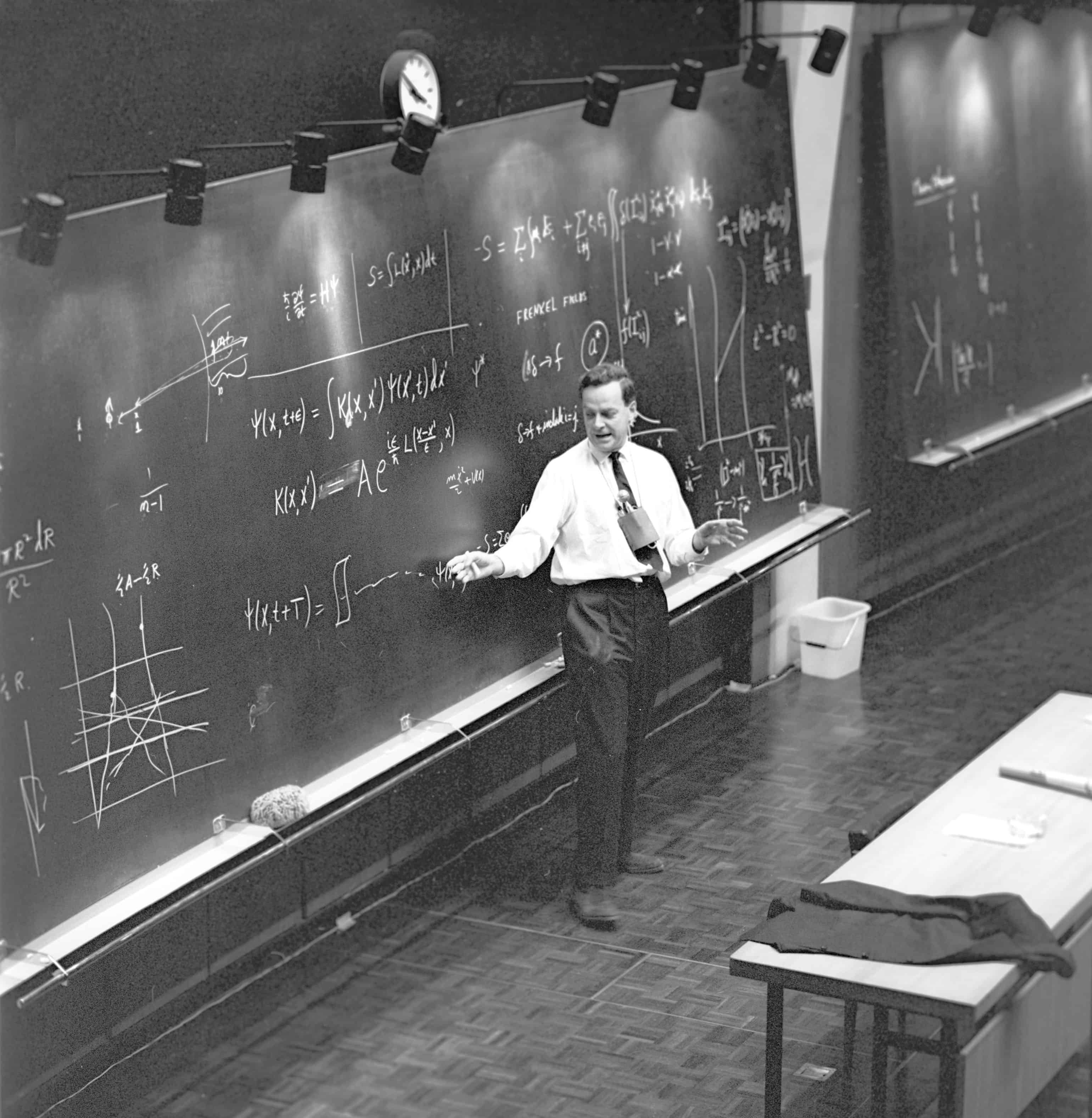
The legend lives on: born 100 years ago, Richard Feynman won the 1965 Nobel Prize for Physics and is shown here lecturing at CERN shortly after picking up the prize. (Courtesy: CERN)
Richard Feynman – one of the most iconic physicists of the 20th century – was born exactly 100 years ago today on 11 May 1918. Like the late Stephen Hawking, he was one of the few physicists to have entered the wider public consciousness, gaining celebrity status through his pioneering lectures, his best-selling books, his much talked-about private life and, of course, his unique way of doing physics. Unlike Hawking, though, Feynman went on to win a Nobel Prize for Physics, sharing the 1965 award with Julian Schwinger and Shin’ichirō Tomonaga. He also helped to build the atomic bomb.
Feynman’s enduring fame is one reason why various events are being held around the world today to celebrate the centenary of his birth. Much of the focus will be at the California Institute of Technology, where Feynman worked for almost four decades until his death in 1988. It is hosting a two-day meeting featuring a star-studded line up of guests who include Feynman’s sister Joan and his adopted daughter Michelle. Also present at the “Feynman 100” celebration and symposium will be other top scientists like Freeman Dyson, David Gross, Lisa Randall, Sara Seager, Leonard Susskind and Kip Thorne who will “survey the current frontiers of knowledge and share their vision of where science is heading”.
Over on the other side of the world, meanwhile, Feynman’s long-time friend, biographer and sidekick Ralph Leighton is hosting an event in the remote Russian region of Tuva, which lies near the border with China. Feynman had a long fascination with this region, which emerged from Tuva having issued its own postage stamps in the 1920s. Feynman spent many years with Leighton trying to visit Tuva – his attempts blocked first by Soviet red tape and later by Feynman’s involvement in the Challenger space-shuttle disaster. Feynman died of cancer before his dream was fulfilled, though the pair’s attempts to visit are documented in Leighton’s 1991 book Tuva or Bust!: Richard Feynman’s Last Journey. Leighton is today planning to host a party at the “Centre of Asia” monument in Kyzyl, before carving a Feynman diagram into a Tuvan rockface.
Elsewhere, a UK-based production company Simian Stories is launching a crowd-funding campaign to raise the production budget for a new short film about Feynman. It will be “a non-linear montage” of key moments in the relationship between Feynman and his first wife Arline, who tragically died of tubercolosis in 1945 aged just 26. Feynman was devastated by her death and the following year wrote a love letter to her that he instructed should remain unopened until after his death. The letter expresses his continuing love and longing for her – and Simian Stories has been awarded the rights to use it in the film. There’s more information about the film online here.
Finally, BBC Radio 4 has a new episode of its “Great Lives” series, in which the British businessman Tej Lalvani– who runs the UK vitamin maker Vitabiotics and stars on the Dragon’s Den show – discusses the life and times of Feynman with presenter Matthew Parris and theoretical physicist David Berman from Queen Mary University of London.
Elephant “rumbles” can be detected by seismic sensors after the low-frequency vocalizations have travelled more than 6 km through the ground – according to a team of geophysicist and biologists in the UK. The researchers say that the elephants likely use these ground vibrations – and those created by their movement – for long-range communication and information sharing. The scientists also suggest that networks of seismic sensors could be used to study elephants and also to monitor poaching by detecting elephants that run in panic.
Previous research has hinted that elephants monitor ground vibrations and use them to communicate, but the nature of these vibrations was not well understood. In the latest study, Beth Mortimer and colleagues at the University of Bristol and the University of Oxford, used seismic sensors called geophones to record ground-based vibrations from wild elephants in Kenya.
They discovered that different elephant behaviours create distinguishable seismic signatures. Perhaps unsurprisingly given their immense size, the ground vibrates when elephants move, but they also generate distinct ground-based vibrations through their rumbles. These are low-frequency vocalizations, usually under 20 Hz, that are below the audible range for humans.
The team also recorded natural and human generated seismic signals, such as car noise. Using seismic modelling techniques they then calculated how far elephant seismic vibrations can travel while still being detectable – taking into account different terrains and background noise levels.
Surprising forces
“We were surprised by the size of the forces acting on the ground that were generated by elephants when they vocalize,” says Mortimer. “We found that the forces generated through elephant calls were comparable to the forces generated by a fast elephant walk. This means that elephant calls can travel significant distances through the ground and, in favourable conditions, further than the distance that calls travel through the air.”
Rumbles of bull elephants were found to produce higher input forces than fast elephant walks, with maximum seismological forces of 2546 N versus 946 N respectively, and the resulting seismic waves were therefore able to travel much further. The maximum propagation range estimate for rumbles was 6.4 km, compared to 3.6 km for a fast elephant walk.
According to the researchers, the results suggest that elephants have the option of using seismic signals created by rumbles for long-range communication. They also say that long-range information transfer is possible from high-force movement. For example, rapid running is a sign of distress or aggression in elephants and the vibrations from such behaviour can travel long distances, potentially providing useful information to promote vigilance in other elephant groups.
Seismic recording could also provide biologists with a continuous, non-intrusive way to remotely monitor elephants and study their behaviour, the researchers claim. Oxford’s Tarje Nissen-Meyer told Physics World that the information available would depend on the nature of the seismic network.
“We estimate that rumbles as well as panic and run are discernible modes of behaviour,” he explains. “We can possibly also constrain the numbers of elephants in a herd by these means.”
Detection, localization and discrimination
Mortimer adds: “We will aim for detection, localization and discrimination – both of elephants from other wildlife and between elephant behaviours. This is likely to be in combination with other monitoring methods, as an extra source of information.”
It might also be possible to use seismic sensors to develop a real-time alarm system that can detect elephants under threat from poachers, by picking up signals from elephant behaviours like panic running, the researchers say. Nissen-Meyer explains that while this research only suggests “that a quick determination of elephant panic behaviour can in principle be detected over considerably large distances”, the team is seeking financial support to further investigate the idea.
Christian Rutz, an evolutionary ecologist at the University of St Andrews, recently proposed the development of anti-poaching tags for large mammals that alert ground teams in real-time when animals come under attack, enabling rapid intervention. He says that he is intrigued by the idea of a seismic monitoring network for elephants. “I think the idea to use seismic detection to identify when elephants are being chased by poachers, or have been wounded and fallen over, is worth exploring,” he says.
It is no secret that efficient solar energy conversion is a top priority for many scientists worldwide. A potential solution to this comes in the form of photocatalytic devices that incorporate molecular adsorbates on metal nanostructures. These photocatalysts can be chemically activated by local surface plasmon resonances – collective oscillations of electrons in metals that can be excited by electromagnetic radiation. Bonds in the molecules either form or break due to the transfer of electrons, through a complex process initiated by the decay of plasmons. An international team of researchers led by Emiko Kazuma at RIKEN has used a scanning tunnelling microscope (STM) to observe and investigate plasmon-induced reactions of single molecules in real time.
Inducing chemical reactions with surface plasmons
In metal nanostructures, surface plasmons resonate in response to specific frequencies of light and can generate strong electric fields or cause intramolecular chemical changes by exciting electrons to higher molecular orbitals. Researchers have used this phenomenon to controllably induce molecular dissociation on a range of metals. They then monitor the reaction with STM, a powerful tool that maps surface topography with atomic resolution by measuring the current that tunnels between a metal tip and the surface.
The experiment involved bringing the tip close to a metal surface onto which the team had adsorbed dimethyl disulfide (DMDS) molecules. Exciting a local surface plasmon (LSP) resonance by illuminating the area below the tip results in a strong electric field within the gap, and the nonradiative decay of the LSP excites electrons to unoccupied states in the adsorbed DMDS causing chemical changes in the molecule. The researchers used STM to observe single molecules splitting into two parts through plasmon-induced cleavage of the sulphur-sulphur bond.
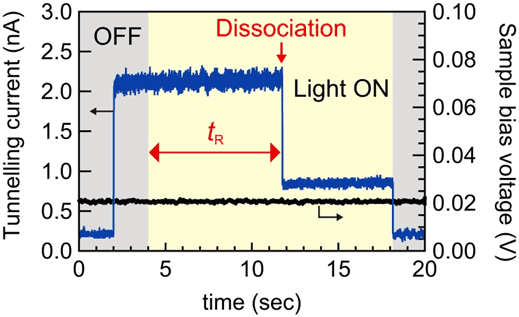
The current trace shows the time taken for the reaction to occur (tR) in a single molecule once the light is switched on. Image courtesy of Emiko Kazuma, RIKEN
Increasing the efficiency of photocatalysts
Some photocatalytic devices operate by direct photodissociation – where photons rather than plasmons induce chemical changes – to break bonds in molecules. The researchers compared molecule populations with STM both before and after irradiation to compute the efficiency of LSP-induced dissociation and found the yield to be 400 times greater than has been observed for direct photodissociation. They also analysed the wavelength dependence of the reaction to determine the dissociation mechanism for LSP-induced chemical reactions. The results show that LSP-induced dissociation is based on a direct intramolecular excitation to the lowest unoccupied molecular orbital of the anti-bonding sulphur-sulphur orbital, the same reaction pathway by which direct photodissociation operates.
An especially attractive aspect of studying LSP-induced dissociation with STM is the high temporal resolution. The tunnelling current of the STM is highly sensitive to the size of the nanogap, i.e. the tip height above the surface. If the tip height is maintained by fixing the gap resistance, the rate of the chemical reaction can be measured in real time by continuously measuring the current under irradiation with the light source. The ability to correlate spatial and temporal information with such precision is unprecedented and offers a route to controlled chemical reactions induced by LSP.
These findings offer new perspectives on plasmon-induced chemical reactions that are invaluable in the advancement of efficient solar energy collection and conversion. Further details can be found in Science.
Scientists in the USA have developed a new deep brain stimulation (DBS) method to treat the symptoms of Parkinson’s disease. While DBS for Parkinson’s is currently delivered continuously, the new approach uses adaptive DBS, in which the stimulation amplitude is modified in real time in response to neural signatures of motor impairment or of stimulation-induced adverse effects.
To test their approach, the researchers trialled adaptive DBS in two patients with Parkinson’s disease, using a fully implanted neural prosthesis enabled to use brain sensing to control stimulation amplitude (J. Neural Eng. 15 046006).
DBS can be an effective treatment for Parkinson’s disease, but it has limitations that reduce efficacy for individual patients and hinder more widespread use of the technique. For example, trained clinicians must programme the implants. It can also be time consuming and, for some patients, satisfactory settings are never achieved.
“This is the first demonstration of adaptive DBS in Parkinson’s disease using a fully implanted device and neural sensing,” said senior author Philip Starr from the University of California, San Francisco. “Our approach uses an algorithm to measure the patient’s neural feedback from the brain surface and change the stimulation in real time. This way, we avoid the stimulation being too intense when it is not needed, which can cause adverse effects such as involuntary movement, known as dyskinesia.”
The device works by using a cortical narrowband gamma oscillation (60-90 Hz) associated with dyskinesia as a control signal. An adaptive DBS algorithm reduces the stimulation voltage when gamma oscillatory activity is high (indicating dyskinesia is likely) and increases the voltage when it is low.
In addition to testing the adaptive DBS system, the researchers also completed an open-loop DBS control session. They observed that, in both patients, the total energy delivered by adaptive stimulation was substantially less than that of open-loop stimulation, while maintaining therapeutic efficacy. The algorithm performed as expected, appropriately detecting changes in gamma band power and triggering voltage reduction when the gamma threshold was exceeded.
“Reducing the stimulation current without losing the therapeutic benefit could reduce stimulation-induced adverse effects. It could also extend battery life, or allow the relatively large pulse generators we currently use to be made smaller,” explained first author Nicole Swann. “Additionally, some of the Parkinson’s disease patients most in need of DBS are also among the most difficult to successfully program: those who alternate between extreme states of dyskinesia and bradykinesia with little in-between time. Adaptive DBS could be very effective for them.”
“This study is a demonstration of the feasibility of adaptive DBS,” said Starr. “Now, further work is needed with a larger-scale trial.”
Remote sensing: Image of Earth, taken by the Envisat satellite, showing volcanic ash erupting from the Icelandic volcano Eyjafjallajökull in 2010. (Courtesy: ESA)
Telescopes and satellites are complex pieces of equipment, expensive to build and to operate. Consequently, astronomers and space scientists demand – and are prepared to pay for – sensors that maximize what they can achieve scientifically. Astronomers, especially, are looking at faint objects that are usually very far away, such as distant galaxies, stars and exoplanets. To capture light from these objects, they need telescopes with both large collecting areas and highly sensitive detectors.
One aspect of sensitivity is the quantum efficiency of the detectors – a measure of how well you can collect photons and use them. The other aspect is the noise associated with reading that photon signal into your system. A third important parameter is effectively the telescope’s operating efficiency, which depends on how quickly you can read out the sensors. These facilities may cost hundreds of thousands of dollars per night to run, so it is important that they spend most of their time capturing light and as little as possible transferring data into a computer.
These three requirements – high quantum efficiency, low noise and high operational efficiency – have long helped to drive improvements in detectors built for the astronomy market. More recently though, we are seeing the benefits of these improvements in areas outside astronomy as well. Here are a few examples.
Quantum efficiency
Silicon sensors have electrodes on their front surface. These electrodes are partly transparent, but even so, a “front illuminated” sensor is only around 50% efficient at recording photons. Since the 1980s, however, we have been able to remove most of the silicon material, tip the sensor upside down and illuminate it from the back side instead. This allows the photons to hit the silicon without any intervening layers, giving you very close to 100% efficiency. Back illumination also extends the wavelength range, making it possible to use sensors at soft X-ray and ultraviolet wavelengths to collect photons that would otherwise be absorbed in the surface layers of silicon.
Back-illuminated sensors are more expensive and time-consuming to make, but in the astronomy and space market that trade-off is worthwhile for all of the reasons mentioned above. More recently, though, this technology has become increasingly prevalent and valuable in other areas as well. For example, all modern mobile phones include CMOS sensors in their camera chips, and there is a huge drive to make these chips smaller. We are now at the point where the pixel size of the sensors is down to ~1 µm, and as the pixels shrink, their collecting area gets smaller, lowering their sensitivity. That’s a disadvantage, but within the last 10 years, manufacturers have begun to compensate by using back-illuminated technology. Back illumination is also becoming more common in sensors for other markets, such as drug discovery, DNA sequencing and life sciences more generally.
Red sensitivity
Many recent cosmological studies of dark energy and dark matter have involved measuring distant objects with very red-shifted light. However, chips made with standard materials, designs and processes have only a modest red sensitivity. There is a good reason for this: the response of the human eye begins to roll off at wavelengths in the near-infrared, so if you are making a chip for a digital camera, you probably want it to have a similar sensitivity. But astronomers need to measure all wavelengths, so at Teledyne e2v we have developed techniques (such as making the silicon thicker so that it absorbs near-infrared light better) for making our sensors more red-sensitive.
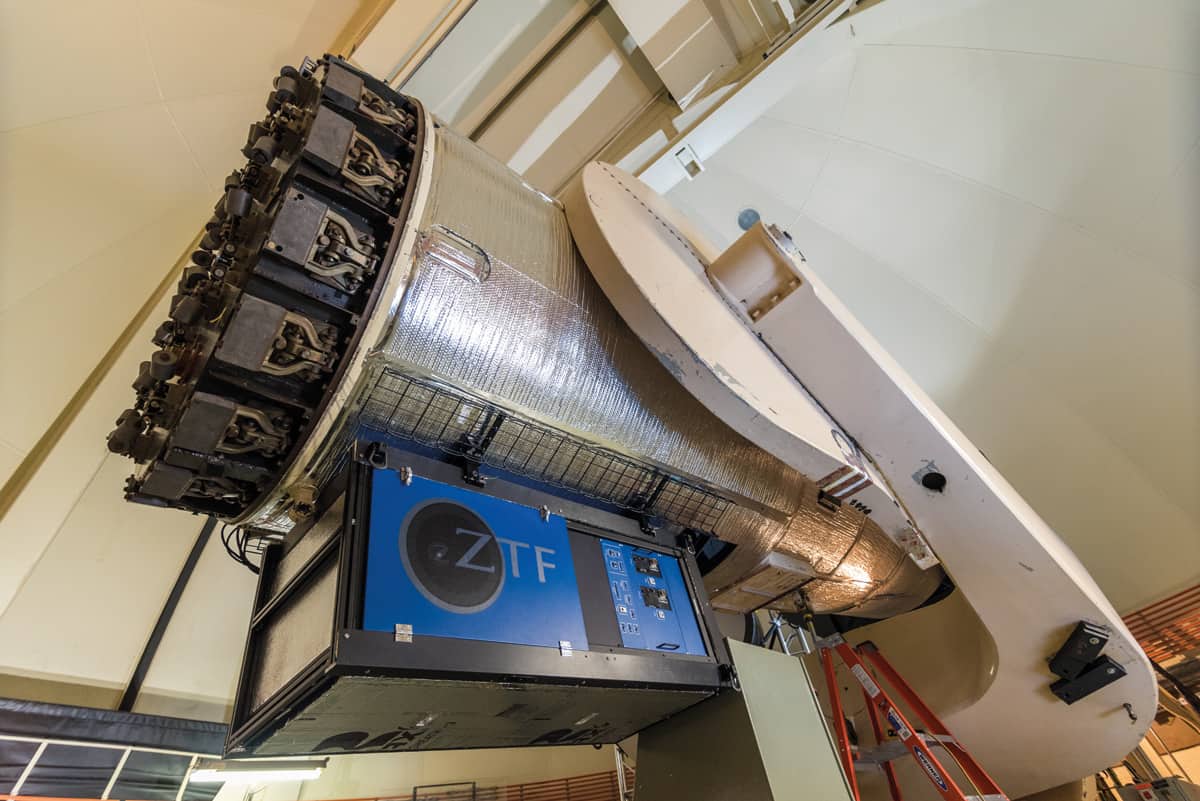
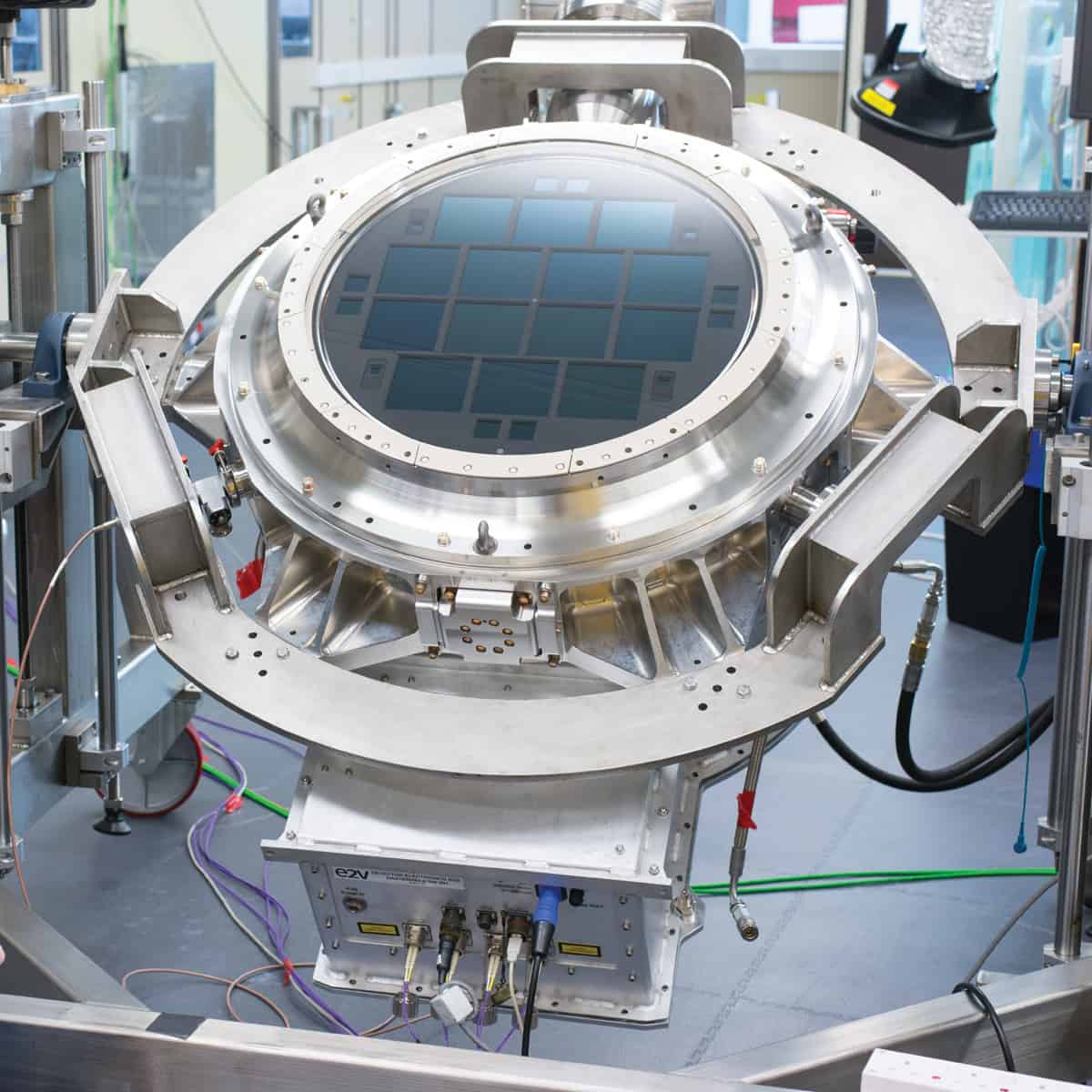
Sensitive instrument: A large-area mosaic camera lies at the heart of the Zwicky Transient Facility (ZTF) instrument installed on the 1.2m diameter Samuel Oschin Telescope at Palomar Observatory in California. (Courtesy: Caltech Optical Observatories)
We have supplied these sensors to the astronomy market for a long time, but red sensitivity is also starting to be advantageous in sensors used in ophthalmology thanks to a technique called optical coherence tomography. This technique uses near-infrared illumination to penetrate a little bit deeper into cells, so red-sensitive sensors have obvious benefits.
Adaptive optics
The basic purpose of adaptive optics is to correct for the turbulence and disturbance caused by the Earth’s atmosphere. This doesn’t apply to space telescopes, of course; once you’re up there, you don’t have to look through air. But all ground-based astronomers do, even if they’re high up a mountain, and that imposes a limit on how sharp their images can be.
To fix this, you need to point the telescope at a “reference star” of some sort, measure the wavefront coming from the reference star, capture it with a wavefront-sensing detector, read out the detector in 1–10 ms, and feed the signal into a closed-loop system with a deformable mirror that essentially corrects for what the atmosphere has done. The result is an image that will be sharper than it would have been without the technique.
At the moment, we are working on an adaptive-optics system for the Extremely Large Telescope (ELT), which is under construction for the European Southern Observatory on their telescope in Chile. The ELT is a 39 m diameter telescope that will cost about €1bn and will be the largest telescope in the world when it’s finished in 2024, but without adaptive optics it would be no better than smaller, older instruments built a generation or more ago.
The usefulness of adaptive optics is not limited to astronomy. There are also some emerging applications in laser communications – for example, in optical communications between ground and satellite – and medical applications are becoming more widespread. For example, if you want to capture images of the human retina, you can build a very-high-resolution microscope, but when you use it to look through the front of the eye, the cornea and the lens will disturb the sharpness of the retinal image. Clinicians want to see the blood vessels, the structure, and even the photoreceptors – the cones and rods – in the retina. To do that they are starting to use adaptive-optics instruments that can correct, 100 times a second, for the modulations or imperfections of the eye. It’s a powerful technique, and it is not limited to big research instruments anymore: it is also used in the medical diagnostics found in hospitals.
Multispectral imaging
Astronomers have always wanted to make measurements with spectrographs that cover as large a wavelength range as possible. That kind of spectral range used to be much less common for instruments that look down from satellites to the Earth, but now there are many hyperspectral satellites up there scanning the atmosphere, the sea or the land. These newer satellites use more complex sensors than the old broadband filters, and that means they can get good spectral resolution and good spatial resolution at the same time. Because of this, they can distinguish, for example, how well trees are growing, what type of foliage is in an image or what types of minerals are on the Earth’s surface. With broadband filters, you can get some of that information, but it’s rather crude.
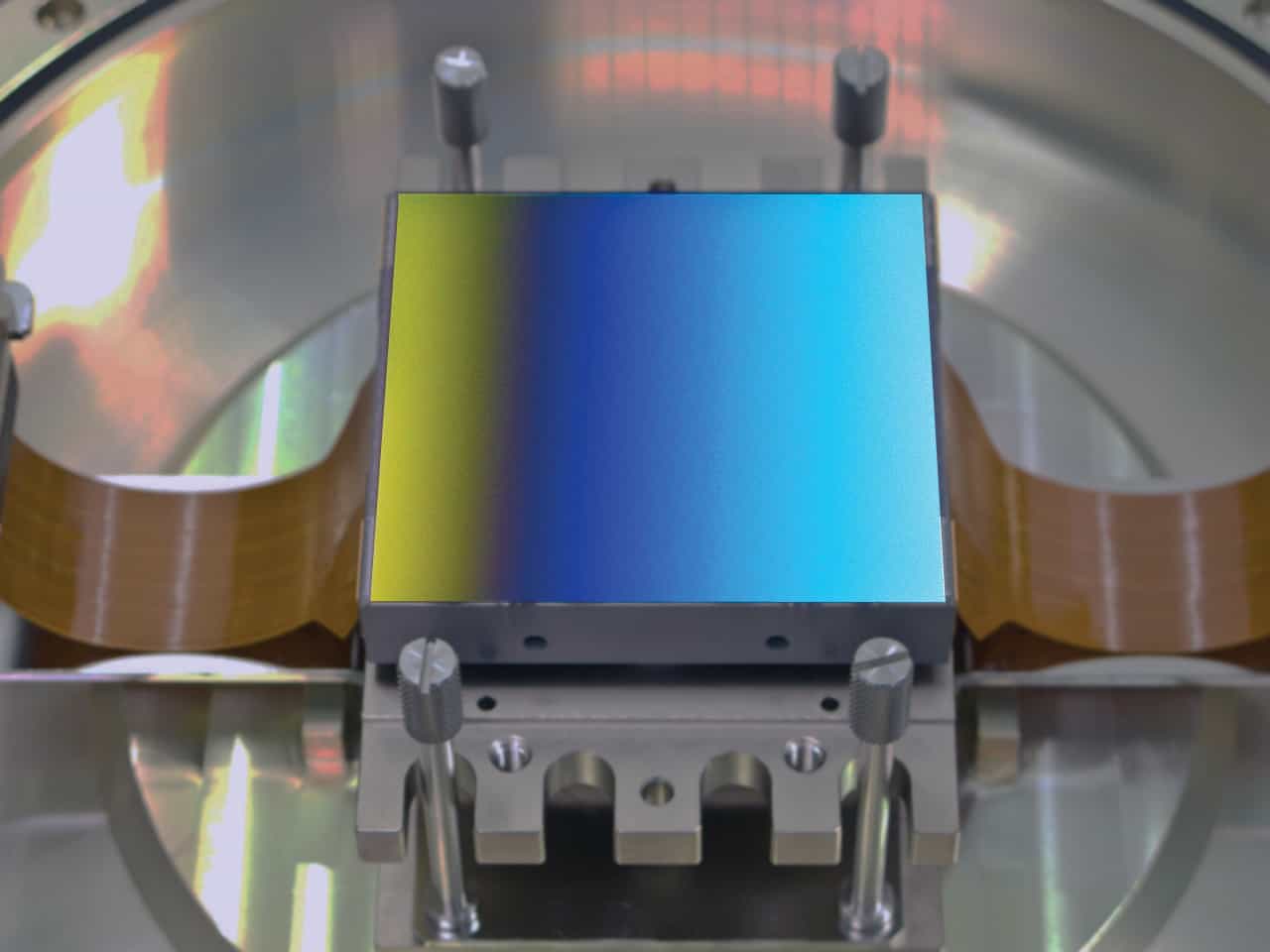
Full spectrum: Example of a multispectral sensor used for astronomy. (Courtesy: Teledyne e2V)
This technology is now being extended to less expensive instruments. It’s being used on drones, for example, that fly over farmland to conduct agricultural surveys, and in food processing, where you might use it to detect whether your potatoes have a fungus. With high-resolution spectral information you can really see what the problem is, as opposed to just detecting a slight change in colour.
Curved sensors
For most optical systems – including our own eyes – the focal surface is either spherical or curved. Despite this, essentially all sensors that have ever been made commercially are flat. This is because when you make sensors, you typically start off with a silicon wafer that has been polished so flat that you can see your face in it, and all the manufacturing equipment is designed to operate with a flat wafer. For example, the big, expensive optical lithography machines that project patterns onto silicon to create the structure of the circuit will only focus properly if the surface of the wafer (150–200 mm across) is flat to a precision of 1 µm, This means that the finished devices are only flat and cannot be curved when first made. However, there is a lot of development work being done on technologies that allow you to curve flat wafers after they have been made. This is difficult to do because silicon is a crystal and it doesn’t like being bent – you impose stresses in it when you bend it – and we are now learning the limits of how much you can do that and still have it function in an imaging system.
Red eye on the sky: A large-area cryogenic camera built by Teledyne e2v using red-sensitive CCDs. (Courtesy: Teledyne e2V)
There is a lot of interest in making curved detectors or sensors because it would reduce the number of optical elements in a system. At the moment, when people design imaging cameras or spectroscopic instruments, they have to put in extra optical elements to focus the light onto a flat detector. Those elements cost money, take up space and introduce both extra complexity and some degradation in design quality. On the ELT, for example, some instruments are the size of an entire room and the optical elements are correspondingly large. If you could cut out a few of them, you could save millions. The same principle applies for space-based instruments, where cutting out optical components would give you a better system that is also smaller and lighter.
Space agencies are paying for the development of these technologies because they can see their benefits, but other, more “down to Earth” companies – Sony, Apple, Microsoft and others – are also starting to do research on curved sensors. As with back-illuminated sensors, the driver here is the miniaturization of mobile-phone technology. If you want to make a small camera for a mobile phone, you generally have to put a tiny lens (or multiple lenses) in front of it. A curved sensor would make the optics of these cameras simpler. For example, to make a compact camera with a wide field of view – like a fish-eye camera – you need a huge and difficult-to-manufacture piece of shaped glass to make a lens that will accomplish that with a flat detector. But if you can make the detector curved, the components in front of it can get smaller and cheaper, and so can the device as a whole.
And one for the future
One thing that we are seeing now is a transition from CCD technology to CMOS technology. These are both silicon technologies, and if you had asked me 20 years ago what an astronomer would need, the answer would probably have been CCDs. But the chips in mobile phones are CMOS-based, and we are now making more and more CMOS devices for use in both ground-based and space-based astronomy. CMOS chips have several advantages for astronomy and space applications. One is that they are “harder” against radiation – they tolerate being irradiated better than CCDs. They are also more integrated in the circuitry that’s inside them, so they are easier to operate and you don’t need as many other electronics around them to get the data out and back to wherever you’re storing it.
Overall, we see two pulls for the types of technology development we do. One pull comes from customers, and curved sensors are a good example – various people have asked for that, so we are working on it. But the other pull is our internal knowledge of what’s possible. We create a road map of technology developments each year, and curved sensors, new CMOS sensors and improved wavelength sensitivity are all on it. We are pushing the boundaries as much as we can all the time, because as astronomers know well, nothing in this field ever stands still.
A round-up of the latest international patent applications in radiation therapy.
MRI/PET-guided system verifies dose-deposition
Researchers from Alberta Health Services have designed an MRI/PET-guided radiotherapy system that can determine the in vivo dose deposition of a treatment beam in real time (WO/2018/023195). The system includes a bi-planar MRI apparatus that comprises a pair of spaced apart magnets, one of which has a hole in the centre. A radiotherapy source is configured to generate a treatment beam and transmit it through the hole in the magnet. A patient support positions the patient within the system such that the treatment target is proximal to the radiotherapy beam. A PET detector, configured to obtain PET data from the beam impacting the patient, is positioned such that a transverse section of the patient including the treatment target lies between opposing portions of the detector.
Treatment planning system exploits machine learning
Elekta has published details of systems and methods for developing radiotherapy treatment plans via machine learning approaches and neural network components (WO/2018/048575). A neural network is trained using one or more 3D medical images, one or more 3D anatomy maps and one or more dose distributions, to predict a fluence or dose map. During training, the neural network receives a predicted dose distribution that is compared to an expected dose distribution. The comparison is performed iteratively until a predetermined threshold is achieved. The trained neural network is then utilized to provide a 3D dose distribution.
HIFU ablates large volumes, protects critical structures
SonaCare Medical has developed a method for delivering high-intensity focused ultrasound (HIFU) to large tissue volumes while protecting critical structures (WO/2018/057580). The approach includes positioning at least one focal zone of a transducer in an ultrasound probe proximate to the targeted tissue. The transducer delivers ultrasound energy to a portion of the tissue for a predetermined time to create an initial focal lesion(s). Next, the transducer delivers ultrasound to the targeted tissue continuously and along a predefined treatment path. The first lesion(s) can act as a barrier for subsequent HIFU ablation of tissue located beyond or behind it, thereby protecting this tissue from unintended ablation.
Phantoms offer QA for biologically-guided radiotherapy
RefleXion Medical has created phantoms for calibration and quality assurance of radiation therapy systems, including biologically-guided systems that deliver dose in response to real-time detected PET lines-of-response (WO/2018/081420). The modular phantoms comprise a cylindrical housing with a number of disks stacked within the housing and a number of radiographic films between the disks. The disks may comprise a positron-emitting material. Some disks have a background region and a target region (with a higher level of PET activity) of any desired cross-sectional shape. The disks may be arranged within the housing such that regions of higher PET activity are aligned to simulate the shape of a tumour in the patient.
Ultrasound takes control of neuromodulation
Neuromodulation, using electrical stimulation of the central nervous system, for example, is used to treat a variety of clinical conditions. However, positioning electrodes at or near the target nerves is challenging, as is specific tissue targeting. A team from GE and the Feinstein Institute for Medical Research has published details of techniques for neuromodulation of tissue via application of ultrasound energy into the tissue (WO/2018/081826). This energy causes altered activity at a synapse between a neuron and a non-neuronal cell, in order to achieve a targeted physiological outcome.
The Big Bell Test Collaboration has put quantum entanglement to the test with help from about 100,000 computer gamers worldwide. Run by an international team of physicists, the experiment used decisions by members of the public to close the “freedom of choice loophole” in several different Bell tests – which show that the quantum entanglement of two systems violates local realism.
The idea of quantum entanglement dates to 1935, when Albert Einstein, Boris Podolsky and Nathan Rosen pointed out that two quantum particles can be in a state in which a measurement on one particle instantaneously affects the other – no matter how far apart they may be. This entanglement of particles cannot happen in the world of classical physics because it would require information to travel faster than the speed of light.
Stronger correlations
Since then physicists have shown that entanglement can be determined by looking at correlations between measurements made on the two particles. Entangled particles have much stronger correlations than are allowed in classical physics – a property that can be exploited in quantum computers and other quantum technologies.
In 1964 the Northern Irish physicist John Bell famously calculated an upper limit on how strong these correlations could be if they were caused by classical physics alone – what has become known as Bell’s inequality. Stronger correlations could only occur only if the particles were entangled – and confirming entanglement in this way has since been dubbed a Bell test.
Experiments using photons, ions and other entangled particles have confirmed that Bell’s inequality is indeed violated. However, these experiments are plagued by one or more loopholes that could allow unforeseen effects of classical physics to cause the violation.
Measurement choices
Bell tests usually involve producing large numbers of entangled pairs and making random measurements on certain properties of particles in each pair. For example, either the horizontal or vertical polarization of a photon can be measured. There cannot be any inherent correlations in how these measurements are chosen – and the inability to completely rule out the existence of such correlations in an experiment is called the freedom of choice loophole.
It turns out that this loophole can be closed if the measurement choices are made by humans, rather than by random number generators. This was done by inviting people to play a video game called The Big Bell Quest, which involved players randomly pressing their “0” and “1” keys. On 30 November, 2016 more than 97 million bits were fed to 13 different Bell test experiments worldwide. These tests used a variety of entangled particles and systems including photons, atoms and superconducting devices.
As well as closing the freedom of choice loophole, the collaboration also showed that random numbers can be collected rapidly from large numbers of people. New networking techniques were also developed to allow worldwide participation in laboratory experiments.
Around a third of environmental and social impacts from consumption in wealthy nations is displaced to developing countries, according to the latest analysis. And that trend in outsourcing responsibility is increasing.
“Many citizens of rich countries require the work of up to five poor people to satisfy their consumption,” said Manfred Lenzen of the University of Sydney, Australia. “Rich consumers like us are implicated in pollution and inequality all over the world, and people in poor countries bear the brunt of our large environmental and social footprints.”
According to Tommy Wiedmann of UNSW Sydney, indirect effects facilitated by often complicated supply-chains are mostly hidden from consumers, who generally do not know where the raw ingredients of their purchases stem from.
“Carbon emissions are still accounted for on a territorial basis,” said Wiedmann. “This means that if a country moves from producing goods domestically to importing them from China, its carbon footprint decreases – leading politicians to think that the country is cleaning up its act.”
Lenzen, Wiedmann and colleagues used global multi-regional input–output models (GMRIO) to perform the analysis and untangle complex international trade routes. They found that traded goods embodied a substantial amount of emissions, water, pollutants and resources.
“Our new research clearly points towards a need for so-called consumption-based accounting – where a country’s environmental score includes its imports – and as such leaves no room for loopholes,” said Lenzen.
Although the importance of displacement of carbon emissions – also referred to as carbon leakage – has been known for some years, the researchers say they have now amassed evidence in terms of environmental issues such as air pollution, water scarcity, biodiversity loss, raw material and energy depletion, and nitrogen emissions.
Proton therapy plans rely on estimates of particle range in the patient, typically derived from X-ray CT scans, with the CT numbers converted into proton stopping-power ratios (SPRs) using a generic Hounsfield look-up table (HLUT). But this approach cannot account for differences in tissue composition, or patient-to-patient variations, thus limiting the treatment accuracy. To manage range uncertainties arising from this CT-to-SPR conversion, it was suggested back in 1985 that a safety margin of 3.5% of the total range should be applied for all proton treatments.
Speaking at the recent ESTRO 37 congress, Christian Richter from Helmholtz-Zentrum Dresden-Rossendorf and OncoRay pointed out that in 2018, the majority of proton centres still employ this 3.5% range uncertainty margin. “We currently do not use the full potential of this advanced technology. Provocatively speaking, it’s like driving an aeroplane rather than flying it,” he told the delegates.
We can do better, Richter explained, by using dual-energy CT (DECT) to determine particle range. DECT uses two scans with different X-ray spectra to provide complementary information on tissue composition. But although DECT has been clinically available in radiology for about a decade, its use in particle therapy is far from being a clinical standard.
“At the German National Center for Radiation Research in Oncology (NCRO), partnered by OncoRay in Dresden and DKFZ in Heidelberg, we have set up a project to focus on the translation of DECT into particle therapy,” said Richter. The goal is to demonstrate and quantify the benefit of DECT-based patient individual range prediction (PIRP).
In a first step, the NCRO team validated PIRP in extensive high-accuracy ground-truth settings, in both biological tissue and realistic anthropomorphic geometries. These studies demonstrated the superior accuracy of PIRP/DECT over the HLUT approach. “For example, Christian Möhler from the NCRO team proved that PIRP accuracy in multiple biological tissues was better than 0.2%,” Richter noted.
And since April 2015, OncoRay has been using DECT, along with state-of-the-art HLUT, to calculate treatment plans for the majority of patients in its proton therapy facility in Dresden. This approach provides improved image quality and flexibility for proton planning. And with over 2500 DECT scans in their database now, it also acts as a great research resource.
Reducing the uncertainty
To investigate uncertainty levels in more detail, Richter and colleagues have studied intra- and inter-patient variabilities in CT-to-SPR conversions. In over 100 brain tumour patient, for example, they observed an average 4.5% intra-patient variation in the relationship between SPR and CT number in soft tissue. Such variation is intrinsically considered by the PIRP approach, he noted.
Another study of over 100 head tumour patients revealed that conversion factors also differ according to the patient’s age. In bony tissue, there was a 5% difference in the relationship between SPR and CT number between adults and children, due to differing calcium content in the bone. “This variation is not covered by the one-fits-it-all HLUT approach,” said Richter.
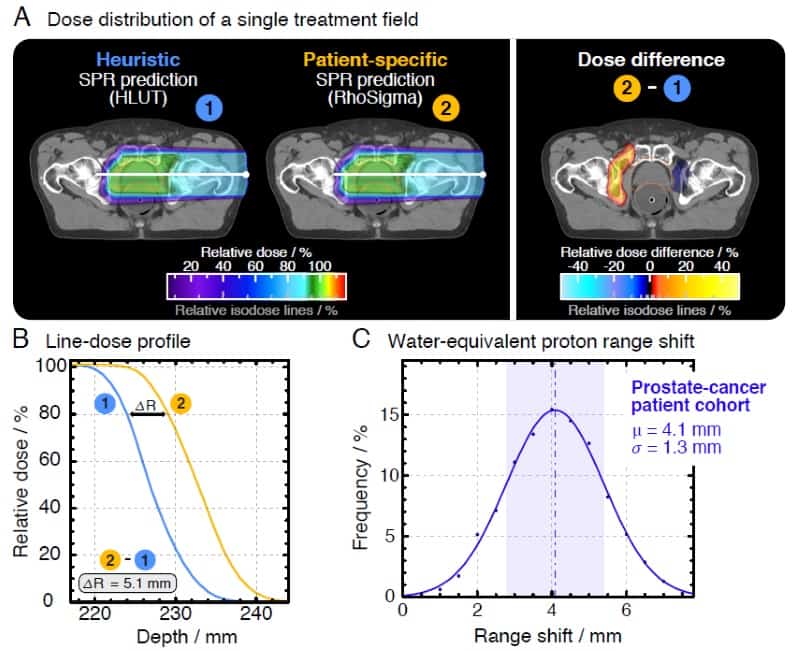
Differences between the HLUT and PIRP/DECT approach. Credit: Patrick Wohlfahrt (OncoRay, HZDR)
The team, led by OncoRay’s Patrick Wohlfahrt, performed a study assessing range differences between CT-to-SPR conversions using HLUT and PIRP, in 25 brain tumour and 25 prostate cancer patients. In the latter group, they observed average range deviations of 4.1 mm (1.7%) for HLUT compared with the more accurate DECT. “This is clinically relevant, this does matter,” Richter emphasized. He added that one approach is to adapt the look-up-table to better match the PIRP result. “This DECT-based HLUT refinement is an important step – for the first time, PIRP has influenced clinical range prediction,” he said.
One potential stumbling block in this technique is that DECT scans are acquired consecutively, and that motion in and between scans may perhaps affect reliability. Richter described a proof-of-principle study analysing the clinical feasibility of using dual-spiral 4D-DECT scans for proton dose calculation in three non-small cell lung cancer patients. No anatomical differences were seen in the 4D-DECT data processed from consecutively acquired scans, validating the feasibility of PIRP.
The higher imaging accuracy afforded by DECT, as well as its intrinsic consideration of patient variability, will ultimately reduce uncertainty in range prediction for particle therapy. DECT also benefits applications such as identifying and quantifying metallic implants, or providing improved inputs for Monte Carlo calculations. “I see only advantages without major drawbacks,” said Richter. “So why don’t we use DECT more routinely in radiation oncology?”
The NCRO team is now working to achieve this goal, collaborating with a manufacturer to develop a prototype DECT system for clinical implementation and creating a dedicated imaging protocol for proton therapy scans. “I think this is a game changer – after 30 years we should finally be able to reduce the margins,” Richter concluded.