Beyond maths to meaning

Everybody knows that quantum physics is weird, right? Indeed, quantum physicist Richard Feynman once said in a lecture: “The theory of quantum electrodynamics describes Nature as absurd from the point of view of common sense. And it agrees fully with experiment. So I hope you can accept Nature as she is – absurd.” Beyond Weird: Why Everything You Thought You Knew About Quantum Physics is Different presents a refreshing challenge to this viewpoint. In the book, science writer Philip Ball dares to take on Feynman, the closest thing physicists have to a patron saint, and suggests that we need to rethink that “weird” label.

It’s not that the author denies the existence of the strange phenomena of quantum theory. He simply points out that there’s nothing truly weird about it – this is just how nature is. Instead, Ball suggests that we perceive quantum physics as strange and mysterious because we are misled by our everyday experience. The weirdness is in our understanding, not in nature.

If this distinction seems worryingly philosophical, be prepared for a bumpy ride. Where most popular quantum physics books concentrate on the science and its applications, the core of Beyond Weird is the interpretation(s) of quantum mechanics, and that inevitably involves philosophy. It’s not that Ball ignores the science – his description of the Schrödinger equation and the wave function is one of the best I’ve seen in popular writing – but we are provided with this as background to interpretation.

Philosophy is not always popular in physics circles. Infamously, Stephen Hawking and Leonard Mlodinow in The Grand Design proclaimed that philosophy was dead, and that the serious questions that used to be the remit of philosophy are now in the hands of science. However, when it comes to getting a feel for quantum physics, Ball suggests that we can’t ignore the philosophers. The description of the difference between quantum theory and reality covered in Beyond Weird parallels Kant’s idea of the Ding an sich – an inaccessible underlying reality that we can only model through the results of our experience.

So, we are told, familiar concepts of the quantum world such as wave–particle duality and superposition – where a quantum object appears to be in more than one place at a time – do not describe the true nature of quantum objects. In fact, we can’t know what that really is. It’s not that a quantum object is sometimes a wave and sometimes a particle, but never both simultaneously. Instead, the way we perceive the object in our experiments will be one or the other. Quantum physics, it seems, is all about perception and information, not reality.

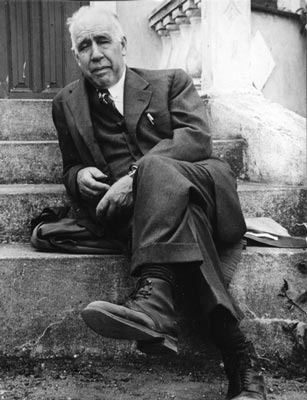
This approach is suggestive of the “shut up and calculate” school where, instead of worrying about what’s “really’” happening, you simply apply the maths. If we can never know what really lies beneath, what is the point of constructing interpretative models? Ball shows us that there is a lot we probably need to agree with in the traditional Copenhagen interpretation of quantum mechanics formulated by Niels Bohr and Werner Heisenberg in the 1920s. This probabilistic interpretation of quantum mechanics suggests that the observable properties of a particle do not have definite values until they are measured. But Ball also shows that there are multiple interpretations of this itself, as there was never a formal definition of the Copenhagen interpretation and the two scientists themselves had rather different ideas, meaning that it too is incomplete and ultimately, unsatisfying.

Why, Ball asks, does quantum physics, uniquely, need interpretations? None of these attempts to provide a bridge between the highly-successful mathematical models such as Schrödinger’s equation, and what is observed, is ideal. They all fall down, irrespective of whether someone supports the science fiction-like “many worlds interpretation” – the idea that every outcome of a quantum decision takes place in a parallel world system, which Ball argues is counter-scientific – or David Bohm’s universal interconnectedness; or more modern attempts.

The difficulty of interpretation is also not helped by the degree to which the fundamentals of quantum physics were plucked out of the air. As Ball tells us, “It was a hugely abstract and intellectual exercise, relying on informed guesswork to an extent we might consider both impressive and alarming.” The mathematical models match what was later observed impressively well, but it’s alarming considering we have no good reason for expecting these mathematical models to work.

The key to understanding the confusion caused by quantum theory, may be to consider information

The key to understanding the confusion caused by quantum theory, may be to consider information, suggests Ball. It seems that as quantum objects interact with their surroundings, they lose their quantum uniqueness. In this decoherence process, they go from a collection of probabilities to having measured values. In this picture, quantum phenomena are largely about transfers of information.

Through the book, it becomes clear that, while the mathematics of quantum theory is highly effective, we may need to approach it differently if we are ever to get beyond the numbers to an understanding. Towards the end of the book we are presented with attempts, that are still not fully developed, to reformulate quantum physics as a series of axioms that make sense in conventional terms, while still allowing most quantum phenomena to be deduced. If this all sounds diffuse and woolly, it’s not realistic to expect Ball to be able to make everything that is described as “quantum weirdness” go away. Rather, what he successfully does is to enable the reader to look at quantum physics in a different light, where these oddities become less challenging.

The only real negative about Beyond Weird, past a tendency to make the brain hurt, is the way that the book is set up as a series of challenges to “everything you thought you knew about quantum physics”. Ball is an urbane writer and the aggressive challenging adopted here sits uncomfortably with his usual style. This comes across particularly strongly in the early parts of the book, where page after page is taken up telling us that quantum physics isn’t really weird like we thought it was, but that it is merely surprising. Thankfully, this early confrontational tendency fades later, and should not take away from the fact that this is the most original and interesting book on quantum physics for the general public in a long while.

  • 2017 Bodley Head 384pp £17.99hb

Paris targets ‘more readily achievable’, Canadians say

The targets for climate change outlined in the Paris Accord are easier to achieve than commonly thought. That’s the claim of researchers in Canada, who have defined climate outlooks in a way that is both simple and easier to analyse.

The new definition relies on just two parameters – total energy use this century, and the carbon intensity of that energy – that can be mapped onto a phase-space diagram. By data-mining that phase space, the researchers found that current “business as usual” scenarios given by the Intergovernmental Panel on Climate Change (IPCC) assume increasing carbon intensity, or so-called re-carbonization – contrary to recent trends.

“By thinking that we’re definitely heading in a direction of re-carbonization before we institute climate policies, it makes climate policy that aims for de-carbonization look overly difficult,” said Justin Ritchie of the University of British Columbia. “If we update our outlook for business-as-usual, the necessary climate policies to guide a low-carbon transition appear far more achievable than previously thought.”

The creation of future climate scenarios is a complicated business. For many years, they have been based on integrated assessment models (IAMs) – computer models that explore the projected interplay of population, economics and energy use up to the year 2100.

Since the IPCC’s Fifth Assessment report in 2014, two more layers have been added. Above IAMs are shared socio-economic pathways (SSPs), which describe possible socio-economic developments; while the layer above SSPs consists of representative concentration pathways (RCPs), which define the levels of greenhouse gases that could ensue from the different underlying scenarios. RCP8.5 is the oft-called business-as-usual scenario, in which no strong policy action on climate change is taken.

The problem with this approach, according to Ritchie, is that the underlying IAMs are very time-consuming to run. “If they are used to map all the possible future developments based on different scenarios of population, GDP and energy use, it can get quite unwieldy,” he explained. “For example, there were 1,184 scenarios produced by about 20 different IAMs for the IPCC’s Fifth Assessment, and managing all those model outputs is a growing challenge… Further, most of those scenarios were based on a common set of population and socioeconomic projections, so while their number is quite large, they are actually surprisingly narrow in scope.”

Instead of this top-down approach, Ritchie and colleague Hadi Dowlatabadi, also from the University of British Columbia, generated climate outlooks the other way around, mapping out all the combinations of carbon intensity and energy use that could generate a certain level of carbon emissions as given by the RCPs.

Doing it this way reveals the full range of possibilities without resorting to complex simulations, says Ritchie. It “allows us to see that integrated assessment models may be too narrowly focused”.

Indeed, Ritchie and colleagues’ method revealed that RCP8.5 is mostly depicting a world in which coal remains the cheapest form of energy and outcompetes other types of energy generation.

“Since that looks increasingly unlikely, it means they are likely overestimating how difficult it will be to develop along technology pathways that lead to 2˚ of warming or less, in line with the Paris Agreement,” Ritchie said. “Renewables, energy-efficiency and oil and gas technologies have proved far more dynamic than anticipated. Thus, coal has been losing global market share for a long time.”

The team published the study in Environmental Research Letters (ERL).

PET/CT lines up for breast imaging

A dedicated breast PET/CT scanner that produces combined dual-modality images could improve the detection of breast diseases in challenging cases. A team at West Virginia University School of Medicine has been developing dedicated breast-PET imaging systems since 2000. Performance tests of their newest breast PET/CT prototype demonstrated that its performance was similar to that of current dedicated breast-CT and breast-PET systems (Med Phys. doi.org/10.1002/mp12780).

Women with dense, cystic, post-surgical and augmented breasts can be difficult to evaluate using current imaging techniques. PET is a good candidate for supplemental breast imaging of women with indeterminate mammograms, because tissue contrast is based on physiologic differences (characterized by radiotracer uptake) rather than tissue density.

Integrating CT with PET adds anatomical information regarding the size and shape of lesions identified with PET. CT data could also be used in corrections for physical processes that degrade PET images, such as Compton scattering and photon attenuation. Accurate quantitation of radiotracer uptake could also be improved by using CT images to calculate partial volume corrections for small structures identified in PET scans.

The PET/CT scanner
The PET/CT scanner developed by Raymond Raylman and co-authors consists of a PET scanner with two detector heads coupled to a 4×3 array of flat-panel positron-sensitive photomultipliers (PSPMTs). Specialized electronics reduce output signals from 64 to four channels for each PSPMT and produce an output signal whose amplitude represents the total amount of light detected by the PSPMT. The system design maximizes collection of scintillation light and light produced by elements at the edges of the scintillator array and reduces the processing load.

The dedicated breast-PET/CT scanner

PET data are acquired by rotating the detectors in step-and-shoot mode, with the dwell time at each position selected by the user. The estimated imaging time is approximately six minutes per breast. The nominal field-of-view (FOV) is 20 cm (transaxial) and 15 cm (axial), and the nominal reconstructed voxel size is 1 mm3. The cone-beam CT scanner comprises a tungsten filament pulsed X-ray source and a flat-panel X-ray detector operating in portrait orientation. Its nominal FOV is 16 cm (transaxial) x 20 cm (axial).

Both components are mounted on a computer-controlled rotating gantry, along with a three-axis rotating arm to hold a biopsy gun – enabling the new system to perform image-guided biopsies of suspicious lesions. The scanner elements are mounted on linear slides so that their distance from the centre-of-rotation can be adjusted according to the desired mode of operation (PET or CT) and breast size. Specialized software registers the CT and PET images, harmonizing image voxel sizes and aligning the images. CT images are segmented for use with the Compton scatter and attenuation corrections utilized in PET image reconstruction.

Performance testing
The team reported that the PET/CT scanner performed as expected during testing with the NEMA NU2-2009 protocol. The system exhibited a spatial resolution of 2.2 mm (using filtered-backprojection reconstruction) 5 mm from the centre of the scanner. Imaging of a micro-hot-rod phantom illustrated the potential utility of the dual-modality images.

Raylman told medicalphysicsweb that the tests demonstrated the systems’ high performance, although some improvements are planned. The team is now working to reduce CT detector binning and implement an enhanced iterative reconstruction algorithm. These modifications should improve CT resolution and permit reduction of radiation dose to the breast by reducing X-ray flux, without degrading image quality. They have also developed a patient bed that incorporates shielding to block the PET detectors from annihilation photons produced by radiotracer in the patient’s organs and minimize scatter of X-rays into the patient’s torso.

When these improvements are made, the researchers will perform a phantom study to estimate lesion detectability with the PET and CT components, and measure radiation dose to the breast and torso. Raylman said that the team hopes to start pre-clinical testing within six months.

PET/CT advantages
“The addition of CT to dedicated breast-PET scanners makes it possible to supplement PET images by detecting lesions that may not preferentially uptake the PET radiotracer used in the study,” said Raylman. “Future CT scanners may be able to detect some micro-calcifications, which are not visible with PET. Finally, the combination of CT with PET enables accurate attenuation and scatter correction methods to be applied to PET images; potentially enhancing lesion detectability and facilitating accurate quantification of radiotracer uptake in the breast and breast lesions.”

Raylman predicts that radiation dose to the breast from the PET/CT scanner may be lower than that from a 3D tomosynthesis digital mammogram. Meanwhile, the anticipated exam time of 12 minutes should be much faster than the time required to perform an equivalent breast-MRI exam. The breast PET/CT exam should also be less expensive than a comparable MRI scan. Finally, breast PET/CT scanners could also be more accessible to patients than breast-MRI scanners, because they will be less expensive to purchase and far less challenging to install in smaller imaging centres and radiology departments.

“Being able to perform a PET-guided biopsy will also be advantageous to confirm diagnoses of suspicious lesions. Our system is currently the only dedicated breast-PET/CT scanner capable of performing image-guided biopsy,” Raylman added.

This system is one of two under development in the USA. Another initiative to develop a dedicated breast PET/CT scanner has been underway at UC Davis Medical Center since the mid-2000s.

Atomic force microscope makes single-electron current meter

An atomic force microscope can be used as a single-electron current meter, according to new experiments by researchers at IBM. The technique, which measures the energy levels of single molecules on insulators for the first time, provides precious information on single-electron intermolecular transport. The work might ultimately help to make improved electronics devices in the future, by characterizing defects in chips, for example.

Electronic devices contain printed circuit boards, in which all of the components making up a device can clearly be seen. The conducting tracks, which carry electric current through the entire board, are visible too. The boards also include insulating layers that shield the tracks from current leakage.

In molecular electronics, we would see a similar set-up with single molecules as the conducting tracks and single electrons being transferred from the molecules, explain the researchers led by Gerhard Meyer at IBM Research-Zurich. However, the difference on this scale is that the underlying substrate produces supplementary effects that need to be analysed. Unfortunately, this is no easy task since the molecules being electrically characterized are on top of an insulator.

The reorganization energy

“While charging a molecule on an insulator, the atoms in the molecule will relax towards accommodating this additional charge, as will the nuclei in the insulator,” says Shadi Fatayer, who is the lead author of this study. “This change in the atoms’ position impacts their energy levels and is known as the ‘Marcus reorganization energy’. It drastically affects the rate at which single electrons are transferred between molecules.”

In their experiments, the researchers grew multilayers of sodium chloride, NaCl, which is an insulating material, on top of a metal substrate. Such a system allows the molecules that are then absorbed on top (single naphthalocyanine molecules in this case) to have stable charge states, since they are decoupled from the metal surface.

Reorganization energies are usually measured by analysing molecules in solution or with molecules on top of a metal, but until now, there was no way of doing this for individual molecules on top of an insulator.

Enter atomic force microscopy

Atomic force microscopy is a widely-used ultrahigh-resolution technique that allows researchers to observe extremely small objects, even down to single atoms. It works by sensing the topography of a sample as it scans across it thanks to a very fine probe (the cantilever), which has an extremely sharp tip at its end. The AFM measures the tiny forces between the tip and the sample, such as a molecule on a support as in this case.

Thanks to previous work in their lab, the researchers had already succeeded in using an AFM to measure different charge states on top of an ultrathin insulator – with single-electron sensitivity. They also managed to image stably-charged molecules and transfer single electrons between molecules on top of a thicker insulator. Being able to measure reorganization energies proved to be more difficult still, however, and meant that they had to measure the energy levels that corresponded to particular charge-state transitions.

“Before this work, we were able to measure the electric current through a single naphthalocyanine (NPc) molecule atop an ultrathin insulating NaCl,” says Leo Gross, who is a physicist at IBM. “However, this only works in one direction for a given electron orbital. When we could measure the energy needed to attach an electron to a certain orbital, we could never measure the energy to remove one electron from that orbital, for example. With our AFM technique, we can now measure the energy levels in both charge-state directions on a thin film substrate.

Very weak signals

“The signals we need to detect are very weak, however, because they come from weak forces associated with currents that are just zepto-amperes in magnitude. This means that we must perform many careful measurements for a proper statistical analysis.”

The team in fact employed the tip and the force exerted on the tip to count single electrons; “We adjust the tip height and voltage and then count how long it takes for one electron to go to (or from) the tip and from this you can obtain the energy levels,” adds Gross.

The technique is detailed in Nature Nanotechnology doi:10.1038/s41565-018-0087-1.

Nuclear clock could be one tick closer

The internal structure of the thorium-229m nuclear state has been studied in detail for the first time by physicists in Germany. Thorium-229m is a metastable (or isomer) excited state of thorium-229 that decays via the emission of an ultraviolet (UV) photon. This photon has much lower energy than most nuclear emissions and could form the basis of a “nuclear clock” that would be much more precise than existing atomic clocks.

Atomic clocks work by keeping a laser in resonance with electronic transitions between energy levels in atoms or ions – with the “ticks” of the clock being the frequency of the laser light. Although the best atomic clocks available today could keep time to within one second if they were left running for 13 billion years, physicists are still keen on boosting this performance. Clock performance is limited by the effects of stray electromagnetic fields on atomic energy levels – and this is where nuclei can help. Nuclei are hundreds of thousands of times smaller than atoms and bound together much more tightly – and this makes nuclear transitions less sensitive to external electromagnetic fields.

The problem is that nuclear transitions tend to occur at energies that are thousands or even millions of times greater than the photons produced by today’s lasers. However, the transition between the ground state of the thorium-229 nucleus and an excited state (thorium-229m) is expected to have only around 7.8 eV energy. This corresponds to the energy of ultraviolet photons, which can be laser-generated.

Narrow transition

The spectral width of this transition is extremely narrow, which is good for clock performance. However, this narrowness has made it very difficult to determine the actual energy of the transition. A breakthrough came in 2016, when  Lars von der Wense of Ludwig Maximilian University of Munich and colleagues throughout Germany compared the decays of thorium-229 atoms and ions, which allowed them to conclude that the energy of the ultraviolet photons is in the 6.3–18.3 eV range. Subsequently, the researchers were also able to measure the lifetime of the thorium-229m state – and important piece of information for those aiming to build a nuclear clock.

In this latest research, von der Wense and colleagues – including Christoph Düllmann of Johannes Gutenberg University Mainz – have taken a much closer look at the thorium-229 nucleus to further characterize its potential as a nuclear clock. They began their experiments by storing thorium-229 ions in an ion trap. Some of these are in the thorium-229m state, and the team used laser spectroscopy to measure the hyperfine structure of the ions. Hyperfine structure arises from interactions between atomic electrons and the nucleus and can provide important information about the structure of a nucleus.

From the spectroscopic studies, the team worked out the charge radius of the thorium-229m state as well as its magnetic dipole and electric quadrupole moments. These quantities are important because they define how the state interacts with external electric and magnetic fields. The value of the electric quadrupole moment, for example, suggests that a clock based on a crystalline solid doped with thorium-229 would have to deal with a substantial shift of the nuclear transition frequency caused by electric-field gradients in the crystal.

Testing a constant

Writing in Nature, the physicists say that if such a nuclear clock could be built, its timekeeping would be extremely sensitive to the value of the fine structure constant, which measures the strength of the electromagnetic interaction. This could allow physicists to test whether this constant is indeed constant, or if its value changes under certain circumstances.  If discovered, variations in the fine structure constant could point to physics beyond the Standard Model of particle physics.

Tiny positioning differences can impact survival

Corinne Johnson

Tiny differences in a patient’s position during radiotherapy for lung or oesophageal cancer can impact how likely they are to survive, according to research presented at the ESTRO 37 conference in Barcelona. The study found that differences of just a few millimetres can shift radiation targeted to the tumour fractionally closer to the heart, where it can cause unintentional damage and reduce survival chances. This finding suggests that survival could be improved by tightening up treatment guidelines to ensure patients are positioned more accurately.

Corinne Johnson, a medical physics PhD student at the Manchester Cancer Research Centre, and colleagues studied 780 patients with non-small cell lung cancer who were treated with radiotherapy. For each treatment, patients were positioned on the treatment system and an image taken to confirm that they lay within 5 mm of their original position.

The researchers used the data from these images to gauge how accurately radiotherapy dose was delivered over the course of treatment, and whether it was shifted slightly closer or slightly further away from the patient’s heart. Comparing these data with how likely patients were to survive showed that patients with slight residual shifts towards their hearts were around 30% more likely to die than those with similar sized shifts away from their hearts. Repeating the research in a group of 177 oesophageal cancer patients revealed an even greater difference, of around 50%.

“We already know that using imaging can help us to target cancers much more precisely and make radiotherapy treatment more effective,” Johnson explained. “This study examines how small differences in how a patient is lying can affect survival, even when an imaging protocol is used. It tells us that even very small remaining errors can have a major impact on patients’ survival chances, particularly when tumours are close to a vital organ like the heart.”

She suggests that imaging patients more frequently, and reducing the threshold on the accuracy of their position, could help lower the radiation dose to the heart and avoid unnecessary damage. The researchers are now examining the data in more detail to see whether particular regions of the heart are more sensitive to radiation than others. They also hope to investigate the effect of differences in patient position in other types of cancer.

Jacobson’s new 100% renewables model aims to rebut critics

Mark Jacobson and his team at Stanford University, US, got some flack for their 100% global renewable energy study last year. It said 139 countries around the world could obtain 100% of their energy from wind, water and solar (WWS) sources by 2050. It had been based on their 2015 study that examined the ability of 48 US states to meet all their energy needs stably from these renewables. Some said their approach was flawed, and, for example, relied too heavily on energy storage solutions and on adding turbines to existing hydroelectric dams to get extra power – see, for example,  PNAS 114 6722.

In response, Jacobson and colleagues at Stanford, the University of California, Berkeley, and Aalborg University in Denmark, have now produced a new study focusing on 20 global regions encompassing the 139 countries, with supply and demand matching modelled for a range of storage/backup options over the period 2050–2054.

One scenario includes heat pumps, which are used in place of combustion-based heaters and coolers, but no hot- or cold-energy storage; two add no extra hydro turbines to what exists; and one has no battery storage. So they have options that reduce or avoid the contentious large extra hydro input and explore mixes of other options.  Hydrogen from green sources is used for transport, but not otherwise. In their model test runs all the mixes worked, stably.

The team says that the fact that no blackouts occurred under the three different sample storage scenarios suggests that many possible solution mixes for grid stability with 100% wind, water and solar power are possible. They also found that the full final cost per unit of energy, in every scenario, was about one-quarter what it would be if the world continues on its current energy path. This is largely due to eliminating the health and climate costs of using fossil fuels. Also it was noted that, by reducing water vapour, the wind turbines in the mix would offset about 3% of global warming to date. The team’s explanation of this seems a bit convoluted, but the local air-speed changes created by wind turbines can precipitate water vapour, which is a powerful greenhouse gas (GHG). This saving is of course on top of much larger GHG saving from displacing fossil-fuel use – although it is pointed out that the latter will take time to show up in global temperature terms, whereas vapour reduction will have immediate local temperature impacts.

In addition to wind, solar cells and concentrated solar power  (CSP) in some regions, are central in their proposed mix, as are marine renewables and geothermal – as in their earlier global and US scenarios. On the demand side, detailed heat and power loads are explored, including options for demand response, such as varying industrial high-temperature industrial-process loads and phased electric vehicle charging and flexible vehicle-to-grid storage capacity.

The team is confident that there would be no major problems with balancing. It notes that many previous studies had examined matching time-dependent demand with supply for up to 100% renewable electricity and some had looked at all-energy matching. All had found that “time-dependent supply can match demand at high penetrations of renewable energy without nuclear power, natural gas, or fossil fuels with carbon capture”.

But the team claims to have added even more certainty: in its new scenarios it says “100% of all end-use energy, rather than 100% of just electricity (which is ~20% of total end use energy), is decarbonized” with balancing solutions found “by considering many storage options, namely heat storage in rocks and water; cold storage in water and ice; electricity storage in CSP-storage, pumped hydropower, existing hydropower reservoirs, and batteries; and hydrogen storage; and by considering demand response and, in one scenario, heat pumps”.

Mark Delucchi of the University of California, Berkeley, and a co-author of the paper, says: “One of the biggest challenges facing energy systems based entirely on clean, zero-emission wind, water and solar power is to match supply and demand with near-perfect reliability at reasonable cost. Our work shows that this can be accomplished, in almost all countries of the world, with established technologies.” Jacobson was even more upbeat: “Based on these results, I can more confidently state that there is no technical or economic barrier to transitioning the entire world to 100% clean renewable energy with a stable electric grid at low cost.”

It will be interesting to see the reactions. It is certainly a detailed study and, interestingly, one that avoids the use of biomass and biofuels.  However, producing scenarios for 2050–2054, using predictions of climate and weather patterns and energy use and supply, with full load balancing, is brave stuff. For the variable wind/solar outputs, produced at 30 second intervals, they use GATOR, a global weather-climate-air-pollution modelling tool (gas, aerosol, transport, radiation), combined with GCMOM (general circulation, mesoscale and ocean model), and then the LOADMATCH grid-integration model, providing tests for balancing of supply and demand using hourly demand data.
But though computer modelling, using projected time-series data, can it seems do it all, even with sensitivity checks on modelled interactions, it is still a long way from reality – not least in terms of cost. No new technology is assumed, but, even so, identifying costs so far ahead introduces considerable uncertainty. Current capital cost/LCOE estimates from the literature are used, as in the previous studies, along with estimates for transmission costs and storage, which are all then fed into the model.

The approach used was to run the models multiple times with varying mixes to hone in on zero-load loss mixes and then to identify a low-cost mix of options – although not necessarily the lowest cost option, or the best in power terms, since their approach does not model power flows. While estimates for losses are included in the model, transmission is assumed to be unproblematic. Interestingly, one result of this, and also possibly of the exclusion of (storable) biomass, is that CSP with integral heat storage figures strongly in the list of low-cost balancing options.  However, CSP is obviously location specific, and the options for longer distance grid-integration are also location sensitive.

The 20 regions used in the study were constituted “primarily on geographic proximity and some geo-political considerations”. In practice, however, it was accepted that “political opposition within the proposed regions is likely to result in some different groupings”. But since low-cost grid solutions under multiple wind, water and sunlight (WWS) configurations were found for all 20 regions spanning a wide range of geographic areas, resource availabilities, and demand conditions, it was felt that “increasing the number of regions or trading countries between regions should not inhibit the ability to obtain low-cost, stable solutions in other grid regions”. They add that “although the variability in solar and wind resources decreases when integrated over larger geographic areas, it is not possible to provide a general rule about the ‘optimal’ size of a grid-integration region. The optimum is determined by the tradeoff between the benefit of reducing temporal variability and the cost of expanding the grid. These benefits and costs vary dramatically with particular conditions in different countries”.

Even so, while some costs of energy may be higher, there will still be an overall cost saving from reduced energy use – due to improved energy efficiency in both end use and generation (with green electricity being used rather than inefficient combustion), better supply and demand matching (via smart grid and demand management) and savings on the cost of fossil fuel (with energy also no longer being needed for fossil fuel mining, extraction and transport). That means that the overall operational cost will be low. And if the social and environmental cost savings are added, it will be even lower.

As can be seen, no one optimal blueprint or pathway is offered. As the authors conclude, the possible solutions “are not limited to one 100% WWS pathway. Instead, multiple 100% WWS pathways with different mixes of generation, storage, and transmission, and demand response, are possible”.They may not all turn out to be available or attractive, but some surely need exploring. Although, as the modelling team says, that from their perspective there are no major problems with the options, the main challenge is the need to get consensus for action. In my next few posts, I will look at what’s actually happening around the world, starting with the EU and UK.

Brachytherapy proves safe for cervical cancer

Lars Fokdal

Ureteral stricture – a narrowing of the tube that takes urine from the kidneys to the bladder – is a rare but potentially serious complication following radiation treatment for cervical cancer. The stricture can lead to kidney damage and sometimes life-threatening infections.

Previously, concerns have been raised that brachytherapy might increase the risk of ureteral stricture, although the treatment itself is associated with better survival. However, research presented today at the ESTRO 37 conference in Barcelona shows that intracavitary and interstitial (IC/IS) brachytherapy is safe and does not increase the risk of ureteral stricture.

Intracavitary brachytherapy involves placing an applicator in the uterus, while interstitial brachytherapy involves inserting needles directly into the tumour. The appropriate radiation dose is then delivered to the cancer via one or both of these approaches.

Lars Fokdal, from Aarhus University Hospital, and colleagues examined data from 1772 patients with locally advanced cervical cancer enrolled in two international trials: the retrospective RetroEMBRACE and the prospective EMBRACE studies. Image-guided brachytherapy (IGBT) was delivered with the combined IC/IS technique in 36% of patients.

The team followed up the patients treated with IC/IS IGBT for between one and 163 months. At a median follow-up of 29 months, 36 patients were diagnosed with severe grade 3-4 ureteral stricture. The overall risk of developing grade 3-4 ureteral stricture was 2% after three years and 3.2% after five years. The risk was lowest (1.3% at five years) in patients with small, stage 1-2 tumours and slightly higher in those with stage 3-4 tumours (1.8%/4.8% at three/five years).

The highest risk was seen among patients with advanced cancer who also had swollen ureters (hydronephrosis) at diagnosis. In these patients, the risk of ureteral stricture was 13.6% and 23.4%, at three and five years, respectively.

“The incidence of ureteral stricture in cervical cancer patients generally is between 2-3%, so the overall risk of developing the complication after IC/IS IGBT compares well,” explained Fokdal. “It is good to know that the interstitial component of IGBT does not increase the risk of this complication. However, the risk is more pronounced in patients with advanced stage and hydronephrosis at diagnosis.”

One strategy to avoid ureteral stricture in higher-risk patients could be closer observation following IC/IS IGBT so that ureteral strictures could be detected earlier before they become too severe. Another option could be insertion of ureteral stents before radiotherapy to visualize the organ on imaging and reduce the delivered dose.

“Results from the RetroEMBRACE and EMBRACE trials have also shown that IC/IS image-guided brachytherapy is associated with a better outcome for patients in terms of survival and adverse side-effects,” Fokdal added. “The increased, but targeted radiation dose to the tumour controls the cancer better without adversely affecting nearby organs and tissues. Taking all these results together, we have growing evidence in favour of IC/IS IGBT for treating cervical cancer.”

Artificial scaffolds target bone-ligament interfaces

The interface between bones and ligaments plays a crucial role in the human body, since it helps us to move our joints and also allows them to bear weight. This interfacial zone is composed of heterotypic, “graded” tissue, that transitions from soft ligament to hard bone, which means that it contains a complex mix of different cell types, matrix components and structures.

A research collaboration between scientists at the University of Twente and Maastricht University in the Netherlands, and the University of Pisa in Italy, recently fabricated a new type of triphasic scaffold that mimics this multi-tissue environment within the bone-ligament interface. These engineered structures could be used to develop tissue grafts that could help regenerate diseased or damaged interfacial zones.

Growing cells on a triphasic scaffold

The new biomimetic scaffold, reported in the journal Biofabrication, was made of two different materials that together reproduce the mechanical, structural and physiochemical properties of the ligament–bone interface. The first component is a 3D structure of polycaprolactone (PCL), produced using fibre deposition, which is routinely used in tissue engineering for its bone-like characteristics. This is complemented by an electrospun network of polylactic co-glycolic acid (PLGA), a bioresorbable polymer that mimics the properties of ligament tissue.

Natural properties

The scaffold was designed to have a gradient of physical and mechanical properties, similar to that found in natural heterotypic tissue. The  researchers found that the combination of materials was able to imitate the properties of the bone, ligament and calcified/uncalcified fibrocartilagineous regions of tissue at the micro- and nanoscale. Since the work was published, the researchers have been further developing the electrospun network in their 3D construct.

“We are designing this structure to capture some of the physicochemical and biological characteristics of the ligament interface, including fibrillary geometrical cues, and are incorporating biological recognition sites into it too,” explains team leader Lorenzo Moroni. “Our scaffold may result in faster tissue regeneration if the recognition sites that we have engineered prove to be effective.”

Moroni explains that the work forms part of his lab’s strategy of developing biofabrication technologies that recapture the complexity of the native environment. “We are in fact trying to move from scaffolds containing a single biomimetic tissue to multiple ones in an ensemble, since it is virtually impossible to dissect a specific tissue from its associated vasculature and neural network in the human body,” he says.

Ultimately, Moroni adds, these are the first steps towards more sophisticated experiments that will attempt to connect the lymphatic network and the immune system to the regenerated tissue. “Adding the lymphatic network too would be a fascinating future development but will require more fundamental work,” he says. “For instance, we would need to culture together multiple types of cells here, which is an important challenge from the culture technique point of view.”

Towards the clinic

A more immediate priority is to test the behaviour of the new scaffold in situ. “We still need to understand if these scaffolds can be easily translated into an animal model for ligament regeneration,” says Moroni. “We have planned some experiments for 2018 to help us answer this question.”

The team has obtained funding from the European Research Council to test some of the ligament regenerative scaffolds in pre-clinical animal models. “If the results of these experiments prove promising, we will then be looking at the possibility of partnering with a company or even creating our own spin-off to further translate our findings into a product that could reach the clinic,” he continues.

One purpose of those tests will be to evaluate the lifetime of the regenerative products. “Ideally, the materials we have used should provide a long-lasting solution, but this is still a challenge to achieve,” Moroni concludes.

  • Read our special collection “Frontiers in biofabrication” to learn more about the latest advances in tissue engineering. This article is one of a series of reports highlighting high-impact research published in the IOP Publishing journal Biofabrication.

A fishing rod for electric eels, Jian-Wei Pan and Elon Musk honoured by Time

Research universities and labs can be treasure troves of antique scientific equipment – some of which can look very perplexing to the modern eye. The National Institute of Technology and Standards (NIST) in the US has its own museum and staff there are asking the public to help identify some mysterious objects in their collection. What, for example, is the above apparatus – a fishing rod for electric eels?

Time magazine has names its 100 Most Influential People of 2018 and among the celebrities and politicians is a name that most people will probably not recognize, but I was very pleased to see – the Chinese physicist Jian-Wei Pan.

Quantum satellite

Pan was nominated by his former PhD supervisor at the University of Vienna, Anton Zeilinger, who wrote in Time “I can’t imagine the emergence of quantum technology without Jian-Wei Pan”. Pan was the leading force in the development of China’s Micius quantum satellite, which has managed to share quantum information between China and Austria. “His long-term goal of a quantum Internet has come a few leaps closer because of this,” says Zeilinger, “I consider it a privilege to have been his teacher”.

Before he was discovered by Time, Pan was cited by Physics World as the winner of our Breakthrough of the Year 2015 for his work on double quantum-teleportation.

Another physicist I spotted on the list is the entrepreneur Elon Musk, of Tesla and SpaceX fame. He was nominated by fellow physicist and billionaire Yuri Milner, who writes “Through original thinking, technical precision and smart marketing, Elon is making space transport rise up to our biggest ambitions”. Milner, who made his fortune investing in technology companies, has also made his mark on the world of physics by founding and partially funding the Breakthrough Prize in Fundamental Physics.

Copyright © 2026 by IOP Publishing Ltd and individual contributors