Controlling cell polarity could create diabetes treatment

Epithelial cells, which line the surfaces of blood vessels and organs, possess a feature called apicobasal polarity that enables them to distinguish between their exterior and interior environment by using domains – apical (for the exterior) and basal (for the interior) – in the plasma membrane. This ability is a pre-requisite for such cells to perform fundamental biological roles, such as regulating epithelial development or differentiation (the ability to change into other cell types). While there is a known link between, for example, apical polarity and epithelial differentiation, how this process is regulated is still not understood.

Using the developing mouse pancreas as a model, a team from the University of Copenhagen and Vanderbilt University aimed to decipher the role of apical polarity in differentiation and cell fate (Nature Cell Biology 19 1313). They found that epidermal growth factor receptor (EGFR) signalling is key to controlling polarity changes in the mouse pancreas and that, importantly, the same applies to human stem cells. These findings pave the way for the use of human stem cells to transform into insulin-producing cells and, ultimately, the development of stem cell therapies for patients suffering from diabetes.

Progenitor cells (the ones that transform into hormone-producing endocrine cells) express the transcription factor neurogenin3+ (Ngn3+), which is necessary for differentiation into endocrine cells during pancreatic development. Considering the expression level of Ngn3+, where cells can be either Ngn3High or Ngn3Low, the authors decided to investigate the link between Ngn3+ cells, apical polarity and epithelial development, together with the influence of EGFR signalling.

Influences on endocrine commitment

Ngn3Low cells have a larger apical domain and are the ones that change into β-cells. Such β-cells produce, store and release insulin, a critical regulator of glucose metabolism, which is an important factor in diabetes.

Rac1, a protein known to regulate polarity, is involved in apical domain size reduction in Ngn3Low cells during β-cell commitment. Without Rac1, the Ngn3Low cells tend to develop into Sox9+ pancreatic duct cells, the ones that secrete bicarbonate that neutralizes stomach acidity.

Phosphoinositide 3-kinase, or PI(3)K, is another protein involved in increasing the expression of Ngn3+ via apical domain reduction. Unsurprisingly, when the authors inhibited EGFR signalling, they observed a reduced expression of PI(3)K and Rac1, together with a reduction in β-cell differentiation.

Rac1 regulates insulin cell differentiation

Changing human NGN3+ cells into β-cells

The highlight of this study is that the mechanism underlying how EGFR signalling regulates β-cell commitment via apical polarity is the same in human NGN3+ cells. This means that in the human embryonic stem cell-derived NGN3+ cells, EGFR signalling inhibits apical polarity through the activation of RAC1 and PI(3)K.

As EGFR signalling directly controls both epithelial development and cell differentiation, by modulating apical polarity, this makes it possible to control the conversion of progenitor cells into β-cells by altering their polarity. Further study of human NGN3+ cells may pave the way for new stem cell therapies for patients suffering from diabetes.

A puzzling neutrino detector, the best way to crumple cans

By Michael Banks

If you are looking for a Christmas present for a puzzle lover, the Institute for Cosmic Ray Research (ICRR) in Tokyo, Japan, has just the thing. It’s created a 300-piece jigsaw puzzle of the Super Kamiokande neutrino detecter in Kamioka, Japan. The detector is a giant stainless-steel tank filled with 50, 000 tonnes of ultra-pure water and lined with 13,000 photo-multiplier tubes that detect the Cherenkov radiation released when a neutrino collides with a water molecule. In other words, it’s a jigsaw puzzle featuring water and lots and lots of identical tubes.

Costing ¥1500 (£10) and with a finished size of 38 x 26 cm, a limited number of the jigsaws went on sale in late October. But its fiendish nature doesn’t seem to have put anyone off: the puzzle sold out within days. Jigsaw enthusiasts, however, will be pleased to know that, as, the ICRR is planning to release more.

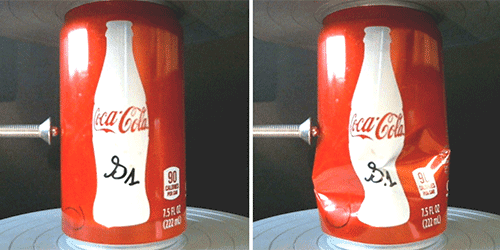
The holiday season can mean a lot of recycling. And a we all know, if you put a dent into the side of an aluminium can, it’s easier to crush from top to bottom. But predicting the exact force needed to crumple a dented can is notoriously difficult, requiring knowledge of the exact dimensions and position of the flaw. Thankfully, physicists at the École Polytechnique Federale de Lausanne and Harvard University have now worked out a relationship between the size of the dent and the force needed to buckle the can.

They put an empty Coke can in between two metal plates to produce a vertical force. The researchers then poked the side of the can using a metal ball attached to the end of a rod, continuously pushing the ball further into the can until it buckled with a loud snap. By varying the size of the ball and the force of the plates, they determined that the cans generally buckle with a force greater than 700 N. The researchers say that the work could help with the design of rockets, airplanes, and, of course, beer cans.

Exploring the visual symptoms of migraine

A study published in the Annals of Neurology has shown that different types of aura – a common visual disturbance triggered during migraine – produce specific blood oxygen level-dependent (BOLD) functional MRI (fMRI) responses. Researchers at the University of Copenhagen induced positive (such as flashing lights) and negative (dark spots, for example,) aura symptoms in five patients with susceptibility to migraine with aura, and scanned the patients immediately afterwards. Their findings will help future work to characterize the clinical heterogeneity of migraine episodes and hence inform prognoses and therapeutic interventions (Annals of Neurology doi: https://doi.org/10.1002/ana.25096).

Approximately 10–30 % of migraine sufferers experience aura symptoms, typically in the premonitory phase of migraine (Migraine Trust). Negative visual symptoms include scotoma – where a portion of the visual field is degenerated/occluded – or dark spots, and positive visual symptoms include flashing lights/dots and zig-zag lines. Aura is thought to be caused by cortical spreading depression (CSD) – a wave of cortical depolarization, followed by suppression of neuronal activity, when headache typically ensues. Aura is a transient symptom that is difficult to characterize, and hence difficult to investigate. Here, researchers imaged participants across two non-consecutive study sessions using fMRI.

Inducing migraine with aura

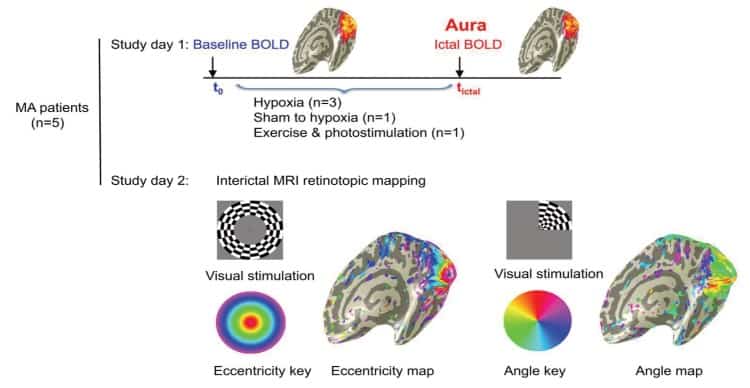
On day 1, the researchers scanned five subjects at baseline and then during aura. One patient inhaled atmospheric air, and three were submitted to normobaric hypoxia – reduced O2concentration at normal atmospheric pressure – in order to induce aura. The remaining subject exercised on a bike while exposed to flickering photo-stimulation. fMRI was performed during stimulation with a moving checkerboard to strongly activate the visual cortex.

The study design

On day 2 (at least five days after an attack), the investigators performed retinotopy (visual cortex mapping while the subjects observed rotating wedges and expanding/contracting ring stimuli) to identify specific parts of the visual cortex.

Specific responses to specific aura

Two patients experienced scotoma/flickering, which corresponded to a reduced BOLD response (compared with baseline). One patient experienced black and white spots and flickering, and had a reduced BOLD response. The remaining two patients experienced white spots/flickering and had an increased BOLD response. Solely positive symptoms such as flickering/bright spots/lines increased the BOLD response. Several of these specific BOLD responses were present on both hemispheres, similar to the visual disturbances experienced by the patients.

In some cases, patients experienced a combination of positive and negative symptoms. In these patients only a reduced BOLD response was observed. The authors suggest this may be due to different effects of CSD on the cerebral activity and haemodynamics: positive symptoms may reflect the start of the wave of depolarization – the neurons are hyperexcitable and quickly regain resting potential – and negative symptoms may reflect the depressed areas after the wave has passed, when neural activity is suppressed.

Improvements to the method could include continuous scanning (pre- and during aura), however, this is difficult to implement. This work brings us a step closer to characterizing the uncharted terrain of migraine aura, beyond descriptive symptoms and towards an empirically devised disease prognosis.

QUASAR MRID3D Geometric Distortion Analysis System

The QUASAR™ MRID3D Geometric Distortion Analysis System from Modus QA is a new way to quantify magnetic resonance image (MRI) distortion for the entire 3D volume… automatically! The turn-key solution uses a novel method based on 3D harmonic analysis of distortion and 3D Laplace partial differential equations to analyse low- and high-field MRI geometric distortions. By evaluating multiple pulse sequences, MR physicists are able to determine the best bandwidth to minimize MRI distortion for diagnostic imaging, MRI-guided radiation therapy and MRI simulation applications.

Continuous atom laser one step closer, say physicists

A “laser” that puts out a continuous beam of coherent atoms is one step closer, say physicists in the Netherlands, who have devised a new way of cooling atoms to create a Bose-Einstein condensate (BEC).

A BEC is a distinctive state of matter in which all atoms are in the same quantum state. Therefore, a beam of atoms drawn from a BEC will behave as a coherent matter wave – in much the same way as light from a laser is a coherent electromagnetic wave. Atom lasers could prove useful for making high-precision measurements of rotations, accelerations and magnetic fields.

Short pulses

Atom lasers have been around since the first BECs were created in the mid-1990s, but these systems have produced a pulse of atoms lasting less than a second, rather than continuous waves of atoms. This is because there is no practical way to replenish atoms in the BEC on the fly – a BEC involves trapping and cooling atoms to temperatures just a tiny fraction above absolute zero in a multi-stage process that takes tens of seconds.

Now, Florian Schreck and colleagues at the University of Amsterdam have addressed this cooling problem by performing the different cooling stages in different locations, essentially creating a cooling assembly line that can operate continuously. Key to their success is the use of strontium to make the BEC – strontium atoms have just the right electronic structure to be cooled step-by-step, while being moved from one location to the next.

Colder and denser

The team can use the technique to create a “permanent” cloud of gas that is much colder and 100 times denser that that achieved by previous efforts at continuous cooling. They have also shown that their process is compatible with the creation of a continuously existing BEC.

Schreck believes that the team should be able to make a continuous atom laser within one year.

The research is described in Physical Review Letters

Atomic-scale imaging achieves attosecond resolution

Combining features of attoscience with high-resolution electron microscopy has allowed scientists at Ludwig-Maximilians-Universität München to develop a new technique for time-resolved imaging in both real and reciprocal space. The researchers investigated the time-scale of Bragg diffraction and the behaviour of electromagnetic waves in space and time by compressing an electron beam into a series of short electron pulses.

Conventional electron microscopy has reached the point where atomic characterization of a wide range of samples is routine. A focused beam of accelerated electrons can provide a view of the crystal structure of materials through direct imaging or electron diffraction with sub-picometer spatial resolution. The beam is produced via photoemission, and the timescale associated with the “pulse” or packet of electrons dictates the temporal resolution. By combining such beams with attosecond (10–18 s) spectroscopy, where lasers compress the beam into a series of these pulses with shorter time scales, researchers Yuya Morimoto and Peter Baum at Ludwig-Maximilians-Universität München have developed a method for studying physical phenomena with unprecedented space–time resolution.

The technique relies on the use of lasers to modulate the propagation of the photo-emitted electron beam. The electron packets are periodically accelerated and decelerated in a dielectric membrane, depending on their arrival time relative to the laser cycle. The end result is the production of a “train” of attosecond length pulses. Characterization of this pulse-train beam reveals that the beam quality is not significantly different from the pre-compression beam, with the additional benefit that the best-compressed pulses within the train are up to 35 times shorter than has previously been demonstrated for atomic-scale diffraction.

To demonstrate the novel capabilities of this technique, Morimoto and Baum conducted two proof-of-concept experiments. The first investigates Bragg diffraction, a fundamental interaction between electrons and matter that involves the conversion of crystal momentum into electron momentum as an incoming electron is scattered by the crystal lattice. The researchers used attosecond-resolved diffraction of single-crystal silicon to see whether there is a delay associated with this scattering mechanism. By quantifying the time-dependent streaking of the diffraction spots they could deduce that no delay occurs that can be resolved at attosecond timescales, despite the various electronic and physical interactions between the beam and crystal.

The second experiment involves studying the interaction between light and matter using real-space imaging. They tuned a laser to generate an optical excitation wave across a large (130 × 150 μm) silicon membrane. The time-dependent intensity observed due to the attosecond pulses can then be linked to the relative phase associated with the optical wave, resulting in a phase map where each point on the sample has deflected the beam with a phase delay and amplitude based on the optical waveform at that specific location. In this case the phase was shown to advance continuously in a direction parallel to the excitation polarization and they were able to measure the travelling wave parameter. The ability to measure this interaction between light and matter is a potential route to probing nanophotonic phenomena that occur on ultrafast timescales.

These experiments mark the beginning of what this hybrid method has to offer regarding the observation of attosecond-scale processes. A host of experiments in photonics and condensed-matter physics are now possible due to the space–time resolution achievable with this technique. The authors mention potential modifications that could further increase the temporal resolution by shortening electron pulses or by isolating single pulses from a train for even more advanced photonics applications.

More information can be found in Nature Physics.

To the Moon and back

The brief era of manned missions to the Moon retains to this day a gloss of excitement that other space ventures have never quite equalled. Fans of science and science-fiction revere the Apollo astronauts and the technology behind them – and that is why we still get new books about them, such as Apollo: the Extraordinary Visual History of the Iconic Space Programme written and illustrated by Zack Scott. This is a beautifully designed coffee-table book full of every fact you might ever want to know about the Apollo missions, including details only recently released by NASA. It dedicates most of its space to large two-colour drawings of every piece of Apollo equipment, from each stage of the Saturn V rockets to the astronauts’ helmets. There is a double-page spread on each Apollo astronaut who walked on the Moon (an unnecessary distinction, I thought, but then again even those 12 profiles got a little repetitive) and another on each Apollo mission. Text is restrained to short blocks that stick to the facts – there are few anecdotes or quotes here, though the book does open and close with excerpts from John F Kennedy’s famous 1962 “We choose to go to the Moon” speech. After all the equipment, people and missions have been introduced, the last third of the book is dedicated to elegant infographics about the Moon and the overall Apollo programme. Ever wanted to see all the Apollo landing sites on a map of the Moon? Now you can. Some of the infographics have a fun sense of humour, such as the speed of the crawler-transporter being compared with a brisk walk (faster) and a drifting iceberg (slower). But some of them are a little dry. This isn’t a book to read cover-to-cover – you would quickly find yourself overloaded by information if you tried that – but it is a great and stylish reference book made with real admiration for its subject.

What makes a mathematician

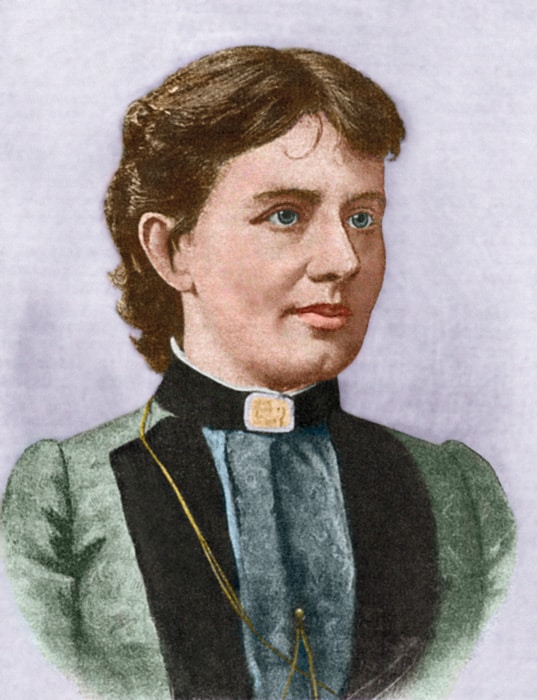
mathematician Sofia Vasilyevna Kovalevskaia

Sofia Vasilyevna Kovalevskaia (sometimes spelled Kovalevskaya) is surely the only person in history who became a mathematician because of a botched redecoration project. As Ian Stewart recounts in his book Significant Figures: the Lives and Work of Great Mathematicians, Kovalevskaia’s parents ran out of wallpaper while renovating their country estate outside St Petersburg, Russia, so they had their daughter’s bedroom papered with pages from an old mathematics textbook instead. Their improvisation had long-term effects: young Sofia was fascinated by the strange formulae on her ersatz wallpaper, and she spent hours staring at them, trying to discern their meaning. Soon she had them memorized.

Although it took Kovalevskaia a few more years to understand her wallpaper in full, this early exposure to mathematics ignited a passion that drove her across Europe in pursuit of the educational opportunities denied to women in 19th-century Russia. During her short but eventful life (1850–1891), she wrote plays, studied the dynamics of Saturn’s rings and made notable contributions to the mathematics of rigid rotating bodies. She also became, by some estimations, the first woman in Europe to gain a PhD in mathematics, and eventually landed a (paid and tenured) job as a lecturer at Stockholm University in Sweden – another first.

Kovalevskaia is one of 25 mathematicians profiled in Stewart’s book, which begins with Archimedes and runs nearly to the present day, with the final chapter devoted to Bill Thurston, a topologist who died in 2012. In addition to anecdotes, Stewart, a mathematician at the University of Warwick, UK, makes a serious stab at explaining the mathematics for which his profilees are remembered and their significance to the wider field. For example, around the book’s halfway point, he describes how the 19th-century German mathematician Bernhard Riemann used an idea from mathematical physics to obtain certain results in mathematics. Riemann’s results were correct, but the underlying idea, known as the Dirichlet principle, had not been rigorously proven, which troubled some in the mathematical camp.

What happened next nicely elucidates the difference between mathematical physicists and mathematicians, and Stewart’s description of it deftly sidesteps the question of whose approach is “correct”. Eventually, he writes, other mathematicians managed to prove the Dirichlet principle, but “In the interim, the physicists made progress that wouldn’t have happened if they’d heeded the objections of the mathematicians, and the mathematicians’ efforts to justify Riemann’s intuition led to a host of major results and concepts that wouldn’t have been discovered if they’d sided with the physicists. Everybody won.”

The book’s chronological structure means that later chapters necessarily involve more advanced mathematical ideas, and the going sometimes becomes a bit steep for non-mathematician readers. Nevertheless, readers who have a bit of background in the field (or are willing to put in some extra effort) will be rewarded with a better feel for how the subject developed, as well as how some of history’s greatest mathematicians thought. Stewart’s choice of “greats” is also notably (and deliberately) inclusive, at least by the low standards of the “great figures” genre. Kovalevskaia is one of three women profiled. Four non-European mathematicians also appear among the 25, including one from the 20th century, the self-taught Indian genius Srinivasa Ramanujan.

Yet despite these welcome efforts at diversity and the high quality of the writing, Significant Figures nevertheless comes across as rather tired in its concept and structure. Without a coherent thread running through the profiles, the book struggles to be more than the sum of its parts. Worse, Stewart’s brief attempt at pulling the disparate threads together – in the epilogue, he argues that “great” mathematicians will readily give up everything, including family, material success and outside interests, for their work – is actually contradicted by his own book. Several of his picks, including Kovalevskaia, were as passionate about politics as they were about mathematics. Many devoted significant chunks of their lives to practical projects such as mine engineering (Henri Poincaré) or swamp drainage (Joseph Fourier). As for family life, although a few were indeed childless and/or unmarried, no less a mathematician than Leonhard Euler apparently felt “he had done some of his best work while holding a baby and surrounded by children playing”.

The “mandatory sacrifice” narrative peddled by Stewart (and, alas, by many others of lesser gifts) is not only false, but is also pernicious, because it tends to exclude brilliant people whose personal priorities or socioeconomic circumstances don’t fit into it. In one of the book’s last sentences, Stewart writes admiringly of those “great” mathematicians who “lecture for years for no salary, just to get a foot in the door”. If he is seriously offering this as career advice to young mathematicians today, I hope some friendly colleague convinces him to buck his ideas up before an irate mob of poorly paid adjuncts and teaching assistants begins sending him unpleasant letters. How many talented minds have been shut out by this kind of thinking in the past? How many are we still losing today? One thing is clear: unless such attitudes change, all of mathematics will be poorer for it, and writers a century hence will struggle to compile a more diverse collection of “greats” than Stewart has in 2017.

  • Ian Stewart Significant Figures: Lives and Works of Trailblazing Mathematicians 2017 Profile Books 320pp £20hb

Gyrated dice achieve perfect packing

A new and rapid way to pack identical cubes in a dense configuration has been discovered by physicists in Spain and Mexico. Their work offers new insights into granular compaction and could lead to the development of new methods for producing dense granular systems both on Earth and in space.

The team, led by Diego Maza of the Universidad de Navarra, poured 25,000 small plastic dice into a clear cylindrical barrel of radius 8.7 cm (see figure). They then began twisting the barrel back and forth, rotating it clockwise then anticlockwise repeatedly about one cycle per second. The twisting action itself did not agitate the dice, but the jolt from changing direction did, inducing shear.

Edge effects

When they twisted the barrel slowly, dice at the edges tended to align but the central region remained disordered. At this rate, they calculated that it would take 10 years of twisting to attain perfect packing; a state where the dice lie in horizontal layers and in nearly perfectly ordered concentric rings within each layer.

However, when they increased the twist acceleration above 0.52g, the alignment process also accelerated. Indeed, after 10,000 twists the dice were packed together in a perfect pattern. “Dice inertia and boundary interaction combine to drive the system to a highly-ordered state, with the number of arranged particles in each layer near its maximum,” says Maza. “This limit represents a complex mathematical problem, which is not yet solved.”

Interestingly, the team experimented with more and fewer dice, revealing that the heavier load of more dice competes with the shear process to prevent the dice from densely packing together. Meanwhile, a small number of dice requires far less acceleration to become aligned rapidly. They also explored different accelerations, finding that the higher the acceleration, the quicker the system reached a highly-ordered state.

Different state of matter

On the face of it, a barrel of dice seems to be a simple system. Each die is regular and interacts via direct contact with its neighbouring dice. Yet a granular material like this behaves neither as a solid, liquid nor gas. Indeed, granular materials could be regarded as an additional state of matter.

Understanding and optimizing the dynamics of how granular materials pack together remains an open challenge. And with materials like grain, sand, ores, pharmaceuticals and many more needing to be packed tightly together to minimize the volume of their container in myriad industries, solving this problem is an economic priority.

The conventional packing technique used for everything from packing powders in the pharmaceutical industry to compacting soil for highways consists of repeatedly tapping the material. By first tapping at high intensities and then reducing the intensity, grains can be packed densely. Yet this process is slow and involves large accelerations.

Lower accelerations

“Although this technique is undoubtedly useful, it might not always be the most energetically efficient process,” adds Maza. In contrast, the new twist technique requires less intense acceleration and allows the dice to rapidly achieve maximum order.

“We don’t need an external force field such as gravity to compact the particles,”
Diego Maza, Universidad de Navarra

Importantly, the twisting method works based solely on the interaction of the dice – unlike tapping, twisting induces local disturbances that propagate through the system to compact it. “So we don’t need an external force field such as gravity to compact the particles,” adds Maza. This result suggests the twist technique could be used to pack granular materials in low-gravity environments like the International Space Station, where the conventional tapping technique does not work.

Moreover, twisting dice may prove useful in the study of the interplay between entropy and particle shapes. “Most surprising is that the final density may be the densest possible, ordered, and not with any random close packing,” says Jérôme Crassous, a granular physics expert from the Université de Rennes 1 in France. “A natural emerging question is: is it possible to do the same with other objects, like spheres?”

The research is described in Physical Review Letters.

Physics World’s shortlist for Book of the Year 2017

By Tushna Commissariat

The first week of December can only mean one thing – it’s time to reveal the shortlist for the Physics World book of the year. We’ve based our choice on the 54 books we’ve reviewed over the last 12 months in Physics World, picking our favourite 10 using the same three criteria that have been in place since we launched our book of the year award in 2009. These are that the books must be well written, novel and scientifically interesting to physicists.

Following on from a tumultuous 2016, this year has seen much political strife and human-rights crises, along with the rise of the unexpected demon of “fake news”. Unsurprisingly, the books we reviewed in Physics World this year reflected a lot of these global issues, which means that, along with the usual mix of popular-physics titles, the 2017 shortlist has a few books that at first sight might not seem to have direct links to physics. However, we feel these titles are nevertheless important and relevant to physicists (and of course scientists in general).

Given the number of strong and interesting books on our shortlist, it’s going to be hard to pick a single winner. That, however, is what we shall endeavour to do, via the Physics World podcast next week, when we’ll announce the award-winning book and discuss some of our other favourites on the shortlist. Let us know which ones you have read and are your favourite, and which you may be adding to your Christmas list.

book covers 2017

The shortlist for Physics World’s 2017 Book of the Year:

Marconi: the Man Who Networked the World by Marc Raboy
Italian entrepreneur, innovator and future Nobel physics laureate Guglielmo Marconi’s had an ambitious vision for an interconnected, global wireless network in 1897, modelled on the existing global telegraphic network that spanned the globe in the late 19th century. Marconi’s complicated disposition, which shaped his work as well as his personal life, and the lives of many others, thanks to his embryonic “wireless telegraphy”, is described in this “major and long overdue biography” by Marc Raboy.

Mapping the Heavens: the Radical Scientific Ideas That Reveal the Cosmos by Priyamvada Natarajan
Author and Yale University professor Priyamvada Natarajan travels across space and time in her book, as she aims to introduce readers to some of the “greatest hits” of cosmological discoveries that have changed the way we look at our universe. Mapping the Heavens tackles the science behind concepts such as the accelerating expansion of the universe and dark matter, but also describes how such “radical” scientific theories gain acceptance. Natarajan also describes how the line between scientific idealism and scientific realism is blurry, as all scientific endeavours – especially cosmology – are affected by human bias.

Hidden Figures: the Untold Story of the African American Women Who Helped Win the Space Race by Margot Lee Shetterly
Once written out of history, Hidden Figures tells the inspiring tale of the African-American female mathematicians who helped the US win the space race, who came to work at NASA at Langley Field campus in Hampton, Virginia, following the labour shortages of the Second World War. The book provides a detailed account of the remarkable impact these intelligent and brave women had on some of NASA’s greatest hits, despite the social norms of the time. Since its publication, the book has been made into a film by the same name, which was also very well received.

The Glass Universe: How the Ladies of the Harvard Observatory Took the Measure of the Stars by Dava Sobel
Similar to Hidden Figures in many ways, but going further back in time to the early 1900s, The Glass Universe reveals the revolutionary work done by the female astronomers at Harvard Observatory, at a time when modern astrophysics was really taking off, thanks to the advent of photographic techniques and devices such as large refractor telescopes. Some 80 women were hired as “human calculators” by Observatory director Edward Charles, to process the ever-growing amounts of astronomical data. This talented team – which included now-famous astronomers such as Annie Jump Cannon and Henrietta Swan Leavitt – went on to make huge contributions to astronomy as we know it today, and author Dava Sobel tells their untold tale in her latest book.

Scale: the Universal Laws of Life and Death in Organisms, Cities and Companies by Geoffrey West
There exist some very real constraints on how large a complex organism can grow. This is the essence of all modern-day scaling laws, and the subject of author Geoffrey West’s provocative new book, Scale. A physicist by training, West is a pioneer in the field of complexity science, and this book is the culmination of years of interdisciplinary research geared toward answering one fundamental question: could there be just a few simple rules that all complex organisms obey, whether they are animals, corporations or cities? West seems to think so, and Scale makes a rigorous and convincing argument for his case.

Not A Scientist: How Politicians Mistake, Misrepresent and Utterly Mangle Science by Dave Levitan
This year, the Collins Dictionary’s Word of the Year 2017 is “fake news.” The dictionary describes this as “false, often sensational, information disseminated under the guise of news reporting”. While this term has been lobbed by US President Donald Trump at a multitude of media organizations over the year, politicians world over have a long and troubling history of subverting science to suit their own political agendas – this is what Dave Levitan’s Not A Scientist explores. In the age of “alternative facts” this is a vital if worrying reading.

Inferior: How Science Got Women Wrong and the New Research That’s Rewriting the Story by Angela Saini
Inferior is a bold book, which takes a hard look at the bad science that has been used to diminish women. Author Angel Saini provides an extremely well-researched and impartial analysis of the science behind the gender stereotypes that hold women back. An accessible entry to the world of gender studies, neuroscience and evolutionary psychology and primatology, Saini travels the world to establish whether it is biology or bias that causes the social imbalance of women. Despite its troubling findings, the book remains upbeat as Saini finds campaigners throughout history who stand up for equality. Inferior serves not only to shed some light on bad science but to provide young women with the scientifically-accurate ammunition to change the world.

We Have No Idea by Jorge Cham and Daniel Whiteson
Frequently hilarious, deeply charming and full of excellent comics, We Have No Idea is an exploration into the unknown. Written and illustrated by by Jorge Cham – the artist behind the popular PHD Comics – and CERN particle physicist Daniel Whiteson of the University of California, Irvine, US, the book does a commendable job of explaining deep ideas with wit and humour. The authors include a number of clever analogies and very clear explanations of the basics of relativity and particle physics, while pondering about things such as the maximum speed of the universe.

The Secret Science of Superheroes edited by Ed. Mark Lorch and Andy Miah
The Secret Science of Superheroes is a collection of 15 eclectic essays written by a team of like-minded scientists who met at the 2016 Manchester Science Festival, where they came together to try to suss out the real-world science behind everything from Wonder Woman’s lasso to the Hulk’s gigantic transformation. The book makes excellent use of science fiction as a vehicle for science fact, covers a wide scientific territory and provides references for further reading. The book makes fictional superheroes seem more plausible, as do advances in technology to augment or enhance us humans.

The Death of Expertise: the Campaign Against Established Knowledge and Why it Matters by Tom Nichols
“Buy this book. And read it. Regularly.” That’s the powerful summary of the book by our reviewer Philip Moriarty. The Death of Expertise is an exceptionally timely, carefully reasoned and impassioned analysis of just why, in today’s times, people seem proud of not knowing things. At a time when trust in science, scientists and experts in constantly being questioned – with prominent politicians such as British environment secretary of state Michael Gove going as far as saying “people in this country have had enough of experts” ­– Nichols’ book has some suggestions on to fix this ongoing cult of ignorance.

Special mention:

 Everything You Know About Science is Wrong by Matt Brown
While this book did not make our shortlist, Everything You know About Science is Wrong is a witty and whimsical book where author Matt Brown busts common science myths that masquerade as facts. Brown tackles science (and scientists) in pop culture, astronomy, physics, chemistry, biology, geology, the human body and famous scientists in a entertaining manner, and this little book is full of excellent laughs and accurate science.


Copyright © 2026 by IOP Publishing Ltd and individual contributors