Trinity College Dublin is at the centre of a burgeoning quantum ecosystem in Ireland, and students on Trinity’s MSc Quantum Science and Technology are right in the middle of it all, not only reaping the benefits but also taking an active part in helping Ireland’s quantum community flourish
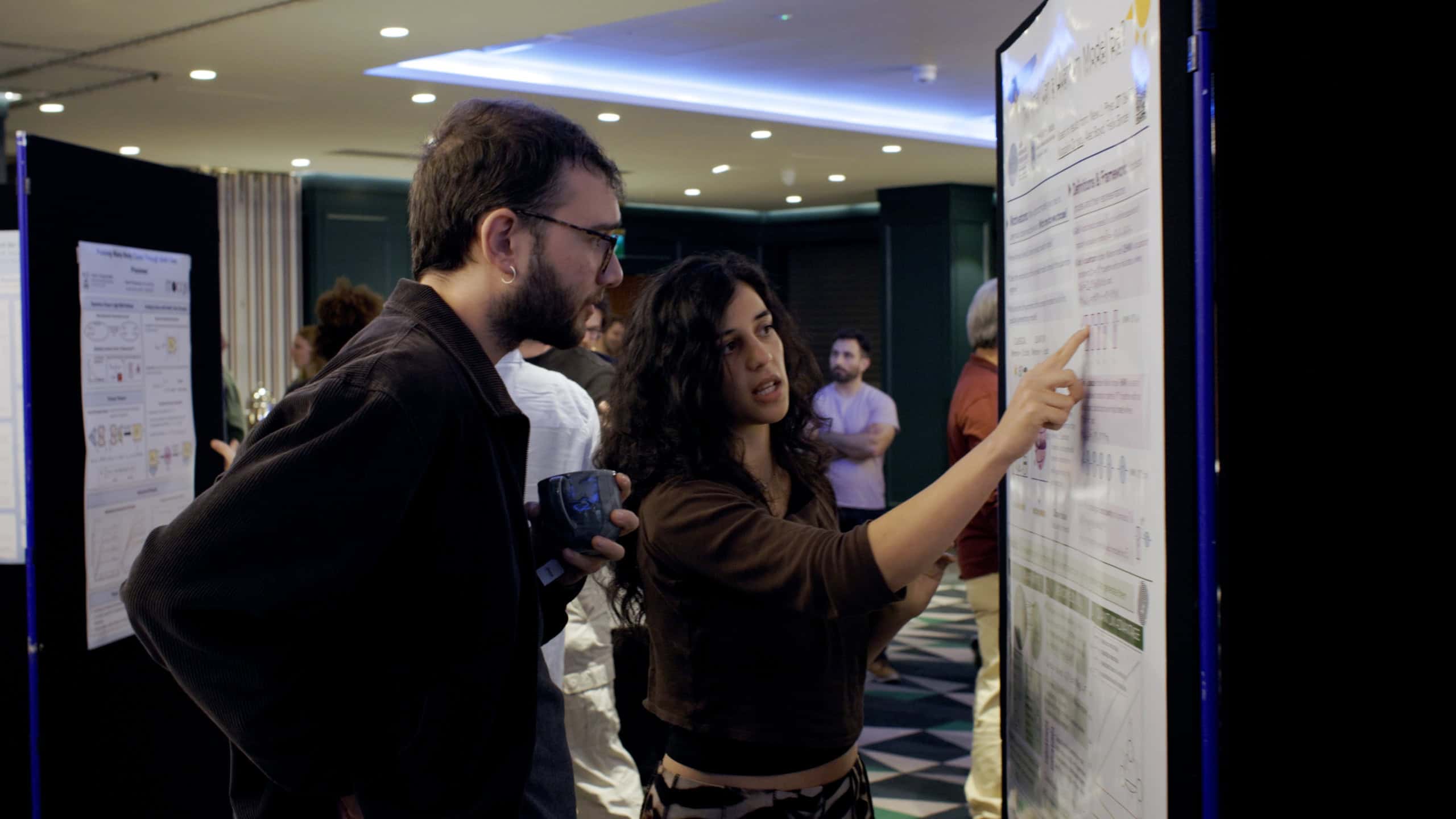
The impact of quantum science and technology is going to be profound, with quantum computing in particular – but also quantum sensing, simulation and communication – set to be a major driver of economic growth and sustainable development in countries around the globe.
Ireland is no exception. It is already home to some of the world’s largest technology companies, many of which are heavily investing in quantum technologies. Moreover, the country’s quantum research and innovation community demonstrates a significant level of expertise in fundamental quantum science and quantum technology.
But to ensure Ireland is not only a user of quantum technologies but an active contributor to its development long into the future requires both strong partnerships with industry and public research bodies across borders, and the consistent production of people with the talent and skill to push quantum science forward.
Transferable skills across academia and industry
Founded in 1592, Ireland’s oldest university Trinity College Dublin hosts a future-focused MSc Quantum Science and Technology programme that fits this remit perfectly. The one-year master’s course is the ideal stepping stone into a career in quantum research, whether students want to advance fundamental knowledge in academia or develop the next world-leading quantum technology in industry.
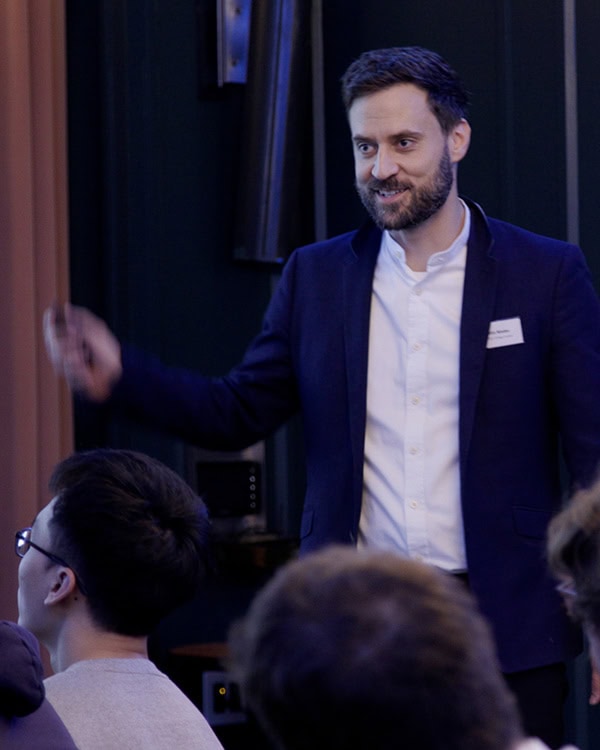
“Unlike other fields, for many of the exciting positions in industry, the skills are very similar to what would be required of a PhD student,” explains quantum information theory expert Professor Felix Binder, who directs the course. “It’s a level of scientific rigour, it’s having a broad knowledge base and coding skills, it’s being confident to independently work on a project – these are what we focus on.”
This is why the course very much leans into helping students develop the fundamentals. Topics such as quantum computation, quantum information theory and open quantum systems are covered in depth. This provides the foundation for exploring more advanced and specialized topics, like quantum materials or tensor network theory.
The combination of fundamentals and highly specialized knowledge is designed to equip students with skills that are relevant for the long term, says Binder. Though he acknowledges that now is an exciting time when many quantum technologies are maturing and being commercialized, the course generally looks beyond the latest fads.
“If students are choosing quantum as their profession, realistically they’re looking at a potential 40-year career,” he says. “As this is their last part of formal lecture-based education, we want to be sure that we set them in good stead for at least many years, and not just the immediate future.”
Career insights
In addition to preparing students with the knowledge they will need, the course also exposes students to people working at the cutting-edge of the subject, providing them with an understanding of the types of careers available and contacts to build their network and take the first steps towards their chosen quantum profession.
For instance, world-leading academic and industry experts deliver a range of short mini-modules and specialist lectures. Some of these experts come from companies involved in the Trinity Quantum Alliance. “The Trinity Quantum Alliance is a unique space on campus where fundamental quantum science and research meets real-world applications,” says the Alliance’s Director Professor John Goold. “Here, multinational companies, SMEs and start-ups come together to work on projects with Trinity academics.”
The founding industry partners are Microsoft, IBM, Moody’s, Horizon Quantum Computing and Algorithmiq. Each partner shares research and regularly presents talks to faculty and students, and most have a presence on or near the Trinity campus. This arrangement offers students direct access to the people shaping the quantum revolution, as well as potential internship opportunities.
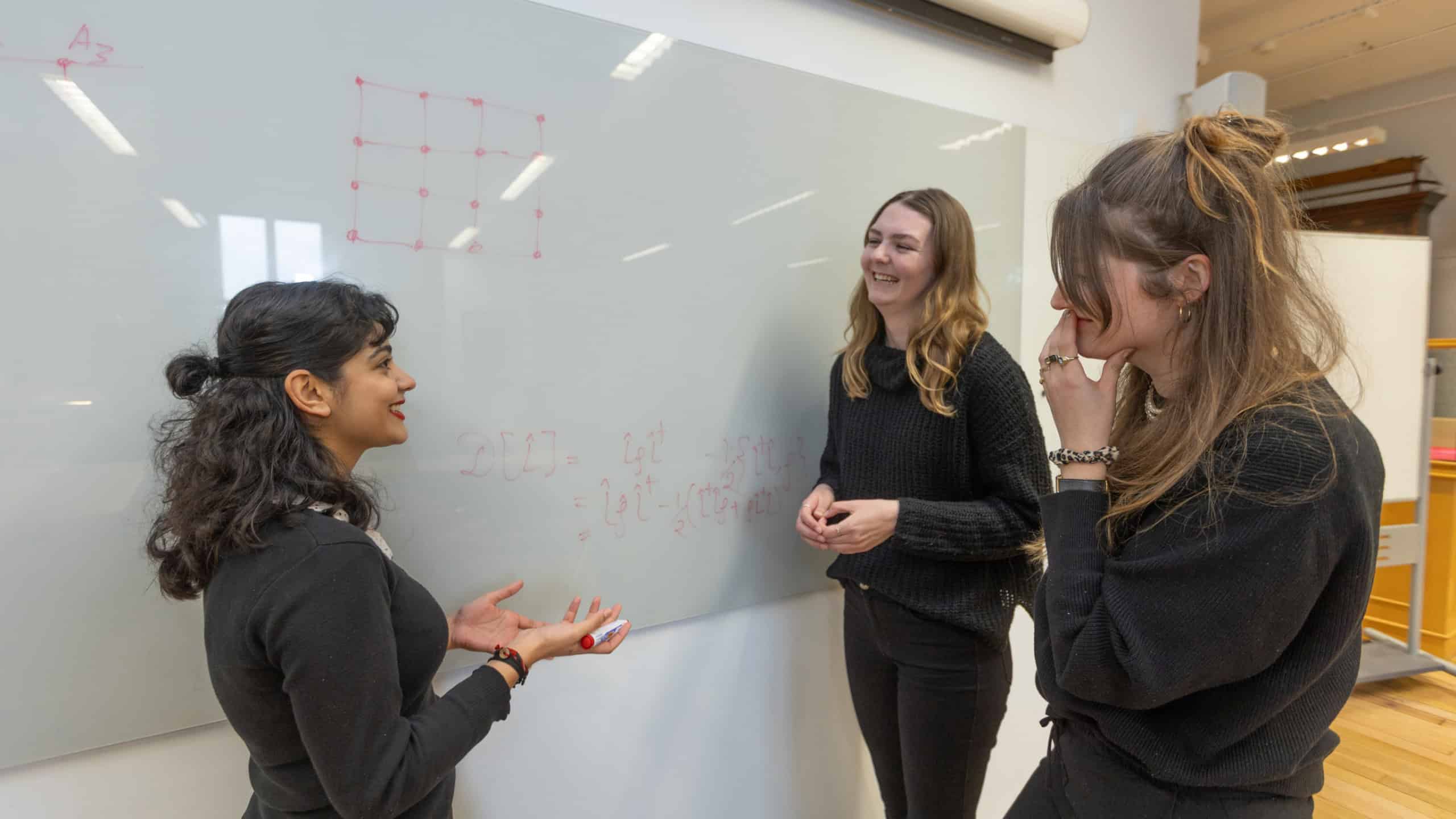
Further experts who have given guest lectures and shared their experiences are alumni. Several are completing PhDs at various universities dotted across the world, from the EU to the US and Australia. Many have gone on to become full-time researchers and even team leads in quantum companies, including Quandela, Horizon, Algorithmiq and EleQtron, as well as companies traditionally not associated with quantum technology, such as MasterCard. Others have taken positions at government labs across European countries, including a Max Planck Institute in Germany and a national research centre in the UK.
Although this alumni network may be relatively small – with the course having only been running for five years and graduating 60 students – it is extremely useful for the current cohort, showcasing the different paths potentially available to them and providing contacts who can offer support and advice on how to enter and thrive in those careers.
A quantum future for the Emerald Isle
Looking forward, Binder envisions even closer integration of the MSc degree and doctoral training into the European quantum ecosystem. This will be enabled through a new EU-wide training network: the European Quantum Academy. Trinity is one of the lead institutions of this new training academy, which was launched in May 2026. Composed of more than 70 partner institutions from across Europe, it will open new opportunities to students in Ireland in terms of industry interaction, international exchange and advanced training beyond the degree’s core modules.
In addition, there are ongoing plans for further research investment in Ireland, bringing together the different schools within Trinity, and other universities and industry players to work more closely together.
The result of these efforts should be a thriving quantum ecosystem that takes advantage of Ireland’s unique position within the EU and close ties with the US and UK to provide ever more new and varied opportunities in quantum science and technology, as Binder succinctly summarizes: “The field is young and growing – Ireland is a very exciting space for quantum right now”.
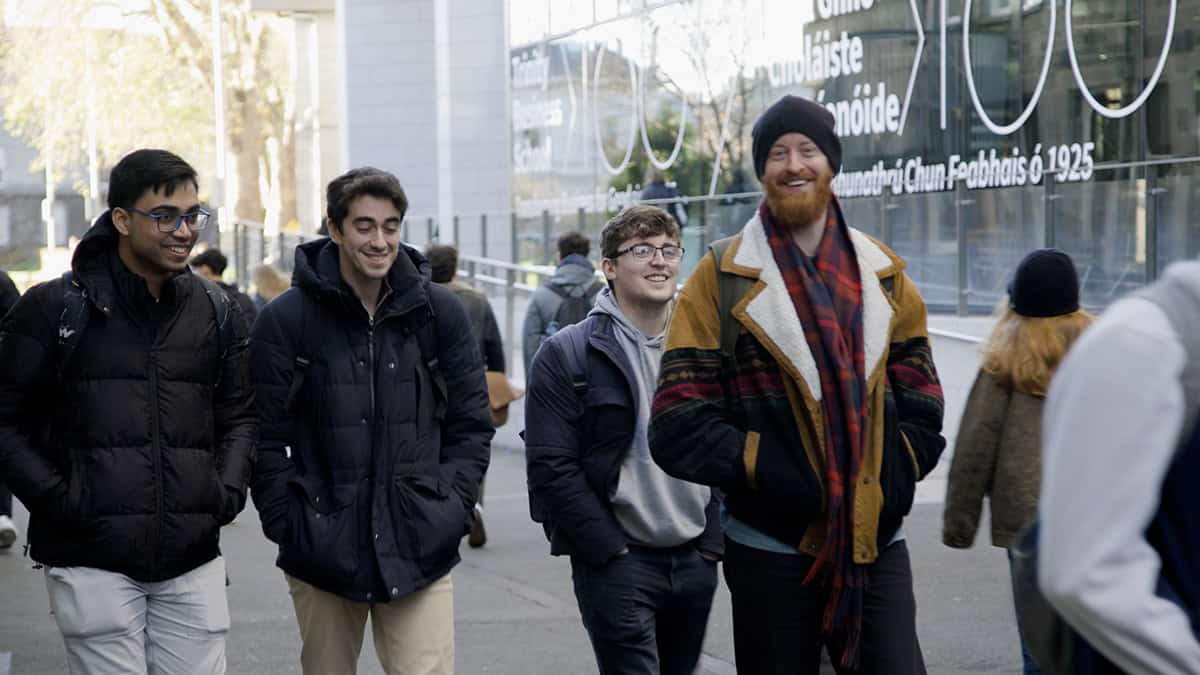
Applications for Trinity’s MSc Quantum Science and Technology are now open for the next academic year. Find out more and apply: www.tcd.ie/physics/quantumtech/