Victoria Merriman reports from a Global Physics Summit satellite event held at the University of Dschang in Cameroon
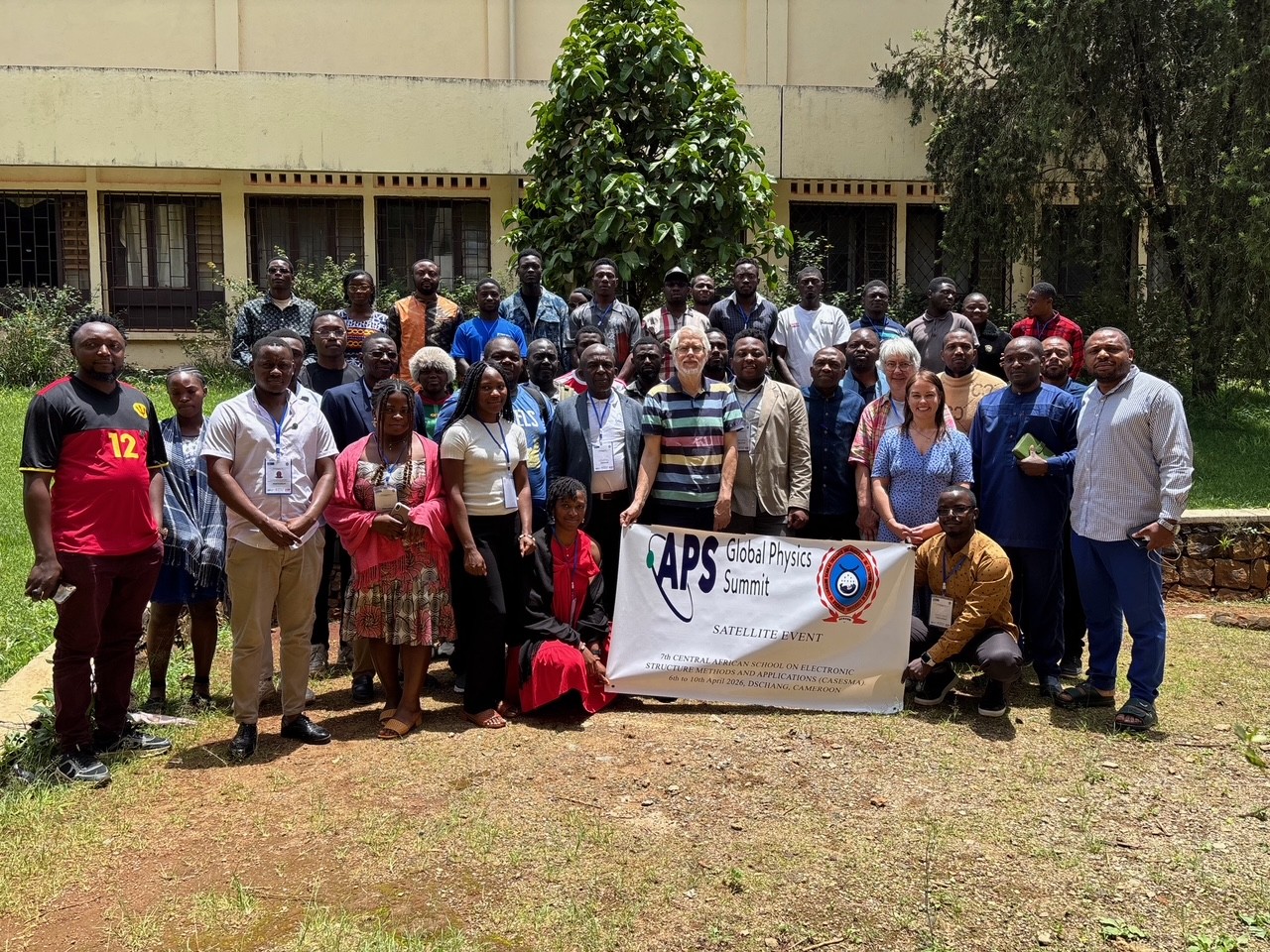
We’ve congregated outside the main physics lab at the University of Dschang in Cameroon when a shouting match ensues about the two red cards issued in last night’s football match. It’s as dark as night inside and the lecture on LAMMPS-GUI, a molecular dynamics modelling software, hasn’t started yet because it’s been raining. The power is out and the prof, who has access to the generator, has delayed his trip to work so as not to get wet.
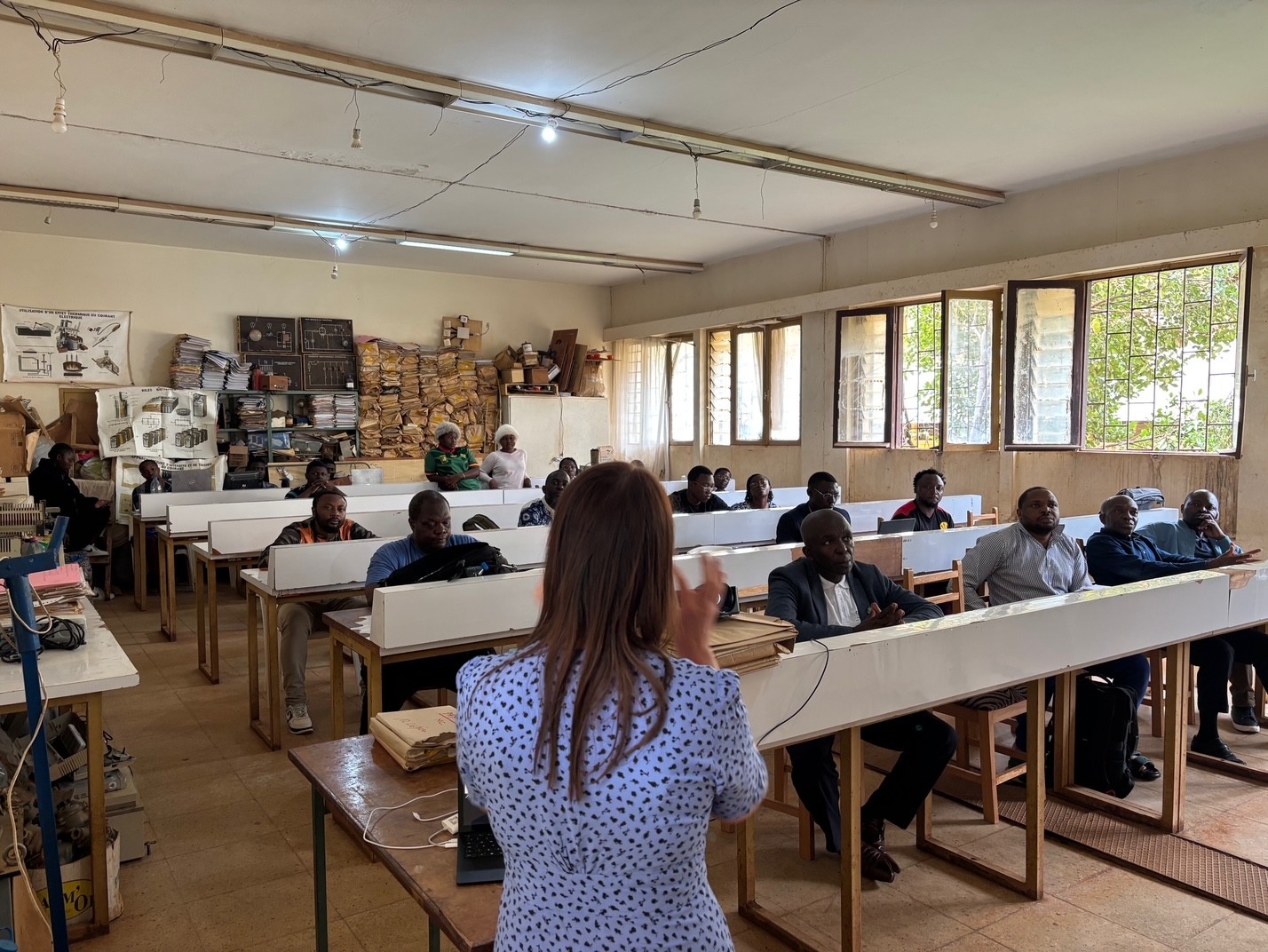
These are typical scenes in central Africa, where learning is a challenge. There is no WiFi in the university so we have come armed with routers to get online. Students can’t use the university toilets due to lack of running water and researcher professors have to provide their own batteries for the much-needed generators that run the projectors and overhead lights.
I’m here to attend the seventh Central African School on Electronic Structure Methods and Applications, which is being held alongside one of 23 satellite events to the Global Physics Summit (GPS) in Denver, Colorado, US. Organized by the American Physical Society (APS), the GPS is the world’s biggest physics conference, with 14,000 delegates, but not everyone has the time, money or visa paperwork to attend in person.
That’s why it’s great that the APS, along with AIP Publishing and IOP Publishing – which together form the Purpose-led Publishing (PLP) coalition – are hosting satellite events across Africa, Asia, the Middle East and South America to expand participation in this year’s GPS.
I’ve made the journey on behalf of the PLP to hold an editorial school at the university, teaching a variety of topics from artificial intelligence publishing policies to how to review academic papers. In my session with senior-career researchers at the university, I’m swamped with questions every time I pause to take a breath. They range from philosophical queries about funding access in the region, to funny misunderstandings, including when my pronunciation of “ORCID” misaligns with theirs.
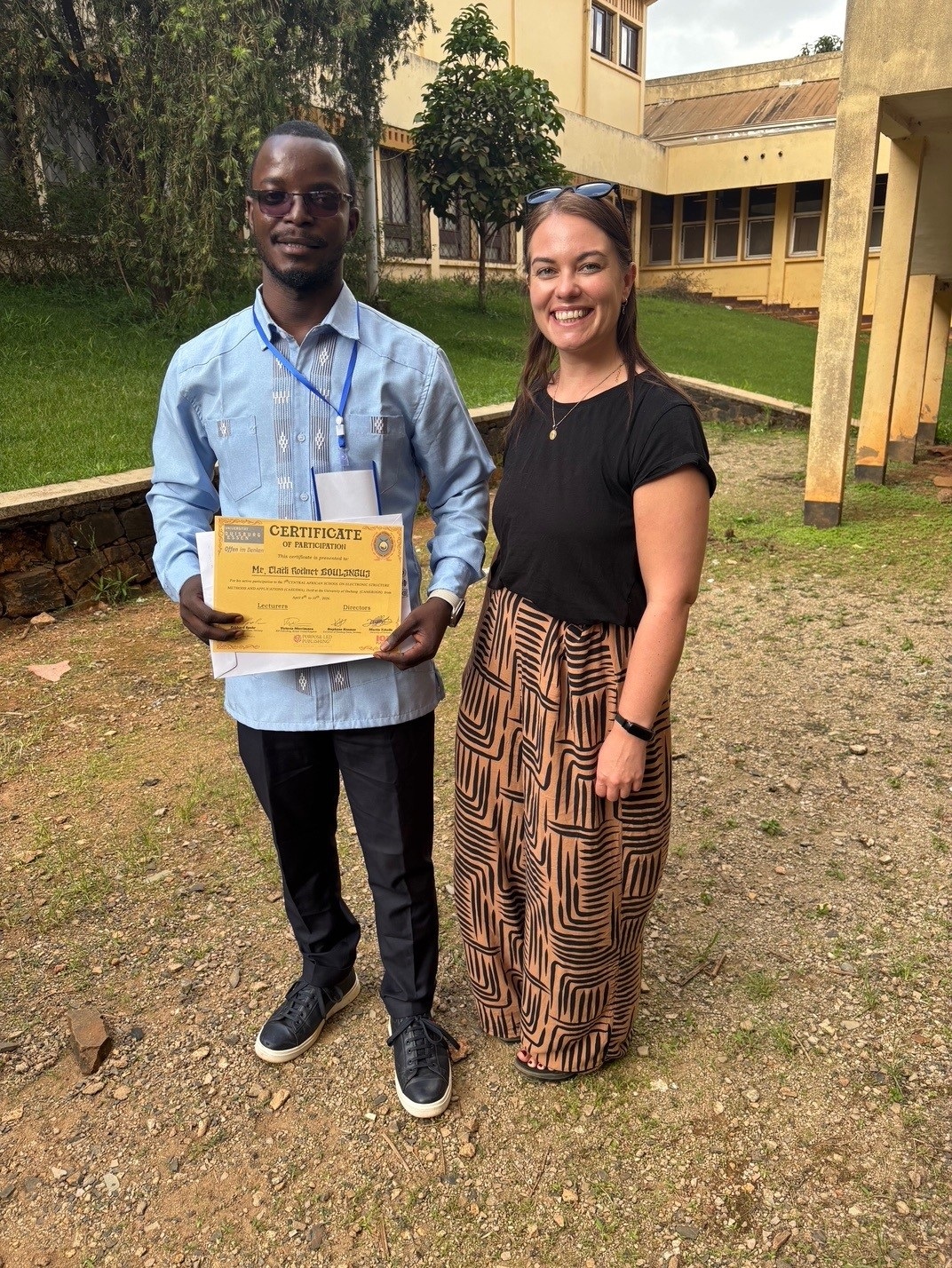
The conference has also attracted participants from neighbouring countries, including Stève-Jonathan Koyambo-Konzapa from Central African Republic, Gervi Moussavou Mouketo from Gabon, and Cladi Rodnet Boulingui who’s spent three days travelling by bus from Brazzaville in the Republic of Congo.
The University of Dschang is a highly regarded institution in central Africa, so for Boulingui, whose visit is sponsored by the Universität Duisburg-Essen in Germany, it’s been worth it.“Dynamic simulations are highly relevant to my work, it’s worth the journey to access the specialist lecturer,” he tells me.
The organizing director, Stephane Kenmoe, has joined from Germany, where he is an associate professor at the faculty of chemistry at Duisburg-Essen. He regularly visits his alma mater, and current students benefit from connections he’s made around the world. He brings his entrepreneurial spirit with him: Kenmoe is an active promoter of the APS satellites in Africa, has made award-winning films about science, and is a champion of community engagement.
Mulugeta Bekele: the jailed and tortured scientist who kept Ethiopian physics alive
This collegiate spirit extends to the heads of department who have been called upon to write PhD curricula for neighbouring Francophone countries where scientific funding is lacking.
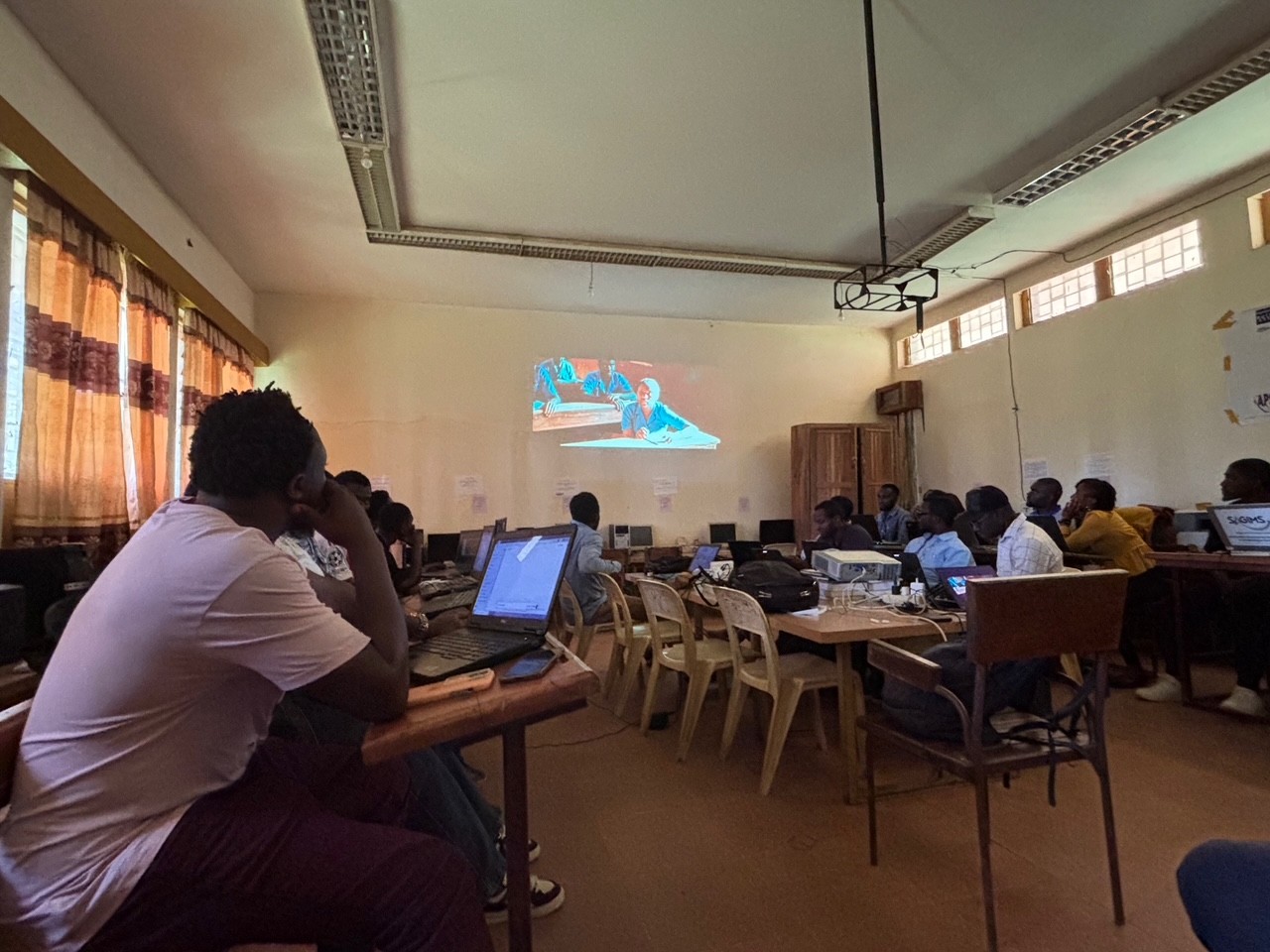
We end the week watching a film that Kenmoe has worked with the local film industry to produce, Seeds of Science. The film shines a light on the high percentage of child labour and child marriage in the region. The actress playing the young girl who is forced to marry instead of continue her studies has joined us from nearby Bafoussam to watch the showing.
Thankfully, Aisha is still studying, particularly enjoying economics, geography and English. There is a sombre mood in the room, only interrupted by laughter when the power fails. The power may be out but the joy and passion for learning continue to burn here in Dschang.