

Vibrating molecule drives a motor
"Stochastic resonance" could power tiny machines
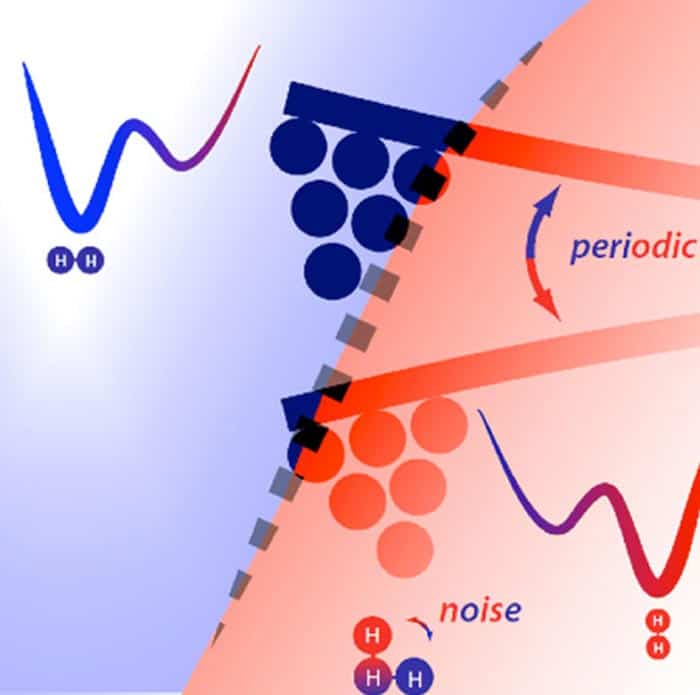 Read article: Vibrating molecule drives a motor

"Stochastic resonance" could power tiny machines
Read article: Vibrating molecule drives a motor
New artificial photosynthesis process is very stable
 Read article: Nanocrystals produce hydrogen using sunlight
Semiconductor film changes hue with thickness
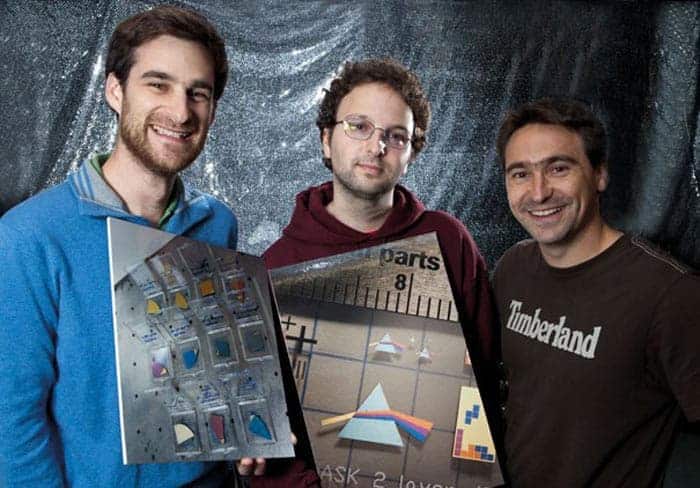 Read article: Nanolayers make a coating of many colours
Counterintuitive result might lead to new optical devices
 Read article: Gossamer ‘nanoweb’ blocks light
Spintronics could benefit from wonder material
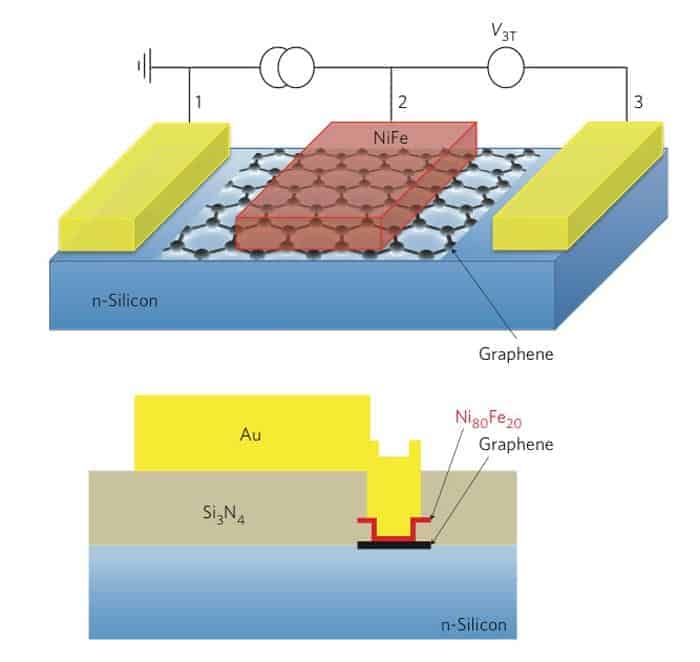 Read article: Graphene tunnel barrier makes its debut
Device would be invisible to electrons
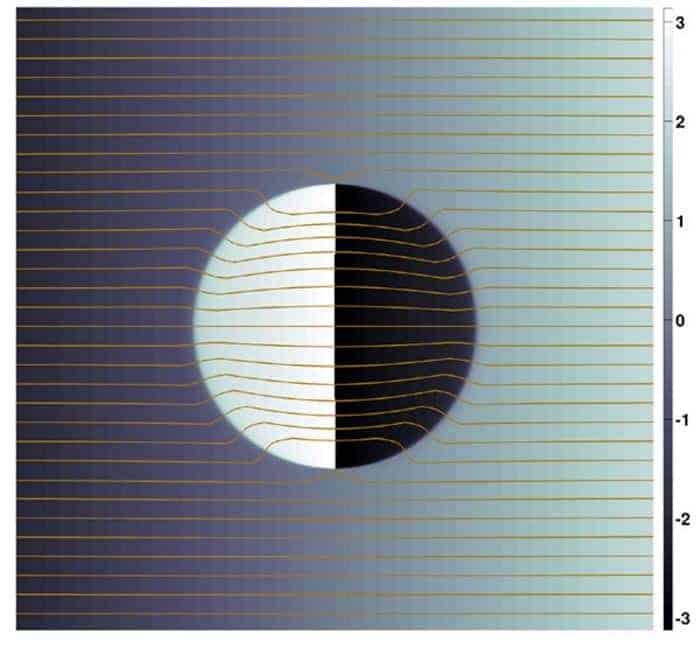 Read article: New cloak promises to be invisible to electrons
New device resists photobleaching
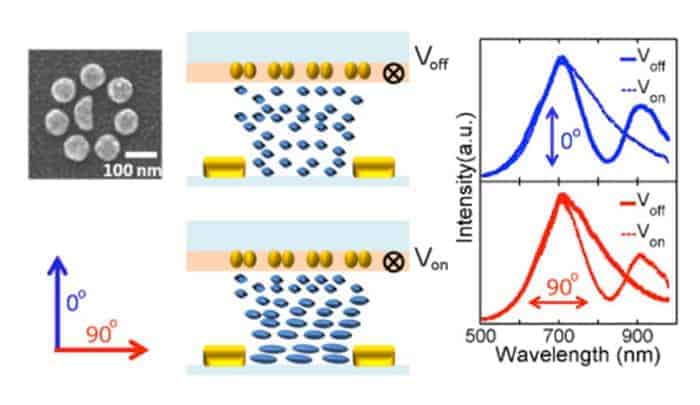 Read article: ‘Fano switch’ for colour displays
Pattern of nanoantennas eliminates optical aberrations
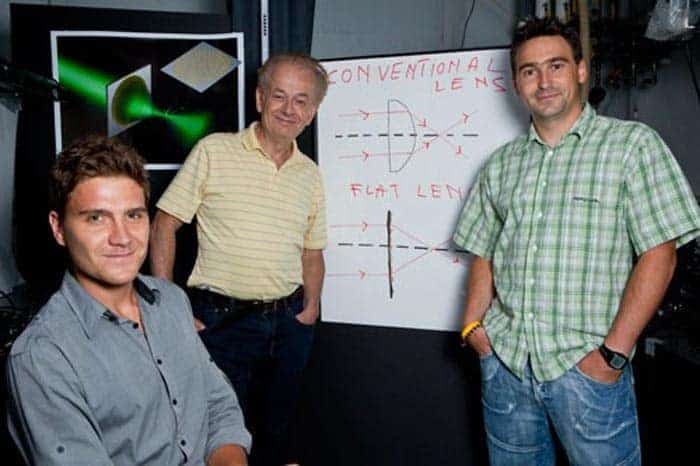 Read article: First flat lens focuses light without distortion
The fractional quantum Hall effect in graphene is different
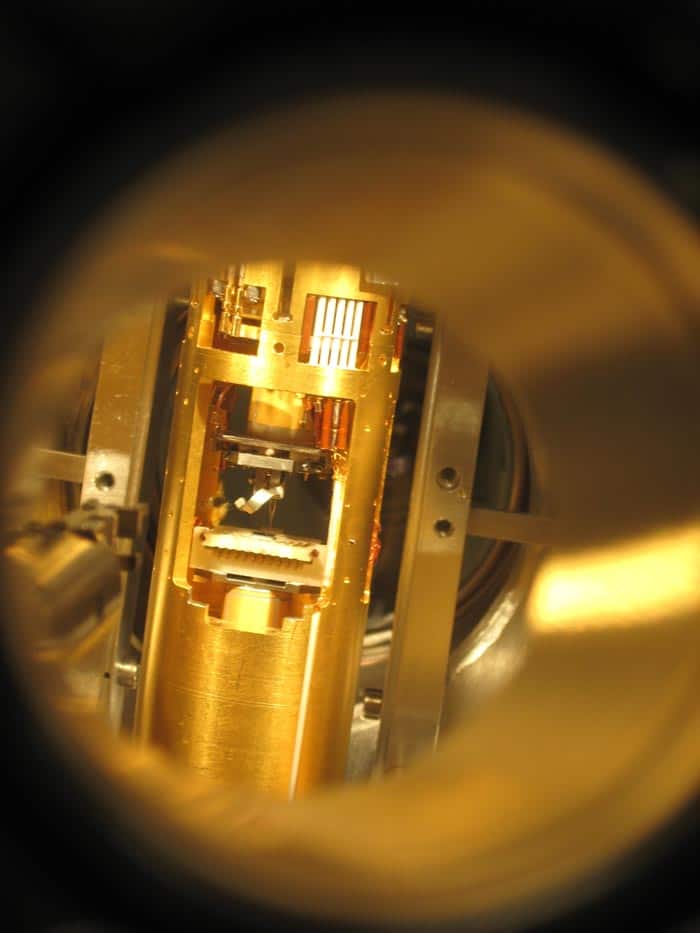 Read article: Graphene offers up another quantum surprise
Patterns with 36-fold rotational symmetry realized
 Read article: Complex quasicrystals created using new nanofabrication technique