

EGU 2018: robot boats assess the Danube
Remote-control boat can take measurements and collect water samples autonomously
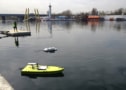 Read article: EGU 2018: robot boats assess the Danube

Remote-control boat can take measurements and collect water samples autonomously
Read article: EGU 2018: robot boats assess the Danube
The trials and triumphs of attaching sensors to a tame eagle
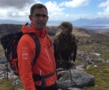 Read article: EGU 2018: could eagle ‘eyes’ measure urban boundary layer?
When an artist and an atmospheric dynamicist work together for public engagement
 Read article: EGU 2018: shaken not stirred
Seismometer could provide information about building vibrations and traffic
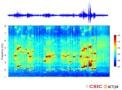 Read article: EGU 2018: how to distinguish football celebrations from dancing
Study highlights effects not related to carbon-dioxide emission
 Read article: Climate-friendly aircraft routing could cut environmental damage
Liz Kalaugher describes how researchers are visualizing how birds see to work out why they don’t reject cuckoo eggs
 Read article: Cuckoo forgeries – a bird’s-eye view
Observations reveal secrets of atmospheric circulation and gravitational disturbances
 Read article: Satellite sensor unexpectedly detects waves in upper atmosphere
Wave energy travels further than expected through Antarctic ice
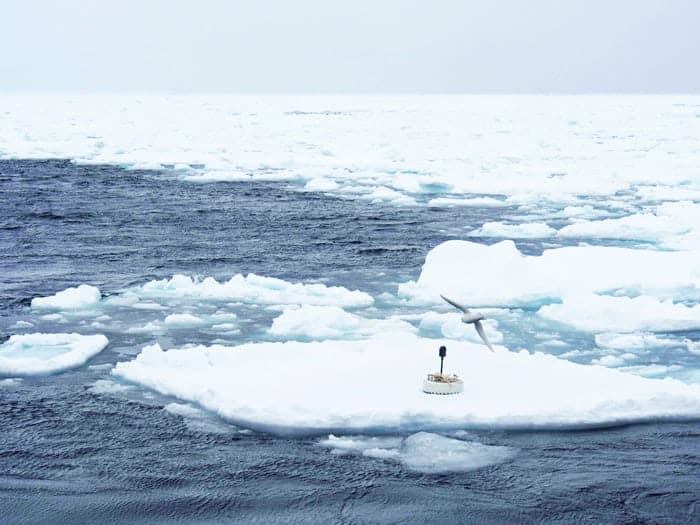 Read article: Big waves cause trouble for sea ice
Discovery – and link to Sun's 27-day cycle – could improve thunderstorm forecasting
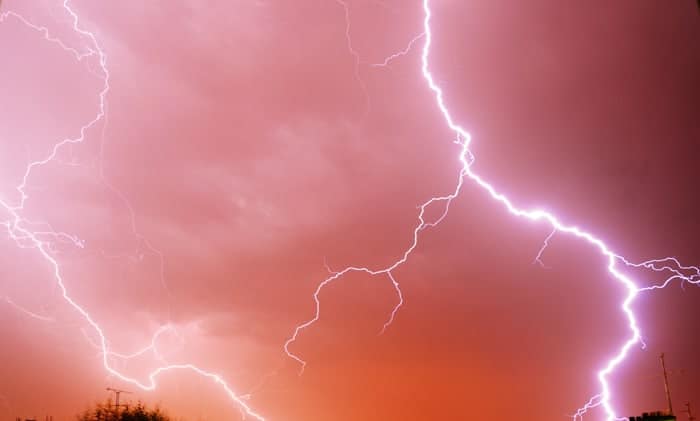 Read article: Fast solar wind boosts lightning rates
Could we use thermal radiation emitted by the ground beneath us as a source of renewable power?
 Read article: Harvesting the Earth’s infrared energy