

Plasmonics propagates into new optical fields
Marie Freebody speaks to Niek van Hulst about the potential wealth of applications for plasmonics
 Read article: Plasmonics propagates into new optical fields

Marie Freebody speaks to Niek van Hulst about the potential wealth of applications for plasmonics
Read article: Plasmonics propagates into new optical fields
Michael Mertin is the man responsible for Jenoptik's recent restructure and securing future growth. Jacqueline Hewett asks him how heavily photovoltaics features in these plans
 Read article: Jenoptik looks to solar for future growth
Device beats the resolution of conventional devices by more than a factor of five
Fusion science shows feasibility of protecting astronauts from cosmic radiation
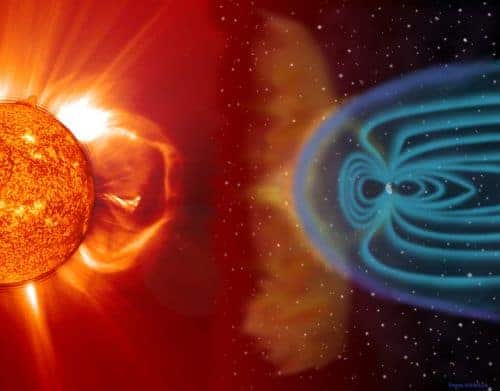 Read article: Magnetic shield could protect spacecraft
Satellite data do indeed hint at dark-matter annihilation, the European team claims
 Read article: PAMELA bares all
Some CDF physicists believe publication was premature
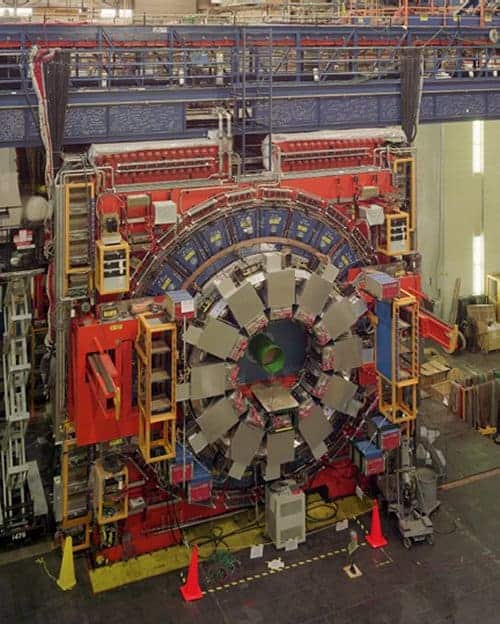 Read article: Fermilab ‘ghosts’ hint at new particles
An amoeba’s ability to learn can be simulated using an electronic circuit
From physics to Arctic photography
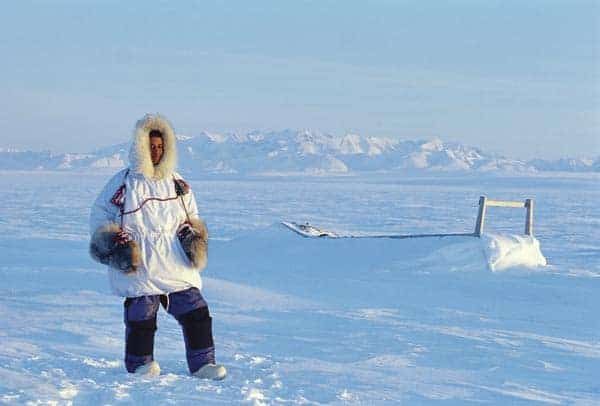 Read article: Once a physicist: Subhankar Banerjee
As they enter their final year of undergraduate study, six students from around the globe share with Physics World their perspectives on physics, their courses and the future
 Read article: One year left to go
Plans for dealing with the torrent of data from the Large Hadron Collider’s detectors have made the CERN particle-physics lab, yet again, a pioneer in computing as well as physics. Andreas Hirstius describes the challenges of processing and storing data in the age of petabyte science
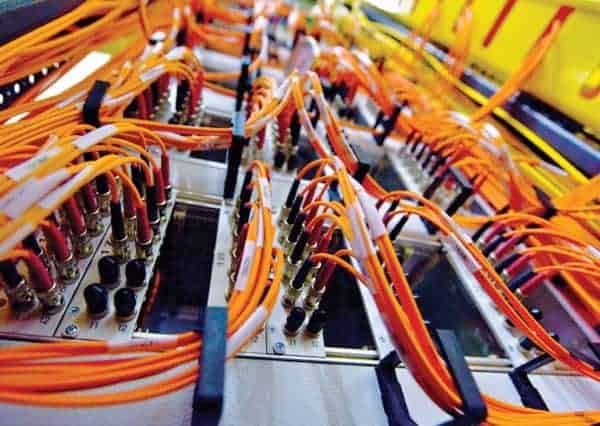 Read article: The large hadron computer