Riding the storm out
A career in severe-weather research offers flexibility and plenty of opportunities to experience the fascinating physics of the rotating fluid called the atmosphere. Josh Wurman
 Read article: Riding the storm out
A career in severe-weather research offers flexibility and plenty of opportunities to experience the fascinating physics of the rotating fluid called the atmosphere. Josh Wurman
Read article: Riding the storm out
The publish-or-perish ethic too often favours a narrow and conservative approach to scientific innovation. Mark Buchanan asks whether we are pushing revolutionary ideas to the margi...
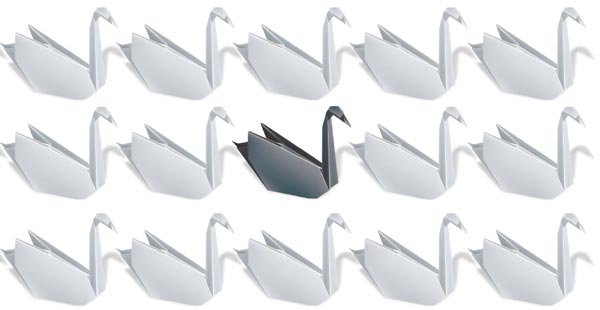 Read article: In search of the black swans
The Moon has been neglected by space scientists and astronomers alike since the Apollo days, but now we want to go back. Paul D Spudis explains what motivates the new vision of lun...
 Read article: Another giant leap for mankind
Mark Williamson describes how space technology has allowed planetary astronomy to develop from a science of entirely remote observation to one of immersive experimentation
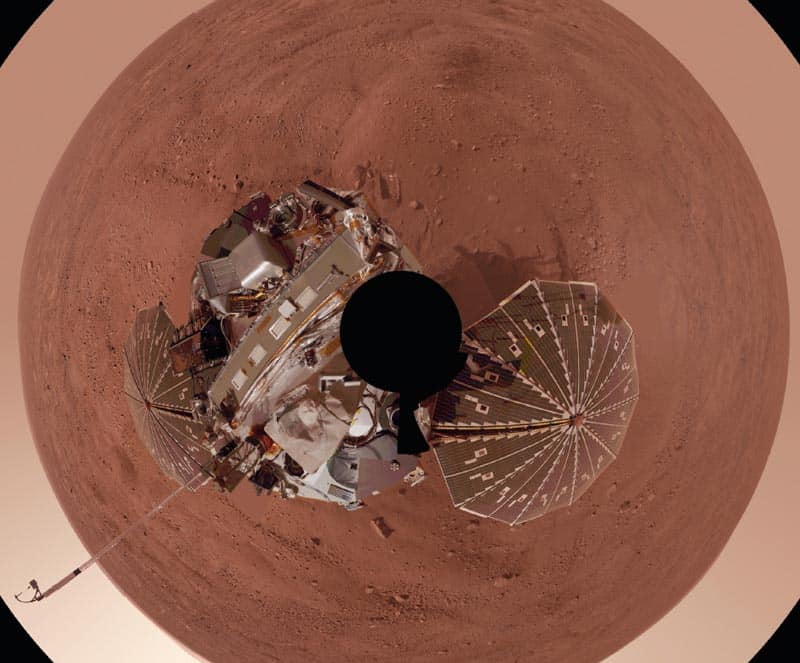 Read article: Up close and personal
The quest for clear, dark skies has led astronomers to build telescopes far away from the lights and smog of modern civilization, but what is it like to live and work in such places? Elena ...
 Read article: Living life on ‘Mars’
Maurice A Finocchiaro discusses the lessons and the cultural repercussions of Galileo’s telescopic discoveries
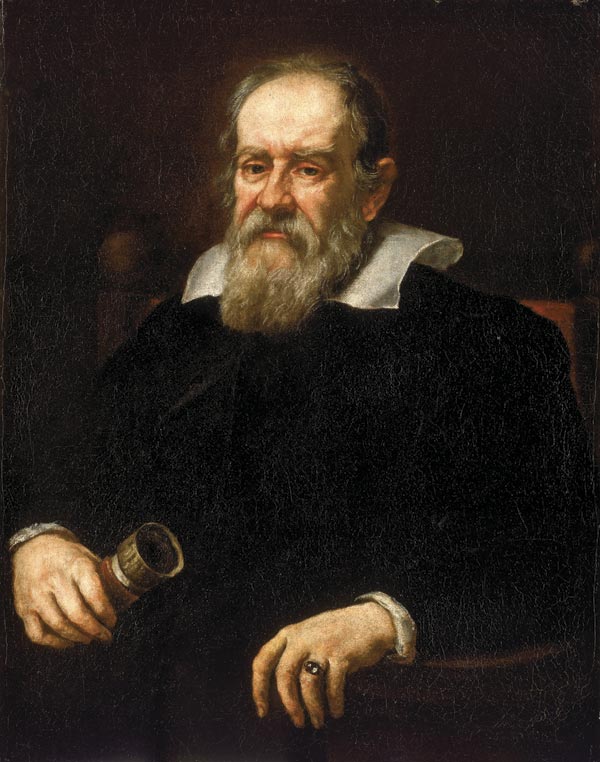 Read article: The Galileo affair
The abundance of Earth-like planets will be determined in the next five years, with profound implications for the prevalence of life in the universe. Alan Boss describes the coming...
 Read article: Brave new worlds
In the near future, wireless electricity could replace the ubiquitous power cable. Aristeidis Karalis looks at a revolutionary new way of transmitting power without wires
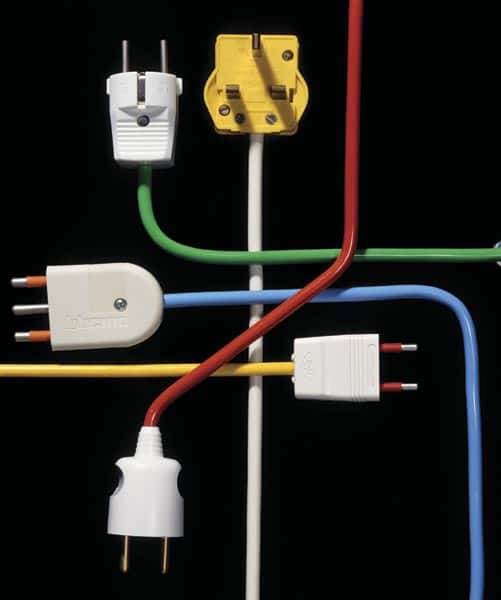 Read article: Electricity unplugged
Working at the interface of science and art, conservation research extends our knowledge of artworks and helps keep fragile items safe for future generations. Christina Young ...
 Read article: The science of fine art
The ability to predict earthquakes could save thousands of lives every year. But for most scientists, knowing in advance when and where such events will happen is little more than a pipe dream.
 Read article: Breaking new ground