What physics metaphor do you think needs to be experimentally verified?

A few months ago, I received an e-mail from Mike Wilson, a professor of mathematics at the University of Vermont, which challenged my use of a physics metaphor. He found it in my 1986 book The Second Creation: Makers of the Revolution in 20th-Century Physics, where my co-author Charles Mann and I explained how accelerators slam particles into targets inside detectors and track fragments for clues about their structure. In a parenthetical remark, we likened this process “to firing a gun at a watch to see what is inside”.

Wilson was dubious. “Has anyone ever tried that?” he asked. We had supposed that, in principle, one could “reverse engineer” the watch by applying conservation of momentum to the debris. But Wilson wondered if you could really deduce a watch’s internal structure from such pieces. Mann and I hadn’t done the watch experiment, nor had we any intention to. Why bother? We’d painted an imaginable picture.

Wilson was unconvinced. “Such experiments,” he wrote, “could give a valuable check on the confidence we put in physicists’ statements about what goes on inside atoms”. His remark made me wonder if other physics metaphors could withstand empirical verification. I first thought of the one often wheeled out to explain the Higgs field and the Higgs boson. It was devised in 1993 by David Miller, a physicist at University College London, after the then UK science minister William Waldegrave promised a bottle of champagne for the best explanation of the Higgs boson on a single A4 sheet of paper (Physics World June 2024 p27).

The metaphor, which Peter Higgs admitted was the least objectionable of all those posited to describe his eponymous boson, begins with a room full of political-party workers. If a person nobody knows walks through, people keep their same positions – that’s like a massless boson. But when a celebrity walks through (Miller envisaged ex-British prime minister Margaret Thatcher), people cluster around that person, who then has to move more slowly – that’s like being massive.

I wonder what would have happened if the Higgs-boson metaphor were empirically tested using different kinds of celebrities

Don Lincoln, a physicist at Fermilab in the US, once made an animated video of this metaphor. Attempting to make it more palatable to physicists, he cast Higgs as the entrant, but the video nevertheless posts the disclaimer “ANALOGY!” Still, I wonder what would have happened if Waldegrave had empirically tested Miller’s metaphor using different kinds of celebrities.

Claim to fame

I’ve come within about two metres of several celebrities: filmmaker Spike Lee and actor Denzel Washington (I was an extra in a scene in their movie Malcolm X); jazz musician Sun Ra (I emceed one of his concerts); and Mia Farrow and Stephen Sondheim (I sat next to them in a club). The vibe in the room was very different in each case – sometimes with worshippers, sometimes with autograph hounds, and sometimes with people holding back at an awed and respectful distance. If hadronic mass depended on the vibe in the room, the universe would be a quite different place.

Gino Elia, a graduate philosophy student at Stony Brook University, ticked off a few other untested metaphors. He told me how Blake Stacey, a physicist at the University of Massachusetts, Boston, once described non-overlapping probability distributions as relatives staying away at Thanksgiving. In Drawing Theories Apart, David Kaiser – a science historian at the Massachusetts Institute of Technology – pictured the complementary variables of energy and time “as a kid running out of the classroom when the lights are off (breaking conservation of energy) and the kid being in their seat when the teacher turns the light back on”.

The grandest, most extended, and awe-inspiring metaphor I have ever come across is at the start of chapter 20 of Leo Tolstoy’s War and Peace, which describes Moscow just before its occupation by Napoleon’s forces. “It was empty,” Tolstoy writes, “in the sense that a dying queenless hive is empty”. The beekeeper sees only “hundreds of dull, listless, and sleepy shells of bees.” They have almost all perished, reeking of death. “Only a few of them still move, rise, and feebly fly to settle on the enemy’s hand, lacking the spirit to die stinging him; the rest are dead and fall as lightly as fish scales,” Tolstoy concludes.

I don’t know a thing about beehives, but Tolstoy did because he was a beekeeper. Even if he didn’t, I don’t care. The metaphor worked for me, vivid and compelling.

The critical point

Early in 1849 the British poet Matthew Arnold published a poem entitled “The Forsaken Merman”, in which the merman, the king of the sea, has married an earthly woman. At one point, she is at her spinning wheel when she remembers her former world. The “shuttle falls” from her hand as she decides to leave him. An alert friend – fellow poet Arthur Clough – wrote to Arnold that a shuttle is used in weaving and Arnold surely meant spindle.

Arnold realized Clough was right, insisted his publishers revise the poem, and when it was republished a quarter-century later it read that the “spindle drops” from the woman’s hand. While Arnold wrote to Clough that he had a “great poetical interest” in both weaving and spinning, he admitted apologetically that his error was due to a “default of experience”.

That flabberghasted me. Arnold writes a poem about a merman and then worries about the difference between a shuttle and a spindle? Furthermore, the person who picked it up was a fellow poet, not a weaver or spinster? Arnold’s public seem not to have noticed the error – there is no record of anybody complaining – and only his poet-friend did? More importantly, does any of this really matter?

Love is not a rose – despite what Robert Burns or Neil Young might have claimed. Nor is a man a wolf – despite the ancient Latin proverb. So if it’s acceptable to use incorrect metaphors in literature and music, then why not in physics? Are they any less effective? E-mail me your favourite physics metaphors and let me know if they have been empirically tested and why it matters. I’ll write about your responses in a future column.

Virtual patient populations enable more inclusive medical device development

Medical devices are thoroughly tested before being introduced into the clinic. But traditional testing approaches do not fully account for the diversity of patient populations. This can result in the launch to market of devices that may underperform in some patient subgroups or even cause harm, with often devastating consequences.

Aiming to solve this challenge, University of Leeds spin-out adsilico is working to enable more inclusive, efficient and patient-centric device development. Launched in 2021, the company is using computational methods pioneered in academia to revolutionize the way that medical devices are developed, tested and brought to market.

Sheena Macpherson, adsilico’s CEO, talks to Tami Freeman about the potential of advanced modelling and simulation techniques to help protect all patients, and how in silico trials could revolutionize medical device development.

What procedures are required to introduce a new medical device?

Medical devices currently go through a series of testing phases before reaching the market, including bench testing, animal studies and human clinical trials. These trials aim to establish the device’s safety and efficacy in the intended patient population. However, the patient populations included in clinical trials often do not adequately represent the full diversity of patients who will ultimately use the device once it is approved.

Why does this testing often exclude large segments of the population?

Traditional clinical trials tend to underrepresent women, ethnic minorities, elderly patients and those with rare conditions. This exclusion occurs for various reasons, including restrictive eligibility criteria, lack of diversity at trial sites, socioeconomic barriers to participation, and implicit biases in trial design and recruitment.

Sheena Macpherson

As a result, the data generated from these trials may not capture important variations in device performance across different subgroups.

This lack of diversity in testing can lead to devices that perform sub-optimally or even dangerously in certain demographic groups, with potentially life-threatening device flaws going undetected until the post-market phase when a much broader patient population is exposed.

Can you describe a real-life case of insufficient testing causing harm?

A poignant example is the recent vaginal mesh scandal. Mesh implants were widely marketed to hospitals as a simple fix for pelvic organ prolapse and urinary incontinence, conditions commonly linked to childbirth. However, the devices were often sold without adequate testing.

As a result, debilitating complications went undetected until the meshes were already in widespread use. Many women experienced severe chronic pain, mesh eroding into the vagina, inability to walk or have sex, and other life-altering side effects. Removal of the mesh often required complex surgery. A 2020 UK government inquiry found that this tragedy was further compounded by an arrogant culture in medicine that dismissed women’s concerns as “women’s problems” or a natural part of aging.

This case underscores how a lack of comprehensive and inclusive testing before market release can devastate patients’ lives. It also highlights the importance of taking patients’ experiences seriously, especially those from demographics that have been historically marginalized in medicine.

How can adsilico help to address these shortfalls?

adsilico is pioneering the use of advanced computational techniques to create virtual patient populations for testing medical devices. By leveraging massive datasets and sophisticated modelling, adsilico can generate fully synthetic “virtual patients” that capture the full spectrum of anatomical diversity in humans. These populations can then be used to conduct in silico trials, where devices are tested computationally on the virtual patients before ever being used in a real human. This allows identification of potential device flaws or limitations in specific subgroups much earlier in the development process.

How do you produce these virtual populations?

Virtual patients are created using state-of-the-art generative AI techniques. First, we generate digital twins – precise computational replicas of real patients’ anatomy and physiology – from a diverse set of fully anonymized patient medical images. We then apply generative AI to computationally combine elements from different digital twins, producing a large population of new, fully synthetic virtual patients. While these AI-generated virtual patients do not replicate any individual real patient, they collectively represent the full diversity of the real patient population in a statistically accurate way.

And how are they used in device testing?

Medical devices can be virtually implanted and simulated in these diverse synthetic anatomies to study performance across a wide range of patient variations. This enables comprehensive virtual trials that would be infeasible with traditional physical or digital twin approaches. Our solution ensures medical devices are tested on representative samples before ever reaching real patients. It’s a transformative approach to making clinical trials more inclusive, insightful and efficient.

In the cardiac space, for example, we might start with MRI scans of the heart from a broad cohort. We then computationally combine elements from different patient scans to generate a large population of new virtual heart anatomies that, while not replicating any individual real patient, collectively represent the full diversity of the real patient population. Medical devices such as stents or prosthetic heart valves can then be virtually implanted in these synthetic patients, and various simulations run to study performance and safety across a wide range of anatomical variations.

How do in silico trials help patients?

The in silico approach using virtual patients helps protect all patients by allowing more comprehensive device testing before human use. It enables the identification of potential flaws or limitations that might disproportionately affect specific subgroups, which can be missed in traditional trials with limited diversity.

This methodology also provides a way to study device performance in groups that are often underrepresented in human trials, such as ethnic minorities or those with rare conditions. By computationally generating virtual patients with these characteristics, we can proactively ensure that devices will be safe and effective for these populations. This helps prevent the kinds of adverse outcomes that can occur when devices are used in populations on which they were not adequately tested.

Could in silico trials replace human trials?

In silico trials using virtual patients are intended to supplement, rather than fully replace, human clinical trials. They provide a powerful tool for both detecting potential issues early and also enhancing the evidence available preclinically, allowing refinement of designs and testing protocols before moving to human trials. This can make the human trials more targeted, efficient and inclusive.

In silico trials can also be used to study device performance in patient types that are challenging to sufficiently represent in human trials, such as those with rare conditions. Ultimately, the combination of computational and human trials provides a more comprehensive assessment of device safety and efficacy across real-world patient populations.

Will this reduce the need for studies on animals?

In silico trials have the potential to significantly reduce the use of animals in medical device testing. Currently, animal studies remain an important step for assessing certain biological responses that are difficult to comprehensively model computationally, such as immune reactions and tissue healing. However, as computational methods become increasingly sophisticated, they are able to simulate an ever-broader range of physiological processes.

By providing a more comprehensive preclinical assessment of device safety and performance, in silico trials can already help refine designs and reduce the number of animals needed in subsequent live studies.

Ultimately, could this completely eliminate animal testing?

Looking ahead, we envision a future where advanced in silico models, validated against human clinical data, can fully replicate the key insights we currently derive from animal experiments. As these technologies mature, we may indeed see a time when animal testing is no longer a necessary precursor to human trials. Getting to that point will require close collaboration between industry, academia, regulators and the public to ensure that in silico methods are developed and validated to the highest scientific and ethical standards.

At adsilico, we are committed to advancing computational approaches in order to minimize the use of animals in the device development pipeline, with the ultimate goal of replacing animal experiments altogether. We believe this is not only a scientific imperative, but an ethical obligation as we work to build a more humane and patient-centric testing paradigm.

What are the other benefits of in silico testing?

Beyond improving device safety and inclusivity, the in silico approach can significantly accelerate the development timeline. By frontloading more comprehensive testing into the preclinical phase, device manufacturers can identify and resolve issues earlier, reducing the risk of costly failures or redesigns later in the process. The ability to generate and test on large virtual populations also enables much more rapid iteration and optimization of designs.

Additionally, by reducing the need for animal testing and making human trials more targeted and efficient, in silico methods can help bring vital new devices to patients faster and at lower cost. Industry analysts project that by 2025, in silico methods could enable 30% more new devices to reach the market each year compared with the current paradigm.

Are in silico trials being employed yet?

The use of in silico methods in medicine is rapidly expanding, but still nascent in many areas. Computational approaches are increasingly used in drug discovery and development, and regulatory agencies like the US Food and Drug Administration are actively working to qualify in silico methods for use in device evaluation.

Several companies and academic groups are pioneering the use of virtual patients for in silico device trials, and initial results are promising. However, widespread adoption is still in the early stages. With growing recognition of the limitations of traditional approaches and the power of computational methods, we expect to see significant growth in the coming years. Industry projections suggest that by 2025, 50% of new devices and 25% of new drugs will incorporate in silico methods in their development.

What’s next for adsilico?

Our near-term focus is on expanding our virtual patient capabilities to encompass an even broader range of patient diversity, and to validate our methods across multiple clinical application areas in partnership with device manufacturers.

Ultimately, our mission is to ensure that every patient, regardless of their demographic or anatomical characteristics, can benefit from medical devices that are thoroughly tested and optimized for someone like them. We won’t stop until in silico methods are a standard, integral part of developing safe and effective devices for all.

Africa targets 2035 start date for synchrotron construction

Officials at the African Light Source (AfLS) Foundation are targeting 2035 as the start of construction for the continent’s first synchrotron light source. On 9 December the foundation released its “geopolitical” conceptual design report, which aims to encourage African leaders to pledge the $2bn that will be needed to build and then operate the facility for a decade.

There are more than 50 synchrotron light sources around the world, but Africa is the only habitable continent without one. These devices use magnets to accelerate electrons in a circular ring to near the speed of light, which then emit intense beams of synchrotron radiation. The X-rays are used to study the structure and properties of matter.

Scientists in Africa have been agitating for a light source on the continent for decades, with the idea for an African synchrotron having been discussed since at least 2000. In 2018 the African Union’s executive council called on its member states to support a pan-African synchrotron and the following year Ghanaian president Nana Addo Dankwa Akufo-Addo began championing the project.

The new 388-page report, which has over 120 contributors from around the world, lays out a comprehensive case for a dedicated synchrotron in Africa, stating it is “simply not tenable” for the continent to not have one. Such a facility would bring many benefits to Africa, ranging from capacity building and driving innovation to financial returns. It cites a 2021 study of the UK’s £1.2bn Diamond Light Source, which essentially paid for itself after just 13 years.

“Without its own synchrotron facility, Africa will be left further behind at a corresponding accelerated rate and will be almost impossible to catch up to the rest of the world,” says Sekazi Mtingwa, a US-based theoretical high-energy physicist. Mtingwa is one of the founders of the South-Africa-based AfLS Foundation and editor-in-chief of the report.

The 2035 date is far away and gives us time to convince African governments

Simon Connell

The AfLS Foundation believes its report will persuade African governments to back the initiative. “The 2035 date is far away and gives us time to convince African governments,” Simon Connell, chair of the AfLS Foundation, told Physics World. He says it wants the funding to “predominantly come from African governments” rather than international grants. “The grant-funded situation is bedevilled by [the question of] where the next grant will come from,” he says.

Yet financial support will not be easy. Some have questioned whether Africa can afford a synchrotron given the lack of R&D funding in African countries. In 2007 African Union member states committed to spending 1% of their gross domestic product on R&D, but the continent still spends only 0.42%.

John Mugabe, a professor of science and innovation policy at the University of Pretoria in South Africa, notes that the light source is not even mentioned in the African Union’s science plans or in the science, technology and innovation initiatives of the G20, an international forum of 20 countries. “I do not think that there is adequate African political backing for the initiative,” he says.

However, a boost for the AfLS came on 12 December when the African Academy of Sciences (AAS), which is based in Nairobi, Kenya, and had been pushing for its own light source – the African Synchrotron Initiative – signed a memorandum of understanding with the AfLS to co-develop a synchrotron.

“[This] is a pivotal milestone in the continental effort to establish major infrastructures for frontier science in Africa,” says Nkem Khumbah, head of STI policy and partnerships at the AAS.

From physics to filmmaking: Mark Levinson on his new documentary, The Universe in a Grain of Sand

In this episode of Physics World Stories, host Andrew Glester interviews Mark Levinson, a former theoretical particle physicist turned acclaimed filmmaker, about his newest work, The Universe in a Grain of Sand. Far from a conventional documentary, Levinson’s latest project is a creative work of art in its own right – a visually rich meditation on how science and art both strive to make sense of the natural world.

Drawing from his background in theoretical physics and his filmmaking successes, such as Particle Fever (2013) and The Bit Player (2018), Levinson explores the shared language of creativity that unites these two domains. In The Universe in a Grain of Sand, he weaves together conversations with leading figures at the interface of art and science, with evocative imagery and artistic interpretations of nature’s mysteries.

Listen to the episode for a glimpse into the mind of a filmmaker who continues to expand the boundaries of science storytelling. For details on how to watch the film in your location, see The Universe in a Grain of Sand website.

Generative AI has an electronic waste problem, researchers warn

The rising popularity of generative artificial intelligence (GAI), and in particular large language models such as ChatGPT, could produce a significant surge in electronic waste, according to new analyses by researchers in Israel and China. Without mitigation measures, the researchers warn that this stream of e-waste could reach 2.5 million tons (2.2 billion kg) annually by 2030, and potentially even more.

“Geopolitical factors, such as restrictions on semiconductor imports, and the trend for rapid server turnover for operational cost saving, could further exacerbate e-waste generation,” says study team member Asaf Tzachor, who studies existential risks at Reichman University in Herzliya, Israel.

GAI or Gen AI is a form of artificial intelligence that creates new content, such as text, images, music, or videos using patterns it has learned from existing data. Some of the principles that make this pattern-based learning possible were developed by the physicist John Hopfield, who shared the 2024 Nobel Prize for Physics with computer scientist and AI pioneer Geoffrey Hinton. Perhaps the best-known example of Gen AI is ChatGPT (the “GPT” stands for “generative pre-trained transformer”), which is an example of a Large Language Model (LLM).

While the potential benefits of LLMs are significant, they come at a price. Notably, they require so much energy to train and operate that some major players in the field, including Google and ChatGPT developer OpenAI, are exploring the possibility of building new nuclear reactors for this purpose.

Quantifying and evaluating Gen AI’s e-waste problem

Energy use is not the only environmental challenge associated with Gen AI, however. The amount of e-waste it produces – including printed circuit boards and batteries that can contain toxic materials such as lead and chromium – is also a potential issue. “While the benefits of AI are well-documented, the sustainability aspects, and particularly e-waste generation, have been largely overlooked,” Tzachor says.

Tzachor and his colleagues decided to address what they describe as a “significant knowledge gap” regarding how GAI contributes to e-waste. Led by sustainability scientist Peng Wang at the Institute of Urban Environment, Chinese Academy of Sciences, they developed a computational power-drive, material flow analysis (CP-MFA) framework to quantify and evaluate the e-waste it produces. This involved modelling the computational resources required for training and deploying LLMs, explains Tzachor, and translating these resources into material flows and e-waste projections.

“We considered various future scenarios of GAI development, ranging from the most aggressive to the most conservative growth,” he tells Physics World. “We also incorporated factors such as geopolitical restrictions and server lifecycle turnover.”

Using this CP-MFA framework, the researchers estimate that the total amount of Gen AI-related e-waste produced between 2023 and 2030 could reach the level of 5 million tons in a “worst-case” scenario where AI finds the most widespread applications.

A range of mitigation measures

That worst-case scenario is far from inevitable, however. Writing in Nature Computational Science, the researchers also modelled the effectiveness of different e-waste management strategies. Among the strategies they studied were increasing the lifespan of existing computing infrastructures through regular maintenance and upgrades; reusing or remanufacturing key components; and improving recycling processes to recover valuable materials in a so-called “circular economy”.

Taken together, these strategies could reduce e-waste generation by up to 86%, according to the team’s calculations. Investing in more energy-efficient technologies and optimizing AI algorithms could also significantly reduce the computational demands of LLMs, Tzachor adds, and would reduce the need to update hardware so frequently.

Another mitigation strategy would be to design AI infrastructure in a way that uses modular components, which Tzachor says are easier to upgrade and recycle. “Encouraging policies that promote sustainable manufacturing practices, responsible e-waste disposal and extended producer responsibility programmes can also play a key role in reducing e-waste,” he explains.

As well as helping policymakers create regulations that support sustainable AI development and effective e-waste management, the study should also encourage AI developers and hardware manufacturers to adopt circular economy principles, says Tzachor. “On the academic side, it could serve as a foundation for future research aimed at exploring the environmental impacts of AI applications other than LLMs and developing more comprehensive sustainability frameworks in general.”

Top 10 Breakthroughs of the Year in physics for 2024 revealed

Physics World is delighted to announce its Top 10 Breakthroughs of the Year for 2024, which includes research in nuclear and medical physics, quantum computing, lasers, antimatter and more. The Top Ten is the shortlist for the Physics World Breakthrough of the Year, which will be revealed on Thursday 19 December.

Our editorial team has looked back at all the scientific discoveries we have reported on since 1 January and has picked 10 that we think are the most important. In addition to being reported in Physics World in 2024, the breakthroughs must meet the following criteria: 

  • Significant advance in knowledge or understanding 
  • Importance of work for scientific progress and/or development of real-world applications 
  • Of general interest to Physics World readers 

Here, then, are the Physics World Top 10 Breakthroughs for 2024, listed in no particular order. You can listen to Physics World editors make the case for each of our nominees in the Physics World Weekly podcast. And, come back next week to discover who has bagged the 2024 Breakthrough of the Year. 

Light-absorbing dye turns skin of live mouse transparent

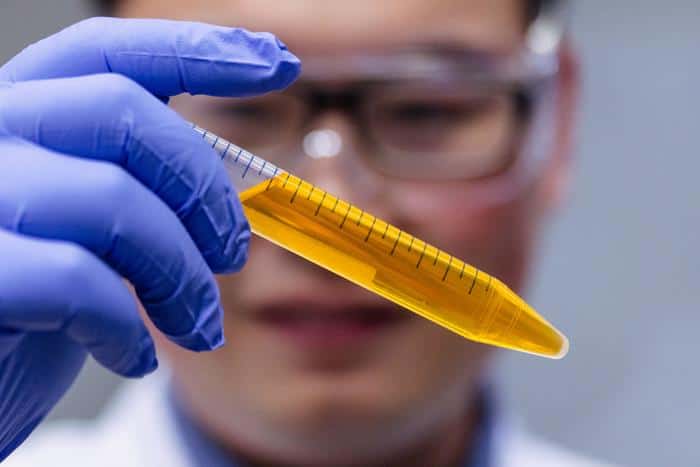
Zihao Ou holds a vial of the common yellow food dye tartrazine in solution

To a team of researchers at Stanford University in the US for developing a method to make the skin of live mice temporarily transparent. One of the challenges of imaging biological tissue using optical techniques is that tissue scatters light, which makes it opaque. The team, led by Zihao Ou (now at The University of Texas at Dallas), Mark Brongersma and Guosong Hong, found that the common yellow food dye tartrazine strongly absorbs near-ultraviolet and blue light and can help make biological tissue transparent. Applying the dye onto the abdomen, scalp and hindlimbs of live mice enabled the researchers to see internal organs, such as the liver, small intestine and bladder, through the skin without requiring any surgery. They could also visualize blood flow in the rodents’ brains and the fine structure of muscle sarcomere fibres in their hind limbs. The effect can be reversed by simply rinsing off the dye. This “optical clearing” technique has so far only been conducted on animals. But if extended to humans, it could help make some types of invasive biopsies a thing of the past. 

Laser cooling positronium 

To the AEgIS collaboration at CERN, and Kosuke Yoshioka and colleagues at the University of Tokyo, for independently demonstrating laser cooling of positronium. Positronium, an atom-like bound state of an electron and a positron, is created in the lab to allow physicists to study antimatter. Currently, it is created in “warm” clouds in which the atoms have a large distribution of velocities, making precision spectroscopy difficult. Cooling positronium to low temperatures could open up novel ways to study the properties of antimatter. It also enables researchers to produce one to two orders of magnitude more antihydrogen – an antiatom comprising a positron and an antiproton that’s of great interest to physicists. The research also paves the way to use positronium to test current aspects of the Standard Model of particle physics, such as quantum electrodynamics, which predicts specific spectral lines, and to probe the effects of gravity on antimatter. 

Modelling lung cells to personalize radiotherapy

To Roman Bauer at the University of Surrey, UK, Marco Durante from the GSI Helmholtz Centre for Heavy Ion Research, Germany, and Nicolò Cogno from GSI and Massachusetts General Hospital/Harvard Medical School, US, for creating a computational model that could improve radiotherapy outcomes for patients with lung cancer. Radiotherapy is an effective treatment for lung cancer but can harm healthy tissue. To minimize radiation damage and help personalize treatment, the team combined a model of lung tissue with a Monte Carlo simulator to simulate irradiation of alveoli (the tiny air sacs within the lungs) at microscopic and nanoscopic scales. Based on the radiation dose delivered to each cell and its distribution, the model predicts whether each cell will live or die, and determines the severity of radiation damage hours, days, months or even years after treatment. Importantly, the researchers found that their model delivered results that matched experimental observations from various labs and hospitals, suggesting that it could, in principle, be used within a clinical setting. 

A semiconductor and a novel switch made from graphene 

Epigraphene

To Walter de Heer, Lei Ma and colleagues at Tianjin University and the Georgia Institute of Technology, and independently to Marcelo Lozada-Hidalgo of the University of Manchester and a multinational team of colleagues, for creating a functional semiconductor made from graphene, and for using graphene to make a switch that supports both memory and logic functions, respectively. The Manchester-led team’s achievement was to harness graphene’s ability to conduct both protons and electrons in a device that performs logic operations with a proton current while simultaneously encoding a bit of memory with an electron current. These functions are normally performed by separate circuit elements, which increases data transfer times and power consumption. Conversely, de Heer, Ma and colleagues engineered a form of graphene that does not conduct as easily. Their new “epigraphene” has a bandgap that, like silicon, could allow it to be made into a transistor, but with favourable properties that silicon lacks, such as high thermal conductivity. 

Detecting the decay of individual nuclei 

To David Moore, Jiaxiang Wang and colleagues at Yale University, US, for detecting the nuclear decay of individual helium nuclei by embedding radioactive lead-212 atoms in a micron-sized silica sphere and measuring the sphere’s recoil as nuclei escape from it. Their technique relies on the conservation of momentum, and it can gauge forces as small as 10-20 N and accelerations as tiny as 10-7 g, where g is the local acceleration due to the Earth’s gravitational pull. The researchers hope that a similar technique may one day be used to detect neutrinos, which are much less massive than helium nuclei but are likewise emitted as decay products in certain nuclear reactions. 

Two distinct descriptions of nuclei unified for the first time 

To Andrew Denniston at the Massachusetts Institute of Technology in the US, Tomáš Ježo at Germany’s University of Münster and an international team for being the first to unify two distinct descriptions of atomic nuclei. They have combined the particle physics perspective – where nuclei comprise quarks and gluons – with the traditional nuclear physics view that treats nuclei as collections of interacting nucleons (protons and neutrons). The team has provided fresh insights into short-range correlated nucleon pairs – which are fleeting interactions where two nucleons come exceptionally close and engage in strong interactions for mere femtoseconds. The model was tested and refined using experimental data from scattering experiments involving 19 different nuclei with very different masses (from helium-3 to lead-208). The work represents a major step forward in our understanding of nuclear structure and strong interactions.  

New titanium:sapphire laser is tiny, low-cost and tuneable 

To Jelena Vučković, Joshua Yang, Kasper Van Gasse, Daniil Lukin, and colleagues at Stanford University in the US for developing a compact, integrated titanium:sapphire laser that needs only a simple green LED as a pump source. They have reduced the cost and footprint of a titanium:sapphire laser by three orders of magnitude and the power consumption by two. Traditional titanium:sapphire lasers have to be pumped with high-powered lasers – and therefore cost in excess of $100,000. In contrast, the team was able to pump its device using a $37 green laser diode. The researchers also achieved two things that had not been possible before with a titanium:sapphire laser. They were able to adjust the wavelength of the laser light and they were able to create a titanium:sapphire laser amplifier. Their device represents a key step towards the democratization of a laser type that plays important roles in scientific research and industry. 

Quantum error correction with 48 logical qubits; and independently, below the surface code threshold   

Photo of the Google Quantum AI Willow chip, which looks like a dark grey square inside a lighter, silvery grey one, on a grey woven-metallic background

To Mikhail Lukin, Dolev Bluvstein and colleagues at Harvard University, the Massachusetts Institute of Technology and QuEra Computing, and independently to Hartmut Neven and colleagues at Google Quantum AI and their collaborators, for demonstrating quantum error correction on an atomic processor with 48 logical qubits, and for implementing quantum error correction below the surface code threshold in a superconducting chip, respectively. Errors caused by interactions with the environment – noise – are the Achilles heel of every quantum computer, and correcting them has been called a “defining challenge” for the technology. These two teams, working with very different quantum systems, took significant steps towards overcoming this challenge. In doing so, they made it far more likely that quantum computers will become practical problem-solving machines, not just noisy, intermediate-scale tools for scientific research. 

Entangled photons conceal and enhance images 

To two related teams for their clever use of entangled photons in imaging. Both groups include Chloé Vernière and Hugo Defienne of Sorbonne University in France, who as duo used quantum entanglement to encode an image into a beam of light. The impressive thing is that the image is only visible to an observer using a single-photon sensitive camera – otherwise the image is hidden from view. The technique could be used to create optical systems with reduced sensitivity to scattering. This could be useful for imaging biological tissues and long-range optical communications. In separate work, Vernière and Defienne teamed up with Patrick Cameron at the UK’s University of Glasgow and others to use entangled photons to enhance adaptive optical imaging. The team showed that the technique can be used to produce higher-resolution images than conventional bright-field microscopy. Looking to the future, this adaptive optics technique could play a major role in the development of quantum microscopes. 

First samples returned from the Moon’s far side  

To the China National Space Administration for the first-ever retrieval of material from the Moon’s far side, confirming China as one of the world’s leading space nations. Landing on the lunar far side – which always faces away from Earth – is difficult due to its distance and terrain of giant craters with few flat surfaces. At the same time, scientists are interested in the unexplored far side and why it looks so different from the near side. The Chang’e-6 mission was launched on 3 May consisting of four parts: an ascender, lander, returner and orbiter. The ascender and lander successfully touched down on 1 June in the Apollo basin, which lies in the north-eastern side of the South Pole-Aitken Basin. The lander used its robotic scoop and drill to obtain about 1.9 kg of materials within 48 h. The ascender then lifted off from the top of the lander and docked with the returner-orbiter before the returner headed back to Earth, landing in Inner Mongolia on 25 June. In November, scientists released the first results from the mission finding that fragments of basalt – a type of volcanic rock – date back to 2.8 billion years ago, indicating that the lunar far side was volcanically active at that time. Further scientific discoveries can be expected in the coming months and years ahead as scientists analyze more fragments. 


Physics World‘s coverage of the Breakthrough of the Year is supported by Reports on Progress in Physics, which offers unparalleled visibility for your ground-breaking research.

Exploring this year’s best physics research in our Top 10 Breakthroughs of 2024

This episode of the Physics World Weekly podcast features a lively discussion about our Top 10 Breakthroughs of 2024, which include important research in nuclear physics, quantum computing, medical physics, lasers and more. Physics World editors explain why we have made our selections and look at the broader implications of this impressive body of research.

The top 10 serves as the shortlist for the Physics World Breakthrough of the Year award, the winner of which will be announced on 19 December.

Links to all the nominees, more about their research and the selection criteria can be found here.


Physics World‘s coverage of the Breakthrough of the Year is supported by Reports on Progress in Physics, which offers unparalleled visibility for your ground-breaking research.

Automated checks build confidence in treatment verification

ChartCheck

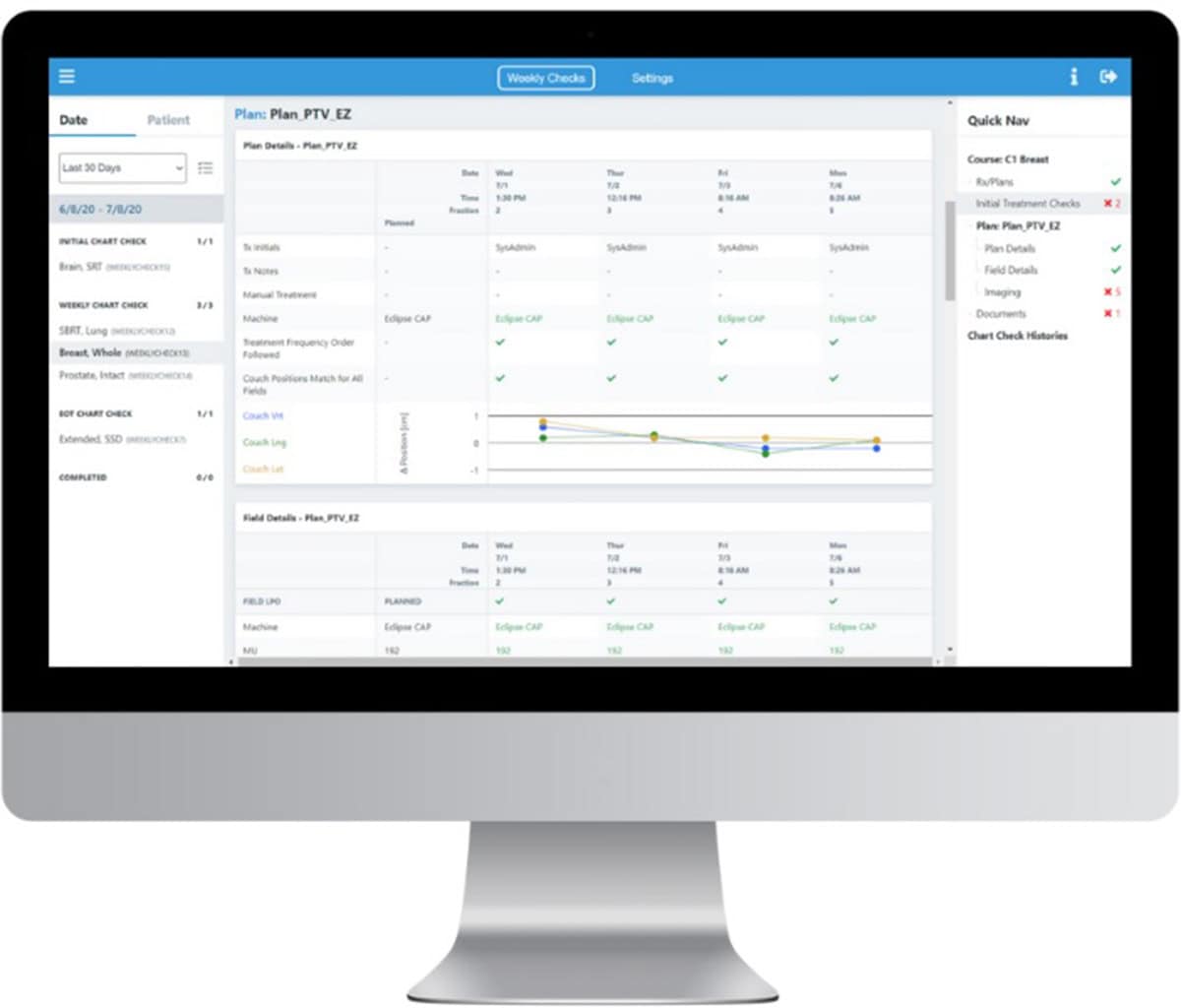
Busy radiation therapy clinics need smart solutions that streamline processes while also enhancing the quality of patient care. That’s the premise behind ChartCheck, a tool developed by Radformation to facilitate the weekly checks that medical physicists perform for each patient who is undergoing a course of radiotherapy. By introducing automation into what is often a manual and repetitive process, ChartCheck can save time and effort while also enabling medical physicists to identify and investigate potential risks as the treatment progresses.

“To ensure that a patient is receiving the proper treatment a qualified medical physicist must check a patient’s chart after every five fractions of radiation has been delivered,” explains Ryan Manger, lead medical physicist at the Encinitas Treatment Center, one of four clinics operated by UC San Diego in the US. “The current best practice is to check 36 separate items for each patient, which can take a lot of time when each physicist needs to verify 30 or 40 charts every week.”

Ryan Manger

Before introducing ChartCheck into the workflow at UC San Diego, Manger says that around 70% of the checks had to be done manually. “The weekly checks are really important for patient safety, but they become a big time sink when each task takes five or ten minutes,” he says. “It’s easy to get fatigued when you’re looking at the same things over and over again, and we have found that introducing automation into the process can have a positive impact on everything else we do in the clinic.”

ChartCheck monitors the progress of ongoing treatments by automatically performing a comprehensive suite of clinical checks, raising an alert if any issue is detected. As an example, after each treatment the tool verifies that the delivered dose matches the parameters defined in the clinical plan, while it also monitors real-time changes such as any movement of the couch during treatment. It also collates together all the necessary safety documentation, allows comments or notes to be added, and highlights any scheduling changes when a patient decides to take a treatment break, for instance, or the physician adds a boost to the clinical plan.

As well as consolidating all the information on a single platform, ChartCheck allows physicists to analyse the treatment data to identify and understand any underlying issues that might affect patient safety. “It has given us a lot more vision of what’s happening across all our treatments, which is typically around 300 per week,” says Manger. “Within just three months it has illuminated areas that we were unaware of before, but that might have carried some risk.”

What’s more, the physicists at UC San Diego have found that automating many of the routine tasks has enabled them to focus their attention where it is needed most. “We have implemented the tool as a first-pass filter to flag any charts that might need further attention, which is typically around 10–15% of the total,” says Manger. “We can then use our expertise to investigate those charts in more detail and to understand what the risk factors might be. The result is that we do a better check where it’s needed, rather than just looking at the same things over and over.”

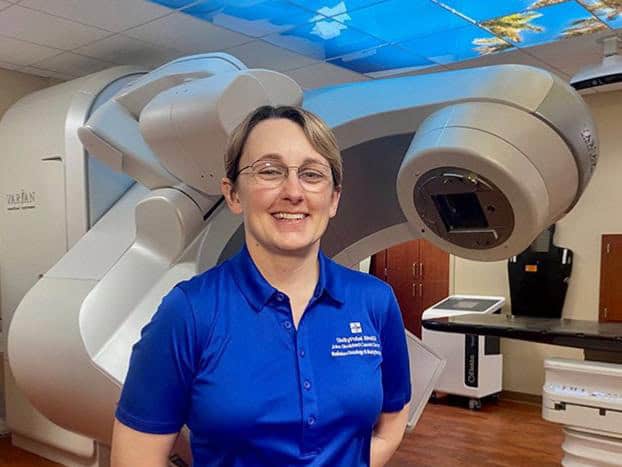
Jennifer Scharff

Jennifer Scharff, lead physicist at the John Stoddard Cancer Center in Des Moines, Iowa, also values the extra insights that ChartCheck offers. One major advantage, she says, is how easy it is to check whether the couch might have moved between treatment fields. “It’s not ideal when the couch moves, but sometimes it happens if a patient coughs or sneezes during the treatment and the therapist needs to adjust the position slightly when they get back into their breath hold,” she says. “In ChartCheck it’s really easy to see those positional shifts on a daily basis, and to identify any trends or issues that we might need to address.”

ChartCheck offers full integration with ARIA, the oncology information system from Varian, making it easy to implement and operate within existing clinical workflows. Although ARIA already offers a tool for treatment verification, Scharff says that ChartCheck offers a more comprehensive and efficient solution. “It checks more than ARIA does, and it’s much faster and more efficient to do a weekly physics check,” she says. “As an example, it’s really easy to see the journal notes that our therapists make when something isn’t quite right, and it helps us to identify patients who need a final chart check when they want to pause or stop their treatment.”

The automated tool also guarantees consistency between the chart checks undertaken by different physicists, with Scharff finding the standardized approach particularly useful when locums are brought into the team. “It’s easy for them to see all the information we can see, we can be sure that they are making the same checks as we do, and the same documents are always sent for approval,” she says. “The system makes it really easy to catch things, and it calls out the same thing for everyone.”

With the medical physicists at UC San Diego working across four different treatment centres, Manger has also been impressed by the ability of ChartCheck to improve consistency between physicists working in different locations. “The human factor always introduces some variations, even between physicists who are fully trained,” he says. “Minimizing the impact of those variations has been a huge benefit that I hadn’t considered when we first decided to introduce the software, but it has allowed us to ensure that all the correct policies and procedures are being followed across all of our treatment centres.”

Overall, the experience of physicists like Manger and Scharff is that ChartCheck can streamline processes while also providing them with the reassurance that their patients are always being treated correctly and safely. “It has had a huge positive impact for us,” says Scharff. “It saves a lot of time and gives us more confidence that everything is being done as it should be.”

Patient-specific quality assurance (PSQA) based on independent 3D dose calculation

Want to learn more on this subject?


In this webinar, we will discuss that patient specific quality assurance (PSQA) is an essential component of the radiation treatment process. This control allows us to ensure that the planned dose will be delivered to the patient. The increasing number of patients with indications for modulated treatments requiring PSQA has significantly increased the workload of the medical physics departments, and the need to find more efficient ways to perform it has arisen.

In recent years, there has been an increasing evolution of measurement systems. However, the experimental process involved imposes a limit on the time savings. The 3D dose calculation systems are presented as a solution to this problem, allowing the reduction of the time needed for the initiation of treatments.

The use of 3D dose calculation systems, as stated in international recommendations (TG219), requires a process of commissioning and adjustment of dose calculation parameters.

This presentation will show the implementation of PSQA based on independent 3D dose calculation for VMAT treatments in breast cancer using DICOM information from the plan and LOG files. Comparative results with measurement-based PSQA systems will also be presented.

An interactive Q&A session follows the presentation.

Want to learn more on this subject?

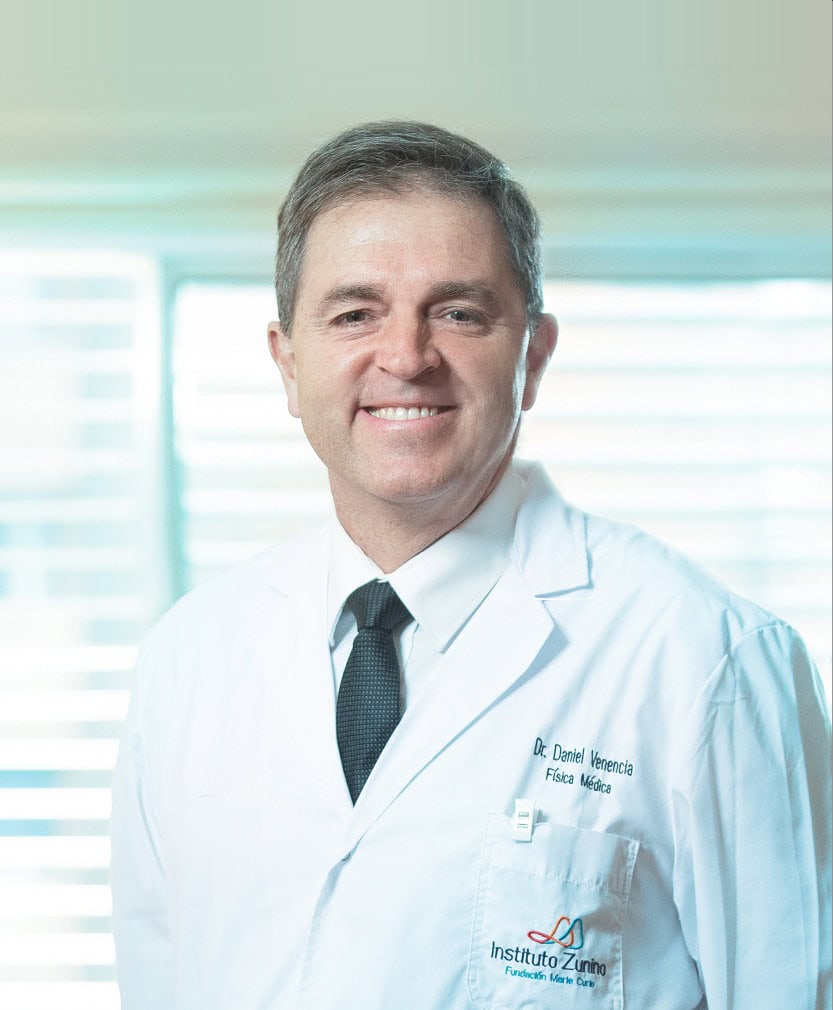
Dr Daniel Venencia is the chief of the medical physics department at Instituto Zunino – Fundación Marie Curie in Cordoba, Argentina. He holds a BSc in physics and a PhD from the Universidad Nacional de Córdoba (UNC), Daniel has completed postgraduate studies in radiotherapy and nuclear medicine. With extensive experience in the field, Daniel has directed more than 20 MSc and BSc theses and three doctoral theses. He has delivered more than 400 presentations at national and international congresses. He has published in prestigious journals, including the Journal of Applied Clinical Medical Physics and the International Journal of Radiation Oncology, Biology and Physics. His work continues to make significant contributions to the advancement of medical physics.

Carlos Bohorquez, MS, DABR, is the product manager for RadCalc at LifeLine Software Inc., a part of the LAP Group. An experienced board-certified clinical physicist with a proven history of working in the clinic and medical device industry, Carlos’ passion for clinical quality assurance is demonstrated in the research and development of RadCalc into the future.


Scientists braced for Donald Trump’s second term as US president

Before Donald Trump takes oath for a second term as US president on 20 January, the US scientific community is preparing for what the next four years may look like. Many already have a sense of trepidation given his track record from his first term in office. There are concerns, for example, about his nominations for cabinet and other key positions. Others are worried about the role that SpaceX boss Elon Musk will play as the head of a new “department of government efficiency”.

Neal Lane, a senior fellow in science and technology at Rice University’s Baker Institute and science adviser to former president Bill Clinton, told Physics World that he doesn’t see “any good news for science, especially any fields or studies that seem to be offensive to important segments of Trump’s supporter base”. Lane says that includes research related to “climate change, reproduction, gender and any other aspects of diversity, environmental protection and justice, biodiversity, public health, vaccinations, most fields of the social sciences, and many others”.

John Holdren, who was science adviser to Barack Obama and is a member of Harvard University’s Kennedy School and the Woodwell Climate Research Center, is equally pessimistic. “The stated intentions of president-elect Trump and his acolytes concerning energy and climate policies are deeply dismaying,” he says. “If history is any guide, Trump will also try to put a large crimp in federal research on climate science and advanced clean energy.”

We saw budgets for science agencies go up [under Trump] due to a variety of factors, so that’s something we hope for again

Jennifer Grodsky

During his first term in office between 2017 and 2021, Trump tried to ban immigration from Muslim-majority countries and created the China Initiative that led to charges against some US scientists for collaborations with colleagues in Chinese universities. He also famously used a Sharpie pen to change the apparent course of hurricane Duran on a National Weather Service map, resulting in consternation from researchers.

When COVID-19 emerged, he suggested ineffective and possibly dangerous treatments for it and had a fraught relationship with Anthony Fauci, who was then in charge of the country’s response to the pandemic. Lane says that the administration is likely to continue “to downplay evidence-based science in setting policies and allow misinformation” to be published on agency websites. “That would result not only in damage to the integrity of US science, but to the trust the American public places in science,” Lane adds. “Ultimately, it could affect people’s lives and livelihoods.”

On the other hand, under Trump’s stewardship, the COVID-19 vaccine was developed at record-breaking speed, and while it took 18 months in office before he nominated a science adviser, his pick of meteorologist Kelvin Droegemeier was generally applauded by the scientific community. Funding for science also increased during Trump’s first term. “We saw budgets for science agencies go up due to a variety of factors, so that’s something we hope for again,” says Jennifer Grodsky, Boston University’s vice-president for federal relations.

And the nominees are…

In Trump’s first term, various members of his presidential staff and cabinet managed to dissuade him from pursuing some more unorthodox ideas related to science and medicine. And when they failed to do so, Congress acted as a hard brake. The Senate has a constitutional responsibility to advise the president on (and consent by a simple majority to) presidential nominations for cabinet positions, ambassadorships and other high offices. Since the new Senate will take office on 3 January with a Republican majority of 53 to 47 Democrats, many Trump nominees will likely be ready to take office when he becomes president on 20 January.

Most nominees for posts, however, are fully behind Trump’s desire to “drain the swamp” of Washington’s “politics as usual” and have some non-mainstream views on science. Stanford University health economist Jay Bhattacharya, for example, who has been picked to lead the National Institutes of Health, was a vocal critic of the US response to the COVID-19 pandemic who stated that lockdowns caused irreparable harm. Vaccine sceptic Robert F Kennedy Jr, an environmental lawyer, has been chosen to head the Department of Health and Human Services while Marty Makary, a Johns Hopkins University surgeon and cancer specialist who shares many of Kennedy’s attitudes about health, is tagged to lead the Food and Drug Administration.

While the nominees to head environmental and energy agencies come from more mainstream candidates, they could – if approved – implement significant changes in policy from the Biden administration. Trump wants, for example, to open protected areas to drilling and mining. He also aims to take the US out of the Paris Accord on climate change for a second time – after Biden rescinded the first removal.

As a sign of things to come, Trump has already nominated Lee Zeldin as administrator of the Environmental Protection Agency (EPA). A former Republican Congressman from New York and a critic of much environmental legislation, Zeldin says that the EPA will “restore US energy dominance” while “protecting access to clean air and water”. But his focus on pro-business deregulation is set to dismay environmentalists who applauded the Biden administration’s EPA ban on several toxic substances and limitation on the amounts of “forever” chemicals in water.

Swimming against the tide of a hostile White House will not be easy

John Holdren

When it comes to energy, Trump has nominated Chris Wright, founder and chief executive office of the Denver-based fracking company Liberty Energy, to head the Department of Energy. While Wright accepts that fossil fuels contribute to global warming, he has also referenced scientific studies that support his claim that climate change “alarmists” are wrong about the impact of a warmer world. If approved, Wright will participate in a new National Energy Council that Department of the Interior nominee Doug Burgum will chair. A software company billionaire and current governor of North Dakota, Burgum has mirrored Wright in accusing the “radical left” of engaging in a war against US energy to reduce climate change.

Lane predicts that the Trump administration will even try to privatize agencies within government departments, potentially including the National Oceanic and Atmospheric Administration, which is part of the US Department of Commerce. “That could result in forcing people to pay to get timely weather reports,” he says. “To find out, for example, where a hurricane is headed or to receive better tornado warnings.”

Space Force

A different threat to science comes from Musk’s department of government efficiency, which he will run together with the biotechnology billionaire Vivek Ramaswamy. As the owner of SpaceX, Starlink and Tesla, Musk – currently the world’s richest person – asserts that the department can cut $2 trillion from the roughly $6.5 trillion annual US government budget. While some are sceptical of that pledge, scientists fear the effort could target science-related agencies. The Department of Education, for example, could be shut with several prominent Republicans, including Trump, having already called for its elimination.

Another possible target for budget cuts is NASA, which is already in financial trouble, having been forced to postpone the next lunar Artemis mission to April 2026 and the planned crewed Moon landing to mid-2027. Trump has nominated Jared Isaacman – a billionaire associate of Musk – as the agency’s administrator. Co-founder of the aerospace firm Draken International, Isaacman developed and financed September’s Polaris Dawn mission, in which he and three other private astronauts were taken into orbit by Musk’s SpaceX rockets. If confirmed in office, Isaacman is expected to expand existing links between NASA and the commercial space sector.

Another impact of Trump’s second term could be collaborations between US and foreign scientists. A return to the China initiative that Biden rescinded seems possible, and Trump has promised to continue the hard line against immigrants that marked his first term in office. Some university leaders have already warned overseas students not to travel home during the winter break in case they are not allowed back into the US. “New executive orders that may impact travel may be implemented,” a statement by the leadership of Massachusetts Institute of Technology noted. “Any processing delays could impact students’ ability to return to the US as planned.”

As the Biden administration departs and Trump is sworn into office on 20 January, many scientists will be hopeful, but unconvinced, that science is heading in the right direction. For Holdren, the next four years simply promises to be a rocky time. “Swimming against the tide of a hostile White House will not be easy,” he adds. “Let us hope all who understand the challenge will rise to it.”

Copyright © 2026 by IOP Publishing Ltd and individual contributors