Cool stuff Interior view of the Pony cryostat installed at Argonne National Laboratory in February. The Pony provides scientific users with continuous sub-Kelvin cooling and a large experimental space that is convenient to open and close. (Courtesy: Danaher Cryo)
While some like it hot, others like to keep things cold – ultracold to be precise. A case study in this regard is Danaher Cryogenics, the US-based designer and manufacturer of integrated sub-Kelvin cryostat systems for diverse applications in scientific research and industrial R&D. Based out of Boulder, Colorado, the two-year-old technology start-up has set a high bar for itself in the ultralow-temperature regime, evidenced by a mission statement to “pursue the near-impossible with elegant, classic solutions for optimal cryogenic performance – from initial concept to fruition”.
If that’s the back-story, what of the specifics? Front-and-centre in the Danaher Cryo business model are collaboration and cryogenic innovation – partnering with key technology suppliers and end-users alike. “What I take pride in – and what we strive for here – is to be much more than a transactional equipment vendor,” explains Charlie Danaher, president and founder of Danaher Cryo. Put simply: the goal for Danaher and his colleagues is collaborative product development, “to figure out what customers need at a granular level and then come up with the optimal cold solution in terms of cryostat design, development and deployment”.
Collaborate, innovate, accelerate
At a headline level, Danaher Cryo’s evolving customer base breaks down into three core constituencies: university-based research groups; US National Laboratories, including the nearby National Institute of Standards and Technology (NIST) Boulder Laboratories; as well as aerospace and defence contractors in the US and further afield.
“We have established a reputation for working hand-in-hand with customers to meet their sub-Kelvin requirements across a range of scientific and engineering projects,” explains Danaher. Think cutting-edge use-cases like single-photon detectors for radio astronomy; X-ray and neutron beamline experiments; and scanning-probe microscopy studies of high-temperature superconductors.
Charlie Danaher “We have established a reputation for working hand-in-hand with customers to meet their sub-Kelvin requirements.” (Courtesy: Danaher Cryo)
“Among our priority growth markets is the emerging quantum tech supply chain,” adds Danaher, “where cryogenic temperatures are essential for materials R&D and device development in quantum sensing, quantum networking and quantum computing applications.”
Danaher, for his part, is no stranger to collaborative innovation. Prior to launching Danaher Cryo in April 2022, he spent 25 years in senior product development and engineering roles at Cryogenic Technical Services (CTS) and High Precision Devices (HPD) – along the way working closely with an array of top-tier customers like Boeing, General Atomics, Lawrence Livermore National Laboratory, Harvard University, NASA and NIST.
That same outward-facing mindset informs the commercial approach at Danaher Cryo, not least when it comes to technology partnerships. Chief among those is the company’s tie-up with Chase Research Cryogenics (CRC), a specialist UK manufacturer of sorption coolers capable of generating sub-Kelvin temperatures (even down to <0.1 K). “The strategic partnership with CRC has been in place for 18 months,” says Danaher, “with the Chase coolers serving as a core building block within our fully integrated sub-Kelvin cryostat systems.”
Another high-profile partner is Leiden Cryogenics, with Danaher Cryo managing dilution refrigerator sales for the Dutch equipment maker across North America. “We’re not just processing the purchase orders,” says Danaher. “We facilitate installation, commissioning and acceptance of Leiden products, as well as ongoing service and maintenance support.”
Closer to home, there’s an ongoing technology collaboration with NIST and the University of Colorado Boulder (CU Boulder), with Danaher Cryo positioned as exclusive commercialization partner for the so-called Adaptive Cooling Technology (ACT) pulse-tube cryocooler. While current-generation pulse-tube refrigerators are specifically designed for steady-state, base-temperature operation, the ACT design provides dynamic tuning of cooling performance – functionality that’s especially impactful during the cooldown phase of operation.
Working via a Cooperative Research and Development Agreement (CRADA), Danaher Cryo now has an exclusive option to license the ACT technology innovation (recently patented by CU Boulder). “Large cryogenic systems can have cooldown times ranging from a couple of days to more than a month,” says Danaher. “The ACT pulse-tube design can cut those times by more than 50% – a compelling proposition in terms of workflow efficiency and R&D productivity.”
Cool technologies, cold science
While the ACT cryogenic system is being lined up for full commercial release in the second half of 2025, Danaher Cryo already offers a comprehensive portfolio of continuous-cooling and one-shot cryostat systems – a product portfolio that will be showcased at the American Physical Society (APS) March Meeting in Minneapolis, MN, next week.
The continuous-cooling systems maintain their base temperature indefinitely and comprise the Pony (with a cooling capability down to below 825 mK), Bronco (<300 mK) and the Charger (fully integrated with CRC’s mini dilution refrigerator for cooling to below 100 mK). The one-shot cryostat systems, on the other hand, provide time-limited cooling for up to 30 hours and comprise the Colt (850 mK base temperature), Palomino (300 mK) and the Mustang (200 mK).
Play to your strengths Danaher Cryo’s new Kevlar suspension and sample stage can be included in any of the company’s continuous-cooling or one-shot cryostat systems. (Courtesy: Danaher Cryo)
Significantly, the Danaher Cryo team notched up its first customer installation earlier this month, with the Pony cryostat installed and accepted at the US Department of Energy’s Argonne National Laboratory on the outskirts of Chicago. “The Pony combines continuous sub-Kelvin cooling with ease of access to the cold area and sample-under-test,” explains Danaher.
Argonne scientists will use the cryostat to test and characterize superconducting-nanowire particle detectors for applications in nuclear physics. “Owing to the Pony’s large experimental space, the system will be used in the testing of full wafers prior to dicing,” notes Danaher. “Subsequently, the wafers will be diced and the selected chips deployed for beamline experiments.”
Danaher, for his part, is also keen to highlight the upsides of the Charger system – chiefly, continuous 100 mK cooling “without the hassles” typically associated with dilution refrigerators. “We’re exploiting CRC’s Continuous Miniature Dilutor (CMD) subsystem,” he explains. The CMD is a small, self-contained refrigerator that requires only a few litres of helium gas. There is no need for any external gas handling which, in turn, eliminates the service required for pumps and reduces the chances of expensive gas loss.
“By extension,” adds Danaher, “the Charger cryostat requires less than 1 m2 of lab space – not counting the compact control system – whereas typically most dilution refrigerators would consume more than twice that.”
In-house, meanwhile, continuous product innovation remains the priority for Danaher and his chief cryostat designer Bryan Schiffner. With this in mind, a new Kevlar suspension that can be included in any of the company’s cryostats will also be unveiled at the APS March Meeting. Put simply, the Kevlar suspension is integrated within the cryostat to give scientists a platform to install their sample or assembly-under-test at the cold temperature without risking damage to the CRC sorption cooler.
“The Kevlar suspension supports a sample stage that provides close proximity to the cooler,” concludes Danaher. “In this way, we can ensure the cryostat is scientifically useful thanks to a rugged, durable and spacious sample stage.”
Turn off the Higgs field – an energy field thought to emanate throughout the universe – and life as we know it would cease to exist. Our bodies would explode, and Earth would detonate as the universe obliterated itself. Flick the switch the other way – so that the Higgs field is on full blast – and the cosmos and all it contains would instantly shrivel into a tiny ball of nothingness. While both scenarios might sound far-fetched, altering the strength of the Higgs field from its current “Goldilocks” value would tip the scales, as theoretical physicist Matt Strassler explains in his debut book Waves in an Impossible Sea: How Everyday Life Emerges from the Cosmic Ocean.
But what exactly is this Higgs energy field and why does it have so much control over our existence? To provide answers, Strassler takes readers on a comprehensive tour of the physics of the cosmos. Using questions he has received from non-physics friends and newly enrolled undergraduate students, Strassler explores why living creatures are mostly empty space; what lies beyond the shimmering hues of the visible parts of a rainbow; and why waves and wavicles (no, that is not a made-up term, it’s a portmanteau of wave and particle) are the key ingredients to understanding the universe.
This journey is far from easy-going. From the very beginning, Strassler acknowledges that many readers will find his book arduous – and I wholeheartedly agree with that conclusion. At multiple points during my slog through the book, I came close to slamming the pages shut and emailing my editor to tell them they needed to find me another text to read. The book is so littered with nuanced discussions, that to make sense of them I had to re-read passages again and again, while referring to the glossary to make sure I had the exact meanings correct for the many technical terms Strassler uses.
Motivations and misunderstandings
That brings me to my main qualm: I don’t know who the book is for. It certainly isn’t me – someone who studied physics at university and is reasonably well-versed in the concepts of the discipline, but who doesn’t want to spend their free time reading what is essentially a textbook.
In the book’s introduction, Strassler writes that his main motivation for sharing his knowledge of the cosmos is to tell “the full story of how modern physics and human life fit together”; a lofty goal. He peppers the book with existential questions – “Where am I? And where am I going?” – and physics-themed life lessons. But for me they fell flat, reminding me of the pithy aphorisms contained within fortune cookies. At one point he discusses how three people would experience each other’s speed when one is standing on the Moon, one is sitting on a park bench and the other is driving a car at 40 mph. (Spoiler, they all think they are stationary and that the others are moving, in some cases at colossal speeds.) Strassler surmises, “When something’s relative, everyone disagrees, yet no one is wrong.” Queue the groans and eye rolls.
For me, Strassler’s incentive for writing the book had a completely different origin: correcting the wrongs of science writers and journalists telling “phibs” about the Higgs field. A phib – a word coined by Strassler that means physics fib – is an explanation of an idea that is so oversimplified that it deceives the reader and distorts reality. Correcting Higgs phibs – which, according to Strassler mostly involve the Higgs field being described as a soup-like substance that fills the universe and gives objects their mass – is a much narrower remit. And while Strassler does complete that goal, he didn’t need 330 pages to do it. His detailed explanation goes way beyond what I, or any other science writer, needs to know to pen an accurate summary of this concept for someone with no formal physics education.
There is a place for this book as an educational tool, just not for non-scientists
But I do think there is a place for this book as an educational tool, just not for non-scientists. With its near absence of equations, this popsci-esque textbook provides a path for undergraduates to understand concepts such as general relativity, rest mass and wave-particle duality, in a way that a sequence of numbers and letters might not. And as textbooks go, this one contains many little gems, such as Strassler’s frequent forays into physics culture and jargon.
It is no secret that scientists assign words different meanings compared to those used in everyday conversations, which can lead to confusion. Many of these misunderstandings are inconsequential, but as discussions around the COVID-19 pandemic or climate change continue to highlight, others can lead to mistrust and the spread of disinformation. Strassler carefully walks the reader through the possible misunderstandings different social groups may have of words such as theory, massive and matter in a way I found insightful, thought-provoking and humorous. For example, on discussing with a friend the many definitions of mass and energy used both inside and outside of physics, Strassler notes his friend “suggested that physicists might need some adult supervision – perhaps a committee of outsiders to oversee our terminology.” And he agrees – “Not an unreasonable idea.”
The successful deployment of materials for advanced batteries requires an in-depth understanding of the correlation between their electrochemical performance and structural and mechanical evolution across multiple length scales. The reaction kinetics of their interfacial processes must also be quantified. In situ and operando electrochemical atomic force microscopy (EC-AFM) is a powerful tool that can simultaneously reveal these relationships with nanoscale resolution [1].
By using EC-AFM to study the electrode-electrolyte interface of anode materials in lithium ion [2], zinc ion [3–5] and sodium ion batteries [6], unique changes in their morphological and nano-mechanical behaviour have been revealed as they cycle, develop and degrade. Together, by discussing a variety of studies, the versatility of EC-AFM for characterizing batteries is demonstrated, particularly its ability to reveal phenomena that other commonly utilized tools are blind to. This highlights the important role EC-AFM can play in facilitating the progress of future battery research.
An interactive Q&A session follows the presentation.
[1] Z Zhang et al. Adv. Energy Mater., 11 2101518 (2021)
[2] Z Zhang et al. ACS Appl. Mater. Interfaces, 12, 31, 35132–35141 (2020)
[3] X Guo et al. ACS Energy Lett., 6, 2, 395–403 (2021)
[4] M Liu et al. Nano Lett., 23, 2, 541–549 (2023)
[5] Z Zhang et al. J. Mater. Chem. A, 9, 15355–15362 (2021)
[6] S Said et al. ACS Nano, 17, 7, 6220–6233 (2023)
Thomas S Miller is an associate professor in electrochemistry and materials science and lecturer in chemical engineering at University College London (UCL). An expert in electrochemical technologies, he works in UCL’s Electrochemical Innovation Lab (EIL). His core research focus is the development of electrochemical energy storage and conversion technologies, including batteries, supercapacitors, fuel cells and electrolyzers. Thomas has developed nanomaterials for catalysis and sensing, applied electrochemical techniques, including novel scanning probe electrochemical microscopy, across fundamental and applied projects in the key areas of electrochemical energy storage and conversion. He has also made significant contributions in the field of materials science by developing new and important nanomaterial processing methods and moving novel materials into industry-relevant devices. He received his MChem (2009) and PhD (2014) from the University of Warwick. He previously held an EPSRC (Engineering and Physical Sciences Research Council) Fellowship and is involved with LiSTAR, the Faraday Institution lithium sulfur batteries project.
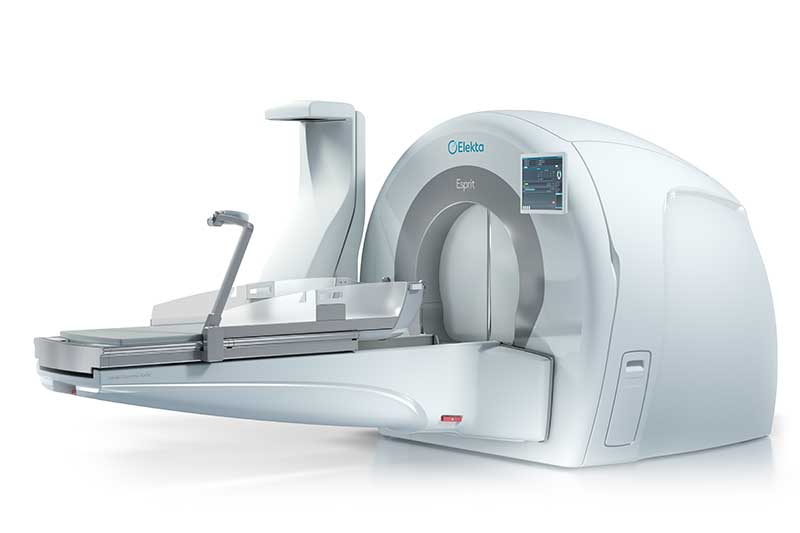
Join Lucy Winch and Christopher Herbert for an informative webinar focusing on the experience of upgrading from Leksell Gamma Knife Icon to Elekta Esprit. Find out how Leksell GammaPlan 11.4 including Lightning and the latest Vantage headframe is helping to expand access to radiosurgery.
Learn how these advancements not only enhance efficiency but also offer advanced immobilization and workflow options, benefiting both practitioners and patients.
Lucy Winch is currently the head of dosimetry development at Bristol Oncology Centre, a leading centre in the UK. She has worked in radiotherapy physics since 2000 and has 20 years’ experience in external beam stereotactic radiotherapy, including linac-based and 10 years in Gamma Knife Perfexion, Icon and now Esprit models. Lucy and the Gamma Knife team have given many national and international talks on GK. She is currently editor of the GK chapter of the Institute of Physics in Medicine Acceptance Testing and Commissioning of Linear Accelerators and has contributed to a previous Elekta webinar on the topic of the Gamma Knife Icon.
Christopher Herbert
Christopher Herbert qualified in medicine at Birmingham University in 2000 and trained in clinical oncology in Bristol where he was appointed as a consultant clinical oncologist in 2011. He completed his oncology training as a clinical research fellow at the British Columbia Cancer Agency in Vancouver, Canada, where he specialized in stereotactic radiosurgery and the treatment of benign and malignant adult brain tumours. He has an interest in technical radiotherapy, specializing in the treatment of adult brain tumours, including stereotactic radiosurgery, and skin tumours, in particular malignant melanoma. Christopher has published work on stereotactic radiosurgery and external beam radiotherapy in international, peer-reviewed journals.
Wound healing is a complex procedure that represents an important healthcare challenge. Most medical dressings used on wounds are made from cotton gauze, which is biocompatible, breathable, absorbent and soft – but doesn’t promote healing or fight infection. What’s needed is a smart dressing that helps speed the healing process while proactively combating infection.
A research team at Cornell University is addressing this challenge, boosting the performance of cotton dressings by coating them with a layer of biologically active nanofibres. The nanofibres harness the antioxidant, anti-inflammatory and antibacterial properties of a lawsone, a botanical compound found abundantly in henna leaves.
Lawsone’s therapeutic properties make it an intriguing candidate for wound management, but its limited solubility makes it tricky to incorporate into dressings. Instead, the researchers used cyclodextrins, natural oligosaccharides produced from starch, to create inclusion complexes that bind lawsone molecules inside. This process enhances lawsone’s solubility, stability and bioavailability, and could increase its therapeutic impact. Crucially, cyclodextrins are compatible with electrospinning, making them suitable for creating nanofibre coatings on cotton substrates.
“The prolonged overuse of synthetic antibiotics in high concentrations has contributed to the rise of the deadly epidemic of multidrug-resistant microbes,” says Tamer Uyar, director of the NanoFibers and NanoTextiles Laboratory, in a press statement. “The use of natural and potent anti-bacterials such as lawsone may serve as an alternative to synthetic anti-bacterials.”
Bioactive agent
Uyar and colleagues used two cyclodextrins – HP-β-CD and HP-γ-CD – to create inclusion complexes with CD/lawsone ratios of 2:1 and 4:1 M. They then employed electrospinning technology to fabricate CD/lawsone nanofibrous webs with average fibre diameters of around 300–700 nm.
One valuable way to enhance healing is to reduce oxidative stress in the wound microenvironment. The team investigated the antioxidant properties of the nanofibres using a DPPH radical scavenging technique. This DPPH test involved mixing the nanofibrous webs into distilled water, adding methanolic DPPH solution and then using UV–visible spectroscopy to measure the decrease in DPPH absorption over time.
Nanofibres with a 2:1 M CD/lawsone ratio showed higher antioxidant activity (due to the higher lawsone content), while HP-β-CD showed greater activity than HP-γ-CD. The antioxidant activity increased with time, escalating from approximately 20% at 1 h to around 65% at 24 h, for HP-β-CD/lawsone 2:1 nanofibres.
The researchers point out that the nanofibrous samples exhibited significantly higher antioxidant activity – and thus the potential for faster wound healing – than pure lawsone. They attribute this to the increased solubility conferred by CD inclusion and the high surface-to-volume ratio of the nanofibrous web.
As well as encouraging wound healing, a smart dressing should help prevent and eradicate infections. As such, the researchers evaluated the nanofibres’ activity against two prominent bacterial strains: gram-negative E. coli and gram-positive S. aureus. They dissolved nanofibrous samples in bacterial solutions, incubated the samples at 37°C for 24 h, and then plated them for colony counting.
Untreated negative control samples did not show any antimicrobial activity and bacteria continued to grow. In contrast, all four nanofibre types demonstrated potent antimicrobial activity, completely eradicating both E. coli and S. aureus bacteria, as seen by the absence of colonies on the culture plates. There was no difference in the effect of nanofibres with 4:1 and 2:1 molar ratios, indicating that even those with lower lawsone content possessed sufficient antibacterial activity.
Rapid release
Selecting HP-β-CD/lawsone 4:1 and HP-γ-CD/lawsone 4:1 as optimal candidates for creating dressings, the researchers coated cotton substrates with nanofibrous samples to investigate their ability to release the lawsone. They immersed the nanofibre-coated samples in a PBS solution and placed them on an orbital shaker at 37 °C. They then assessed the cumulative release of lawsone by analysing small samples removed at specific time intervals.
Most of the lawsone content, approximately 84% in HP-β-CD/lawsone 4:1 and 77% in HP-γ-CD/lawsone 4:1, was released within the initial 30 s. This pronounced initial release is attributed to the rapid dissolution of the nanofibre coating, which was completed after 3 min, at which time all of the lawsone was released. The researchers note that the release profile exhibited by the cotton-coated samples mirrored that of free-standing fibres.
“This study advances the realm of wound management by enhancing lawsone activity through the inclusion complexation and functionalizing cotton through CD/lawsone nanofibre coatings,” the team concludes. “With promising antibacterial and antioxidant attributes, this innovative method holds significant promise for the development of biofunctional wound dressings with enhanced therapeutic potential.”
The team is now investigating other bioactive agents. “The next steps will be testing their cytotoxicity, anti-inflammatory tests and in vivo studies for wound healing,” Uyar tells Physics World.
The first direct observation of water on the surface of an asteroid has been made using an airborne near-infrared telescope. Water was detected on two stony S-type asteroids, which are thought to have been born dry. The discovery could provide insights into the complex and eventful history of the solar system’s minor bodies – and in particular, how their orbits may have evolved over time.
“There are a few theories out there that describe an event that would have shuffled up the asteroid belt,” explains Anicia Arredondo of the Southwest Research Institute in San Antonio, Texas. Arredondo led the team that found the water and she tells Physics World, “During that time, water could have been transferred to [S-type asteroids]”.
Hydrated minerals including carbonates, hydroxides, phyllosilicate and sulfates have previously been detected on the surface of hundreds of asteroids. These detections were all made by studying near-infrared light with wavelengths around 3 micron. Such light is associated with the oxygen–hydrogen bond found in water molecules as well as the simpler hydroxyl(OH) group. As a result, it had not been possible to distinguish between water and hydroxyl on the asteroids.
Jumbo jet
To tell the difference between water and hydroxyl, Arredondo’s team turned to a joint NASA–German Aerospace Agency mission called the Stratospheric Observatory for Infrared Astronomy (SOFIA). Carried by a Boeing 747SP that flew up to 13 km, SOFIA was a 2.7 m diameter infrared telescope that peers through a hatch in the side of the plane.
In 2021, astronomers led by Casey Honniball of NASA’s Goddard Space Flight Center used SOFIA to confirm the existence of water molecules on the sunlit face of the Moon. It did so by detecting a mid-infrared signal at 6.1 micron, produced only by the chemical bond of water molecules.
SOFIA flew its final flight in 2022, but not before Arredondo’s group had teamed up with Honniball to do similar observations of four S-type asteroids that had previously be found to have the ambiguous 3 micron signature.
SOFIA’s FORCAST instrument was able to confirm the presence of water molecules on the surface of two asteroids: 7 Iris and 20 Massalia. The two other asteroids, 11 Parthenope and 18 Melpomene, proved to be too faint for SOFIA to determine whether they have water or not.
Small amounts
In its observations of the Moon, SOFIA found that each cubic metre of regolith (surface material) contained about a third of a litre of water. The signals from Iris and Massalia suggest similarly small amounts of water on the surface of those asteroids.
What form this water takes is currently unknown. One possibility is that it has been adsorbed onto silicates in the regolith, forming a thin film. Or the water could be chemically bound in minerals in the regolith.
Both of these scenarios would imply that Iris and Massalia were created with this water in place. However, astronomers think that S-type asteroids formed close to the Sun, where high temperatures would have driven away water.
A third possibility is that the water was brought to the initially dry asteroids by collisions with objects containing water. In this scenario, water would be trapped inside microscopic glass beads that were formed during the collisions.
Wandering planets
The impacts could have occurred at times when some asteroids and planets are believed to have shifted their orbits. Several models – including Nice, Grand Tack and Jumping Jupiter – all posit that early in the history of the solar system the orbits of several of the planets changed.
“These models all describe the movement of the giant planets, which would have caused gravitational perturbations on asteroids and shuffled them up,” explains Arredondo. “Jupiter would have had the greatest effect because it is biggest.”
The Grand Tack model suggests that Jupiter moved towards the Sun, which would have pushed the S-type asteroids away from the Sun. The model then says that Jupiter migrated away from the Sun, where it encountered the carbonaceous C-type asteroids. These formed farther out from the Sun than the S-type and are therefore expected to contain water.
Jupiter would have scattered the C-types inwards, coming together with the S-types to form the asteroid belt. Today the S-types populate the inner regions of the asteroid belt and the C-types the outer part. As they mixed, there would have been collisions, with small C-types raining down on the larger S-types. This provides an explanation for how water reached S-type asteroids.
Search continues with JWST
While scientists believe C-type asteroids should contain water, this has yet to be confirmed. This cannot be resolved by SOFIA, which has been retired. So, Arredondo’s team has turned to the James Webb Space Telescope (JWST) to look for the same 6.1 micron signature on C-type asteroids.
“So far we have observed two main-belt asteroids [with the JWST], and have submitted a proposal to observe even more,” Arredondo tells Physics World. These C-type asteroids are 142 Polana and 225 Henrietta.
“We’ve not yet completed the analysis to see whether or not they have water,” says Arredondo, “But based on instrument specifications, the JWST should be sensitive enough to detect the feature we are looking for”.
The team also hopes that discovering where water is located in the asteroid belt will help shed light on the origin of Earth’s water. This is believed to have arrived via impacts, but whether the collisions were with comets, C-type asteroids or even S-types is uncertain.
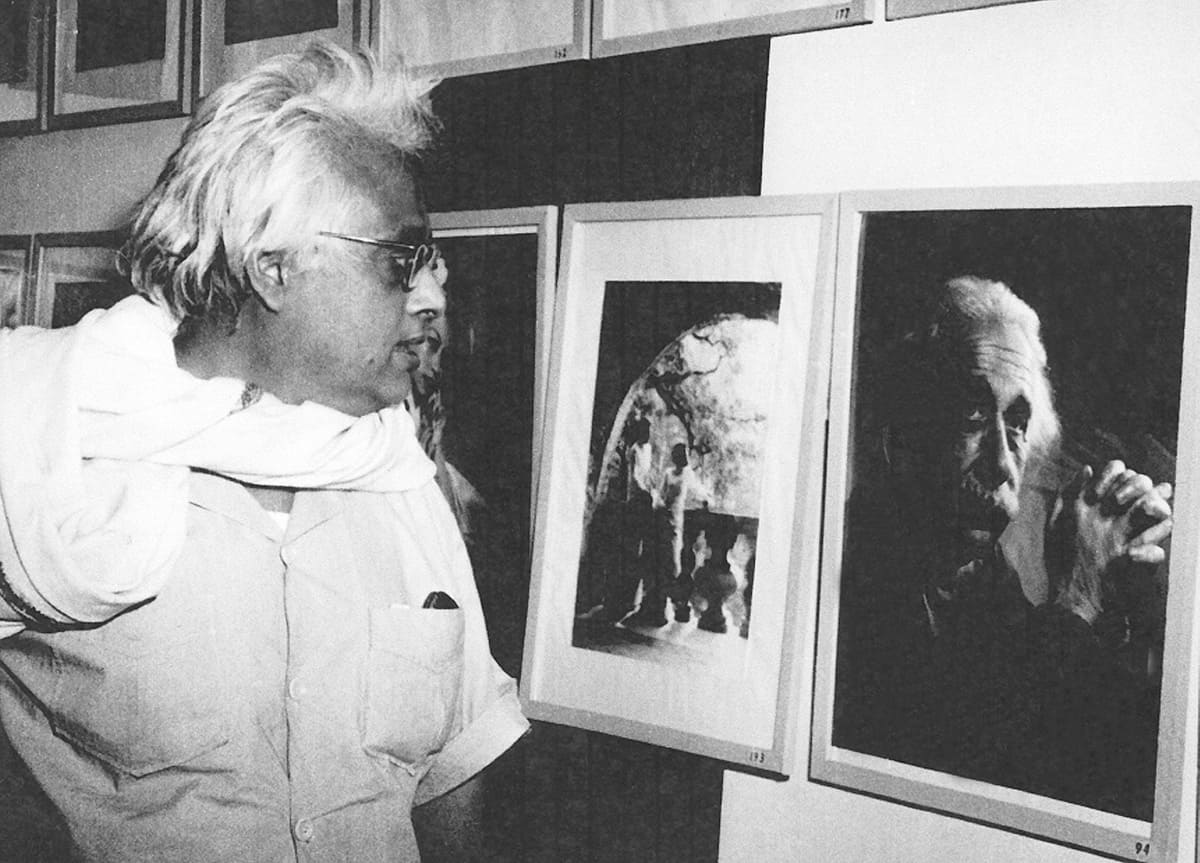
Short but sweet In 1924 Satyendra Nath Bose (left) wrote to Albert Einstein (right) saying he had developed a more satisfactory derivation of Planck’s law. The resulting correspondence, which was brief but deep, led to the prediction of what we now call Bose–Einstein condensation. (Courtesy: Left: Falguni Sarkar, courtesy AIP Emilio Segrè Visual Archives. Right: AIP Emilio Segrè Visual Archives, W. F. Meggers Gallery of Nobel Laureates Collection)
One day in June 1924, Albert Einstein received a letter written by a professor in India. The author admitted he was a “complete stranger” but said he was sending Einstein an accompanying article for his “perusal and opinion”. Just five pages long, the article claimed to address a flaw in quantum theory that Einstein had struggled unsuccessfully with for several years.
Einstein, who was then at the University of Berlin, immediately realized that the author – Satyendra Nath Bose – had solved the problem that had defeated him. It concerned a fully satisfactory derivation of Planck’s law, which describes the spectrum of radiation from a black body. First derived by Max Planck in 1900, the law showed that the radiation does not rise to infinity at ever-shorter wavelengths as classical physics suggests, but instead peaks before falling back.
Einstein quickly developed Bose’s approach further in his own work and, as a result of their collaboration, the pair predicted the existence of a new phenomenon, dubbed “Bose–Einstein condensation”. Anticipated to occur at very low temperatures, it would involve all particles in a system occupying the same lowest quantum state. This new collective state of matter was experimentally detected for the first time in 1995, leading to Eric Cornell, Wolfgang Ketterle and Carl Wieman winning the Nobel Prize for Physics six years later.
The Bose–Einstein exchange may have been brief, but it is one of the great correspondences in the history of physics. Writing in the 2020 book The Making of Modern Physics in Colonial India, the historian and philosopher of science Somaditya Banerjee, who is now at Austin Peay State University in Clarksville, Tennessee, says their collaboration illustrated the growing importance of international joint efforts in science. Or, as Banerjee puts it, their work revealed the “transnational nature of the quantum”.
Marginalized inspiration
Bose grew up politically and scientifically marginalized. He was born on 1 January 1894 in Kolkata (then Calcutta) in the Indian state of Bengal, which was under British occupation, to a family that was part of a cultural and educational movement called the “Bengal renaissance”. Its members had an ambivalent relationship with European culture, partly rejecting and partly embracing it.
Bose and Saha felt alienated from and antagonistic towards the British colonizers, and did not want to serve them by contributing to fields with possible practical applications
In 1905, when Bose was 11, the British occupiers – alarmed by growing rebelliousness in Bengal – split the state into two. Part of the reason Bose went into academia, according to Banerjee, may have been a nationalist urge to avoid being conscripted into the colonial bureaucracy, which was the fate of many middle-class Bengalis.
Bose instead attended Presidency College with his friend (and future astrophysicist) Meghnad Saha, who had been expelled from his school for his involvement in the “Swadeshi movement”. Seeking to curb the use of foreign goods and rely instead on domestic products, the movement was part of the push for Indian independence and stood against the proposed partition of Bengal.
Bose and Saha felt alienated from and antagonistic towards the British colonizers, and – like many of their peers – did not want to serve them by contributing to fields with possible practical applications, such as chemistry or applied physics. The pair were instead attracted by mathematics and theoretical physics – and in particular by the new-fangled quantum theory that German physicists were pioneering.
According to Banerjee, Bose saw his work as “an intellectual escape from the inequities and asymmetries of power relationships” in occupied Bengal. “It is thus no accident,” he writes, “that the emerging Indian physicists particularly excelled in quantum physics.” As a result of their familiarity with German work, Bose and Saha were highly influenced by photon theory, which implied discontinuities in light. British physicists, in contrast, were more impressed by the continuous nature of light dictated by Maxwell’s equations.
Bose and Saha both went on to become physics instructors at the University of Calcutta. But due to Bengal’s isolation and the effects of the First World War, they found it hard to follow the most recent developments in Europe. One of the few periodicals that was regularly available in the Presidency library was Philosophical Magazine, in which Bose and Saha read one of Niels Bohr’s seminal papers on atomic structure, published in 1913 (Phil Mag. 26 1).
Great minds Bose and Saha with other scientists at the University of Calcutta: seated (L to R): Meghnad Saha, Jagadish Chandra Bose, Jnan Chandra Ghosh. Standing (L to R): Snehamoy Dutt, Satyendra Nath Bose, Debendra Mohan Bose, N R Sen, Jnanendra Nath Mukherjee, N C Nag. (Courtesy: Wikimedia Commons)
In Calcutta, they were also fortunate to befriend Paul Johannes Brühl, a visiting botanist from Germany, who had brought with him books and journals on thermodynamics, quantum theory, relativity and other popular physics topics. In 1919, after Einstein had shot to fame following the apparent confirmation of general relativity, Bose and Saha managed to get copies of the basic papers in German and French. Bose was fluent in both languages, as well as English, and so he and Saha translated and published the papers in book form as The Principle of Relativity (University of Calcutta, 1920). It was the first English-language collection of papers on the topic from Einstein and others.
Then, in 1921, Bose was awarded a professorship at the recently established Dacca (now Dhaka) University and charged with developing its physics department. Two years later, rather suddenly, severe budget cuts ended the plan to expand the department, and Bose even had to fight to keep his job. In 1923, therefore, Bose found himself in an unresolved professional state, at a stressful political time in an occupied land.
The Einstein connection
Despite his problems, the 30-year-old continued carrying out research. Later that year, he pondered a disturbing fact: the derivation of Planck’s law was logically unsound as it mixed classical and quantum concepts. Bose decided to ignore classical theory and derive the law instead by considering the motions of a gas of discrete photons. He outlined his thoughts in autumn 1923 in his now seminal paper entitled “Planck’s law and the light-quantum hypothesis”, a version of which he would shortly send Einstein.
Planck’s law, the paper began, is the starting point for quantum theory. But one crucial formula in deriving it relies on a classical assumption about available degrees of freedom. “This is an unsatisfactory feature in all derivations,” Bose wrote. While admitting that Einstein’s own attempt to derive the law free from classical assumptions was “remarkably elegant”, Bose did not feel it was “sufficiently justified from a logical point of view”.
How it all began When Satyendra Nath Bose’s derivation of Planck’s law was rejected for publication in 1924, he sent a letter directly to Albert Einstein asking for his help. Einstein immediately realized the importance of what Bose had done and arranged for it to be published in Zeitschrift für Physik. (Courtesy: AIP Emilio Segrè Visual Archives, Gift of Kameshwar Wali and Etienne Eisenmann)
Bose boldly continued: “In the following I shall sketch the method briefly.” Three pages of rigorous derivations follow, culminating in an equation describing the distribution of energy in the radiation from a black body. This equation, Bose proclaimed, was “the same as Planck’s formula”.
In a recent paper on arXiv (arxiv.org/abs/2308.01909), the physicist Partha Ghose, who was one of Bose’s last PhD students, says that Bose’s method hinted at – but was not explicit about – the indistinguishability of those individual photons. Bose instead defined a volume for photons as a space composed of states – which he called cells – with the total number of cells equalling the number of ways in which the photons can be arranged. As the gas of photons has a fixed density, rearranging individual photons doesn’t produce new cells, implying the photons themselves cannot be told apart; you can not “tag” them to follow them around.
Bose sent the paper to Philosophical Magazine – which he knew was available to Indian physicists – around the beginning of 1924, but never heard back. Disappointed, but convinced of its soundness, he sent it, or a slightly revised version, to Einstein, who received it on 4 June 1924.
“An important step forward”
Einstein was primed. He knew the inconsistency of using a classical assumption to derive a quantum law and had already made several unsuccessful attempts to remove it. Bose’s derivation was sound, Einstein realized.
Einstein gleaned more significance in Bose’s work than Bose himself, for he spotted an unexploited analogy
On 2 July of that year, Einstein responded with a hand-written postcard to Bose calling the paper “an important step forward”. Einstein then translated the paper himself and sent it to Zeitschrift für Physik. With Einstein’s endorsement, Bose’s paper was accepted, and it was duly published in the journal in August 1924 (26 178).
Slowly does it Einstein reacted to the letter Bose sent him in 1924 by sending him a postcard. (Shutterstock/Genotar)
Einstein gleaned more significance in Bose’s work than Bose himself, for he spotted an unexploited analogy. Essentially, Bose had treated the photons as statistically dependent, implying the possibility of wave interference. What Einstein realized was that this didn’t have to apply only to photons but could apply to other particles as well. In fact, as we now know, interference is true only of particles with integer values of spin, or what Paul Dirac, two decades later, dubbed “bosons”. These contrast with “fermions”, whose spin comes in odd half-integer values.
Shortly after receiving Bose’s note, Einstein wrote a German-language paper entitled “Quantentheorie des einatomigen idealen Gases” (or “Quantum theory of the monatomic ideal gas”). Published in the Proceedings of the Prussian Academy of Sciences in January 1925, it described what Einstein called “a far-reaching formal relationship between radiation and gas”. The paper essentially showed that at temperatures near absolute zero, the entropy of a system disappears altogether, and all particles drop to the same state or cell. Within each cell, the entropy of the molecular distribution “expresses indirectly a certain hypothesis concerning a mutual influence of the molecules which is of a quite mysterious nature”.
Einstein attributed this influence to the interference of particles. At low temperatures, he predicted, the wavelike characteristics of gases like hydrogen and helium would become more pronounced, to the point where viscosity would rapidly decrease – a phenomenon now called “superfluidity”. By insisting on treating the analogy between radiation and gases as exact, Einstein had built on Bose’s work to end up predicting an unknown state of matter.
Thanks to Einstein’s attention to Bose’s work, the latter received a two-year sabbatical to study in Europe. Bose travelled first to Paris in the autumn of 1924, where he wrote two further letters to Einstein. The following year he went to Berlin where he was finally able to speak to Einstein in person in early 1926. But the pair never got around to collaborating further. Einstein objected to Bose’s probability formula for the states of particles in a radiation field at thermal equilibrium, and Bose, involved with other things, did not return to this particular question. Their June 1924 exchange, however brief, remained the most productive part of their correspondence.
How hot the vacuum
Eventually, some 70 years later, this new state of matter, now called Bose–Einstein condensation (BEC), was experimentally demonstrated at two labs in the US in 1995. That, too, was the outcome of a long series of developments, for in 1924, BEC was just a limit case of quantum gases, seen as becoming possible only near absolute zero. It seemed unreachable; even raw vacuum is too hot for BEC.
A turning point was the invention, in 1975, of laser cooling. By tuning the frequency of laser light just below that of target atoms, physicists could fire photons at atoms moving in the opposite direction. Thanks to the Doppler effect, the atoms could then be tricked into absorbing the photons while pushing them in the opposite direction of the laser, reducing their velocity and causing them to cool.
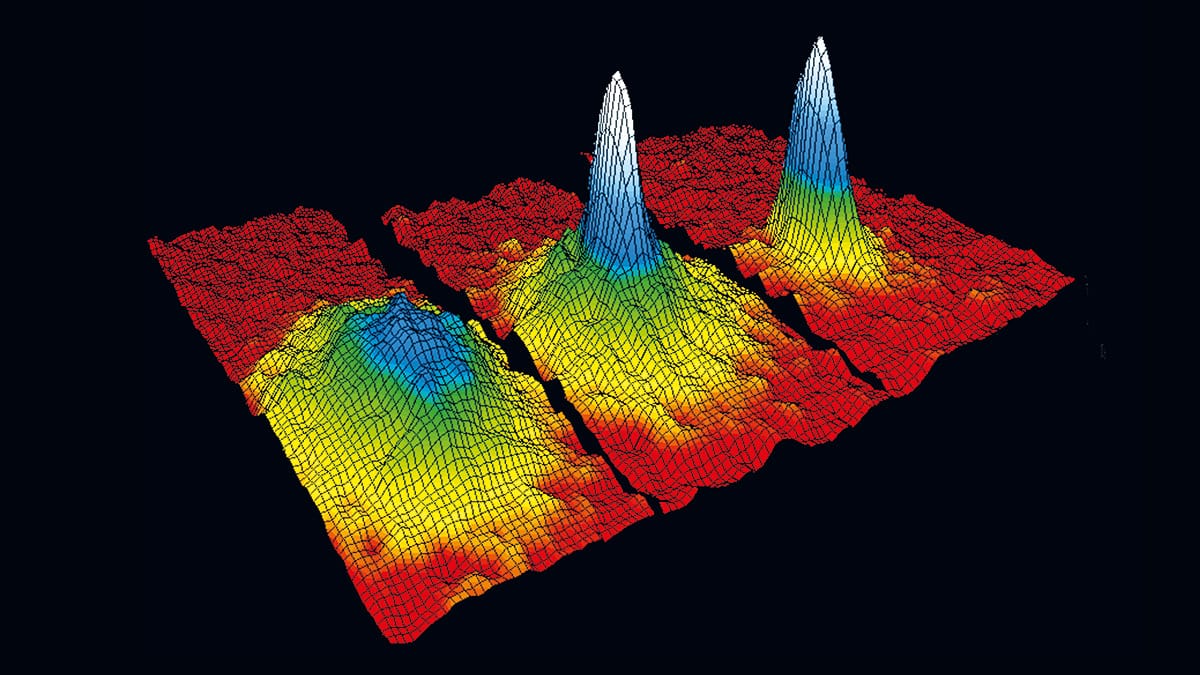
The coolest result In this now-iconic series of images taken in the summer of 1995, a Bose–Einstein condensate emerges from a cloud of cold rubidium atoms in Eric Cornell and Carl Wieman’s laboratory. The “spike” in the density of atoms at the centre of the cloud is a sign that many atoms there are occupying the same quantum state – the signature of Bose–Einstein condensation. (Courtesy: NIST/JILA/CU-Boulder)
A year later, a group of physicists showed that isotopes of hydrogen could be cooled to replicate BEC. In 1989, Cornell and Wieman settled on rubidium atoms because they would group faster than hydrogen. Sometimes referred to as “super atoms”, BEC occurs when the wave packets of individual particles overlap and become fully indistinguishable at low temperatures.
Wieman and Cornell described BEC as a “quantum identity crisis” that happens when the atoms clump together in the lowest possible state of the system. The intrigue of creating a giant wave packet is that BEC gives us a window to witness quantum behaviours on a macroscopic level.
The critical point
“The correspondence between Bose and Einstein,” Banerjee wrote in The Making of Modern Physics in Colonial India, “is a special moment in the history of science”. Bose did not come from out of the blue to contribute a piece to a growing jigsaw puzzle. By virtue of his working far from Europe in a colonized land, Banerjee argues, Bose was uniquely poised to facilitate change in Western thinking about quantum theory.
Bose’s work was not the first time that non-Western scientists had contributed key insights to European science. But his collaboration with Einstein illustrates a deeper point – namely how regional differences can give different senses of what’s important and what is not. As Banerjee puts it, Bose’s contribution illustrates the “locally rooted cosmopolitanism” of science.
Diversity in worldviews, not cultural conformity, holds the most powerful promise for progress in physics.
Robert P Crease (click link below for full bio) is a professor in the Department of Philosophy, Stony Brook University, US, where Gino Elia is a PhD student
Pain relief is usually achieved using over-the-counter painkillers such as paracetamol or anti-inflammatory drugs; more severe pain may require opioids, which can have side effects and lead to addiction. Researchers at Virginia Tech are investigating another approach to pain management that doesn’t use drugs at all, but instead targets a specific point in the brain with focused ultrasound.
The insula is a region in the brain associated with the perception of pain. Its location deep in the folds of the cerebral cortex, however, makes it hard to access. Low-intensity focused ultrasound (LIFU), in which ultrasound beams are converged to a tiny spot, could provide a way to target such deep structures non-invasively with high spatial resolution.
In a double-blind clinical study, led by Wynn Legon from the Fralin Biomedical Research Institute at VTC, the team examined whether using LIFU to non-surgically alter neuronal activity can reduce both the perception of pain and the body’s reaction to a painful stimulus, such as changes in heart rate.
“LIFU provides high spatial specificity combined with the ability to focus to varying depths,” Legon explains. “Thus, this provides access to several hard-to-target brain regions without surgery. It also has the benefit – as do all device-based options – of being non-addictive.”
Legon and colleagues studied 23 healthy volunteers, using the contact heat–evoked potential (CHEP) method to assess pain processing. CHEP works by delivering brief heat stimuli to the hand, to a level judged to be moderately painful (around five on a pain response scale of zero to nine). The heat stimulus generates a CHEP waveform, which can be measured via an electroencephalography (EEG) electrode on the scalp.
Each participant attended four sessions, the first comprising anatomical MRI and CT scanning plus baseline questionnaires. In the other three sessions, volunteers were subjected to 40 CHEP stimuli (300 ms each) during delivery of LIFU (for 1 s) to either the anterior insula (AI) or the posterior insula (PI), or an inert sham exposure.
The researchers used an ultrasound transducer coupled to the head with conventional gel to deliver focused ultrasound with millimetre resolution. They also employed a custom coupling puck designed using each individual’s MRI scans to place the focal spot exactly on the insular targets.
The main goal of the study, reported in the journal PAIN, was to determine whether LIFU to the AI or PI could inhibit pain, as rated by participants during each CHEP session. The researchers also used electrocardiography (ECG) to examine how LIFU affected heart rate and heart-rate variability, and assessed its impact on the CHEP waveform.
The team found that LIFU to both the AI and PI reduced pain ratings. Averaging responses to the 40 CHEP stimuli for each subject resulted in mean pain ratings of 3.03±1.42, 2.77±1.28 and 3.39±1.09 for AI, PI and sham exposure, respectively. The difference observed between PI and sham stimulation was statistically significant, while differences between AI and sham or AI and PI were not.
Legon notes that although this reduction of roughly three-quarters of a point on the pain scale may seem quite small, once this reaches a full point, it verges on being clinically meaningful. “It could make a significant difference in quality-of-life, or being able to manage chronic pain with over-the-counter medicines instead of prescription opioids,” he explains in a press statement.
To assess the impact of LIFU of the CHEP waveform, the researchers measured the peak-to-peak amplitude from the first large negative (N1) to the first large positive (P1) deflection in the EEG. The peak-to-peak amplitudes were 23.35±11.58, 22.90±12.35 and 27.79±10.78 mV for AI, PI and sham exposure, respectively. Analysis revealed a significant difference between sham and AI, and sham and PI, but not between AI and PI.
The team observed that delivering focused ultrasound to the AI or the PI impacted the CHEP trace in distinct ways. LIFU to the PI affected earlier EEG amplitudes, while LIFU to the AI affected later EEG amplitudes, implying that modulating the PI and the AI cause different physical effects.
Legon tells Physics World that, before this study, it was not possible to non-surgically investigate how different regions of the insula contribute to the pain experience or how nociceptive (pain-related) information is relayed from one area to the other. The millimetre resolution of LIFU, however, enables specific targeting of closely located regions to look for specific effects.
“Previous invasive depth-electrode recordings had demonstrated that nociceptive information was relayed in space and time from PI to AI,” he says. “Our results recapitulated this non-invasively, which is an important finding.”
LIFU did not affect participants’ mean heart rate during CHEP stimuli. The researchers did, however, see a significant difference in heart-rate variability between sham and AI exposure. LIFU to the AI increased heart-rate variability, which is associated with better overall health.
The team is now examining the delivery of LIFU to different brain areas as a potential pain therapeutic. “We do not yet know what dosing is appropriate or what specific parameters may lead to clinically meaningful results,” Legon explains. “Thus, we are beginning to test LIFU for pain relief in chronic pain populations. We are also investigating the utility of LIFU for other clinical indications such as anxiety and addiction.”
Companion study
In a separate investigation published in the Journal of Neuroscience, the Virginia Tech team examined the use of LIFU to non-invasively modulate the dorsal anterior cingulate cortex (dACC), a critical brain area for pain processing and autonomic function. The researchers studied 16 healthy volunteers, using the same CHEP procedure described above during application of LIFU or a sham exposure.
The study revealed that LIFU to the dACC reduces pain and alters autonomic responses to acute heat pain stimuli. Ultrasound exposure reduced pain ratings by 1.09±0.20 points relative to sham exposure. LIFU also increased heart rate variability and resulted in a 38.1% reduction in the P2 amplitude in the CHEP waveform.
Coke or Pepsi? Messi or Ronaldo? Taylor Swift or…well, without wanting to set the Swifties against Physics World, let’s just say there’s often a tribal element to who we support or the choices we make.
In the world of cosmology, one heated divide is whether you’re for dark matter or modified Newtonian dynamics (MOND). Both theories attempt to explain the discrepancies between the predicted gravitational effects in the universe and some of the actual observed motions of stars and galaxies.
In the latest episode of Physics World Stories, Andrew Glester speaks to two cosmologists on opposing sides of this debate. Stacy McGaugh from Case Western Reserve University in the US is a former dark-matter researcher who switched sides overnight after MOND successfully predicted the rotation velocities of stars in galaxies.
The other guest, Indranil Banik from the University of St Andrews in the UK, took the opposite journey. While working on a six-year project to measure MOND in wide binaries, he found no deviation from standard Newtonian gravity at all – a hammer blow for MOND. Now a dark matter advocate, Banik cites observations in our own solar system as further evidence against MOND. Naturally, others disagree.
The book Limits to Growth delivered a clear warning for our planet. Published way back in 1972 by Universe Books, it contained 12 scenarios for the world based on simulations carried out two years earlier by a group of scientists at the Massachusetts Institute of Technology (MIT) in the US. Despite selling millions of copies and being translated into 30 languages, the book was heavily criticized by industry leaders and economists for being unrealistic.
Their reaction was surprising given that the “do nothing” MIT simulation scenario – “business as usual” – envisaged global collapse through a depletion of resources, food shortages and industrial decline by 2050. This was a result of increasing ecological pressures that were predicted to begin in the early 2000s. As it turns out, that particular model is currently fitting the world’s current situation frighteningly well.
Many people think that clever advances in technology will save us from the looming catastrophe, where the climate is just the top of the iceberg (albeit deadly in itself). But my concern is that there is a naïve and dangerous overconfidence in technological solutions. Carbon capture and sequestration, for example, currently cannot capture even a fraction of what is needed each year to meet our climate targets.
The dream that “new technology” could save us from peril was another MIT simulation scenario carried out back in the early 1970s. Yet this scenario only extends global collapse by a few years. Merely progressing the “green industry” – the new favourite slogan of business and politicians – is unfortunately not enough.
In my view it is crazy to think that uncontrolled technological “development” and exploitation driven by unbridled, increasingly unequal, capitalism will save us. It is what has plunged us into today’s crisis in the first place. After all, if you are sitting on a tree branch that you are sawing off, and the ground underneath is burning, the solution is not to switch to a better saw – it is to stop sawing.
In any case, why should we rely on economists to put out the fire? I find it tragic that the world is governed exclusively by economists and is driven by economics, which is not a natural science, but just a human invention. There are physical limits to continuous economic expansion – a fact that most economists do not seem to understand. Seen from space, after all, it is obvious that the Earth is a small, isolated and vulnerable spaceship.
Yet some economists mistakenly talk about “decoupling” the economy from the real and strictly limited assets on Earth. Even pure “information” is physical and has limits. Just as the exponential growth of bacteria in a Petri dish dies off when nutrients and space run out, so there are non-negotiable limits to “growth” for humans on Earth.
Long-term view
The MIT scientists did find a simulation that offers a solution. Degrowth, or “stabilized Earth”, is the only route that does not lead to global collapse. The Iroquois people, an ancient Indigenous civilization, knew this. When important decisions had to be made, they thought about how it would affect several generations into the future. Today’s politicians, in contrast, usually have a time perspective of no more than four years (i.e up to the next election) while people in business and industry don’t look further than three months (to the next quarterly report).
Neither is nuclear power the answer. What moral right do we have to convert the small and non-sustainable amount of Earth’s uranium resource into long-lasting hazardous waste for just a few decades of electricity to provide “growth” for our generation? About as much as we had to burn up a large part of the planet’s fossil fuels in just over 100 years, which has now ended up in the atmosphere as carbon dioxide and disrupted the climate.
Nature does not care about our economic considerations and calculations when it decides how to exterminate humanity
Nature does not care about our economic considerations and calculations when it decides how to exterminate humanity. Economic growth was meant to help people, lifting them out of poverty. But today, humanity has instead become a slave to sacred growth figures – which has become a monster completely out of control. The economist Simon Kuznets, who coined the concept of gross domestic product in 1934, even warned against using such a crudely simplified concept as some kind of naïve numerical measure of welfare in an extremely complex world.
Role models like climate activist Greta Thunberg are trying to save those who, for some reason, have not yet understood how serious the situation actually is. To reach the climate pledge of limiting global warming below 1.5 °C, the use of fossil fuels must completely cease by 2035, with zero deforestation and a drastic reduction in other greenhouse gas emissions. Yet according to the International Energy Agency, about 80% of the world’s energy today still comes from fossil fuels.
One international organization that draws attention to the world’s environmental problems is the Global Footprint Network, which each year marks Earth Overshoot Day. This is the date on which humanity’s demand for ecological resources and services in that particular year exceeds what Earth can regenerate. In 2023 it fell on 2 August, meaning that for the rest of the year we effectively “stole” from future generations.
There is one option to reverse the current trend and that is to abide by Earth’s natural limits. Governments need to realize that rich countries must adapt their production and consumption to bring it below what is sustainable for the Earth-system as a whole. The only alternative to a planned and controlled downsizing is a forced and catastrophic global collapse.