ESTRO 2023, the annual meeting of European Society for Radiotherapy and Oncology, saw over 8000 delegates head to Vienna last week. And judging by the crowds on the exhibit floor, all were keen to check out the latest product developments, hear research updates at the exhibitor’s booths, or just join the long queue for GE Healthcare’s ice cream. Here are just a few of the products that caught my eye at this year’s trade show.
Heating up treatments
Hyperthermia, heating tumours to around 41–43°C, can enhance the effects of both chemo- and radiotherapy. Italian manufacturer Med-Logix has developed a dedicated deep hyperthermia system – the ALBA 4D – that uses a multibeam phased array of four waveguide antennas to precisely focus radiofrequency fields onto the tumour to raise its temperature.
The ALBA 4D can focus energy onto targets at any depth and location in the pelvis, abdomen and extremities. The system, which includes a robotic gantry for precise patient positioning, automatically tracks the temperature and location of the focal zone, heating the target in 5–10 min while avoiding overheating of healthy tissues.
Hyperthermia impacts radiotherapy via three mechanisms: inhibiting repair of DNA damage; reoxygenation via increased tissue perfusion; and direct cell killing. These effects can be used to create a higher equivalent radiation dose, or alternatively, to deliver a lower dose while maintaining the same tumour killing effect.
For use with radiotherapy, Med-Logix’s Sara Baghaei explained, the hyperthermia should be delivered within one hour of the radiation treatment. The ALBA system can also be employed to enhance chemotherapy, where it can be used simultaneously with drug delivery.
“The technology allows users to perform fast hyperthermia with high temperatures,” said Baghaei. “It’s like we are giving a higher dose of radiation without any extra toxicity.”
MRI coils made for radiotherapy
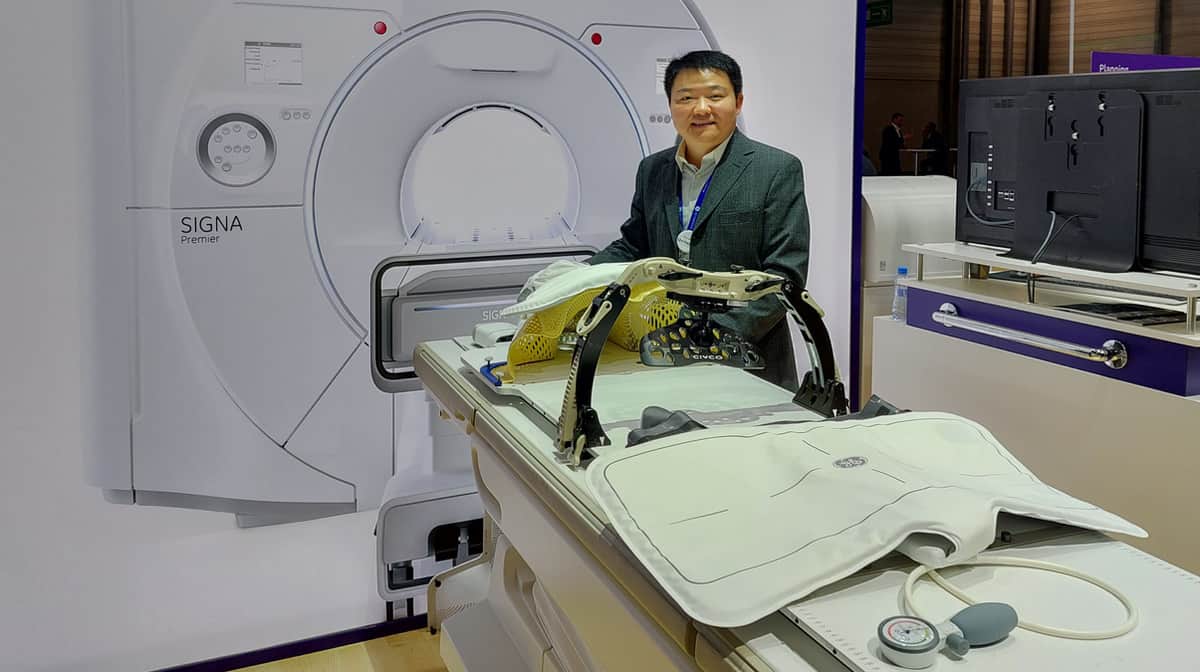
With researchers investigating the feasibility of MRI-only radiotherapy planning, GE Healthcare highlighted its AIR Coils – the first MRI coils designed specifically for radiation oncology patient scans. Available for brain, head-and-neck or body imaging, the AIR Coils are light, flexible and comfortable for the patient.
Designed with radiotherapy in mind Michael Mian demonstrates the head-and-neck and body AIR Coils.
According to GE HealthCare’s global product manager Michael Mian, one big advantage of the AIR Coils is that they do not require supports, which are usually placed between rigid MRI coils and the patient to avoid anatomy distortion during imaging.
“This opens up space for patient immobilization devices,” Mian explained. It also means that the coils can be placed closer to the patient, thereby improving the quality of the image. “For the first time, you can use the coil suite to deliver diagnostic image quality with the patient in the immobilization device,” he said.
The AIR Coils are also easy are to use, an important factor when bringing together radiology and radiation oncology departments that may be used to different patient set-up procedures. “The coil design is so simple, you don’t require extensive training to learn how to use it,” said Mian.
Enhancing target visibility
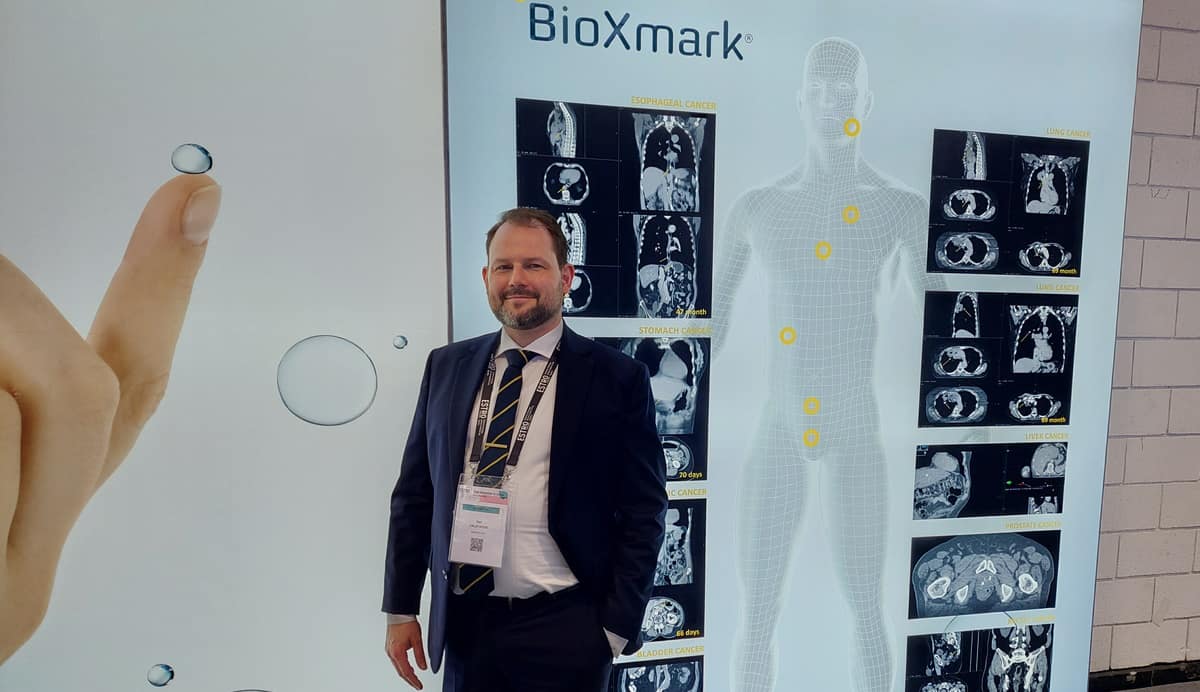
Danish medical device company Nanovi showcased BioXmark, its unique liquid fiducial marker. Fiducial markers, used as target reference points to guide radiation therapy and increase treatment accuracy, usually consist of small metal implants. BioXmark is different, consisting of a biocompatible long-chain carbohydrate containing iodine for contrast.
To create the fiducial marker, a small volume (around 80 µl) of BioXmark is injected into the body, where it changes viscosity from a liquid into a consistency similar to chewing gum. This soft marker can then be visualized on X-ray, CT or MRI scans for treatment planning, radiotherapy guidance or follow-up.
Once in place, the fiducial is highly stable, with studies revealing that it is still visible up to 69 months after implantation. “We have not seen it disappear yet,” said Nanovi’s Dan Calatayud. He noted that the liquid fiducial is easier to implant than metal markers, and that the team had demonstrated “significantly shorter implantation times”.
Soft, stable and visible Dan Calatayud explains the benefits of the BioXmark liquid fiducial marker.
The non-metallic composition of BioXmark leads to a low level of artefacts on X-ray based imaging; it also offers low dose perturbation when used with proton therapy. But BioXmark’s main advantage, said Calatayud, is that it can be used within thin-walled, hollow organs – such as the oesophagus, stomach and bladder, for example – where it is extremely difficult to implant a piece of metal. Currently, fiducial markers are only established in prostate and breast treatments.
“We want to open up the possibility of taking this precision into new indications,” he explained.
Surface-guided radiation therapy
Brainlab unveiled its ExacTrac Dynamic Surface system for radiotherapy patient positioning and monitoring. Surface-guided radiotherapy enables precise tracking of the patient’s surface and breathing motion. This in turn allows gating of the radiation beam so that the tumour is only irradiated when in the planned position.
The system is based around two 3D cameras housed in a centralized camera unit, which emit a structured blue light pattern on the patient surface. The cameras project 300,000 points onto the patient, these are then matched to a heat signal obtained by thermal camera within the same unit.
“The thermal signal gives an additional fourth dimension for extra precision,” explained Brainlab’s Carsten Sommerfeldt. He noted that with a three-camera positioning system, a moving gantry can often block one of the cameras. The single unit, however, is always in the line-of-sight to the patient and can constantly track the patient’s surface during beam delivery.
ExacTrac Dynamic Surface is designed to operate with Varian’s Edge and TrueBeam radiotherapy systems, as well as Elekta’s Versa HD.
Single unit solution Surface guided radiotherapy enables precise tracking of the patient’s motion.
A new study has confirmed that the predictions of climate-change models agree with observations of the atmosphere made at altitudes up to 50 km above Earth’s surface. The research focusses on an important “fingerprint” of human-driven climate change, whereby the lower part of the atmosphere gets hotter as carbon dioxide levels rise, whereas the upper part gets colder. The findings do not surprise experts in the field, but they provide further confirmation that climate change is caused by humans, as well as detailed information that can be used to refine future models.
Earth could not support life if atmospheric gases such as carbon dioxide and water vapour did not raise its black-body temperature by trapping infrared radiation, behaving much like greenhouse glass. The first concerns that fossil fuel-derived carbon dioxide might enhance this greenhouse effect came in 1896 from Svante Arrhenius (who would later win the 1903 Nobel Prize for Chemistry for unrelated work), but these were largely speculative.
In 1967, however, Syukuro Manabe at the Geophysical Fluid Dynamics Laboratory in Washington DC – who shared the 2021 Nobel Prize in Physics for his work on modelling global warming – used an early computer model to make concrete predictions about the effect of rising carbon dioxide levels.
Famous paper
“In a famous paper that was specifically called out by the Nobel Prize committee, he raised carbon dioxide levels from 150 to 300 to 600 parts per million, and he saw this very curious phenomenon in which the lower atmosphere – the troposphere – warmed, whereas the upper atmosphere – the stratosphere – cooled,” explains Benjamin Santer of Woods Hole Oceanographic Institution and University of California, Los Angeles. This is principally because most of the carbon dioxide remains in the troposphere and – wrapped in a thicker blanket – Earth radiates less heat into the stratosphere.
Data from weather balloons and, more recently, satellites showed warming in the troposphere and limited cooling in the lower stratosphere (above around 16 km). Most weather balloons burst above 25 km, however, and early satellite datasets diverged markedly. This made it difficult to compare models and observations above 25 km, where Manabe had predicted that cooling would be strongest. Now, however, agreement is better.
In the new work, Santer and colleagues around the world compared satellite observations from three groups made between 1986 and 2022 with state-of-the-art computational climate models, before using a “vertical fingerprinting” technique developed by Klaus Hasselmann – the founding director of the Max Planck Institute for Meteorology in Germany and one of Manabe’s co-recipients of the 2021 Physics Nobel Prize – to determine whether the data showed clear evidence of anthropogenic carbon dioxide emissions or whether they were consistent with other explanations.
Stronger signal
The higher-altitude data assisted the researchers not just because the signal is stronger at higher altitudes, but also because the noise from other sources such as sulfate emissions from coal burning and the dramatic effect of the eruption of Mount Pinatubo in 1991 becomes weaker. Moreover, ozone is a greenhouse gas, which has been drastically depleted in the lower stratosphere by CFCs. These were phased out by the Montreal protocol in 1987 and the ozone layer is now recovering. This can confound measurements in the lower stratosphere. “Above 25 km, though, you’re looking predominantly at human-caused carbon dioxide changes,” says Santer.
Including the higher-altitude data increased the signal-to-noise ratio by a factor of around five relative to previous studies, providing incontrovertible evidence of anthropogenic climate change. The effects appear smaller than current computer models predict, but even if the average warming trend was subtracted, a statistically significant signal could be detected from the difference between the temperatures of the two atmospheric layers. The research is described in Proceedings of the National Academy of Sciences.
“It’s a very nice paper, but I wasn’t surprised by the results,” says Keith Shine of the University of Reading in the UK; “If you go back 15 or 20 years you could separate models into those that simulated the troposphere well and those that simulated the stratosphere well. More recently models – particularly the ones used in this study – are more unified. It just reinforces what was already in the literature.” He suggests that future work could focus on separating out the contributions of different greenhouse gases, which are not treated separately in all the models available to the researchers.
Consilience of evidence
“In theory, someone could have done this detection and attribution study for at least the past decade, but this is the first study that’s really tried to look at it,” agrees Peter Thorne of Maynooth University in Ireland. “The more pieces of evidence you bring in, the more and more damning the evidence becomes. There have been detection and attribution studies on deep ocean heat content, on humidity, on a whole host of variables. So it’s really the consilience of evidence of who the perpetrator of the crime is. This is just one more indelible fingerprint that leaves you in no doubt whatsoever that humans are responsible.”
Researchers in Israel have uncovered the unique optical nanostructure that gives an ocean-going scavenger its brilliant white colouring. Using a range of imaging techniques, a team led by Benjamin Palmer at Ben-Gurion University of the Negev, Israel, showed that spherical particles in Pacific cleaner shrimp scatter incoming light in all directions, while avoiding any overlap in the scattering patterns they produce. The discovery could lead to new bio-inspired white pigments.
Many organisms have evolved the ability to manipulate light in unique and fascinating ways. Mimicking these mechanisms has led researchers to new designs for several optical devices, including lenses and mirrors. Structures such as butterfly wings and bird feathers have likewise inspired new coatings that produce vivid colours through the light scattered by their nanostructures.
So far, however, one colour has proven particularly challenging to produce via these structural means – that is, without relying on chemical pigments. “One of the most intriguing problems is the search for alternatives to the inorganic materials that give white paints and food colourings their whitish hues,” explains team member Dan Oron of the Weizmann Institute of Science. “This is because the inorganic material most commonly used in these products – nanocrystalline titania – is suspected as harmful.”
Overcoming optical crowding
The nub of the problem is that to generate white hues, photons of all optical wavelengths need to be scattered multiple times, such that they lose their directional information completely. For this to happen, the nanostructures responsible for scattering need to be packed very tightly. Such tight packing, however, creates the problem of “optical crowding”, where scattering patterns overlap – reducing the scattering structure’s overall reflectance.
Despite these challenges, one animal has proven that the complexities of optical crowding are not insurmountable. Inhabiting coral reefs across the tropics, the Pacific cleaner shrimp is easily recognized by the striking white colouring of its antennae, cuticle, tail, and jaw, which reflect up to 80% of incoming light.
Advanced imaging and simulation
In their study, Palmer and colleagues focused on nanostructures in the cleaner shrimp’s chromatophore cells, which are known to be responsible for their brilliant white hue. Using a combination of cryo-electron microscopy and optical imaging, they characterized the structure, organization and optical properties of the spherically-shaped particles that form the scattering layer within the cells. They also used numerical simulations of electromagnetic field propagation to understand the optical response of the scattering medium as a whole.
The team’s analysis revealed that these particles scatter light in many directions thanks to the unique structure and arrangement of the flat molecules that constitute their building-blocks. “The particles are liquid crystalline arrangements of these planar molecules,” Oron explains. “All these molecules are arranged such that their flat side is perpendicular to the sphere’s radius.”
Altogether, this structure significantly reduces the amount of material needed to make the shrimp’s antennae and bands appear white. This enables the cleaner shrimp’s chromatophore cells to eliminate the effects of optical crowding, while also scrambling the polarization of incident photons as they scatter from the particles – destroying their directional information. “In a sense, this optical anisotropy makes the ensemble of spheres scatter light as if they were made of a material with a higher refractive index than they really have,” Oron explains.
Safer white paints and food colourings
The results are a good example of how evolutionary solutions of organisms like the cleaner shrimp can inspire optimized technologies. By mimicking the shrimp’s mechanism for optical anisotropy, Palmer’s team hope that researchers in future studies could design advanced, ultra-white organic nanostructures that are safe for use in products like paint and food colouring.
“More generally, the findings point at the role that strong optical anisotropy can take as a design parameter in the construction of artificial optical devices, provided we can master the growth of similar crystalline arrangements of the right organic molecules,” Oron concludes.
Aiming high Freeman Dyson and his wife Imme Dyson, attending the launch of the Soyuz TMA-14 Spacecraft Mission at the Baikonur Cosmodrome in Kazakhstan in March 2009. (Photograph by George Dyson)
In the pantheon of famous physicists, the late Freeman Dyson holds a special place. Often described as a maverick, radical and pioneering scientist, Dyson made significant contributions to the foundations of modern physics. He spent vast swathes of his career on highly speculative projects across a wide range of fields, from space exploration to the origins of life. Despite having a lifelong distain for authority, Dyson found a place in the US military–industrial complex. He also wrote numerous popular books on science and left a noteworthy scientific legacy.
But given the multifaceted nature of Dyson’s life, Kaiser quickly realized just how challenging it would be for him to write such a biography on his own. Instead Kaiser gathered a team of 10 contributors and the result is the thoroughly entertaining and fascinating collection of essays titled “Well, Doc, You’re In”: Freeman Dyson’s Journey through the Universe. I cracked open the book just as I was jetting off on holiday and was instantly hooked. It is a genuine vacation read for those interested in the history of science and influential scientists, as Dyson worked with some of the best – and each contributing author paints a vivid picture of an aspect of Dyson’s life.
Young rebel
Dyson was born on 15 December 1923 in the southern English village of Crowthorne, Berkshire. His was a comfortable childhood – at least in terms of material needs. His mother had a law degree and worked as a social worker after Dyson was born. His father was a composer of some note and taught at the Royal College of Music and at Winchester College. Founded in 1382, Winchester is one of the country’s most prestigious private schools and Dyson himself would later be a pupil there.
A mathematical prodigy from an early age, Dyson once joked that he worked out the concept of the infinite mathematical series while lying in his crib. He was also a voracious reader, who developed a keen interest in science at a very young age. The science writer Amanda Gefter, who has contributed a chapter to “Well, Doc, You’re In” on Dyson’s formative years, says this love for science was fortified by the healthy disdain for authority that he developed early in life.
The problem for the young Dyson was that science was not taught at the preparatory school he attended before going to Winchester. In Britain, such “prep schools” are generally private institutions designed to prepare children for entry to elite secondary schools. But when Dyson was a child, a good education still focussed on classics with some mathematics, and science was seen as being too practical to be of use to the next generation of gentleman. Undeterred, Dyson and several of his classmates created a science society – a group that he later referred to as a persecuted minority. Club members read books on science and explained concepts to each other – lessons that Dyson felt could not be learned in the classroom.
He describes his time at prep school as the worst of his life – the regime was brutal and, to add insult to injury, the school where he boarded was only a short stroll from the family home. But the solace he found in science lit the spark of a remarkable career. “Science is a conspiracy of brains against ignorance, that science is a revenge against oppressors, that science is a territory of freedom and friendship in the midst of tyranny and hatred,” he later wrote.
Once Dyson arrived at Winchester in 1936, science was on the curriculum. But it was not taught well so Dyson was able to maintain his status as an outsider, despite being a star pupil. In 1941 he went on to study mathematics at the University of Cambridge, only to find the university emptied by the Second World War. He ended up graduating in just two years and would spend many nights clandestinely climbing the exteriors of the university’s ancient buildings with friends.
The war dominated the next phase of Dyson’s life, which is described in the chapter “Calculation and reckoning: navigating science, war, and guilt” by William Thomas, a science policy analyst from the American Institute of Physics. After leaving Cambridge, Dyson did operational research for the Royal Air Force Bomber Command, which Kaiser describes as “refined statistical analyses” looking for patterns that military commanders may have overlooked. Among other things, he calculated the probability with which bombers will collide with each other when they fly in a tight formation – a configuration that was known to make missions less susceptible to a successful enemy attack.
Given his disdain for authority, it is no surprise that Dyson decried the “muddle and mendacity” of Bomber Command. It is likely that Dyson was extremely frustrated that many of his findings were not acted upon, leading him to feel guilty that lives were lost despite his best efforts. Thomas suggests that this incompetence was a symptom of an important problem within the British establishment at the time – that it did not seem to value the nation’s scientists.
America bound
This disregard for science appears to be at the heart of Dyson’s decision to settle in the US – a country with a then booming economy that was embracing science and technology as engines of growth. This move is described in the chapter by Kaiser entitled “First apprentice”, which opens in post-war England with Dyson’s decision to switch from mathematics to physics.
According to Kaiser, Dyson had long been torn between mathematics and physics, and while still at Bomber Command had set himself the challenge of proving a conjecture of number theory. If he succeeded, he told himself he would become a mathematician; if he failed he would pursue a career in physics. Dyson failed and in 1946 returned to Cambridge to become a physicist.
It was the lack of a suitable doctoral adviser at Cambridge that also drove Dyson to the US, where he arrived in 1947 as a Commonwealth Fellow to do a PhD at Cornell University. His supervisor was the theoretical physicist Hans Bethe, who had left Germany in the mid-1930s because of Nazi persecution and worked on the development of nuclear weapons on the Manhattan Project.
Early days Freeman Dyson in August 1951, relaxing amid diapers for his firstborn child, Esther, in Zurich, Switzerland. In the autumn of that year, he moved back to the US, to take up a professorship at Cornell University. (Photograph by Verena Huber-Dyson, courtesy George Dyson)
Dyson spent a year at Cornell, and another at the Institute for Advanced Study (IAS) in Princeton, where he worked with its director Robert Oppenheimer on quantum electrodynamics (QED). He also collaborated closely with Richard Feynman, who was at Cornell at the time, and Dyson was an early user of Feynman’s famous diagrams. Indeed, Kaiser describes Feynman as Dyson’s “private tutor”. Dyson was assigned to improve on a “rough and ready” calculation that Bethe had published in 1947 concerning QED. He got stuck in and made short work of the pesky divergences that had plagued Bethe’s calculation. Dyson breathed new life into the field, which Kaiser says “had ground to a halt before Dyson arrived”.
Going into a sort of semi stupor as one does after 48 hours of bus riding, I began to think very hard about physics, and particularly about the rival radiation theories of [Julian] Schwinger and Feynman
Kaiser found that Dyson’s letters provide a crucial understanding of the thought processes that led to his epiphany in QED, which famously happened as he was on a long bus journey. He recounts how Dyson had a “flash of illumination on the Greyhound bus”, as he came up with the equivalence of the two competing formulations of QED. “On the third day of the journey a remarkable thing happened; going into a sort of semi stupor as one does after 48 hours of bus riding, I began to think very hard about physics, and particularly about the rival radiation theories of [Julian] Schwinger and Feynman,” Dyson wrote. “Gradually my thoughts grew more coherent, and before I knew where I was, I had solved the problem that had been in the back of my mind all this year, which was to prove the equivalence of the two theories. Moreover, since each of the two theories is superior in certain features, the proof of equivalence furnished a new form of the Schwinger theory that combines the advantages of both.” Despite claiming that this work was “neither difficult nor particularly clever”, Dyson says he “became quite excited over it when I reached Chicago and sent off a letter to Bethe announcing the triumph”.
After two years in the US, Dyson’s Commonwealth Scholarship required that he return to the UK, so he moved to the University of Birmingham in 1949. However, he did not last long there. Kaiser says that Dyson had found Cornell “alive with ideas” and that he travelled extensively while he was there – describing his journeys in “almost anthropological detail” in his letters to his family. It is perhaps no surprise that Dyson quickly found his way back to the US.
Lifelong professorship
By 1951 Feynman had moved from Cornell to the California Institute of Technology (Caltech) – and, according to Kaiser, Bethe convinced Cornell that Dyson was the only person who could replace Feynman. So Dyson was granted a Cornell professorship, despite having not finished his doctorate – something that Dyson relished for the rest of his life.
In 1952 Dyson moved again, accepting a lifelong professorship at the IAS, where he remained until his death nearly 70 years later. That long tenure is described in the chapter “A frog among birds” by Robbert Dijkgraaf, a mathematical physicist who ran the IAS from 2012 until he stepped down last year to become Minister of Education, Culture and Science of the Netherlands.
Dijkgraaf writes that Dyson’s arrival at the IAS corresponded to a growing rift between mathematics and theoretical physics. Theoretical physics was becoming increasingly messy as researchers pushed theories to breaking point in order to describe nature, while mathematics was becoming more abstract and rigorous. Dijkgraaf suggests that Dyson was happy to be part of both worlds. Dyson had said that “some mathematicians are birds and some are frogs”, meaning that some fly high and have an overview of their field while others are deep in the mire of a particular problem, solving it before moving on to another. Dyson saw himself as a frog, hopping from one intellectual pond to another.
Safe reactors and spaceships
Perhaps the most fascinating pond that Dyson swam in was that of the US’s burgeoning military–industrial complex. In the 1950s he joined the newly formed General Atomics and would spend his summers on leave from IAS working for the firm in California. According to Kaiser, General Atomics was formed to develop non-military uses of nuclear technologies, with Dyson “thrilled” to be able to apply his mathematical prowess to solve engineering problems.
Chain reaction Figures from US Patent no. 3,127,325 for the Training, Research, Isotopes, General Atomics (TRIGA) reactor, filed 9 May 1958 by Theodore Taylor, Andrew McReynolds, and Freeman Dyson. (Source: US Patent and Trademark Office)
In a chapter titled “Single stage to Saturn”, Dyson’s son George describes how his father’s first contribution was to help design a small, intrinsically safe fission reactor that would shut down quickly, without human or mechanical intervention. This became the Training, Research, Isotopes, General Atomics (TRIGA) reactor, which was an astonishing success – 66 were built around the world and some of them are still running today.
However, Dyson’s most intriguing project at General Atomics never got off the ground. This was Project Orion, which aimed to build a spaceship powered by successive nuclear explosions. According to George Dyson, Project Orion began in late 1957 as a response to the Soviet Union’s successful launch of the Sputnik satellite in October that year. His father took a year’s leave of absence from IAS to work on Project Orion, in part because he saw nuclear pulse propulsion as a viable way of exploring the solar system. Kaiser suggests that Dyson, like many of his generation, had childhood fantasies of space travel that were inspired by authors like Jules Verne.
The original plan was for a 4000 tonne spaceship – powered by 2600 nuclear bombs – that could deliver a 1600 tonne payload to Earth orbit. The idea was that a bomb would be detonated under the spaceship, sending it upwards. Before the spaceship had a chance to fall back, another bomb would be dropped from the spaceship and detonated – and so on. While such a scheme sounds astonishing today, Kaiser says that Dyson produced a large number of technical reports that evaluated the plan in terms of “real physics and real engineering”.
Wishful thinking Despite his ambition, Dyson’s plans for Project Orion – using nuclear pulse propulsion to get a spacecraft into orbit – never really took off. (Courtesy: MIT/Laurent Taudin; www.unsitesurinternet.fr)
The main question that Dyson and colleagues had to answer was could such a spaceship operate without blowing itself to smithereens? And if the structure of the ship could survive, how could the crew be protected from repeated blasts of radiation? That is where Dyson’s calculations came in. Dyson and his colleagues designed a system whereby a detonating bomb would vaporize a propellent material, blasting it upwards towards the spaceship in a relatively tight jet. When the material in the jet struck the bottom of the spaceship, it would create a plasma reaching temperatures hotter than the surface of the Sun.
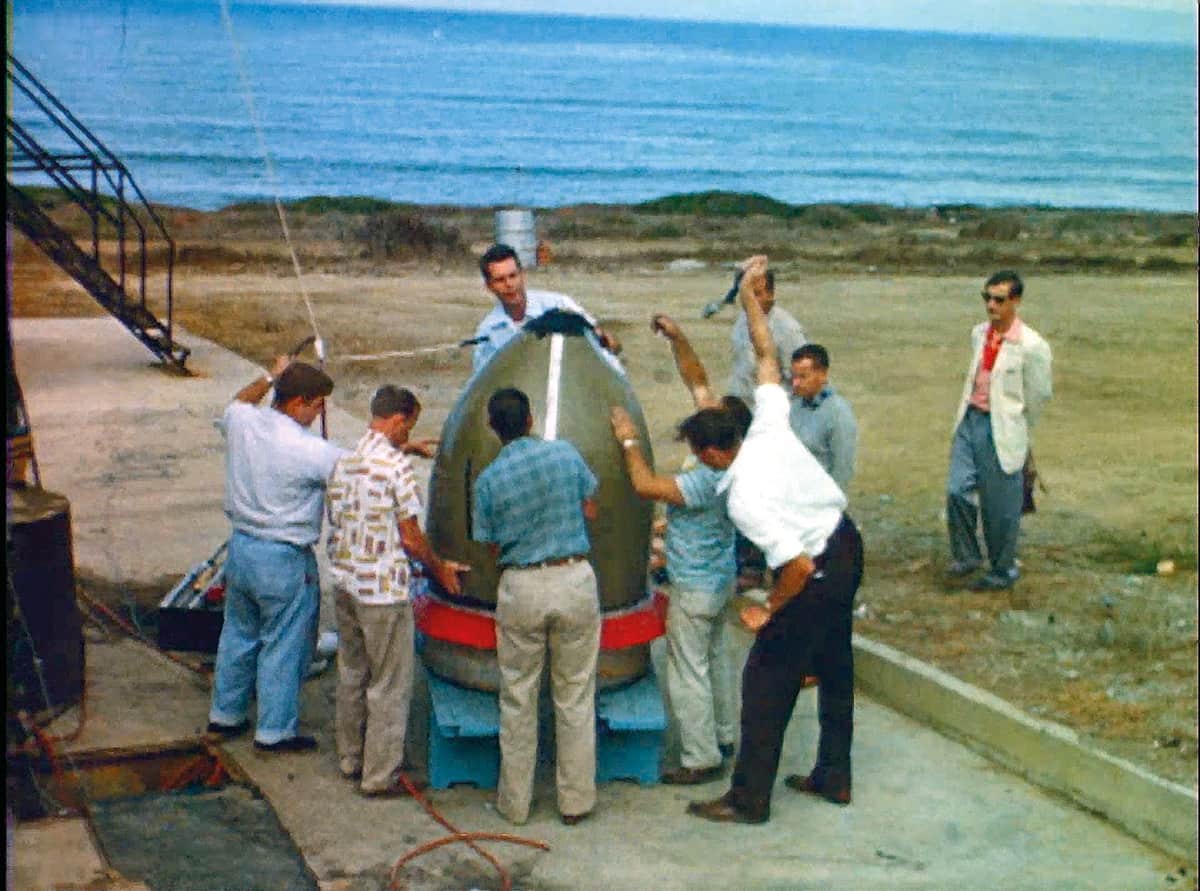
A crucial design consideration was the plate on the spacecraft that absorbs kinetic energy from the bombs. Would it withstand repeated assaults by the plasma? Another important question was how radiation in the jet would behave when it hit the plate – would it travel straight through, or be absorbed, or reflected? On both these matters, Dyson and colleagues were able to show that their design was sound. General Atomics even built a one-metre-diameter prototype that was tested using a conventional explosion in 1959.
Preventing stupid decisions
Despite their work, Project Orion was ultimately terminated in 1965, as several things conspired against it. One was the ascendency of the National Aeronautics and Space Administration (NASA), which was not interested in nuclear-powered space. The other was the 1963 nuclear test ban treaty, which made testing Project Orion impossible. As the science writer Ann Finkbeiner points out in her chapter “Dyson, warfare and the Jasons”, Dyson was initially against a test ban – probably because it would mean the end of progress on Project Orion. However, he changed his mind by 1963 and supported the ban because he realized that the rising number of tests being done was unsustainable.
The JASON defence-advisory panel consisted of a group of scientists that were assembled in about 1960 to provide scientific and technical advice to the US Department of Defense. Dyson joined at the very beginning and remained a member until his death. Initially, I found this surprising give Dyson’s damning verdict on how the RAF’s Bomber Command responded to the scientific advice it was given. However, Finkbeiner, who Kaiser describes as “the world expert” on the JASON panel, points out that Dyson’s Bomber Command experience galvanized him to make “a lifelong commitment” to help prevent military commanders from making stupid decisions with lethal consequences.
Crash and burn Dyson (right, holding briefcase) watches preparations for a tethered test for Project Orion,of a one-metre-diameter flying model propelled by high explosives at General Atomic’s Point Loma test site, summer 1959. (Source: photograph by Jaromir Astl, courtesy George Dyson)
Dyson worked on more than 200 studies during his six decades as an adviser on the panel. While most of his work remains classified, Finkbeiner says that a lot of it was related to test bans, missile defence and submarine warfare. One task that she says he revelled in was “lemon detection” – spotting bad ideas and stopping them from being acted on. A famous example is the “Neutrino Detection Primer”, a panel report that was handed to anyone who suggested that a nuclear-powered submarine could be detected by the copious neutrinos that its reactor emitted. Indeed, Dyson reckoned that the advisory group saved the US government hundreds of billions of dollars by helping it avoid such dud projects.
Dyson also had a great interest in the origins of life, as the chemist and science writer Ashutosh Jogalekar explains in his chapter “A warm little pond”, which discusses the “metabolism-first” hypothesis. Unlike the more familiar replicator-first hypotheses, which focus on understanding how molecules can create copies of themselves, metabolism-first looks at how networks of chemical reactions (such as those essential for life) can emerge and increase in complexity over time.
Like a true physicist, Dyson looked at the emergence of life as a phase transition between thermodynamic states – in this case a state he dubbed “Garden of Eden” and another that he called “hot sulphide soup”. According to Jogalekar, Dyson was an advocate of metabolism-first because it did not require the accuracy that self-replication would need. Ironic for a scientist famous for the mathematical accuracy of his work – perhaps Dyson realized that nature could never be as accurate as himself.
Extraterrestrial energy
No account of Dyson’s life would be complete without a chapter on what is perhaps his most famous notion – the Dyson sphere. This is described in a chapter called “Cosmic seer”, by astrobiologist and writer Caleb Scharf.
Dyson developed the idea of his sphere in 1960, as he pondered the evolution of a technologically advanced society. He reckoned that such a civilization’s energy consumption would grow until it outstripped the total stellar irradiance received by its planet. He therefore concluded that such a civilization would satisfy its appetite for energy by surrounding its star with a megastructure he dubbed a Dyson sphere. Dyson first wrote about the sphere in Science magazine in 1960, describing a hollow shell surrounding a star that would capture all of the star’s energy.
While the sphere was originally inspired by a 1937 science-fiction story that Dyson had read, the idea is taken very seriously by astronomers involved in the Search for Extraterrestrial Intelligence (SETI). As Dyson pointed out, the presence of a sphere would have a significant impact on the light we observe coming from a star – shifting its output into the infrared, which is something that could be observed from Earth.
A bright legacy Freeman Dyson surrounded by his six children and 16 grandchildren at his 90th birthday celebration at the Institute for Advanced Study in Princeton, New Jersey, in 2013. (Photograph by George Dyson)
For many people who look up to Dyson as a hero of science, there is one aspect of his life that is puzzling – his divergence from the scientific consensus on climate change. In 2006 Dyson published The Scientist as Rebel, in which his view of how humans should respond to global warming diverged from the scientific consensus. Kaiser addresses this thorny issue head on in his introduction. Kaiser told me that Dyson had engaged with the topic for 50 years and his position changed significantly over that time.
Dyson began work on climate change in the early 1970s, when he identified potential impacts of rising carbon dioxide levels and suggested solutions including tree planting and a modest carbon tax. He continued to engage with the topic until the 1990s, when he began to disagree with the growing emphasis on computer simulations and top-down government policies for reducing greenhouse-gas emissions. Fast forward to the 2000s and Kaiser says that Dyson had disengaged from doing climate science and was mainly commenting from the side-lines. This was when he started to say that concerns about global warming were “grossly exaggerated” and that the world’s citizenry have been deluded by climate-model experts.
Kaiser suggests that Dyson’s hostility stemmed from his view that our current response to climate change is nature-first rather than human-first. “He was to the end a techno-optimist who thought that human ingenuity will get us out of this,” Kaiser told me. He also says that Dyson did not correct the record when “flat out climate-change deniers” misrepresented his views.
While Dyson’s latter views on climate change seem unfortunate to people who otherwise have a great respect for him, Kaiser points out that Dyson was doing what he did best: challenging authority and championing a contrary view.
Researchers in Sweden have built a transistor out of a plank of wood by incorporating electrically conducting polymers throughout the material in a way that retains space for an ionically conductive electrolyte. The new technique makes it possible, in principle, to use wood as a template for numerous electronic components, though the Linköping University team acknowledge that wood-based devices cannot compete with traditional circuitry on speed or size.
Led by Isak Engquist of Linköping’s Laboratory for Organic Electronics, the researchers began by removing the lignin from a plank of balsa wood (chosen because it is grainless and evenly-structured) using a NaClO2 chemical and heat treatment. Since lignin typically constitutes 25% of wood, removing it creates considerable scope for incorporating new materials into the structure that remains.
The researchers then placed the delignified wood in a water-based dispersion of an electrically conducting polymer called poly(3,4-ethylenedioxythiophene)–polystyrene sulfonate, or PEDOT:PSS. Once this polymer diffuses into the wood, the previously insulating material becomes a conductor with an electrical conductivity of up to 69 siemens per metre – a phenomenon the researchers attribute to the formation of PEDOT:PSS microstructures inside the 3D wooden “scaffold”.
Next, Engquist and colleagues constructed a transistor using one piece of this treated balsa wood as a channel and additional pieces on either side to form a double transistor gate. They also soaked the interface between the gates and channel in an ion-conducting gel. In this arrangement, known as an organic electrochemical transistor (OECT), applying a voltage to the gate(s) triggers an electrochemical reaction in the channel that makes the PEDOT molecules non-conducting, and therefore switches the transistor off.
Transistor performance
Writing in PNAS, the researchers report that the new wooden transistor modulates electrical current in a 1-mm-thick transistor channel with an on/off ratio of 50. Compared to typical modern transistors, it operates with a considerable delay: switching the power on takes about five seconds, while switching off takes one second.
“Our wood transistor operates according to a different principle to conventional silicon transistors that switch using an electric field,” Engquist explains. “Compared to these transistors, it is really slow and bulky and we don’t expect it to ever compete with traditional microprocessors and circuits.”
The new device does respond well to gate voltage modulation, performing on a par with other OECTs in this respect. However, the researchers stress that they didn’t develop the wood transistor with any specific applications in mind. “We did it because we could,” Engquist says.
Things to do with a wooden transistor
When pressed, Engquist suggests that possible applications could include regulating electronic plants and any devices in which, for some reason, electrical functionality is needed inside wood.
“Since the channel of our transistor is so big, it could possibly tolerate higher currents than regular organic transistors,” he tells Physics World. “We could imagine, for example, regulating the current to/from future sensors, solar cells, displays or batteries incorporated into wood.”
The researchers are now exploring ways to improve the electric properties of their conductive wood. “We also hope to be able to create new devices together with our colleagues at the Laboratory of Organic Electronics, who are among the pioneers in the area of electronic plants.”
Extensive analysis of data gathered almost 20 years ago has led to a surprising discovery: that strange matter can be formed when a single photon is absorbed simultaneously by two quarks. The research was led by Lamiaa El Fassi at Mississippi State University and poses fundamental questions about the nature of the strong nuclear force.
Strange-matter particles called lambda baryons contain one each of an up, down, and strange quark. Their quark composition means that these particles are an especially appealing target for physicists studying the strong interaction – the fundamental force that binds quarks together.
Yet due to their fleeting lifetimes, lambda baryons cannot be observed directly. Instead, researchers can identify them by detecting their decay products. These are a pion, and either a proton or a neutron.
Exotic baryons
In 2004, experiments at the Continuous Electron Beam Accelerator Facility (CEBAF), part of Jefferson Lab in Virginia, aimed to gain a better understanding of these elusive particles. The accelerator produces a steady stream of energetic electrons, making it ideal for studying exotic baryons formed through a process called semi-inclusive deep-inelastic electron-nucleon scattering (SIDIS).
In this particular process, CEBAF’s electrons were scattered by protons and neutrons in targets made from deuterium, carbon, iron, and lead. “Because the proton or neutron is totally broken apart, there is little doubt that the electron interacts with the quark inside,” El Fassi explains.
Following this disintegration, the affected up or down quark – which interacts with a beam electron via a virtual photon – moves around briefly as a free particle, before binding together with other quarks it encounters to form a new hadron. In some exceptional cases, it may bind together with another up or down quark and a strange quark – forming a lambda baryon.
Decay products
In the CEBAF experiment, these particles could only be identified by a combination of their decay products and the scattered electrons. The challenges presented by such an indirect measurement have meant that conclusive results have been a long time coming. Yet after over a decade of thorough analysis, beginning when El Fassi was a postdoctoral researcher, she and her team have finally been able to observe lambda baryons in the collisions.
“These studies help build a story, analogous to a motion picture, of how the struck quark turns into hadrons,” El Fassi explains. “In a new paper [in Physical Review Letters], we report the first-ever observations of such a study for the lambda baryon in the forward and backward fragmentation regions.” These regions refer to the direction of motion of the detected proton or neutron following the lambda’s decay, relative to the incoming electron beam.
The team’s analysis unveiled an especially surprising outcome. Unlike when SIDIS produces lighter particles with longer lifetimes, CEBAF’s electrons did not seem to interact with single quarks in this case, but with a pair of quarks (called a diquark) – which goes on to bind with a strange quark.
Different mechanism
“This quark pairing suggests a different mechanism of production and interaction than the case of the single quark interaction,” Hafidi says.
Indeed, the implications of this discovery could be particularly striking for quantum chromodynamics (QCD), which is the theoretical framework describing the strong nuclear force.
“There is an unknown ingredient that we don’t understand,” says team member William Brooks at Federico Santa María Technical University in Chile. “This is extremely surprising, since the existing theory can describe essentially all other observations, but not this one. That means there is something new to learn, and at the moment, we have no clue what it could be.”
In the future, the team hopes that upcoming improvements to CEBAF and its detectors could bring them a step closer to answering these fundamental questions. As El Fassi explains, “any new measurement that will give novel information toward understanding the dynamics of strong interactions is very important”.
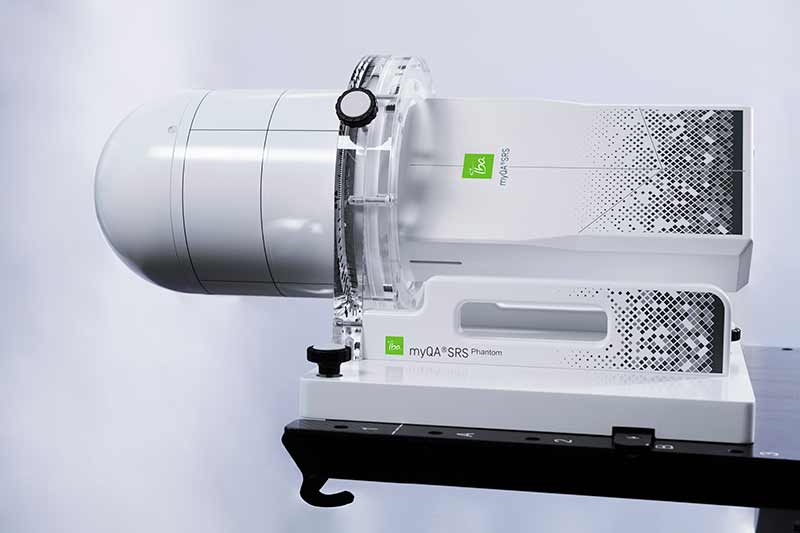
myQA® SRS is a unique solution providing film-class digital resolution for SRS/SBRT patient QA. myQA SRS combines the best of both worlds: unrivalled accuracy and film-class resolution of film QA, with the proven efficiency of the digital detector array workflow. Stephan Dröge, a chief medical physicist from DGD Lungenklinik Hemer, will share his clinical experience with myQA SRS and the benefits associated with its use for patient QA.
Benefits of attending:
Gain an overview of stereotactic patients treatment deliveries and QA methodologies
Learn about clinical SRS/SBRT cases
Explore CMOS technology
Understand the importance of the QA equipment specifications for the SRS/SBRT treatments
Stephan Dröge MSc, is chief medical physicist at DGD Lungenklinik Hemer, Germany, where he has been involved in the implementation of SBRT and SRS since 2001 and is a member of the German Working Group for SBRT and SRS Treatments. Stephan is co-author of the 2022 article, Planning Benchmark Study for Stereotactic Body Radiation Therapy of Liver Metastases that was published in International Journal of Radiation Oncology, Biology, Physics.
Australia has launched its first national quantum strategy with the aim of becoming a global player in quantum technologies by the end of the decade. Released by the Department of Industry, Science and Resources, the A$1bn initiative aims to boost Australia’s economy, protect the country’s national security and prevent a brain drain of top people heading abroad.
The strategy has five central “themes” to boost quantum technologies, including investing in research, securing access to infrastructure, and growing a skilled workforce. It also focuses on three main categories of quantum technology, namely computing, communication and sensing. Quantum sensors could, for example, be useful by Australia’s mining industry to locate mineral deposits.
The quantum strategy also aims to ensure the country does not lose out in the talent race. Australia already has a thriving quantum community, including four nation-wide quantum-focused research centres of excellence. Companies such as Microsoft have also poured millions of dollars into quantum engineering research at the University of Sydney, while several quantum startups have been founded, the oldest of which is cybersecurity firm QuintessenceLabs.
Australia now joins other leaders in quantum technology, including China, the EU, the UK and the US, in having its own formal quantum strategy. Australia’s Commonwealth Scientific and Industrial Research Organisation projects that the country’s quantum industry could be worth A$4.6bn by the end of the decade and may employ as many people by 2045 as the oil and gas sector does today.
“We are in the top handful of countries embarking on a quantumambition,” says Australia’s chief scientist, the physicist Cathy Foley. “But we have to act now, as there is intense global attention on the promise of quantum.” Foley believes the strategy will let Australia “grow a thriving deep‑tech industry, built out of co-ordinated, long‑term government investment and a critical mass of world‑class Australian‑trained quantum specialists”.
In our frenetic world of 24/7 news and algorithm-powered content jostling for our attention, there is something reassuring about the continuing popularity of books. Especially within the academic community, the book format continues to be deeply valued as a means of cutting through the noise and summarizing the latest thinking on a diverse range of topics.
Indeed, the IOP ebooks programme turns 10 this year and shows no sign of diminishing, having already surpassed 800 titles and more than 16 million chapter downloads. “The demise of the scholarly book is something that’s been predicted for several decades now because there are so many other competing sources of information out there,” says David McDade, head of IOP ebooks. “And yet, here we are in 2023, hundreds of authors want to write books for us, and those books are downloaded hundreds of thousands of times a year.”
McDade was speaking in a recent episode of the Physics World Weekly podcast, as both IOP ebooks and Physics World are both produced by IOP Publishing. He praised the tenacity of his colleagues in building the ebooks programme from the ground up during the last decade. Looking to the future, McDade would like to see ebooks incorporate more interactive features, while being careful not to lose the essence of what makes a book unique. He also considers how the open access movement is starting to shake up academic book publishing models.
Available in multiple digital formats and full colour print, IOP’s ebooks are primarily aimed at researchers and students in postgraduate courses. To date, more than 1500 authors have contributed to books, spanning 17 different subject areas – from quantum science to environment and energy, and even venturing into culture, history and society. Within the catalogue, the three main categories of book are: research and reference texts; course texts; and broad interest titles.
Evolving formats, human support
“The IOP’s profit model goes right back into science. So as a scientist, I think you can feel good about a book – which may or may not be a bestseller – but will be used for the right things,” says Lincoln Carr, a theoretical physicist at the Colorado School of Mines, US. Carr is an editor in a current IOP series in quantum technology and has been involved in the IOP ebooks programme since its inception.
Carr, who appears in the video at the top of this article (filmed at the APS March Meeting 2023) predicts there will always be a place for traditional printed books, but within academic publishing the ebook format will eventually take over completely. “It’s not going to be about having a beautiful book from the 1880s, or even 1960s. It’s going to be about having books that incorporate digital content, that one day work with VR and AR,” he says.
The film also includes a testimonial from José María De Teresa, editor of the 2020 IOP ebook Nanofabrication: Nanolithography techniques and their applications. “[Seeing the book published] was a great joy that I shared with my friends, my colleagues and my family because I thought that I was making an impact in the field,” says De Teresa, based at the Institute of Nanoscience and Materials of Aragon, Spain. “It was a pleasant collaboration, there was a fluent communication between the IOP office and myself.”
Visit the IOP ebooks website to learn about the process for becoming an author or for accessing the titles – as an individual or as an institution.
A major barrier to creating photonic time crystals in the lab has been overcome by a team of researchers in Finland, Germany and the US. Sergei Tretyakov at Aalto University and colleagues have shown how the time varying properties of these exotic materials can be realized far more easily in 2D than in 3D.
First proposed by Nobel laureate Frank Wilczek in 2012, time crystals are a unique and diverse family of artificial materials. You can read more about them and their broader implications for physics in this Physics World article by Philip Ball – but in a nutshell, they possess properties that vary periodically in time. This is unlike conventional crystals, which have properties that vary periodically in space.
In photonic time crystals (PhTCs), the varying properties are related to how the materials interacts with incident electromagnetic waves. “The unique characteristic of these materials is their ability to amplify incoming waves due to the non-conservation of wave energy within the photonic time crystals,” Tretyakov explains.
Momentum bandgaps
This property is a result of “momentum bandgaps” in PhTCs, in which photons within specific ranges of momenta are forbidden from propagating. Owing to their unique properties of PhTCs, the amplitudes of electromagnetic waves within these bandgaps grow exponentially over time. In contrast, the analogous frequency bandgaps which form in regular, spatial photonic crystals PhTCs, cause waves to attenuate over time.
PhTCs are now a popular subject of theoretical study. So far, calculations suggest that these time crystals possess a unique set of properties. These include exotic topological structures, and an ability to amplify radiation from free electrons and atoms.
In real experiments, however, it has proven very difficult to modulate the photonic properties of 3D PhTCs throughout their volume. Among the challenges include the creation of overly complex pumping networks – which themselves create parasitic interferences with electromagnetic waves propagating through the material.
Reduced dimensionality
In their study, Tretyakov’s team discovered a simple fix to this problem. “We have reduced the dimensionality of photonic time crystals from 3D to 2D, because it is much easier to construct 2D structures compared to 3D structures,” he explains.
Key to the success of the team’s approach lies within the unique physics of metasurfaces, which are materials made from 2D arrays of sub-wavelength sized structures. These structures can be tailored in size, shape, and arrangement in order to manipulate properties of incoming electromagnetic waves in highly-specific and useful ways.
After fabricating their new microwave metasurface design, the team showed that its momentum bandgap amplified microwaves exponentially.
These experiments clearly demonstrated that time-varying metasurfaces can preserve the key physical properties of 3D PhTCs, with one key additional benefit. “Our 2D version of photonic time crystals can provide amplification for both free-space waves and surface waves, while their 3D counterparts cannot amplify surface waves,” Tretyakov explains.
Technological applications
With their host of advantages over 3D time crystals, the researchers envisage a wide ray of potential technological applications for their design.
“In the future, our 2D photonic time crystals could be integrated into reconfigurable intelligent surfaces at microwave and millimetre wave frequencies, such as those in the upcoming 6G band,” Tretyakov says. “This could enhance wireless communication efficiency.”
While their metamaterial is designed specifically for manipulating microwaves, the researchers hope that further adjustments to their metasurface could extend its use to visible light. This would pave the way for the development of new advanced optical materials.
Looking further into the future, Tretyakov and colleagues suggest that 2D PhTCs could provide a convenient platform for creating the even more esoteric “space–time crystals”. These are hypothetical materials that would exhibit repeating patterns in time and space simultaneously.