Long-awaited magnetic interferometer might probe quantum gravity

An Israeli-led collaboration has used atom-chip technology to build a magnet-based interferometer. The collaboration’s research, which combines aspects of two famous physics experiments from the past, reveals that the division of particle spins into two populations – as observed by Otto Stern and Walther Gerlach a century ago – involves pure quantum states. In the future, the new interferometer could be used to investigate quantum gravity as well as theories about a possible fifth force of nature.

Physicists have been discussing the possibility of magnet-based interferometry ever since Stern and Gerlach carried out their pioneering work on quantized angular momentum in the early 1920s. Their so-called Stern-Gerlach experiment used a magnetic field gradient to vertically deflect a beam of silver atoms from a straight path. A screen placed behind the magnet revealed that the atoms arrived at two distinct locations rather than forming a continuous line as predicted in classical physics.

This result provided convincing evidence that the silver atoms possessed an intrinsic and quantized angular momentum (now termed “spin up” and “spin down”). However, it did not prove that the atoms were in pure quantum states and therefore able to follow both trajectories simultaneously. As Ron Folman of Israel’s Ben-Gurion University of the Negev points out, individual atoms could have followed either one trajectory or the other, rather than both at the same time.

Interferometry advantage

To show that massive particles can exist in a quantum superposition, researchers have instead turned to interferometry. The goal here is to position each particle, or matter wave, in two distinct locations simultaneously, then bring the two wave packets back together and measure their interference pattern.

Until now, most interferometers developed for this purpose have interfered matter waves using a mixture of optical and physical gratings. Such devices have yielded interference fringes from molecules containing up to several thousand atoms, but extending the technique to much larger objects could prove tricky – in part because of the need to make gratings with ever narrower line spacings.
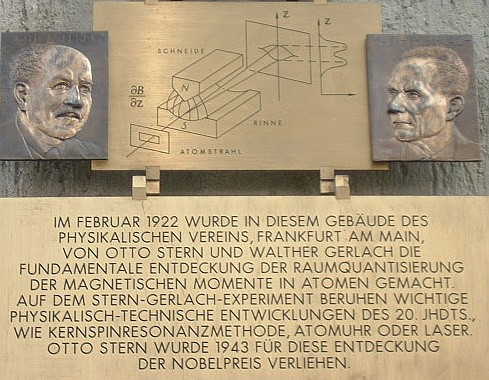
Photo of a plaque containing images of Otto Stern and Walther Gerlach and a diagram of their famous experiment

One promising alternative is to, in effect, combine the Stern-Gerlach experiment with the electron double-slit experiment by using magnetic fields not only to separate out the distinct wave packets, but also to bring them back together and interfere them. The presence of interference fringes would then prove there is a definite phase relation between the two wave packets, which is the hallmark of pure quantum states – just as an interference pattern appears in the double-slit experiment even when electrons pass through the slits one at a time.

Building such an interferometer has long been considered extremely challenging, given that both the position and momentum of the separated wave packets need to be restored with very high accuracy for fringes to form. But recent advances in atom chips have changed the outlook. These tiny electric circuits trap atoms, ions or molecules just above their surface, and make it possible to produce strong magnetic field gradients much more accurately than is possible using macroscopic coils.

A full loop

Folman and colleagues released individual atoms of rubidium-87 from a magnetic trap beneath an atom chip and used a radio-frequency pulse to place them in a superposition of two spin states. By sending pulses of current through the chip, they then exposed the free-falling atoms to four magnetic gradients in quick succession – splitting each atom’s wave packets along two paths, halting the wave packets’ relative movement, bringing them back together and finally halting them again.

As Folman explains, the free-falling configuration ensured the cleanest possible environment for the experiment. “The four operations are very delicate as the final two are supposed to exactly undo the action of the first two,” he says. “And if you want to perfectly close the loop, you don’t want any other fields – from the trap – to get in your way.”

In a previous study, the researchers observed interference using a simpler set-up known as a half-loop Stern-Gerlach interferometer, in which they separated the wave packets and then allowed them to expand over time until they overlapped. In contrast, the new “full-loop” interferometer actively brings the wave packets back together, and detects interference through variations in spin population rather than a spatial fringe pattern. The researchers say that this more complex technique should make it possible to observe the interference more quickly, and without the need for high-resolution imaging.

Towards a super-sized superposition

In a paper published in Science Advances, Folman and colleagues (including theorists in Germany, the Netherlands and the UK) describe how the complete interferometer might be used to study the superposition of much larger objects. In particular, they lay out the challenges involved in interfering the wave packets of a nanoscale piece of diamond containing about a million carbon atoms and a single nitrogen-vacancy spin embedded within them.

One especially difficult aspect of this problem, they write, will be to recombine the wave packets in a spot smaller than the coherence length of the nano-diamond “particle”. Although new cooling techniques could up the nano-diamond’s coherence length to about 0.1 nm, the overlap accuracy of their experiment was only 100nm. Nevertheless, they are optimistic that they can improve the accuracy by the necessary three orders of magnitude by driving the atom chip with more precise current pulses.

If they can do that – while also minimizing environmental decoherence from scattered light, blackbody radiation or the magnetic fields – Folman says their device “could probe quantum mechanics and gravity in new regimes”. For example, detecting entanglement between two such devices placed side-by-side could put theories of quantum gravity to the test. Measuring gravitational interactions at short range might also make it possible to test for a putative fifth force. What’s more, they add, interferometers with large masses covering wide areas might be sensitive to new types of gravitational waves.

Gavin Morley of Warwick University in the UK, who was not involved with the latest research, is also upbeat. He argues that the new interferometer is “clearly ahead of competing technologies” when it comes to possible tests of quantum gravity. However, he cautions that the necessary enhancement of gravitational interactions and shielding of the nitrogen-vacancy spin will require nano particles with several billion, rather than million, atoms. “Smaller diamonds could test objective collapse theories and short-range gravity,” he adds.

  • This article was amended on 8 June 2021 to include photos of the atom chip used in the experiment and a plaque commemorating the work of Stern and Gerlach.

WiFi signals used to power small electrical devices

Ambient WiFi signals can be used to power small electrical devices such as LEDs, researchers in Singapore and Japan have shown. Hyunsoo Yang at the National University of Singapore and colleagues have developed a new way of connecting tiny microwave oscillators, allowing them to charge a capacitor that can then drive devices such as remote sensors. The research could also lead to the development of circuits that mimic the nervous system.

WiFi is ubiquitous in buildings and a growing number of public spaces, which are awash with 2.4 GHz microwaves used to exchange data. While this provides Internet access for the masses, large amounts of microwave energy goes to waste.

Yang’s team propose that this energy could be harvested to provide a wireless power source for small electrical devices, which would operate without any need for batteries. Their idea is based around emerging devices called spin-torque oscillators (STOs). These are nanoscale devices that can create and detect microwave signals and are compatible with commercial semiconductor manufacturing. Today, however, the usefulness of STOs is limited by their low power output and broadband nature.

Synchronized operation

These shortcomings can be overcome by synchronizing the outputs of multiple STOs. One way of doing this is to put the STOs microns apart, but this is unsuitable for efficient on-chip systems and does not work well for WiFi signals. Another possible solution is to couple the STOs using radio-frequency electrical signals, which is what Yang and colleagues have done.

When a configuration of eight STOs were connected in series, the team found that they could convert WiFi signals they received into a direct-current voltage that could charge a capacitor. They found that charging the capacitor for 5 s stored enough energy to power a 1.6-volt LED for 1 min.

The team also looked at how synchronization improved the STOs ability to broadcast gigahertz microwave signals and found that a parallel configuration is better suited for this application.

In future research, Yang’s team aim to upscale their energy harvesting techniques by increasing the numbers of STOs in their arrays, while also using them to charge other electrical devices and sensors. By working with industry partners, they hope to pave the way for every day, battery-free electronics, suitable for integration into networks of smart devices comprising the Internet of Things. Other possible applications for synchronized STOs include high-speed neuromorphic computing systems, which process information by mimicking biological nervous systems.

The research is described in Nature Communications.

Mastering the manufacture of microLED displays

The chances are that when you watch a film, check your e-mail or surf the web, you’ll be staring at a screen populated with liquid crystals and backlit with LEDs. It’s a combination that has much merit: manufacturing costs are low, the picture is pretty good, and the display is relatively thin and lightweight – nothing like that associated with the cathode-ray tubes of yesteryear. But contrast ratios could be far higher, as could efficiencies, which would lengthen the battery life of portable devices.

Promising to address both these weaknesses is an emerging class of display that employs direct emission from red, green and blue LEDs. It is a technology that has existed for many years in magnified form, in the screens that adorn sporting stadia and a handful of prominent buildings in big cities. However, the construction of these large screens is time-consuming and costly, requiring millions of LEDs to be carefully positioned at precise locations. If this form of display is to be scaled down in size and up in volume, a new production approach will be needed to create screens based on direct-emitting microLEDs for TVs, laptops, smartphones and virtual-reality headsets. 

A contender for this task is the massively parallel transfer printing technique pioneered by John Rodger’s team at the University of Illinois, Urbana-Champaign. This approach uses a stamp to pick up many microLEDs simultaneously from the wafer on which they were formed, and transfer them to a backplane, sometimes via an intermediary carrier. During this process, engineers can control the distance between each of the clusters of red, green and blue microLEDs that form a colour pixel. This degree of freedom is welcome when making large screens, such as those in supersize TVs, where it is folly to have colour pixels very close together – the benefits of such a high resolution would be wasted on the viewer, while the bill-of-materials would soar.

Right now, much effort within the nascent microLED display industry is directed at accelerating the throughput of this parallel transfer process. Today, a good ball-park for pick-and-place is 50,000 devices per hour. Cutting-edge developers, such as Samsung, may be faster. But given that an ultrahigh-definition display requires 25 million microLEDs, it takes many hours to construct a display via this approach. 

Maybe, even with substantial improvement, it will never be possible to produce a mass-market display with a pick-and-place approach. That’s the view of Paul Schuele, CTO of US display developer eLux. “I just don’t believe it’s going to be economically feasible, apart from for show projects,” he argues. 

Microfluidic mass transfer

Championing one of a handful of technologies to overcome this barrier, Schuele and co-workers have developed a microfluidic process with unprecedented throughput that’s capable of placing up to 50 million microLEDs per hour. Production begins by forming batches of a novel form of LED with a circular base and a post, before suspending them in their millions in solution. This suspension is cast over the surface of a display backplane populated with an array of circular holes, each located above an accompanying thin-film transistor. MicroLEDs that fall into the holes post-up are trapped, while those that enter post-down are unstable, soon to be dislodged by the forces of the fluid (figure 1). Once displaced, those microLEDs move on. It’s not long before they are permanently trapped post-up at another site, helping to fill up all the holes in the backplane. Electrical connections are then added to every microLED, using a low-temperature anneal to unite the solder on the backplane with that on a pair of contact rings on the device. Once this connection is in place, the thin-film transistor under every microLED controls its emission.

1 Go with the flow

Diagram of microLED displays created by casting a solution of microLEDs over a backplane, where they are propelled by the moving fluid

eLux produces microLED displays by casting a solution of microLEDs over a backplane, where they are propelled by the moving fluid. If they enter a well post-up, they are trapped; if they enter post-down, fluid forces dislodge them.

This stochastic process for populating the holes cannot, on its own, produce a colour display. To form such a display, after filling holes with blue LEDs, the red and green components for every pixel are created by adding a colour-converting medium. Quantum dots are used for this task, rather than conventional phosphors, which Schuele describes as “big grains that are nasty to deal with”. While it is possible to reduce the size of the grains, this comes at the expense of efficiency.

To simplify their display architecture, Schuele and co-workers are developing a new process that avoids the use of quantum dots, by employing direct-emitting red, green and blue LEDs. One of the challenges with this is that the red LEDs, made on gallium-arsenide substrates, are not as amenable as their blue and green cousins, grown on sapphire, to the separation of the device from its substrate. While laser-lift off can extract blue and green emitters from sapphire, red microLEDs require etching to remove their substrate. This is not easy.

Another challenge facing the makers of high-quality displays comes from the incredible sensitivity of the eye to imperfections. Commercial success hinges on eradicating defects, which, for eLux, come in three forms: an absence of microLEDs, microLEDs that are plagued by a short, and those with insufficient brightness. 

eLux microLED display

Helping to address any absence of devices is a built-in redundancy, accomplished by using each transistor to drive two microLEDs in parallel. With this configuration, if one microLED is missing, it’s not an issue – there is a doubling of the current through the other microLED that masks the absence of its sibling. Unfortunately, this is not a fix for spots on the backplane where there are no microLEDs. “You can repair with pick-and-place, but my personal belief is that it is not economically viable,” says Schuele, who instead suggests a touch-up process, in which microLED solution is locally dispensed over the region with missing LEDs.

Schuele views shorts as a bigger issue, because they defeat redundancy. After identifying these renegades with thermal imaging, they can be repaired, but this is an expensive solution. So eLux prefers to identify the shorted LEDs on the device wafer and reject them. 

To address the third issue – LEDs that are weak emitters – engineers screen device wafers and eliminate regions with insufficient efficiency. One powerful way to do this is to scan a focused laser beam across the wafer and record the intensity of the light emitted by the structure. Lower values expose weak LEDs. 

Going forward, eLux may look to expand the range of sizes of its microLEDs. Today’s production process accommodates devices with diameters from about 150 μm to just 17 μm. Smaller sizes enable a higher pixel density and superior resolution. The current range is well suited to making TV displays, while the smaller sizes, which can easily realize a density of 300 pixels per inch, are also ideal for automotive and military displays where reliability and brightness are major assets. These microLEDs, however, are not nearly small enough for a virtual-reality headset. 

The silicon solution

For that application, pixels must be no more than 5 μm in size and packed close together. It’s a pair of requirements fulfilled by another alternative to pick-and-place, being pursued by Plessey, a UK firm with a rich history in producing gallium nitride (GaN)-on-silicon LEDs.

Plessey’s production process begins by growing the layers of a GaN LED on a silicon wafer. This wafer is processed to define pixels separated by blocking material, which provides electrical and optical isolation. Bonding this processed wafer to a silicon backplane creates a display, before the growth substrate for the LEDs is removed to increase light extraction.

Using this approach, Plessey forms red, green and blue single-colour displays. Those emitting in the blue and green are made from direct-emitting LEDs – the green variant is less efficient, but this is offset by the eye’s superior sensitivity in this spectral domain – whilst that in the red uses blue LEDs to pump red-emitting quantum dots, due to difficulties in creating GaN LEDs that emit red light. 

The other option for the red LED is the traditional phosphide-based emitter. But this would be incredibly challenging to produce on silicon. And, according to company CEO Keith Strickland, even if successful, such effort would offer dubious reward, due to the temperature instability of this form of LED. “I’ve seen degradation on phosphide materials of 40–50% as you go up a few tens of degrees or so,” he notes. In comparison, the decline in performance of GaN-based LEDs is around just 10%, leading to improved colour stability for the display. 

Customers purchasing Plessey’s single-colour red, green and blue displays can form a full-colour display by combining their output with an X-prism. It’s an approach with pros and cons: it realizes a higher resolution compared with displays that have coloured pixels side by side; but it adds weight and bulkiness. 

A person swimming under water in a pool with number projected into the water from an LED display

Plessey is working towards a single-wafer solution, which requires red, green and blue LEDs to be grown in a single stack. That’s not easy, as different temperatures are needed for different emission wavelengths, and higher temperatures threaten to wreak havoc on deposited structures. However, progress has been made, with blue and green pixels produced on the same wafer. The company has also made strides at longer wavelengths, realizing a red-emitting GaN-based LED, a notoriously challenging device to produce. 

To gain traction in the display industry, Plessey began by marketing its technology for assisted-reality displays, such as scuba-diving masks incorporating a dive computer, swimming googles with a lap clock and gun-scopes featuring a range finder. The publicity generated by this raised the company’s profile, and may well have played a key role in helping it to clinch a deal with Facebook, signed last March. Plessey’s technology is seen as a great fit for Facebook’s augmented-reality and virtual-reality products, such as its Oculus Quest headsets. 

With such big names investing in microLED displays, the future is very bright for this technology. The approaches of eLux and Plessey clearly have much promise, giving them a great chance of competing against pick-and-place technologies and other rival approaches in a growing market that could be worth billions of dollars by the middle of this decade.

Atomic-scale gyroscope uses diamond defects

Researchers in Russia have built a highly accurate, atomic-scale gyroscope that detects rotation through changes in the coupled spins of electrons and nitrogen nuclei. Led by Alexey Akimov at the Lebedev Physical Institute in Moscow, the team created its device by exploiting defects in the atomic structure of diamond. The approach could enable tiny gyroscopes to be integrated onto inexpensive microchips that could be used on lightweight aerial vehicles.

Within a traditional gyroscope, conservation of angular momentum ensures that the rotational axis of a spinning disk remains fixed even as its casing rotates. As a result, a gyroscope can be used to detect rotation, which makes useful for navigation.

On a much smaller scale, electrons and some atoms and nuclei have intrinsic angular momenta called spin. It is therefore possible to detect rotation by measuring transitions in the quantum spin states of these particles. Previously, this has been attempted using trapped atomic gases – but because such atoms can drift and collide with their surrounding walls, these measurements have been unreliable.

Focus on nuclear spins

Instead of using drifting atoms, Akimov’s team used nitrogen vacancy (NV) centres in diamond. These occur when two adjacent carbon atoms in a diamond lattice are replaced with a nitrogen atom and a lattice vacancy. An NV centre has both nuclear and electronic spins, but unlike atoms in a gas it cannot move. An important feature of an NV centre is that the spin state of the electron can be read-out by shining light on it, which causes it to emit distinctive light of its own.

Previously, electron spins in NV centres have been used to detect extremely rapid rotation. In this latest experiment, however, the focus was on the nuclear spins, which are much less susceptible to noise and therefore more suitable for detecting much slower rotations.

Diamond wafer

The team’s set-up comprised an ensemble of NV centres within a thin diamond wafer that was placed rotating platform. Using an applied magnetic field along with laser, microwave and radio-frequency pulses, the team set the nuclear spins to all point in the same direction.

The diamond then rotated slowly for 2 ms, after which the researchers coupled the nuclear and electronic spins. This allowed them to measure the orientations of the nuclear spins. They then used this information to determine the platform’s rotational speed with no stationary reference required.

The team says that the performance of the new device is on par with commercially available gyroscopes based on microelectromechanical (MEMs) systems. These use vibrating, rather than rotating, masses but suffer from a lack of long-term stability. Akimov and colleagues say that their diamond-based system could be readily integrated into existing microchips and could be used to improve the navigational abilities of lightweight aerial vehicles, including unmanned drones.

The gyroscope is described in Physical Review Letters.

Why we need to stop gaslighting minority physics students

As a PhD student and teaching assistant at the University of Waterloo in the late 2000s, I was asked to proctor a final exam in first-year mechanics that was being taken by a diverse student group. During the test, nearly every question from the students was about a problem that required knowledge of “football”. We were in Canada, and the exam did not specify whether it was referring to American football or what we Americans call soccer.

The problem with this question was not just that students wasted valuable time by not knowing the cultural vocabulary, but that it signalled to them that they were cultural outsiders. At Waterloo – a comprehensive university with a strong reputation in science, mathematics and engineering – I was part of a large international student population that was primarily from Asia and the Caribbean, but the exam was clearly written with North Americans in mind.

Culturally embedded assumptions about who is normal and what is intuitive can affect our scientific pathways

I often think of this experience during conversations about “impostor syndrome”, a phenomenon wherein people believe that they have only succeeded due to chance or luck, rather than competence and hard work. I have noticed in the last 10 years that it has become increasingly popular in the US to lecture to students and other junior researchers from under-represented groups – particularly white women and people of colour – about their imposter syndrome and what to do about it.

Impostor syndrome has entered the popular imagination as one of the reasons “we” have an equity, diversity and inclusion problem in science. Marginalized students are now coached by their instructors and universities to believe that how they feel is an individual psychological problem tied to a low sense of self-confidence. This is a troubling, though not surprising, turn toward individualizing what is a structural problem. If the students have developed a sense that they don’t belong, it might be because they have excellent observational skills: they have noticed that the world of physics was not built for them.

Of course, I do not mean that we are outsiders to the universe itself. Those of us from communities that have been marginalized in physics are a naturally occurring phenomenon, just like the stars and supernovae whose by-products make us possible. Where we are outsiders is in the community that has been set up to systematically study the universe through the language of mathematics and the scientific method. Traditionally, physics has been almost exclusively the purview of men who fit what Imani Perry, in her book Vexy Thing: On Gender and Liberation, calls “the ideal patriarch”. This is a person who is traditionally not a woman and not a “savage” person from the global non-white majority.

In her poem A Litany for Survival, Audre Lorde wrote that “We were never meant to survive.” I think this is the line that captures what many of us feel when we are in a room with someone telling us “It’s impostor syndrome.” We know that we are not ideal patriarchs. We know that the set-up of white supremacy is that we were not supposed to survive slavery, colonialism and patriarchy with our sense of humanity intact. We are certainly not supposed to feel just as entitled as white men to see ourselves as intellectuals who can solve the universe’s mysteries. If you are feeling locked out or like you don’t belong, there may be nothing wrong with your perspective: it might be true.

Culturally bound

The original definition of impostor syndrome defines those who suffer from it as people who believe they have got where they are simply through luck, and that they are constantly at risk of people finding out that they have not earned their success. Of course, if we are constantly told that people like us are less likely to be competent, it is completely natural to wonder how we happened to get through the door. The resulting individual crisis of confidence is a structural imposition. Our intuition about ourselves and the world around us is contextualized by culture.

In other words, culturally embedded assumptions about who is normal and what is intuitive can affect our scientific pathways. It is impossible to count the number of times my undergraduate instructors in physics appealed to my sense of intuition, either to highlight concepts that should be “easy” for students to grasp or to explain why a concept is difficult to grasp. Typically, this breakdown was along the lines of classical mechanics versus quantum mechanics. Blocks sliding down inclines were intuitive; wave–particle duality is definitively not.

The fundamental problem with this assertion was highlighted by British–Iraqi Muslim drag queen and memoirist Amrou Al-Kadhi in a recent Channel 4 (UK) interview. Referring specifically to the fact of wave–particle duality in quantum mechanics and explaining the double-slit experiment, Al-Kadhi quipped that “Particles themselves are non-binary.” The comment was a revelation because I realized that scientists who rely on quantum mechanics but object to respecting trans identities are particularly hypocritical, and also that wave–particle duality is potentially fairly intuitive for non-binary people.

I understood the potential in being more open about how intuition is social and culturally bound. It may be that our different perspectives on what seems natural can play a key role not just in teaching and learning physics but also pushing the boundary of what we do and do not know about the universe. The so-called “outsider” perspective that makes us feel like impostors and question whether we fit may in fact be the thing that makes us fit – according to a different, better set of standards.

Diagnostic AI algorithm focuses on privacy protection

Artificial intelligence (AI) techniques are increasingly employed for biomedical data analysis, for applications such as helping clinicians detect cancers in medical images, for example. AI models require large and diverse training datasets, most commonly anonymized or pseudonymized patient data, which are sent to the clinics where the algorithm is being trained. Current anonymization processes, however, provide insufficient protection against re-identification attacks. What’s needed is an improved way to preserve the privacy of sensitive data.

One option is federated learning (FL), a computation technique in which the machine-learning models are distributed to the data owners for decentralized training, rather than centrally aggregating datasets. To truly preserve privacy, however, FL must be augmented by additional privacy-enhancing techniques.

With this aim, a team headed up at Technical University of Munich (TUM) has developed PriMIA (privacy-preserving medical image analysis), an open-source software framework that combines several data-protection processes to provide end-to-end privacy-preserving deep learning on multi-institutional medical imaging data.

“To keep patient data safe, it should never leave the clinic where it is collected,” emphasizes project leader and first author Georgios Kaissis in a press statement. Kaissis and collaborators, also from OpenMined and Imperial College London, publish their findings in Nature Machine Intelligence.

Decentralized training

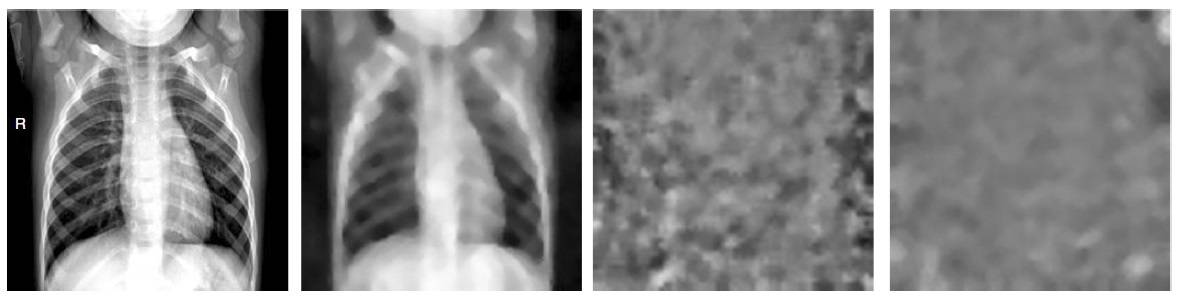
The team tested PriMIA in a real-life case study in which a deep convolutional neural network (CNN) was employed to classify paediatric chest X-rays as either normal, viral pneumonia or bacterial pneumonia. To train the CNN model, a central server sends the untrained model to three data owners (hospitals). The models are trained in the hospitals using local data, so that the data owners do not have to share their data.

Intermittently during training, secure multi-party computation (SMPC) is used to securely aggregate the network weight updates; and then the updated model is redistributed for another round of training. This SMPC protocol guarantees that the individual models cannot be exposed by other participants and acts as a protection against “stealing” the model. PriMIA also implements differential privacy (DP) to prevent privacy loss of individual patients in the datasets. The training concludes with all participants holding a copy of the fully trained final model.

The researchers examined the computational and classification performance of FL models trained with and without the privacy-enhancing techniques. They compared these against a model trained centrally on the entire pooled dataset (a centralized data sharing scenario) and personalized models trained on individual hospital’s data.

The FL model trained with neither secure aggregation nor DP performed best, demonstrating equivalent classification performance to the centrally trained model. Adding secure aggregation only slightly reduced this performance. Both of these models significantly outperformed two expert radiologists. The DP training procedure significantly reduced the model’s performance, although it still performed similarly to the human observers. The team cites “methods to improve the training of DP models” as a promising direction for future research.

The personalized models showed drastically diminished performance. This highlights the fact that including larger quantities of more diverse training data from multiple sources, enabled through FL, can lead to models with better classification performance.

Privacy attacks

The researchers also evaluated the framework’s resilience to gradient-based model inversion attacks that aim to reconstruct features or entire dataset records (chest radiographs in this case) and threaten patient privacy. Attacks on the centrally trained model could reconstruct similar radiographs to the original. However, attacks against the FL model trained with secure aggregation or DP were unsuccessful and could not reconstruct any usable data.

Data protection

The researchers note that PriMIA is highly adaptable to a variety of medical imaging analyses. To demonstrate this, they present a supplementary case study focused on liver segmentation in abdominal CT scans. They are convinced that the technology, by safeguarding the private sphere of patients, can make an important contribution to the advancement of digital medicine.

“To train good AI algorithms, we need good data,” says Kaissis. “And we can only obtain these data by properly protecting patient privacy,” adds co-author Daniel Rueckert.

Quantum algorithm provides new approach to NP-hard problem

Imagine a parallel universe where physicists are remunerated so handsomely that they can accumulate multitudinous assets. In this alternate universe, you naturally wish to share your good fortune, so you decide to divide your assets equally between your two non-physicist friends. This is an example of the number partitioning problem, in which the aim is to partition a single list of integers into two balanced lists in a way that minimizes the discrepancy between the sums of each list. In this example, the integers correspond to the values of your assets and the balanced lists represent the assets going to each friend.

Your enthusiasm wanes, however, when you find out that this seemingly simple task is notoriously hard. In fact, the number partitioning problem is classed as NP-hard, meaning that an optimal solution is difficult to find but easy to verify.

Researchers at Stanford University have now developed a quantum approach. By applying a well-established quantum algorithm known as Grover’s algorithm to the number partitioning problem, they obtain a quadratic speedup compared to equivalent classical algorithms. The team also proposes a way to implement this algorithm in near-term quantum devices such as those using cold atoms.

General approach

Grover’s algorithm is designed to find a specific item in a database, and it relies on a so-called oracle to judge whether a given item is the target of the search. Once each item in the database is encoded as a distinct quantum state, the next step is to construct an equally weighted superposition of these states. After that, the oracle is applied to the superposition so that it imparts a phase difference on the quantum state that encodes the target item. This marks the target, after which its probability of being measured can be boosted. The process is then applied repeatedly until the measurement probability is sufficiently high.

Diagram showing two sets of weights on a balance on the left, and a star-shaped graph on the right

The Stanford researchers apply Grover’s algorithm to the number partitioning problem by encoding each possible partition of the integer list as a quantum state. They also formulate an oracle that can identify an optimal partition, which is possible because solutions of NP-hard problems are easy to verify. Grover’s algorithm then searches for an optimal partition.

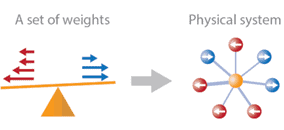
To implement the algorithm, the physicists propose a hardware architecture in which a central quantum spin (such as a Rydberg atom) or a central boson (such as a bosonic mode from a cavity) is coupled to all the other spins in the system, with no other couplings present. This arrangement is known as a star graph (see image). The central entity acts as the oracle, and its coupling strengths to the other spins represent the integers in the list.

Future directions

“Our proposal opens the possibility of implementing Grover’s algorithm efficiently on devices before full quantum error correction is achieved, improving the prospects of tackling real-world problems on these near-term devices,” says Ognjen Marković, a co-author of the study.

Marković also believes that this work could stimulate research in the field of quantum-classical hybrid algorithms. For instance, the team’s proposed implementation of Grover’s algorithm could be used as a quantum subroutine in a larger, possibly classical algorithm.

The research is reported in PRX Quantum.

From a light bulb solar system to the cosmological constant: a journey to becoming a cosmologist

Luz Ángela García

Luz Ángela García is an astrophysicist who dreams of cracking the ultimate cosmological conundrum : why the universe is expanding at an accelerating rate. Currently a postdoctoral researcher at Universidad ECCI in Bogotá, Colombia, García has overcome many barriers to succeed in her field. Her motivation is her lifelong drive to understand the universe, which began in childhood with a quirky choice of bedroom decoration.

García grew up in Colombia’s capital city, Bogotá, more than 2500 m above sea level in the Andes. Bogotá’s connection to the stars is cruelly severed by air pollution, but as a young girl, García found another way to introduce the wonders of space to her daily life. “I built a little solar system on the wall of the bedroom I shared with my brothers when I was about eight years old with the light bulb as the Sun,” she recalls.

This interest in space was noticed by García’s family, who bought her a basic telescope, which she used to study objects like the Moon and Jupiter. Even then  –  before she had heard of dark energy or supernovae  –  curiosity about the vastness of the cosmos was brewing in the budding astronomer’s mind.

The vastness of space

Perhaps it is not surprising that her current research is so integrally concerned with the size of the universe; the idea of the unimaginable scale of space manifested early in García’s life, as did the concept of how tremendous cosmic distances affect what we see and how we see it. “My reproduction on the wall was not exactly to scale,” she laughs. “But still, I was puzzled by concepts like distances between the astronomical objects –  mostly in our solar system  –  and even though I knew the Sun was a star, I wanted to know why it looks so different from other stars.

“Remarkably, this led to part of my current research but at cosmological scales. I’m now actually using those distances to prove how dark energy is changing or shaping the way we see the universe.”

It wasn’t long before García’s teachers noticed their pupil’s burgeoning interest in the universe. When she was around 12 years old her biology teacher, Diana Pava, introduced the budding scientist to the work of Carl Sagan  –  through his magnum opus, the TV series Cosmos. By the age of 14, encouraged by her physics teacher Ernesto Campos, García was helping her fellow students understand scientific concepts such as thermodynamics and optics. “It was very cool indeed. Every time I tried to explain something, I was getting some additional insight,” García says. “I think that was very important in both my career as a lecturer and as someone doing science outreach. I was getting an insightful message for my future.”

From this point onwards García had set her mind on a career in the sciences, even if she wasn’t exactly sure which science it would be. Yet, the stars were not the only thing that was obscured from García’s view in these early years in Bogotá.

Discovering inequality

The positive attitudes of her family and educators had hidden from García the fact that women face additional obstacles to entering scientific fields. García had been no stranger to resistance, of course. She had frequently been encouraged to consider a more mundane career that didn’t require as much effort. But this new challenge was different, more than a mere irritation. When beginning her bachelor’s degree in physics at the Universidad Nacional de Colombia, the male-dominated lecture halls made her question the pursuit of a career in science entirely.

“During my degree, there were not many women studying with me  –  only about 20% of the people in my cohort  –  and just three female physics lecturers. That was the first indication to me that science was a male-dominated field.” García points out that these numbers dropped off still further as she progressed through academia. “That realization made me question if I was going to succeed in physics or astronomy.”

The discovery of the prevalent stereotype of a “scientist” after she had already decided on a career in the field has given García a unique insight into the harm it could potentially do to young women considering futures in science, technology, engineering and maths (STEM) subjects. “There is this common misconception that if you study science, you should be somehow a genius or socially awkward, or someone like Einstein. Old, with messy grey hair, and male,” she says. “We have to fix ideas about how a scientist should look. It’s definitely something that will not help a new generation to build careers in science.”

There is this common misconception that if you study science, you should be a genius or socially awkward; or old, grey and male

Fortunately, García had the determination to succeed, contrary to these stereotypes. Later, while earning her PhD at Colombia’s Observatorio Astronómico Nacional, her determination was bolstered by invaluable support from her supervisor Emma Ryan-Weber, now an associate professor at Swinburne University of Technology in Australia and the leader of the intergalactic medium research group at the Centre for Astrophysics and Supercomputing.

Challenging the status quo

In her current postdoc research García has taken a more radical approach to the cosmological constant, once described by Einstein as “his greatest blunder”. Cosmologists believe that the cosmological constant could explain the accelerating expansion of the universe, possibly caused by dark energy. García suggests that dark energy could have started to play a role in the expansion of the universe shortly after the Big Bang – much earlier than current models suggest. Theories such as this are collectively known as Early Dark Energy (EDE) models.

“Our current understanding of cosmological proxies like type Ia supernovae allows us to infer that the universe is speeding up its expansion,” she says. “The ultimate effect of such a so-far-invisible component is that it causes negative pressure that beats the gravitational pull among galaxies.”

By suggesting a paradigm shift away from a long-standing aspect of cosmology – the idea that dark energy only plays a role in later epochs of the universe’s history – García’s work could be considered revolutionary. As a woman from Colombia, her career in science is a testament to another long-overdue paradigm shift  –  the imbalance of gender and ethnicity in science.

“The prospects for young South American women in STEM and academia have improved significantly due to the realization that there are so many female scientists from the region who are making important contributions in their disciplines,” García says. “However, inequality, sexism, lack of opportunities and discrimination continue to be the main obstacles for young women to pursue their dreams in STEM.”

She believes that institutions have a critical role in nurturing young women to continue in academia. “There are four main strategies that can be followed,” García explains. “Giving visibility to women’s work and achievements; promoting parity in jobs and salaries; advocating for a safe, diverse and healthy work environment; and finally, not tolerating any form of abuse, harassment or discrimination towards minorities.”

For young girls in South American cities dreaming of the stars and a career in science, García is clear: the stars may be beyond our reach, but a scientific career certainly isn’t. “My advice is to pursue their dreams and be passionate about their careers and fearless of beating the obstacles along the way,” she concludes. “There are plenty of opportunities waiting for them, and nature needs young creative minds to unveil its secrets.”

New COVID-19 test works in a second using microfluidics and electronics

A rapid and low-cost test for the virus that causes COVID-19 has been developed by researchers in the US and Taiwan. Featuring a disposable testing cartridge and a reusable circuit board, the team’s portable system can detect the presence of the virus in fluid samples within just 1 s. By adjusting its design, the system could be adapted to test for other diseases.

Alongside vaccination and social distancing, rapid testing for SARS-CoV-2 – the virus that causes COVID-19 – is a critical element of global efforts to bring an end to the pandemic. Currently, the most widely applied testing techniques use chemical reactions to amplify certain biomarkers associated with the virus, such as the RNA molecules that carry its genetic information. However, these processes are time consuming, which has resulted in slow testing turnaround times.

Now Minghan Xian and colleagues at the University of Florida and National Yang Ming Chiao Tung University have developed an alternative approach, which instead measures distortions in electrical signals associated with the presence of the virus particles in a circuit. Their design is based around a circuit board containing a metal-oxide-semiconductor field-effect transistor (MOSFET), which is a common electronic device that amplifies electrical signals.

Gold-plated electrodes

Their system also includes a disposable testing strip that plugs into the MOSFET circuit. The tip of the strip has a microfluidic channel that contains clusters of gold-plated electrodes coated with SARS-CoV-2 antibodies as well as bare carbon auxiliary electrodes. When fluid samples are introduced to the channel, short electrical test signals can pass between the electrodes, amplified by the MOSFET and then sent to the circuit board for analysis.

If SARS-CoV-2 is present in a sample, spike proteins on the virus particles will bind to the antibodies on the gold electrode surface, which alters the nature of the amplified test signal waveforms. By converting these distortions into digital readouts, the system can determine the concentration of spike proteins; and subsequently, the concentration of virus particles present in the sample – within just 1 s. Their technique remains reliable over a broad range of concentrations: from just 100 virus particles per millilitre, to up to 2500.

By integrating their testing strips onto disposable cartridges, Xian’s team ensured that the circuit board was completely reusable. This resulted in a portable, low-cost testing system, suitable for rapid COVID-19 testing in any location. Furthermore, the detection process is not limited to COVID-19. By attaching other types of antibodies to the testing strip’s gold electrodes, the system could be repurposed for other diseases.

The system is described in the Journal of Vacuum Science & Technology B.

Topological fluids, the proton radius and art and science: the June 2021 issue of Physics World magazine is now out

The June 2021 issue of Physics World magazine

Whether it’s the existence of the Higgs boson, dark matter or gravitational waves, some questions in physics just take an extraordinarily long time to settle. I’m sure you can think of your own examples, but the June 2021 issue of Physics World magazine looks at two particularly long-standing questions in physics.

First, Robert Crease summarizes the history of muon “g–2” experiments, which seek to measure g – the ratio of this particle’s magnetic moment to its spin. If g isn’t exactly 2, that could be a hint of “new physics”, yet despite five different versions of these experiments over the last 60 years, we’re still not sure.

Also in the issue, Edwin Cartlidge examines our attempts to measure the radius of the proton, which was traditionally done either by scattering electrons off it or carrying out spectroscopy of the hydrogen atom. An official value was first agreed in 2002, but a decade later, a new and more precise spectroscopy experiment on the muon found a proton radius 4% lower expected.

Quite why physicists settled on the lower value is the theme of the article. As the feature makes clear, it’s a messy process with various physicists redoing and refining experiments, arguing their case, and – ultimately – voting on the matter.

If you’re a member of the Institute of Physics, you can read the whole of Physics World magazine every month via our digital apps for iOSAndroid and Web browsers. Let us know what you think about the issue on TwitterFacebook or by e-mailing us at pwld@ioppublishing.org.

For the record, here’s a run-down of what else is in the issue.

• Publishers announce name-change policies – The introduction of trans-inclusive journal policies has been broadly welcomed, but some say that more needs to be done, as Juanita Bawagan reports

• Imposter intuition – Chanda Prescod-Weinstein explains that intuition in physics can be a social construct, one that is culturally embedded about who is normal and what is intuitive

• Towards a new equality narrative – Elizabeth Crilly, Alison Voice and Samantha Pugh say valuing and recognizing other sources of technical knowledge – rather than just pure scientific competence – can help to encourage more people from under-represented groups into physics

• Nothing ventured… – In the first of a series of articles about how to start and fund a fledgling business, James McKenzie examines the art of securing money from venture capitalists

• Muons and streetlights – Robert P Crease explains why the new measurement of “g–2” was just the latest in a series of such experiments that stretches back more than 60 years

• It’s topology, naturally – One of the hottest topics in solid-state physics is having a fluid makeover. As Jon Cartwright reports, the consequences of topological behaviours in fluid dynamics could be far-reaching for our understanding of the natural world and other complex systems, such as fusion tokamaks

• What does physics look like, and does it matter? – The conceptual worlds of physics have long inspired artists and thinkers across disciplines. Anna Starkey explores how different approaches to visualizing physics can open up the way that society thinks and feels about physics as an imaginative human endeavour

• Solving the proton puzzle – Why were so many physicists so wrong about the size of the proton for so long? As Edwin Cartlidge explains, the solution to this “proton radius puzzle” has as much to do with bureaucracy and politics as it does with physics

• Light at the end of the tunnel – David Appell reviews Lightspeed: the Ghostly Aether and the Race to Measure the Speed of Light by John Spence

• Learning from the impossible – Philip Ball reviews The Science of Can and Can’t by Chiara Marletto

• Reaching out to the stars – Luz Ángela García, a cosmology postdoc in Bogotá, Colombia, talks to Rob Lea about her journey into physics and astronomy as a woman from South America

• Ask me anything: Jim Al-Khalili – Careers advice from the physicist, communicator and broadcaster.

• A funny thing happened on my way to class – Joanne O’Meara on bringing humour to teaching.

Copyright © 2026 by IOP Publishing Ltd and individual contributors