MRI enables robotic navigation in deep blood vessel networks

A team of researchers from the NanoRobotics Laboratory at Polytechnique Montréal has demonstrated a new technique that uses the fringe field of a clinical MRI scanner to enable robotic navigation of tethered instruments in deep vascular regions. The approach could one day lead to significant improvements in a number of medical procedures, including neurosurgery for the treatment of aneurysms (Science Robotics 10.1126/scirobotics.aax7342).

The pioneering technique, dubbed fringe field navigation (FFN), used the superconducting magnet of an MRI scanner to generate a strong magnetic field that pulls a micro-catheter capped with a spring-shaped magnetic tip through complex vascular structures. The team demonstrated that the instruments could successfully travel through narrow and complex areas in the neck and brain arteries of live pigs, which are well out of reach for existing manual procedures and magnetic platforms.

Table positioning

As co-author Arash Azizi, until recently a graduate research assistant at Polytechnique Montréal, explains, the lines of this magnetic field are distributed around the scanner. And manufacturers typically use shimming techniques to increase the gradient at the entrance of the tunnel so that the stray field – also known as the fringe field – decays faster the further it is from the scanner.

“The high gradient of the magnetic field available at the entrance of the tunnel of MRI scanners motivated us to use it for the purpose of magnetic navigation,” Azizi explains. “The MRI fringe field is static. So, we used a robotic system to position the sample with six degrees-of-freedom in the fringe field to apply directional magnetic gradient forces. Also, between [moving] the MRI and the sample, it is easier to move the sample.”

Potential applications

The main application for the new magnetic system is the improved navigation of a micro-tethered instrument through what Azizi describes as the “bifurcations and tortuous paths” of deep vascular regions. Existing techniques make use of a guidewire that comes into contact with vessel walls at multiple locations – with a small diameter micro-guidewire with negligible stiffness required for targeting narrower vessels.

However, because the insertion of such devices into vessels is often impractical after passing along what Azizi calls a “distance of tortuous vessels”, he and his team proposed an innovative method that applies a magnetic pulling force on the tip of the device, enabling users to reach deeper locations. Looking ahead, Azizi believes the technique has a high potential for use in neurosurgery to treat aneurysm and occlusion in the cerebral artery.

“FFN has been developed to navigate tethered instruments in the vascular systems, so it can be used for endovascular intervention in different organs,” Azizi says. He notes that the researchers believe that FFN is not an appropriate tool for cardiologists, as it relies on robotic positioning of the patient, which is relatively slow compared with the fast dynamics of the heart.

“The next step to advance this project is to develop custom micro-guidewire depending on the application and the region of intervention inside the body, and designing intervention protocols for FFN intervention in different regions of the body,” Azizi adds.

Co-author Sylvain Martel, director of the NanoRobotics Laboratory, agrees that interventions in the brain, as well as in other physiological spaces that are difficult to access – for example in urology –are excellent applications for the technology.

“Miniaturization in technology is also progressing very fast. As a result, technology becomes smaller [and it becomes more and more possible] to bring them deeper in the human body, as FFN does for diagnostics,” he says. “I believe that the need for – as well as the number of – applications will increase in line with the level of miniaturization of instruments that can be navigated deeper into the body.”
How Feynman diagrams transformed physics

Tools can change not only how theorists calculate but also what they calculate about.

As the International Year of the Periodic Table draws to a close, I’m reminded of this lesson through the work of the Swedish scientist Jacob Berzelius, one of the fathers of modern chemistry. Back in the early 19th century, he developed a new tool for writing chemical formula. It involved giving elements simple labels such as Si for silicon – one of four elements Berzelius discovered – along with numbers denoting their proportions. Vinegar, for example, is C2H3O2, though Berzelius used superscripts rather than subscripts. The system is still used today, and we assume that it represents chemicals “as they really are”.

But two decades ago, Ursula Klein, a scholar from the Max Planck Institute for the History of Science in Berlin, pointed out that the tool changed chemistry. It not only organized complex information in the “jungle of organic chemistry” but also transformed the way chemists looked at chemicals. To explain how all this happened, Klein introduced the notion of a “paper tool” – it showed how Berzelius’ notation system transformed ideas about what chemicals were and how to study them, thereby providing chemists with new perspectives, concepts and goals.

The notion of a “paper tool” showed how Berzelius’ notation system transformed ideas about what chemicals were and how to study them, thereby providing chemists with new perspectives, concepts and goals

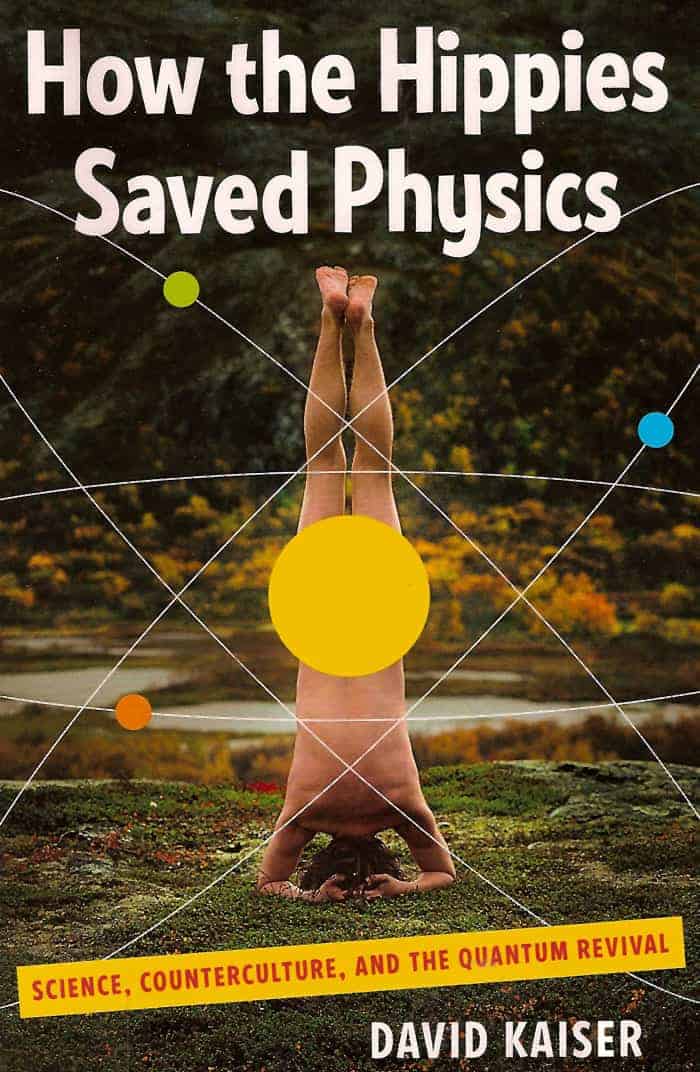
Klein’s notion of a paper tool has since been applied elsewhere. Michael Gordin, a historian of science at Princeton University in the US, applied the concept to the early history of periodic tables in his 2004 book A Well-Ordered Thing (Basic Books). Meanwhile, David Kaiser – a physicist and historian of science at the Massachusetts Institute of Technology – has used paper tools to explore the impact of Feynman diagrams. As he writes in his 2005 book Drawing Theories Apart: the Dispersion of Feynman Diagrams in Postwar Physics, these illustrations – pioneered by Richard Feynman in the late 1940s and early 1950s – “helped to transform the way physicists saw the world and their place within it”.

Doodling physics

Feynman diagrams, you’ll recall, are line drawings that represent mathematical expressions of the behaviour of subatomic particles. Feynman developed them to keep track of calculations of self-energy, or how charged particles interact with their own fields. These calculations are done by perturbation expansions, which work by viewing each self-energy interaction as a small change, or perturbation, of some known state. A perturbation calculation then adds up a series of such small changes.

Unfortunately, keeping track of any corrections beyond the simplest case, let alone adding them all up, makes such calculations forbidding. In work for which he would share the 1965 Nobel Prize for Physics with Shin’ichiro Tomonaga and Julian Schwinger, Feynman said he used the diagrams as a “book-keeping device for wading through complicated calculations”. That was disingenuous; the diagrams did far more than that. Kaiser’s account of this imaging tool reveals at least four different ways in which Feynman diagrams acted as more than a simple tool but transformed particle physics itself.

First, the diagrams required apprenticeship. Feynman diagrams have a deceptive visual simplicity, but even at first physicists did not find them natural or intuitive. They could not spread, Kaiser writes, through the equivalent of “correspondence courses”, in which training happens by sending and receiving information from a distance rather than face-to-face encounters. Instead, Feynman had to tutor colleagues, notably Freeman Dyson, who helped spread the new techniques to a group at the Institute for Advanced Study in Princeton. Members of that cohort, in turn, spread them further. The diagrams required something like “craft skill or artisanal knowledge”, Kaiser writes, and the mentored and often laborious acquisition of techniques of the sort associated with new traditions of painting, fashion or art.

The second transformative impact of Feynman diagrams was that they framed the projects that theorists undertook in a new way. Here again, there are affinities to painting and the way that artists created new approaches to traditions like realism. Growing confidence in the calculations enabled by Feynman diagrams thus reinforced confidence in the diagrams themselves as a tool, thereby in the diagrams’ applications, and so on.

Third, Feynman diagrams are what philosophers of technology call “multistable”, rapidly mutating in their application and structure. In traditional history of science, Kaiser points out, theoretical tools are thought to spread like “batons in a relay race – stable objects that retained their meaning and form as they were passed from one user to another in a growing network”. Feynman diagrams, instead, transformed into tools that could be used not only in high-energy physics, but also in nuclear physics, solid-state physics, gravitational physics and an ever-widening circle of applications. “Improvization and bricolage,” Kaiser writes, “can lead to applications that had never been envisioned by the tool’s inventors.”

Fourth, Feynman diagrams transformed what physicists conceived as real. In an old story familiar to philosophers of science and technology, tools such as Feynman diagrams not only shaped the practices of those inside the workshop but also came to be taken for granted and seemingly transparent avenues to what appears to be the “real”. Kaiser, again, compares this to traditions in art history that each appear (deceptively) to represent nature to the “innocent eye”.

The critical point

A still more radical lesson of Kaiser’s book concerns not what it says about how Feynman diagrams are used, but what the use of the diagrams says about the nature of theory itself. Theory, Kaiser suggests, is ultimately less important to theorists than the tools that mediate their calculations. Moreover, tools fashioned within one theoretical framework can take on lives of their own, and find new uses even when the original theory, for which they had been drafted, falls out of favour. Theoretical tools, like experimental ones, can outlive the theories they were meant to elucidate.

Elves and gamma rays emerge simultaneously from thunderstorm

New insights into two types of radiation flashes that are associated with lightning have been identified from observations made aboard the International Space Station. Torsten Neubert at the Technical University of Denmark and colleagues deduced that both “elves” and terrestrial gamma-ray flashes are powered by the onset of lightning – with each phenomenon visible at the tops of thunderclouds.

From our perspective on the ground, lightning is both a beautiful and violent effect. The flashes are created by the strong electric fields that build up between the ground and the free electrons inside storm clouds, creating the bolts that reach down to the ground. At the same time there are other processes that take place above the clouds and out of our normal view.

Terrestrial gamma-ray flashes (TGFs) are short-lived emissions of radiation that are believed to be generated by electrons that have been are accelerated to very high speeds by the strong electric fields. Also, above the clouds are transient ultraviolet and optical emissions called “elves”. These are believed to be created in the lower ionosphere by electromagnetic waves, which expand outwards from powerful lightning currents.

Unsure connections

Both effects are known, but meteorologists continue to debate the precise generation processes of elves and TGFs. Scientists are also unsure as to whether the effects are connected. To resolve the issue, Neubert’s team used the Atmosphere-Space Interactions Monitor (ASIM), which simultaneously captures emissions from across the electromagnetic spectrum. From its position aboard the International Space Station, the researchers pointed ASIM’s sensors straight down to minimize any gamma-ray flux losses from atmospheric absorption, allowing them to obtain images with a temporal resolution of just 10 µs.

Through this setup, Neubert and colleagues gathered high-speed observations of emissions at heights up to 12 km above a thunderstorm that struck Indonesia in October 2018, in which one particular TGF was closely accompanied by an elve. From this behaviour, the team deduced that at the onset of lightning current pulses, strong electric fields form inside thunderstorm clouds – giving rise to TGFs a few milliseconds later. This suggested that lightning currents form quickly, and at high altitudes. Together, the observations suggest that both the storm’s elve and its TGF arose from the same sequence of events.

The images enabled Neubert’s team to conclude that both TGFs and elves are powered by lightning, which is strong evidence that the two processes are, in fact, connected. They now hope to further explore the sequences of events triggering each type of flash in further detail; potentially helping meteorologists to understand more about the vibrant physical processes that play out within thunderstorms.

The observations are described in Science.

When TEXAS came to Portsmouth: black holes, neutrinos and gravitational waves

Growing up in coastal Somerset, UK, once a year I used to watch from the living-room window with incredulity as American muscle cars and pick-up trucks roared past our house. This procession of  Fords, Dodges and Chryslers were filled to the brim with people dressed up in their finest Deep South regalia – on their way to the windswept Brean Country and Western Festival.

The name of the conference I find myself attending kindles images from those bizarre childhood memories. But luckily, attendees at TEXAS 2019 are not sporting cowboy boots or questionable American Indian costumes. They are physicists from all over the world, meeting at the beautiful Guildhall venue in the heart of Portsmouth, UK, to hear about and discuss the latest discoveries in fields related to the relativistic theory of gravitation and cosmology. TEXAS 2019 is hosted by the University of Portsmouth’s Institute of Cosmology and Gravitation.

Though the first day is not yet over as I write – with a number of in-depth parallel sessions still ongoing ­– there has already been plenty for conferencegoers to talk about. For instance, the morning’s plenary talks began with a bang as University of Arizona’s Dimitrios Psaltis got straight into the most talked about news from astrophysics this year – the first-ever picture of a black hole, which last week bagged the Physics World Breakthrough of the Year award for 2019.

Photo of Dimitrios Psaltis at the TEXAS2019 symposium

Psaltis was one of the lead scientists behind the image, which was taken by the Event Horizon Telescope (EHT), an international collaboration involving over 200 astronomers and eight radio dishes in six different locations across the globe.

Somehow Psaltis adroitly managed to condense over 40 years of black hole imaging theory, the 10-year history of the EHT, and how black hole imaging might offer tests for some of the big outstanding mysteries in relativity, into just 40 minutes. And he still managed to provide fascinating and often amusing insights: “The data [from EHT] is so immense that we cannot transfer it over the Internet, so we literally put it in crates and FedEx them,” he revealed. “One of those crates when we opened it in Bonn, we found fabric – and there was a factory in Germany that opened their crates expecting fabric and found hard drives.”

The data [from EHT] is so immense that we cannot transfer it over the Internet, so we literally put it in crates and FedEx them.

Dimitrios Psaltis

The black-hole image Psaltis and the EHT team took was of a supermassive black hole residing at the heart of nearby (cosmologically speaking) giant elliptical galaxy M87. It was apt then that the following speaker – the University of Cambridge’s Chris Reynolds – continued the supermassive black hole theme by explaining how they are not only the “ultimate laboratory for studying relativistic gravity,” but may also offer hints towards building a fundamental theory of how the universe works beyond the Standard Model of particle physics.

The Standard Model is one of the great triumphs of 20th-century physics, as precise and well tested as relativity. Yet though it accurately explains everything we see – matter – it does not explain 95% of the theorised universe. Hypothesised uncharged particles called axions are candidates for about 27% of the missing universe: dark matter. But they have never been observed.

One way Reynolds explained how supermassive black holes are already helping to go beyond the Standard Model and illuminate axions’ existence (or not) is by spinning. “If axions exist and are very low mass, they can actually form gravitational atoms with black holes… and there will be a wholesale zapping of the black hole spin energy that will then get radiated away,” he said. “So the very observation of spin black holes in nature is constraining these axions.”

After a fascinating and detailed talk by Elena Gallo from the University of Michigan on models and new evidence suggesting jets  – extremely powerful streams of particles emanating from active galactic nuclei  (AGNs) – could be powered by black hole spin, the last plenary of the day was delivered by Elisa Resconi.

Resconi is a neutrino physicist from Technical University, Munich. As part of the IceCube Collaboration – the team behind the IceCube South Pole neutrino observatory – she was involved in another astrophysics breakthrough that made the headlines when in 2018 the team announced they had, for the first time, pinpointed a cosmological source for the neutrinos they had detected. Since the catchily named TXS 0506+056a blazar – an AGN with a relativistic jet pointed towards Earth – was identified as an IceCube neutrino source, Resconi revealed during her talk that the team had identified around 70 high-energy neutrino events they could associate with blazars.

Though impressive, Resconi thinks astrophysics has only scratched the surface of neutrino astronomy’s usefulness. “The questions that concern neutrinos are: where are the most extreme cosmic accelerators? What are their compositions. How do particles get boosted in relativistic jets? And eventually, is there any exotic physics happening inside these jets?,” she stated. “We need to build more neutrino telescopes and we need to be able to operate them together ‘in plenum’.”

We need to build more neutrino telescopes.

Elisa Resconi

With the black hole-focused first day of talks coming to a close, attendees have a fascinating four more to look forward to, covering a broad range of hot topics. But they (and I) also face a challenge. Given many major astrophysical discoveries have been announced at the biennial TEXAS symposia since 1963, picking which lectures to attend is going to be fraught with difficulty.

Radiation response model sheds light on proton RBE

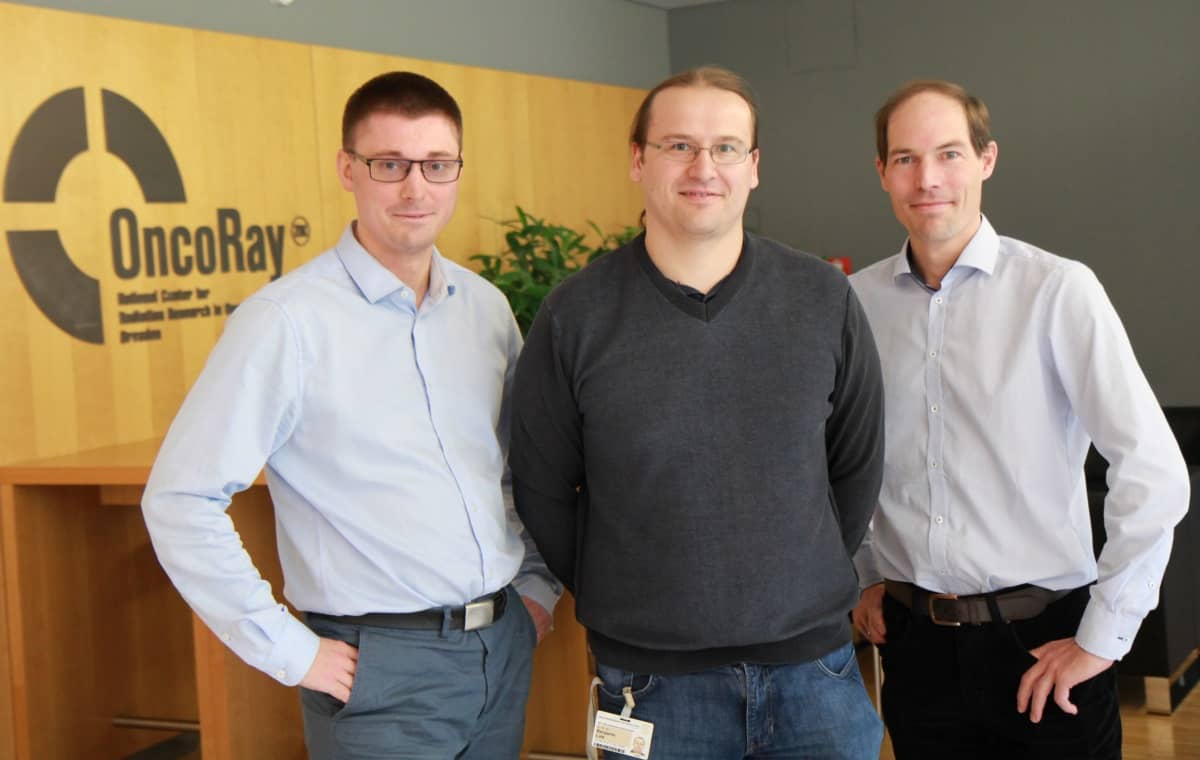
OncoRay researchers

With more and more proton therapy centres opening worldwide, proton therapy is now an established cancer treatment option. Clinical treatments are currently planned assuming a relative biological effectiveness (RBE) of 1.1. However, an intensive debate is ongoing in the proton therapy community as to whether this constant value would be better replaced by a variable RBE.

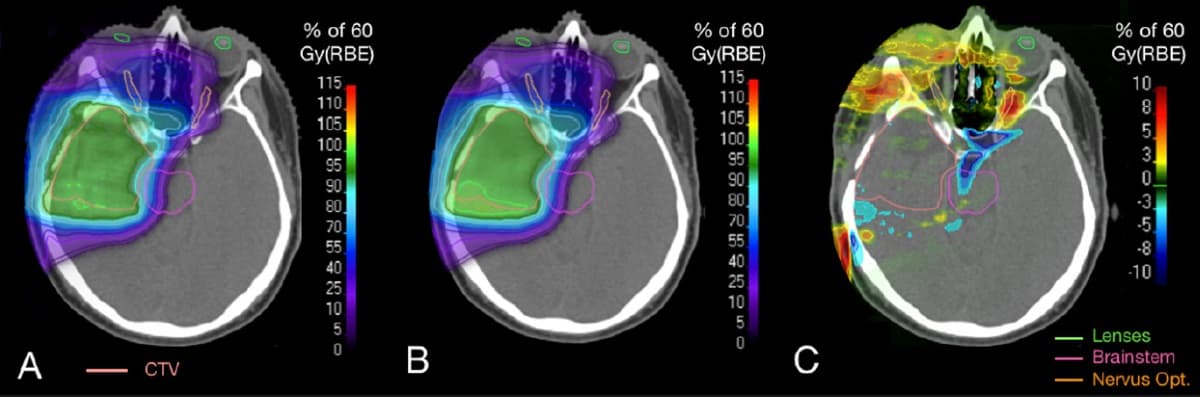
Numerous in vitro experiments have suggested the existence of a variable RBE along the beam direction. While it’s not clear whether this variability impacts clinical outcome, a recent study of paediatric cancer patients showed that changes in MR images three months after proton therapy correlated with dose and linear energy transfer (LET, one of the main determinants of RBE) – suggesting a variable proton RBE.

To investigate this further, a team headed up at OncoRay has created a radiation response modelling framework to assess RBE variability in clinical proton therapy. The researchers applied their model to four glioma patients treated at University Proton Therapy Dresden (UPTD). Their findings suggest a variable RBE for a clinically relevant endpoint (radiation necrosis in the brain) after proton therapy (Phys. Med. Biol. 10.1088/1361-6560/ab3841).

“Currently, there are innumerable review articles published on this RBE topic. However, we believe that only clear and high-quality clinical patient outcome data can substantially contribute to resolve the clinical RBE question,” says senior author Armin Lühr. “Therefore, a solid analysis and modelling framework was needed.”

Plan simulations

Lühr and colleagues developed a UPTD-specific Monte Carlo model to simulate passive scattering proton treatment plans and predict dose and LET distributions. They used this as the foundation of a radiation response modelling framework for analysing clinical side effects, to investigate RBE in patients receiving proton therapy.

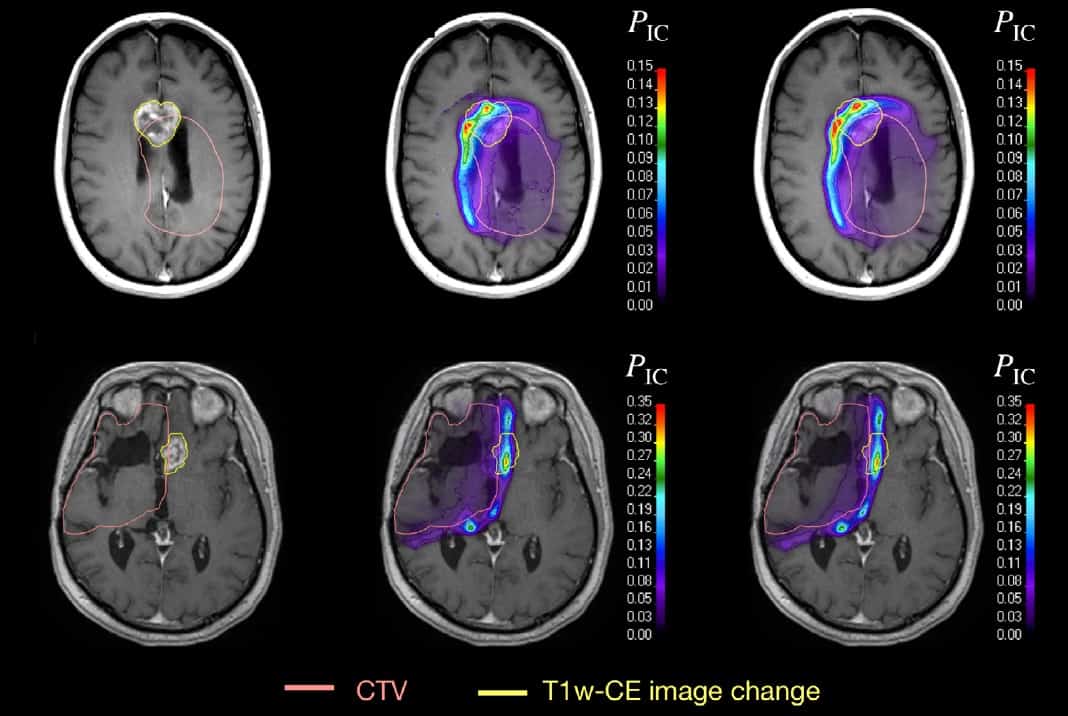
The glioma patients analysed for this study had received adjuvant proton(chemo)therapy, fractionated to a total dose of 60 Gy(RBE), and all subsequently exhibited morphological changes in T1-weighted contrast-enhanced follow-up MR images. Such changes can indicate normal tissue complications and are thought to be correlated with radiation necrosis.

The researchers created a dose verification method in which the dose from Monte Carlo patient simulations was normalized to water phantom dose calculations by the clinical treatment planning system (TPS). They simulated the four patients’ treatment plans and compared the simulated dose distributions with TPS calculations.

Plan comparisons

The simulated clinical target volume (CTV) mean dose was, on average, just 0.58% less than the planned CTV mean dose, with a maximum difference of 1.98% — demonstrating that the model reliably characterizes the treatment fields. Dose differences occurred in particular at distal field edges and regions with high density gradients where the precision of the TPS is limited by its pencil-beam dose algorithm.

Response modelling

Using their Monte Carlo model, the researchers established a radiation response modelling framework. They developed two univariable and two multivariable logistic regression models based on voxel-wise correlation of image changes with dose or track-averaged LET, or combinations of the two.

The researchers used each model to predict image changes for the four glioma patients. The findings agreed well with the observed image changes, which were determined by registering post-treatment MR images to the planning CT scan. The correlation with late brain tissue damage was highest using a combination of dose and LET as predictors, with area-under-the-curve values of up to 0.88 in leave-one-out cross validation.

MRI changes

“We wanted to test whether the spatial distribution of late radiation-induced necrosis can be explained with dose alone or whether we need instead dose and LET, i.e., whether there is a variable dose response,” Lühr explains. “We consider this analysis as first clear evidence of a variable clinical RBE for a clinically relevant late endpoint.”

For the two multivariable models, the researchers also calculated the tolerance dose, TD50, at which 50% of brain tissue voxels experienced toxicity. Both models showed that TD50 decreased with increasing LET, indicating an increase in biological effectiveness.

The researchers conclude that their modelling framework revealed a spatially variable dose response in the brain and could predict the spatial distribution of image changes when using both dose and LET as predictors. The observed correlation of image changes with dose and increasing LET may indicate a variable clinical RBE different from 1.1, for glioma patients treated with proton therapy.

“Due to the good performance of the models with dose and LET, we have the feeling that they are able to predict regions of elevated risk for radiation necrosis in the brain,” says Lühr. “However, to predict the absolute risk for individual patients we need to analyse a larger patient cohort.” He notes that the study has encouraged and enabled the team to now validate these findings in more patients, and that other proton centres plan to re-analyse their patient data in a similar way to look for similar effects.

“I believe that the clinical RBE is basically constant within the CTV, since only small LET variation occurs there. That is of high practical relevance in the clinic and allows for consistency in treatment dose prescription,” Lühr tells Physics World. “Outside of the CTV, however, the use of a variable clinical RBE for proton therapy planning might help reduce the risk of toxicity, especially for healthy tissue close to the CTV that receives high dose.”

The Demon in the Machine by Paul Davies wins Physics World Book of the Year 2019


The writer, broadcaster and physicist Paul Davies has won the 2019 Physics World Book of the Year award for The Demon in the Machine: How Hidden Webs of Information are Solving the Mystery of Life by Paul Davies.

The book tries to answer some of humankind’s biggest questions, including the nature of life, how and why it emerges, and what distinguishes the living from the non-living. Far from being overwhelmed by tacking these most fundamental of questions, in the book Davies explains how matter (living and otherwise), information and entropy interact.

Physics World based its choice on the 42 books that it reviewed over the last 12 months, using the same three criteria that have been in place since Physics World launched the award 10 years ago in 2009 – namely that the books must be well written, novel and scientifically interesting to physicists.

The Demon in the Machine is the culmination of decades of research done by Davies’s team at the Beyond Center for Fundamental Concepts in Science at Arizona State University, US. Davies’ goal is to bring together physics, chemistry, molecular biology, genomics and information theory, to truly explain our universe and our place in it.

The book deals with established physics concepts (such as the second law of thermodynamics), but also delves into Davies’ thoughts on topics such as the emergence of human consciousness (while making sure the reader is aware of what is speculation). Readers, though, are likely to be left with more questions than clean-cut answers about the laws of nature.

“Just in the last 10 years or so, I suppose, I’ve begun to see a confluence of different subjects. Partly, this is advances in nanotechnology, said Davies when he spoke to Physics World earlier this year. “Partly, it is a convergence of physics and computing and biology and information theory – all these subjects are coming together in the realm of large molecules or tiny machines, where life and chemistry and physics all intersect. That’s the new frontier – the physics of the very complex, where the traditional subject boundaries melt away.”

For Davies, matter, life and information are all tightly interwoven, and understanding these complex connections is what will eventually give us a true theory of everything. This book is not a light read, instead offering readers a challenging, but ultimately extremely captivating, fruitful and enjoyable read. For such a complex topic, Davies is a clear and lucid guide– and you can’t help but be sucked in by demons, double-headed worms and the universe at large.

To know more about Davies’ book, and hear his reaction to the award, as well as his predictions for the future, listen to our December Physics World Stories podcast, which also features a discussion of the other books on our shortlist.

Shortlist

The other nine titles in our shortlist (in no particular order) are:

The Moon: a History for the Future by Oliver Morton

The Case Against Reality: How Evolution Hid the Truth from Our Eyes by Donald D Hoffman

Fire, Ice and Physics: the Science of Game of Thrones by Rebecca C Thompson

Underland: a Deep Time Journey by Robert Macfarlane

The Second Kind of Impossible: the Extraordinary Quest For A New Form of Matter by Paul J Steinhardt

Superior: the Return of Race Science by Angela Saini

Einstein’s Unfinished Revolution: the Search for What Lies Beyond the Quantum by Lee Smolin

The Universe Speaks in Numbers: How Modern Maths Reveals Nature’s Deepest Secrets by Graham Farmelo

Catching Stardust: Comets, Asteroids and the Birth of the Solar System by Natalie Starkey

Book of the year 2019

Well written, novel and scientifically interesting for physicists – these are the criteria we use to select our Book of the Year prize. To reveal the winner of the 2019 award and discuss the runners up, Physics World’s reviews and careers editor Tushna Commissariat joins regular host Andrew Glester for the December episode of the Physics World Stories podcast.

Since 2009, Physics World has named a shortlist of its 10 best books of the year, before selecting one for its award. In recent years, it has also become a tradition to dedicate the December episode of Physics World Stories to discussing our shortlist, before revealing the winner and hearing from the author of the victorious book. As Andrew Glester notes, the only problem with this tradition is that we inevitably end up adding more books to your ever-growing Christmas reading list!

In no particular order, here is the full shortlist for the 2019 Physics World book of the year:

The Moon: a History for the Future by Oliver Morton
As we celebrated the 50th anniversary of the Apollo Moon-landings, Oliver Morton’s book tells the story of our Moon, from its origin to its role in humanity’s history and future.

The Case Against Reality: How Evolution Hid the Truth from Our Eyes by Donald D Hoffman
Reality is more than meets the eye, and cognitive psychologist Donald Hoffman makes the case for why this applies to everything from evolution to optics.

Fire, Ice and Physics: the Science of Game of Thrones by Rebecca C Thompson
From dragons to walls of ice, everyone’s favourite fantasy TV show has more physics fun hidden within than you would have thought; and Rebecca Thompson takes readers on an epic quest.

Underland: a Deep Time Journey by Robert Macfarlane
From dark matter to nuclear waste, Robert Macfarlane’s Underland will take you deep within the bowels of our planet, and our relationship with these hidden worlds.

The Demon in the Machine: How Hidden Webs of Information are Solving the Mystery of Life by Paul Davies
What exactly is life, how and why does it emerge, and what distinguishes the living from the non-living? Paul Davies’ latest book attempts to answer some of the biggest questions that we have long pondered over.

The Second Kind of Impossible: the Extraordinary Quest For A New Form of Matter by Paul J Steinhardt
A rip-roaring adventure tale, featuring a mild-mannered theoretical physicist who found himself leading an expedition to the mosquito-and-bear-infested wilderness of eastern Russia in search of tiny grains of rock from outer space.

Superior: the Return of Race Science by Angela Saini
After her award-winning book Inferior scientifically analysed the supposed differences between the sexes, Angela Saini now tackles the difficult topic of racism, and the erroneous belief that race, a social construct, has a basis in biology.

Einstein’s Unfinished Revolution: the Search for What Lies Beyond the Quantum by Lee Smolin
US theoretical physicist and author Lee Smolin presents a bold “realist” formulation of quantum mechanics, in which time is fundamental, but space is emergent.

The Universe Speaks in Numbers: How Modern Maths Reveals Nature’s Deepest Secrets by Graham Farmelo
In his latest book, Graham Farmelo offers a bracing defence of string theory, and the power of mathematics in making progress in physics.

Catching Stardust: Comets, Asteroids and the Birth of the Solar System by Natalie Starkey
Natalie Starkey shares her fascination with these cosmic visitors, detailing how scientists study comets and asteroids to understand the 4.6-billion-year history of the solar system.

Those of you with insatiable reading appetites should also check out this recent episode of our weekly podcast, which celebrates a decade of our book of the year award. Tushna Commissariat is joined by Physics World‘s previous reviews and careers editor Margaret Harris and the magazine’s editor-in-chief Matin Durrani. The trio discuss some of their favourite books from the 100 that made it to our shortlists this past decade, as well as chat about some pet peeves and personal favourites of science writing.

European Space Agency launches CHEOPS exoplanet mission

The European Space Agency (ESA) has launched a new mission that will take a closer look at nearby bright stars that are already known to have exoplanets orbiting around them. Dubbed the Characterising Exoplanets Satellite (CHEOPS), the 1.5 m probe is the first dedicated ESA mission to study exoplanets. It was launched today from the European spaceport in Kourou, French Guiana, at 08.54 GMT.

From a Sun-synchronous polar orbit with an altitude of about 700 km, CHEOPS will measure the brightness of the stars, looking for tiny dips associated with a transit – when an exoplanet passes in front of its star, blocking some of the light that reaches Earth. Rather than search for new planets, CHEOPS will study about 500 of the 4000 or so known exoplanets during a 3.5-year period. These planets have already been discovered from previous planet-hunting satellites such as NASA’s Kepler and Transiting Exoplanet Survey Satellite missions as well ESA’s Corot probe. 

With a mass of 280 kg, CHEOPS contains a single optical Ritchey–Chrétien telescope with an aperture of 30 cm. It will measure the radius of exoplanets that have a mass of that between Earth and Neptune to an accuracy of around 10%. The probe will also study the atmosphere of larger planets – those that are around the size of Jupiter. The first data is expected in early 2020.

CHEOPS was selected in 2012 from 26 proposals as an “S-class” mission, which have a cost cap of €50m. It was launched together with the Italian space agency’s Cosmo-SkyMed earth-observation satellite as well as three CubeSats. According to ESA CHEOPS project scientist Kate Isaak, around 20% of the observing run will be available to “guest observers”. “Scientists from around the world will be able to capitalise directly on the unique capabilities of CHEOPS,” she says.

Looking for physics beyond colliders at CERN

The CERN particle-physics lab in Switzerland is famous for the Large Hadron Collider (LHC), but that is not the only game in town when it comes to looking for new physics beyond the Standard Model. For example, the lab has an “Antimatter Factory” that looks for new physics by trying to measure tiny differences in the properties of hydrogen and antihydrogen.

Physics beyond colliders at CERN: beyond the Standard Model working group report” is a comprehensive 115-page document that focuses on new experiments and facilities that could be built at CERN and are complementary to the LHC.

It is written by the “PBC BSM study group”, which is an international team of 33 physicists. They considered 18 different proposals that could be built at CERN to “exploit” the lab’s accelerator complex and scientific infrastructure to look for new physics.

They say that the search for new physics beyond the Standard Model is motivated by four unexplained phenomena that are readily observed in the universe. These are neutrino oscillations; the abundance of matter and dearth of antimatter; dark matter; and cosmological inflation and dark energy.

Electric dipole moments

One avenue that has long intrigued me is looking for new physics by making precision measurements. One of my favourites is the idea of trying to detect the electric dipole moments (EDMs) of particles such as the electron or proton. Standard-Model symmetry rules prevent these particles from having EDMs, so measuring even the tiniest value would provide a glimpse of new physics.

Other ideas that are scrutinized in the report focus on detecting axions and axion-like particles (ALPS). Axions are hypothetical particles that were first proposed to resolve an inconsistency in quantum chromodynamics – the theory of how quarks and gluons interact to form particles such as neutrons. ALPs have yet to be discovered but they are expected couple very weakly to matter – thus making them candidates for dark matter. As a result, discovering axions could open windows into several mysteries beyond the Standard Model.

For a wide-ranging discussion of new experiments that could soon be searching for ALPs, EDMs and more, have a good read of the report. My favourite experiment name is KLEVER, which looks at the decay of long-lived neutral kaons (ΚL). The first two letters represent ΚL, but I am not sure about the “EVER”.

Thin hairs beat thicker ones in strength test

Researchers in California have discovered that thin hairs are stronger than thick hairs and able to endure greater tension before they snap. Tests of hairs from eight different mammals showed that thinner hairs tend to shear off, whereas thick hairs break cleanly – a discovery that could aid the design of bio-inspired materials.

Human hair has a hierarchical structure. Within the outer layer, or cuticle, is an inner cortex consisting of many small keratin fibres – around 5 μm in diameter and 100 μm in length – linked by chemical bonds. Within each of these fibres are smaller threads, 0.2–0.4 μm in diameter, which in turn consist of 7.5 nm intermediate filaments.

The protein-based structure of human hair gives it its strength and makes it resistant to deformation. The keratinous fibres stretch easily, and can be extended by up to 40 percent before breaking. Previous research has found that human hair has a tensile strength of around 200–260 MPa, which is comparable to steel. You could carry a person with 500–1000 human hairs.

Hair comparison

Curious to see how hair from other mammals might fare, material scientists and engineers at the University of California, Berkeley and the University of California, San Diego, US analysed hairs from humans, bears, boars, horses, capybaras, javelinas, giraffes and elephants. The diameter of these hairs varied from around 60 μm in humans to more than 350 μm in elephants and giraffes. Although the hairs’ basic morphology is comparable, the researchers found that their exact structure and diameter differ in ways that relate to their functionality.

The hair of capybara and javelina diverge from the other samples in several respects. The javelina, a pig-like animal native to Central and South America, raises the hairs on its back for defence. The cortex of its hair had a closed-cell foam-like structure, rather than the fibrillar structure found in other hairs. This increased its stiffness, making it similar to a porcupine quill, the team report.

The hair of the semi-aquatic capybara, in contrast, has a “twin” structure. This gives it an oval-like cross section with a central groove that lets water run off, helping the animal dry faster.

Scanning-electron microscope images of capybara hair, showing a) the cuticle arrangement and “twins” appearance b) A shear fracture of one twin hair c) Fibres close to the boundary, which appear brittle and stiff and c) Fibres pulled out on the fracture surface of the twin hair.

The researchers pulled individual strands of hair apart until they broke. They found a clear correlation with tensile strength decreasing with increasing hair diameter. This also applied to hairs from the same species. For example, thin hair from a child was stronger than thicker hair from an adult.

When they studied the broken hairs with a scanning electron microscope, they found that hairs greater than 200 μm in diameter, such as those of boars, giraffes and elephants, tended to fracture, with a clean break. Thinner hairs, however, such as those of humans, horses and bears, sheared.

“Shearing is when small zig-zag cracks are formed within the material as a result of stress,” explains Wen Yang, an engineer at the University of California, San Diego. “These cracks then propagate, and for some biological materials, the sample isn’t completely broken until the small cracks meet. If a material shears, it means it can withstand greater tension and thus is tougher than a material that experiences a normal fracture.”

Yang says the findings, which were published in the journal Matter, could inspire the design of synthetic materials. “If we can create metals that have a hierarchical structure like that of hair, we could produce very strong materials, which could be used as rescue ropes and for constructions,” she explains.

Copyright © 2026 by IOP Publishing Ltd and individual contributors