Carbon nanotube 16-bit microprocessor takes computing beyond silicon

CNT computer

“We always hoped that something like this could be built – now we know that it can be built,” says Max Shulaker, professor at MIT and corresponding author on this latest report. Carbon nanotubes have been touted as a potential successor to silicon technology that could improve energy efficiencies by an order of magnitude. Now Shulaker and his team in Department of Electrical Engineering and Computer Science, alongside researchers at Analog Devices, Inc. (ADI) also in Massachusetts USA, have taken on a series of challenges that have hampered carbon nanotube (CNT) computers since the first carbon nanotube transistors were reported in the late 1990s.

The result is a 16-bit microprocessor comprising more than 14,000 complementary metal–oxide–semiconductor CNFETs that runs standard 32-bit instructions on 16-bit data and addresses, putting CNT microprocessor technology firmly on the map. The device is based on the RISC-V instruction set processor, which is open-source and commercially available, and the design and fabrication uses industry-standard design flows and processes.

What’s wrong with silicon?

Ever since Robert Noyce produced the first integrated circuit (IC) on a silicon chip in 1959, research and development has pushed processing powers and efficiencies higher and higher. Gordon Moore, Intel co-founder alongside Noyce, identified the trend as the number of transistors per square inch on an IC doubling every two years. However broaching nanoscale feature sizes has heralded a number of issues associated with leakage currents and the electronic property limitations of materials for gating and channelling. The apparent limit to “Moore’s Law” with silicon technology has prompted researchers to hunt for alternatives.

Carbon nanotubes – rolled sheets of honeycomb hexagonal carbon lattices – have attracted a lot of interest in this endeavour on account of their inherent nanoscale dimensions and impressive electronic properties, which can be semiconducting or metallic depending on the axis along the lattice that the sheet rolls up (the chirality).

What’s wrong with carbon nanotubes?

It was not long after the discovery of carbon nanotubes that people began to recognize their potential as “molecular” wires. However, their attractive attributes come with a number of caveats. They are prone to aggregating into bundles that kill the transistor performance, synthesizing nanotubes with specific chiralities remains impractical for IC purposes, and controlling the transistor type to produce the transistors with the complementary n- and p-type polarities central to CMOS technology is similarly problematic. The researchers identified a series of solutions to these issues: RINSE (removal of incubated nanotubes through selective exfoliation), MIXED (metal interface engineering crossed with electrostatic doping) and DREAM (designing resiliency against metallic CNTs).

RINSE tackles the aggregation issue, where previous efforts have either left some bundles or removed dispersed nanotubes (or both). Key to the success of Shulaker and colleagues is to spin coat an adhesive on the wafer so that sections of CNT do not come away along with the aggregated bundles during the subsequent sonication.

Christian Lau, a PhD student in Shulaker’s group who came up with the RINSE procedure, also came up with MIXED, which involves engineering the stoichiometry of the oxide used to encapsulate the CNT field effect transistors, as this controls the doping of the CNTs. They also engineer the contacts to optimize the p- and n-type transistors by using metals with complementary work functions (that is, higher for p-type and lower for n-type).

The final conundrum to resolve was the problem of metallic CNTs, which lead to leakage currents and ultimately interfere with the logic behaviour of the gates and undermine the performance. In fact the tolerance to metallic CNTs is so low that the circuits require semiconductor CNTs with a purity of 99.999999%. However what MIT post doc Gage Hills figured out was that certain logic gate combinations were more susceptible to the accidental metallic CNTs than others. He found that by designing the circuits to avoid certain pairings they could outsmart the pernicious effects of rogue metallic CNTs.

Problem solved?

The researchers programmed the microprocessor to print the words: Hello, world! I am RV16XNano, made from CNTs. “It was certainly exciting when it worked – it was something all of the many of co-authors and I spent many years working towards,” says Shulaker. Hills adds, “My favourite part of being a part of this project is that it brings together researchers with expertise across a wide range of backgrounds, including material synthesis, physical fabrication, circuit design, computer architecture, and applications. Without innovations and support from the team in all of these areas together, it wouldn’t have been possible to demonstrate the modern microprocessor built entirely out of carbon nanotube field-effect transistors.”

At 1.5 micrometres, the 16-bit microprocessor is comparable with Intel’s silicon-based 80386 processor released in 1985. Having demonstrated that CNTs can produce sophisticated working microprocessors the researchers are now focusing on realizing the promised performance gains.

Of course, what works in a lab doesn’t always make its way onto the high street. By working closely with several commercial partners – collaborators from ADI co-authored the report of the work – the team have a good view of industry requirements to steer the research in the right direction for the transition from “academic lab to a commercial fab”.

“ADI’s success has always been built upon pursuing innovation at all levels of our organization and working with our larger ecosystem to continuously redefine what is possible,” says Vincent Roche, CEO of ADI.  “Working with Prof. Shulaker’s group at MIT on carbon nanotubes is the perfect embodiment of this philosophy, and we are excited by its tremendous promise.”

Full details are reported in Nature.
Wind turbine impacts deplored

A new report from the Global Warming Policy Foundation (GWPF), more familiar for its critical views on climate change, reviews the impact of wind turbines on the environment and finds that they are “doing great harm to wildlife”.  The GWPF says it “does not have a position on wind energy or renewable energy. We neither oppose nor promote it. However, we are in favour of weighing up the pros and cons. Any form of energy production, whether conventional or renewable, has its costs and benefits, and many environmental problems come with every form of energy generation.”

That seems reasonable enough, and the report does include some interesting material. However, the neutral stance might be seen as being abandoned in its second report, looking at renewables generally, under the title “Green Killing Machines”, which pretty much damns them all, including wind turbines.

In the first, more circumspect, report, The Impact of Wind Energy on Wildlife and the Environment, there are contributions from researchers and campaigners focusing on bird and bat impacts, mostly in Germany. It does present some worrying conclusions. For example, Oliver Krüger from the University of Bielefeld describes his research, which concludes that birds of prey and ducks are being killed “in their thousands”.  The GWPF says “the risk to these species is so great that there is a possibility of whole populations being wiped out”. It also notes that, according to Peter Henderson of Pisces Conservation, UK, “about 200,000 bats are annually killed at onshore wind turbines in Germany alone. These numbers are sufficient to produce concern for future populations, as bats are long-lived and reproduce slowly, so cannot quickly replace such losses”.

Is it really that bad?

It is true that in the early days of wind energy there were examples of massive impacts on birds at some sites, with some wind farms being poorly sited on bird migration routes, e.g. in southern Spain and in California. But now siting is better and, in some cases, operations are adjusted to avoid nesting periods. That’s not to say collisions don’t happen, for example in Germany, with 29,000 wind turbines, so it is interesting to see what the GWPF report says.

Surprisingly, what stands out from the coverage in the first GWPF report is the relatively low level of bird strikes detected in some of the studies. Oliver Krüger, who was involved with the PROGRESS study of land-based wind turbine impacts on birds in northern Germany, notes that “after walking nearly 7700 kilometres we found 291 collision victims, a rather small number. However, as you know, this is almost certainly just a fraction of the true death toll and so we have to extrapolate”.

After doing that (e.g. taking account of the likelihood that some carcasses are removed by carrion-eaters), the team estimated a median collision rate of 0.47 buzzards or 0.14 red kites per wind turbine per annum. “Now you may be thinking  that is nothing, but of course we have to recall that there are many wind turbines,” Krüger says. Grossing up, it was concluded that, while for areas with large and growing bird populations, the impact might result in numbers stabilizing, for areas with small or falling populations “the most likely scenario is that wind turbines will have a population-relevant effect on the buzzard and the red kite”.

Another study covered in the GWPF report looked at forest wind farm sites in Germany and noted that they “can become the only hunting grounds in the open country that are accessible – and thus preferred – to red kites”. The German Wildlife Foundation has called for a moratorium on new wind turbines in forests, to allow for a fuller assessment.

As noted above, there are also problems with bats. The report noted that about 10-12 bats annually are killed at each onshore wind turbine in Germany, and there are serious impacts on their habitat. It’s been argued that wind turbines should not be installed in all types of forest or within a 200 m radius of bat roosts. That sounds sensible, and there are also other measures that can help with this, and with bird impacts.

What can be done?

No-one wants to kill birds, apart from cats, who dispatch up to 3.4 billion a year in the US alone, according to one study. That does not justify killing any more. Same for bats. So countermeasures are important. They include revised operating regimes and acoustic scarers. And some other clever new ideas are emerging. Repowering with bigger turbines might also help significantly — the rotation speed is lower, so presenting less risk of collision and damage.

In addition, good siting, careful planning and public consultation, which the GWPF report claims is weak in some places, notably Ireland, are also vital. The impact scale seems to be worse in the US, where 573,000 bird deaths were reported in 2012, with 51.6 GW of wind turbines in place. Although that has to be put in perspective. This August over 11,000 birds were killed or maimed in a fluke storm of giant hailstones in Montana. Events like that may become more common around the world as climate change impacts more. It is interesting that the UK’s Royal Society for the Protection of Birds (RSPB) has said that climate change will be a far bigger problem for birds than wind farms.

Nevertheless, there clearly can be problems. For example, there have been reports of knock-on local ecosystem impacts with wind turbine arrays in India, due to the resultant reduction in the abundance and activity of some predatory bird populations — they move elsewhere. India does have some very large wind farms; the largest so far has 3000 turbines. China has an even larger one, with around 7000 turbines and more planned, taking it to 20 GW. Projects on this scale clearly need careful impact assessment. We can’t have expansion at all costs.

A bug’s life

The GWPF report also opens up a new front: impacts on bugs, which, it seems, hit wind turbine blades in large numbers in most locations. In the introduction to the GWPF report, Fritz Vahrenholt from the German Wildlife Foundation says “initial studies estimate that about 1200 billion migratory insects (or 3600 tons) are killed in this way”– 5% of the migrating insects. “The German Wildlife Foundation will be researching whether there is a correlation between the rapid expansion of wind turbines and the estimated decrease of flying insects by 75% in the last 20 years…,” he noted. “Is it agriculture? The clearing of land? Monocultures? Or could it be linked to another potential cause, namely wind turbines? If that were the case, there would be an important indirect effect on the nutritional foundations for birdlife. This would represent another impact of wind turbines on birds.”

It’s hard to see how wind turbines could be responsible for much of this but clearly there are some unresolved issues in relation to wind and, in parallel with the wind impact report, GWPF has also waded in with a review of biomass. It focuses on the DRAX wood pellet-fired combustion plant in Yorkshire, UK, and its use of imported forest-derived products, perhaps an easier target. Many environmental groups oppose this approach.

None of the above

However, when the GWPF pulls all this together in its broader Green Killing Machines review of the impacts of all the renewables, its views diverge strongly from that of most environmental groups. But then the GWPF damns just about all of them, complaining that “RSPB barely opposes a development. Wind and solar power plants scar our landscapes and yet the CPRE [Campaign to Protect Rural England] say nothing either”. The GWPF press release says “Net zero carbon emissions will mean a vast expansion of wind and solar farms together with massive expansion of biofuel crops cultivation causing wholesale devastation of the UK’s landscape and wildlife”.

With the CPRE called out strongly, including in a linked GWPF video, using the Hinkley nuclear plant as a template, we can expect an extended battle…with also an odd synchronicity, as Putin expresses his concerns about wind power’s impacts on birds.

In the past, the GWPF has backed some quite critical studies of wind power economics and operation, comparing it, and most renewables generally, unfavourably with nuclear power. Now it has moved on to environmental impacts, while professing (in the wind report) that: “We are not opponents of wind energy. Where wind energy makes sense it should be used. Wherever it is unreasonable and destructive, it should be avoided.”

It’s hard to gainsay that, and it is fair enough to give wind power a critical assessment, as in the first report, even though views from supporters would have been good. But there is an escalating tone of hostility. The GWPF’s press release for the wind report talks of “the appalling environmental cost of wind energy”, while the wider report’s summary says, sweepingly, “far from making the world a better place, renewable energy will destroy all we hold dear”.

In the meantime, the last full UK government Department for Business, Energy & Industrial Strategy (BEIS) national poll found that public support for renewables overall was at 84%,  while 79% of people surveyed in the UK supported onshore wind. Certainly pressure for its expansion, as one of the cheapest renewables, has been building, with the Select Committee on Science and Technology now also coming out in favour. The GWPF may have to worry about another type of collision, this time one of opposing views.

Graphene-based fabric protects against mosquitoes

Graphene-based fabrics could provide an effective new way to protect against mosquitoes according to Robert Hurt and colleagues at Brown University. Using live mosquitoes, the team showed that films of reduced graphene oxide (rGO) are bite-resistant and can block the chemicals that mosquitoes use to detect the presence of skin – even when the material is wet. The group’s insights could provide a basis for new skin coverings that prevent the spread of infectious diseases.

Every year hundreds of millions of people are infected with mosquito-borne diseases such as malaria, dengue and yellow fever – causing about one million deaths worldwide. Preventing mosquito bites therefore plays an important role in public health programmes in many countries.

In recent years, graphene-based materials have been proposed for a wide array of applications, including biomonitoring, sensors, and wearable electronics. Until now, however, protection from mosquito-borne diseases has remained almost entirely unexplored.

Chemical signals

Mosquitoes can easily puncture through fabric and skin alike using the bundles of microneedles that comprise their feeding apparatus. They can also actively seek out skin by sensing signals from humans including increased carbon dioxide levels, humidity, temperature, and the chemicals and microbes present in sweat. Currently, techniques to inhibit these mechanisms include chemical repellents and protective clothing. However, none of these methods have yet proved effective in completely preventing mosquitoes from feeding.

Hurt and colleagues reckoned that graphene’s high mechanical strength, and its capabilities as a chemical barrier, make it well-suited for protecting skin against mosquito bites. To test this theory, the researchers exposed protected human skin to live Aedes aegypti mosquitoes in lab conditions. This species is widespread in warmer parts of the world and is known to spread disease.

They measured how biting frequency is reduced when the skin was protected by films of graphene oxide (GO). They also tested rGO, in which oxidized functional groups have been removed. The team also repeated the experiment when the materials were wet, and covered in human sweat. Finally, they supplemented these measurements with microneedle penetration force experiments and mathematical models.

Highly effective

Hurt’s team discovered that when dry, both GO and rGO were highly effective at suppressing biting. The materials blocked chemical signals from the skin from attracting mosquitoes and if the insects tried to bite, the materials were highly resistant against puncturing.

When wet, however, the GO film transformed into a soft hydrogel that could be easily penetrated, rendering it ineffective when covered in sweat. On the other hand, the rGO film retained its structure when wet, meaning skin remained protected even when mosquitoes were attracted by sweat on the film’s external surface.

With further research, the team’s work could provide a basis for graphene-based wearable technologies with the potential to provide unprecedented degrees of protection against mosquito bites and infectious diseases.

The research is described in the Proceedings of the National Academy of Sciences.

Innovation: patent applications review

Multimodal system delivers photon and particle beams

ViewRay has developed a multimodal treatment system that can deliver radiation therapy via a photon beam and also via a particle beam without having to move the patient (WO/2019/112880). The system can also include an MRI device to acquire patient images during treatment. These patient MRI data can be used to perform real-time calculations of the location of dose deposition for the particle beam and for the photon beam, taking into account the influence of the magnetic field on the beams, as well as interactions with soft tissues. The MRI data and beam information can be used to calculate accumulated dose deposition during radiotherapy. Optionally, the treatment can be re-optimized based on this calculated dose deposition.

Intelligent system offers automated radiotherapy planning

An intelligent automatic radiotherapy planning system is described by Samsung Life Public Welfare Foundation of Korea (WO/2019/143120). The method involves creating a database containing personal, diagnostic and disease stage information, plus medical images, for existing patients who have undergone radiotherapy. It also includes radiotherapy dose and irradiation data for the patients, and their clinical results following radiotherapy. The system generates a plan prediction model by performing artificial intelligence-based correlation and regression analysis on these data. It then uses this prediction model, along with personal, diagnostic and imaging data, to create a radiotherapy plan for a new patient. After delivering this radiotherapy plan to the new patient, their plan and outcome data are then added to the database.

IORT device reduces scatter radiation

Intra-operative radio therapy (IORT), irradiating the tumour bed during cancer surgery, has become established in recent years due to the development of mobile accelerators. One crucial aspect of an IORT accelerator is the quantity of scatter radiation produced during treatment. SIT of Italy has invented an IORT device that minimizes scatter radiation in the entire surrounding space, whilst maintaining dimensions compatible with a standard operating room (WO/2019/142217). The system comprises: a source of particles; an accelerating device that directs the particle beam onto a target through an applicator; a scattering filter that keeps the distance between the particle source and the target suitable for use in an operating room; and an optical system for collimating the particle beam. This collimating system, which is placed between the filter and the applicator, includes a primary screen to shield radiation produced by the scattering filter, a secondary screen to shield the photons produced on the primary screen and a collimating apparatus for housing the monitor chambers.

Apparatus acquires PET data during hadron therapy

Researchers at Università di Pisa and INFN have devised techniques for acquiring PET data for in-beam monitoring during hadron therapy (WO/2019/138384). The apparatus comprises detectors that detect radiation emitted by the irradiated target and a data processing system that reconstructs PET data and determines the beam range. The data processing system determines a time distribution of the coincidence event rate acquired by a detector and then samples each spill interval at a gigahertz frequency to obtain a fine-grained event rate distribution. For each spill interval, the processor analyses frequencies of the fine-grained distribution to find an initial frequency that’s compatible with the RF signal of the hadron beam, uses this initial frequency to estimate the period of the micro-bunches and transforms time values of coincidence events into phase values, based on the estimated period of the micro-bunches. For each micro-bunch, the processor filters out coincidence events associated with background noise from the hadron beam and keeps the remaining events.

Ultrasound enhances drug uptake into cancer cells

A system for inducing sonoporation of drug-carrying liposomes into a tumour, to enhance drug uptake into the targeted cancer cells, is detailed by Freedom Waves (WO/2019/123411). The system includes a generator that provides electrical energy at an ultrasound frequency. An ultrasound probe connected to the generator converts this electrical energy into low-intensity pulsed ultrasonic waves, defined by operation parameters such as frequency, duty cycle and ultrasound operation time. An input device enables the operator to enter configuration data, including the tumour type and grade, drug type, location of secondary tumour and body measurements. A processor then determines the operation parameters on the basis of these input data and controls the generator and ultrasound probe to operate according to the determined values.

Hiring committees with an implicit gender bias hire fewer women, says study

Members of scientific evaluation committees who deny that gender discrimination is a problem tend to unconsciously hire fewer women than men. That is according to a study by social scientists and cognitive psychologists in France who say that education and training is required to overcome the biases that lead to this gender discrimination during the recruitment process.

Women are underrepresented in many areas of science, technology, engineering and mathematics (STEM), particularly in physics. At the French National Centre for Scientific Research (CNRS), for example, women make up just 35% of all researchers – a figure that decreases for senior research positions. A team led by Isabelle Régner and Pascal Huguet from Aix-Marseille Université therefore decided to see if this disparity is caused by the intrinsic beliefs of the hirers themselves regarding gender roles.

In the study, the team asked the members of 40 CNRS evaluation committees that were responsible for assessing applications for high-level research director positions to carry out a gender-science implicit association test (IAT). The committees were made up of both CNRS and non-CNRS researchers from all scientific disciplines. Developed originally in the 1990s by US-based social psychologists, IAT tests are designed to tease out your subconscious attitudes to everything from race and gender to disability and sexual orientation.

The take-home message of this interesting study is that we must set the bar yet higher, in designing and applying effective interventions to mitigate the effects of both implicit and explicit bias

Amy Graves

An IAT test measures participants’ association strength between the concepts “male” and “female” and the attributes “science” and “liberal arts” by asking them to respond to words flashed up on a computer screen. In contrast to explicit beliefs that can be conscious, implicit beliefs are instinctive, or at least have a large impulsive component. “Our brain learns by making associations,” Régner told Physics World. “For example, when you think of the word ‘table’, everything that is related to a table is activated in your memory. The same applies for stereotyping gender – in this case that science brings to mind men rather than women.”

Régner says that this implicit stereotype affects the recruitment decision the evaluators make, but only when the participant denies or minimises the fact that discrimination against women scientists exists and also attributes the male-female disparity in science to other factors. Such evaluators therefore recruit fewer women. In contrast, when recruiters acknowledge the possibility of discrimination, implicit stereotypes – however strong they are – have no effect on the evaluators’ hiring decision.

“We were not surprised by the result since we already knew that such implicit gender stereotypes are present in the general population. As women are underrepresented in science, we inherently conclude that science is simply not for women,” says Régner. “The result does bring with it a solution though — when we realize that we have an intrinsic bias, we will make a conscious effort to block this bias.”

Perils of biases

Régner and colleagues point out that education and training is required to overcome such biases. “We must train evaluators and not simply inform of the existence of discrimination and intrinsic bias,” she says. “We need to explain to them that their behaviour involves memory, and how they themselves are victims of this so that they can effectively counteract it.”

Amy Graves, a physicist from Swarthmore College in the US, who has carried out gender studies in physics and who was not involved in the work, says that journals and funders have begun to make reviewers aware of the “perils of biases” that unfairly skew assessment by gender, nationality and institutional prominence. “Régner and colleagues have interesting data to add to the compelling case for educating reviewers about gender bias,” she says. “The take-home message of this interesting study is that we must set the bar yet higher, in designing and applying effective interventions to mitigate the effects of both implicit and explicit bias.”

Kuheli Dutt, diversity officer for Lamont-Doherty Earth Observatory at Columbia University in New York, agrees. “These results are consistent with previous research on implicit gender bias that found that men, including male STEM faculty, were reluctant to believe that such bias exists,” she says. “Other research has found that women were more likely to be credited with the manual labour of science – that is, a supporting role – whereas men were more likely to be credited for the bigger picture and vision”.

The research is published in Nature Human Behaviour.

Brain waves

Gary Green of York Instruments

How did you get into this field?

I did my PhD in neuroscience at the University of Oxford, UK, having first done an undergraduate degree in bioscience. But when my supervisor offered me the PhD position, he said, “Okay, you’ve done a degree in stamp collecting; now you have to do proper science” – a reference to Ernest Rutherford’s famous comment that all science is either physics or stamp collecting. He had me attend all the undergraduate lectures and problem classes in physics as part of my PhD work in neuroscience. After qualifying in medicine, I worked in medical schools for three decades before I was invited to come to the University of York to set up a brain-imaging centre.

Why did you decide to start a company?

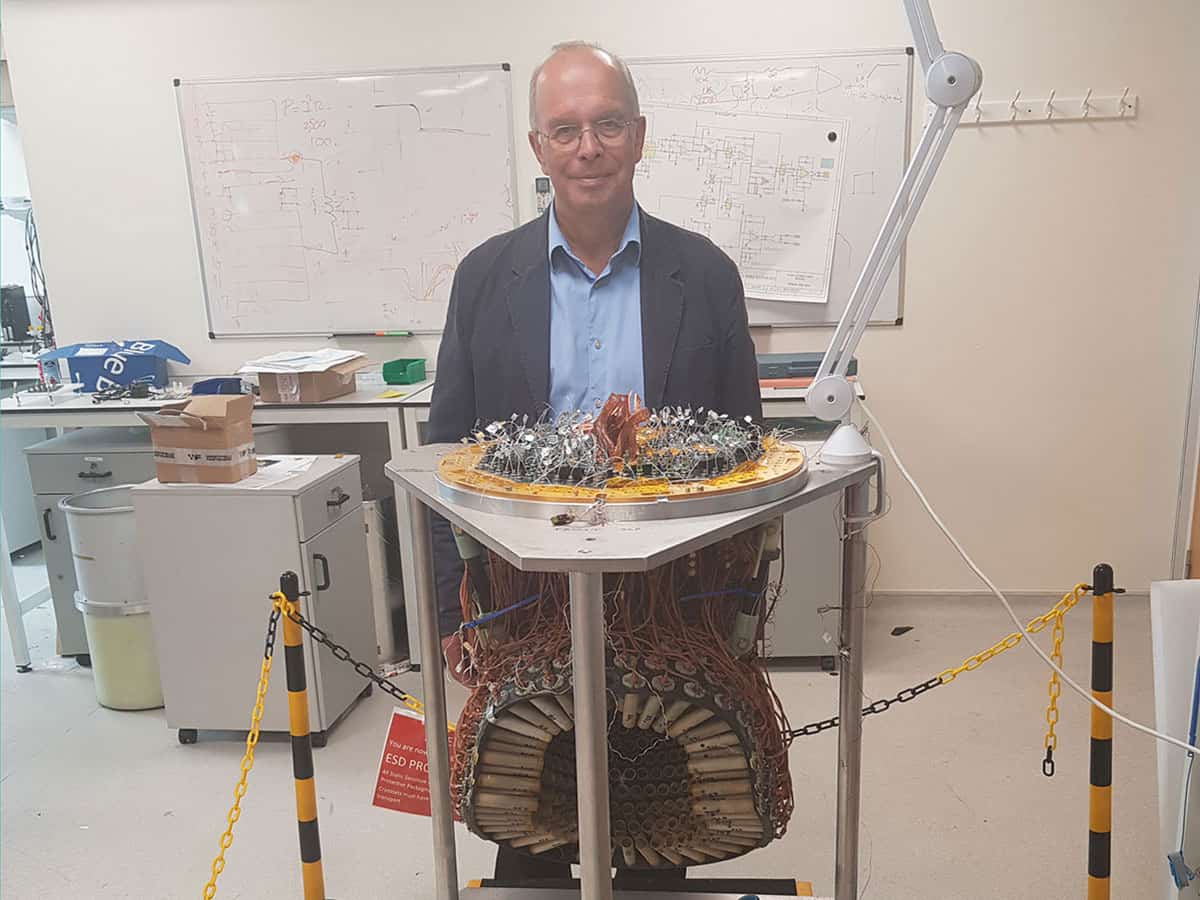
The idea began when the company that made our magnetoencephalography (MEG) machine in the research centre at York went bankrupt, caught out by the collapse of Lehman Brothers in 2008. We had to learn how to maintain it ourselves, and that meant replacing all the electronics because the chips in it were 25 years old – we couldn’t get replacements. That brought us to the attention of a group of Americans who were interested in mild traumatic brain injuries (MTBI), the kind people get from car accidents or playing contact sports such as rugby and American football. They heard that we were building our own MEG electronics, so they approached us and said, “Would you like to join us in forming a company?”

This was in 2014, and I initially refused because I enjoy running the York Neuroimaging Centre and I am still very active in research. But then I thought, “Well, maybe I should try something else in the last part of my career.” Like most academics, I’d done a lifetime of publishing papers and getting grants, but normally, you publish your work and you hope someone else will pick it up and use it. You don’t usually get the opportunity to turn it into something that will help someone.

What are the advantages of MEG over other brain-imaging techniques?

Magnetic resonance imaging (MRI) is great for imaging the brain’s structure, but when people use it to study brain function, they do it indirectly, by looking at changes in the magnetic properties of blood. As soon as an area of the brain becomes active, you get an increase in the flow of oxygenated blood to that area, and when the oxygenation of the haemoglobin in your blood changes, so do its magnetic properties, which affects the MRI signal. But it’s a slow process, one that happens over a period of seconds, and the connection with brain activity is very indirect. It’s a proxy measurement.

One alternative is to stick electrodes on someone’s head and measure the electrical potentials – an electroencephalogram, or EEG. The problem is that when current flows in the brain and creates those differences in electrical potentials, it also flows in layers of tissue over the brain that are not very good at conducting electricity. Although you can sample that electrical activity thousands of times a second, the picture you get is spatially blurred, and it’s also not good at imaging processes that are localized deeper in the brain.

The way to get around this is to image the magnetic fields directly. Wherever there’s current flow, there’s a magnetic field around it. If you have sensors that pick up that magnetic field, you can work out its distribution and solve the inverse problem of where current is flowing. The difficulty is getting sensors that can detect very small magnetic fields, down to femtoteslas (10–15 T). When I was an academic, I met a group of researchers from Royal Holloway, University of London, who had designed a new kind of quantum interference device that could do the job, and we decided to bring this new sensor technology to market in a cheaper, better MEG machine.

What are some of the applications of this technology?

One of the major ones relates to MTBI. Mostly, people with concussion and other MTBI symptoms go to the emergency room and are then sent home, but 40% go on to have long-lasting cognitive effects. That creates two problems. One is that no-one knows who’s going to get these long-lasting effects. The other is that there hasn’t been a good way of detecting what actually happened in the brain to cause them. Almost immediately after a head injury, the brain starts to experience very slow oscillations of electrical current, and therefore of magnetic field. These slow waves last about a second, and conventional imaging machines are not very good recording changes in the magnetic field on this time scale because the technology is too noisy. But our sensors can do it, so that’s very encouraging.

Another potential application is in treatments for epilepsy. Around a third of people with epilepsy are not helped by drugs, and the only alternative for them is surgical – open up the skull, put an array of electrodes over the surface of the brain, find out where the epileptic activity is centred and then remove that area of the brain. It’s highly invasive and high-risk. But if you can localize the epileptic activity with our MEG technique, you can use that information to guide the neurosurgeon, or even use gamma radiation or proton-beam therapy to target that area non-invasively.

What are you working on now?

Scaling up our manufacturing has been a challenge. When we saw these sensors working in the lab, we could see that they were much more sensitive and lower noise than conventional superconducting quantum interference devices (SQUIDs) by a long way, so we thought, “This is fantastic!” But our MEG machine has 350 channels and it’s not practical to make 350 sensors by hand, especially if you want to sell more than one unit. We now make the devices at the wafer scale, with high yields, but it’s taken us two years to get here. We thought it would take a few weeks.

The other thing I’ll mention is that we don’t want to be a one-trick pony, so we are working hard on what our next products will be. We’ve had grants from Innovate UK [a government funding body] to work on optical magnetometers that would replace our novel SQUIDs and allow us to remove the cryogenic system needed to cool them to superconducting temperatures. We’re also developing various software products to help analyse the imaging data.

Any advice for someone thinking of starting a company?

Don’t think you can do it all by yourself. There’s nothing wrong with getting professional business people in to help, and I’ve learned that, as an academic, having a good idea doesn’t necessarily mean you have a good product. Second, you’ve really got to keep up to date with technology. For example, we could have spent five or six thousand dollars on a commercial device to measure magnetic fields in a single channel, meaning that a machine with 350 channels would have been inordinately expensive. By keeping up to date, reading Physical Review Letters or Physical Review, we saw that there was this new device that could measure femtotesla fields, and that you could make it at wafer scale for a few tens of dollars. That’s what allowed us to turn our idea into a commercial device.

The personal impact of Mexico’s budget crisis

Fernando Fabián Rosales-Ortega

What is the scale of the cuts to Mexican science?

When Andrés Manuel López Obrador campaigned for the presidency of Mexico last year, he promised to support science and technology. But once in power after his overwhelming victory in December, his tone changed. As part of a broad effort to combat what he sees as civil servants’ use of government funds to live luxurious lives, López Obrador has slashed funding for the National Council for Science and Technology (CONACYT) – Mexico’s main research funding agency – by 12% and in some cases the council has begun asking institutions to contribute up to 50% of the costs of their research projects. The president has also halved the budgets for government-supported scientists’ trips abroad – something he called “academic tourism” – and has reduced research organizations’ budgets for fuel and office supplies by 30%.

What is Mexico’s scientific community doing in reaction?

The cuts have affected every scientific field from anthropology and chemistry to social science. All are facing problems due to cuts at different levels. Unfortunately, there’s still not a defined “scientific community” in Mexico. Many scientists, most of whom voted for López Obrador, still believe that the government will provide funds at some point. They are reluctant to believe that the cuts exist despite the evidence. However, for the first time, researchers from very different institutes and backgrounds have organized a movement called @ProCienciaMx that has created a petition asking the government to stop the cuts, to provide sufficient funds to science, and to stop the president’s attacks on the scientific community. So far, it has been signed by more than 17,000 people.

Has the petition had any effect?

We delivered the petition to the president but have not received a reply. Indeed, the problem has scaled from something administrative – budget cuts – to something rather political. For example, the president and CONACYT attacked Foro Consultivo de Ciencia y Tecnología – a prominent independent organization that was formed by senior scientists and promotes science in Mexico – accusing the group of being a burden on the system. The president also wants to centralize all the power and decision-making to the federal government so it can follow its agenda without considering other voices or opinions.

What actions have physics and astronomy organizations taken to cope with the cuts?

That depends on the organization and department. Institutes in Mexico are very diverse, and their funding and resources are also different. My department, for example, belongs to the National Institute for Astrophysics, Optics and Electronics (INAOE), which gets its funding from CONACYT. Therefore, we depend on the budget assigned by the ministry and don’t have any other sources of funding. In contrast, physics and astronomy departments that belong to the National Autonomous University of Mexico have more freedom, given that their funds depend on the university’s general budget. They even have their own grants and internal resources.

How has your institute reacted?

INAOE’s administrative department has tried to diminish the effect of the cuts by assigning budgets internally from one source to another. But still we have some important problems. For example, we don’t have funding to travel outside of Mexico. So all conferences, research stays, and observing runs that depend on the INAOE budget are being cancelled. Twenty people who were working under contract without tenure or permanent positions were dismissed – they had played an important role in many projects and grants.

How have those actions affected research projects?

That depends on the researcher and specific projects. In my case, the grants for infrastructure and technology were cancelled, so I don’t have funds to buy equipment for my small astronomical instrumentation lab. This year I was planning to go to a couple of conferences in the US and Europe as well as carry out a research stay in Madrid, but I will now have to cancel all my plans. People in other departments will also be affected as their lab equipment requires maintenance by external companies. With no money now to do this, contracts will have to be cancelled.

How does the future look?

The problem is that there’s no information from the administration about whether we’re going to receive funds or not. Technically the funds are not officially cut but “frozen” until further notice. The money is transferred on a monthly basis from the finance ministry to the institutes, and the latter don’t know the amount of money they’re going to receive and whether it will be enough to cover contracts, fees and operational costs. We still don’t know if the operation of our Guillermo Haro Observatory in Sonora will be compromised by the end of the year or whether the fees that we need to cover the Gran Telescopio Canarias will be available or not. There’s currently much uncertainty.

Bald cypress trees extend climate record in eastern US

Some bald cypress trees in the US state of North Carolina are more than 2000 years old, according to a recent study, making them the oldest known trees in eastern North America. The presence of such ancient trees should support efforts to protect their habitat from logging and development.

Researchers taking core samples from trees in the Black River wetland forest found several trees over 1000 years old, including one that sprouted before 605 BCE.

As a rule, the age of a tree is reflected in the number of concentric rings within its trunk. In late spring and early summer, trees grow quickly, producing a layer of new wood just beneath the bark. Later in the growing season, when growth has slowed, new wood forms a denser, thinner layer. Each pair of layers constitutes a single annual growth ring; its thickness depends on how favourable conditions were that year.

In the Black River study, the tree rings revealed a strong correlation between growth rate and the amount of precipitation during the growing season.

The oldest trees in the world are dominated by species found in the western US, such as the giant sequoia that can live for more than 3000 years and the Great Basin bristlecone pine that can survive for 5000 years. Ring thicknesses in such individuals offer an unbroken record of local climatic conditions going back millennia. Until now, the oldest trees known in the east of the continent were 1000-year-old bald cypress; this study extends the climate proxy record in the region by more than 900 years.

David Stahle of the University of Arkansas, US, and colleagues from The Ancient Bald Cypress Consortium, Cape Fear River Watch, University of Minnesota, The Nature Conservancy and United States Geological Survey searched the 6400-hectare Black River Preserve for trees showing obvious signs of age. The researchers took radial cores from likely candidates — causing no significant harm — and confirmed their age using radiocarbon dating.

After accounting for what Stahle calls “part of the ‘Black Arts of Dendrochronology’” –the tendency of trees to grow more slowly with age— the researchers had a sample from the oldest individual that, in principle, recorded growing conditions over 2624 years. (Core samples are extracted a few metres above the ground, where rings are undistorted by the tree’s basal swell, so the true age of this tree is probably 50 years greater.)

To test the record’s reliability, Stahle and colleagues measured the correlation between ring thickness and early-growing-season precipitation in the region between 1895 and 2010. They also studied the correlation between the ring thickness and patterns of atmospheric pressure over North America, the Atlantic and the Pacific.

About half of the variance in measured precipitation could be explained by growth-ring thickness, suggesting that the cores are a useful indicator of early-growing-season conditions over the past two millennia. Ring thickness also correlated with large-scale patterns of atmospheric pressure, which the researchers associate with cycles of the Pacific–North American circulation. This phenomenon influences bald cypress growth rate through its effect on local temperature.

The oldest tree currently known is one of just 404 dated so far. “There are many thousands of old-growth bald cypress — and water tupelo — yet to be studied at Black River, so the possibility of finding at least one 3000-year-old bald cypress cannot be ruled out,” says Stahle.

The record could be pushed back even further than this, however.

“Old ‘sub-fossil’ or relic logs found on the swamp floor or preserved in the main channel of the stream can sometimes be cross-dated with the chronology based on living trees, improving and extending the chronology deeper into prehistory,” says Stahle. “Remnant sub-fossil wood has been used to produce many of the longest tree-ring chronologies on Earth, including the pine chronologies from northern Fennoscandia and the bristlecone pine chronologies of the Great Basin.”

Stahle and colleagues reported their findings in Environmental Research Communications.

Noisy freight trains could help predict California earthquakes

Early signs of hazardous earthquake activity across Southern California can be detected using the passage of freight trains, which produce surprisingly strong seismic signals. That is the claim of researchers in France, Belgium and the US, who have demonstrated the detection principle on the dangerous San Jacinto Fault. The team has also calculated that the same approach could be used to monitor almost the entirely of California’s San Andreas Fault.

Reliable earthquake prediction is the holy grail of seismological research. Laboratory experiments have revealed that earthquake activity should be preceded by local changes in seismic velocity around the fault zone. In theory, it should be possible to monitor real-world faults for these signals of an impending rupture. In practice, however, the operation of continuous, high-energy seismic sources required for the ongoing probing of the Earth’s crust is prohibitively expensive.

“Predicting the occurrence of damaging earthquakes is still a great challenge,” says Florent Brenguier, a seismologist at the Université Grenoble Alpes. “This is because we lack direct observations of the processes leading to fault rupture at depth.”

Stronger than expected

Now, Brenguier and colleagues may have found a way to repeatedly and economically probe the crust by using railway traffic an existing seismic source. Freight trains have already been recognized as a source of seismic noise, which is generated as the heavy trains push down on the ground over which they run. It had been thought that their seismic signals would only be strong enough to probe the shallow surface, until a study last year by Asaf Inbal and colleagues reported the detection of clear seismic signals from freight trains tens of kilometres from the railway line itself. This suggests that the trains radiate a relatively high level of seismic energy.

In their new study, Brenguier and colleagues calculated that the seismic noise generated by the passage of freight train traffic running across Southern California each day is equivalent to a magnitude 2.2 earthquake. This is enough to penetrate the crust to a few kilometres depth—and should be detectable tens of kilometres from the railway.

For a proof-of-principle, the researchers studied the San Jacinto strike-slip fault, which runs through the Southern Californian counties of San Bernardino, Riverside, San Diego and Imperial. Based on historic earthquake activity, the San Jacinto fault is believed to pose a significant seismic risk in the region.

Millions at risk

“A large earthquake on the San Jacinto fault could cause major damage in several highly populated Southern California counties — with around five million inhabitants — located at distances of 15-150 km from the fault,” Brenguier explains. He adds, “The trifurcation zone of the San Jacinto Fault is one of the most seismically active areas in Southern California producing more than 10% of all earthquakes in this region”.

By placing sensors on either side of the railway line in the Coachella Valley—at the Piñon Flat Observatory and the Cahuilla Indian Reservation—the researchers were able to correlate recordings of the seismic noise from moving trains. They were able to reconstruct these data as virtual, high-frequency pressure-wave (P-wave) signals crossing the San Jacinto Fault line down to a depth of 4 km. This covers the upper seismogenic zone, where many earthquakes originate.

To confirm that trains were indeed the source of the noise used to probe the fault, the researchers analysed the seismic data recorded at the Piñon Flat array, finding 25 daily tremor-like signals, each lasting around 15 min. These correlated with the times that trains pass through the Coachella Valley.

Covering most of the San Andreas Fault

Brenguier and colleagues also explored the potential to use their approach more broadly, to monitor for earthquake activity across California. Modelling the railway network and distinguishing between hard-rock sites and sedimentary basins, the team found that their seismic interferometry method has the potential to be applied to almost the entirety of the San Andreas Fault system.

“This work is the first comprehensive report to utilize seismic signals from car/truck/train traffic for continuous monitoring Earth’s structure,” says Taka’aki Taira, a geophysicist at the University of California, Berkeley, who was not involved in the study.

He adds, “They demonstrate that we can turn traffic noise into persisting and predictable seismic sources, which opens up new exciting opportunities in Earth science.”

With their initial study complete, the researchers are now beginning a large-scale and longer-term seismic monitoring experiment in Southern California using the same principles, with the overall aim of improving their ability to forecast damaging earthquakes.

The research is described in the journal Geophysical Research Letters.

Quick-gelling inks allow high-resolution bioprinting

Hydrogel printing

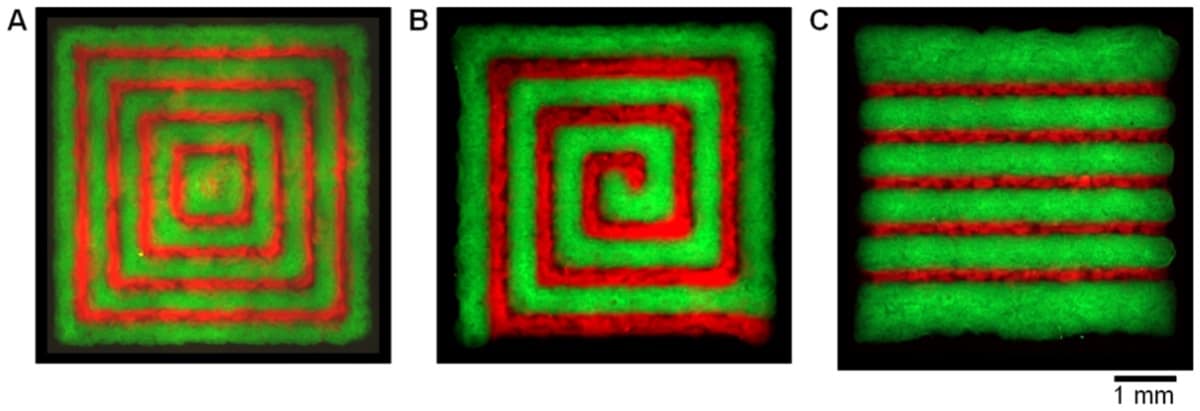
A new variation on an inkjet printer can create multi-component tissue scaffolds with features comparable in size to a single cell. Researchers in Germany modified a commercial bioprinter to output droplets of two different polymeric precursor materials simultaneously. When the droplets combine on a surface, rapid crosslinking reactions result in a hydrogel that retains its shape, making it able to form intricate 3D shapes. By altering the composition of the precursors, the mechanical and biological properties of the scaffolds can be made to vary in space, producing complex tissue-like structures that can be used as experimental models or for tissue regeneration (Biofabrication 10.1088/1758-5090/ab2aa1).

3D printing with biological materials has enormous potential as a way to fabricate tissues and even whole organs for medical and research purposes. Typically, polymeric precursors and suspensions of living cells are deposited as liquid droplets, forming stiff hydrogels only when heat or ultraviolet radiation are applied to induce crosslinking between the component molecules. This makes the method unsuitable for forming structures with very fine detail, as the droplets tend to spread out before the gelation process is complete.

To tackle this limitation, Ralf Zimmermann, at the Leibniz Institute of Polymer Research Dresden (IPF), and colleagues at IPF, Dresden Technical University and GeSiM, developed an inkjet bioprinter with two separate piezoelectrically controlled print nozzles. The researchers used one nozzle to dispense sub-nanolitre droplets of a solution containing the star-shaped polymer polyethylene glycol (starPEG) that had been functionalized with thiol, and the other to dispense a precursor functionalized with maleimide. When droplets from each nozzle converge on the substrate, the two functional groups react almost immediately, crosslinking to form a hydrogel before the mixture spreads.

Printing with a solution of starPEG in each nozzle can produce hydrogel structures with a resolution of 50 μm — a significant improvement on what has been achieved with similar gel systems until now. But while this represents a significant technical accomplishment, applications for such single-component structures are limited. When biological cells populate a scaffold, their behaviour – how they propagate and differentiate, and the tissues and structures that they form – depends on the biochemical and physical cues in their environment. This means that effective tissue scaffolds need to contain regions that vary in composition and mechanical properties so that cells are prompted to develop in a specific way.

Zimmermann and colleagues achieved this by replacing the maleimide-functionalized starPEG with heparin, which alters the mechanical strength of the hydrogel. The researchers found that different ratios of starPEG to heparin produce a material with a Young’s modulus that ranges from 2 to 28 kPa. Being able to fine-tune this property of a scaffold is important, because cells feel and respond to the stiffness of their substrate: mechanical forces are one of the factors that influence the outcome of stem-cell differentiation.

aterally structured hydrogels

Adding heparin to the mixture also allowed the researchers to incorporate into the scaffold other biologically active molecules, for which the heparin acts as a vehicle. These biomolecules promote certain desired cell behaviours: the RGD peptide, for example, improves cellular adhesion with the scaffold, while a platelet-derived growth factor encourages cells to migrate.

Having fine control over how such substances are arranged in a scaffold opens up new possibilities in tissue engineering and regenerative medicine. “The approach can be used to form spatio-temporal morphogen gradients in in vitro experiments, to mimic tissue boundaries in cell-laden hydrogels (to study the molecular transport of drugs across tissue boundaries, for example) or to mimic hierarchical tissue structures (as in implants for regeneration of articular cartilage defects),” says Zimmermann.

Copyright © 2026 by IOP Publishing Ltd and individual contributors