Artificial neural networks enable ultrasound-guided radiotherapy

A pair of machine-learning algorithms tracks patient motion in real time, in an ultrasound-guided radiotherapy system demonstrated by researchers in China and the US. While one neural network extracts features from each frame in an imaging sequence, the other observes patterns over time, predicting where the target will be in subsequent frames. The technique could offer clinicians an accurate and computationally efficient means of monitoring tumour motion without the need for ionizing radiation or implanted markers.

Real-time image guidance allows radiotherapy to be administered with the least possible damage to healthy tissue. It achieves this by tracking the tumour’s motion during therapy and switching the radiation beam off whenever it moves outside of the target volume. Image-guided radiotherapy (IGRT) systems typically employ X-ray CT to produce images for planning and patient positioning, but the image acquisition process is too slow to provide information continuously throughout the procedure. The same instrument can capture 2D fluoroscopic images with high enough temporal resolution, but these lack soft-tissue contrast, and therefore rely on the presence of prominent fiducial markers implanted in the tumour.

An inexpensive alternative to X-ray-based IGRT, ultrasound imaging requires no fiducial markers to be implanted and delivers no ionizing radiation to the patient. No implementation tried so far, however, has managed to simultaneously achieve adequate tracking accuracy and computational speed.

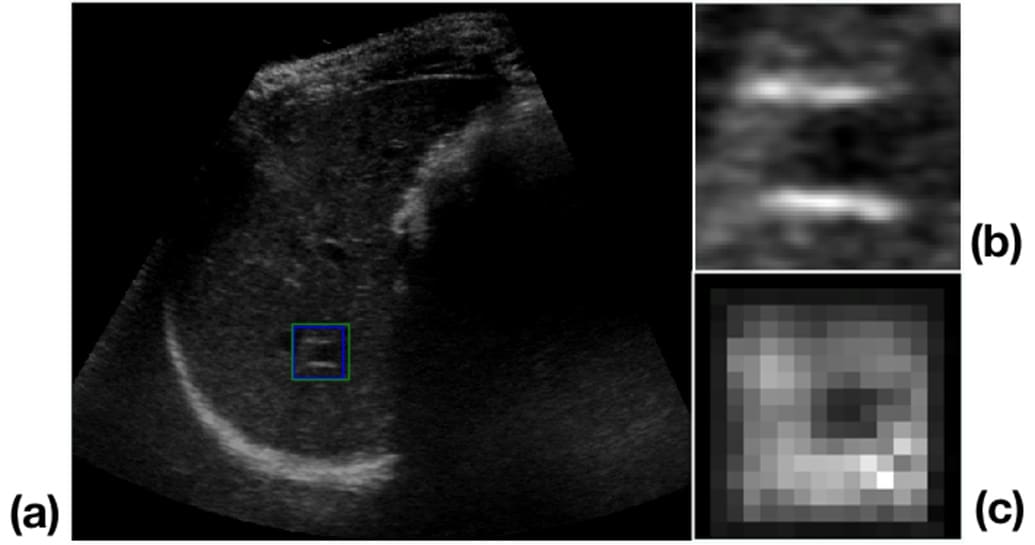
Now, a collaboration led by Lei Xing of Stanford University School of Medicine and Dengwang Li of Shandong Normal University has shown that a machine-learning approach can achieve a level of tracking accuracy well above the threshold of clinical acceptability, while keeping up easily with the 30 frames per second acquired by the ultrasound imaging device (Med. Phys. 10.1002/mp.13510).

Key to the result was the use of two complementary network architectures, each of which focuses on a different aspect of the motion-tracking problem. “The first part is mainly for image-feature learning,” says first author Pu Huang of Shandong Normal University. “It transfers the high-dimensional image to a low-dimensional but high-level feature representation, which is resistant to noise.”

Fed this spatial information, the system’s second component handles the temporal dimension. “This part is mainly for historical memory learning,” explains Huang. “It processes the high-level feature representation in an efficient way and yields the predicted target location.”
Ultrasound tracking

The researchers applied these algorithms to a dataset of 64 liver ultrasound sequences in which the features — which moved and deformed throughout each sequence — had been identified by experienced ultrasound physicians. Twenty-five of the sequences made up a training set while the remaining 39 were used to test the tracker’s performance. The feature locations as determined by the ultrasound physicians were taken to represent the “ground truth” against which the algorithms were judged.

Compared to the assumed perfect performance of the experts, the automatic tracker achieved an average error of less than 1 mm and never exceeded the clinical accuracy threshold of 2 mm. Running on an unexceptional computer with a dedicated graphics processing unit — not unusual nowadays — the algorithms achieved this at a rate of more than 66 frames per second, which is much faster than the frame rate of the ultrasound imager.

As the technique relies on hardware that is commonplace, there are no great barriers to its clinical adoption. Huang and colleagues envisage it being used with either beam gating — where the beam is switched on and off in response to tumour motion — or a multileaf collimator, in which the beam is shaped and directed by movable filters. First, though, the researchers intend to test the procedure with realistic streaming data, as they have only tested it offline so far.
New type of origami features ‘topological mode locking’

An origami folding pattern that produces a highly-tuneable metamaterial has been discovered by Glaucio Paulino and colleagues at the Georgia Institute of Technology in the US. They developed the new technique by combining the existing “eggbox” and “Miura-ori” folding arrangements into a single pattern.

Origami is best known as the highly-skilled art form of paper folding, but it has also inspired the design of practical structures such as foldable solar arrays for spacecraft. Origami has been used to create metamaterials with useful properties that can be fine-tuned by adjusting the folds – an example being adjustable acoustic metamaterials for a concert hall.

An eggbox origami metamaterial is a planar lattice of mountain and valleys.  When such a metamaterial is stretched in one direction, it will shrink along the perpendicular direction – an effect that is described by a positive Poisson’s ratio. In contrast, Miura-ori metamaterials resemble a lattice of folded zig-zags and have a negative Poisson’s ratio.

Smooth transition

In their study, Paulino’s team developed a new folding pattern that they named “Morph”, which uses a four-vertex origami cell to combine features of both eggbox and Miura-ori patterns. Morph allows for manual switching between mountain and valley assignments of individual creases and this permits a smooth transition between the two types of origami patterns.

What is more, Morph can have both positive and negative Poisson’s ratios – which is a very useful property that has only recently been achieved in other types of metamaterials. In addition, the team showed that Morph can be completely flattened in two different ways.

Paulino and colleagues showed that unit cells within Morph could be combined in both eggbox and Miura-ori modes to create hybrid origami patterns. These patterns displayed several interesting properties such as “topological mode locking”, whereby the mountain and valley assignments of certain unit cells are preserved while the pattern can be fold smoothly.

A related feature of Morph is that its Poisson’s ratio can be tuned to arbitrary values, which the researchers demonstrated by creating a diverse range of shapes through unique combinations of stretching and out-of-plane bending.

The physicists say that the hybrid folds used in their study could lead to versatile new metamaterial structures. Their potential applications include adjustable acoustics for concert halls and crash protection systems in drones that are tuneable to specific flight conditions.

Morph is described in Physical Review Letters.

Antimatter quantum interferometry makes its debut

The first antimatter quantum waves

Researchers in Italy and Switzerland have performed the first ever double-slit-like experiment on antimatter using a Talbot-Lau interferometer and a positron beam.

The classic double-slit experiment confirmed that light and matter have the characteristics of both waves and particles, a duality that was first put forward by de Broglie in 1923. This superposition principle is one of the main postulates of quantum mechanics and researchers have since been able to diffract and interfere matter waves of objects of increasing complexity – from electrons to neutrons and molecules.

The QUPLAS (QUantum Interferometry and Gravitation with Positrons and LAsers) collaboration, which includes researchers from the Politecnico di Milano L-NESS in Como, the Milan unit of the Istituto Nazionale di Fisica Nucleare (INFN), the Università degli Studi di Milano and the University of Bern, has now performed the first interference experiment on positrons – the antimatter equivalent of electrons.

“The experiment was first proposed for electrons by Albert Einstein and Richard Feynman as a thought experiment and realized by Merli, Missiroli and Pozzi in 1976 and more systematically by Tonomura and colleagues in 1989,” explains QUPLAS spokesman Marco Giammarchi of the INFN. “In this original experiment, which was voted by Physics World as the most beautiful experiment, the researchers demonstrated the specifically quantum effect of single particle interference, which – according to Feynman – is the central ‘mystery’ of quantum theory.”

Talbot-Lau interferometer

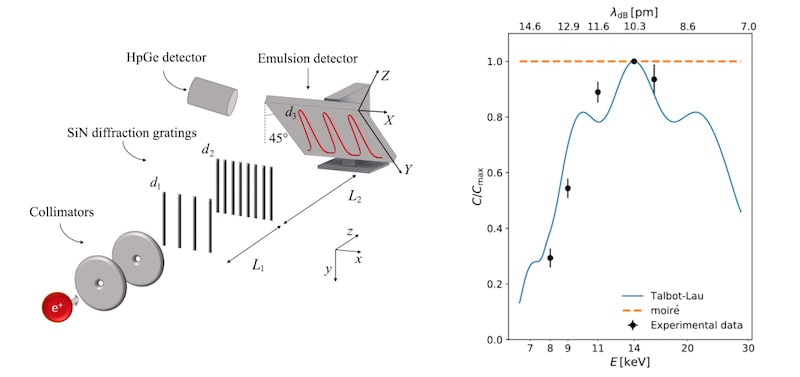
In the new version, Giammarchi and colleagues made use of a modified version of a period-magnifying two-grating “Talbot-Lau” interferometer. This device contains material diffraction gratings and produces high-contrast periodic fringes.

“This interferometer operates in the intermediate field region (as opposed to the far-field in the classic Merli-Missiroli-Pozzi experiment),” explains Giammarchi. “Here, particle trajectories become waves, so that interference starts to build up from two (or more) neighbouring slits because of the wave nature of the particles. We say it is magnifying because it enhances the interference pattern from the micron-scale of the gratings to up to six microns at the detector thanks to its unequally spaced gratings. This allows us to detect the interference pattern produced.”

The device is made of gold-coated 700-nm-thick silicon nitride gratings with periodicities of (1.210 ± 0.001) μm (d1) and (1.004 ± 0.001) μm (d2) to produce a periodic interference pattern d3 of (5.90 ± 0.04) μm.

Five interference patterns

The researchers detected the fringes in the interference pattern using a sub-micron resolution device known as a nuclear emulsion detector (made in Bern), which works as a photographic film since it contains silver bromide crystals embedded in a 50-mm-thick gelatine matrix. They observed five interference patterns at energies of 8, 9, 11, 14 and 16 keV.

“We tuned our system to provide maximum visibility at 14 keV, so the pattern visibility varies with respect to energy,” says Giammarchi. “This variation is a purely quantum mechanical effect and comes from the fact that a change in energy entails a change in the de Broglie wavelength.

“This visibility dependence as a function of energy is predicted by quantum theory and cannot be explained by classical physics,” he tells Physics World. “The visibility behaviour we have observed agrees with the theory prediction.”

In their experiments, the researchers used positrons from the variable energy positron beam facility at L-NESS (the Laboratory for Nanostructure Epitaxy and Spintronics on Silicon) in Como. They implanted positrons (e+) from the beta decay of a 22Na radioactive source on a monocrystalline tungsten film, where they were emitted with a kinetic energy of about 3 eV. They then accelerated slow positrons up to 16 keV using an electrostatic system to create a monochromatic and continuous positron beam that has an energy spread of less than 0.1%. The positrons are emitted at a rate of around 5 x 10e+/s and the beam can be tuned to a spot with a focal size that is roughly several millimetres at full width at half maximum (FWHM).

Testing the weak equivalence principle and the CPT theorem

The new work heralds the beginning of the field of antimatter quantum interferometry and the main application for the technique will be to explore antimatter neutral systems such as antihydrogen, which is the antimatter equivalent of hydrogen and contains a positron and an antiproton. These studies could allow researchers to measure the gravitational properties of antimatter (does it fall up or down, for example?). Such measurements are of fundamental importance for testing the weak equivalence principle (which could have far-reaching consequences for cosmology) and the CPT theorem (which says that the laws of physics remain the same if the charge, parity and time-reversal properties of a particle are inverted together).

“Violation of these principles could show that the Standard Model of particle physics is incomplete or hold the key to our understanding of the mystery of matter-antimatter asymmetry in the universe,” explains Giammarchi.

The Como-Milan-Bern team will now be looking to build up the positronium beam at L-NESS so that it can start making such measurements. “A side application of what we have achieved could be to study decoherence with antimatter systems for the first time.”

The research is detailed in Science Advances.

‘Thermal inductor’ could convert boiling water to ice with no energy input

A consequence of the second law of thermodynamics is that heat spontaneously flows from hot to cold, not the other way around. But now researchers in Switzerland have now shown that, if two reservoirs at different temperatures are connected using a passive thermoelectric element, “thermal inertia” can allow the hot reservoir to cool down to below the temperature of the cold reservoir. While this does not violate the second law, thermoelectic materials available today are not good enough for the effect to be exploited in practical devices. However, the researchers believe it could one day be used in refrigeration.

The thermoelectric effect is a well-known phenomenon whereby some materials convert a temperature difference into a potential difference. Heating one end of a metal, for example, causes the excited electrons at the hot end to diffuse towards the cold end. The effect also works in reverse: applying an electric current to a thermoelectric material leads creates a temperature gradient. This is the basis of thermoelectric coolers, which are widely used in computers, hotel minibars and other situations where the compressor required by a standard refrigerator would be unfeasible.

In thermoelectric coolers, heat flow from cold to hot is driven by external energy input. In this latest research, Andreas Schilling and colleagues at the University of Zurich dispensed with an external power supply. They started from two reservoirs at different temperatures. If these were placed in thermal contact, heat would simply flow from the hot reservoir to the cold until the two reached thermal equilibrium. Instead, however, they connected them electrically through a thermoelectric element, allowing the heat flow to drive an electric current. Crucially, they also added an electrical inductor.

Going with the flow

Inductors are among the most basic electrical components, usually comprising just a coil of wire. As current flows through the inductor, a magnetic field is induced in the coil. If the current is increased, the inductor draws energy from the current into the magnetic field. If the current is reduced, the inductor returns this energy: “With an inductor there is a kind of electrical inertia,” explains Schilling, “Once the current is flowing, it wants to stay flowing.”

When the two reservoirs are initially connected, therefore, the inductor resists the increase in electric current induced by the thermoelectric effect. As the temperature difference drops, however, the induced current also drops, and the inductor resists this drop. When the temperature difference reaches zero, the electrical inertia allows current to keep flowing. The circuit now behaves as a thermoelectric cooler, continuing to push heat from the hot reservoir to the cold reservoir even though the “hot” reservoir is now colder. The electrical inertia therefore causes a “thermal inertia” – a heat current that requires energy to stop. Eventually, the temperature difference becomes sufficiently large to induce a current back the other way, and the process is repeated. This leads to temperature oscillations between the two reservoirs, which are eventually damped by losses in the circuit.

Despite the repeated heat flow from cold to hot in both directions, the researchers calculated the overall entropy of their system always increases, as required by the second law. The key is that, when the two reservoirs are the same temperature, this temperature is slightly lower than the mean temperature of the two heat baths at different temperatures. “When the average temperature goes down by maybe 1%, this seemingly lost energy is stored temporarily in the inductor,” explains Schilling. The return of this seemingly negligible energy allows the total entropy of the two heat baths to increase, even as heat is driven from cold to hot.

Perfect thermoelectric needed

The researchers heated the hot reservoir to 104 °C, before connecting it to a thermoelectric material at 22 °C. In principle, the laws of thermodynamics allow the hot reservoir to be cooled to -47 °C – allowing boiling water to be cooled to ice simply by connecting it to a room-temperature thermoelectric. This would require a perfect thermoelectric material, however, and current thermoelectrics are nowhere near this. In practice, the largest cooling the researchers achieved was less than 3 °C below 22 °C. Nevertheless, says Schilling, thermoelectric development is one of the most active areas in materials science because of their potential to produce compressor-free commercial refrigerators.

“Fundamentally, I think it’s very interesting,” says Greg Walker of Vanderbilt University in Nashville, Tennessee. He is more sceptical about applications, however: “I’m not sure how you would build a company around it and not really sure what you would do with it.”

The research is described in Science Advances.

Orbiting Carbon Observatory successfully launches to the International Space Station

NASA has successfully launched a space probe to measure the amount of carbon dioxide in the Earth’s atmosphere. Launched today by a Falcon 9 rocket from Cape Canaveral in Florida at 02:48 local time, the Orbiting Carbon Observatory 3 (OCO-3) will now be installed on the International Space Station (ISS) over the coming days. Costing around $100m, OCO-3’s will map the Earth’s carbon dioxide, search for areas that produce and absorb large quantities of the gas and examine how levels change during the day.

The first OCO mission, costing $270m, failed just 14 minutes after lift-off in February 2009. NASA then rebuilt the craft — renamed as OCO-2 — at a cost of $465m. That probe was successfully launched in July 2014 and put into polar orbit, where it became NASA’s first spacecraft dedicated to making space-based observations of atmospheric carbon dioxide. Although originally meant to operate for only two years, OCO-2 is still running and has already helped scientists to get a better understanding of the 2015-2016 El Niño weather pattern on the carbon cycle.

OCO-3 will paint the most detailed picture ever of human and plant influences on the carbon cycle and in turn, the Earth as a system and how it is changing

Ralph Basilio

As OCO-2 is in a polar orbit, it goes over any given location at the same time of day. OCO-3, however, will instead be installed on the Japanese Experiment Module-Exposed Facility aboard the ISS The ISS orbits Earth with an inclination around 52 north to 52 south — or around London to Patagonia. This means that OCO-3’s location over Earth changes a little on each orbit allowing it to scan a given location across its sunlit hours. This will let OCO-3 measure local changes in carbon dioxide at different times in the day as well as solar-induced chlorophyll fluorescence levels — the light re-emitted by chlorophyll molecules in plants during photosynthesis.

OCO-3 will pick out “sources and sinks” of carbon dioxide with the ability to measure concentration of the gas in the atmosphere to an accuracy of around 0.4%. “Dozens of areas of interest, for example, large urban centres, will be mapped each day,” OCO-3 project manager Ralph Basilio from NASA’s Jet Propulsion Laboratory in California told Physics World. “This will help to determine if carbon dioxide emissions are due to human activity or part of the natural cycle. In addition, this will provide for more detailed assessment of plant health over time.”

Painting a picture

OCO-3 will contain three spectrometers that were built as spare parts for the OCO-2 mission. Rather than directly measuring the amount of gases in the atmosphere, these spectrometers detect the change in intensity of sunlight that has been reflected from the Earth’s surface and then absorbed by carbon dioxide and oxygen. One spectrometer on OCO-3 is dedicated to studying oxygen, while the other two measure carbon dioxide at two different sets of wavelengths.

OCO-3 is expected to last for three years, but like its predecessor, OCO-2, the mission could go on for much longer. “When combined with the five-year dataset of OCO-2, OCO-3 will paint the most detailed picture ever of human and plant influences on the carbon cycle and in turn, the Earth as a system and how it is changing,” adds Basilio.

Apollo 11 user’s manual for sale, the physics of parking your car

The ring-bound, 44-page manual that helped Neil Armstrong and Buzz Aldrin fly the Apollo 11 lunar lander could be yours – for several million dollars. The “timeline book” describes all the procedures used to undock, land and rendezvous the Eagle lander with its Columbia command module during its momentous voyage in 1969. The book is up for auction at Christie’s in New York and contains drawings and check marks made by the astronauts. If you cannot afford the expected price of $9m, the manual will be on public display in New York until 17 May before embarking on a world tour. The auction will be held on 18 July.

Parking a car in some places can seem as complicated as piloting a lunar lander. So the next time you are contemplating where to leave your car you might want to consult “Simple parking strategies” by physicists Paul Krapivsky of Boston University and Sidney Redner of the Santa Fe Institute. The duo look at that age-old conundrum: should you park far from a popular destination, where finding a spot is easy but the walk is long, or should you invest your time in trying to park close to the destination, where spots are much harder to find?

Start-up companies showcase radiotherapy innovation

The ESTRO 38 meeting, held earlier this week in Milan, saw over 100 companies exhibiting at the trade show. Physics World spoke to some of the newest vendors, in the dedicated “Start-Up Corner”.

Beads of glass track delivered dose

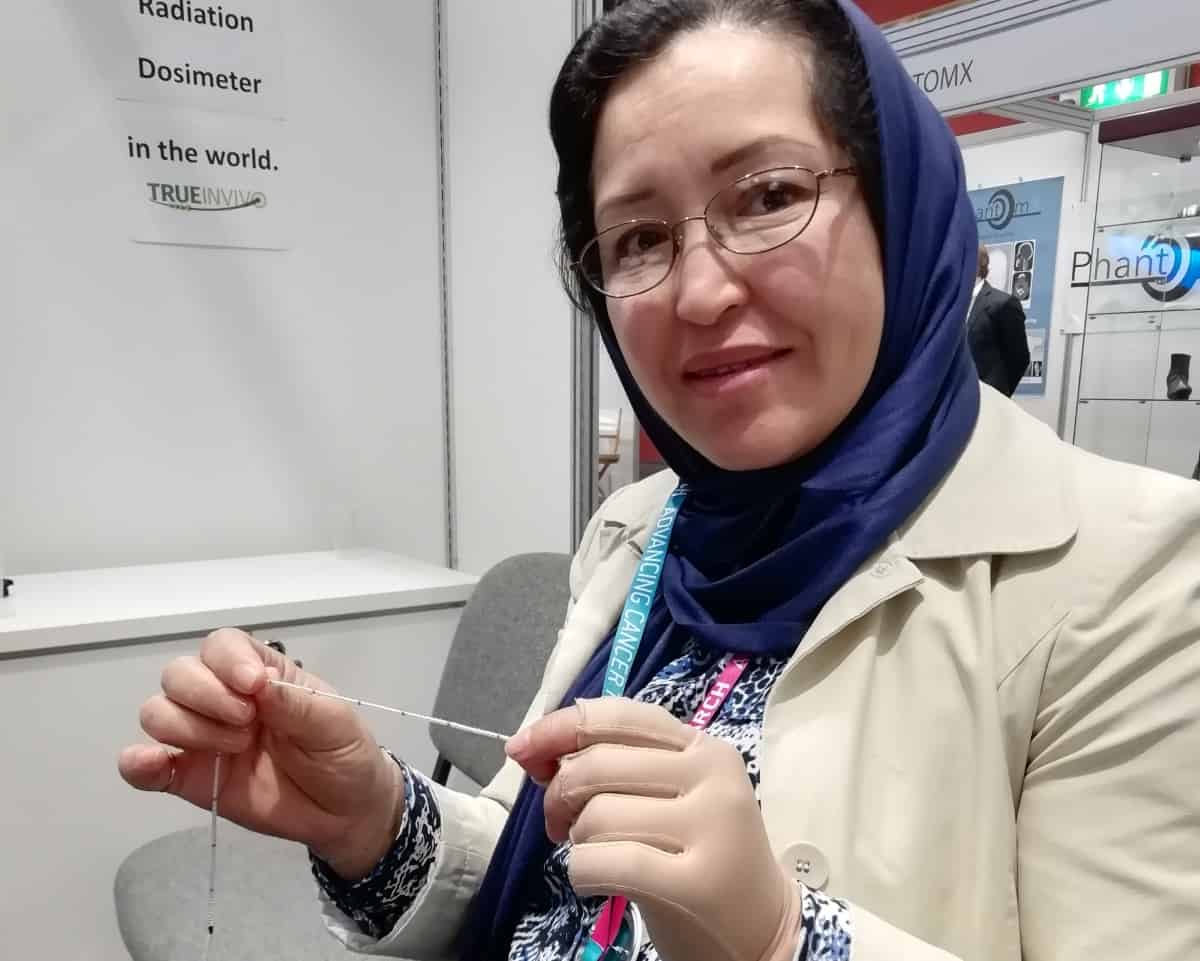
TRUEinvivo is developing a high-performance thermoluminescent detector array based on small, biocompatible silica beads. The company’s DOSEmapper system is designed to track the dose delivered during radiation treatments. “We are bringing an in vivo dosimetry system to the market that can be placed inside the body and measure radiation dose at high resolution,” explains Shakar Jafari, TRUEinvivo’s founder and CTO.

Shakar Jafari

The microsilica beads can be arranged into various configurations. For prostate cancer treatments, for example, the beads can be strung onto a thread that fits into a standard catheter. The catheter can be placed into the patient’s urinary tract where the beads measure dose to the prostate and bladder during treatment — at up to 1 mm resolution. Alternatively, the beads can be assembled on a mesh around a balloon to measure dose in cavities. Jafari notes that DOSEmapper is suitable for use with about 70% of cancer types.

After treatment, the beads are placed into an automated thermo-luminescent reader that heats them one at a time and measures the emitted light signal from each individual bead. Read-out of 100 beads typically takes about 15 minutes, and the beads exhibit a linear response from mGy to kGy levels. The measurements can then be compared with the patient’s treatment plan, enabling plan adaptation if necessary.

Artificial intelligence addresses segmentation woes

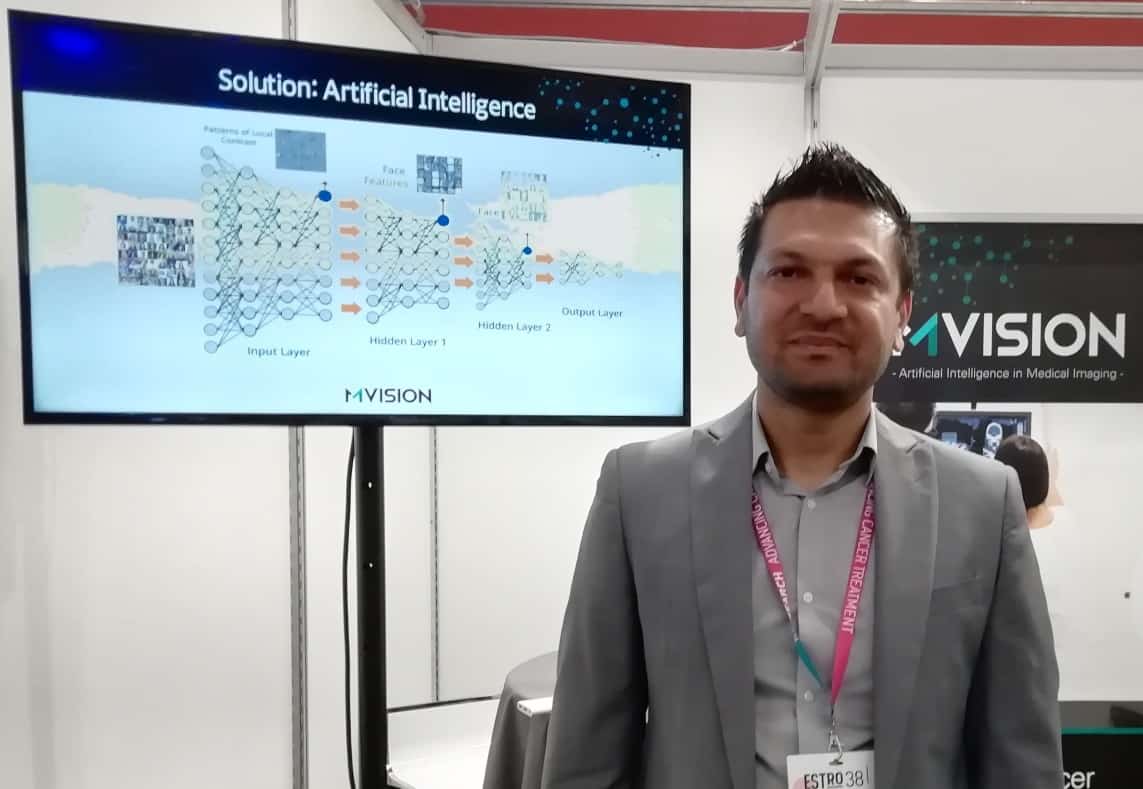
Mahmudul Hasan, CEO of Helsinki-based MVision, founded the company to solve a problem — namely, the complex, time-consuming nature of contouring images for radiotherapy planning. “Image segmentation is highly challenging and can lead to delays in treating patients,” he explains“It is time consuming because the process is mostly manual or semi-automatic with atlas-based systems, and both need extensive manual fixing.”

Mahmudul Hasan

Hasan describes how in a previous role, he was attending treatment planning training course and was challenged to contour a prostate on a scan. “I was completely lost, so I asked an oncologist for help, and found that I could do it by following instructions,” he says. This led him to surmise that artificial intelligence (AI) could be used to automate such tasks, saving time and adding consistency to the radiotherapy planning process.

So in 2017, Hasan teamed up with another software engineer, a medical physicist and an AI research scientist to create MVision. “We developed our first product in 11 months,” he says. The company’s AI-driven contouring tool takes a CT scan and produces a 3D contoured model in just two or three minutes. “It is now CE marked and deployed in two Finnish hospitals,” says Hasan, noting that in future developments, he aims to reduce the tool’s processing time to just a few seconds. “Deep learning-based algorithms trained with real clinicians’ experience perform as well as a clinical expert, which saves time and brings consistency into the workflow.”

Radiotherapy system targets breast cancer

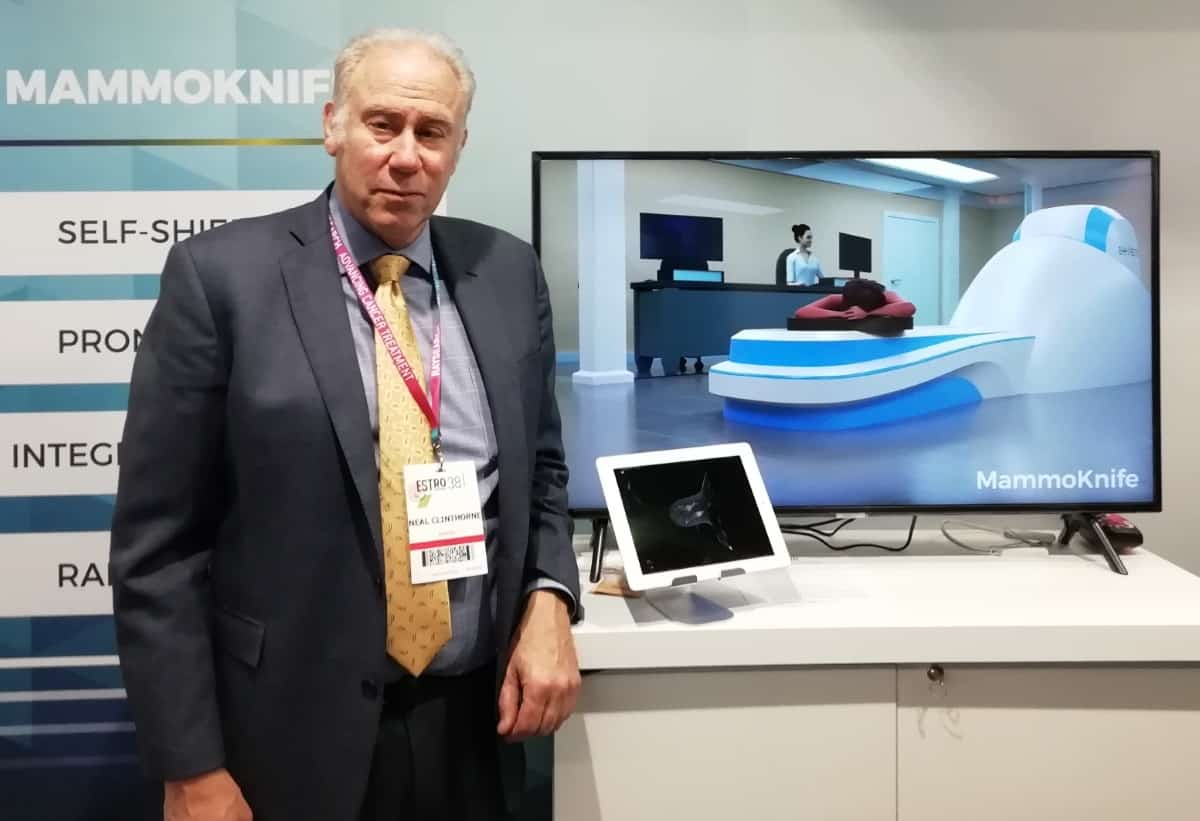
EhmetDx‘s MammoKnife is the world’s first self-shielded radiotherapy system dedicated to treating breast cancer. “It is entirely self-shielded, so you don’t need a radiotherapy bunker, you can install it in a health clinic or even a mobile trailer,” explains CTO and co-founder Neal Clinthorne. “We aim to give radiation oncologists a tool that does not limit their creativity and that can provide better cancer care around the world.”

Neal Clinthorne

The MammoKnife, which incorporates a 6 MV linac and a multileaf collimator, treats patients in the prone position, thus minimizing heart and lung toxicity. Offering full 360° access to the breast, it can irradiate from more angles than possible with conventional systems, improving cosmetic outcome.

Targeted at treatment of early-stage breast cancer, MammoKnife can deliver accelerated whole and partial breast irradiation, intensity-modulated treatments, multi-target techniques and radiosurgery. Clinthorne points out that the path to CE and FDA regulatory clearance is simplified as the system is “substantially equivalent” to existing devices. He predicts that MammoKnife will be released for sale in 24–30 months.

User-independent QA device offers two-in-one testing

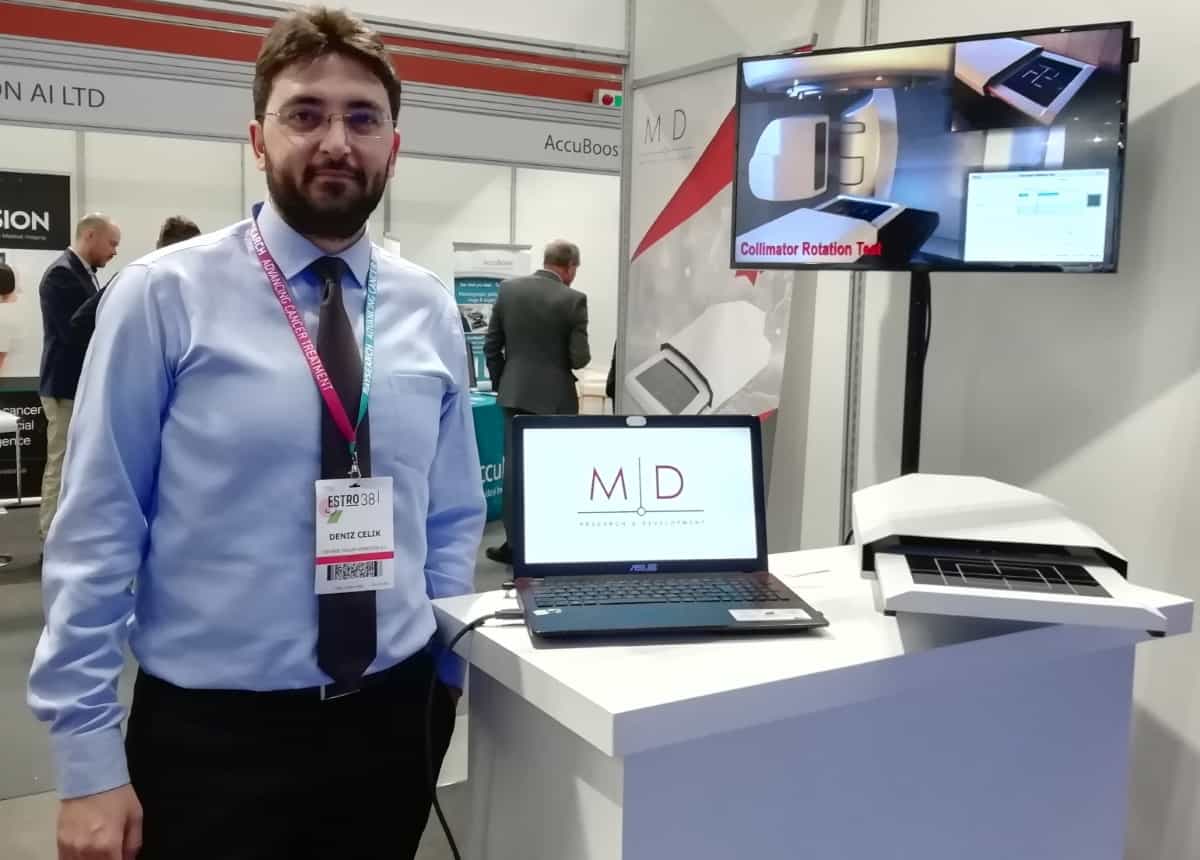
MD Arge has created a next-generation linac quality assurance system that performs both geometric and dosimetric tests using a single device. The UFC (user free control) device measures the light field and the radiation field together, with an adjustable resolution of 1 cm to 1.25 µm, enabling comparison of the radiation and mechanical isocentres. “One device can do most of required tests together, and it is user independent,” says co-founder Deniz Çelik.

Deniz Çelik

Çelik explains that while other quality assurance systems require careful positioning on the treatment couch, UFC uses an inclinometer on the measurement array to align its angle and detect the measurement point itself. “You simply put the device on the couch and it finds the isocentre and the correct angle automatically,” he says.

Dose measurement is performed using a high-resolution CsI(Tl) scintillator photodiode array, while a silicon photodiode array measures the light field. The idea arose from Çelik’s PhD thesis (at Istanbul University), and he established MD Arge in 2017 to commercialize the device.

How could a changing climate affect human fertility?

Human adaptation to climate change may include changes in fertility, according to a new study by an international group of researchers.

They found that, through its economic effects, climate change could have a substantial impact on fertility, as people decide how much time and money they devote to child-rearing, and whether to use those resources to have more children or invest more in the future of each child.

Their study, published in Environmental Research Letters (ERL), examined the economic channels through which climate change could affect fertility, including sectoral reallocation, the gender wage gap, longevity and child mortality.

They used a quantitative model that combined standard economic-demographic theory with existing estimates of the economic consequences of climate change. The model examined two example economies, Colombia and Switzerland. It focused on how the demographic impacts of climate change might differ across locations and between richer and poorer countries.

The team’s model follows individuals through two stages of life, childhood and adulthood. In the model, parents must decide how to divide limited resources between supporting current family consumption, having children, and paying for each child’s education. Children’s future income depends on parental decisions.

Gregory Casey, from Williams College, Massachusetts, US, is the study’s lead author. He said: “Increases in global temperature affect agricultural and non-agricultural sectors differently. Near the equator, where many poorer countries are, climate change has a larger negative effect on agriculture.

“This leads to scarcity of agricultural goods, higher agricultural prices and wages and ultimately, a labour reallocation. Because agriculture makes less use of skilled labour, our model showed that climate change decreases the return on acquiring skills, leading parents to invest fewer resources in the education of each child, and to increase fertility.”

However, the researchers found these patterns reversed at higher latitudes.

Co-author Soheil Shayegh, from Bocconi University, Milan, Italy, said: “Our model suggests climate change may worsen inequalities by reducing fertility and increasing education in richer northern countries, while increasing fertility and reducing education in tropical countries.

“This is particularly poignant, because those richer countries have disproportionately benefited from the natural resource use that has driven climate change.”

Casey added: “Our model only deals with a single economic channel, so it is not intended to give a complete quantitative account of the impact of climate change on demographic outcomes. Further work is needed on other economic channels, especially those related to health.”

Industries join forces to power up electric vehicles

Milk floats were way ahead of their time it turns out. These electric powered carts that trundled from house to house silently delivering milk and dairy at the crack of dawn skipped the whole diesel, petrol-junkie era, leapfrogging from horse power to electric back in the late 1950s. Now consumers are beginning to catch on, opting for electric vehicles for their road trips and commutes in larger and larger numbers, prompting the UK automobile and chemical industries to align their efforts so that vehicle manufacturers can locally source all the required battery components from mined materials to the installed battery pack.

“Over the last few years we’ve been finding out what the size of the opportunity is for the UK for the auto companies and their supply chains,” says David Greenwood, who leads the Advanced Propulsion Systems team at WMG, Warwick University in the UK, and has worked closely with the Advanced Propulsion Centre UK (APC) to inform this latest initiative. “What’s becoming increasingly clear is there’s an upstream opportunity for the chemical supply chain companies to come in and grab up to four or five billion pounds worth of business per year by the mid-2030s if they were to look at producing the chemicals and materials we need for batteries.”

With a projected £4.8 billion per year within the next decade or two on the table, naturally there was a buzz in the air at the launch. The event brought a range of stake holders from both government and industry to the home of the Society for Chemical Industry (SCI) in London. The companies with representatives at the event included international enterprises with significant UK business interests, such as Japan-based Mitsubishi, which numbers the largest electrolyte plant in Europe among its UK assets. Others are currently weighing up the odds for choosing the UK over other European countries for future plants. Sharon Todd, Executive Director of the SCI highlighted the significance of an initiative like this for attracting investment to the UK post-Brexit, as well as some of the challenges, besides the obvious competition with other countries who have already invested heavily in battery technologies.

“If the automotive industry and the chemical industry can come together to accelerate the opportunities through the supply chain – that’s where the UK will see real value added,” Todd told Physics World. This will mean not just sharing investment risks but also synchronizing developments. With the scale and pace of growth expected in the battery industry over the next ten years, timing is key. “There are challenges in that industries and companies haven’t worked this way for some time,” adds Todd. “When SCI was established companies did work like that, that’s how the society was established, but that’s not been the case for many years. So I think there’s a different way of operating across traditional boundaries that will take some time to work through.”

UK assets

As well as the largest electrolyte plant in Europe, the UK has one of the largest supplies of graphite in the world, in addition to healthy reserves of other minerals. Deposits of cobalt – “gold dust in the battery industry” in the words of E4Tech Director Adam Chase – are so abundant they currently exceed resources to process it, so that most of it is exported.

The UK also has a legacy of expertise in battery technology. As APC CEO Ian Constance highlights the discovery and development of the lithium-ion battery, which is expected to power electric vehicles for at least another eight to ten years, is widely accredited to the work of John Goodenough at Oxford University, in the UK. Constance is quick to point out that the work to commercialize these batteries largely took place outside the UK in Japan and that there is plenty of room for improvement for the UK itself to capitalize on “good ideas”.

There are important practical considerations that make a local supply chain particularly desirable for industries using batteries. Shipping batteries and battery components requires hazardous goods protection, and components often require assembling within weeks of being laid out so that losing a fortnight to their shipping can make the manufacturing schedule uncomfortably tight. Batteries are also not just heavy but the most valuable component of electric vehicles – in terms of securing a thriving UK manufacturing industry, if the battery is manufactured elsewhere it may no longer be legitimate to tag the final vehicle as made in the UK.

launch photo

As well as the economics, it is also relevant to consider the environmental impact of globally distributed components for a product that aims to diminish the carbon footprint of transport. Electric vehicles become significantly less environmentally friendly if you charge them with energy from fossil fuels. However as Tony Harper, Industrial Strategy Director for Innovate UK’s Faraday Battery Challenge points out, the UK has a “low and improving carbon grid”. Alongside many other countries renewable energy is on the rise in the UK, so that supporting electric vehicles can genuinely help clean up the air and protect the planet. Constance also expresses interest in the “whole carbon and environmental impact from production through use and recycling end of life”.  Here a local supply chain can also play a role. As Todd points out “Local is low carbon.”

All in the timing

While Brexit may heighten interest in a manufacturing initiative with global reach, Constance attributes the motivation to establish a battery supply chain to market demand. “Electric vehicles are taking off,” he told launch attendees over dinner. A lot of people clearly agree as the APC has secured £1 billion funding for projects that bring low-carbon technology to the fore – half from the UK government and the other half from industry. The APC expects to make 25,000 jobs and reduce CO2 by the equivalent of taking 2.4 million cars off the road. UK battery demands for cars and vans alone are expected to reach 70 GW – the output of two Tesla Giga factories.

But the rising interest in electric vehicles is not a reflection of despondent urban motorists in traffic jams finally acknowledging that they never drive faster or further than a milk float anyway. Advances in battery technology means that electric vehicles have a range, durability and performance predictability that increasingly competes with conventional motors. Costs are dropping too so that within the next five to ten years there may be no financial obstacle for motorists with low-carbon, environmentally friendly sympathies wanting to choose electric over petrol. The increasing attraction of electric vehicles is down to improving battery technologies, and there is no sign of deteriorating innovations in this field. So where does this leave industry, with its needs for consistency to return on infrastructure investments?

“The really good news is an awful lot of the future technologies we’re talking about are still compatible with the manufacturing processes we use today or if they’re not you only end up replacing 20% of the process and the other 80% is still ok,” says Greenwood. “So it’s not the case that if you make an investment now you regret it forever more. It is an industry that is going to keep moving – you’ll probably see the best battery chemistries moving on every three or four years – but so long as companies are keeping a close eye on that and are preparing themselves for the future, those initial investments won’t be lost there will just be continued upgrades over time.”

The importance of the industry’s agility to keep up with the latest battery technology cannot be overstated. As delegates at the launch confirm, a local supply chain will have numerous advantages, but what will decide where materials and devices are sourced will be the battery performance.

Upgrading the LHC, Marsquakes and climate research updates

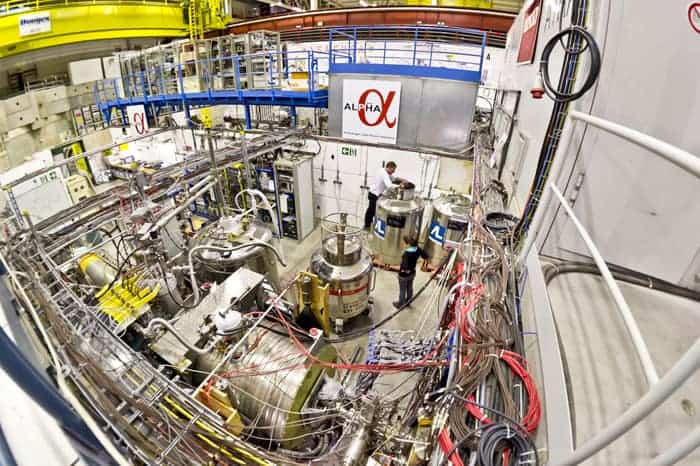
In this episode of the Physics World Weekly podcast, Matin Durrani reports from CERN where he learns all about the ongoing major upgrade to the large hadron collider (LHC). Researchers and engineers explain what the High-Luminosity LHC – due to switch on in 2021 – will mean for the various experiments, including ATLAS, CMS and LHCb.

Also in the programme, we’ll also bring you some of the news highlights from our website this week ­­­– including how machine-learning can help diagnose cancer and the first-ever seismic signal to be measured on Mars. If you enjoy what you hear, then you can subscribe to Physics World Weekly via Apple podcasts or your chosen podcast host. As promised in the podcast, here is a link to physicist Lincoln Carr’s appearance on this podcast last year, where he speaks about why scientists should have a good grounding in the humanities.

Copyright © 2026 by IOP Publishing Ltd and individual contributors