It’s time to tuck into the April 2019 issue of Physics World magazine, which is now out in print and digital formats.
We have a great feature for you this month by Niladri Banerjee from Loughborough University about the new field of “superconducting spintronics”, which could lead to a new generation of “green” supercomputers (see more in the video above).
The cover feature, meanwhile, looks at a spectroscopy technique, developed by scientists at the UK’s’ National Physical Laboratory, which could help pharmaceutical firms to discover new drugs quickly and more cheaply.
Plus there’s all your other favourites, including Critical Point, Reviews, Careers, Lateral Thoughts and – with the UK’s impending departure from the EU – a couple of pieces about Brexit.
You can enjoy the April 2019 issue of Physics World magazine via our digital apps for iOS, Android and Web browsers (membership of the Institute of Physics required). Let us know what you think about the issue on Twitter, Facebook or by e-mailing us at pwld@iop.org.
Out now: the April 2019 issue of Physics World.
For the record, here’s a run-down of what’s in the issue. For the record, here’s a run-down of what’s in the issue.
• Uncertainty principle – James McKenzie reflects on how the UK can improve the long-term prospects for physics-based firms after Brexit
• The new big science – Neutron-scattering facilities exemplify the changing face of big science, as Robert P Crease discovers on a visit to Oak Ridge
• The importance of archives – Valerie Higgins says that the contributions of support staff should not be forgotten when it comes to celebrating scientific breakthroughs
• Dealing with Brexit – Matin Durrani says Brexit is a chance for the uK to reset and reinvigorate its support for physics
• CERN beyond the LHC – CERN director-general Fabiola Gianotti talks to Physics World about how the lab is planning the next big experiment in particle physics beyond the Large Hadron Collider
• High-spec mass spec – Big pharmaceutical firms have to make big-risk investments when inventing new drugs. But one physicist’s new spectroscopy tool could radically change that, as Jon Cartwright reports
• A cool spin on supercomputers – Niladri Banerjee explains how the emerging field of “superconducting spintronics” could lead to a new generation of green supercomputers that use far less energy than previous devices
• Bringing the cosmos down to Earth – In Our Universe: an Astronomer’s Guide, Jo Dunkley condenses the history of the cosmos into an accessible page-turner. James Dacey catches up with the Princeton University astronomer to find out why she believes cutting-edge astronomy should be accessible to all readers
• As real as it gets – Philip Ball reviews Einstein’s Unfinished Revolution: the Search For What Lies Beyond the Quantum by Lee Smolin
• Seeing past the ordinary –Margaret Harris catches up with founder Ralf Kaiser and director David Mahon of Lynkeos Technology, a company that develops muon tomography systems for applications in the nuclear industry and beyond
• Once a physicist – Meet Mike DeArmond, a sales engineer for MANTIS-SIGMA, who works with researchers to define and provide solutions for experimental programmes focusing on materials, condensed matter and surface science
• A tale of two theories – Oliver Linton muses on the striking parallel between the current debate on the multiple interpretations of quantum mechanics, and the arguments that raged over the astronomical theories of the solar system, nearly 400 years ago.
Recent research has shown that plants help themselves grow by releasing volatile organic compounds. These chemicals form a mist of aerosols above the vegetation that blocks some of the direct light but enhances diffuse light. This boosts the solar radiation reaching the forest understory and increases growth.
Alexandru Rap from the University of Leeds, UK, and colleagues assessed the impact of plant volatiles on primary productivity by using atmospheric and vegetation models along with measurements of aerosols and plant productivity. Their findings, published in Nature Geoscience, show that globally plant volatiles boost vegetation productivity by around 1.23 Pg of carbon per year — equivalent to around 10% of the world’s fossil fuel carbon emissions.
“Amazingly we found that by emitting volatile gases, forests are altering the Earth’s atmosphere in a way which benefits the forests themselves,” says Rap. “While emitting volatile gases costs a great deal of energy, we found that the forests get back more than twice as much benefit through the effect the increased diffuse light has on their photosynthesis.”
Plant productivity is influenced by a whole host of factors: the plant’s own chemical mist, air pollution and whether the weather is cloudy or sunny. A dose of windblown desert dust may boost productivity in the forest understory, but a cloud of traffic haze is more likely to suppress growth. When surface ozone enters a plant’s leaves, it dissolves in the water inside the plant and reacts with other chemicals, slowing down photosynthesis. Anthropogenic sources such as traffic fumes, power generation, industry and agriculture are major sources of ozone, as are forest fires.
Their findings, published in Nature Communications, reveal that when all the sources of surface ozone are totted up, the reduction in plant productivity amounts to around 3.5%. Focusing on forest fires alone the researchers showed that between 2002 and 2011, wildfires pushed up surface ozone levels by an average of more than 5% over land, and increased aerosols by around 10%. The worst year was 2003 when fires raged through California, burning over 1 million acres of land.
Globally Yue and Unger estimate that ozone from forest fires knocks back plant productivity by an average of 0.91 Pg of assimilated carbon per year. The additional aerosols from the fires increase productivity by just 0.05 Pg of carbon per year — nowhere near enough to balance the negative impacts of surface ozone. In a nutshell, the diffuse-light-boosting effects of the aerosols are masked by dense clouds of ozone-laden smoke over forests. In total, ozone from forest fires accounts for around one fifth of the annual ozone-induced reduction in plant productivity.
Carbon budget calculations don’t currently include this indirect effect of forest fires but the numbers are significant.
“Our study shows that the impact of wildfire air pollution on productivity is substantially [around six times] larger than estimates of drought-induced losses over the same period,” says Yue.
This choking effect from wildfires is particularly apparent in the more pristine regions of the world, where background levels of air pollution are low. For example, the large forest fires in Indonesia in 2006 are estimated to have reduced local forest productivity by 3.6% the following year. Across tropical Africa, fire pollution is believed to cut productivity by as much as 2% every year. “Our study identifies Central West Africa as a particularly vulnerable hotspot to fire air pollution damage,” says Unger.
Looking ahead, climate change is likely to amplify the problem, with a warming future anticipated to increase fire activity. A study in Atmospheric Chemistry and Physics indicated that wildfires in North America are likely to increase significantly as climate warms, for example.
Understanding the balance of factors affecting plant productivity, mapping how air pollution moves, and anticipating change in the future are all questions that need to be answered.
Tunnel vision: The Kamioka Gravitational Wave Detector in Japan (pictured), which will begin full operation later this year, is currently the world’s only underground gravitational-wave detector (Courtesy: Michael Banks)
Physicists in China have revealed plans to build a massive new underground facility in the centre of the country to study gravitational waves and test Einstein’s theory of general relativity to an unprecedented precision. The Zhaoshan Long-baseline Atom Interferometer Gravitation Antenna (ZAIGA), is to be located in eastern Wuhan and cost two billion yuan (about £226m). If the project is fully funded, it could be operational by 2025.
The first phase of ZAIGA, which could be complete by the end of 2020, will involve building a 300 m vertical tunnel under the Zhaoshan Mountain – 80 km south-east of Wuhan – to study various predictions resulting from general relativity. It costs 600 million yuan (£68m) and is fully funded by local governments and the Chinese Academy of Sciences. “We have just completed site exploration with tunnel excavation starting this year,” says Mingsheng Zhan, principal investigator of ZAIGA, who is based at the Wuhan Institute of Physics and Mathematics at the Chinese Academy of Sciences.
The tunnel will be mainly used to test the weak equivalence principle, which implies that the trajectory of a free-fall object is independent of its mass and internal structure. Numerous experiments have proved the principle to be correct, including a 12 m-tall “atomic fountain” – in which a cloud of atoms are tossed upwards in the Earth’s gravitational field by lasers – in Zhan’s lab in Wuhan. The atomic fountains at ZAIGA will be mounted on the top and bottom of the tunnel with a high-vacuum chamber running along it. “The idea of an atomic fountain is to let go of two slightly different atoms and compare how they fall,” says Zhan.
Another experiment planned for the tunnel will involve installing optical clocks at both ends to measure the time difference predicted by general relativity: time goes by faster at higher elevation than at a lower elevation due to what is known as gravitational redshift. Zhan says that while atomic clocks aboard Galileo satellites have been a huge success in testing this effect, ground-based optical clocks can be controlled better and are less influenced by outside temperatures.
We hope [the experiments] will bring good surprises
Mingsheng Zhan
ZAIGA will also measure the “space–time dragging effect” caused by Earth’s rotation distorting space–time. This will be done to a higher precision than that carried out by NASA’s Gravity Probe B satellite, which launched in 2004 and ended operations in 2010. “We hope [the experiments] will bring good surprises,” adds Zhan.
China is not, however, alone in such endeavours and some of those tests will also be carried out at a similar facility called the Matter–wave laser Interferometric Gravitation Antenna (MIGA) being built in Rustrel, France, by a consortium of 17 European countries. MIGA features a 300 m-long optical cavity and will carry out precision measurements of gravity as well as applications in geosciences and fundamental physics.
Bouncing atoms
Once the 300 m vertical tunnel is complete, physicists then hope to construct a gravitational-wave observatory, which would be under the mountain at an average depth of 200 m to reduce the effect of seismic noise. Rather than detecting gravitational waves by bouncing laser beams off mirrors as used by the LIGO gravitational-wave observatories in the US, ZAIGA-GW would instead use an atom interferometer. This would involve splitting an atom beam in half, and allowing both halves to travel for a certain distance before being recombined to look for differences in their paths. A slightly longer path would result from a tiny curvature in space–time that could be caused by a passing gravitational wave. Atom interferometers tend to be more sensitive than their laser counterparts as atomic beams travel more slowly, which therefore amplifies any signal from a passing gravitational wave.
Costing 1.5 billion yuan, of which the team has partial funding, ZAIGA-GW would consist of three 1 km-long tunnels in the shape of an equilateral triangle with each arm being an independent atom interferometer. ZAIGA-GW would then aim to detect gravitational waves in the 0.1–10 Hz frequency range, which would be most likely emitted by medium-size black-hole binaries. These black holes have masses between 100 and one million solar masses and are elusive but crucial to explain whether supermassive black holes formed from the expansion of small black holes, from the merger of multiple smaller black holes, or possibly from other scenarios.
Zhan says ZAIGA-GW will be open to international collaboration and the team currently has exchanges with Europe, the US and Japan, which is building KAGRA – the world’s first underground gravitational-wave observatory to use cryogenic mirrors. Zhan also says that ZAIGA-GW could be later upgraded to 3 km or 10 km arms “if funding is available”.
A new imaging system that uses a laser-excited, room-temperature atomic vapour to convert terahertz radiation to visible light has been created by researchers at the University of Durham in the UK. The system can acquire terahertz images rapidly and efficiently using a conventional high-speed camera and the new technique could make it easier to develop practical technologies that use terahertz radiation.
Terahertz radiation lies in the region of the electromagnetic spectrum between infrared light and microwaves. In principle, it has great promise for a wide range of applications including security screening, medical imaging and industrial quality control. However, generating and detecting electromagnetic radiation at 0.1-10 THz remains an ongoing challenge. Several competing techniques are used for different applications, but they all have disadvantages – and this lack of practical technologies is often referred to as the “terahertz gap”.
So why bother with terahertz radiation when the remaining electromagnetic spectrum is available? Durham’s Kevin Weatherill explains, “It’s a region in which many everyday materials such as paper, plastics and cloth are transparent so, as with X-rays, you can image things that are optically opaque. But being low-energy, the radiation is non-ionizing and therefore safe for biological and medical applications – though it still has a sufficiently short wavelength for reasonably high-resolution imaging.”
Slow and noisy
Several techniques have already been developed for terahertz imaging. Some systems use a single-pixel detector and build-up images by scanning a terahertz beam across the object – which is a slow process. “There are a small band of focal plane arrays or full-field sensors, which can take a 2D image in one shot,” says Weatherill, “Probably the state of the art is an array of microbolometers [thermal sensors]. Their frame rate is limited to about 30 Hz because the sensitivity is low, so you need to collect photons for a long time to see an image above the background noise.”
Weatherill and colleagues created their terahertz imaging system by filling a cell with caesium vapour and focusing three infrared lasers on it. Each laser is precisely tuned to one of three successive atomic transitions in caesium. When excited by these three lasers in succession, caesium atoms end up in a highly excited “Rydberg state”. Such an atom can then absorb a 0.55 THz photon, which puts it in a different Rydberg state that decays after about a microsecond. This decay involves the emission of a green photon, which can be then detected by a standard optical camera.
The 0.55 THz absorption is a sharp resonance, and terahertz radiation at other frequencies will not be detected. Therefore, unlike other techniques for collecting terahertz photons, the technique can reliably pick out a narrowband signal from broad spectrum thermal noise. The detection process is also about 100 times more sensitive than other techniques.
Two-colour imaging
The researchers acquired terahertz images at up to 3000 frames per second. They are now optimizing their equipment and believe that, in principle, it should be possible to collect data at frame rates up to 1 MHz. They are also keen to extend the research in other ways, such as detecting other terahertz frequencies and even two-colour terahertz imaging.
Durham’s Lucy Downes says, “I’m also very keen to try setting this up in reflection mode, so we can look for defects in the surfaces of bulk objects”.
Daniel Mittleman of Brown University in the US, says the most obvious applications of the imaging system are in the laboratory: “Things like explosions, shock wave tests, the fundamental physics of solids and fast, extreme phenomena are where you would need those kinds of frame rates, and any time the material is opaque to optics, terahertz could be an interesting alternative.”
For more commercial applications, he foresees challenges in creating practical devices. “Ultimately, it will be interesting to see how well they can package this for use outside a physics lab. If the applications are fundamental physics, that question becomes irrelevant. If they’re thinking about applications outside the laboratory, that question is relevant and I’ve no idea how to answer it.”
Photons can behave like magnetic dipoles at absolute zero temperatures. This is the new result from a quantum simulator put forward by physicists at the EPFL in Switzerland and Paris Diderot University in France. The theoretical study proves that simple photonics devices can be used to mimic the behaviour of complex materials under extreme conditions – experiments that are difficult to actually do in the laboratory.
Condensed matter systems, such as magnetic materials, containing many interacting particles show complex behaviour that is challenging to model even using the most sophisticated computer programmes. This behaviour can be modelled, however, using an artificial structure (or quantum simulator) subject to same laws of quantum mechanics – a concept first put forward by Richard Feynman in 1981.
Same behaviour as that in the Ising model
When magnets are cooled down to near absolute zero, they can undergo a quantum phase transition – that is, they switch between two states. The new quantum simulator, put forward by Vincenzo Savona of the EPFL and colleagues, can display the same behaviour as that in the so-called Ising model, which describes interacting quantum magnetic spins.
Riccardo Rota and Vincenzo Savona working on the design of their quantum simulator. Credit: R Ravasio/EPFL
“The simulator consists of an array of nonlinear optical resonators,” explains study lead author Riccardo Rota, also at EPFL. “When photons are injected into the resonators in pairs, the parity of the number of photons is conserved. The symmetry underlying this conservation can spontaneously be broken, giving rise to a quantum phase transition.”
The photons in the resonators in fact behave in the same way as magnetic dipoles across the near-absolute-zero quantum phase transition in real materials, he says. This transition between two different states of matter occurs because of quantum fluctuations arising from the Heisenberg uncertainty principle.
A virtual experiment
In their study, the researchers solved the fundamental equations governing photons in the resonators using large scale “corner-space renormalization” numerical simulations. “Surprisingly, the analysis of the results shows the emergence of a universal behaviour typically expected for quantum magnets,” says Rota. “We showed that this universality arises as the quantum states of many photons, produced by the pair injection, map onto those of magnetic dipoles at temperatures close to absolute zero.
“In short, we can now use these light particles to run a virtual experiment on quantum magnets instead of having to set up the experiment itself.”
Towards a lab version
The simulator might actually be built in the lab using superconducting circuits, say the researchers. The circuits would be coupled to laser fields so as to make the photons interact between them.
“Superconducting circuits have already been employed to develop arrays of coupled optical resonators in several laboratories around the world,” he tells Physics World. “Moreover, a recent experiment at Yale University showed that it is possible to inject pairs of photons into two coupled resonators and we expect that our simulator could be built very soon by applying Yale’s techniques on large arrays of resonators.
The researchers, reporting their work in Physical Review Letters, say that they are now busy looking into how to simulate other quantum collective phenomena. “We have already obtained preliminary results indicating that our simulator can also reproduce the effects of geometric frustration in real quantum magnets,” reveals Rota. “In the future, we would like to use the device to investigate magnetic spin transport and the emergence of chiral properties.”
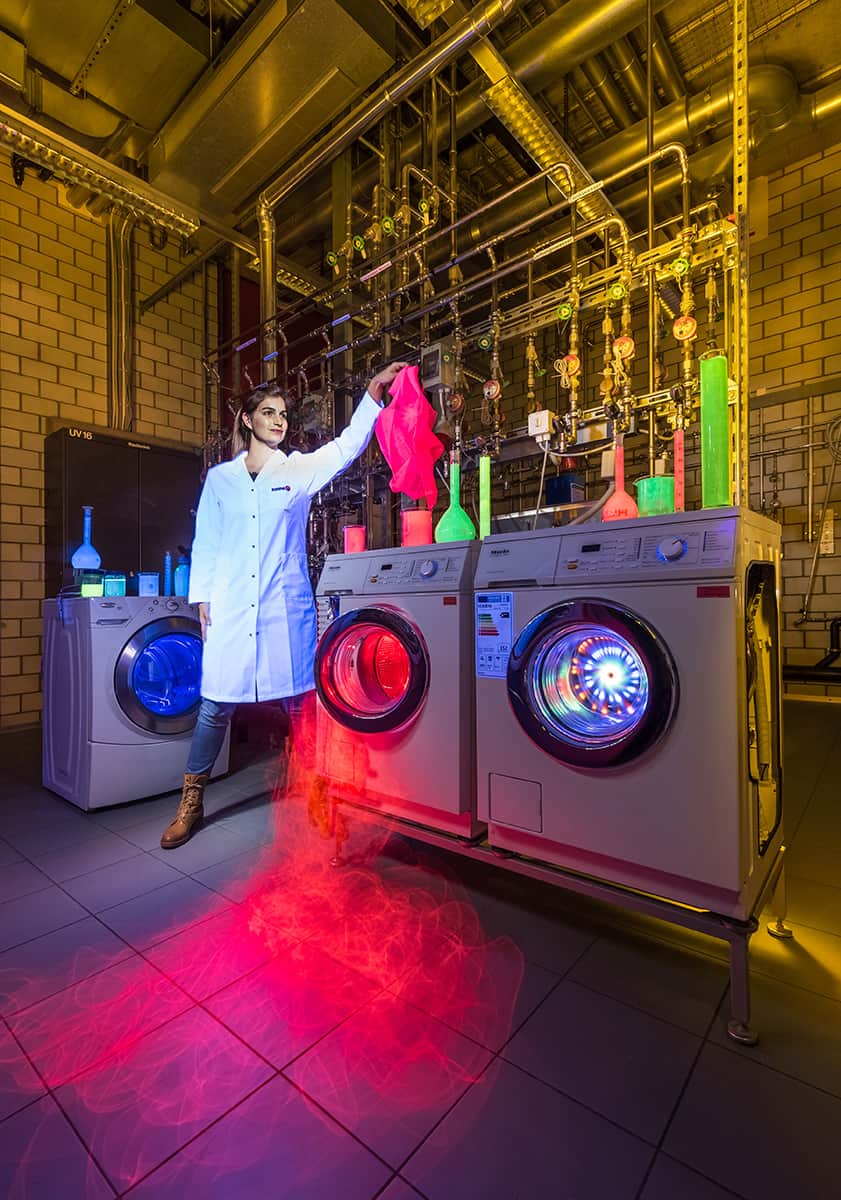
Coming out in the wash: Understanding what happens to nanoparticles in textiles during real-world use is important when assessing their long-term environmental impact. (Courtesy: Bernd Nowack and Denise Mitrano)
For early nanotechnologists, debates about the field’s environmental effects centred on a scenario as frightening as it was unlikely. Despite having more in common with science fiction than science, the idea – first proposed in 1986 – that zillions of self-replicating nanobots might somehow consume all biological matter on Earth, leaving only a useless “grey goo” behind, went on to colour debates about the field for years to come.
These days, the “grey goo” terror has long since subsided. As nanomaterials migrated from the annals of science fiction into real-world applications, evidence of their positive contributions grew, and this has helped to shape a more measured view of their potential hazards to the environment or human health. As a result, says Boris Lau, an environmental engineer at the University of Massachusetts at Amherst, US, “substantial progress has been made to shift the perspective from ‘nano is dangerous’ to ‘nano can be made safe’ ”.
Despite this progress, however, questions about the hazards of nanomaterials have not gone away. Even within Lau’s statement, “can” seems to be the operative word. In practice, the job of establishing protocols for the safe use of nanomaterials is far from complete. One reason for this is that the same characteristics that give nanomaterials their unique advantages also make it hard to assess their risks. For instance, particles with nanoscale dimensions can access places that might otherwise be difficult if not impossible to reach – something with great advantages for applications such as device monitoring and medicine. Because of their small size, nanoparticles also have a particularly high surface area per unit volume, often with a high proportion of edges, which can help catalyse chemical reactions and enable high-sensitivity detectors. Finally, size-related effects produce unique electronic, optical, thermodynamic and mechanical properties that are not observed in bulk materials. These properties can be tuned for optimum performance in a given function through small adjustments in size, shape or composition.
As attractive as these attributes are, they also make for a legion of possibilities as to where nanomaterials may end up, and what impact they may have when they get there. Even a nanomaterial’s composition may be open to question. Because each batch typically contains variations on the theme of the intended product, different possible identities for individual particles start to proliferate from the moment they are produced. During a November 2014 NanoEHS workshop on the environmental health and safety of nanomaterials (2016 Env. Sci.: Nano3 15), Lau and other participating researchers stated the problem neatly. In reporting on the outcomes of this workshop, the group observed that “simplifying complexity is no easy feat when the simple itself is complicated.”
Precision synthesis
Many research groups working on “green” nanotechnology are motivated by a sense of responsibility towards the planet. However, efforts to develop alternative synthesis methods that produce more consistent products, and do not rely heavily on toxic substances and extreme synthesis conditions, have also led to other benefits.
Green nanosynthesis: Transmission electron microscopy images show magnetic nanoparticles synthesized with (a) the more conventional tetraethylammonium hydroxide (b) Cinnamomun verum cured pod aqueous extract (c) commercial concentrated vanilla extract and (d) Vanilla planifolia cured pod aqueous extract. (Courtesy: Nanotechnology)
Take silver nanoparticles. Researchers have recognized their potential uses for decades, with proposed applications ranging from antimicrobial coatings to plasmonics and next-generation electronics. Over the years, the reduction of silver ions from solution became the preferred approach to synthesizing them, but this process often meant using toxic reductants and surfactants to cap the growth of precipitates at a particular size. In 2009, however, researchers at the Technical University of Wrocław, Poland, described an alternative strategy using fungi as the reducing agent. “Micro-organisms that are exposed to pollutants in the environment, such as metal ions, have a remarkable ability to fight that metal stress,” they reported. They focused their study on the filamentous fungi Penicillium – the same family of fungi from which the common antibacterial drug penicillin is derived. From experiments with the fungi extracted from soil and immersed in silver nitrate solution, the researchers concluded that silver ions are trapped on the fungus surface where they are reduced, slowly forming silver nanoparticles. The approach is environmentally friendly and easy to handle, and formed part of a growing movement towards biological synthesis.
Plant extracts are another “green” means of synthesizing nanomaterials at faster rates than is possible with fungi. In 2018 Jaime Santoyo-Salazar of Mexico’s Centro de Investigación y Estudios Avanzados del Instituto Politécnico Nacional and colleagues used Cinnamomun verum and Vanilla planifolia (sources of the familiar cinnamon and vanilla flavours used in cooking) as both the reductants and capping agents to produce iron oxide nanoparticles that can be used in hyperthermia treatments for cancer (2018 Nanotechnology29 074001). The researchers point out that as well as minimizing harm to the environment, their method avoids the need for protracted procedures to separate the product from any harmful chemicals used to produce it – a significant advantage for nanomaterials used in medicine.
As well as limiting a nanomaterial’s applications, contaminants from chemical synthesis can also compromise its properties. Graphene often comes up trumps in terms of impressive characteristics, and even before Andre Geim and Kostya Novoselov won the 2010 Nobel Prize for Physics for discovering its amazing properties, demand for industrial-scale approaches to graphene production was growing. In 2009 Xing-Hua Xia and colleagues at Nanjing University and Northwest University in China suggested reducing exfoliated graphene oxide at a graphite electrode by electrochemical means, which avoids the excessive reducing agents used in the photocatalytic reduction of graphite oxide (2009 ACS Nano 3 2653). As well as offering a fast and green approach (due to the absence of toxic solvents), Xia and colleagues also showed that the graphene they produced had fewer contaminants. Their method remains widely used.
Despite these improvements in nanomaterial synthesis, however, batch heterogeneities persist. “Nanomaterials that rely on reduction, nucleation and growth are sensitive to seemingly every kinetic variable (temperature, solvent, impurities, glassware etc),” observed Lau and his co-authors in the NanoEHS paper. “Hence, the observed physicochemical properties can arise from a single nanoparticle population rather than the average population.” For advocates of cleaner, greener nanotechnology, that presents a quandary. How do you safeguard against potential harm from materials if you can’t even be sure what they are?
Competitive obstacles
Part of the answer lies in better techniques for characterizing nanomaterials. Here, too, the field has come a long way. In 1990, when the first academic journal dedicated to the field (Nanotechnology – which, like Physics World, is published by IOP Publishing) was launched, even overcoming temporal variations in the shape of features was a major feat in studies at the nanoscale. The journal’s founding editor-in-chief, David Whitehouse, described these early studies as “akin to performing a surgical operation with a blunt instrument on an excited jelly”.
Since then, parallel advances in scanning-probe techniques based on atomic force, tunnelling currents and optical near-fields and electron beams; Raman, infrared and mass spectroscopy; and X-ray diffraction mean it is now possible to probe a nanomaterial’s vital stats (morphology, composition, electronic and mechanical properties, and so on) with atomic resolution and beyond, often in real time. These and a plethora of other techniques provide important quality assessments and can also aid efforts to audit engineered nanomaterials once they are in circulation.
Here again, though, “can” is the operative word. If a manufacturer finds that adding nanomaterials to its product gives it a competitive advantage, it is unlikely to advertise how that process works or provide meaningful details about the recipe. As Bernd Nowack, group leader of environmental risk assessment and management at Empa (the Swiss Federal Laboratories for Materials Science and Technology) pointed out during a plenary talk at Nanotech France in 2016, “One reason why quantitative data are difficult to obtain, or that even qualitative data are difficult to estimate, is because manufacturers do not necessarily report details or quantities of specific manufactured nanomaterials used in products.”
Cradle-to-grave sustainability
In addition to uncertainties about the intended or actual nanomaterials manufactured in industry, post-production processes can also cause the possible identities and trajectories of nanomaterials to multiply. As Nowack and fellow Empa researcher Denise Mitrano observed in a 2017 review (Nanotechnology28 072001), the manufacturing and production portions of a product’s life cycle usually take place in a controlled, industrial setting. In contrast, they wrote, “The use and disposal of nanoproducts in the consumer realm is decidedly less predictable of specific MNMs [manufactured nanomaterials] from various products.”
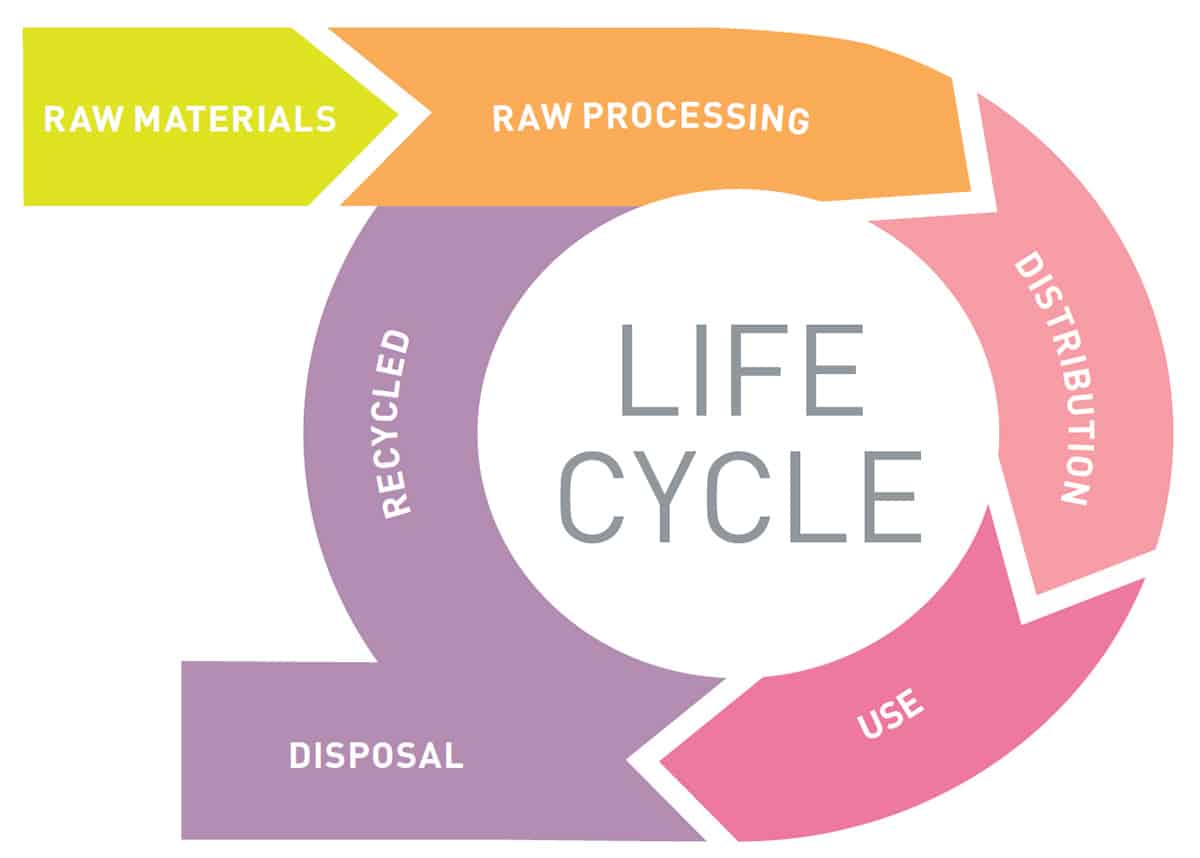
In their review, Nowack and Mitrano highlighted the need for what they describe as a “life-cycle based aging paradigm” for nanomaterials, stressing the importance of real-world tests to identify realistic ways that particles can transform. “It is of course important to just look at how nanomaterials are behaving in the environment,” Mitrano says. “But if you actually look at how they are put into products or how they are released from products during their product life cycle, then you may be able to change some portion of their manufacturing or use, so that fewer nanomaterials are released or so that they may be released in a less harmful way.”
Cradle to grave: A whole-life-cycle view of a product’s potential environmental hazards may help manufacturers manage risks while also shaping the development of industry regulations. (Courtesy: Sustainable Nanotechnologies Project)
Mitrano, Nowack and fellow researchers involved in the EU’s Sustainable Nanotechnologies (SUN) project have developed cryomilling techniques and weathering tests to produce samples of “aged” nanomaterials for study. Mitrano’s work has focused on the use of silver nanoparticles in textiles, where particles may experience washing and UV exposure before ending up in landfill – a life cycle that can transform the original pristine nanomaterial in different ways than would occur if those same silver particles had been used in (for example) paint. Because conventional textile components such as dyes have long required safety assessments, Mitrano was able to use some of these standardized procedures to create readily comparable investigations. Developments in analytical techniques have also made it possible for her and her colleagues to perform measurements of nanoparticle concentrations at environmentally relevant levels of parts per trillion.
For silver nanoparticles in textiles, the conclusions seem encouraging. Mitrano has found that dissolved ions are often more toxic than the nanoparticles themselves, which demonstrates the benefits of transformations during the material’s life-cycle so that the nanoparticles are more resilient to dissolving. For example she points out that oxidation or sulphidation, as in the case of silver nanoparticles, can lead to more stable particles that are often much less toxic when they’re exposed. That is good news, but of course, the devil is in the detail, because even the impact of sulphidation can be life-cycle dependent.
Working with his students at Massachusetts–Amherst, Lau studied the impact of partial sulphidation of silver nanoparticles – a process that is highly prevalent when the nanoparticles are subjected to standard waste-water treatments. Previous studies had generally considered that, during sulfidation, original “pristine” ligands (molecular groups or ions used to functionalize particles) were removed or modified so that silver sulphide emerged as the new ligand shell. By studying silver nanoparticles functionalized with two common polymeric ligands – PVP and thiolated PEG – Lau and his students found that silver sulphide formation is ligand-dependent and essential for the persistence of silver as nanoparticles (2018 Env. Sci.: Nano5 1090). They found that sulphidation helped to immobilize PVP-functionalized silver nanoparticles so that they stick to sand or sediment surfaces more readily, decreasing the chances of exposure. On the other hand, sulphidation made PEG-functionalized silver nanoparticles more mobile, although the silver sulphide formed was less toxic. “In other words, two types of silver nanoparticles (same size), could have more than an order of magnitude difference in their persistence in the environment, simply due to a different choice of ligand,” says Lau.
The work of Lau, Mitrano and others is part of a growing body of evidence that investigators need to consider a nanomaterial’s whole life cycle – from synthesis to disposal – before determining its safety. “Relatively simple nanoscale materials can have complex behaviours even in carefully controlled environments,” says Lau, ticking off a long list of factors – including pH, ionic strength and redox conditions – that may affect how nanoparticles evolve. When it comes to fully de-convoluting the complex phenomena that occur whenever nanomaterials interact with their environment, he says, “we still have quite a long way to go”.
Enjoy the rest of the 2019 Physics World Focus on Nanotechnology & Nanomaterials in our digital magazine or via the Physics World app for any iOS or Android smartphone or tablet.
Researchers from the German Cancer Research Center in Heidelberg have reported that two new radiotracers achieved substantially shorter image acquisition times than FDG-PET scans and required no fasting or dietary changes. This may give a timely boost to cancer detection, they say (J. Nucl. Med. 10.2967/jnumed.118.215913).
The radiotracers are based on gallium-68 (Ga-68) and act as a fibroblast activation protein inhibitor (FAPI). They are considered a new class of radiopharmaceutical, designed to target cancer-associated fibroblasts, which promote tumour growth, migration and progression. In fact, fibroblast activation proteins are present in more than 90% of epithelial carcinomas — including breast, lung, colon, pancreatic and head-and-neck cancers — making them a viable option for both diagnostic imaging and therapy.
“Having an additional diagnostic tool opens up a new door for cancer patients,” added study co-author Uwe Haberkorn, professor of nuclear medicine at the University Hospital Heidelberg and the German Cancer Research Center in Heidelberg, in a statement. “For those who are facing unmet diagnostic challenges — unclear tumour segmentation for radiation therapy, suspicion of false-negative findings, or selection of last-line experimental treatment — Ga-68 FAPI may help to provide answers.”
PET images of Ga-68 FAPI-2 and Ga-68 FAPI-4 obtained at 10 minutes, one hour and three hours after injection. (Courtesy: Giesel et al and J. Nucl. Med.)
In this study, the researchers used Ga-68 FAPI in scans of 50 patients who appeared to have an abundance of fibroblast activation proteins and whose conditions could not be definitively diagnosed through conventional means. Preliminary dosimetry estimates for Ga-68 FAPI-2 and Ga-68 FAPI-4 were based on two patients who were examined 10 minutes, one hour, and three hours after tracer injection. PET/CT scans (Biograph mCT Flow, Siemens Healthineers) of tumour patients were acquired one hour after injection, with 25 subjects given Ga-68 FAPI-2 and the other 25 administered Ga-68 FAPI-4.
The tracers provided high-contrast images with quality equal to or better than that of the standard FDG-PET/CT imaging, without the need for patients to undergo any dietary restrictions or a fasting regimen before the scans. All of the patients tolerated the examination well, with no reports of any adverse symptoms or reactions.
The researchers also reported a fast clearance through the kidneys; normal organs showed low tracer uptake with only minimal changes between 10 minutes and three hours after injection. With Ga-68 FAPI-2, tumour uptake decreased by 75% from one to three hours after injection, while tumour retention was prolonged with Ga-68 FAPI-4 (25% washout). Faster tracer kinetics also made it “appropriate for imaging patients even less than one hour after injection,” the team wrote.
“A shorter waiting time and shorter scan time can increase patient comfort, which can be especially important for sick patients,” Haberkorn added. “The possibility of early imaging — for example, after only 10 minutes instead of an hour — could also play a part in simplifying clinical workflow.”
Given these preliminary findings, the researchers are hopeful FAPI PET imaging someday may be used to assess and manage cardiac diseases or fibrotic diseases of the lung, liver and kidneys.
Think advanced robotics and you might still be thinking of shiny metal versions of ourselves, something like the Star Wars droid C-3PO or Transformers’ Optimus Prime. However, a lot of tasks that would benefit from automation require a softer touch. Now researchers at Harvard University and the Wyss Institute for Biologically Inspired Engineering in the US have taken efforts towards soft robotics a step further by demonstrating a robotic system where not only the machine body is soft but the digital logic system to control it is soft too.
“Soft robotics – a field in which compliant rubbers and foams replace the metal gears and grippers of traditional robotics – has only recently begun to receive widespread attention for its ability to allow handling of delicate objects, and to enable safe collaboration with human users,” says Harvard postdoctoral researcher Daniel Preston, who worked alongside Harvard University Professor George Whitesides, on the project and is the lead author of the paper reporting these results. However as Preston tells Physics World these “soft” robots are still mainly controlled by electronic computers and hard solenoid valves, limiting their use in certain medical applications, and also in harsh environments like nuclear disaster sites. “We drew on concepts from microfluidics, and ultimately from electronics, to develop a completely soft, pneumatic digital logic system that, when integrated into soft robots, allows memory of past events and simple decision-making abilities.”
Kinky data processing
The basic pneumatic structure involves two cavities separated by a hemispherical membrane that acts as a bistable valve. A rubber tube in each cavity traces out a square tooth path that squashes into acute kinks on one side where the convex surface of the membrane protrudes into the cavity space, and fills out to a U-bend shape on the other side where the concave surface leaves more room.
The kinks block the pathway in the tube so that only the pressure in the tube on the concave side will connect to the output pressure where the tubes join. Adding input pressures into the cavities can then cause the hemispherical membrane to either “snap-thru” or “snap-back” at minimum and maximum threshold pressures to swap which tube is kinked and which connects through to the output pressure. Different configurations of the device will then give output pressures that depend on the input pressures to render basic NOT, AND and OR data logic gates.
The researchers liken the functionality of their membrane-tube system to a “Schmitt trigger”, a hysteretic circuit used in electronics for analog-to-digital conversion, level detection, and line reception. Using various combinations of their gates they show how they can render various information processing and memory functions including a set-reset latch, shift register, leading-edge detector and a digital-to-analog convertor.
The strengths of soft control
By modifying the soft bistable valve into a button they were then able to deploy their soft logic in a completely soft human-operated gadget for gripping objects. They also connected a pressure sensor and showed that the device would respond to changes in environmental pressure, such as the pressure increases deep under water.
“We envision that this new technology will be used in therapeutic and rehabilitation applications, where completely soft medical devices can reduce further injury or irritation,” Preston tells Physics World. “For example, using integrated soft digital logic, completely soft medical devices can respond to stimuli from a patient, like pressing a soft button to turn a device on or off, or to environmental stimuli, like pressure-points that may cause bed sores on a patient’s body.”
In the above video, Mike Merrifield of the University of Nottingham talks about rainbow arcs and other phenomena that occur as a result of light passing through ice crystals in the atmosphere. Watch the video and find out what you can learn about the structure and behaviour of atmospheric ice from the patterns that can sometimes be seen in the sky.
What are the technological marvels of the 21st century so far? The Royal Academy of Engineering has come up with seven as part of its “This is Engineering campaign”. Their “Seven technological wonders of the 21st century” include Hawk-Eye, which allows fans and referees to track the motion of balls in a range of sporting competitions. Another wonder on the list is 3D printed bone implants, which have the potential to improve the lives of people worldwide. However, it was the inclusion of Gore-Tex that made me scratch my head. According to Wikipedia, the breathable waterproof fabric was invented in 1969 and I can distinctly remember people wearing Gore-Tex jackets in the 1980s.
Heat engines have had a huge impact on everyday lives. The industrial revolution that irrevocably altered manufacturing processes, transport, population distributions and ultimately the pace and quality of life across large swathes of the globe was powered by steam – a heat engine. Centuries of engineering have refined these machines to operate with slick and streamlined efficiency but the past few years have revealed a new kid on the block that may top the possible power output of even the most finely crafted classical machines.
By studying diamond samples with a common type of nitrogen-vacancy defect, researchers in the UK, Switzerland and Israel, led by Eilon Poem at the Weizmann Institute of Science in Israel, have now shown that quantum heat engines can exceed the power output of their classical counterparts. They also show that the power output of two different types of heat engine based on the nitrogen-vacancy diamond defect system converge, a demonstration of another theoretically predicted principal – “quantum heat machine equivalence”.
Quantum coherence enhance
The idea of quantum heat engines first entered the annals of science sixty years ago, when Henry Evelyn Derek Scovil and Erich Otto Schulz-DuBois at Bell Telephone Laboratories, in New Jersey, USA, reported that “three-level masers can be regarded as heat engines” operating with discrete energy levels. Since quantum systems can exist in a superposition of states there was inevitably keen interest to know whether quantum coherence between energy states could increase heat engine efficiency.
“At first, it looked like the answer to this question was negative,” explain Poem and colleagues in their report. “It was proven that internal coherence cannot lead to efficiencies higher than the Carnot limit, and the first coherence-related effect predicted for heat engines, the “quantum friction,” actually involved degradation in performance.” More recent reports have presented a more optimistic outlook, although experimental evidence of a heat engine with inherent quantum features as opposed to externally injected coherence, remained wanting.
Diamonds show their quantum sparkle
Poem and collaborators studied systems of diamond nitrogen-vacancy defects – “NV centres”, where a nitrogen atom substitutes for a carbon atom in the crystal lattice next to an empty lattice site. These systems have several useful characteristics for quantum heat engine experiments. They have three available states in the lowest “ground” energy level, which differ from each other in terms of the value of their “spin”, and the coherence between these states needed for quantum experiments is relatively long-lived even at room temperature. They can also coherently interact with microwaves, which act as a “load” that the heat engine does work on. Yet another useful property is that there are two different types of decay for excited states – one that preserves spin and one that doesn’t, and fluorescence measurements can reveal the population difference of two spin states in the lowest energy level with high sensitivity.
Using microwaves to drive the heat engine operation the researchers were able to study two types of heat engine with the system: a two-stroke and a continuous heat engine, which differ in terms of the duration and timing of “strokes” – operations – within each cycle of the heat engine. The system studied by Poem and his team demonstrated both an increased output power for the quantum engine with respect to that of any classical engine using the same resources – evidence of a quantum thermal signature. In addition as the output power of the two different quantum heat engines converge they could show quantum heat machine equivalence.
“This constitutes the first experimental measurement of quantum effects in heat machines,” they conclude in their report, adding, “We further hope that this work will be of interest to other research areas concerned with the role of quantum coherence in the enhancement of work extraction by microscopic heat engines, such as the study of photosynthesis and the development of solar cell types.”