

A sticky wonderland

My first thought as I stood in a narrow corridor filled with bright displays, music and booming, cheery announcements was that I had been transported to Walt Disney World, circa 1986. I was, in fact, at the headquarters of a $30bn, multinational materials science and adhesives corporation – 3M Company (3M), the inventors of the Post-it Note. I was here in St Paul, Minnesota, US, to learn about 3M’s contributions to the science and innovation of adhesives and tapes. I had been expecting scientists – not an amusement park for sticky stuff.

The visit began normally enough. In the vast entryway of the 3M Innovation Center, I was greeted by Stefanie Giese-Bogdan, a communications manager with 3M. Inviting me to follow her, she took me down the tunnel-like corridor, before closing the door to leave us standing in silent darkness. Then, the walls, which were covered in huge screens, flashed on to give a sleek multimedia presentation on the history and current work at 3M.

When the intro was over, double doors swung open at the other end of the tunnel. Ahead of me, in a cavernous void, I could just make out a few chairs set up like a planetarium, letting you lean back and gaze at the ceiling. Grinning mischievously, Giese-Bogdan suggested I take the middle chair on the second row for the best view. As I leaned back another presentation began, this time projected on the curved ceiling. And then suddenly, like a true Disney experience, spotlights flipped on all around me.

I was staring at the huge 3M World of Innovation – a massive room at the heart of the 3M Innovation Center, where 3M technologists meet customers to discuss how to incorporate 3M inventions into their products. “Innovation starts with imagination,” says Giese-Bogdan, who has a PhD in analytical chemistry, as we walked around the room’s 27 stations, each devoted to a specific 3M core technology. “At 3M we combine imagination with collaboration and communication. We solve problems by making uncommon connections of technologies and by applying science to life.”

The Industrial Adhesives and Tapes Division at 3M is the largest department in the 116-year-old firm, with more than 6100 employees worldwide, as well as research and development (R&D) centres in 10 countries and manufacturing locations in 26 nations. Adhesives are one of 46 core technologies that 3M puts into its products, but because adhesives are useful in so many sectors – from the aerospace and automotive industries to medical equipment and electronics – they are found in more than 30,000 of the company’s products. And then of course there is the retail and consumer side, with your friendly neighbourhood Post-it Notes and Scotch brand tapes.

The 3M World of Innovation, which is not open to the public, is a showroom and playground. It’s where 3M invites its customers to brainstorm with scientists and discuss how each technology might benefit them. The customers get to play, experiment and discover. They witness demos, learn about new innovations and, together, the 3M specialists and the customers try to solve problems. This is where my tale of tape truly unrolled, as I messed around at an adhesives station and Giese-Bogdan, as one of the hosts of the exhibition, explained to me how the innovation game is played. Like the time the Minnesota Zoo called and explained it had a whale with a wound and needed a special bandage to stick to its slimy lip. In fact, the solution the 3M researchers came up with proved so valuable and flexible that it became incorporated into an entire product line of human bandages.

The science of sticky

To find out more about the science of adhesives, I sat down with Cristina Thomas, senior technical leader in corporate R&D. Thomas has a PhD in chemical engineering but considers herself a polymer physicist because much of her technical career has been in the field of computational materials modelling. “The world around us uses many more adhesives than we realize, because we often need to bond things to surfaces,” she says. Even the room we’re in uses them, as Thomas points to the carpet, ceiling and walls. They are in the room’s electronics, inside the display and even holding the microchips in place. The building is kept energy efficient by film stuck to the windows and stretchable adhesives – 3M Command Strips –hold up the posters. These specialist products can bond to a surface and then once stretched again can be removed without any residue.

An adhesive is a substance capable of holding materials together by surface attachment. Generally made of polymers, modern adhesives allow things to be stuck together without needing to create discontinuities, such as holes, in the substrate materials. They work by creating the same strong molecular forces that hold materials together normally. But as polymer adhesive scientist Anthony Pagliuca from 3M points out on the company’s wesbite, to do so an adhesive must first “wet out” the substrate – it needs to flow over and cover the surface uniformly to maximize the contact area. The extent to which a liquid can wet out depends on surface energy and, for an adhesive to be effective, its surface energy must be equal to or lower than that of the substrate. Adhesion then occurs via interactions such as hydrogen bonding, mechanical interlocking and chemical bonds.

A brief history of 3M

Post-it notes

3M was founded in 1902 as a small-scale mining venture under the name Minnesota Mining and Manufacturing Company. But the founders’ original goal, of mining one type of mineral from one mine, turned out to be neither feasible nor sustainable. So they looked at other materials and products and quickly found that they could harness science and engineering to develop and improve products across multiple sectors. Early products from the 1920s included the first waterproof sandpaper and masking tape, which launched the company’s interests in adhesives and tapes. Over the years, 3M has grown into a firm employing 90,000 people, and with 60,000 products used in homes, businesses, schools, hospitals and more, touching most industries on Earth. One-third of 3M’s sales come from products that were invented within the past five years.

One product that 3M is especially well known for is the ubiquitous Post-it Note, which famously was discovered almost by accident. In 1968 Spencer Silver, a 3M scientist, was busily researching adhesives in the laboratory. In the process, he discovered something special: an adhesive that stuck lightly to surfaces but didn’t bond tightly to them. “It was part of my job as a researcher to develop new adhesives, and at that time we wanted to develop bigger, stronger, tougher adhesives,” said Silver. “This was none of those.”

What Silver discovered was something called microspheres, which retain their stickiness but with a “removability characteristic”, allowing attached surfaces to peel apart easily. He started sharing his adhesive with other 3M scientists, trying to discover a problem that the adhesive could solve. Almost six years later Art Fry, another 3M researcher, realized that Silver’s microspheres could serve as an adhesive for a bookmark-type product that can be placed on paper then removed and re-stuck somewhere else. Fry figured out how to manufacture it by 1977, got the green light from management in 1978 and the Post-it Note was officially launched in the US in 1980, and in Europe and Canada in 1981.

The rest is history – Post-it Notes hit the world by storm, and 3M continues to expand the product line, most recently shifting to plant-based adhesives for all its Post-it Notes. Other recent 3M milestones include the company earning its 100,000th patent in 2014, and unveiling a new, state-of-the-art, $150m R&D laboratory on its Minnesota campus in 2015. But Post-it Notes remain one of 3M’s most highly visible product lines and brands.

Adhesion scientists consider three factors when they design their products. First, there is the adhesion mechanism – how the adhesive sticks to and interacts with the various surfaces. Second, the scientists have to identify and examine the forces that will act on the adhesive-containing product while it is being used. These forces, such as shear forces or peel forces, impact the performance of the adhesive and can affect its integrity and function. Finally, there’s the durability, which includes examining how the environment will influence the effectiveness of the adhesive.

Given these factors, it is not surprising to learn that physics plays a huge part in thinking about and designing effective adhesives and tapes. After all, the basic mechanical properties of the adhesives have to be precisely calculated and tested and clarified. Indeed, there is an entire building of labs at 3M dedicated to just this task. It has every piece of equipment you’d expect in a corporate analytics and materials-processing facility.

Managing how polymers flow and understanding their stability during and after application are important aspects of developing both structural and pressure-sensitive adhesives. How will the adhesive be deployed onto a surface? What is the application mechanism? What is the curing mechanism? Some adhesives have to stay sticky while they hold two surfaces together, whereas others become solid or foamy upon curing. Knowing the adhesive’s function and the environment in which it will operate determines how to distribute it on a surface and how strong the chemical bond should be between the adhesive and that surface. Viscosity and elasticity are characteristics of adhesives that matter greatly too. Specialist engineers are needed to design, for example, adhesive storage cartridges and the nozzles from which they are ejected in large-scale industrial systems.

Materials science also plays a role in formulating adhesives and the substrates holding them, like tapes. Depending on the application, adhesives or tapes may need to provide other properties in addition to just good bonding performance. For example, 3M makes a pavement marking tape with a specific optical performance to help motorists. These tapes have a layered structure in which the adhesive is on the side contacting the road while reflective beads are embedded in the top layer so that drivers can see the markings under various environmental conditions. “The adhesive is a mechanism to deliver information to the driver via an additional aspect of physics, which is optics,” notes Thomas.

Moreover, with adhesives and adhesion science embedded in many of 3M’s products, the sticky science is often combined with other technologies. For example, 3M can borrow from one technology, such as its tape formulations, combine it with cross-linking chemistry and create a strong water-based adhesive. For one project, 3M scientists infused viscoelastic foam with adhesives to create strong bonding tape ideal for use in the car industry. They also took ordinary elastomeric materials and developed a proprietary high-strength matrix so manufacturers can create more impact-resistant products. Adhesive experts, meanwhile, dipped into the science of microreplication – one of 3M’s biggest scientific assets. The microreplication process involves melting plastic pellets and squeezing them into rolls of plastic film to create microscopic sculptures on the surface. There can be thousands of features per square centimetre, arranged uniformly, that can change the physical, optical and chemical properties of the surface. One application where 3M scientists have used the technology is to make road signs. Here, the film is typically adhered to aluminium substrates, and thousands of tiny prisms reflect a car’s headlights back to the driver, resulting in signs and markers on roads appearing significantly brighter than normal.

Adhesives also have to withstand a spectrum of environmental stimuli – anything that could impact the function or durability needs to be addressed. Those pavement markings, for example, are exposed to water, oil, atmospheric compounds, such as pollutants, and many other chemicals and concoctions. They have to stay in place and be able to withstand constant shocks, vibrations, and movement from vehicles. Adhesives additionally have to cope with changes in pressure, temperature and a host of other variables.

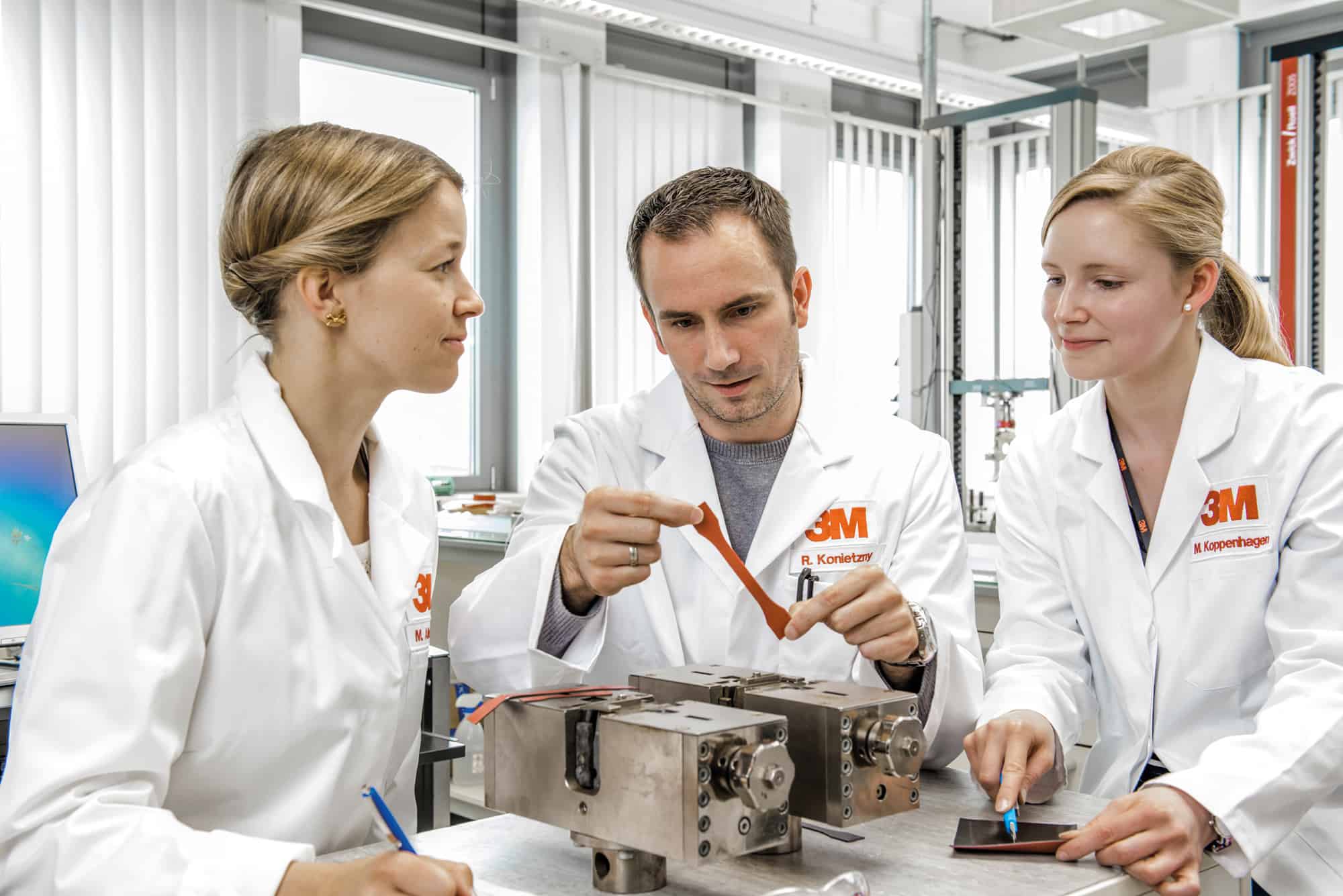
In one of 3M’s many labs, I met Aaron Hedegaard, a chemical engineer who studies the viscosity and elasticity of different formulations of adhesives to quantify their strength and stickiness. He does this by smearing a sample of an adhesive on a rotational rheometer and measures its stiffness, dissipation factor, and its response to being heated and chilled, even to temperatures well below a typical Minnesota winter. “I develop new test methods, not just running the standard tests,” he says. “I am trying to push the boundaries to make the next standard test.”

3M's SEALS
When designing adhesives for customers, 3M experts ask questions based on the SEALS acronym:

S: Substrate – What is the nature of the substrate?

E: Environment – What is the bonding environment? What environment will the bond be subjected to (internal/external, high/low temperatures, chemicals, salt)?

A: Application –What are you doing with your component? What application characteristics do you need in terms of speed of cure, open time and rheology from the adhesive?

L: Load – What are the stresses on the joint in type, magnitude and direction?

S: Size – For industrial adhesives, how many units are you producing – per month, per quarter or per year?

Overcoming physics

Physics breakthroughs have impacted 3M adhesives in fascinating ways, according to Thomas. To a chemist, a polymer is a macro-molecule composed of repeating smaller molecules or units, but people now understand that these long molecules can be approximated as chains and so their behaviour can be explored and explained using statistical methods from physics.

“We can treat polymers using simplified models where the molecules are represented by individual units or beads that replace the group of atoms,” says Thomas. Macromolecules within the adhesion polymers can then be investigated using physics principles, enabling scientists to understand their behaviour under certain conditions. “If I’m doing a phase separation when it’s a polymeric system, it’s going to behave differently than if I am separating smaller molecules – this is something that really advanced the adhesion science field.”

Depending on temperature, some adhesives behave like glass (solid-like) and some like rubbers (fluid-like), so Thomas and her team draw ideas and knowledge from complex systems too. When you “chemically cure” an adhesive with the aim of converting it into a solid, the adhesive is going through a chemical reaction and, once cured, it is able to provide high strength and resistance to temperature, humidity or chemical exposure. Depending on whether you cure with light, heat or another mechanism, you are enhancing the performance of the adhesive due to the formation of an adhesive network that behaves like a glassy polymer.

But just because there is a lot of physics in adhesives doesn’t mean that 3M scientists are shackled to it. Back in the 3M World of Innovation, Giese-Bogdan showed me the Multi-layer Optical Film – a silvery, reflective piece of film that is used with a special tape. “If you are tilting a reflective surface there is an angle at which it is no longer reflective – that angle is called the Brewster’s angle,” she explains. “The Multi-layer Optical Film does not have a Brewster’s angle, it is reflective at any angle.” The film is used to make light shafts in buildings and, since Brewster’s angle is not a consideration, it can be placed around bends. It can also be used in, for example, electronics – from phones to TVs – to save energy, and as a parabolic mirror to direct light onto solar cells. It is one of the many product examples that Giese-Bogdan has ready to showcase in the World of Innovation. “How often can you say you beat the laws of physics?” she teases. “Well we did. We beat Brewster’s angle.”

The 3M Innovation Center gave me a glimpse into the amazing world of adhesives, and as I left, my take-home message was that adhesives are sticking around and expanding their reach, strength, and diversity of use. “Many of the things that we see every day have adhesives or result from the use of adhesion science. There is a lot of physics, of fundamental understanding behind that,” says Thomas. “Even things we take for granted every day, such as a marking on the road [are bonded by adhesives].” A huge diversity of good adhesives allows lorries to go over those tapes but also allows Post-it Notes to be reused, and allows medical tapes to cover fragile or sensitive skins, as well as countless other applications for tapes and adhesives across the globe.
Optical lattice clock shatters precision record

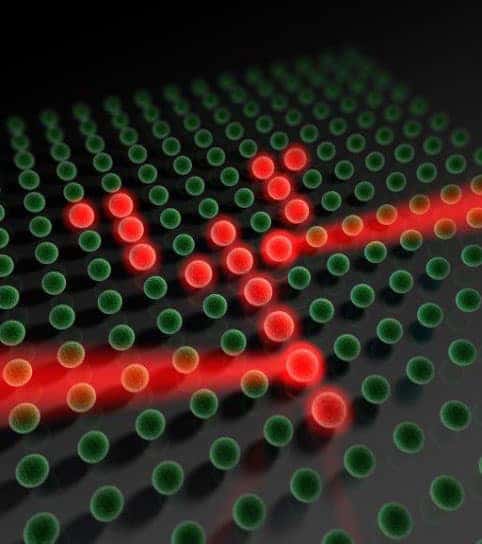
An optical atomic clock that, if left running for the entire life of the universe, would neither gain nor lose more than 100 ms has been created by physicists in the US and Italy. The device has a relative precision of 2.5 x 10⁻¹⁹  – surpassing the 3.5 × 10⁻¹⁹ figure achieved by US members of the team in 2017. It is the most precise optical atomic clock ever made and it vastly outperforms the caesium fountain clocks that act as national time standards, which operate at about 1 × 10-16 relative precision. As well as providing a highly-reliable time standard, the technique used to create the clock could be used to study fundamental physics such as unconventional superconductivity.

The new clock is located at the National Institute of Standards and Technology (NIST) in Boulder, Colorado and uses thousands of strontium atoms confined in a 3D optical lattice. A laser is used to excite an extremely stable, high-frequency transition in the strontium atoms – thereby creating a frequency standard that provides an extremely precise measure of time.

To achieve their record-breaking feat, NIST’s Jun Ye and colleagues had to contend with a number of factors that tend to degrade clock performance. Interactions between atoms, which have a negative effect on the quantum coherence of the clock, were suppressed by cooling the atoms to a chilly 15 nK. This allowed the atomic ensemble remain coherent for up to 15 s – which contributed to the record-breaking precision.

Local effects

Errors can also arise because each atom in the lattice exists in a slightly different local environment than its neighbours, and this means that different atoms can have slightly different transition frequencies. The team addressed this problem by combining ultraprecise optical spectroscopy with high spatial resolution imaging to measure the clock frequency at different locations in the lattice. These data were used to create a “frequency map” of the clock that was used to identify and mitigate various sources of frequency irregularity.

The combined measurement technique also allowed the researchers to find the “magic wavelength” of the laser used to create the lattice. Operating the laser at this wavelength eliminates its perturbing effect on the frequency of the atoms, boosting the performance of the clock even further.

Fundamental physics

While the researchers were not able to image individual atoms in the lattice, this could be possible with further improvements. Indeed, single-atom resolution has already been achieved by others under different experimental conditions. The ability to make extremely sensitive measurements on individual atoms at lattice sites could be used to study a range of fundamental phenomena in physics. In the future, the team intends to us their technique to study few- and many-body physics, quantum magnetism and unconventional superconductivity.

Ye and colleagues also want to use their lattice of atoms as gravitational sensor to see the interplay between quantum mechanics and general relativity at the millimetre scale ­for the first time.

The optical atomic clock is described in Physical Review Letters.

Lung CT identifies patients fit for radiotherapy

CT imaging is ubiquitous in lung cancer management – with scans employed for diagnosis, radiotherapy set-up and response assessment. But according to Iain Phillips from Royal Surrey County Hospital, the information contained within a standard CT scan could be used for a lot more.

Speaking at the recent MediSens conference in London, Phillips described how texture analysis of lung CT scans could be used to identify whether a lung cancer patient is fit enough to undergo radiotherapy. “Texture analysis is based on the idea that imaging provides a pool of unmined data, and that we can get more technical information from a standard image and greater value from fewer tests,” he explained.

Lung cancer patients often have multiple morbidities, such as chronic obstructive pulmonary disease, for example, which causes breathing difficulties. As a lower post-operative lung function increases mortality, patients scheduled for surgical lung cancer treatment are classified as fit or unfit for surgery beforehand, using simple tests such as spirometry.

Spirometry assesses lung function by measuring how much air a patient can breathe out in one forced breath (FEV1, the forced expiratory volume in one second). Physicians also assess the transfer factor TLCO, which measure’s the lung’s ability to transfer oxygen into tissue.

When considering surgery, a patient with an estimated post-operative TLCO or FEV1 of below 40% predicted is considered at high risk. But for radiotherapy, there are no standard thresholds in use and no model that describes the impact of lung function on radiotherapy side-effects. It is likely, however, that a lower lung function will lead to more adverse effects.

Texture mapping

To investigate the use of CT scans for assessing patient fitness, Phillips and colleagues devised an analysis methodology. Using a cylinder of lung tissue, they perform a voxel-by-voxel analysis to create a texture map of this region-of-interest (ROI). Each voxel is assigned a density value and an entropy score. The entropy score is based on the similarity of grey levels in adjacent voxels, with a high entropy describing a low uniformity, and vice versa.

Phillips described a texture analysis and lung function study of 30 fit and 30 unfit patients who had undergone radical radiotherapy (chemo-radiotherapy or stereotactic ablative radiotherapy). Patients were defined as fit if they had FEV1 and TLCO values of 50% predicted or higher; if either parameter was below 50% the patient was classified as unfit. The researchers used the patients’ 4DCT scans to perform a retrospective imaging review, calculating the mean, median and mode values of density and entropy.

Looking at the texture maps created from the CT scans, maps from fit patients included more white (heterogenous) regions, whilst maps from unfit patients had more black (homogeneous) regions. This homogeneity is likely due to emphysema, the presence of holes in the lung tissue, as seen in less well functioning lungs. Plots of density versus entropy for the two patient groups clearly revealed different regions of data cluster.

The study concluded that patients with good lung function exhibit texture maps with voxels of higher entropy and higher density, whilst poorer lung function corresponds to lower entropy and lower density. “It appears to be possible to differentiate between fit and unfit patients just by looking at the CT image, and getting functional data from the CT scan,” said Phillips.

To use this technique clinically, Phillips suggests a “simple ROI” scheme, in which the ROI is identified automatically following CT acquisition, then texture analysis is performed, and only at this stage is the clinician required to review the results. “This offers a simple way of including advanced image analysis into the normal radiology workflow,” he explained.

Phillips suggests that this CT-based approach could be used as a screening test for both surgery or radiotherapy, enabling faster decision-making at multidisciplinary team meetings. It could also play a role in resource-limited settings. “In terms of use in clinical practice, we can start applying this to patients, to assess whether they are fit for treatments,” Phillips concluded.

South African wildfires cool climate

Smoke from biomass burning in south and central Africa brightens low-level clouds over the southeast Atlantic, cooling the climate. That’s according to researchers from the US and China who reported their work in PNAS.

“Our group is the first to quantify this brightening effect,” said Xiaohong Liu of the University of Wyoming, US. “This (smoke aerosols in clouds) reflects more solar radiation to space, which results in less solar radiation reaching the Earth’s surface. This creates a cooling effect.”

Previously scientists though that smoke diminishes the cooling from these clouds, by absorbing light that the clouds would otherwise reflect. But the team found that the smoke and cloud layers are closer together than expected so that aerosol particles from the smoke act as nuclei for cloud droplets to form around. These droplets are numerous but small and reflect more light than a collection of fewer, larger droplets.

In smoky conditions, the team found, there are almost twice as many cloud condensation nuclei per cubic centimetre. The result is a cooling effect that outcompetes the factors acting to reduce cooling by the clouds.

Since the Industrial Revolution, carbon dioxide from human activities has created a greenhouse effect of 1.66 W per square metre worldwide. During the fire season, smoke results in a cooling of 7 W per square metre over the southeast Atlantic.

The fire season in southern Africa runs from July to October. The fires, a mix of wildfires and fires set to clear farmland, create enough smoke to be visible on satellite images. The aerosols travel west over the southeast Atlantic Ocean, where they interact with the stratocumulus cloud beneath them, about 1 km above the sea.

Next the team would like to improve how global climate models account for clouds and interactions with aerosols from sources such as power plants, vehicles, deserts and oceans.

“Now that we know there are two competing mechanisms, and the seeding effect is winning, we can see whether climate models consider these processes properly when they predict the weather and climate in this area,” said Zhibo Zhang of UMBC, US.

In 2020 NASA is set to launch the PACE mission, which will be able to detect polarized light.

“With the new satellite you can look at things from different perspectives,” said Zhang. The plan is to develop three-dimensional models of the interactions between aerosols and clouds. “Hopefully we can look at this phenomenon even better.”


Nanofibrous membrane could offer bioprotection

A new photo-active and rechargeable nanofibrous material that can efficiently destroy bacteria and viruses could one day be integrated into personal protective equipment (PPE) to prevent the outbreak of emerging infectious diseases. The material, which works by producing biocidal reactive oxygen species (ROS) in response to sunlight, is active even in dim or dark conditions, unlike previous such photo-antimicrobials that needed light irradiation to function.

Emerging infectious diseases (EIDs) are a serious global health problem. Such diseases include severe acute respiratory syndrome, bird flu and Ebola virus disease (EVD). The 2014 EVD outbreak in West Africa, for example, killed nearly 40% of the 28,646 infected civilians and more than 50% of the 852 diagnosed healthcare workers.

To prevent EID spread, healthcare workers are advised to wear PPE such as face masks, bioprotective suits and medical gloves. Although these minimize pathogen transmission, they do not completely eliminate the risk of catching an infection. Biocides, such as triclosan, nisaplin and solutions containing silver nanoparticles, can be used too, but they need to reapplied frequently.

ROS kill bacteria and inactivate viruses

A team led by Gang Sun of the University of California at Davis made its polymer-based nanofibrous membranes using an electrospinning technique. The membranes contain benzophenones and polyphenols, which are widely employed as photosensitizers in biochemistry and organic synthesis. These compounds rapidly generate ROS when exposed to sunlight in the presence of oxygen thanks to a photoreaction that involves hydrogen abstraction by the nanomembranes and subsequent oxidation.

“Once the pathogens have been intercepted and are in contact with the surface of the nanofibres, the photoactive biocides produce various ROS, including hydroxyl radicals, superoxide and hydrogen peroxide, explains team member Yang Si. “These ROS kill bacteria and inactivate viruses by damaging DNA, RNA, proteins and lipids.”

Rechargeable, so work even in dim or dark conditions

“The photoactive materials we used can store the biocidal activity under light irradiation thanks to their rechargeable function and readily release ROS even in dim or dark conditions,” he says. “In comparison, previous photo-antimicrobial materials could only work when irradiated with light and many of these even required high-energy UV light.”

The membranes quickly and effectively kill pathogenic bacteria and viruses when in contact with them. “For example, over 99% of bacteria (such as E. Coli and L. innocua) are killed in less than two hours and over 99% of viruses (such as T7 phage) in less than 30 minutes either under light exposure or dark conditions,” Si tells nanotechweb.org. “To compare, previous such membranes required 10 to 20 hours of contact with the bacteria or viruses.”

Towards commercialization?

The researchers have shown that the membranes can be used as a biocidal layer in many routinely employed PPE – for example 3M’s N100 respirator and DuPont’s Tyvek protective suit. In the respirator application, they can filter out and kill E. Coli, for example, in aerosol form. “They might also be used as a protective layer in face masks and medical gloves to defend again pathogens in either aerosol or liquid forms,” adds Si.

The team, reporting its work in Science Advances DOI: 10.1126/sciadv.aar5931, says that it is now busy developing PPE containing its nanofibrous materials. “We will try to produce these materials in large quantities and, in collaboration with industrial partners, integrate them into existing nonwoven production lines, which could allow us to commercialize the technology.”

Hard X-ray imaging comes into focus

A new multimodal hard X-ray scanning microscopy technique that can image features down to 10 nanometres could be used in materials-science studies. The technique, which works by focusing hard X-rays with two crossed multilayer Laue lenses and raster scanning a sample, is ready for use in routine measurements, say its inventors.

Scanning hard X-ray microscopy (SHXM) is used to image nanostructures because X-rays can resolve much finer details than visible light. Their penetrating power also allows access to deeper layers in a sample, which is useful for 3D tomographic imaging of structures such as biological cells, semiconducting chips, batteries and many other functional materials. But this high penetration also means that X-rays pass straight through conventional lenses without being bent or focused.

Apart from X-ray mirrors, which are limited in their convergence and that need to be mechanically polished, thus making them expensive, an alternative way to bend X-rays is to use crystals. To do this, researchers today make use of tailor-made artificial crystals consisting of different material layers to sharply focus X-rays. These crystals are known as multilayer Laue lenses (MLLs), named after the German physicist Max von Laue who discovered 100 years ago that crystal lattices diffract X-rays.

Two crossed MLLs

The new hard X-ray imaging technique developed by Hanfei Yan of the Brookhaven National Laboratory and colleagues has a spatial resolution of nearly 10 nm thanks to two crossed MLLs.

“We image the sample in multimode thanks to absorption-, phase- and fluorescence contrast,” explains Yan. “We raster scan the sample with respect to a nanobeam applied to its surface. While we do this, we record the excited fluorescence and transmitted signals using energy-dispersive and pixel-array 2D detectors, respectively, at each position on the sample. The former provides us with quantitative images of the constituent elements in the sample and the latter an electron density map of the sample.

The researchers characterized the focus size of the crossed MLLs using so-called ptychography reconstruction and conventional knife-edge scans. They determined the imaging resolution of the acquired fluorescence image using power spectrum density (PSD) analyses.

Imaging resolution is nearly as good as 10 nm

“With the knife-edge scans, we calculated a full-width-at-half-maximum (FWHM) focus size of 15.3 x 16.9 nm2 while the ptychography reconstruction produced a FWHM size of 13.9 x 12.3 nm2,” says Yan. “PSD analysis of a test pattern fluorescence image revealed the smallest detectable feature size down to 10.3 x 10.8 nm2.” These measurements all imply that the imaging resolution is nearly as good as 10 nm, he adds.

“We can use the technique to image a variety of samples,” he tells nanotechweb.org. “In our study, we imaged a test pattern fabricated by lithography, a nanoparticle array and an ionic ceramic-based membrane (used in solid oxide fuels cells) containing small grains. We could see the chemical composition of these materials as well as morphological variations. In the ionic membrane, we were also able to make out an emerging material phase.”

Towards sub-10 nm resolution

“The direct scanning image (that is, with no post-imaging processing and deconvolution) shows a resolution of around 12 nm,” he adds. “With ptychography, which is an inverse reconstruction technique that can then further enhance the resolution of an image, we found that we could clearly resolve a roughly 10 nm-sized gap between two nanocrystals. This indicates a resolution of better than even 10 nm in this special case.”

The technique can be used in situations in which electron microscopy is limited – for example to study local variations in 3D nanoparticle superlattices formed by self-assembly, he says. “We can also image trace metals present in extremely low concentrations in biological samples as well as investigate the connection between the physical and chemical properties of nanoparticle catalysts and their performance.

“We would like to emphasize that this technique is now ready for routine measurements and available to the scientific community in its present form. This represents a significant advance in itself, aside from a pure demonstration of resolution enhancement. In our view, it sets an important milestone in the development of high-resolution SHXM.”

The team, reporting its work in Nano Futures DOI: 10.1088/2399-1984/aab25d, says that it is now continuing to reduce the focus size in its technique and improve the nanofocusing optics.

Rotatiload! Synchronous inertia and frequency stability

Power engineers worry that, as more renewables are added to the grid, replacing old coal, gas and nuclear plants, we will lose lock-step AC synchronous system stability, since the latter had large heavy rotating turbo-generators that provided system inertia against frequency perturbations. The big plants’ rotational inertia acts as a buffer to grid frequency changes, and to varying supply and inductive loads. However, PV solar has no rotational inertia, and wind turbines not much, though direct drive machines can provide some. With more renewables on the grid it will become more of an issue.

So what can be done? Grid power is supplied at 50 Hz, but this frequency can be allowed to vary slightly, as can the voltage, compensating for some variations in supply and load/demand. However, as renewables like solar and, to a lesser extent, wind expand, more frequency support will be needed. There has been talk of adding “synthetic inertia” – i.e. frequency support provided by other means. But there are disagreements about whether batteries or other storage systems can be used to do this well, or at all. At the very least they will need some fancy electronics. Angular momentum is hard to beat. But big combined-heat-and-power plants do have that. So do big flywheels. Though not that much – they can’t be run for long without losing power. The turbines in tidal barrages and tidal lagoons would be more effective, smaller tidal stream turbines less so.

However, all that is some way off. As a stop gap, for rotational inertia, use is sometimes made of so-called “synchronous condensers“. Basically these are like the back end of the turbo-generator part of a power plant, spun using grid power, but not generating power. Old power station units can be used in this way.  It is also possible to run live power plants with no power being produced by their generators just coupled to and freewheeling against the load, to provide some frequency stabilizing inertial load.

In theory then, we could leave some large old coal (or even nuclear) plant turbines on the grid just to provide rotational inertia in this way, without generating power. More likely, power output from smaller gas-fired plant will continue to be used for grid balancing and that ensures frequency stabilization – they have some rotational inertia.

Wind turbines provide less rotational inertia, and the way some operate makes them even worse in terms of grid frequency stabilization. Some are not directly coupled to the grid, but operate asynchronously, generating variable DC power which is then converted to AC in an inverter. That allows the turbines to rotate at optimum speed and maximum output, varying with the wind, but their output is not frequency stable, and that has to be dealt with by the inverter. Some newer wind turbines are however directly coupled and run synchronously at fixed grid-defined rotation speeds, so that there is better frequency stability, although less total energy output. So the grid matching problem can be dealt with to some degree, either by direct AC coupling or via synchronous inverter compensators/condensers. Evidently around 35% of all turbines installed recently had synchronous generators, 70% permanent-magnets such as Goldwind, 30% electrically excited such as Enercon. Interestingly, in Germany, new wind farms are now mandated to provide “synthetic inertia” to help with grid integration (see Pulse blog post).

A move to synthetic inertia is also being looked at by National Grid in the UK, with the output from fast response storage being suitably synchronised as one option (see this article for an overview of some of the fearsome analytic issues).

As can be seen, there are a complex set of issues, with as yet uncertainties as to how best to deal with them. Batteries with invertors can provide some synthetic inertia, but for how long? Could PV systems  with batteries  present a synchronized load to the grid even when they are not generating ? There are lots of unknowns, but lots of possibilities being explored too, such as new synchronous invertor systems for use with solar projects.

How urgent is it? The UKERC study of renewable of integration said “analyses of the impact of reducing system inertia resulting from adding variable renewable generation (and so replacing some synchronous plant that would otherwise be providing inertia) have to date tended to focus on the technical challenges that this may pose”, but it says in terms of its impact and costs “of those studies that do address this issue, the typical conclusion is that it is likely to only become significant at high penetrations of variable renewables, i.e. greater than 50% on an instantaneous basis (although it should be recognized that some systems have already reached this level on occasion). Nevertheless, the analyses which consider penetration levels above 50% do generally conclude that even at these very high penetration levels, sufficient inertia-like resilience could be provided, typically through a combination of very fast response frequency control systems and synthetic inertia”.

So there should be time to sort it- although not too much. The UKERC is relatively sanguine. It points to the possible use of very fast-response assets like batteries and also say that “there is considerable inertia in the rotating mass of wind turbines”. It found studies suggesting that in concert they might provide as much inertia as a large fossil generator of the same rated power, albeit with additional control systems being needed. That might make it possible to go beyond a 50% contribution from wind without loss of frequency stability. Indeed, one study suggested that up to 80% might be possible. Well, we will see.

To round things off more speculatively, grid defectors may argue that, if we all went off grid, then we could avoid all these problems- no need then for synchronous matching.  It is true that not all renewable generators need to feed their output into the grid. However, unless you have a lot of off-grid storage, grid linked systems are vital for top-up imports when local wind and/or sun power is not available, and to allow for exports of any surplus, thus helping to balance the variability of renewables. Nevertheless, some generators might opt out of the grid. For example, in what could be one of the most important new wind-application ideas to emerge recently, a container package-scale system has been developed for using wind-derived electricity to make fertilisers by extracting nitrogen from the the air, using the Birkeland-Eyde plasma arc process. It’s initially been thought of as using surplus wind electricity from the grid, but could also spread off-grid, to local centres in rural areas across the world, to meet local farm needs: a new “power to food” option.

However, there is still obviously value in grid linking, and a recent study suggests that, even with a small mostly isolated grid, as in the Republic of Ireland, high levels of useful output can be attained without major curtailment losses, if the synchronous constraints can be relaxed a bit. Though that may have its issues. Yes, grid frequency-run clocks can drift.

Nevertheless, as we have seen there may be solutions, and smart grid demand management may be an option for avoiding some problems. There is certainly a big literature on that. Although see my separate article on smart meters and Blockchain. There can be problems with some new smart power integration and trading systems.

It can all get very complex for a non-expert. I’m certainly not one, so apologies to any electrical engineers if I’ve garbled some things. But if you want more technical details, here’s more than you may ever want to know, and on wind.

And, finally, if you include nuclear plants, then it’s not just complex: it can also get controversial. As noted above, their big turbo-generators clearly have a lot of rotational inertia to offer for frequency support. But that’s only part of the grid balancing problem. Can nuclear plants load-follow and help maintain overall grid reliability when there is a lot of variable renewables on the grid with potentially no output at times? See my next post.

Sex affects how nanoparticles behave

Clinical applications using nanoparticles remain few and far between compared with the vast success of nanoparticle studies for medicine in the lab. The gap can be attributed to the many factors affecting interactions between cells and nanoparticles that are still little understood. A collaboration of researchers in the US, Canada and Iran have now demonstrated that the gender of different cells significantly affects how readily they uptake nanoparticles.

The function of a cell is largely considered its defining characteristic, suggesting that for example, one human amniotic stem cell (hAMSC) would behave on the whole much like another. However, as Joseph Matthew Kinsella, John Presley, Ke Xu, Phillip Chung-Ming Yang, and Morteza Mahmoudi and colleagues point out in their recent ACS NANO, there have been several reports over the past decade highlighting distinctions between the same cell type – in terms of functions such as cell secretions and signalling pathways – depending on the gender of the host the cell is taken from. The researchers suggest that the effects of gender may be a contributing factor preventing lab successes in nanomedicine translating effectively into clinical use.

Gender bias

By comparing how cells taken from males and females interact with commercial quantum dots using flow cytometry, confocal microscopy, and transmission electron microscopy, the researchers were able to demonstrate that gender can significantly affect quantum dots uptake. Further investigation of secretions revealed differences in the levels of 14 cytokines that may affect the protein corona that forms on the quantum dots, which influences interactions with the cell. Studies of actin filament structure also revealed differences for the different genders, suggesting further mechanisms involved in quantum dot uptake that may contribute to the bias in uptake.

A bias towards greater quantum dot uptake was found in hAMSCs taken from the amniotic sac of female foetuses compared with those from males. hAMSCs are some of the earliest sources of stemcells. The researchers also found gender-based differences in quantum dot uptake by somatic primary fibroblast cells from male and female adults, although here uptake was greater for male fibroblast cells.

The researchers also investigated gender-based differences in the uptake of the nanoscale Sendai virus, which researchers use to transfect cells like hAMSCs into “induced pluripotent stem cells” (ipSCs). There is a lot of interest in ipSCs because they can differentiate into any other type of cell, a useful trait for medical treatments to replace damaged or diseased cells. Despite differences in the uptake mechanism, Kinsella and colleagues found a significant increase in Sendai virus uptake of hAMSCs and resulting ipSCs in hAMSCs from females compared with those from male hosts.

“We suggest that cell sex is an overlooked factor in research relevant to the nanobio interface,” they conclude in their report. They add, “Our continuous reports of the overlooked factors and future progress in the field of nanobio interfaces might have the potential to facilitate successful clinical translation of nanoparticles.”

Full details are reported in ACS Nano DOI: 10.1021/acsnano.7b06212.

Hawking on the end of theoretical physics, how we reviewed A Brief History of Time, solving your own paradox

A Brief History of Time

The sad death of Stephen Hawking has inspired us to look back into the archives of IOPscience to rediscover the breadth and depth of writing that we have published by and about Hawking.

Is the end in sight for theoretical physics?” by Hawking appeared in 1981 in Physics Bulletin, which was the predecessor to Physics World. He investigated whether by 2000 “we might have a complete, consistent and unified theory of the physical interactions which would describe all possible observations”. His answer was “maybe”.

What did Physics Bulletin make of A Brief History of Time when the bestseller was published in 1988? Editor Kurt Paulus begins his review “A ‘popular’ book by Stephen Hawking is something to look forward to, and this one does not disappoint.” While Paulus describes the book as an “exciting” read, he laments “It is…a pity that not more of Hawking the person comes through explicitly.” Clearly, the celebrity status that the book subsequently brought to Hawking has allowed his personality to shine far and wide.

Incredibly, one of the most famous books about physics was given second billing in that issue of Physics Bulletin, with the lead review focusing on a tome called The Social Construction of Technological Systems.

The last time Physics World wrote about new research by Hawking was less than two years ago, when he published a paper along with Malcolm Perry and Andrew Strominger about a potential resolution of the black-hole information paradox. The paradox emerged in the 1970s after Hawking used quantum mechanics to describe events at the edge of a black hole. About 40 years on, and his solution involves soft hairs on a black hole.

Anyons could be spotted using scanning tunnelling microscopy

Elusive and exotic quasiparticles called anyons could be detected in graphene using a scanning tunnelling microscope (STM) – according to physicists in the US and UK. If discovered, the anyons could prove useful for creating quantum computers.

An anyon is a hypothetical particle-like collective excitation (or quasiparticle) that is predicted to exist in some 2D materials. These are materials that are so thin that their electrons are effectively confined to move in only two directions.

When two anyons in a quantum system are interchanged, the wavefunction of the system can undergo a phase shift of any angle – hence the name anyon. This is unlike familiar particles like electrons and photons, whereby an interchange results in either no phase shift (for photons and other bosons) or a 180° shift (for electrons and other fermions).

Fractional charge

Anyons are expected to occur in the fractional quantum Hall phase, which occurs in 2D semiconductors that are subjected to strong magnetic fields. Electrical charge in this phase is quantized in fractional units of the electron’s charge, instead of the usual integer units.

In 1984, Dan Arovas, Robert Schrieffer and Frank Wilczek showed that the fractional quantum Hall phase could be explained in terms of anyons being the carriers of fractional charge. Since then, however, physicists have struggled to find direct evidence for the quasiparticles. This is because most 2D systems that could harbour anyons tend to be layers that are embedded deep within much thicker samples, making direct measurements very difficult.

Now, Zlatko Papić of the University of Leeds, Roger Mong at the University of Pittsburgh, and Ali Yazdani, and Michael Zaletel of Princeton University have done calculations and computer simulations that show that anyons should be visible to an STM in graphene.

Being a sheet of carbon just one atom thick, graphene is a quintessentially 2D material. Previous studies of graphene, which is also a semiconductor, have found that it has a fractional quantum Hall phase.

Lattice defects

Papić and colleagues have worked out that anyons should become trapped at small lattice defects in graphene. Writing in Physical Review X, the team shows that an STM can be used to detect the presence of ring-like structures in the electron density of states near such defects. These rings, say Papić and colleagues, would – if observed – be direct evidence for anyons.

The team also says that the STM technique can distinguish between “Abelian” and “non-Abelian” anyons. This could be useful for creating quantum computers because non-Abelian anyons should be able to store and transmit quantum information for relatively long periods of time.

Copyright © 2026 by IOP Publishing Ltd and individual contributors