On 1 April 2026 Artemis II launched humanity back to the Moon after 54 years of absence. The world was gripped with excitement as the NASA mission took its crew further from Earth than any human has been before. Keith Cooper follows the mission’s journey and explores what comes next for humans in space
After 54 years, numerous failed starts and countless abandoned dreams, earlier this year humanity finally returned to the Moon in an epic 10-day flight that gripped the planet. The Artemis II mission and its four astronauts – mission commander Reid Wiseman, pilot Victor Glover and mission specialists Christina Koch and Jeremy Hansen – gave us something to smile about during a dark time of global geopolitical turmoil.
The primary objective of the mission was to fly a crew around the Moon, to demonstrate and test the systems needed to support astronauts in deep-space exploration. In doing so, Wiseman, Glover, Koch and Hansen ventured farther from our planet than any human has ever gone and saw things on the lunar surface that no human eye has seen before.
That the crew did not land and walk on the Moon did not diminish the enthusiasm for the mission. Through today’s online world, the astronauts were able to share their own excitement with the millions watching from Earth with such relatability that the popularity of the mission was cemented in the history books.
Moreover, their voyage and safe return has paved the way for future Artemis missions. These will not only see astronauts set foot on the lunar surface for the first time since 1972, but also include building a permanently crewed outpost at the lunar south pole.
The astronauts of Artemis II
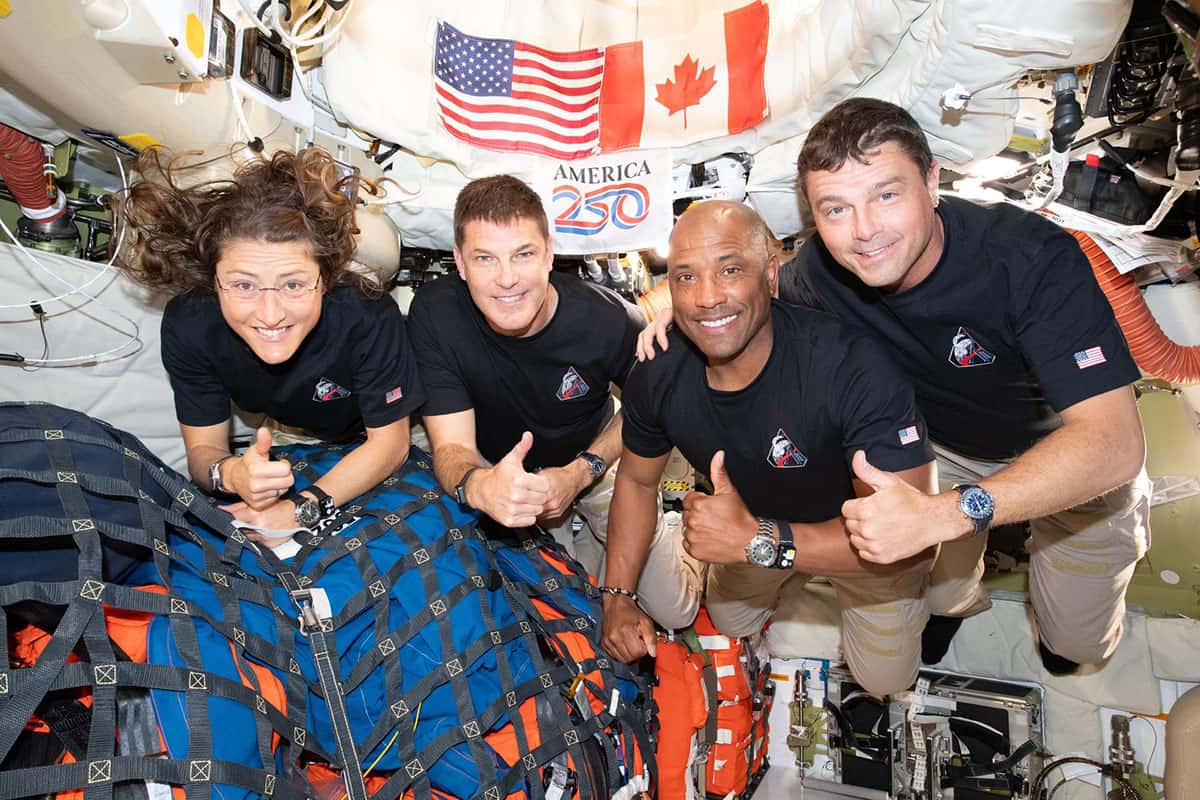
The Artemis II crew broke records by travelling further from Earth than any humans had before. But they also made history by including the first person of colour, the first woman and the first Canadian to go beyond low Earth orbit, and to travel around the Moon. Here’s who they are:
Reid Wiseman – mission commander
A former US Navy fighter pilot and test pilot, Wiseman was selected as an astronaut by NASA in 2009 and flew to the International Space Station (ISS) in 2014 as part of Expedition 41, where he took part in space walks. He was chief of the Astronaut Office between 2020 and 2022 before being made mission commander on Artemis II. A crater on the Moon seen by the crew of Artemis II has been named after his late wife, Carroll.
Victor Glover – pilot
Having joined NASA’s astronaut corps in 2013, Glover’s first venture into space was as pilot on the first post-certification flight of SpaceX’s Crew Dragon capsule to the ISS. As part of Expeditions 64 and 65, Glover performed four space walks during his time on the station. Like Wiseman, he is also a former US Navy pilot and test pilot.
Christina Koch – mission specialist
In 2019 Koch spent 326 days onboard the ISS as part of Expeditions 59, 60 and 61, setting the record for the longest continuous spaceflight for a female astronaut. During this time she also participated in the first all-female spacewalk. Prior to being chosen as an astronaut in 2013, Koch worked as an electrical engineer at NASA’s Goddard Space Flight Center, and spent time in Antarctica at the Amundsen-Scott South Pole Station and Palmer Station.
Jeremy Hansen – mission specialist
A colonel in the Royal Canadian Air Force, Hansen became an astronaut for the Canadian Space Agency in 2009. His training included taking part in the European Space Agency’s CAVES programme – spending time living underground in Sardinia – and NASA’s NEEMO 19 seven-day undersea mission. Artemis II was Hansen’s first flight into space.
The journey begins
On 1 April 2026 spectators on the ground, millions online and even the crew of the International Space Station (ISS) watched as Artemis II blasted off from pad 39B at the Kennedy Space Center in Florida at 6.35 p.m. EDT.
At launch, the four crew members were safely enclosed in their home for the next 10 days – the Orion spacecraft they had named Integrity. In turn, Integrity sat atop NASA’s gigantic Space Launch System (SLS), a rocket more powerful than the mighty Saturn V. Standing 98 m tall, the SLS was driven by four RS-25 liquid propellant engines and supported by two solid-rocket boosters, producing in excess of 39,000 kN of thrust at lift-off.
It was only the second flight of the SLS following 2022’s Artemis I, an uncrewed Moon-orbiting mission to test the SLS rocket and Orion spacecraft. Yet the Artemis II launch was flawless, with the thunderous roar deafening spectators and astounding the assorted news media present.
As the rocket left the atmosphere, the solid-rocket boosters, protective panels and launch abort system (there in case of ascent emergencies) were all successfully jettisoned, followed by the core stage of the SLS. Next, using the interim cryogenic propulsion stage (ICPS) or upper stage – fuelled by a liquid hydrogen/oxygen mix and powered by a single RL10 engine providing 110 kN of thrust – the mission performed a series of manoeuvres to raise its altitude, reaching an orbital elevation of 74,000 km.
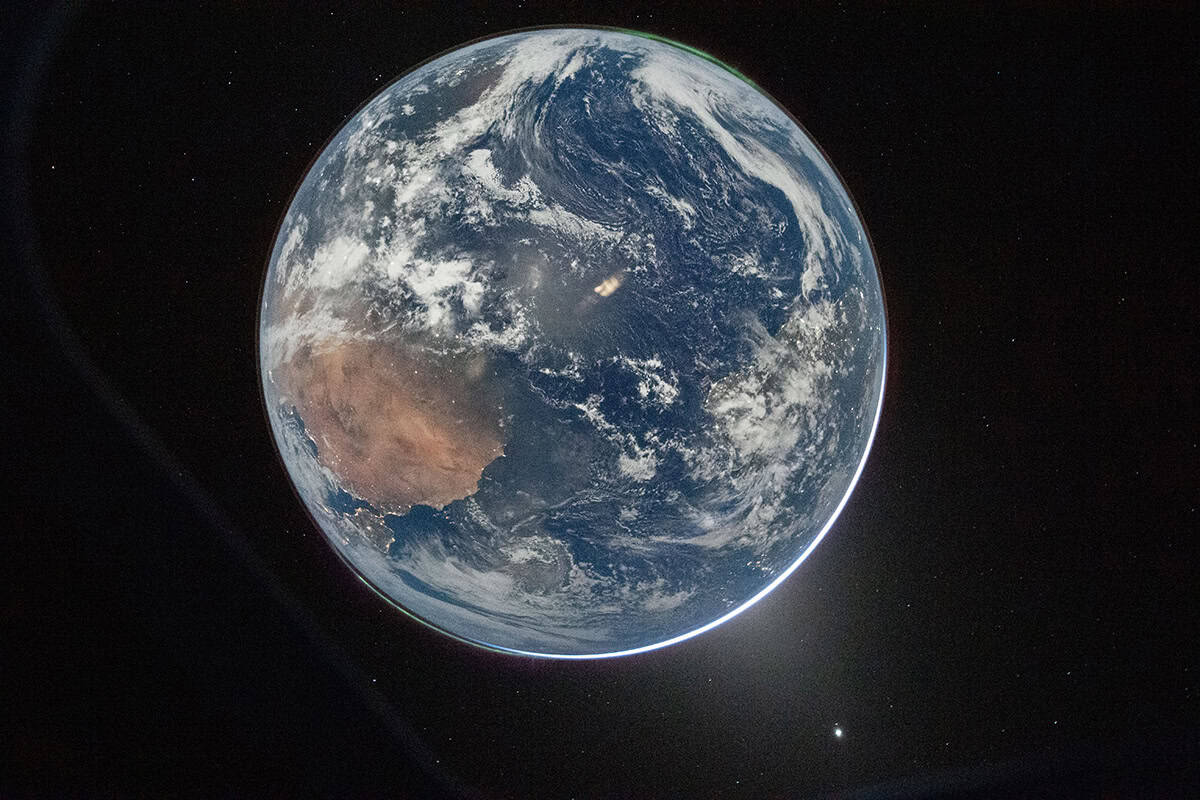
Following that, the upper stage was separated; but before leaving it (and Earth) behind, the astronauts used it as part of their demonstration tests, which included showing they could manually pilot Integrity. While in high orbit, the mission also deployed four cubesats – one each from Argentina, Germany, Saudi Arabia and South Korea – designed to study the effects of space radiation from the Sun and in Earth’s Van Allen radiation belts, and how electrical systems perform in such radiation-drenched environments.
With all that done, it was time to leave Earth’s orbit. On day two, the engine of the service module (constructed by the European Space Agency (ESA)) performed the trans-lunar injection burn – firing for almost six minutes to propel the capsule and crew out of Earth orbit and towards the Moon. Artemis II would not orbit the Moon, but swing around it and head back to Earth, following a flight path known as a free-return trajectory. This means that after the trans-lunar injection burn, Integrity coasted for four days through space with only occasional minor course corrections to keep the Moon dead ahead. No further engine burns were required in order to get home (hence “free”) – their trajectory used lunar gravity to naturally slingshot them around the Moon while Earth’s gravity drew them back home. On a diagram, Integrity’s trajectory looks like a figure 8, which follows gravitational gradients between the Earth and the Moon.
Close encounter
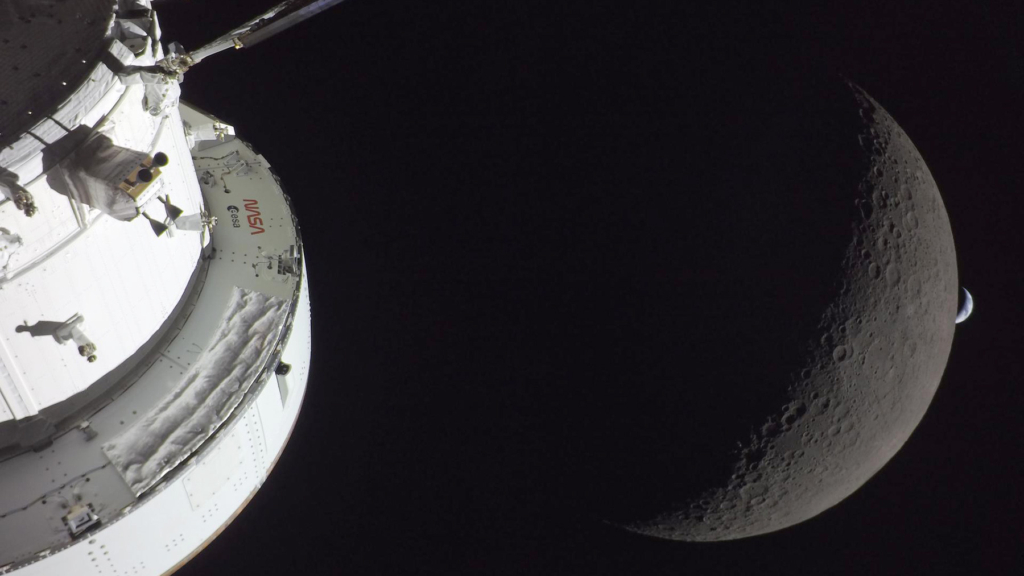
On 6 April the mission flew round the Moon just once, giving the crew a seven-hour fly-by observation period of both the near and far sides.
The astronauts’ view of the lunar surface was “amazing” in the words of mission commander Wiseman. “The four of us have looked at the Moon our entire lives and the way we are responding to what we’re seeing out the window is just like we’re a bunch of kids up here. We cannot get enough of this,” he radioed back to Earth.
For much of the fly-by, the four astronauts were like space paparazzi, taking it in turns to photograph the Moon. Although lunar science wasn’t part of the mission, they had a list of 35 targets to find and record that had been selected by the Artemis II science team led by Kelsey Young from NASA’s Goddard Space Flight Center. Among them were impact craters with radial streaks of ejecta that can help planetary scientists understand how craters evolve over time; and a bright swirly feature known as Reiner Gamma that contains a magnetic anomaly and is a possible future landing site for robotic explorers.
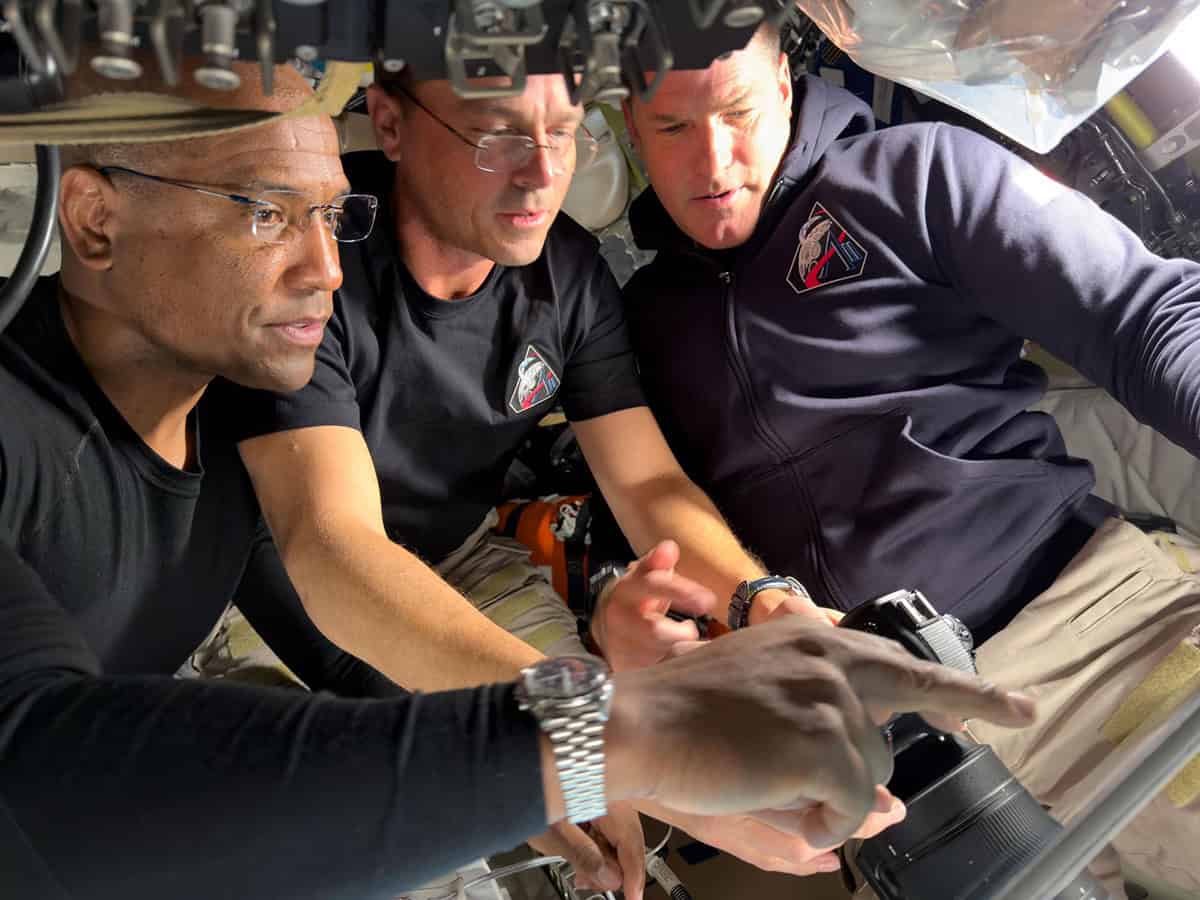
The astronauts also targeted parts of the far side that had never before been seen by human eyes because they had been in darkness during the Apollo missions. They were aided in their efforts by a custom-designed app, called the Lunar Targeting Plan, which contained information on the targets, what features to look out for, and how to correctly photograph them – there were even prompts for discussions about what they were seeing.
Some have suggested that the crew’s efforts were more about aesthetics than science, since the entirety of the Moon has previously been mapped by past missions. These include Japan’s Kaguya orbiter, the spacecraft in India’s Chandrayaan programme and Europe’s SMART-1 mission back in 2003. Indeed, none have mapped the Moon as comprehensively as NASA’s Lunar Reconnaissance Orbiter (LRO), which launched in 2009 and to this day continues to map the entire lunar surface to 100-metre resolution, and in some places reaches an unprecedented half-metre resolution.
However, Amanda Hendrix, who is director of the Planetary Science Institute (PSI) in Arizona and who works on LRO, disagrees that lunar science wasn’t a part of the Artemis II mission.
“I think there was science to do on the fly-by,” she says. While LRO’s cameras catch a lot on the lunar surface, particularly how features seem to change with the shortening and lengthening of shadows throughout the lunar day, there’s something very crucial that is missing. “LRO’s instrumentation is limited,” explains Hendrix. “Its cameras don’t have that many filters, so we don’t get that much colour information.”
As it turns out, the Moon isn’t just a boring silver-grey sphere, but a world of many subtle colours, which Apollo 17 astronaut and geologist Harrison Schmitt discovered in 1972, when he found orange regolith made of volcanic beads rich in titanium.
“What the Artemis II crew brought is the spectral coverage that they could see with their eyes that we don’t have with LRO,” says Hendrix. “Plus, we could hear the astronauts talking about how impressed they were with the change in lighting geometry as the spacecraft went around behind the Moon, and how the day/night terminator moved across the surface. So I do think there is new scientific information there.”
The far side
Most of the science targets were found on the far side, including the mighty Orientale impact basin, which is located on the limb of the Moon as seen from Earth. (The limb is what we call the edge of the Moon when we look at it in the sky, but we can’t call it an edge since the Moon, as a sphere, doesn’t have an edge. Features on the limb are foreshortened because of perspective as the lunar surface curves away from us.) Thought to be the youngest of the Moon’s large impacts, Orientale features a lunar sea (known as a mare) at its centre, and a stunning double-ring structure at its edge. The exterior ring has a diameter of 930 km, making it one of the largest impact sites in the entire solar system.
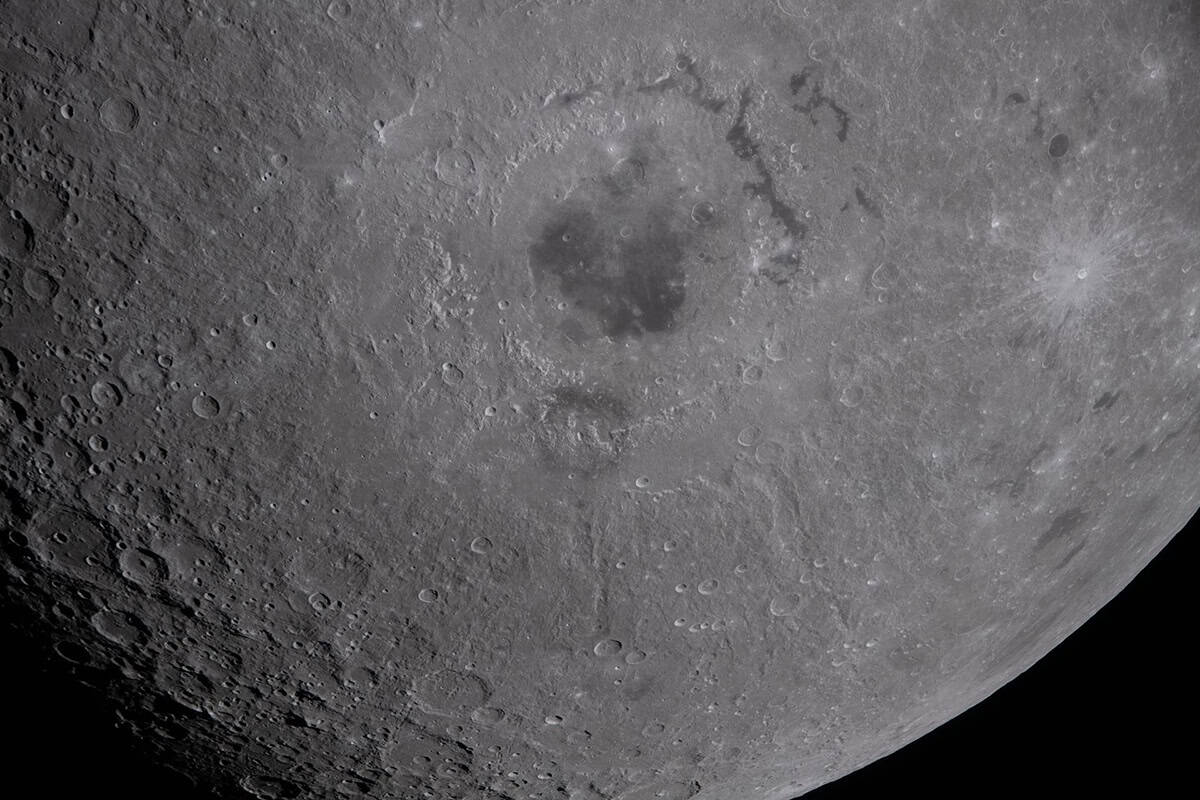
“What really struck me is that this was the first time that humans themselves saw so much of the Moon and I think a lot of people don’t really appreciate that,” says Jeffrey Andrews-Hanna, a planetary scientist at the University of Arizona’s Lunar and Planetary Laboratory. “A great example is the Orientale impact basin. We have an incredible amount of data from orbiting robotic spacecraft, but humans had never actually laid eyes on so much of it until now. The Artemis II astronauts had a prime view looking on the surface and seeing the basin in its entirety.”
At one point shortly after the closest approach – which saw the astronauts get to within 6545 km of the lunar surface – they witnessed the Sun spectacularly fall into total eclipse behind the Moon. Then, as Integrity was cast into the Moon’s shadow, the crew saw five remarkable events – flashes of light as meteorites slammed into the surface, gouging out small new craters. The flashes were so fast that the crew were unable to catch them on camera, but they knew to be on the lookout for them nevertheless.
Lunar impacts have been sporadically witnessed before by spacecraft and amateur astrophotographers, but this was the first time it has been possible to ascertain the rate of impacts occurring on the Moon.
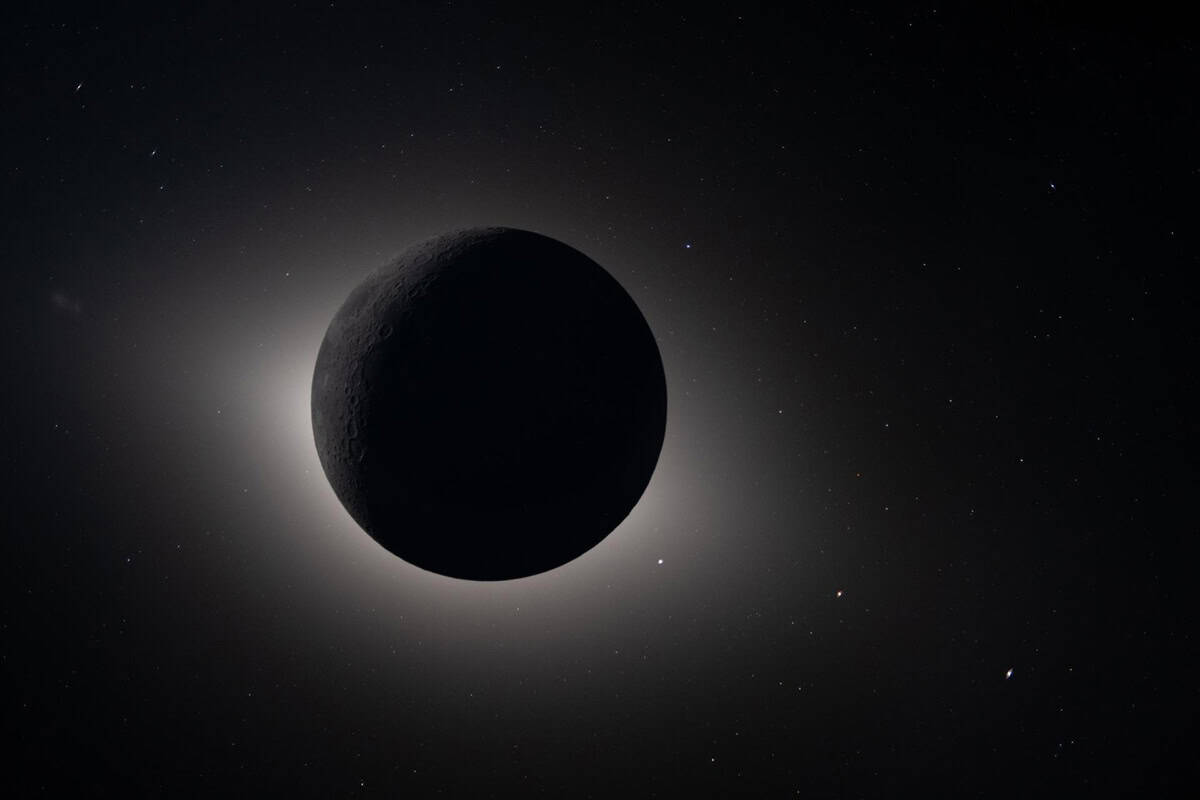
“To have seen five of them during that short time frame tells you the rate at which they must be happening all over the Moon, whether you can see them or not,” says Hendrix. “That’s important for telling us how much material is still out there impacting not only the Moon but also Earth, or at least the top of our atmosphere.”
Looking to future Artemis missions that will land on the Moon (currently planned from 2028), Andrews-Hanna sees a way in which the study of meteorite impacts can be enhanced by seismometers placed on the surface. “Understanding the impact flux is important,” he says. “And there’s a lot that can come from linking an impact that is seen with the seismic waves that are measured.”
A seismometer can give some indication of the size of the impacts, providing information about the mass of the meteorites impacting the Moon as well as their frequency. The seismic waves can even be used as probes into the Moon’s interior structure.
Back to Earth
The farthest that Integrity got from Earth was 406,771 km, breaking Apollo 13’s distance record of 401,171 km. While behind the Moon, the crew were out of contact with Earth for 40 minutes (as planned), far from home and completely alone.
That perfect isolation would not last long, and soon Integrity was embarking on the journey home, to arrive on Friday 10 April. Yet even if NASA and the Artemis II crew didn’t show it, there was some nervousness ahead of that return.
During Artemis I the heat shield on the empty Orion capsule suffered serious damage, cracking to the point that large chunks of the heat-resistant Avcoat material ripped dangerously away in temperatures of 2760 °C while plummeting through Earth’s atmosphere. Upon investigation, NASA scientists found that the problem was triggered by the skip guidance entry technique they had used to return Orion to Earth, which involves dipping the capsule in and out of the atmosphere so that atmospheric drag helps slow the re-entry.
In ground tests to simulate the technique, the scientists had used heating rates that had allowed a permeable char layer to form and ablate, releasing gases produced by the Avcoat layer. But in reality, dipping in and out of the atmosphere resulted in less severe heating and slower char formation. Gases accumulated in the Avcoat layer and could not escape, causing cracking.
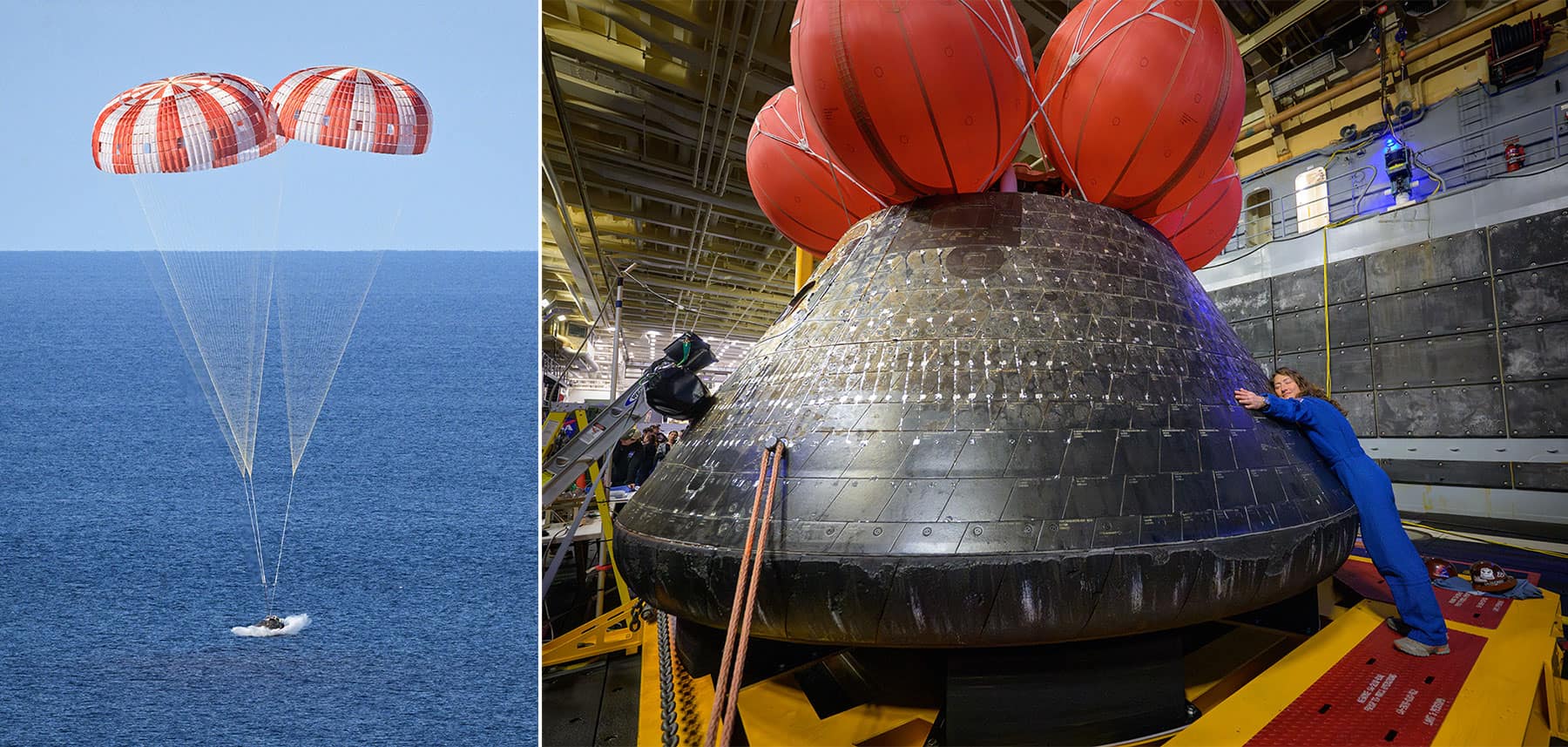
Obviously, something needed to be changed for Artemis II. Rather than modify the heat shield that had already been built, NASA decided to change the re-entry profile. Integrity’s trajectory was made steeper, reducing time spent in the part of the atmosphere where Artemis I had problems – however, this would make it the fastest atmospheric entry ever attempted by a crewed spacecraft.
During the 13-minute fall from the sky, the heat shield held up well, staying hot long enough to release the gases. Eleven parachutes in total were deployed, slowing the capsule from 40,230 km/h while 120 km above the Earth, to 523 km/h at 8 km altitude. By the time the main parachute unfurled, Integrity was gently drifting down at less than 32 km/h for a successful splashdown in the Pacific Ocean near San Diego.
From II to V
Artemis II was a success, proving that we can send humans back to the vicinity of the Moon. Artemis III was originally planned to finally land on the lunar surface again, but it has now been repurposed for practising docking and rendezvous procedures in low Earth orbit, just as Apollo 9 did following Apollo 8’s triumphant flight around the Moon. Artemis IV, planned for early 2028, is currently the mission that will land, and hopefully later that year Artemis V will begin construction of a lunar outpost at the South Pole–Aitken Basin, among permanently shadowed craters that harbour water-ice.
After Artemis II, landing on the Moon doesn’t feel as far away as it did
After Artemis II, landing on the Moon doesn’t feel as far away as it did. Certainly, Wiseman is more optimistic now than he ever was. “I’m going to eat these words, but [landing on the Moon] is not the leap I thought it was,” he told journalists at a media conference in Houston a week after splashdown. “Once we were around the Moon in a vehicle that was handling great, if you’d given us the keys to a lander, we would have taken it down and landed on the Moon. It’s going to be extremely technically challenging, but it is absolutely doable, and doable soon.”
Visiting our orbiting companion
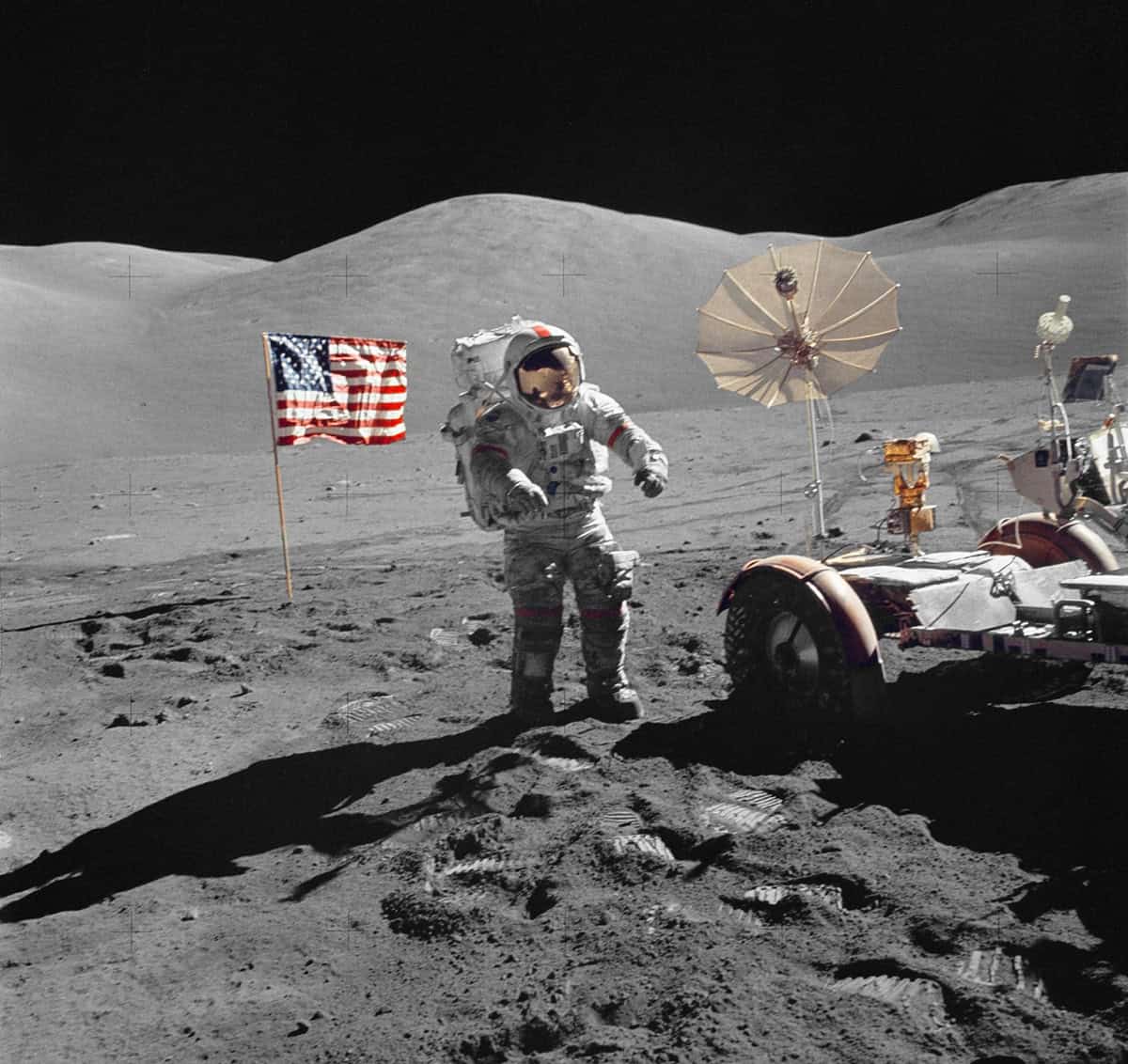
The first crewed mission to the Moon took place in December 1968 when NASA’s Apollo 8 entered lunar orbit. Over the next four years, the US sent another eight crewed spacecraft, including the historic Apollo 11 mission that saw Neil Armstrong take humanity’s first steps on the Moon.
But we then stopped sending people to our rocky satellite. The Apollo missions were cancelled due to budget costs and changing political priorities, while the Soviet Union’s efforts to land cosmonauts on the Moon stalled on the launchpad with the failure to develop their N1 heavy lift rocket. Many uncrewed missions from around the world have impacted, orbited, flown by or landed on the Moon, but – until now – none have had human passengers, leaving Gene Cernan as the last person to set foot on the Moon on 13 December 1972 as part of the Apollo 17 mission.
While science was not the priority for Artemis II, the scientific community is already positioning itself to make the most of returning to the Moon. Hendrix points out that three researchers from PSI have been selected as participating scientists for Artemis IV. Meanwhile, tangential to the Artemis programme is the Commercial Lunar Payload Services (CLPS), in which NASA is working with private contractors to build small landers that can take scientific experiments to the Moon. Although their success in landing has been somewhat mixed so far, it opens the Moon up to a wider range of scientists.
That’s important, says Hendrix, because there’s less grant money coming from NASA, which has seen its budget remain more or less the same while shouldering the burden of more large-scale missions.
“There is concern in the planetary science community that opportunities have been shrinking and it is because the budget hasn’t increased enough over the past couple of decades to accommodate all the programmes that are happening,” says Hendrix. There is also great uncertainty in the US science community around funding and budget changes under the current administration. “Planetary scientists can at least do some science on the Artemis missions as part of the landing science team, and they can be part of the science teams for instruments on CLPS missions, and those are the bulk of the opportunities now.”
The US is not the only country with its sights set on the Moon. China is also hoping to send astronauts – or taikonauts – by 2030. They will travel in the Mengzhou seven-person spacecraft, which is currently scheduled to do its first orbital uncrewed test flight in September 2026. The corresponding lunar lander, called Lanyue, is also under development. In the meantime, China has been sending regular robotic missions to both the near and far side of the Moon, and has brought precious lunar samples back to Earth. These missions have involved some – albeit limited – international co-operation, particularly with European scientists who have had experiments flown on the missions.
Inspiring the world from the Moon
Since the safe return of the Artemis II crew, the reaction has been as philosophical as it has been admiring of the technical feats of the mission. This was especially notable during the astronauts’ press conference, in which they discussed not the sights they had seen, but the way the mission had brought the whole world together in support.
“When we came home, we were shocked by the global outpouring of support, of pride, of ownership of this mission,” admitted Wiseman. “The four of us wanted to go out and do something that would bring the world together.”
Public interest is vital if the Artemis programme is to continue being funded, explains Hendrix. “The whole of planet Earth was brought along with them, as we watched on our screens,” she says. “Getting everybody on Earth behind these missions is important, especially the people who make the budget.”
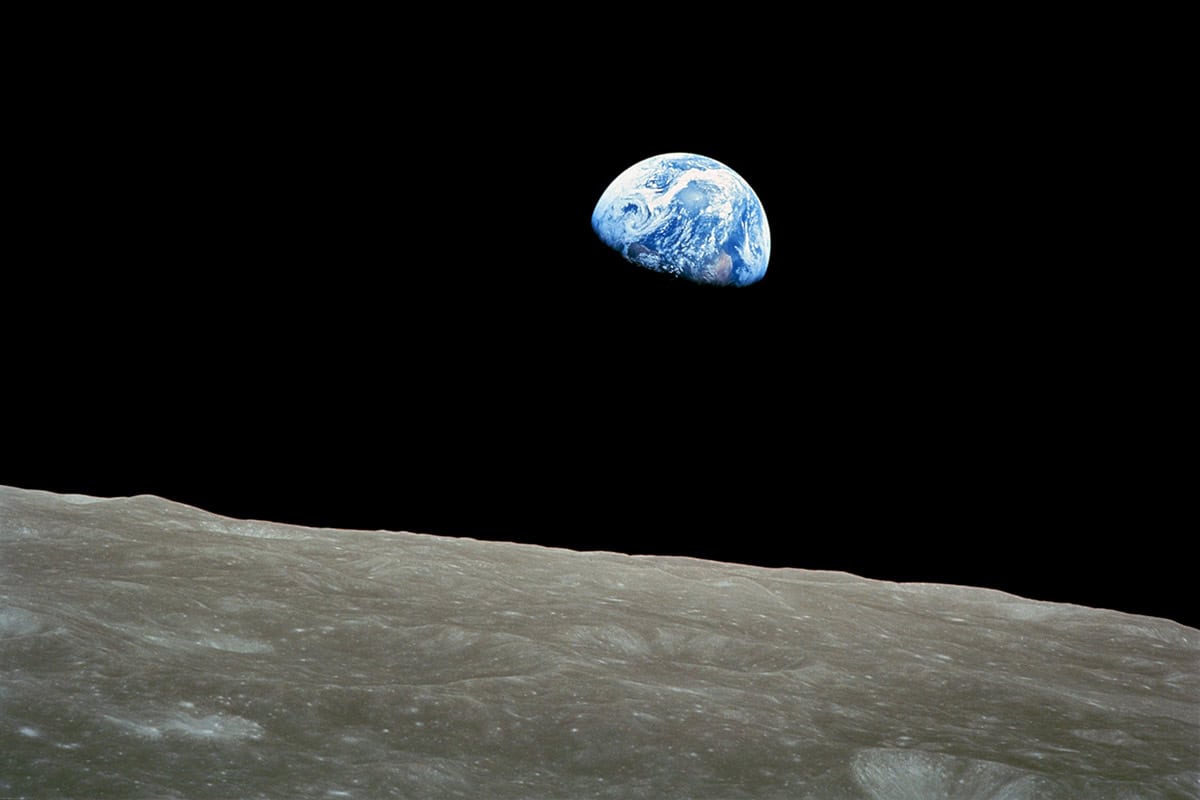
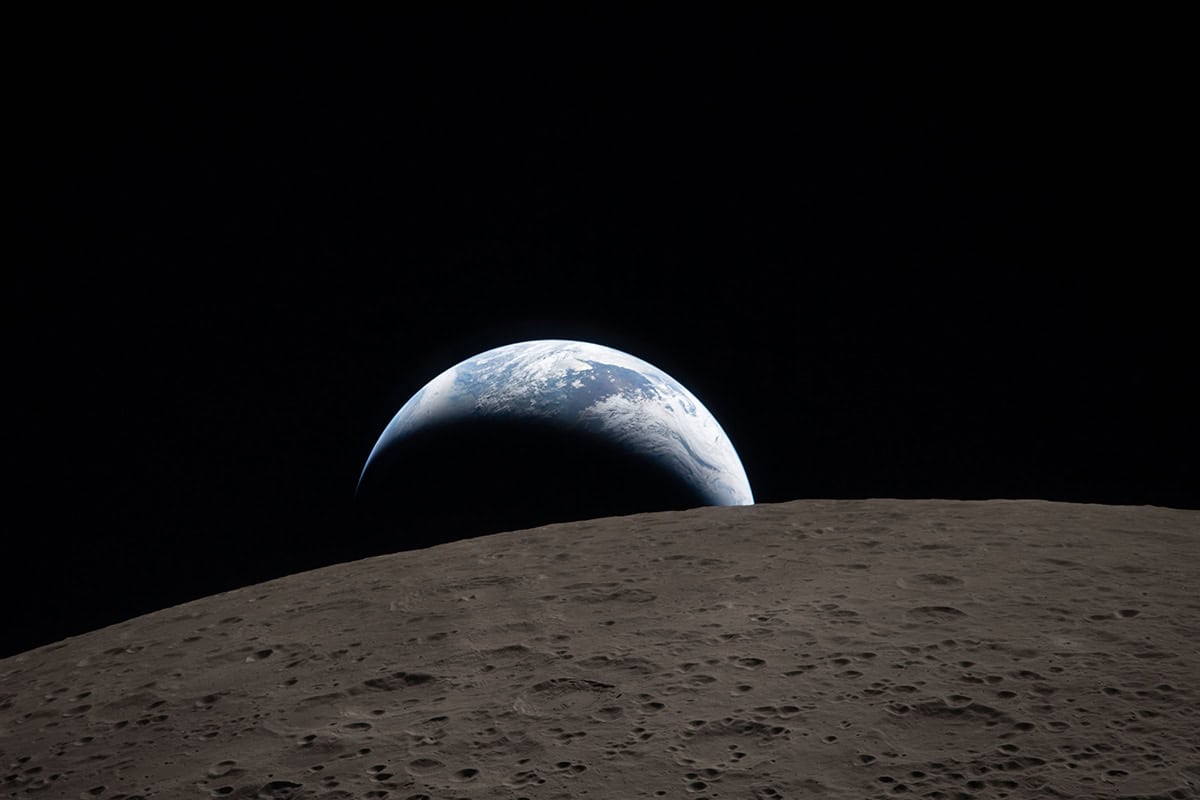
When Apollo 8 took three astronauts around the Moon for the first time during Christmas week of 1968, it brought the American public together during a time of national strife because of the Vietnam War. The famous “Earthrise” photograph taken during the mission also became a rallying cry for the burgeoning environmental movement.
The global circumstances around the time of Artemis II’s launch were not dissimilar, with wars in South-West Asia and Ukraine continuing against a backdrop of impending environmental disaster and social and political strife. Perhaps our return to the Moon will help bring people back on Earth together once again.