Mass spectrometry delivers fusion insights

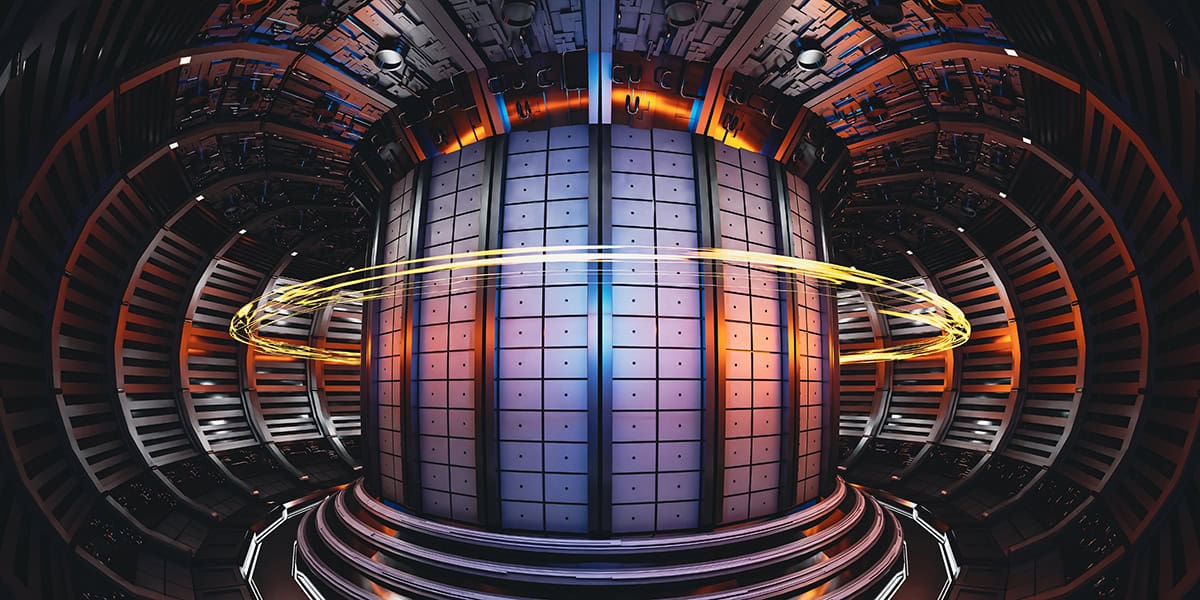
Nuclear fusion promises to deliver an abundant, safe and sustainable source of energy, but replicating the reactions that power the Sun remains a scientific and engineering challenge. Experimental reactors, such as the ITER facility now being built in France, are designed to heat and confine a plasma containing deuterium and tritium to extreme temperatures, with the aim that the two hydrogen isotopes fuse together to form helium along with a neutron and a huge amount of energy. Crucial to success is understanding what is happening inside the reactor, allowing the plasma composition and properties to be adjusted in real time to initiate and sustain the reaction.

The extreme conditions inside the reactor preclude the use of direct probes, but a combination of external diagnostics can be used to monitor the plasma conditions and the progress of the reaction. To push the capabilities of these techniques, Chris Marcus and colleagues at Oak Ridge National Laboratory (ORNL) in the US have been developing a system that will exploit both mass spectrometry and optical spectroscopy to analyse the complex mixtures of light gases that are released from the tokamak while the reaction is taking place. “Each of these techniques provides complementary information that will help to isolate the hydrogen and helium isotopes we are interested in,” he says.

Complementary diagnostics

As part of this project, Marcus has been working with Hiden Analytical in the UK to develop a mass spectrometer that offers unique capabilities for fusion research.  A key part of the brief was to achieve a higher resolving power for hydrogen and helium isotopes than can be achieved with standard instruments. “Our main objective was to detect small concentrations of helium-4, the main product from the nuclear reaction,” says Marcus. “But commercial instruments are unable to resolve helium-4 from deuterium when it is present at concentrations below about 10%.”

The spectrometer developed by the Hiden team exploits a quadrupole design, which is favoured for its rapid scanning speeds, compact footprint, and the ability to provide real-time analysis of atoms and molecules over a broad mass range. These quadrupole sensors work by ionizing the gas species, and then sending the ions through four cylindrical rods impressed with a composite DC and radio-frequency voltage. The resulting electric field separates the ions according to their mass-to-charge ratio, isolating the species of interest and preventing any other ions from reaching the sensor. The ion current produced at the output can then be related to the relative abundance of each species in the gas mixture.

However, conventional quadrupole analysers can only distinguish between atoms and molecules with a difference in mass of 1 amu. That makes it difficult to isolate helium-4 from deuterium, the species of particular interest for fusion research, since their masses differ by just 0.026 amu. “Although large-rod mass spectrometers are able to separate helium and deuterium, they are not suitable for deploying close to the outlet of a fusion reactor,” says Bob Mellor of Hiden Analytical. “We needed to develop a compact instrument that also delivers the extra resolving power.”

Improving resolution

Fortunately, quadrupole devices offer stable operation in several different zones. Standard instruments exploit a region of stability that can be accessed at lower voltages, but the Hiden team designed a spectrometer that can operate in a different stability zone that can separate helium and deuterium, albeit at significantly higher voltages. “This zone, which we call Zone H, achieves the detection limits that Oak Ridge required, but still enabled the use of a small quadrupole sensor,” says Mellor. The operational mode of the spectrometer can easily be switched between Zone H and the more usual Zone 1, which means that the instrument can also be used for conventional vacuum diagnostics.

Once a prototype instrument had demonstrated the feasibility of this solution, the next challenge for Hiden was to engineer a system that would be immune to the strong magnetic fields and high levels of radiation close to the tokamak. That posed a particular problem for the power and control electronics, since solid-state devices are prone to radiation damage and must be installed behind a radiation shield. As a result, the connecting cable between the power unit and the sensor can be up to 140 m long, which presents problems in connecting the RF voltage that is impressed on the quadrupole sensor rods.

A coaxial cable can be used, but simply connecting the RF voltage over long distances results in significant power loss in the generator. This means that the operating frequency of the sensor must be reduced to keep within the available power budget. “If you go much longer than 10 m, the frequency becomes so low that you don’t have any useful resolving power,” says Mellor.

The solution is to transmit RF power down the long coaxial cable to a set of intermediary electronics, or matching unit, that contains radiation-hard passive components and thermionic valves. “In the matching unit there is a power to-voltage convertor that generates the high-voltage RF to be impressed on the rods,” explains Mellor. “Independent testing at a fusion facility has confirmed that this solution is immune to radiation, magnetic fields, and ground vibrations.”

The resolving power of the mass spectrometer has also been evaluated at ORNL. “We have demonstrated that the quadrupole analyser can detect helium-4 at a concentration of 3% in a mixture containing 97% of deuterium,” says Marcus. “It also provides a fast response time, providing an analysis in less than a second, which is another key requirement for fusion diagnostics.

Experimental validation

In the meantime, Hiden has developed a series of commercial instruments to make the technology available to other fusion developers, as well as for other applications that require similar levels of performance. Both the DLS-2 and DLS-2X offer switchable dual-zone operation, combining high resolving power for light species along with high-performance residual gas analysis for vacuum diagnostics. They are available in two possible configurations: one with a Zone H that achieves an ultrahigh mass resolution of 0.0065 amu for species with masses of up to 10 amu, and the other providing a separation of 0.02 amu over a mass range extending to 22.5 amu. While the resolving power and sensitivity are the same for both instruments, the DLS-2X also features remote electronic control for use in harsh environments.
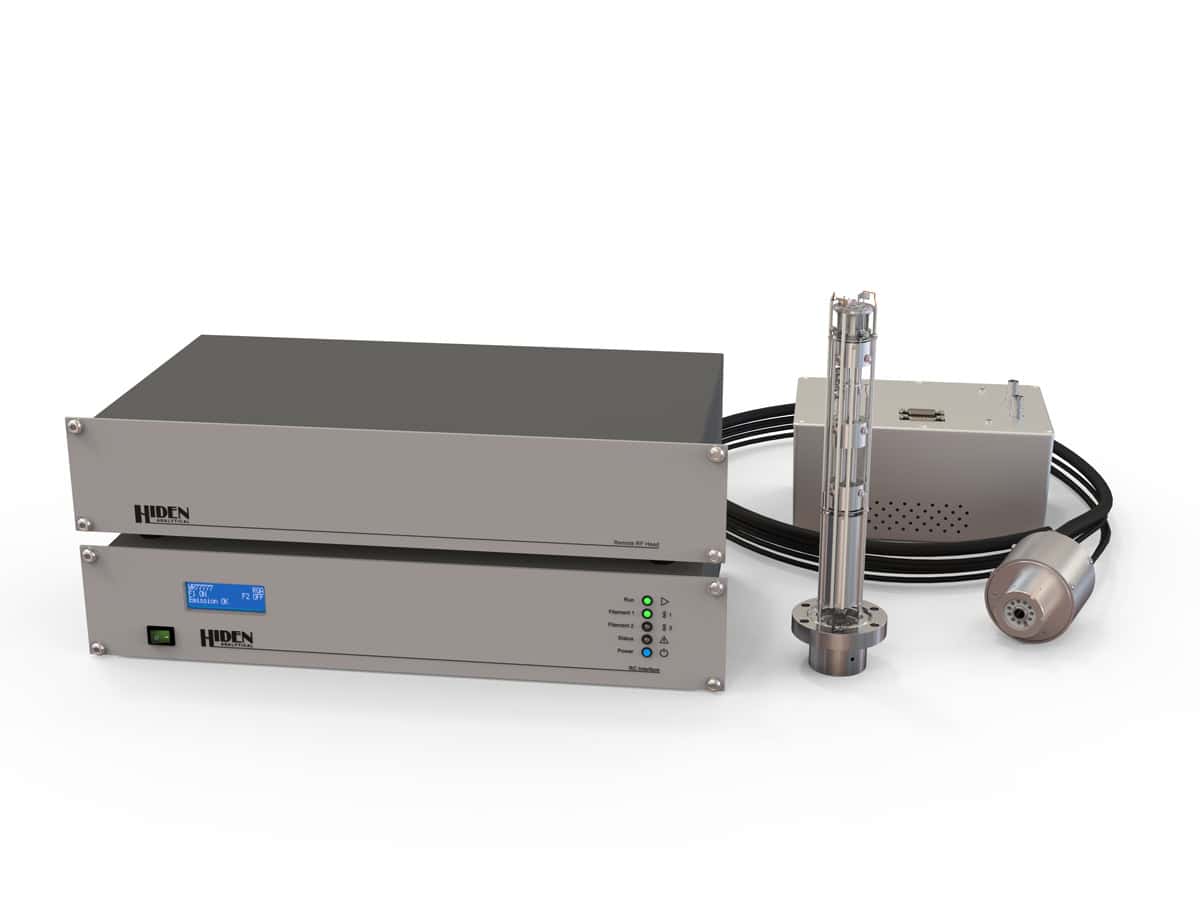
Meanwhile, the HAL 101X includes all the features that were developed for the gas analyser system being developed and tested at ORNL. That includes dual-zone operation and radiation-hard electronics, as well as an additional analysis mode in Zone 1 – called Threshold Ionization Mass Spectrometry (TIMS) – that can help to distinguish between species with similar mass-to-charge ratios when they are present in sufficiently high concentrations.

The Hiden team is now working with Marcus to investigate the capabilities of the HAL 101X to distinguish between other light gases that are important for fusion research. “We have established that we can isolate neon, which can be used as a catalyst for the fusion reaction,” says Mellor. “The usual difficulty with neon is that its mass-to-charge ratio is overlapped by argon ions, but Zone H can be used to separate neon-20 from doubly charged argon.” More challenging will be to resolve tritium from hydrogen deuteride, which are separated by just 0.006 amu. “It may be possible by using the TIMS method in Zone 1, or by further increasing the applied DC and RF voltages to achieve a higher mass resolution in Zone H,” says Marcus.

While those investigations continue, Marcus is continuing to evaluate the HAL 101X on a diagnostic test stand at ORNL. “The next steps for the mass analyser will be to advance it into the production phase for the full diagnostic suite,” says Marcus. “That will yield a complete system that has been validated for operational use.”
Affordable AI-powered endomicroscope lines up for early cancer detection

Epithelial cancers account for 80% to 90% of all cancer cases in the world, comprising a wide variety of malignancies that begin in the epithelial tissues that form the skin and line the body’s internal passageways and organs. Early diagnosis is critical to improving patient outcomes, but is limited by a heavy reliance on invasive biopsies.

Simultaneous assessment of changes in both the cell nuclei and the microvasculature could potentially improve the accuracy of early cancer and precancer detection, and help guide decisions regarding biopsy and pathology testing. In vivo microscopy (IVM) has shown promise for aiding early diagnosis of epithelial cancers, but has challenges relating to image quality, spatial resolution and field-of-view (FOV).

PrecisionView, an artificial intelligence (AI)-powered, dual-modality endomicroscope in development at Rice University’s Rice360 Institute for Global Health Technologies, addresses these IVM issues. The compact, handheld, easy-to use system enables real-time, wide-area visualization of both subcellular structures and underlying blood vessels, offering higher-quality imaging, a fivefold increase in FOV, and an eightfold increase in spatial resolution over endomicroscopic systems in current clinical use.

The proof-of-concept version of PrecisionView, described in Proceedings of the National Academy of Sciences, is intended for superficial epithelial imaging where scattering-induced distortions remain moderate. And it is specifically designed to be low cost: providing an affordable diagnostic tool for clinics worldwide.

PrecisionView uses simple, off-the-shelf miniaturized optics integrated with a deep learning-based optimization framework. Its AI-supported phase mask design and reconstruction algorithm incorporate dual-modality fluorescence and reflectance imaging to achieve a 5.2 x 3.9 FOV and a 500 µm depth-of-field (DOF) while maintaining cellular-level resolution (4 µm). Images are acquired at approximately 15 frames/s, in 2 s intervals, with image tiles stitched together to form a large-scale, co-registered map of cell nuclei and microvasculature.

Performance assessment

To validate the system, principal investigators Rebecca Richards-Kortum and Ashok Veeraraghavan, and collaborators at the University of Texas MD Anderson Cancer Center, analysed images of ex vivo porcine tongue, human breast and fresh cervical tissue specimens with precancerous lesions.

High-resolution maps of cervical specimens containing squamous intraepithelial lesions (precancer) clearly delineated key anatomic structures, including columnar and squamous epithelium, and the junction between the two epithelial cell types. PrecisionView clearly distinguished abnormal regions from surrounding benign tissue – suggesting that the system may be able to support physicians’ decisions regarding whether or not to conduct a biopsy.

The researchers also performed real-time, in vivo imaging of the oral cavities of healthy volunteers. They report that the system’s large DOF enabled acquisition of high-resolution images of cell nuclei and microvasculature across a large tissue area without requiring refocusing. When the mucosal surface was scanned, the large FOV of each frame, combined with the high video acquisition rate, provided substantial frame-to-frame overlap. This allowed seamless stitching of the dual-modality images to create large-scale, co-registered maps of the oral mucosa, which showed distinct cellular and vascular features.

Meeting a global need

The Rice 360 Institute focuses on designing, implementing and scaling highly effective, low-cost medical technologies for underserved and low-resource communities. The idea for PrecisionView grew out of recognizing a global limitation in access to high-quality diagnostic information.

“In many care settings, especially where conventional pathology resources are limited, clinicians may not have timely access to the cellular- and tissue-level information needed to guide diagnosis and treatment decisions,” says first author Huayu Hou, who worked with co-first author Jimin Wu, to develop the PrecisionView instrument.

Hou explains that although existing clinical endomicroscopy systems can provide valuable microscopic information, their broader use is often limited by cost, complexity, a limited imaging volume and the ability to capture only a narrow range of diagnostic features. Such constraints reflect fundamental design trade-offs in compact clinical optical imaging systems and create significant barriers to practical point-of-care use.

“PrecisionView was motivated by the opportunity to use computational imaging to overcome limitations in existing clinical endomicroscope designs that could not be fully addressed with traditional optical approaches alone, with the goal of bringing high-quality diagnostic information closer to the point-of-care,” he says.

Hou advises that it took about a year to develop the first working prototype, and that several projects are now underway to further enhance both performance and usability for point-of-care applications. “We are working to improve image quality and resolution, so that the system can provide finer cellular details from living systems to real time,” he adds. “We are working to further refine the hardware and workflow to make the device easier to operate in clinical settings.”

The team is developing AI-based classification algorithms that can integrate both cellular and vascular information and provide real-time diagnostic guidance. Its long term goal is to create a system that not only visualizes tissue at the cellular level, but also helps clinicians interpret the information efficiently at the point-of-care. “This capability could be especially valuable in low-resource settings, where access to pathology expertise may be limited, and tools that support real-time decision-making could significantly improve clinical usability and impact,” notes Wu.

Clinical validation studies to evaluate PrecisionView’s diagnostic performance across different clinical settings and cancer types are also planned. For instance, a study focusing on head-and-neck cancer detection has already started in collaboration with MD Anderson Cancer Center. Others are being developed for cervical cancer imaging in Mozambique, to evaluate the system’s performance in low-resource settings.

New model of ocean waves sheds fresh light on the spread of microplastic pollution

Nature is always more complicated than the models we use to describe it. Ocean waves, for example, are constantly evolving. They grow when wind transfers kinetic energy to the water’s surface. They interact with each other in highly nonlinear ways. And once the wind dies down, their internal viscosity makes them dissipate away to nothing, leaving behind a surface as flat as glass.

This process is familiar to anyone who’s ever been to the seaside, yet physicists’ go-to models of water moving through the ocean essentially ignore it. Instead, the standard theory of wave transport, known as classical Stokes drift theory, concentrates on describing the flow of steady waves with finite amplitude. And while extensions of the theory incorporate complications such as nonlinear wave shapes, uneven seabeds and the inertia of particles carried along by the waves, they don’t account for waves that grow and fade over time.

For Marco Edoardo Rosti, a physicist at Japan’s Okinawa Institute of Science and Technology (OIST), this shortcoming has real-world consequences. “There is increasing interest in understanding near-surface transport processes because they are directly connected to problems such as pollutant dispersion, microplastic accumulation, sediment transport, and air-sea exchange,” he explains. “Since these processes depend sensitively on particle trajectories, even subtle modifications of the drift mechanism may become important over long times.”

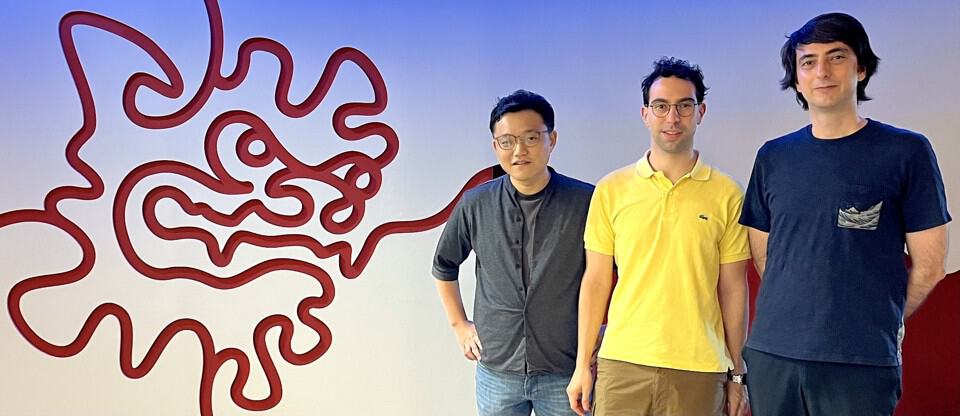
Photo of Tatsuo Izawa, Giulio Foggi Rota and Marco Eduardo Rosti standing in front of the squiggly red line logo of the Okinawa Institute of Science and Technology

In a study published in the journal EPL, Rosti and his colleagues Alessandro Chiarini, Tatsuo Izawa and Giulio Foggi Rota explored ways of remedying this deficiency. They focused on the simplest type of wave evolution: a freely decaying, single-frequency gravity wave, one where the force of gravity acts to restore equilibrium and smooth out the surface of the water. Physics World spoke with the team about the findings.

What is the most important advance in this work?

Classical Stokes drift theory predicts that on average, particles will get transported through the water horizontally, in the direction of the wave. But by combining fully nonlinear two-phase simulations with a perturbative analytical model, we demonstrate that when you allow those waves to decay, additional transport mechanisms appear.

Specifically, we identified a net vertical particle migration that arises solely from the temporal decay of the wave field, due to the interplay between fluid inertia and viscous dissipation. This migration persists even for fluids with relatively weak viscosity. Also, because the drift velocity depends on depth, even small vertical displacements alter particle trajectories and mixing properties.

Photo of Alessandro Chiarini, seen in profile outdoors near an autumn-leaved forest

More broadly, our results show that unsteadiness in the wave amplitude is not a minor correction to classical Stokes drift. It’s something that can qualitatively change how an individual parcel of fluid moves through space and time – what we call Lagrangian transport. This has important implications for understanding how floating and suspended materials, including sediments, aerosols and microplastics, get redistributed near the ocean surface.

Can you say more about those implications?

Because gravity waves at the ocean surface span a broad range of wavelengths, from centimetres to hundreds of meters, even a modest fractional vertical displacement per wave cycle can significantly change the depth of a drifting particle. And because the drift velocity beneath a wave decays exponentially with depth, these small vertical excursions can substantially alter how much horizontal drift a particle accumulates. That could influence whether microplastics remain near the surface (where they are most bioavailable), or whether they instead migrate to greater depths, where different biological and physical processes govern their fate.

Why have previous studies not seen this vertical drift?

The drift mechanism we identify accumulates gradually as the wave field decays. That means it only becomes apparent when “tracer” particles in the water are exposed to the same wave as its amplitude decreases over many periods. Most wave-tank experiments and field measurements instead follow tracers as they are swept through a passing wave packet, which is a fundamentally different configuration.

In open-sea conditions, similar arguments apply, and the presence of currents, wind forcing and turbulence all complicate the picture. These effects mask a signal that only shows up unambiguously in clean, unforced conditions.

What was the most challenging aspect of this work?

The most challenging part was to bridge the limits of classical wave theories with the fully nonlinear, two-phase simulations of an air-water interface. The classical Landau wave-decay theory, for example, assumes an isolated, weakly viscous fluid (water). However, our high-resolution simulations demonstrate (as previously reported in other studies) a deviation from these idealized assumptions. In fact, the dominant viscous energy dissipation occurs in a thin layer of air just above the water surface, rather than in the bulk.

To investigate how continuous wave energy decay affects Lagrangian particle transport, we developed a perturbative analytical model based on the classical Landau framework. This was a difficult step because the framework is inherently blind to the two-phase dissipative system. As a result, its asymptotic predictions progressively diverged from simulated flow fields at long times, likely due to intrinsic limitations of the Landau decay-wave model.

What do you plan to do next?

The drift mechanism we discuss in this study applies to a very idealized form of wave decay. In the future, we would like to test whether and how this mechanism propagates in more complex but realistic wave conditions. In particular, we want to work out how to measure such mechanisms in wave-tank experiments. To do so, we will study a different setup, one in which waves decay spatially instead of temporally, since this is closer to what observed in wave tanks. We would also like to study how our mechanism affects drift in waves that vary over time, with controlled unsteadiness, rather than simply decaying.

Independent linac commissioning matters for radiotherapy

Radiation therapy is an essential component of cancer care and is used in the treatment of roughly half of all cancer patients. To ensure that these treatments are both safe and effective, it’s critical that the linear accelerators, or linacs, that deliver the radiation are as reliable, efficient and accurate as possible.

The US-based medical physics consultancy One Physics aims to help hospitals and cancer centres meet these goals by bringing together a team of highly-trained expert medical physicists to provide a wide range of radiotherapy and diagnostic imaging physics services.

This episode of the Physics World Weekly podcast features James Giltz, director of commissioning services at One Physics. In a wide-ranging conversation with Physics World’s Tami Freeman, Giltz explains how the company provides comprehensive medical-physics support for radiotherapy – from planning new centres through to ongoing clinical operations.

This podcast is sponsored by One Physics.

Physics World’s Margaret Harris honoured for ‘Feature of the Year’

Congratulations to Margaret Harris for winning the “Feature of the Year – specialist audience” award from the Association of British Science Writers (ABSW). The Physics World online editor was cited for her article “The physics Nobel prizes you’ve never heard of”. The ABSW describes the article as: “A refreshing angle to Nobel prize reporting. It was an eye-opener, told a great story and gave some deep historical context to the murky world of who wins the Nobels and why.”

In the run-up to each year’s Nobel prize announcements, Physics World editors explore aspects of the award that have often been neglected. As well as her award-winning article from 2025, Harris has argued the case that Lise Meitner should have won a Nobel for her work on nuclear fission (“Overlooked for the Nobel: Lise Meitner”). On a lighter note, Harris has described an e-mail exchange with physics laureate Brian Josephson about his tongue-in-cheek “paper” on mattress rotation (“How to rotate your mattress like a physics Nobel prizewinner”).

‘Superallowed’ alpha decay seen for the first time

Physicists headed up by a team at the University of Tennessee, Knoxville, and the Radioactive Isotope Beam Factory (RIBF) at RIKEN in Japan say they have measured the alpha decay of tellurium-104 for the first time. The feat could help us better understand how alpha particles form inside atomic nuclei, which is one of the least understood problems in nuclear science.

Alpha radioactivity was discovered over 125 years ago and it is the process whereby an atomic nucleus emits an alpha particle, which is a helium nucleus consisting of two protons and two neutrons that are strongly bound. The alpha particle exits the nucleus by quantum-mechanical tunnelling through the energy barrier surrounding the nucleus. While this model broadly explains the lifetimes of radioactive nuclei, a big question remains, however, says study lead Robert Grzywacz at the University of Tennessee, Knoxville. This is: how do alpha particles form in the nucleus and where can they exist as “pre-formed” structures inside it before they leave?

Tellurium-104 is particularly suited to studying alpha radioactivity, he says, because it is predicted to have the highest chance of pre-forming alpha particles of all heavy nuclei. “Such a strong enhancement of preformation shouldn’t be possible in theory because the matter in heavy nuclei is uniformly distributed,” Grzywacz explains. “There must, therefore, be an extra mechanism that causes alpha particles to locally ‘clump’ or ‘cluster’.”

In their experiments, he and his colleagues set about measuring the alpha particles produced by tellurium-104. This was no easy task because this isotope of tellurium can only be observed during the decay of xenon-108, which itself is extremely difficult to make in the laboratory.

Pulses of alpha particles

The researchers did their work at Japan’s RIKEN accelerator complex, which consists of four coupled cyclotrons that accelerate a beam of  xenon-124 onto a beryllium production target. The collisions between the two produces xenon-108 and then tellurium-104. The tellurium-104 finally decays into tin-100.

Grzywacz and co-workers say they succeeded measuring pulses of alpha particles produced in short succession by the tellurium-104. They measured the half-life of the radioisotope as being 7.2 ns, which is the shortest known alpha decay half-life for alpha particle emission from a heavy nucleus. More importantly, when corrected for the tunnelling effect – using a parameter known as the reduced width, which separates quantum tunnelling from inherent alpha particle emission from the nucleus – they were able to confirm that the probability of an alpha particle pre-forming in the nucleus was much higher than expected from theory calculations.

The possibility that tellurium-104 could show such “superallowed” alpha decay was first put forward more than 60 years ago, but it has been impossible to observe experimentally, says Grzywacz. “We started our search for this decay more than 20 years ago at Oak Ridge National Laboratory and later at JAEA in Tokai (Japan). We proposed the present experiment in 2018 at RIKEN but because of the covid-19 pandemic, we had to repeat the proposal in 2022. The experiment was deemed to be of ‘very high priority’ and we performed our experiments almost exactly two years ago, in June 2024.”

The work, which is detailed in Nature, will be important for understanding how alpha particle form in nuclei and will push the theory to explain where and how nuclear cluster can form, says Grzywacz. “More than 300 nuclei – and importantly, almost all superheavy nuclei – decay via alpha particle emission. Lighter nuclei may also naturally form ‘alpha condensates’, but in heavier nuclei, it is not obvious how this happens.”

Grzywacz told Physics World that he and his colleagues will now need to measure alpha particle energies with better precision in order to constrain the preformation they have observed.

Can we create a shield to protect Earth from solar storms?

An artificial buffer composed of a photoionizing material released into space at the edge of Earth’s magnetic field could hold off powerful solar storms that potentially pose a risk to modern civilization.

The plan to put a buffer in place is called StormWall, proposed by space plasma dynamicist Brian Walsh of Boston University, and Dan Welling and Zhenguang Huang of the University of Michigan.

Solar storms are triggered when a coronal mass ejection (CME) on the Sun launches a vast cloud of charged particles towards us. If this cloud hits us, the charged particles can overwhelm Earth’s magnetic field. Magnetic reconnection, the process of magnetic-field lines snapping under pressure from the solar storm and joining back together, inputs much of the CME’s energy into Earth’s magnetosphere, where it can make its way down to the surface via charged particles stored in Earth’s radiation belts.

“Magnetic reconnection is the gateway by which energy comes from the Sun into Earth’s space environment,” Walsh tells Physics World.

The efficiency with which magnetic reconnection accomplishes this is governed by the magnetic field’s strength and direction, plus the density of plasma – ionized atoms and molecules – in Earth’s magnetosphere. The stronger the field strength and the lower the plasma density, the more energy reconnection deposits on the Earth.

Bolstering our defences

Although we cannot change the magnetic-field strength, “we can increase the plasma density by depositing material into space that can be photoionized,” says Walsh.

Nature already does this to a modest extent. Atoms and molecules leak from the upper atmosphere and are photoionized by solar ultraviolet light. This involves knocking an electron off an atom or molecule, thereby giving it an electric charge that allows it to interact with the magnetic field. The ionized materials follow natural “drift paths” along magnetic-field lines to the edge of the magnetosphere.

StormWall intends to bolster these natural defences by adding large quantities of material. In their work, Walsh, Welling and Huang suggest that a group of six spacecraft placed in geosynchronous orbit and each carrying the equivalent of a dozen fuel tankers’ worth of material would provide enough of a shield to ward off a solar storm. However, Walsh says that ultimately a greater number of smaller spacecraft might be more efficient.

“There is an economy of scale and the potential for international collaboration when the number of spacecraft becomes bigger,” he says. “The beautiful thing is that there’s not a lot of complicated technology in it.”

The key component is the material, and Walsh and his team have looked at a range of materials, particularly alkalines such as lithium and sodium.

“The most important thing is that it has to photoionize relatively quickly, and alkaline materials are great for that,” says Walsh, who highlights salt water, which is rich in sodium, as one possibility.

Simulations indicate that such a plasma buffer could cut the intensity of a solar storm by half as the bulk of the solar plasma is diverted around us, in the same way that stream-water flows around a stone.

Expensive problems

StormWall would not be a perfect solution. For one thing, it would be mightily expensive to launch – Walsh’s estimate is in the same region as the $4 billion Artemis II mission, maybe a little less. Furthermore, StormWall is a one-shot deal. After the photoionizing material is released, the space tankers will be left dry and more spacecraft will have to be launched to replace them.

StormWall would also require perfect timing. The photoionizing material would only remain in Earth’s magnetosphere for about six hours before dissipating into space. Releasing it at the right time to coincide with the arrival of the CME is paramount. This would require consistent accuracy in predicting space weather, which would be dependent on better modelling and more spacecraft observing the Sun in stereo so that CMEs can be tracked.

Walsh’s team is currently exploring ways to bring the cost down and make the process more efficient, such as a staged release of material that lasts longer in the magnetosphere, or a more suitable orbit that enables a more targeted release of material.

The Carrington Event revisited

In 1859, a solar storm of such ferocity hit Earth that it prompted telegraph wires to catch fire from the energy that it dumped into electrical systems. This storm is known as the Carrington Event and, if it took place today, the total damage could exceed $2.4 trillion. Our entire modern way of life, revolving around electrical grids, data centres, banking systems, the Internet, satellite GPS and communications, would be affected. Following the powerful solar storms of May 2024, which saw the Northern Lights visible for several nights as far south as the Bahamas and the Canary Islands, the cost to farmers in the US alone who lost GPS signal for their precision tractor farming was at least $500 million. So while several billion dollars to launch StormWall is expensive, the cost of not launching could be far higher, argues Walsh.

Unfortunately, Walsh does not see a great deal of movement from governments or businesses to try and protect ourselves.

“There is a very small United Nations group that thinks about this, but there’s little action,” says Walsh. “In 2018 the US’s Department of Homeland Security reported on the most likely threats that we are not paying attention to. Number one was a pandemic, and number two was a solar storm.”

With private companies now owning more assets in space than governments, the onus is increasingly on both billionaires and politicians to take pre-emptive action to mitigate the effects of a catastrophic solar storm.

“We are vulnerable, but StormWall would be in a good position to do something about it,” says Walsh.

Walsh, Welling and Huang report their proposal in Space Weather.

Meet the demons: four mythical creatures that inhabit science

Four cartoon demons

Demons might be mythical, but for hundreds of years these imaginary creatures have been fantastically useful for thinking about science and the humanities. For physicists, the most famous demon was dreamed up by James Clerk Maxwell in 1867. His creature appeared to violate the second law of thermodynamics by letting hot molecules in a box of gas go in one direction through a trap door, leaving cold molecules behind.

Inspired by the rich history of demons, my Stony Brook University colleague Elyse Graham and I created what we believe is the first university course that both studies demons and teaches students to code them. We taught the course, entitled “Demons to think with”, for the first time in spring 2025 and again in spring 2026, each time to almost 100 students. The course proved to be a great way of getting students in the humanities and sciences to talk to, work with, and learn from each other.

We surveyed demons from ancient times to the present and discussed their presence throughout art, literature and religion, where they prey on human vulnerabilities to steal souls. We also taught students about what computer engineers call “daemons”, whose malicious members prey on human vulnerabilities via clickbait and other temptations to steal passwords and social-security numbers. But what struck Graham and me most was the sheer number, variety and ambition of scientifically informed demons.

Fictional and frictional

One species was what we might call one-off demons, which explain puzzles about a specific phenomenon. Back in the early 1950s, explanations that rely on this kind of demon were parodied by the American psychologist Wendell Johnson in his 1946 book People in Quandaries: the Semantics of Personal Adjustment.

Once upon a time, Johnson wrote, people were puzzled by the fact that they could rarely find a lead pencil when they needed one – and when they did, its sharpener was sure to be filled with pencil shavings. A committee was appointed to develop a theory to explain this conundrum.

According to this made-up theory, there are lots of little people called plogglies who live underground. “At night, when people are asleep,” Johnson wrote, “the plogglies come into their houses. They scurry around and gather up all the lead pencils, and then they scamper over to the pencil sharpener and grind them all up. And then they go back into the ground.”

Even though it was impossible to know when, where and on what the plogglies will act, Johnson pointed out, this was a brilliant theory as it accounted for two mysteries at once.

Another species of demon comprises law-governed demons. The Princeton University physicist Eric Rogers gave an example in his 1960 book Physics for the Inquiring Mind. Demons cause friction, in this explanation, because they “stand in front of things and push to stop them from moving”. These demons are transparent and too small to see, and the more demons there are, the greater the friction.

Oil reduces friction because it drowns the demons, while heavy objects crush their bones. The laws of friction spring from the fact that the demons have strict habits in the way they rush out of the pores of a surface and get crushed or drowned, and multiply and return to duty at a steady rate.

Law-governed demons play what I think of as a metaphysical role, for they explain the agency behind the regularities of a phenomenon in a way that can be divorced from the regularities themselves. Scientists can study and apply the laws of friction, for example, independently of the demons that cause it. The laws can be studied in what philosophers call the “immanent frame”, apart from whatever transcendent features are involved in putting them in that frame. That lets philosophers and scientists go their separate ways.

Stand-ins and tutors

A third category of demons are what we might call placeholder demons. In 1959 the US physicist David Pines proposed the existence of a massless, chargeless quasiparticle that is an out-of-phase collective excitation of electrons. With a nod to Maxwell, he named it Pines’ demon, reinforcing the term with an improvised acronym (Distinct Electron Motion + on).

Back in 2023 a team of researchers at the University of Illinois Urbana-Champaign discovered the particle – a kind of plasmon – using specialized electron spectroscopy in strontium ruthenate. Pines’ creature was a placeholder demon because it simply gave a name for something that we know is lurking in the immanent frame and only have to find it.

The emergence of quantum physics at the start of the 20th century spawned a new generation of instructional demons

Physicists, finally, use instructional demons. Its most famous member is Maxwell’s demon, mentioned at the beginning of this article. Even a century and a half later it still teaches theorists about the intersection of energy, entropy and information. But the emergence of quantum physics at the start of the 20th century spawned a new generation of instructional demons, including two from Nobel-prize-winning physicists.

In 1911 Marie Curie wondered about a demon that could manipulate quantized packets of energy, while in 1935 Arthur Compton imagined a demon that could open a door for “good” photons and slam the door on “bad” photons that might trigger a stick of dynamite. Working out how far these demons could get – whether law-abiding, law-breaking or law-bending – teaches physicists much about the intersection of information, entropy and quantum mechanics. Instructional demons teach theorists not so much about pieces of the immanent frame as about the structure of the frame itself.

The critical point

As the science historian Jimena Canales showed in her 2020 book Bedeviled: A Shadow History of Demons in Science, demons inhabit even the most methodical and evidence-based thinking. Scientific demons are like other kinds of demons in that they are wily supernatural creatures with superhuman powers. They are unlike other kinds of demons, however, in that they don’t try to take advantage of human vulnerabilities to change us but try to take advantage of nature’s vulnerabilities to change it.

Postulating demons with supernatural powers is a way that scientists have used to explore nature. Studying scientific demons therefore not only tells us about nature but scientific thinking itself.

A demon of a puzzle: interactive cryptic crossword

If you enjoyed this demon crossword, why not discover more about the use of demons to help us understand scientific concepts.

Encapsulation enhances surface structure imaging of 2D quantum material

Preserving MBT’s septuple-layer surface

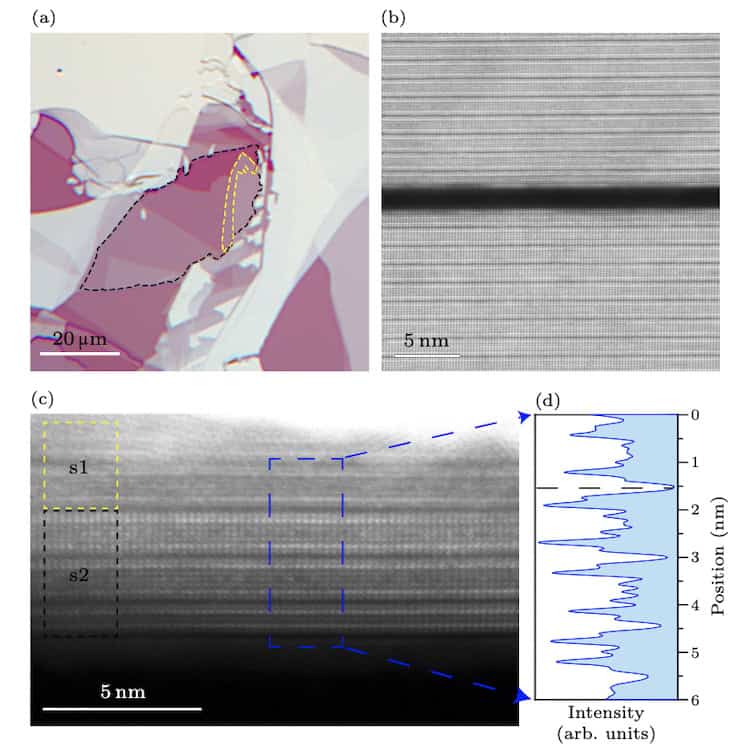
Thanks to a novel encapsulation technique, researchers at Fudan University in Shanghai, China, have succeeded in imaging the surface structure of the atomically thin topological quantum material MnBi2Te4 (MBT) for the first time. The work could help advance our understanding of the intrinsic properties of this technologically important class of materials and enable their use in novel devices.

The electronic, magnetic and topological properties of materials thinned down to atomic-scale thicknesses are very different to those of their bulk counterparts. They can, for example, be employed to study exotic quantum states that could prove useful for a host of advanced applications, such as next-generation spintronics and dissipationless electronics.

Before such devices see the light of day, however, we need to understand these emergent properties, which means accurately determining the surface atomic structure of these materials. This is no easy task because these surface structures are extremely sensitive to their environment. What is more, the most common technique used to study them, transmission electron microscopy (TEM), requires samples to be prepared as lamellae, which degrades them, changing their structure. The high-energy electron irradiation beam in the microscope does them no good either.

In the new work, a team led by Yuanbo Zhang of the State Key Laboratory of Surface Physics and department of physics at Fudan University, studied the topological quantum material MBT. This is the only intrinsic magnetic topological insulator made in the laboratory so far and can be used to study novel topological states – such as the quantum anomalous Hall effect and axion-insulator physics – many of which are fundamentally governed by surface states.

MBT’s surface is exceptionally vulnerable

Like other sensitive 2D materials, explains study co-author Jingjing Gao, MBT’s surface is exceptionally vulnerable to external perturbations, such as ambient air exposure, heat or standard electron microscopy preparation. These degrade the surface layer and irreversibly alter its structure. Indeed, a previous TEM study also revealed that the septuple-layer structure of an MBT flake transforms into a Bi2Te3-like quintuple layer configuration under ambient conditions.

To overcome this problem, Gao and colleagues developed a protective encapsulation technique that successfully shields the delicate surface structure of MBT from its environment and protects it during TEM sample preparation.

The researchers examined two types of encapsulating materials. The first was hexagonal boron nitride (hBN), which is chemically inert and already routinely employed to protect 2D materials. The second was a thin flake of MBT itself, which provides  a “homomaterial” capping layer. They encapsulated the MBT in one of these two materials immediately after they had exfoliated (or shaved off) flakes of MBT from a bulk sample. They did this inside an inert argon-filled glovebox.

An atomic-scale barrier

The protective layer acts like an atomic-scale barrier that isolates the MBT surface from oxygen, moisture, ion-beam damage and other environmental disturbances produced during the focused-ion beam processing used to prepare the samples for TEM. It also protects the MBT from the high-energy electron irradiation in the imaging microscope.

The researchers found that the homomaterial encapsulation is especially protective because the atomically similar layers can intimately contact with a minimal interfacial gap.

The technique strongly reduces defect formation, so the original lattice structure remains stable throughout the entire TEM workflow, explains Gao. “We therefore succeeded in safeguarding the ‘true’ surface throughout, allowing us to visualize the intrinsic septuple-layer structure at atomic resolution for the first time.”

The work will be important for both understanding intrinsic magnetic topological insulators and for developing quantum devices from these materials in the future, she tells Physics World. “Making such devices will demand exceptionally stringent requirements for sample surface and interface quality. This is because the MBT’s unique topological and magnetic properties are hosted by its surface states and even minor atomic reconstruction can distort its intrinsic quantum behaviour.”

Looking ahead, the researchers, who detail their work in Chinese Physics Letters, say they will now be looking to construct heterostructure devices with high-quality intrinsic surfaces and interfaces based on MBT. They will also make use of their encapsulation strategy to fabricate and study magnetic topological heterostructures.

“We will also explore topological superconductivity by interfacing MBT with superconductors, thereby advancing the development of topological quantum computing platforms,” reveals Gao.

Copyright © 2026 by IOP Publishing Ltd and individual contributors