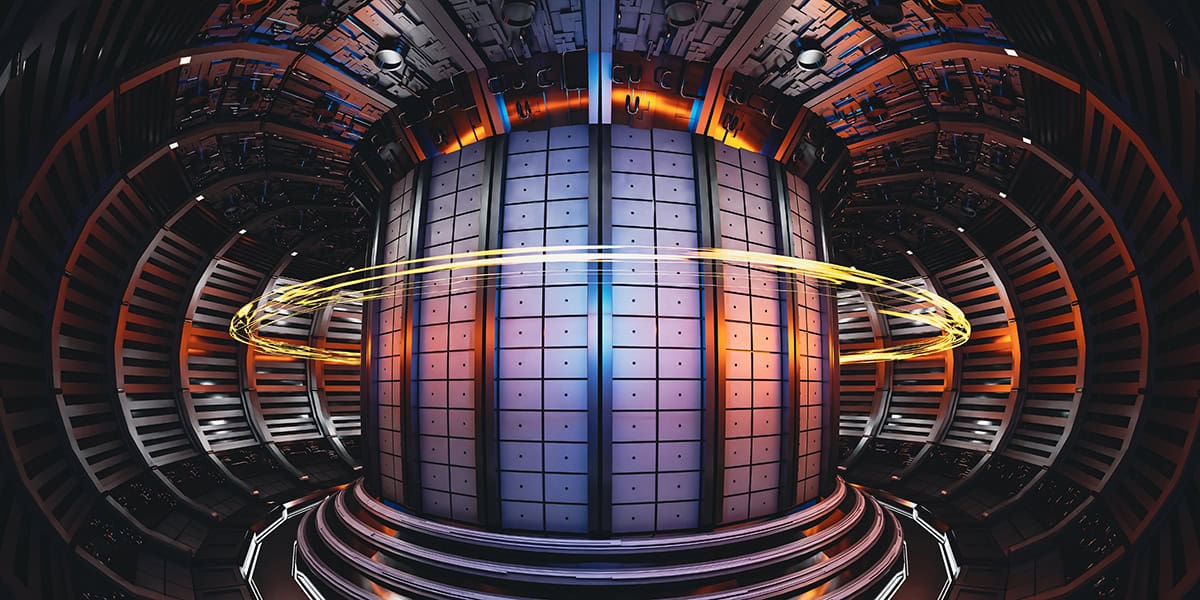
Officials at the CERN particle-physics lab near Geneva have turned off the Large Hadron Collider (LHC) for the last time. Over the coming four years, the accelerator complex will be upgraded to prepare for the High-Luminosity LHC (HiLumi LHC) that is set to start operations in 2030.
Taking decades to plan and construct, the LHC began circulating its first proton beams in September 2008 garnering attention from the world’s media. Yet days later the accelerator suffered an electrical fault that delayed first proton collisions for a year.
In the past decade, the LHC has also discovered more than 85 hadrons, put limits on the discovery of new particles, examined the imbalance between matter and antimatter and explored the nature of the quark–gluon plasma.
A new adventure
The LHC will now make way for HiLumi LHC that will increase the collider’s luminosity by a factor of up to ten. This will enable precision studies of the Higgs boson and enhance the potential to uncover phenomena beyond the Standard Model.
The shutdown will involve upgrading about 1.2 km of the 27 km ring by including 11-12 T superconducting magnets and superconducting “crab” cavities — that reduce the angle at which the bunches cross — to increase the number of collisions at the two detectors.
The ATLAS and CMS detectors will also be upgraded to cope with between 140 and 200 proton–proton collisions in every “bunch crossing”, compared to around 60 during the last LHC run.
German accelerator physicist Oliver Brüning, who is director for accelerators and technology at CERN, says that the LHC has “exceeded every expectation”.
“For nearly two decades, it has transformed our understanding of the universe and inspired generations of scientists, engineers and citizens around the world,” adds Brüning. “We say goodbye to the LHC as we have known it, while preparing to welcome its successor: the HiLumi LHC, which will extend this scientific adventure far into the future.”
“Human beings have a remarkable ability to accept the abnormal and make it normal,” observes Ryland Grace, the main protagonist of Project Hail Mary, as he floats alone in interstellar space, millions of miles from Earth. And yet there is nothing ordinary about the spectacular film released earlier this year, based on Andy Weir’s bestselling 2021 novel of the same name.
With its sweeping plot that spans civilizations and light-years, at its heart, Project Hail Mary is a humorous and uplifting story routed in friendship, survival and what it means to be “human”. It also shines a bright light on international co-operation and scientific problem-solving under great pressure, as the human race is forced to come together in a time of dire need.
Starring Ryan Gosling (who also produced the film), the tale follows Grace, a middle-school science teacher turned extremely unwilling astronaut – “I put the ‘not’ in astronaut! I’ve never done a space walk, I can’t even moonwalk!” Strongarmed into becoming our interstellar saviour, Grace has the self-deprecating charm coupled with enough scientific acumen to make him a lead character that audiences can happily root for.
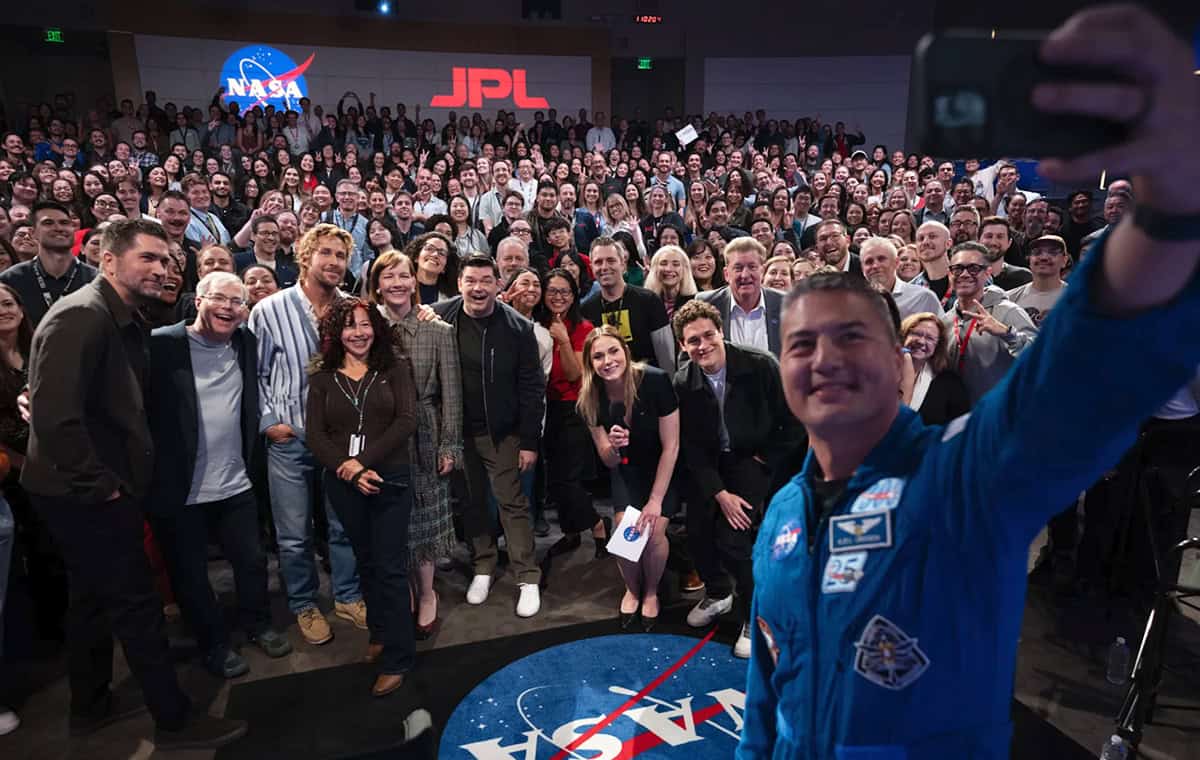
Art meets reality NASA astronaut Kjell Lindgren takes a selfie with the people behind Project Hail Mary, including Ryan Gosling and Andy Weir, and the audience during a panel about the movie at NASA’s Jet Propulsion Laboratory. (Courtesy: NASA)
The film is a visual masterpiece, with sequences that visualize the beauty and terror of space, often viewed from Grace’s disorienting and lonely perspective; alongside scenes on an increasingly more frantic Earth in a bid for survival and sunshine. It is directed and produced by Phil Lord and Christopher Miller (The Lego Movie and Spider-Man: Into the Spider-Verse), who are both well known for their funny and fast-paced movie style. If you expected a certain level of inventive energy in their adaption of this story you will not be disappointed, as Project Hail Mary is expansive in every aspect. New cinematic techniques were combined with the centuries old artform of puppetry to simulate the disorienting reality of long-term zero gravity and the unique physiology of alien life for gigantic IMAX screens.
A dual timeline narrative
Project Hail Mary opens with a familiar Weir set-up – a lone scientist in crisis, who must use all his ingenuity and scientific know-how to save the day. Indeed, Grace wakes up aboard a spacecraft, light-years from Earth with no memory of his identity or how he got there. He soon realizes that he is the sole surviving member of the crew on the ship, and as he slowly recovers his memories, he recalls their desperate, one-way mission to save humanity.
Interspersed in flashbacks, we learn that scientists have discovered a so-called “Petrova line” of infrared light between the Sun and Venus. They have worked out that this line is made up of a mysterious micro-organism, which seems to be consuming the Sun’s energy and threatens to plunge our planet into icy doom. Dubbed “astrophage” (Latin for “star eater”), the algae-like microbe has already noticeably dimmed the light that Earth receives from the Sun, and extrapolating, it will cause catastrophic global cooling within 30 years.
A “Petrova Taskforce” is created, made up of scientists and military personnel from across the globe. It is led by the formidable Eva Stratt – perfectly played by German actor Sandra Hüller – who brings a reticent Grace into the fold, who uses his skills as a one-time top molecular biologist to study the unicellular organism. It is Grace who, after some comedic and somewhat DIY experimentation, figures out that the astrophage are capable of absorbing and storing solar radiation; and later expelling it, which serves as a source of propulsion, allowing them to travel at near-light speeds.
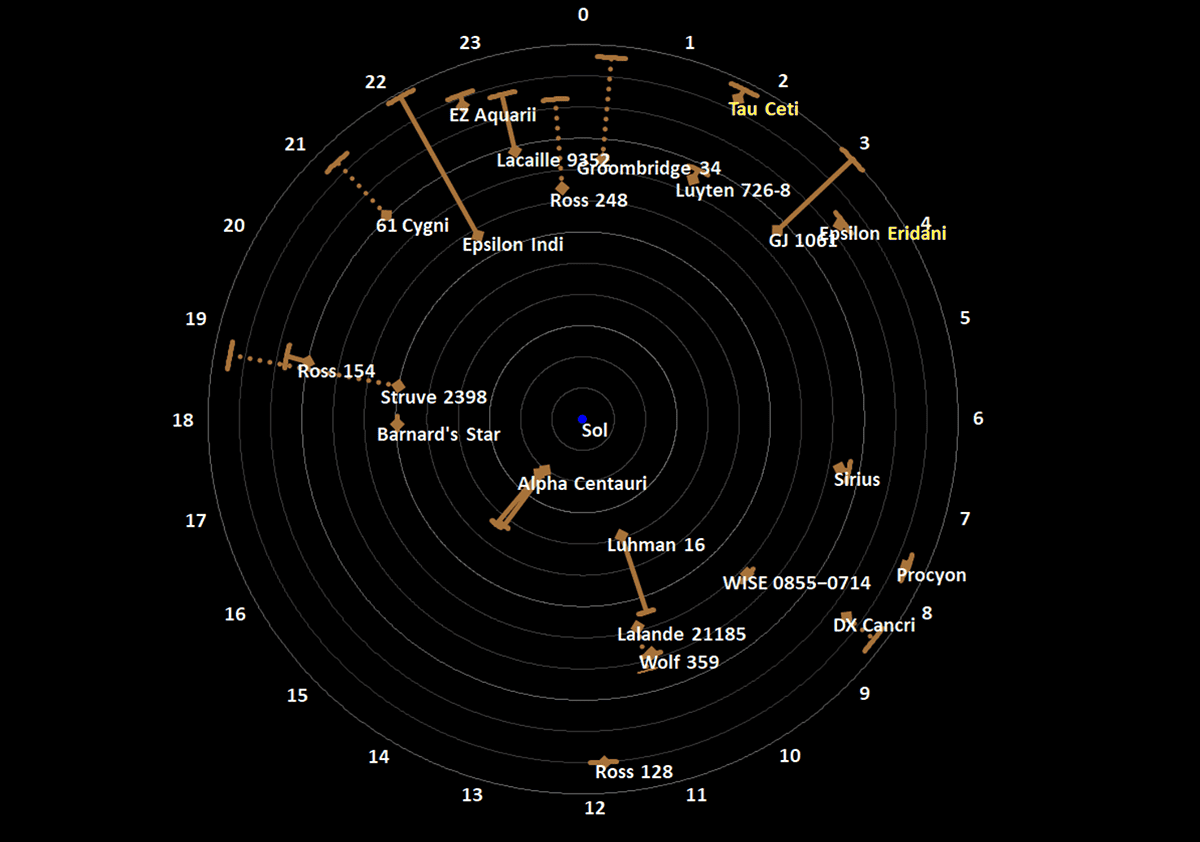
Further research shows that all but one of the stars in our galactic neighbourhood are similarly infected by the astrophage. The exception is Tau Ceti, which is 11.9 light-years away from Earth (see box “Around the Sun”) and hosts a few planets of its own. The taskforce decides to send a one-way crewed mission to this special star, to determine what makes it immune to these interstellar interlopers.
Around the Sun
(Courtesy: Nsae Comp by CC-BY-SA-4.0)
This stellar map is a graphical representation of nearby stars to our own star – Sol – all within 12 light-years of Earth. Each stellar object is jointly marked by two points, a diamond marked point (which shows the location of the stellar objects according to its declination) and a line marked point (which represents the distance in light-years from the centre). The circular lines indicate the distance from the centre by being set apart in one light-year steps.
The map accurately depicts these stars’ distance from Sol and their location in 3D space; to help visualize the distances to nearby stars in our galactic neighbourhood. Both Taue Ceti (2) and Eridani (4) can be seen on the map in the top right-hand quadrant.
In an interesting twist, it is the astrophage themselves that ultimately fuel the Hail Mary ship, after Grace discovers how to breed them on Earth. With only enough time to breed the required amount of astrophage for a one-way trip – they decide that any findings will be sent back to Earth via a series of much smaller and lighter probes. Despite Tau Ceti being almost 12 light-years away from Earth, it takes the spacecraft only about four years to get there, thanks to the fact that the ship travels at 92% the speed of light. This allows relativistic effects such as time dilation and length contraction come into play.
With this complex set-up, the real story picks up once Grace arrives at Tau Ceti, only to find that he is second in line, with another spaceship already there. Grace soon meets its sole occupant – the alien creature that he refers to as Rocky thanks to its stone-like morphology. Grace learns that Rocky is on the exact same mission as him, and that the alien hails from another nearby astrophage-infested star system called 40 Eridani. The pair soon realize that the only way to save both their planets is to work together.
Alongside Grace and Rocky’s adventures in space, the film does well in bringing in the more sober aspects of the story back on Earth – highlighting the trials and triumphs of the taskforce. These range from the global mobilization of scientists and engineers, working together to build and fuel a light-speed ship in record time; to Stratt’s character bypassing international law to ensure humanity’s survival. Lord and Miller use a distinct visual language to illustrate the two timelines. The Earth sequences look more bleak; while the scenes aboard the Hail Mary use visualizations of waveforms and light-absorption to show how Grace perceives the microscopic threat that is astrophage.
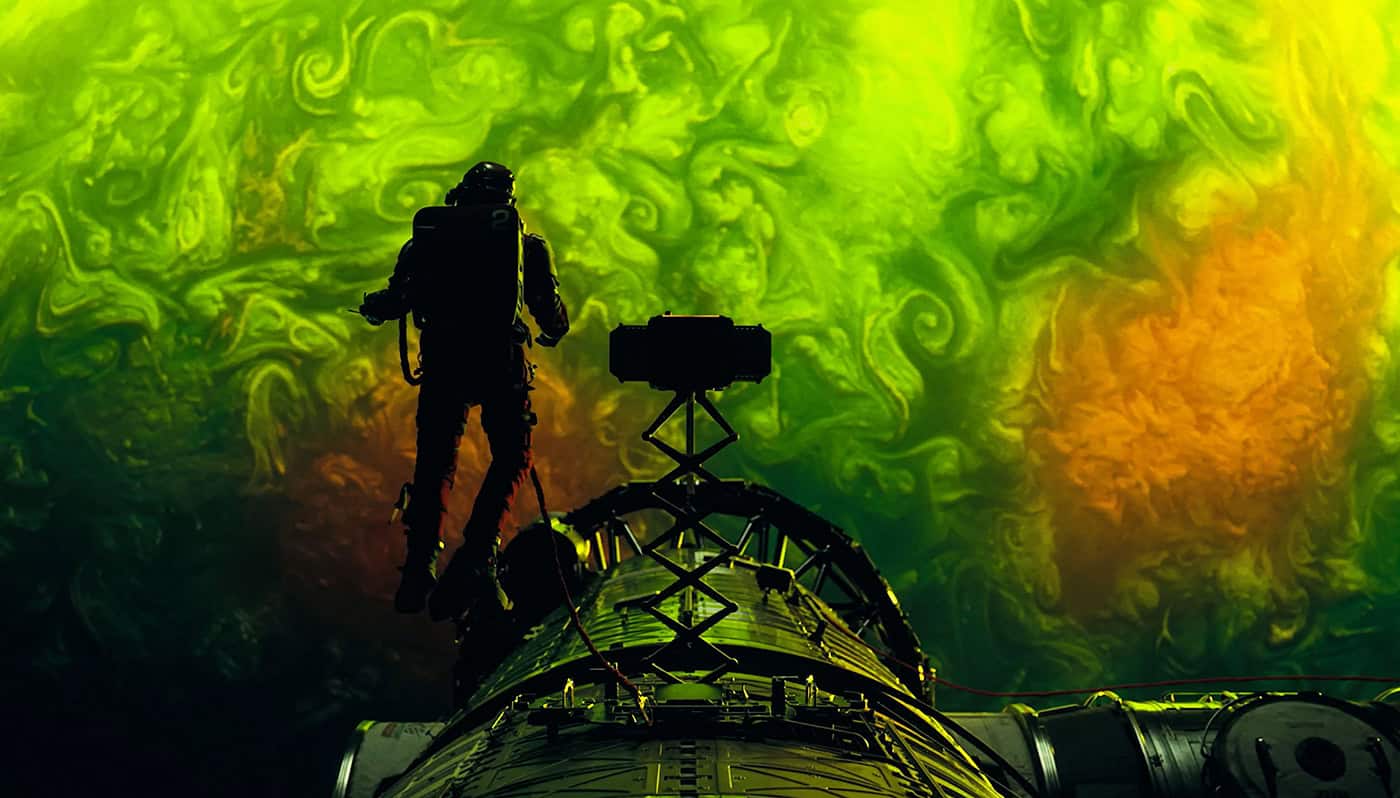
Natural predators Grace floats in space above the planet Adrian in the Tau Ceti system, to observe the native home of “Taumoeba”. (Courtesy: Landmark Media Studios / Amazon MGM / Alamy)
Rocky is one of the most lovable alien creatures to have graced our cinema screens in recent years, brought to life by the clever use of puppetry. The astrophage, by contrast, are meant to evoke fear and intrigue. We are treated to visualizations of how these “black matter” organisms absorb radiation, giving the audience a sense of how matter and energy can be manipulated on a grand scale. Visually, this metaphor continues throughout the film and, ultimately, to the survival of the planet.
Science and fiction, on screen and the page
It is clear that both Weir and the film’s producers and director were keen to highlight science and scientists throughout the book and film. For example, 40 Eridani is a real star system and Weir used astronomical data to build Rocky’s world.
In fact, when the book Project Hail Mary was written, the planet 40 Eridani-B was believed to be real. More recent data has revealed the dimming of the star that inferred the planet’s existence is in fact more likely a result of the composition of the star itself, and the planet most likely does not exist (see box “Exoplanetary exploits”).
In Project Hail Mary, Weir used the real-world observations of stars sometimes dimming for unknown reasons to come up with the idea of the astrophage and its effects on stars. The book also has much more detailed (if scientifically dubious) explanations, using neutrinos and quantum physics, for how astrophage devours starlight and manages to survive on the surface of stars.
Exoplanetary exploits: the science and speculation behind Rocky’s home world
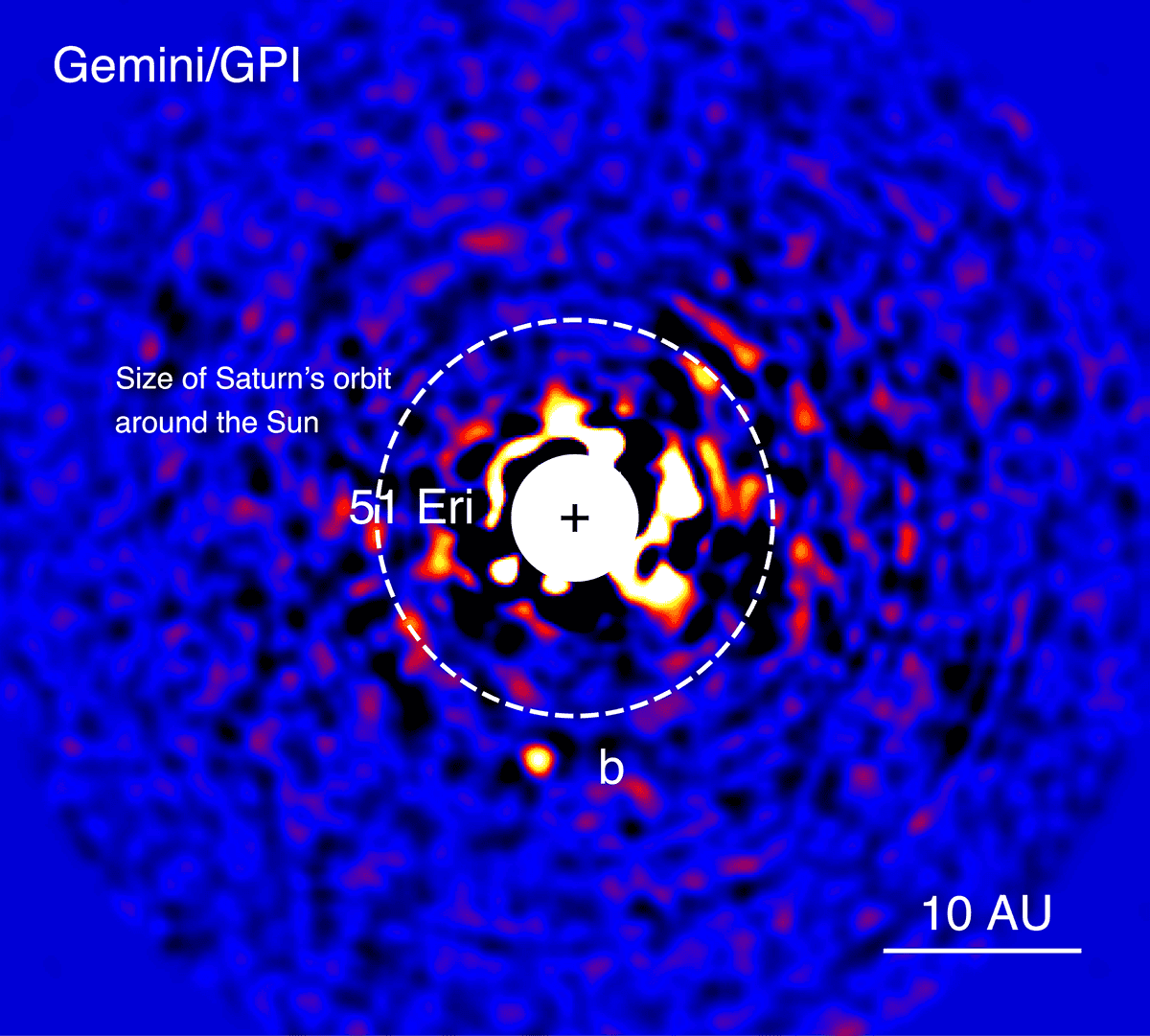
(Courtesy: Gemini Observatory, NSF’s NOIRLab, NSF, AURA, Julien Rameau (University of Montreal), Christian Marois (NRC Herzberg))
Andy Weir based Rocky’s home planet in a star system that is beloved in science fiction, while existing in reality. 40 Eridani is a triple star system that is about 16.3 light-years from the Sun. Fans of Star Trek might also recognize 40 Eridani as the solar system that is home to planet Vulcan. The system comprises the larger star 40 Eridani A and a binary pair of stars, consisting of a red dwarf (40 Eridani C), and a white dwarf star (40 Eridani B).
The system has been well known and observed for a number of years, so much so that as of 1991, Star Trek creator Gene Roddenberry described how the binary stars would “gleam brilliantly in the Vulcan sky” in a letter to Sky & Telescope magazine.
In Project Hail Mary, Erid (or “40 Eridani A b”) is the closest planet to the main star in the system, with some extreme conditions compared with those found on Earth. For example, the planet’s gravity is more than twice Earth’s, and it has a very dense (28 Earth atmospheres) ammonia-based atmosphere at extremely high pressure. The planet has an average surface temperature of 210 °C – despite this, it is able to have liquid water on its surface, as the high surface pressure raises water’s boiling point above that temperature.
According to Weir, Erid’s dense atmosphere blocks almost all incoming light, meaning that Eridians are “blind” to visible light and use echolocation to “see” and communicate. Erid also has a strong magnetic field that blocks the large amount of radiation a planet so close to a star would be bathed in. The high-pressure environment, meanwhile, meant that Weir had to base Eridian biology on a high-mineral content, stone-like exoskeleton, with a circulatory system using liquid mercury, making it an especially unique alien life form.
In reality, astronomers at one point believed that 40 Eridani A was host to a planet or two, thanks to periodic variations in its radial velocity – a common signature of exoplanets. However, the observed variation was on the scale of 42 days, which is similar to the star’s rotation period, meaning that it was next to impossible to confirm the existence of a planet. After a series of observations over a number of years, as of 2024 astronomers sadly concluded that the radial velocity signal very likely does originate from stellar activity, and not from a planet.
But all is not lost in the Eridian stellar neighbourhood – the not too far away system of 51 Eridani b (roughly 96 light-years from Earth) has a confirmed and directly imaged exoplanet (see image above). Dubbed 51 Eridani b, the Jupiter-sized planet orbits 11 billion miles from its star, a little farther out than Saturn’s orbit in our solar system. As of 2021, NASA announced that its James Webb telescope plans to probe the planet’s atmosphere at infrared wavelengths to learn more about this distant world – and the secrets it currently keeps.
Weir wrote the book before the global COVID-19 pandemic, but it was released in the very midst of it. Indeed, there are many parallels in the way humanity deals with global problems. As we see in Project Hail Mary, the fictional version of our world has this immediate burning issue and while not everybody quite agrees on a plan, there is a global realization and agreement that something must be done, no matter what it takes. Weir is not so convinced that it always works like this though, as he told us that “I do think that the world works together when there’s a common problem, but only if it’s a direct and immediate problem like COVID. We’re not so great at it when it’s a slow burn, like environmental damage.”
Filmmaker and scriptwriter Drew Goddard – who wrote the screenplay for Project Hail Mary as well as Weir’s previous bestselling-book-turned-movie The Martian – reportedly drew up a list of 10 things that he would like to bring from the pages to the film. He achieved nine of them – the missing one was the nuking of the polar ice-caps by Stratt to purposefully trigger global warming. It is a shocking and thought-provoking moment in the book, stripped from the film due to the necessary time it would take to explore and depict such a drastic decision (though one can imagine an entire story based on just that one issue). The film also could have included some more details from the book of the political machinations on Earth, though there are already a lot of ideas to take in, especially for those viewers who have not read the book.
Building a common language
When it comes to depicting an alien, the filmmakers did a great job, not only of realizing Rocky on screen, but also showing the growing friendship between two creatures from distant worlds. Despite their many differences, both Grace and Rocky have been displaced from their homes and tasked with the burden of saving them. To do so, they must overcome their fear of the unknown, and find ways to converse and connect.
On Earth, we are able to communicate in a number of ways – even sometimes between species. In science fiction, science and maths often become a common language. Rocky’s language is decidedly otherworldly. The script, which includes not just the spoken lines but also the complex “musical” language of the Eridian, was developed with linguists and xenobiologists. Via Grace, the audience is able to experience the genuine difficulty of two distinct life-forms learning to communicate for the first time (see box “Words of great encouragement”).
Despite the challenges the pair face in dealing with a culture alien to their own, the two of them go from being fearful and intrigued to amused and friendly; eventually making great sacrifices to help one another.
“Words of great encouragement”
Hannah Little, a linguist and lecturer in communication and media at the University of Liverpool, on the language and communication between Grace and Rocky:
I love Rocky and Grace’s first contact scene – they initially don’t know how the other communicates, but Rocky must find a way to tell Grace to leave the airlock. To do this, he creates a 3D model of Grace and the Hail Mary, to act out that he wants Grace to return to his ship. Grace understands this communication attempt immediately. Without a shared language at the start, the pair must use other strategies to converse, such as using something called “iconicity”. Iconicity is when we use sounds or gestures that depict what we are trying to communicate in some way. Humans often do this using gesture (imagine playing charades) or with drawings (like in Pictionary), but we don’t usually have a 3D printer to hand like Rocky does. This is an excellent opening concept as a 3D model can be a more accurate representation of a human or a ship than a 2D drawing, and it also tells us something about how Rocky perceives the world – he doesn’t have vision that uses light as we do, but instead something more similar to echolocation that can only detect 3D objects.
As they continue to interact, we see Rocky mimicking Grace in raising his index finger: a gesture Grace uses to communicate “can you wait a minute”. Through imitating him, Rocky is able to see what Grace does in response to this gesture and gather data about what the gesture means and the effect it has. This is exactly how humans learn language. When we speak to babies, we are constantly trying to get them to imitate us.
After these initial exchanges, Grace starts to build a translation programme where he logs different sounds Rocky makes and his best guess for what they mean in English. This is where the realism of the movie gets lost: to build reliable translation systems between different human languages, we need an enormous amount of data, even with everything we know about how human languages are produced and structured. It would be a mammoth task to work out what aspects of Rocky’s sounds are meaningful and how those meanings map to human concepts and grammar, but the film depicts this as relatively straightforward. We then suddenly jump forward in time to a point where they have a working translation model without much clue of how long this took. Of course, this has to happen for the sake of the story, and I prefer this as an explanation than some magical universal translator or a fish you put in your ear.
I also love how Rocky’s biology is such that he looks like a strange rocky spider with no discernible face. This makes Project Hail Mary a more exciting exploration of potential alien biology than other films and TV shows where the aliens all look and speak a lot like humans do. But Rocky still communicates with sound, as humans do, and presumably using structures that are very easy to translate. I’m always after depictions of alien communication that get away from a human-centric view of what language can be. It would have been entertaining if Rocky communicated via smell or vibrations or electricity.
“I’m going to have to science the **** out of this.”
Alongside the intriguing linguistics, a side-effect of the interwoven timelines is that viewers are confronted with the reality of scientific progress: it is often messy, desperate and driven by people who are deeply flawed. For the most part, the characters are shown as tenacious individuals, who refuse to give up in the face of a dying sun.
Grace is the embodiment of a reluctant hero. He is also painted as something of a lone voice in academia, having presented a paper at a conference about non-carbon-based life, and being ridiculed for the idea. He is then ostracized by the scientific community, and so turns to being a school-teacher instead, making him a rather unlikely candidate for a space mission.
Despite Grace’s reticence, it turns out he is perfect for the role of saviour of the planet, mainly thanks to his relentless resolve to find the answer, even when armed with minimal resources. Gosling’s face, initially confused, then increasingly determined, fills the screen as we see him try to come to terms with his mission.
It is, however, impossible to know for sure how a person in such total isolation may truly feel or react. This uncertainty is core to the script. The big questions of the film about the value of sacrifice and the necessity of co-operation are left for the audience to decide. The directors are not didactic storytellers, and Weir himself is adamant that his main aim is to entertain. It will be a great bonus if readers and viewers come away with a new understanding of science and the scientific process.
Indeed, this story features many physics concepts, from exoplanetary science to the special theory of relativity; as well as space travel, artificial gravity and a healthy dose of quantum and materials science. Weir contends that the science of Project Hail Mary is sound until you get deep into the quantum level. It is there where he used a literary plot device often referred to as a “MacGuffin” that enabled interstellar travel, using a biological organism.
Becky Smethurst, an astrophysicist at the University of Oxford, recently joined the Physics World Stories podcast, and was delighted that Weir went to such lengths for the science in his narratives. “I think it really surprised me in terms of energy storage,” says Smethurst. “It’s mass-energy equivalence at the crux of the story, if the astrophage can take in the Sun’s energy and store it and then release it later. It’s just e = mc2.”
She goes on to explain that this fundamental physics concept is what allowed for interstellar travel, by harnessing huge amounts of energy to accelerate the spacecraft up to nearly the speed of light. In reality, the issue lies in terms of what kind of single-cell can store that much energy and with that much energy efficiency, which she estimates to be “a billion times more efficient” than any we know on Earth.
But Smethurst goes on to highlight that this is what makes Weir a creative writer, especially when it came to developing the biological and physical mechanisms that allow astrophage to interact with neutrinos. “He invented this whole term in the book called ‘super cross-sectionality’,” she says, “which is fun because it’s sort of a borrowed word from particle physics, when you talk about cross sections of particles and whether they’re likely to intersect. So I like that the idea is obviously sci-fi, but the fact that it’s rooted in some elements of physics and he made that effort to do that, I think was incredible.”
At the heart
Project Hail Mary succeeds as an entertaining space adventure because it trusts its audience to be as smart as its protagonist. It treats astrophysics and molecular biology not as hurdles to the plot, but as the plot itself. Without giving it all away, the story does not end with a straightforward “victory” and much of the lessons learned come from the realization that science is a universal language. In 2026, where global challenges often feel intractable, the film offers a fundamentally sunny outlook. It suggests that when people – or even different species from distant planets – come together to overcome impossible odds, survival is possible.
Using the immense format of IMAX, Project Hail Mary leads us into a total immersion of Grace’s lonely, pressurized world; only to show us that we are never truly alone – as long as we have the tools of discovery, and the ability to overcome our fear of the unknown.
A new glass screen containing nanoclusters of copper iodide could create higher-resolution X-ray images using a much lower dose of radiation. The scintillating screen, which also works underwater, can be moulded into curved shapes, overcoming key limitations of the conventional rigid, flat-panel detectors used for many medical imaging applications. These include mammography, say the researchers at King Abdullah University of Science and Technology (KAUST), Saudi Arabia, and the University of Hamburg, Germany, who developed it.
X-ray scintillators capture X-rays passing through an object and convert them into flashes of visible light to form a digital image, explains physicist Mehmet Bayindir of KAUST and the University of Hamburg. The more efficient the scintillator is at this conversion, the clearer the final image and the lower dose of radiation required to generate it.
He and his colleagues’ detailed analyses of a scintillator containing nanoclusters of copper, iodine and an organic ligand revealed a fascinating phenomenon: its photoluminescence and radioluminescence pathways appear to have distinct physical origins. This implies that the scintillating light yield – that is, how much visible light a material emits when struck by high-energy X-rays – can be separated from its standard photoluminescence quantum yield (how efficiently the material converts absorbed ultraviolet or visible light into a different wavelength of light).
Until now, Bayindir explains, it was assumed that a material must have high photoluminescence efficiency to perform well when excited by X-rays. “Breaking this assumption directly challenges conventional wisdom and opens up a promising new design space for making high-performance scintillators – provided that materials highly responsive to radiation can be engineered of course.”
Enter amorphous quantum systems
In recent years, researchers have been looking into cubane-type [Cu4I4L4, L: organic ligand] nanocluster glasses (NCGs) for use in this context. These belong to a family of hybrid transparent luminescent amorphous materials that show much promise for X-ray scintillation applications.
In their latest work, detailed in ACS Energy Letters, Bayindir and colleagues studied several stable alkyl-phosphine ligand-based NCGs. In these amorphous zero-dimensional quantum systems, ionizing radiation is mostly absorbed by the heavy iodine and copper elements at the cluster cores. The researchers used these NCGs to make large-area, free-standing scintillating screens – both planar and conformal – with ultrasmooth surfaces, using a fabrication methodology that they developed in their lab.
The screens are robust and can image samples – both electronic and biological – with sub-3 µm spatial resolution. They also work underwater, something that is difficult for conventional screens. The researchers demonstrated this by capturing a very clear scan of a fish’s tail in water that was indistinguishable from an image taken in air.
Such a glass scintillator represents a significant milestone, says team leader Osman Bakr. “Indeed, the level of precision we obtained allows us to capture highly detailed, high-contrast X-ray images of complex internal microstructures, such as the delicate anatomy of a microscopic insect and an electronic memory card, to cite but two examples,” he says.
X-ray imaging systems that curve to fit a person’s body
“Combined with the fact that this new nanocluster glass becomes almost rubbery when heated to 42 °C, we can mould it into any three-dimensional shape at low temperatures,” study lead author Bashir Hasanov adds. “This could allow for X-ray imaging systems that curve to fit a person’s body and overcomes the limitations of conventional rigid, flat-panel detectors.”
One possible application is in mammography, he notes. Today, a major drawback of current mammography machines is that breast tissue must be firmly compressed between flat panels so that it can be imaged. This is very uncomfortable – and even painful – and deters many women from going for a scan.
“One in 20 women around the world will be diagnosed with breast cancer in their lifetime, with annual cases projected to reach 3.2 million and related deaths climbing to 1.1 million by 2050,” says Bayindir. “Many of these fatalities stem from late-stage diagnosis.
Nearly one-third of women miss their initial mammogram appointments, something that significantly increases their risk of succumbing to the disease. “While the reasons for this vary, the medical literature frequently cites the physical discomfort of tissue compression,” says Bakr. “What is more, because current guidelines recommend starting routine mammography screenings at age 40, cumulative lifetime exposure to X-ray radiation remains a clinical concern for many. Our long-term objective is to completely redefine this clinical experience.”
Indeed, the researchers say they would now like to bring this quantum glass out of the lab and into real-world applications. Bakr tells Physics World that his team’s immediate next step is to scale up the geometric dimensions of its mouldable screens while maintaining perfect thickness and clarity. “This would move us closer to full-scale clinical prototyping for 3D conformal medical imaging.”
“We are also designing a novel detector architecture capable of high-resolution imaging on curved surfaces using an array of specialized optical sensors,” he reveals.
Physicists (and engineers) are great at estimating. We’ve obviously never counted the number of electrons in the visible universe, but we reckon there are between 1080 and 1082 of them. As for the “Planck length” at which quantum effects start to dominate gravity, that’s estimated to be 10–35 metres. The transition between laminar and turbulent flow in fluids, meanwhile, comes in at Reynolds’ numbers of between 2500 and 4000.
These estimation skills, which are a familiar part of any physicist’s toolkit, can also come in handy for anyone working in the business world. In particular, the ability to estimate is useful when examining the business cases drawn up by start-up companies seeking to drum up financial support from investors and banks.
Most business cases completely overestimate a company’s predicted profits and make wild – and mostly nonsensical – statements
Such documents inevitably paint a rosy picture of a firm’s potential because, without money, nothing can be done. However, in my experience, most business cases completely overestimate a company’s predicted profits. They also make wild – and mostly nonsensical – statements about the transformational impact it will have on a particular industry.
Now I appreciate that business cases need to contain a bit of hyperbole if they are to attract investor funding; there’s no point being unnecessarily gloomy and down-beat. But given that up to 90% of start-up companies fail, it’s essential to have the ability and skills to evaluate a start-up company’s business case as realistically as possible.
Here’s the rub
Let me give you a specific example from tribology – the science of friction, lubrication and wear. Tribology might seem mundane, but it is a big deal, especially when you realize that 25% of the world’s energy is used simply to overcome friction and wear. (The Institute of Physics has a special interest group in tribology if you want to find out more about the field.)
One topic of huge interest, on which Google Scholar reckons almost 15,000 papers were published in 2025 alone, is that of nanoparticles as potential lubricant additives. Despite that large amount of research, I am not aware of any mainstream commercial lubricants that use any of these additives. So why is there such a large disconnect between academia and actual practice?
This is where our estimation skills come in. We know that lubricants are mostly hydrocarbon oils plus chemical additives such as antioxidants, friction modifiers, dispersants, detergents and anti-wear and anti-foaming agents. According to data from Kline and Company, about 40 million tonnes of lubricants are used annually around the world, roughly evenly split between industry and the automotive sector.
Automotive lubricants typically contain 15% additives, whilst industrial lubricants have about 1%. The “average” additive content, over all lubricants, is therefore about 8%, which equates to 3.2 million tonnes. With Polaris Market Research estimating that the lubricant-additives business being worth about $20 billion, we can see that the “average” additive price is roughly $6250 per tonne.
Particularly important to lubricants are anti-wear additives, which stop metal surfaces from breaking down when the oil that normally keeps them apart has disappeared. Lubricants usually have about 1% of such additives. Given the numbers above, we can estimate that the overall market for them should be about 400,000 tonnes.
That’s not far off the real market size, which business analysts Markets and Markets reckon to be about 300,000 tonnes. (The figure is slightly less than my estimate because some lubricants, such as transformer and circulating oils, don’t contain such additives.) With that market being worth almost $1 billion a year, the average price of anti-wear additives is about $3300 per tonne.
There’s also another key component of modern engine oils, namely friction modifiers – “slippery” substances that form films on moving surfaces to reduce friction and stop them from shearing. Some of the best friction modifiers, which are based on molybdenum, cost about $10,000 per tonne. Given that base oils typically cost between $1000 and $2500 per tonne, molybdenum-based friction modifiers are much pricer than anti-wear additives.
Graphene isn’t gold
Armed with this information, we can now see why graphene – the “poster child” of lubricant nanoparticles – has flopped so badly from a commercial point of view as a lubricant additive. This 2D carbon material costs a staggering $50,000–$200,000 per tonne, which is more than five times pricier than the most expensive additives in lubricant formulations.
The message is clear. For lubricant nanoparticles to become commercially competitive additives, their price per tonne needs to be come down by at least an order of magnitude. Now most Physics World readers are unlikely to be in the business of selling lubricants. But for anyone developing a new technology, the point is you cannot assume customers will come running.
Businesses need to be aware of what existing technologies are out there – and how much those rival technologies cost
Businesses need to be aware of what existing technologies are out there – and how much those rival technologies cost. If a new technology is too expensive for that application, different markets may need to be considered. Graphene, for example, has proved more useful in composites and materials reinforcement, coatings, energy storage and electronics, rather than lubricants.
Looking at new technologies even more broadly, the most successful by far are those that have fallen in price year-on-year for a decade or more. In computing, for example the cost of CPU time per dollar has typically dropped by a third every single year for the last 70 years, while computer memory has plummeted from $604trillion per terabyte in 1959 to just over $1000 per terabyte in 2023. As for electric cars, they are selling like hot cakes now that batteries have dropped from $10,000 per kWh in 1991 to barely $100 per kWh today.
My message is simple. When it comes to any technology, a sure-fire way to judge if it’ll succeed is to see if its price is likely to drop. No-one can know what the future will hold, but as physicists and engineers, we have a great ability to make estimations. By applying those skills when we sift through business cases, we’re more likely than most to identify the real gems from the rest.
Quantum connections UTC Quantum Center brings together a cross-disciplinary mix of departments and colleges to support targeted development efforts in research infrastructure, translational R&D and education. (Courtesy: Angela Foster/UTC)
Think big, win big. The University of Tennessee at Chattanooga (UTC) is ticking both boxes, it seems, with a programme of strategic investments spanning quantum research, education, workforce development and academic-industry partnerships. By 2030, the hope is that those investments will pay out, putting Chattanooga on the fast-track to becoming the “Quantum Capital of the South” – a destination where researchers, students, entrepreneurs, industry leaders, national laboratories and public-sector partners work together to accelerate quantum discovery and deployment.
“Success will be measured not only through research funding and scholarly output, but also through the strength of the quantum ecosystem and the opportunities it creates throughout the region,” says Mina Sartipi, UTC’s interim vice-chancellor for research. Equally important, early-career faculty and researchers will have the opportunity to make an outsized impact. “They are not entering an environment where every role has already been defined,” she adds. “They are helping to build the future of quantum science and engineering in Tennessee, delivering a long-term vision that extends well beyond the university.”
Quantum excellence
The UTC Quantum Initiative got under way in 2022 and, two years later, was followed by the establishment of UTC Quantum Center. The latter provides the engine-room for UTC’s quantum ambitions, bringing together a cross-disciplinary mix of departments and colleges across the university to support targeted development efforts in research infrastructure, translational R&D and education. “Ultimately, we want UTC Quantum Center to be recognized as a destination for top quantum talent,” says Sartipi. “A virtuous circle that will see us attracting outstanding faculty, students and research partners from across the country and internationally.”
Mina Sartipi “Ultimately, we want UTC Quantum Center to be recognized as a destination for top quantum talent.” (Courtesy: Angela Foster/UTC)
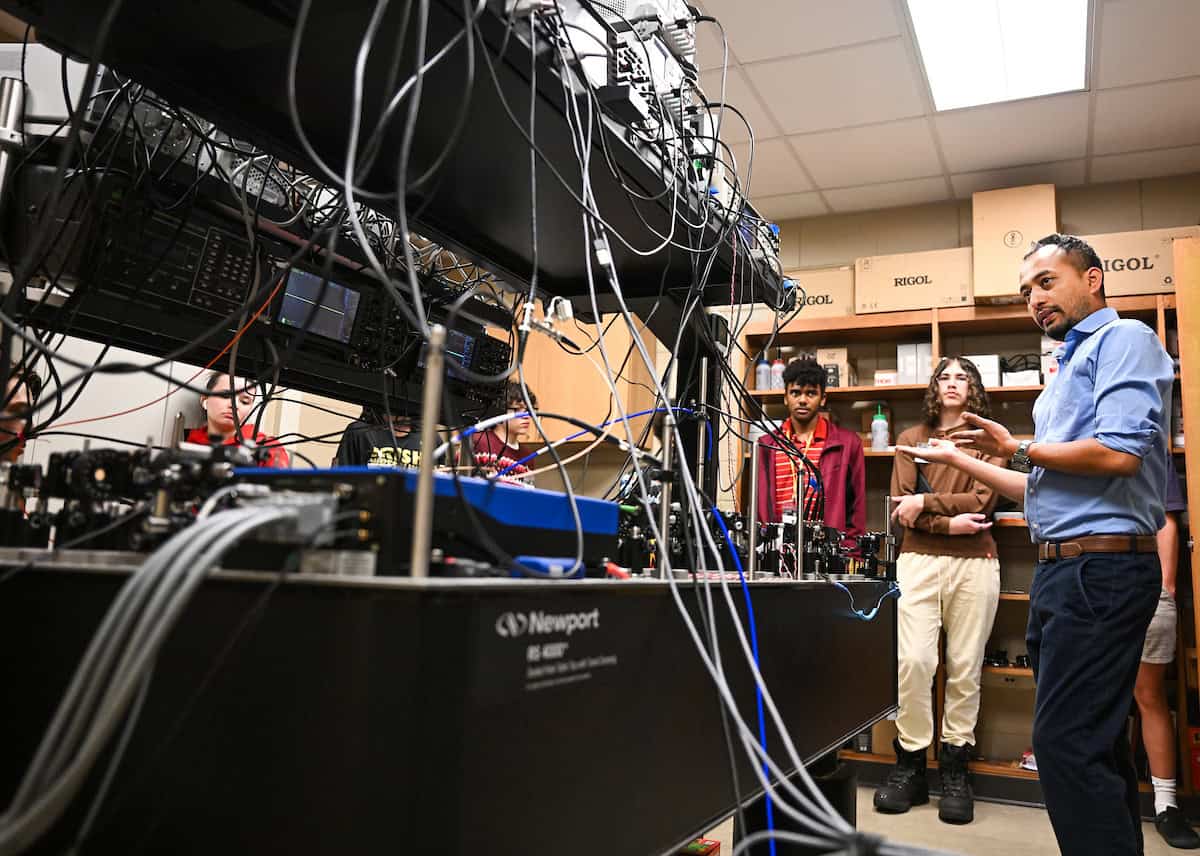
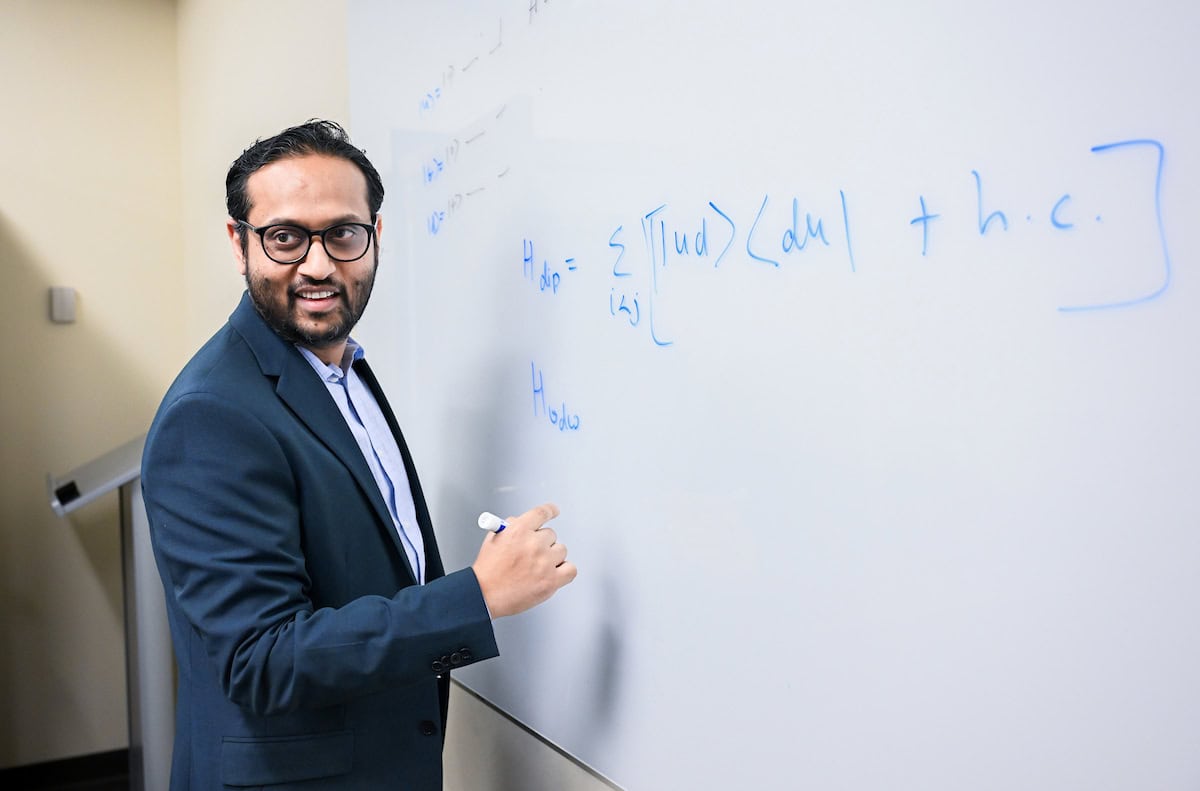
As the inaugural director of UTC Quantum Center, Rick Mukherjee is tasked with implementing and delivering UTC’s quantum growth plan. “The priority is to put Chattanooga on the map in terms of quantum science and technology innovation,” he notes. “We’re creating a quantum centre-of-excellence at UTC where interdisciplinarity underpins everything we do, engaging associated faculty and research students from core disciplines like physics, mathematics, electrical engineering and computer science.”
Entangled pathways
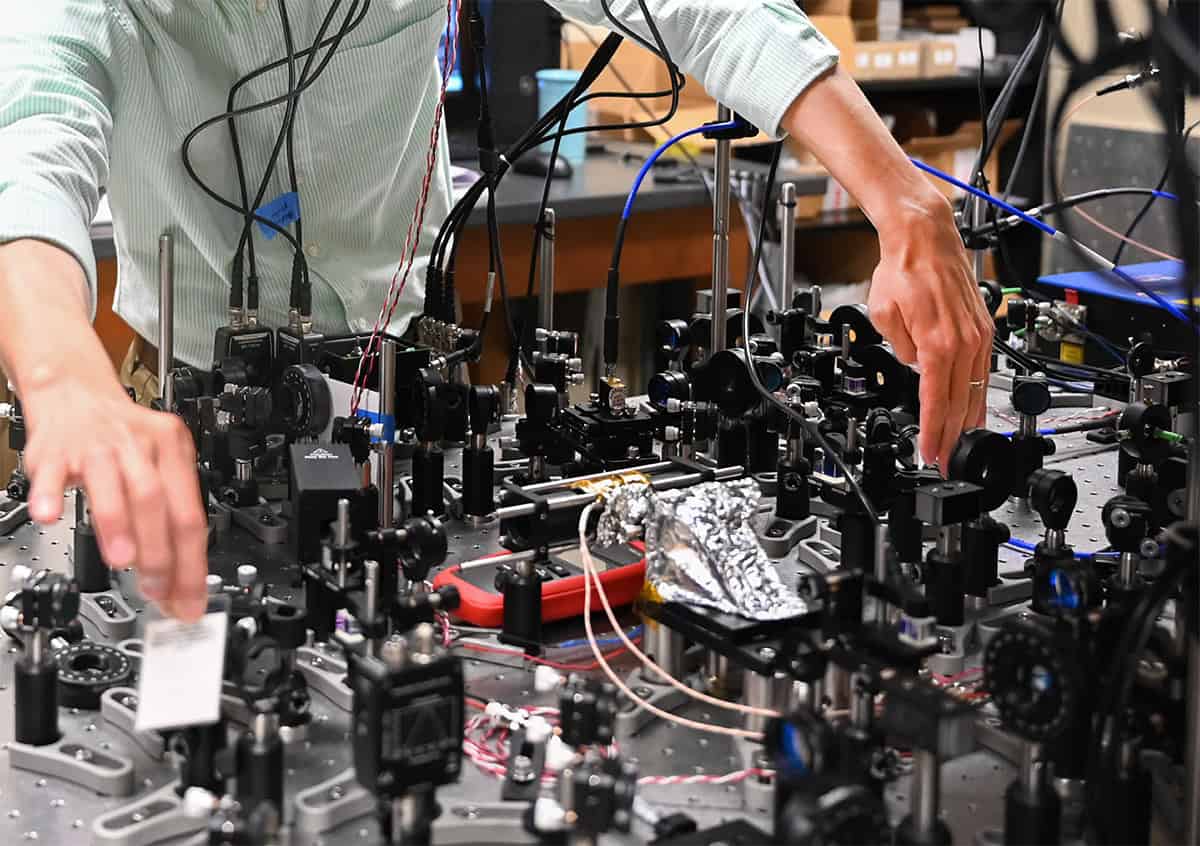
If that’s the back story, what of the detail? The research effort at UTC Quantum Center is organized around four headline themes: quantum networking; quantum imaging and sensing; quantum information theory; and quantum simulation of many-body phenomena (using one quantum system to emulate another).
The collaboration with EPB is pivotal in each case, with UTC Quantum Center providing one of the nodes on the utility’s metro-area quantum network (the first commercial quantum network of its kind in the US) and, by extension, gaining priority access to EPB’s in-house quantum computer (an IonQ trapped-ion system with 36 physical qubits).
The EPB network, which runs across a pre-installed fibre-optic base, is effectively a proof-of-principle testbed for national and international quantum connectivity. “This is one brick in the wall towards next-generation quantum networking applications – from quantum key distribution and quantum cryptography to distributed quantum computing and the quantum Internet,” notes Mukherjee.
A case in point: one of the first experiments that UTC Quantum Center performed in collaboration with ORNL involved the development of an automatic system that continuously corrects for distortions in fibre-optic cables and, in so doing, allows quantum information to transit reliably across a city-scale network. The system maintained high-quality quantum entanglement for more than 30 hours, demonstrating a key capability for future quantum communication networks.
Rick Mukherjee “We’re creating a quantum centre-of-excellence at UTC where interdisciplinarity underpins everything we do.” (Courtesy: Angela Foster/UTC)
“Currently, our researchers are transmitting pairs of entangled photons across EPB’s fibre network and characterizing multipartite entangled states,” explains Mukherjee. “This work represents the next step toward realizing the potential of quantum networks for advanced communication, sensing and distributed quantum computing applications.”
Alongside his leadership role, Mukherjee remains an active researcher and oversees a group of research faculty, postdocs and graduate/undergraduate students who specialize in theoretical quantum physics, quantum algorithms and quantum machine-learning applications. Crucially, the team’s algorithms are designed to be hardware-agnostic, allowing them to run across diverse quantum computing architectures – from superconducting and neutral-atom systems to photonic platforms – regardless of the vendor.
By avoiding dependence on any one technology, the research is positioned to adapt versus a rapidly changing quantum landscape. “Whatever modality ultimately wins the race to deliver at-scale quantum computing,” Mukherjee says, “we’ll be ready to deploy our algorithms and unlock quantum advantage on those machines.”
The quantum connector
Alignment with industry is a defining theme at UTC Quantum Center, evidenced by a twin-track approach that aims to engage both technology developers and future end-users. On the one hand, Mukherjee and colleagues are initiating traditional academic-industry partnerships with hardware and software companies at all levels of the quantum supply chain; on the other, they are positioning UTC as a “quantum connector” to help businesses and public-sector organizations de-risk the early-stage adoption of quantum technologies and applications.
“Universities have an important role to play here,” says Mukherjee. As such, he sees UTC Quantum Center as an “honest broker”, providing specialist information in an unbiased manner to help engineering and management teams understand the commercial upsides of quantum technologies across sectors as diverse as finance, healthcare, telecoms and energy.
“We are working with the future adopters of quantum on their early-stage orientation and upskilling,” he explains. “Our professional development programmes – ‘Quantum 101’ if you like – will ensure Tennessee has a ‘quantum-ready’ workforce.”
Proof-of-concept R&D studies represent a natural progression of such partnerships, with UTC researchers addressing real-world problems that could potentially be better solved using quantum methods and applications. Joint projects with utilities like the Tennessee Valley Authority, for example, are developing quantum algorithms for power grid optimization and load management. Elsewhere, UTC Quantum Center recently published work on the gate-assignment problem (another quantum optimization challenge) with Lufthansa Industry Solutions (the research arm of Germany’s Lufthansa Airlines). A similar research collaboration is underway with the consultancy Deloitte.
Network effects
That engagement with industry is matched by UTC Quantum Center’s efforts to build bridges with other academic institutions. Over the past two years, Mukherjee and his team have put in place a network of collaborations with quantum researchers at top-tier universities, among them Harvard, Purdue, Texas A&M and the University of Tennessee at Knoxville in the US as well as the University of Hamburg in Germany.
Quantum discovery UTC Quantum Center’s research programme covers four main themes: quantum networking; quantum imaging and sensing; quantum simulation of many-body phenomena; and quantum information theory. (Courtesy: Angela Foster/UTC)
The recently announced UTC/ORNL Governor’s Chair in Quantum Information Science and Engineering reflects the momentum of these efforts. This senior faculty position will further strengthen ties between UTC and ORNL, with the eventual post-holder overseeing a joint team across both institutions to create new opportunities for collaborative research, student engagement and workforce development.
So what does success look like for UTC Quantum Center in 2030? “Ultimately,” concludes Sartipi, “success means that when people think about the future of quantum technologies in the US, they think of Chattanooga as the Quantum Capital of the South – a place where talent is cultivated, partnerships flourish and discoveries translate out of the laboratory into societal and economic impact.”
“The most beautiful thing we can experience is the mysterious,” wrote Albert Einstein. “It is the source of all true art and science.” It is a reminder that wonder – particularly in the natural world – lies at the heart of both disciplines. When it comes to an issue as multifaceted and emotive as climate change, it feels only natural to turn to art as well as science to make sense of what is happening around us.
The latest episode of Physics World Stories brings together two artists doing exactly that. Host Andrew Glester speaks first with Tom Bailey, a performance and environmental artist from Bristol-based creative company Mechanimal. Bailey has recently returned from an extraordinary 600 kilometre journey through the Arctic borderlands — spanning Norway, Finland and Sweden — travelling by ski, sledge, foot and boat, and occasionally dressed as a reindeer.
Arctic art Tom Bailey on his 600 km climate journey and performance tour in the Arctic borderlands. (Courtesy: Tom Bailey and Natasha Soonchild)
Travelling between festival performances, Bailey immersed himself in a region undergoing dramatic change: shifting weather patterns, transforming landscapes, and growing international interest in its mineral resources, raising urgent questions about governance and access. Central to his vision is a “more-than-human” perspective, advocating for nature to have formal representation in international decision-making, not merely as a resource to be managed, but as a presence with its own legitimate interests.
A climate video game with beautiful music
Composer Naomi Hart approaches the crisis from a different angle. After a conversation with her daughter about fears for the future left her saddened but resolute, she channelled that emotion into Save Progress – a short video game exploring how human connection can help us to think about the world and the choices ahead. In the podcast, Hart talks about her creative choices; the game combines an intentionally old-school design with specially composed synthesizer music. Save Progress takes around 10 minutes to play: give it a try.
To keep track of how physicists are investigating climate change and developing solutions, visit the Environment and Energy section of the Physics World website.
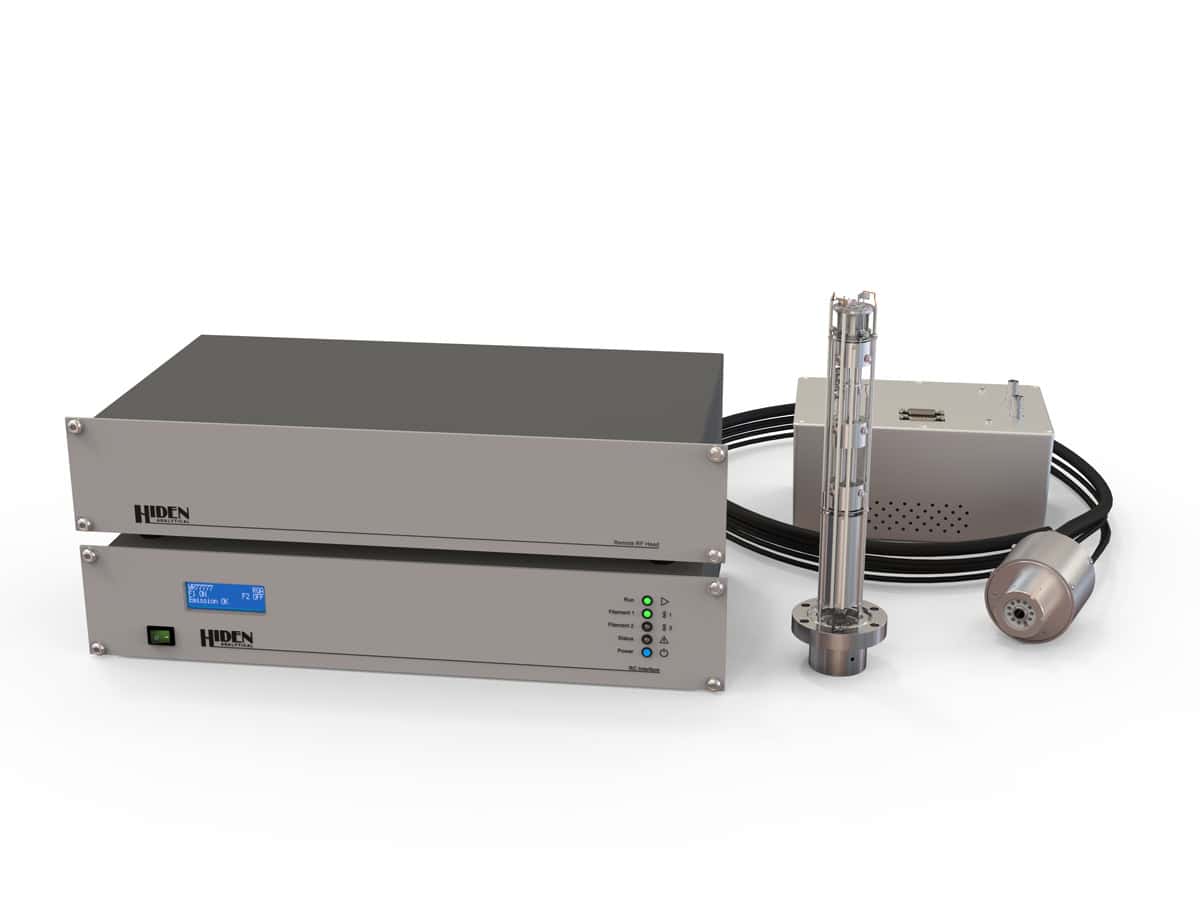
Hiden Analytical has designed a quadrupole mass analyser that can resolve the isotopes of hydrogen and helium that are involved in nuclear fusion (Credit: shutterstock/Mesh Cube)
Nuclear fusion promises to deliver an abundant, safe and sustainable source of energy, but replicating the reactions that power the Sun remains a scientific and engineering challenge. Experimental reactors, such as the ITER facility now being built in France, are designed to heat and confine a plasma containing deuterium and tritium to extreme temperatures, with the aim that the two hydrogen isotopes fuse together to form helium along with a neutron and a huge amount of energy. Crucial to success is understanding what is happening inside the reactor, allowing the plasma composition and properties to be adjusted in real time to initiate and sustain the reaction.
The extreme conditions inside the reactor preclude the use of direct probes, but a combination of external diagnostics can be used to monitor the plasma conditions and the progress of the reaction. To push the capabilities of these techniques, Chris Marcus and colleagues at Oak Ridge National Laboratory (ORNL) in the US have been developing a system that will exploit both mass spectrometry and optical spectroscopy to analyse the complex mixtures of light gases that are released from the tokamak while the reaction is taking place. “Each of these techniques provides complementary information that will help to isolate the hydrogen and helium isotopes we are interested in,” he says.
Complementary diagnostics
As part of this project, Marcus has been working with Hiden Analytical in the UK to develop a mass spectrometer that offers unique capabilities for fusion research. A key part of the brief was to achieve a higher resolving power for hydrogen and helium isotopes than can be achieved with standard instruments. “Our main objective was to detect small concentrations of helium-4, the main product from the nuclear reaction,” says Marcus. “But commercial instruments are unable to resolve helium-4 from deuterium when it is present at concentrations below about 10%.”
The spectrometer developed by the Hiden team exploits a quadrupole design, which is favoured for its rapid scanning speeds, compact footprint, and the ability to provide real-time analysis of atoms and molecules over a broad mass range. These quadrupole sensors work by ionizing the gas species, and then sending the ions through four cylindrical rods impressed with a composite DC and radio-frequency voltage. The resulting electric field separates the ions according to their mass-to-charge ratio, isolating the species of interest and preventing any other ions from reaching the sensor. The ion current produced at the output can then be related to the relative abundance of each species in the gas mixture.
However, conventional quadrupole analysers can only distinguish between atoms and molecules with a difference in mass of 1 amu. That makes it difficult to isolate helium-4 from deuterium, the species of particular interest for fusion research, since their masses differ by just 0.026 amu. “Although large-rod mass spectrometers are able to separate helium and deuterium, they are not suitable for deploying close to the outlet of a fusion reactor,” says Bob Mellor of Hiden Analytical. “We needed to develop a compact instrument that also delivers the extra resolving power.”
Improving resolution
Fortunately, quadrupole devices offer stable operation in several different zones. Standard instruments exploit a region of stability that can be accessed at lower voltages, but the Hiden team designed a spectrometer that can operate in a different stability zone that can separate helium and deuterium, albeit at significantly higher voltages. “This zone, which we call Zone H, achieves the detection limits that Oak Ridge required, but still enabled the use of a small quadrupole sensor,” says Mellor. The operational mode of the spectrometer can easily be switched between Zone H and the more usual Zone 1, which means that the instrument can also be used for conventional vacuum diagnostics.
Once a prototype instrument had demonstrated the feasibility of this solution, the next challenge for Hiden was to engineer a system that would be immune to the strong magnetic fields and high levels of radiation close to the tokamak. That posed a particular problem for the power and control electronics, since solid-state devices are prone to radiation damage and must be installed behind a radiation shield. As a result, the connecting cable between the power unit and the sensor can be up to 140 m long, which presents problems in connecting the RF voltage that is impressed on the quadrupole sensor rods.
A coaxial cable can be used, but simply connecting the RF voltage over long distances results in significant power loss in the generator. This means that the operating frequency of the sensor must be reduced to keep within the available power budget. “If you go much longer than 10 m, the frequency becomes so low that you don’t have any useful resolving power,” says Mellor.
The solution is to transmit RF power down the long coaxial cable to a set of intermediary electronics, or matching unit, that contains radiation-hard passive components and thermionic valves. “In the matching unit there is a power to-voltage convertor that generates the high-voltage RF to be impressed on the rods,” explains Mellor. “Independent testing at a fusion facility has confirmed that this solution is immune to radiation, magnetic fields, and ground vibrations.”
The resolving power of the mass spectrometer has also been evaluated at ORNL. “We have demonstrated that the quadrupole analyser can detect helium-4 at a concentration of 3% in a mixture containing 97% of deuterium,” says Marcus. “It also provides a fast response time, providing an analysis in less than a second, which is another key requirement for fusion diagnostics.
Experimental validation
In the meantime, Hiden has developed a series of commercial instruments to make the technology available to other fusion developers, as well as for other applications that require similar levels of performance. Both the DLS-2 and DLS-2X offer switchable dual-zone operation, combining high resolving power for light species along with high-performance residual gas analysis for vacuum diagnostics. They are available in two possible configurations: one with a Zone H that achieves an ultrahigh mass resolution of 0.0065 amu for species with masses of up to 10 amu, and the other providing a separation of 0.02 amu over a mass range extending to 22.5 amu. While the resolving power and sensitivity are the same for both instruments, the DLS-2X also features remote electronic control for use in harsh environments.
The HAL 101X combines dual-zone operation with radiation-hard electronics (Credit: Hiden Analytical)
Meanwhile, the HAL 101X includes all the features that were developed for the gas analyser system being developed and tested at ORNL. That includes dual-zone operation and radiation-hard electronics, as well as an additional analysis mode in Zone 1 – called Threshold Ionization Mass Spectrometry (TIMS) – that can help to distinguish between species with similar mass-to-charge ratios when they are present in sufficiently high concentrations.
The Hiden team is now working with Marcus to investigate the capabilities of the HAL 101X to distinguish between other light gases that are important for fusion research. “We have established that we can isolate neon, which can be used as a catalyst for the fusion reaction,” says Mellor. “The usual difficulty with neon is that its mass-to-charge ratio is overlapped by argon ions, but Zone H can be used to separate neon-20 from doubly charged argon.” More challenging will be to resolve tritium from hydrogen deuteride, which are separated by just 0.006 amu. “It may be possible by using the TIMS method in Zone 1, or by further increasing the applied DC and RF voltages to achieve a higher mass resolution in Zone H,” says Marcus.
While those investigations continue, Marcus is continuing to evaluate the HAL 101X on a diagnostic test stand at ORNL. “The next steps for the mass analyser will be to advance it into the production phase for the full diagnostic suite,” says Marcus. “That will yield a complete system that has been validated for operational use.”
Epithelial cancers account for 80% to 90% of all cancer cases in the world, comprising a wide variety of malignancies that begin in the epithelial tissues that form the skin and line the body’s internal passageways and organs. Early diagnosis is critical to improving patient outcomes, but is limited by a heavy reliance on invasive biopsies.
Simultaneous assessment of changes in both the cell nuclei and the microvasculature could potentially improve the accuracy of early cancer and precancer detection, and help guide decisions regarding biopsy and pathology testing. In vivo microscopy (IVM) has shown promise for aiding early diagnosis of epithelial cancers, but has challenges relating to image quality, spatial resolution and field-of-view (FOV).
PrecisionView, an artificial intelligence (AI)-powered, dual-modality endomicroscope in development at Rice University’s Rice360 Institute for Global Health Technologies, addresses these IVM issues. The compact, handheld, easy-to use system enables real-time, wide-area visualization of both subcellular structures and underlying blood vessels, offering higher-quality imaging, a fivefold increase in FOV, and an eightfold increase in spatial resolution over endomicroscopic systems in current clinical use.
The proof-of-concept version of PrecisionView, described in Proceedings of the National Academy of Sciences, is intended for superficial epithelial imaging where scattering-induced distortions remain moderate. And it is specifically designed to be low cost: providing an affordable diagnostic tool for clinics worldwide.
PrecisionView uses simple, off-the-shelf miniaturized optics integrated with a deep learning-based optimization framework. Its AI-supported phase mask design and reconstruction algorithm incorporate dual-modality fluorescence and reflectance imaging to achieve a 5.2 x 3.9 FOV and a 500 µm depth-of-field (DOF) while maintaining cellular-level resolution (4 µm). Images are acquired at approximately 15 frames/s, in 2 s intervals, with image tiles stitched together to form a large-scale, co-registered map of cell nuclei and microvasculature.
High-resolution maps of cervical specimens containing squamous intraepithelial lesions (precancer) clearly delineated key anatomic structures, including columnar and squamous epithelium, and the junction between the two epithelial cell types. PrecisionView clearly distinguished abnormal regions from surrounding benign tissue – suggesting that the system may be able to support physicians’ decisions regarding whether or not to conduct a biopsy.
The researchers also performed real-time, in vivo imaging of the oral cavities of healthy volunteers. They report that the system’s large DOF enabled acquisition of high-resolution images of cell nuclei and microvasculature across a large tissue area without requiring refocusing. When the mucosal surface was scanned, the large FOV of each frame, combined with the high video acquisition rate, provided substantial frame-to-frame overlap. This allowed seamless stitching of the dual-modality images to create large-scale, co-registered maps of the oral mucosa, which showed distinct cellular and vascular features.
Meeting a global need
The Rice 360 Institute focuses on designing, implementing and scaling highly effective, low-cost medical technologies for underserved and low-resource communities. The idea for PrecisionView grew out of recognizing a global limitation in access to high-quality diagnostic information.
“In many care settings, especially where conventional pathology resources are limited, clinicians may not have timely access to the cellular- and tissue-level information needed to guide diagnosis and treatment decisions,” says first author Huayu Hou, who worked with co-first author Jimin Wu, to develop the PrecisionView instrument.
Hou explains that although existing clinical endomicroscopy systems can provide valuable microscopic information, their broader use is often limited by cost, complexity, a limited imaging volume and the ability to capture only a narrow range of diagnostic features. Such constraints reflect fundamental design trade-offs in compact clinical optical imaging systems and create significant barriers to practical point-of-care use.
“PrecisionView was motivated by the opportunity to use computational imaging to overcome limitations in existing clinical endomicroscope designs that could not be fully addressed with traditional optical approaches alone, with the goal of bringing high-quality diagnostic information closer to the point-of-care,” he says.
Hou advises that it took about a year to develop the first working prototype, and that several projects are now underway to further enhance both performance and usability for point-of-care applications. “We are working to improve image quality and resolution, so that the system can provide finer cellular details from living systems to real time,” he adds. “We are working to further refine the hardware and workflow to make the device easier to operate in clinical settings.”
The team is developing AI-based classification algorithms that can integrate both cellular and vascular information and provide real-time diagnostic guidance. Its long term goal is to create a system that not only visualizes tissue at the cellular level, but also helps clinicians interpret the information efficiently at the point-of-care. “This capability could be especially valuable in low-resource settings, where access to pathology expertise may be limited, and tools that support real-time decision-making could significantly improve clinical usability and impact,” notes Wu.
Clinical validation studies to evaluate PrecisionView’s diagnostic performance across different clinical settings and cancer types are also planned. For instance, a study focusing on head-and-neck cancer detection has already started in collaboration with MD Anderson Cancer Center. Others are being developed for cervical cancer imaging in Mozambique, to evaluate the system’s performance in low-resource settings.
Nature is always more complicated than the models we use to describe it. Ocean waves, for example, are constantly evolving. They grow when wind transfers kinetic energy to the water’s surface. They interact with each other in highly nonlinear ways. And once the wind dies down, their internal viscosity makes them dissipate away to nothing, leaving behind a surface as flat as glass.
This process is familiar to anyone who’s ever been to the seaside, yet physicists’ go-to models of water moving through the ocean essentially ignore it. Instead, the standard theory of wave transport, known as classical Stokes drift theory, concentrates on describing the flow of steady waves with finite amplitude. And while extensions of the theory incorporate complications such as nonlinear wave shapes, uneven seabeds and the inertia of particles carried along by the waves, they don’t account for waves that grow and fade over time.
For Marco Edoardo Rosti, a physicist at Japan’s Okinawa Institute of Science and Technology (OIST), this shortcoming has real-world consequences. “There is increasing interest in understanding near-surface transport processes because they are directly connected to problems such as pollutant dispersion, microplastic accumulation, sediment transport, and air-sea exchange,” he explains. “Since these processes depend sensitively on particle trajectories, even subtle modifications of the drift mechanism may become important over long times.”
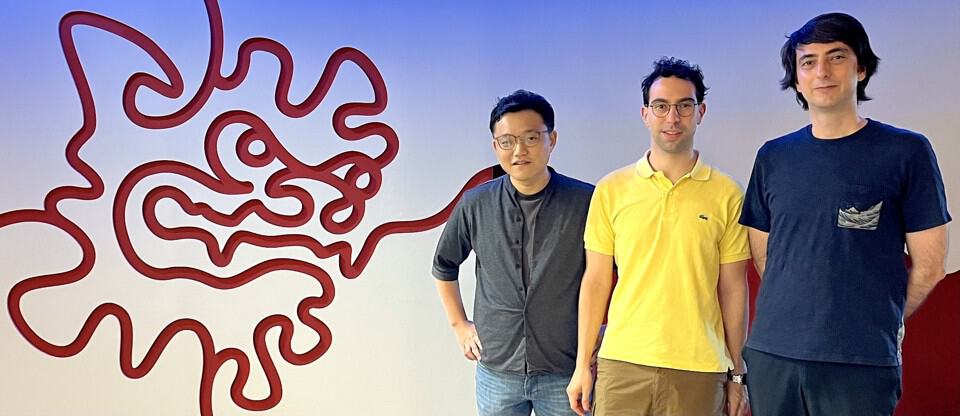
Wave mechanics Team members (l-r) Tatsuo Izawa, Giulio Foggi Rota and Marco Edoardo Rosti. (Courtesy: Marco Edoardo Rosti/OIST)
In a study published in the journal EPL, Rosti and his colleagues Alessandro Chiarini, Tatsuo Izawa and Giulio Foggi Rota explored ways of remedying this deficiency. They focused on the simplest type of wave evolution: a freely decaying, single-frequency gravity wave, one where the force of gravity acts to restore equilibrium and smooth out the surface of the water. Physics World spoke with the team about the findings.
What is the most important advance in this work?
Classical Stokes drift theory predicts that on average, particles will get transported through the water horizontally, in the direction of the wave. But by combining fully nonlinear two-phase simulations with a perturbative analytical model, we demonstrate that when you allow those waves to decay, additional transport mechanisms appear.
Specifically, we identified a net vertical particle migration that arises solely from the temporal decay of the wave field, due to the interplay between fluid inertia and viscous dissipation. This migration persists even for fluids with relatively weak viscosity. Also, because the drift velocity depends on depth, even small vertical displacements alter particle trajectories and mixing properties.
International collaboration: Team member Alessandro Chiarini. (Courtesy: Alessandro Chiarini)
More broadly, our results show that unsteadiness in the wave amplitude is not a minor correction to classical Stokes drift. It’s something that can qualitatively change how an individual parcel of fluid moves through space and time – what we call Lagrangian transport. This has important implications for understanding how floating and suspended materials, including sediments, aerosols and microplastics, get redistributed near the ocean surface.
Can you say more about those implications?
Because gravity waves at the ocean surface span a broad range of wavelengths, from centimetres to hundreds of meters, even a modest fractional vertical displacement per wave cycle can significantly change the depth of a drifting particle. And because the drift velocity beneath a wave decays exponentially with depth, these small vertical excursions can substantially alter how much horizontal drift a particle accumulates. That could influence whether microplastics remain near the surface (where they are most bioavailable), or whether they instead migrate to greater depths, where different biological and physical processes govern their fate.
Why have previous studies not seen this vertical drift?
The drift mechanism we identify accumulates gradually as the wave field decays. That means it only becomes apparent when “tracer” particles in the water are exposed to the same wave as its amplitude decreases over many periods. Most wave-tank experiments and field measurements instead follow tracers as they are swept through a passing wave packet, which is a fundamentally different configuration.
In open-sea conditions, similar arguments apply, and the presence of currents, wind forcing and turbulence all complicate the picture. These effects mask a signal that only shows up unambiguously in clean, unforced conditions.
What was the most challenging aspect of this work?
The most challenging part was to bridge the limits of classical wave theories with the fully nonlinear, two-phase simulations of an air-water interface. The classical Landau wave-decay theory, for example, assumes an isolated, weakly viscous fluid (water). However, our high-resolution simulations demonstrate (as previously reported in other studies) a deviation from these idealized assumptions. In fact, the dominant viscous energy dissipation occurs in a thin layer of air just above the water surface, rather than in the bulk.
To investigate how continuous wave energy decay affects Lagrangian particle transport, we developed a perturbative analytical model based on the classical Landau framework. This was a difficult step because the framework is inherently blind to the two-phase dissipative system. As a result, its asymptotic predictions progressively diverged from simulated flow fields at long times, likely due to intrinsic limitations of the Landau decay-wave model.
What do you plan to do next?
The drift mechanism we discuss in this study applies to a very idealized form of wave decay. In the future, we would like to test whether and how this mechanism propagates in more complex but realistic wave conditions. In particular, we want to work out how to measure such mechanisms in wave-tank experiments. To do so, we will study a different setup, one in which waves decay spatially instead of temporally, since this is closer to what observed in wave tanks. We would also like to study how our mechanism affects drift in waves that vary over time, with controlled unsteadiness, rather than simply decaying.