Ultrasound-induced gas bubbles reduce optical scattering

Optical scattering is a real problem for biological imaging. By preventing light from being focused deeply into biological tissue, scattering effects limit imaging depths to around 100 microns, producing only blurred images beyond. A new technique called ultrasound-induced optical clearing microscopy could increase this distance by more than a factor of six, thanks to the somewhat counterintuitive step of inserting a layer of gaseous bubbles in the area being imaged. Adding this bubble layer ensures that the photons do not deviate as they propagate through the sample.

Optical scattering occurs when light interacts with structures smaller than its wavelength. The incident light perturbs electrons in the structure, forming oscillating dipole moments that re-emit the light in many different directions.

“Techniques like confocal microscopy are widely employed in life science research such as cancer and brain tissue imaging, but they are limited because of this problem,” explains Jin Ho Chang at the DGIST (Daegu Gyeongbuk Institute of Science and Technology) in Korea. “The imaging-depth limitation is mainly due to incident photons being severely deflected from their original propagation directions as a result of optical scattering. Indeed, the number of non-scattered photons decreases exponentially with the distance travelled by the photons, so light cannot be tightly focused after a depth of about 100 microns.”

While researchers have developed various types of light wavefront-shaping techniques to address this limitation, none of them can be used to take three-dimensional images. These other techniques also require high-performance optical modules and sophisticated optics systems.

No optical scattering in the bubble cloud

In the latest work, Chang and colleagues developed a new approach in which they use high-intensity ultrasound to generate gas bubbles in the volume of tissue located in front of the imaging plane. To prevent the bubbles from collapsing and possibly damaging the tissue, the researchers transmitted low-intensity ultrasound continuously during the laser scanning microscope imaging process, maintained a continuous flux of bubbles throughout. They found that when the concentration of gas bubbles in the volume is higher than 90%, photons from the imaging laser experience hardly any optical scattering inside the gas bubble region (dubbed the “bubble cloud”). This is because the temporarily-created gas bubbles reduce optical scattering in the same direction as the propagation of the incident light, thus increasing its penetration depth.

“As a result, the laser can be tightly focused on the imaging plane, beyond which conventional laser scanning microscopy cannot acquire sharp images,” Chang tells Physics World. “This phenomenon is analogous to optical clearing based on chemical agents, so we named our approach ultrasound-induced optical clearing microscopy (US-OCM).”

Unlike conventional optical clearing methods, UC-OCM can localize the optical clearing in the region of interest and restore the original optical properties to the region once the bubble flux is switched off. This implies that the technique should be harmless to living tissue.

According to the researchers, who detail their work in Nature Photonics, the main advantage of US-OCM are: an increase in the imaging depth by a factor of more than six with a resolution that is similar to that of conventional laser microscopy; fast image data acquisition and image reconstruction (just 125 milliseconds is required for one frame image consisting of 403 x 403 pixels); and easy-to-obtain 3D images.

And that is not all: the team point out that implementing the new method requires only a relatively simple acoustic module (a single ultrasound transducer and a transducer-driving system) to be added to a conventional laser scanning microscopy setup. The technique could also be extended to other laser scanning microscopy techniques such as multiphoton and photoacoustic microscopy.

Ultrasound and light easy to combine

“I personally believe that the development of hybrid technology is one of the new research directions, and ultrasound and light are relatively easy to combine to maximize their advantages while complementing each other’s disadvantages,” Chang says. “Researchers working in the field of ultrasound have known for a long time that strong ultrasound can create gas bubbles in biological tissue and that they can disappear completely without damaging tissue.”

The idea for the experiment came up during discussions with team member Jae Youn Hwang, an optics specialist at the DGIST. The thought was that ultrasound-induced gas bubbles could be used as an optical clearing agent if they could somehow create densely packed bubbles in the area of interest. “Conventional optical clearing relies on the fact that optical scattering is minimal when the refractive indices of light scatterers in tissue are similar to each other,” Chang explains. “Chemical agents are employed to reduce the high refractive index of scatterers so that it approaches that of the tissue itself.”

According to the DGIST team, the technique might be used for high-resolution brain tissue imaging, early diagnosis of Alzheimer’s disease and precise diagnosis of cancer tissue in combination with endoscope technology.  “I also believe that the basic concept of this study can be applied to optical therapies, such as photothermal and photodynamic therapies to improve their efficacy because they also suffer from limited light penetration,” Chang says.
Nanoconfined water enters intermediate solid-liquid phase

When water is trapped in narrow, nanoscale cavities, it enters an intermediate phase that is neither solid nor liquid, but somewhere in between. This is the finding of an international team of researchers who used statistical physics, quantum mechanics and machine learning to study how the properties of water change when it is confined in such small spaces. By analysing the pressure-temperature phase diagram of this nanoconfined water, as it is known, the team found that it exhibits an intermediate “hexatic” phase and is also highly conducting.

The properties of water on the nanoscale can be very different from those we associate with bulk water. Among other unusual features, nanoscale water has an anomalously low dielectric constant, flows almost without friction and can exist in a square ice phase.

The study of nanoconfined water has important real-world applications. Much of the water in our bodies is confined within narrow cavities such as the spaces inside cells, between membranes and in small capillaries, notes team leader Venkat Kapil, a theoretical chemist and materials scientist at the University of Cambridge, UK. The same is true of water locked inside rocks or trapped in concrete. Understanding the behaviour of this water could therefore be central to biology, engineering and geology. It could also be important for developing future aqueous nanodevices and for applications such as nanofluidics, electrolyte materials and water desalination.

In recent years, researchers have fabricated artificial hydrophobic capillaries with nanoscale dimensions. This has enabled them to measure the properties of water as it passes through channels that are so narrow that water molecules do not have enough space to display their usual hydrogen bonding pattern.

Just one molecule thick

In the latest work, Kapil and colleagues studied water trapped between two graphene-like sheets, such that the water layer was just one molecule thick. Using atomistic simulations, which aim to model the behaviour of all the electrons and nuclei in a system, they calculated the water’s pressure-temperature phase diagram. This diagram, which plots temperature on one axis and pressure on the other, reveals the most stable phase of water at a given pressure-temperature condition.

“These simulations are usually very computationally expensive, so we combined many state-of-the-art approaches based on statistical physics, quantum mechanics and machine learning to reduce this cost,” Kapil tells Physics World. “These computational savings allowed us to rigorously simulate the system at different pressures and temperatures and estimate the most stable phases.”

The researchers found that monolayer water boasts a surprisingly varied phase behaviour that is highly sensitive to temperature and pressure acting within the nanochannel. In certain regimes, it shows a “hexatic” phase, which is intermediate between a solid and liquid as predicted by the so-called KTHNY theory that describes the melting of crystals in 2D confinement. This theory earned its developers the 2016 Nobel Prize for Physics for advancing our understanding of the phase behaviour of 2D solids.

High electrical conductivity

The researchers observed that nanoconfined water becomes highly conducting, with an electrical conductivity 10–1000 times higher than that of battery materials. They also found that it ceases to exist in a molecular phase. “The hydrogen atoms start moving almost like a fluid though a lattice of oxygen, say like children running through a maze,” explains Kapil. “This result is remarkable since such a conventional ‘bulk’ superionic phase is only expected to be stable in extreme conditions like the interiors of giant planets. We have been able to stabilize it under mild conditions.

“It looks like confining materials in 2D can lead to very interesting properties or properties that their bulk counterparts only exhibit at extreme conditions,” he continues. “We hope our study will help unveil new materials with interesting properties. Our bigger goal, however, is to understand water, especially when it is subject to very complex conditions like inside our bodies.”

The team, which includes researchers from University College London, the Università di Napoli Federico II, Peking University and Tohoku University, Sendai, now hopes to observe the phases they have simulated in real-world experiments. “We are also studying 2D materials other than graphene-like ones since these systems could in principle be synthesized and studied in the laboratory,” Kapil reveals. “A one-to-one comparison with experiments should therefore be possible – fingers crossed.”

The present work is detailed in Nature.

Leiden University astronomer Tim de Zeeuw removed from post after allegations of misconduct

The astronomer Tim de Zeeuw from Leiden University in the Netherlands has been removed from his post following allegations of “extremely unacceptable behaviour” that spanned several years. Annetje Ottow, chair of Leiden’s executive board, says that his behaviour included “intimidation, systematic vilification and unwelcome physical contact with one of the members of staff”.

In a statement provided to Physics World on 26 October by a lawyer acting on his behalf, de Zeeuw says that he “cannot agree” with the executive board’s decision but will comply with “all measures imposed”. De Zeeuw, 66, works in galaxy formation and was director-general of the European Southern Observatory (ESO) from 2007 to 2017. He retains his professorial title.

Leiden had initially released a statement on 18 October saying that one of its professors, whom it did not name, had subjected colleagues to “intimidating and unacceptable behaviour for a long period”. This conclusion had been reached by an investigation carried out by the university’s independent complaints committee following grievances raised by staff members.

The university said in its statement that the professor had been suspended as soon as the investigation began in May. Following the advice of the committee in October, they were banned from the university and not allowed to supervise PhD students.

Writing in an article for the university’s website on 21 October, Ottow stated that the harassment had “caused a lot of suffering” and that the victims will now be offered support by the university. “This cannot and should not happen in the workplace,” she said. “We want to prevent this kind of unacceptable behaviour in future or at least spot it at a much earlier stage so that prompt action can be taken.”

However, Ottow added that the name of the person would not be disclosed due to “strict privacy rules”. “We are convinced, together with the complaints committee, that violating this privacy could cause even more harm to those involved.”

Ottow also said that there were “good reasons” why the professor had not been fired. After considering “the clear advice of the complaints committee and all the person circumstances”, Ottow noted that the executive board decided not to withdraw the professorial title.

Denied access

On 25 October, however, several reports emerged, including from the Dutch newspapers NRC and Mare, alleging that de Zeeuw was the professor in question. The news website Ruetir says it went public with the name “because there has been abuse at a public organization” and that he “occupied a position of power in relation to (scientific) staff and students”.

According to the NL Times, employees at Leiden Observatory were “furious” that the university had refused to reveal his name or dismiss him. Indeed, some employees felt compelled to publicly declare that they are not the accused.

In the statement provided to Physics World by de Zeeuw’s lawyer, the astronomer says he “co-operated fully” with the investigation by Leiden’s complaints committee. “In May 2022, I was informed of allegations of ‘inappropriate behaviour’ within the Leiden University Observatory, with no explanation of the complaints or the complainants,” he notes. “I was immediately denied access to the buildings. This was followed by a lengthy investigation by an independent complaints committee. The executive board adopted the advice of the complaints committee. This led to an extension of the suspension and withdrawal of rights and powers belonging to my position.”

De Zeeuw went on to say that it was “never his intention to hurt or harm” people. “I am very sorry that people have experienced my behaviour as negative. For that, I sincerely apologize. I do recognize that in the past period I have now and then been unpleasant and impatient in an old-fashioned way, which no longer fits in the current spirit of the times. I will comply with all the measures imposed.”

‘Not enough done’

De Zeeuw, who was also director of the Leiden Observatory from 2003 to 2007, was awarded the Order of the Netherlands Lion in 2018, which is given for exceptional service to the community. He is married to fellow Leiden astronomer Ewine van Dishoeck and in 2014 they founded the De Zeeuw-Van Dishoeck Fund to support early-career researchers in astronomy.

In a statement to Physics World, ESO says it is “aware of the case of the professor removed from Leiden University and associated media reports” but says it has “no official information about their identity and cannot comment on reports that have not been formally confirmed”. ESO adds that it is “against all forms of harassment and is committed to a safe and respectful working environment”.

The Max Planck Institute for Extraterrestrial Physics (MPI-EP) in Garching, Germany, also announced it had ceased association with a “Leiden professor with immediate effect”. de Zeeuw was an “associated senior scientist” at the institute and his page on the MPI-EP’s site has since been removed.

Ottow says that the behaviour had been noticed before the official complaints had been made but “regrettably not enough was done about it”. “We want to push ahead with the lessons learned and areas for improvement. Alongside support and policies, this is about awareness,” she noted. “It’s really important that we talk about what constitutes acceptable and unacceptable behaviour: let’s continue to do so.”

Pursuing joy in an alien world

As an astrophysicist who specializes in exoplanets and the idea of habitable worlds, I believe that life can thrive in even the most hostile conditions, so it would make sense that joy can thrive there too. Being from a diverse background in a not-so-diverse place or field can sometimes seem like setting foot on one of these hostile worlds, but I believe that if we choose to thrive in these areas we will.

While sending astronauts to other planets is something we hope will happen in the not-too-distant future, it has been decades in the making, with generations of people contributing. In this way I believe that we can take a page out of the space industry’s handbook: the likelihood of success in an environment that was not designed for you can be greatly increased by allowing a team to help you along the way. Allies, organizations and role models make all the difference, and if it were not for those who reached out to me at times when I felt like I was failing, then it’s unlikely I ever would have pursued a PhD. With neither of my parents having gone to university at all, the idea of academia as a job sometimes felt alien in itself, so having people to guide me through this was crucial. I have been lucky enough to have several amazing supervisors on my journey thus far who have taken time and effort out of their day to champion applications, send e-mails on my behalf, answer my many questions, and generally just be beacons of support.

Organizational support

I appreciate that not everyone is so fortunate to have had mentors who have been advocates for their triumph, which is why organizations can also be a source of support. When I first moved to PhD level, I found the lack of diversity as a Black physicist particularly isolating, which is where the department’s BAME (Black, Asian and minority ethnic) group made a big difference. Meeting up with this group once a month was not only an opportunity to vent and laugh, but also a way to see myself visually represented within my own field. It is from the seminars run by this group that I have also discovered similar, more national organizations such as the Blackett Lab Family, which in its own words aims to “represent, connect, and inspire”.

Inspiration, in my opinion, is severely underrated. There are EDI (equality, diversity and inclusion) initiatives around the world that have been trying to change the face of physics for decades, but there is no comparison to seeing someone who actually looks like you, in a position such as professor, to make a goal seem more attainable. I attended a summer school run by the Blackett Lab Family recently that featured seminars from Black physicists in prominent positions giving their advice. Forming community bonds like this is especially important as under-representation can mean that on top of research assignments, conferences, teaching and the stresses of academia in general, you feel a pressure from both those in and outside the field to do more to level the playing field.

Finding space to be yourself

Trying to increase diversity within physics is something that we all strive for, but it can seem like a never-ending task that slowly saps your love of the field if you let it consume you. Simply finding a space in which you are able to be yourself while also combining your passion for the research can be hard, but it’s so worth it. Being part of a smaller community that acknowledges and supports your own experiences can be its own source of joy. Recently, at a conference, a Black female professor turned around in her seat to speak to me simply to say, “Stay in the field, we need and want you in the field.” This small act made all the difference to me: sitting in what was already an intimidating room as a brand-new PhD student had put me on edge, but this act of solidarity allowed me some comfort to relax and actually enjoy the experience.

I firmly believe that you can still find pockets of joy in what can seem like overall exhausting experiences

I was once told that those from under-represented backgrounds in physics need to find other sources of community to feel supported, and my experience thus far has validated that. Those we work with simply have not lived the experience of being a minority and the generations of trauma that come with that, so while I’m very appreciative of those who make an effort to bridge that gap, constantly keeping an extra ear to the ground can be exhausting and all consuming. Despite this, I firmly believe that you can still find pockets of joy in what can seem like overall exhausting experiences. Choosing to laugh when some code crashes for the millionth time; when you get called by your other minority co-worker’s name; or when marking a paper and a student chooses a, let’s say, “mysterious” way to solve a problem, is sometimes all you can do – and choosing joy in these moments is an act of rebellion that should make you feel good about yourself.

Let joy be in your journey, not some distant goal. Research can be an extremely frustrating and isolating field, especially when combined with the aspects of being part of a marginalized group, so aim to seek out the joy where you can. You may find it not only in your work or your teaching, but also in your community, in finally fixing the bugs in a code, in helping a student understand a question, in someone finally pronouncing your name correctly. Rotating the sources of your joy means that when one area of your life feels like it’s caving in, there are other activities and people you can turn to. It can be a struggle to thrive as a Black physicist, but find a support network and seek out happiness in the smaller moments, and you ultimately will – but in simple terms, pursue joy!

A journey of joy and uncertainty in physics

I like to believe that we embody the names we are given. And since my name is Joyful, I’ve always defaulted to this mental state even in periods of uncertainty. People have repeatedly commented that my name is very fitting, with one person even saying: “Wow, you’re literally joyful, just like your name.” And so happily, with something of a childish personality, is how I’ve always carried myself.

Born in Mpumalanga Province, which is known locally as “The place where the Sun rises”, I later moved to “Africa’s Eden” – Limpopo Province – at the age of 11. But when the end of high school loomed, fear was added to my joy as I now had to decide how to spend the rest of my life. I was fearful because I didn’t know what was out there, but I was joyful because I knew I would get to find out.

I wanted to go to university but as the first member of my family ever to do so, I realized I’d have to carry the burden and privilege of making my family and community proud. I also knew there was a lot I didn’t know. But while ruminating on uncertainty, I stumbled into a world – physics – that made not knowing okay. Because if you go into physics, it’s your job to find the answers.

I sensed that physics would give me the space to finally stretch myself beyond the limits of my environment

As someone with a frustratingly endless amount of curiosity, I sensed that physics would give me the space to finally stretch myself beyond the limits of my environment, my social circumstances and perceived possibilities. Although my mother is a school teacher, my father has been unemployed all my life, while only one of my three older siblings has a full-time job. Just going to university would be a huge achievement.

Seeing further

In 2011 I started a general BSc degree, majoring in physics, at the University of Witwatersrand in Johannesburg, South Africa. I later did an honours degree, followed by a Master’s in nuclear solid-state physics, which I completed with distinction in 2017. I then began a PhD studying photocathode materials that could be used in photomultiplier tubes in particle detectors, characterizing them using neutron and gamma radiation, at the Joint Institute for Nuclear Research in Dubna, Russia, and the cobalt-60 facility at CERN.

By going into physics, I was literally given the opportunity to see worlds beyond my own borders. That’s because during my Master’s degree, I boarded an aeroplane for the first time to perform experiments with our collaborators in Spain. We were trying to induce magnetism in diamond by irradiating our samples with protons from tandem accelerator before characterizing our samples with atomic-force and magnetic-force microscopy.

It was on that trip, in which I saw some amazing culture, architecture and scenery, that I also discovered my love for travelling. Since then, I have been to New Zealand, Russia, Portugal, Switzerland and France, in each case experiencing cultural and societal shocks that made me understand how far South Africa still must go to catch up with the rest of the world. I also realized on those trips that far too few Black, female eyes ever get to see what I was seeing.

In wanting my experience and privilege to be extended to more young Africans, I discovered my joy for teaching and mentorship. I started tutoring high-school physics and maths for a number of years and also began to take part in outreach programmes like the Eskom Expo for Young Scientists and the Nka’thuto Edu Propeller Expo as a judge. My involvement has let me interact with some of South Africa’s bright young minds and tell them more about the beautiful, limitless world of the sciences.

Later, I was asked to chronicle some of my experiences on the South African Young Academy of Sciences (SAYAS) blog, which led me in 2018–2019 to share the lessons I’d learnt and the feelings I’d felt as a Master’s and PhD student. I wrote about embracing our cultural diversities while appreciating commonalities, like scientific research, that bring us all together. I also lamented the misconceptions people often have about science and celebrated the journey of finding my fellow Black sisters in science.

I am now part of the strategic planning committee of Black Women in Science – a community of Black researchers that aims to promote the participation of women in science, technology, engineering and maths (STEM) careers. I am also secretary of the Women in Physics in South Africa committee, which encourages young women to go into physics. All these roles have added a sense of belonging and joy to my life.

Tackling difficulties

But all journeys and life decisions are coupled with as much strife as joy. In 2020, during the third year of my PhD, the COVID-19 pandemic struck. In addition to grappling with transformations to society it had wrought, I found myself battling with my own sense of internal purpose. It was during these moments of extended deep reflection that I realized I had lost some of my joy. I simply felt I had nothing to show for my work in physics.

To make matters worse, our collaborators from Dubna could not send us relevant samples because of pandemic-related logistical issues. My experiment was failing and I was failing too. Worst of all, I felt curiously detached from my PhD. I realized I did not want to continue and there didn’t seem to be enough drive and motivation in the world to keep me going. And because I don’t believe in continuing with something just for the sake of it, I ground to a halt.

For three months at the start of the pandemic, I was unable to step foot in my lab. Even when I got back in, my experiment did not work. And with limits on the number of people who were allowed to work, it was hard to get my set-up functioning again. Attempts to access labs from other universities failed, leaving me so stressed that I ended up having panic attacks every other day. My career in physics had hit rock bottom.

It was around this time that a physicist, who was not my PhD supervisor, asked me about my academic progress. I’d originally met her while attending a seminar at Witwatersrand in 2018, where she’d talked about her research in high-energy physics. After chatting with her about my situation, she offered a solution, which was to change the direction of my PhD. As a result, I’m now analysing data taken by the ALICE detector of the Large Hadron Collider (LHC) at CERN.

I’ve always appreciated the Heisenberg Uncertainty Principle – in fact, it’s tattooed on my inner wrist

My conversation felt almost as if the universe was trying to tell me that my journey in physics was not over yet. I realized I didn’t have to keep doing the same thing and that it’s okay if everything’s not quite nailed down in life. That’s why I’ve always appreciated the Heisenberg Uncertainty Principle – in fact, it’s tattooed on my inner wrist. It reassures me that while there may always be uncertainty, it doesn’t have to stop me from continuing with my life or making decisions.

I’ll choose certain paths, some of which will bring me joy and others won’t. If I happen to go down the latter, I’ve now realized it’s okay to turn around and start finding my joy in physics again. That’s how I ended up switching PhD projects in late 2020, joining the SA-ALICE group at iThemba LABS in Cape Town. It analyses the production of electroweak bosons and heavy quarks, while also helping to upgrade the ALICE experiment at CERN.

Switching my PhD was probably one of the hardest decisions I’ve ever had to make, completely abandoning a project I’d been working on for three years to follow something completely different instead. The change was tough, involving me having to learn lots of new concepts and skills at top speed. Fortunately, I’m now in the last stretch of my PhD – in fact, I’ve written so many supposedly “final” versions of my thesis that I wish a word more absolute than “final” existed.

However, it’s been a joy to explore the endless possibilities that physics brings, all while learning, mentoring and being mentored myself. And when I finally complete my PhD, I look forward to the beautifully uncertain future that my career in physics will bring.

Meeting a medical physicist can reduce anxiety for radiotherapy patients

Medical physicists play a key role in the delivery of radiotherapy, ensuring that the treatment equipment is safe and accurately calibrated, and working with radiation oncologists to develop precise treatment plans tailored to each patient. But according to a new study from the University of California San Diego, they could help in other significant ways.

The study, presented by Todd Atwood at this week’s ASTRO Annual Meeting, found that by meeting with patients and explaining the technical aspects of their radiation therapy, medical physicists can reduce treatment-related stress and anxiety. “While the primary function of the medical physicist has always centred around the idea of designing and delivering safe and effective radiotherapy, the day to day responsibilities of medical physicists have adapted to meet the changing needs of patients in our field,” he explained.

Patients increasingly want to be involved in their treatments, but the information available about radiation oncology is too complex, which can lead to unanswered questions and increased anxiety. Patient stress, however, can negatively impact radiotherapy outcomes.

This dilemma led Atwood and colleagues to develop the Physics Direct Patient Care (PDPC) initiative. The idea is that the medical physicist establishes an independent professional relationship with the patient, meeting with them regularly and assessing how this impacts their anxiety and treatment satisfaction. “This is a great opportunity for us as physicists to use our skill set to see how we can help improve patient care,” said Atwood.

In the prospective clinical trial, also reported in the International Journal of Radiation Oncology Biology Physics, the team randomly assigned 66 cancer patients to receive either PDPC before and throughout their radiation treatment, or standard-of-care radiotherapy without PDPD. Those in the PDPC group received two consultations with a medical physicist: immediately before the CT simulation and prior to their first treatment.

During the consults, the physicist (who had undertaken a patient communication training programme) explained how the radiotherapy technology works, how a treatment is planned and delivered, and how patient safety is ensured during radiotherapy. Over the course of their treatments, all patients completed questionnaires regarding their anxiety, their understanding of the technical aspects of care and their overall satisfaction.

Patients in the PDPC group experienced significantly lower treatment-related anxiety in comparison with those who did not have the additional consults. “By the first treatment time point, we see a significant decrease in patient anxiety for patients receiving physicist–patient consults,” said Atwood.

The greatest difference between the two groups was seen in the patients’ technical satisfaction – how satisfied they are with their own understanding of the technical aspects of their care. While there was no difference between the two groups at baseline, patients that had a physicist consultation at their simulation appointment immediately expressed greater technical satisfaction compared with the control arm, a benefit that remained throughout until their last treatment.

Overall satisfaction – a measure of the overall patient experience – was also significantly higher after the first treatment for those in the PDPC arm compared with the control arm, and remained so until the end of treatment.

“This study provides evidence that expanding the scope of the medical physics profession to include these patient-facing responsibilities allows us to add more value to the field, as well as to the patients we treat,” Atwood concluded.

“Our patients don’t realize that we are just as capable of being science communicators as our wonderful physician colleagues,” commented Julianne Pollard-Larkin from the MD Anderson Cancer Center. “It is time to empower our physicists, show them that they can help our patients have a better treatment just by explaining the process.”

Cataclysmic binary star has the shortest known orbital period

Astronomers have discovered a pair of stars that circle each other in just 51 minutes, which is the most rapid orbit ever seen in such a pairing. The system has been dubbed ZTF J1813+4251 and is an example of a cataclysmic variable  –  an arrangement consisting of a star in a tight orbit around a dead star called a white dwarf.

As the two stellar objects in a cataclysmic variable lose energy by the emission of gravitational waves, they are drawn closer together and the white dwarf begins to “feed” on the Sun-like “donor” star, ripping material from its surface. ZTF J1813+4251 is located 3000 light-years from Earth and represents the first evidence that cataclysmic variables can shrink enough to have such a short orbital period.

“With the discovery of ZTF J1813+4251, we now know that, in rare circumstances, cataclysmic variables can shrink to an orbital period much shorter than 75 minutes,” team member and researcher at the University of Amsterdam, Jan van Roestel, told Physics World. “There were theoretical predictions that this could happen, but the discovery of ZTF J1813+4251 confirms this without any doubt.”

Van Roestel, along with Kevin Burdge of the Massachusetts Institute of Technology and colleagues also determined other properties of each star – including their masses and radii.

Tiny system

“The binary system consists of a white dwarf and a donor star with a mass of around 0.55 and 0.1 solar masses respectively,” van Roestel says. The distance between them is only 0.4 of the radius of the Sun, which means that the entire binary system could easily fit inside our star. The research also suggests that this tight orbit is the result of the extremely high density of the donor star.

The astronomers found ZTF J1813+4251 in a vast collection of stars observed by the Zwicky Transient Facility (ZTF), which uses a camera attached to a telescope at the Palomar Observatory in California. ZTF has taken more than 1000 high-resolution pictures of wide areas of the sky capturing changes in the brightness of 1 billion stars over periods varying from days to years.

The team used an algorithm to search these data for stars that appeared to flash repeatedly within a period of less than an hour. Such flashes can be caused by two stars in a tight orbit, with one star briefly blocking the light from the other – as is the case for ZTF J1813+4251.

Rare stage of evolution

The observations also revealed that the system is in an interesting stage of its evolution. “We discovered this cataclysmic variable is doing something very special, transitioning from hydrogen accretion to helium accretion,” Burdge explains. “This is happening because the white dwarf started eating an old main sequence star very near the end of its life after that star had built up significant helium in its core.”

Now, the hydrogen atmosphere of the donor star is nearly gone, with the white dwarf stripping the very last remnants of it from its partner. As a result, this donor star will soon be reduced to a helium-rich core, which its white dwarf companion will continue to feast on. The team also predicts that the orbital period of this system will continue to shorten and in around 70 million years it could be as short as 20 minutes.

“The future of this binary star is driven by gravitational waves,” van Roestel says. “The two stars are massive enough and orbit each other close enough that they slowly lose angular momentum through the gravitational waves, which causes their orbital period and separation to decrease further.”

Gravitational wave observations

In principle, these gravitational waves could be detected by astronomers. However, current gravitational-wave observatories are not sensitive enough to do this. In the future, the study of such systems could be done using the planned Laser Interferometer Space Antenna (LISA), which will be more sensitive than existing Earth-based gravitational wave detectors.

“This discovery is a big deal because there is currently a gravitational wave detector being built, which will be up in space, called LISA, that will see gravitational waves from objects with orbital periods like ZTF J1813+4251,” Burdge says. He adds that this future investigation could fill in a key element missing from our understanding of how stars evolve.

“Cataclysmic variables are really great laboratories for studying accretion physics and binary evolution. Textbooks tend to focus on isolated stars like the Sun. The thing is, that simple story just doesn’t work if you put two stars in a binary next to each other, because they will interact, and that can completely change the outcome.”

“By studying these close interacting binaries, like cataclysmic variables, we are gathering the information needed to finish the textbooks on stellar evolution. Namely, we are starting to understand stellar binary evolution. This system basically answers a key question of how cataclysmic variable binaries form.”

The observation is described in Nature.

First trial in humans reveals promise of FLASH proton therapy

FLASH radiotherapy – in which therapeutic radiation is delivered at ultrahigh dose rates – shows promise as a new treatment for hard-to-kill tumours. Preclinical studies in animals suggest that the FLASH technique causes less damage to normal tissue than standard radiotherapy, while still effectively killing cancer cells. This offers the possibility of delivering larger radiation doses without increasing side effects, thereby achieving higher cure rates for patients with resistant tumours.

Now researchers at the University of Cincinnati Cancer Center have performed a first-in-human trial evaluating the use of FLASH proton therapy for treating patients with painful bone metastases. Results of the FAST-01 trial, reported at this week’s ASTRO Annual Meeting and in JAMA Oncology, revealed the feasibility of the clinical workflow for FLASH proton therapy and demonstrated that the treatment was as effective as conventional radiotherapy for pain relief, without causing unexpected side effects.

Most early FLASH radiotherapy studies – including the only previous in-human treatment, of a single patient with widespread cutaneous T-cell lymphoma – employed electrons. But electron beams only penetrate a few centimetres into tissue, limiting their applicability for clinical treatments. In this prospective clinical study, the team used proton beams to deliver the ultrahigh dose-rate radiation, which penetrate deep enough to reach tumour locations in most people.

The trial included 10 patients with painful bone metastases in their arms and legs (a total of 12 metastatic sites) who would otherwise been treated with conventional radiotherapy. Patients received a single 8 Gy fraction, as used in the standard-of-care X-ray treatment, but delivered at 40 Gy/s or greater – 1000 times the dose rate of conventional-dose-rate photon radiotherapy. Treatments were performed using a FLASH-enabled ProBeam proton therapy system at the Cincinnati Children’s/UC Health Proton Therapy Center.

“We used this patient population because, as a safety trial, we wanted to start with patients with low risk of serious toxicity,” explained Emily Daugherty, who described the findings at the  ASTRO conference. “If we’re irradiating the arm there’s a low risk to critical organs – we’re only treating bone, muscle and nerves, we’re not irradiating the spinal cord or heart. Also, this group of patients is one that stands to benefit from a shorter treatment time on the table.”

Daugherty and colleagues evaluated both the workflow feasibility and toxicity of the FLASH proton therapy. The average time on the treatment table was 15.8 min per treated site – although the FLASH delivery itself takes less than a second – and no FLASH-related technical issues or delays occurred. Side effects from the treatment were mild, with the most common being transient mild skin hyperpigmentation. “Very importantly, there were no serious adverse events related to FLASH in humans,” Daugherty noted.

The researchers also monitored the patient’s pain levels, use of pain medication and adverse events, on the day of treatment, and at various time points after. Following FLASH radiotherapy, seven of the patients experienced complete or partial pain relief. Of the 12 treated sites, pain was relieved completely for six sites and partially for two additional sites. They note that this is similar to the outcomes of 8 Gy conventional-dose-rate radiotherapy administered for painful bone metastases.

With both the treatment efficacy and toxicity comparable with that of conventional palliative radiotherapy, the researchers suggest that their findings support the further exploration of FLASH for other clinical indications. They are now enrolling patients into a second trial, FAST-02, which will assess the use of FLASH proton therapy in subjects with thoracic bone metastases.

“By treating thoracic bone metastases, we’ll be able to look at toxicity to organs such as the lungs and the heart,” Daugherty explained. “FLASH is a very promising and potentially practice-changing treatment modality. Incrementally we’re going to be advancing FLASH in humans, and FAST-01 truly demonstrates the very first and exciting step.”

Insights on thermal runaway of Li-ion cells from The Battery Failure Databank

Want to learn more on this subject?

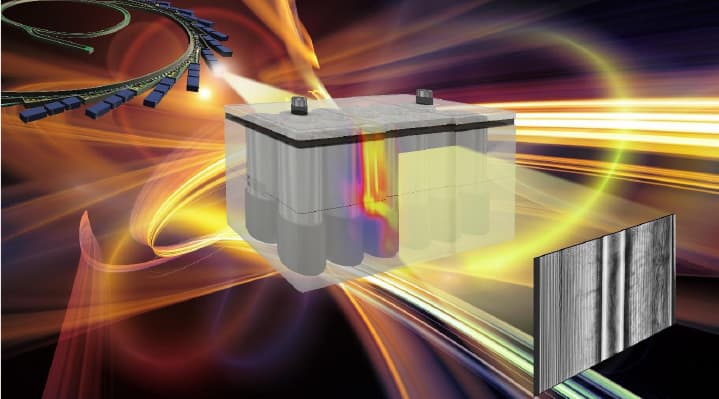
Understanding the risks associated with thermal runaway of Li-ion batteries is critical for designing safe cells and battery systems. The thermal response of cells can greatly vary for identical cell designs tested under identical conditions, the distribution of which is costly to fully characterize experimentally and cannot be captured by deterministic models. The Battery Failure Databank contains robust, high-quality data from hundreds of abuse tests spanning numerous commercial cell designs and abuse testing conditions. Data was gathered using a fractional thermal runaway calorimeter and contains the fractional breakdown of heat and mass from ejected and non-ejected cell contents, as well as high-speed radiography of the internal structural response of cells during thermal runaway. This presentation will provide an overview of insights in the thermal and mass ejection behaviours of commercial cells during thermal runaway.

Want to learn more on this subject?

Donal Finegan is a staff scientist at the NREL Center for Integrated Mobility Systems. His work focuses on understanding degradation and failure mechanisms of Li-ion batteries and taking steps to improve the performance and safety of cells and battery systems. His research has spanned numerous conventional and next generation energy-storage materials. He is a frequent user of international synchrotron facilities and has pioneered the application of high-speed X-ray imaging for diagnosing battery failure mechanisms during thermal runaway. Finegan manages NREL’s X-ray computed tomography (CT) laboratory and is part of several DOE battery research programs where his focus is on characterization. He actively engages with industry, research institutions and universities. He is a visiting lecturer at University College London (UCL), has published over 80 journal articles, and his work has received several internationally recognized awards.


Why not sign up for our other Battery Series webinars? Look out for more to be added in coming months. Even if you’re not able to join the live event, registering now enables you to access the recording as soon as it’s available.

Finding joy in academia: a delicate balancing act

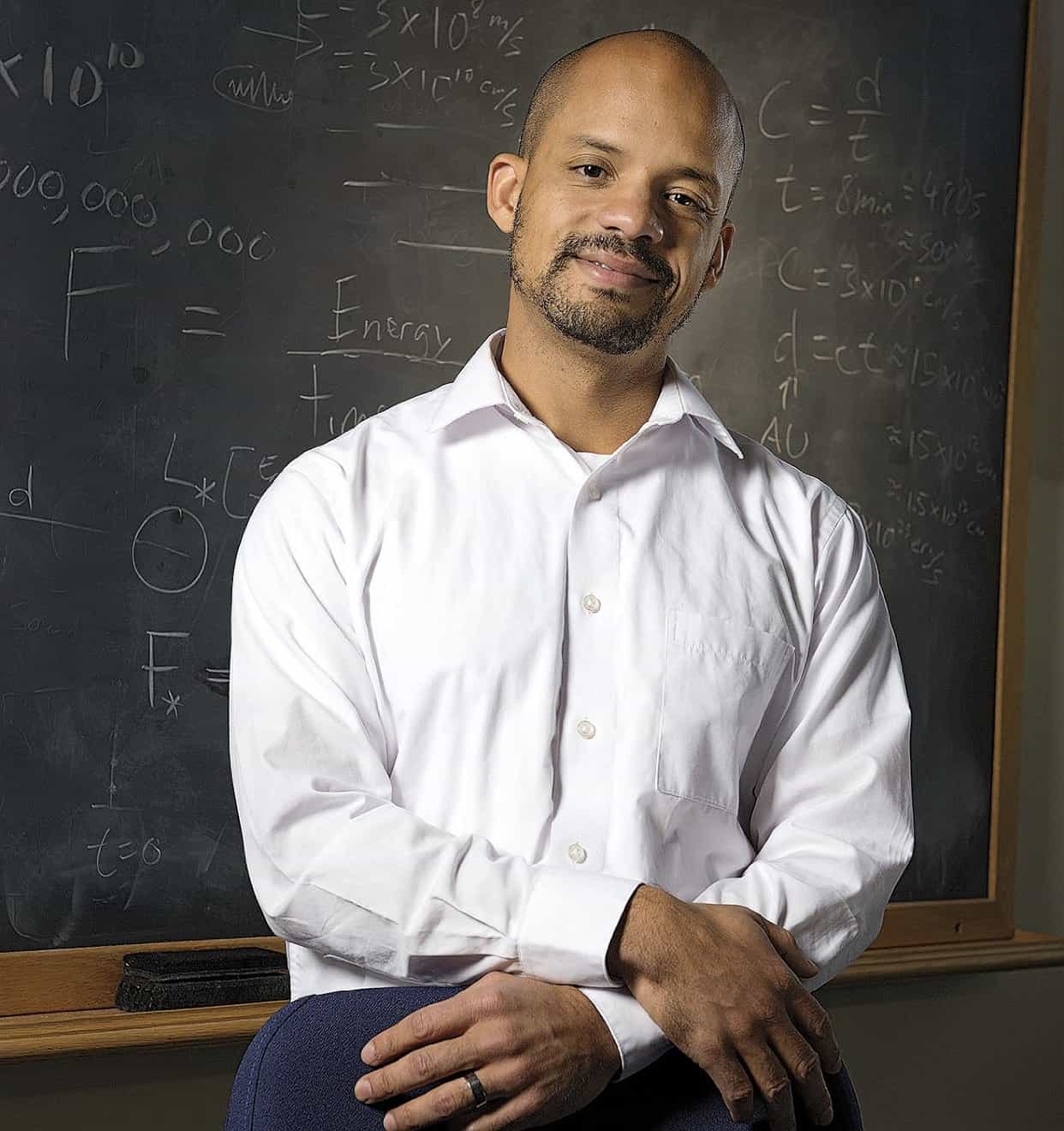
Photo of John Johnson standing in front of a blackboard covered in equations and mathematical symbols

While in graduate school, I put a chart on my wall showing the number of astrophysics PhDs per year in the US awarded to Black scientists. The numbers were so small – only about 10 – that I was able to identify and attach a name to each datum: Dara Norman, Gibor Basri, Jarita Holbrook, Neil deGrasse Tyson.

In subsequent years I found opportunities to meet most of them, and when I earned my PhD, I added my data point to the chart. As I climbed the academic ladder on my way to joining the Harvard faculty, I set a goal of attaining a professorship and leveraging my position to increase the number of Black astronomers by supporting younger scholars as they navigated academia.

In the past decade, there has been a marked increase in the number of Black people receiving PhDs in astronomy. Four have graduated from Harvard in the past two years alone, representing a fourfold increase over the number in all the years prior. (Leonard Strachan was the first, in 1990.) Sadly, however, retention at all levels post-PhD has remained low, resulting in little to no net gain in the field as other scientists have retired. There were on the order of 10 of us at the principal-investigator level while I was a student, and there remain only about 10 of us now.

My conversations with younger Black astronomers have revealed some common themes, and a notable one is a lack of joy necessary to sustain a human in such a challenging job. While stories and experiences vary widely, there are many reports of high levels of stress, frustration and disappointment. Over the years I’ve come to the view that the problems are systemically rooted in the structure of academia and the broader society in which it is situated. The solution for me has been finding and maintaining alignment between my personal values and the stated values of my institution.

What it takes to find joy

For most of my life, I implicitly considered emotions as mysterious and stochastic. The “good” ones like happiness, excitement and satisfaction were to be sought out, and the “bad” ones such as sadness were suppressed, avoided or treated. The culture of science has similar themes. For example, good scientists are supposed to be dispassionate observers of the world, devoid of messy emotions.

Recently, I’ve adopted a different framework. I now see my feelings as indicators of whether my needs as a human are being met. Along with basic requirements such as food, water and shelter, there are higher-level needs such as agency, autonomy and connection to a loving and supportive community. Agency speaks to our ability to impact the world around us, and autonomy relates to our ability to make decisions about how to direct our efforts. Both speak to the human need for freedom. If given a choice, most people would choose a job that directly connects their labour to the improvement of the well-being of the people in their community, with maximum leeway regarding how they work toward their goals.

On the other hand, if our efforts are directed primarily by outside forces, and if there aren’t clear links between our work and our communities, then joy will tend to be in short supply. Although the resulting emotional responses, such as frustration and even despair, can be difficult to experience, I don’t believe they are negative, per se. Rather, they are indicators of the problems we are facing. Joy is the emotional state awaiting us when we find solutions.

Thus, in this framework, the lack of joy experienced by Black folks in physics – myself included at various points in my career – is a strong indication that our needs are going unmet on the job, where we spend most of our lives. To understand why, I believe we need to consider the institutions at which we work.

Navigating the realities of academia

Institutions are concerned primarily with their own preservation. That observation is simultaneously unintuitive and obvious upon inspection. It’s unintuitive because it’s rarely observed or discussed, and it’s certainly not encapsulated in mission statements and other means by which institutions speak of themselves. But it becomes obvious when you consider that no university, agency, department or corporation looks to a future of insolvency or dissolution. One of the ways universities and other institutions maintain their existence is to align themselves with the power structures in broader society. As a result, the priorities of institutions tend to be conservative – they are resistant to changes that would threaten their continued access to power and resources.

What is that status quo? In my view, it is defined by the existence of a rigid hierarchy; an inequitable distribution of power and resources concentrated at the top; an artificial scarcity of resources for most people; and a paucity of democratic processes for decision making. This is a systemic feature, and the resulting culture exists largely irrespective of the values of the people in charge. The result is a divergence between our humanity and the implicit values of our institutions. Scarcity of resources inspires competition and secrecy rather than collaboration and sharing. Metrics of evaluation for hiring and promotion are often vague, leading to stress and overwork. And the combination of stress, job insecurity, and minimal accountability and democracy often leads to toxic work environments.

A subtle yet specific example that has impacted me throughout my career is the surprisingly low value placed on teaching and learning at universities. As with many young people, my pursuit of a career in academic science was motivated by the desire to connect with others through teaching, mentoring and outreach. However, the farther I progressed in my academic career, the more I sensed my path diverging from teaching. I was directed by outside forces to focus on my research if I was seeking the best jobs at the top universities. As an older colleague once told me, “Anyone can teach, but scientific excellence is rare.”

Why would institutions of higher learning consistently disincentivize teaching? The short answer is that research directly and indirectly contributes to institutional revenue streams.

All of this has led me to conclude that I should not look to my job, nor to the institution in which it is situated, to meet many of my needs. It is up to me to seize my freedom and exercise it to get my needs met. In recent years I have decided to focus more on teaching and mentoring rather than running a large research enterprise. I structure my classroom to more closely mirror the structure I would like to see in the world around me. I give my students agency in choosing the topics we’ll study. Students work collaboratively in groups while I use my experience with the material to guide them to solutions. We challenge ourselves to assess our learning by explaining concepts to one another, rather than relying on high-stakes quizzes and exams.

I’ve also supported Black and brown students as part of the Banneker Institute summer programme, where I’ve set the goal of ensuring that students enter academia with their eyes open to the challenges facing them. In addition to working on research projects with scientists at the Center for Astrophysics|Harvard & Smithsonian, students have opportunities to build a lasting community that will support them in their journey through graduate school and beyond.

My students and I get to experience agency, autonomy and connection within a community of learners. In a sense, I’ve created a bubble in which institutional imperatives are held at bay while my human needs are more readily met. I’ve done this by finding and maintaining alignment between my personal values and the stated values of my institution, as well as a balance between my work life and my personal life. In short, I have found my way back to a state of joy within my profession.

Copyright © 2026 by IOP Publishing Ltd and individual contributors