The risk to people on the ground of being killed by the uncontrolled descent of a rocket stage is increasing, with legislation urgently needed to prevent potential tragedies, says a team of political scientists and astronomers in Canada.
Most space launches still result in the uncontrolled return to Earth of at least parts of rockets – uncontrolled in this sense referring to the absence of an engine burn to put the rocket stage on a safe trajectory into the ocean. Although many pieces of space debris meet a fiery end in Earth’s atmosphere, parts of rockets can be large enough to reach the ground and cause damage.
The group behind this fresh assessment of the risks is led by Michael Byers, who is a professor of global politics and international law at the University of British Columbia in Vancouver. The team found that the greatest danger is to people living in the southern hemisphere, often in poorer nations that have no direct connection with space launches. In May 2020, for example, wreckage from the 18 tonne core stage of a Chinese Long March 5B rocket hit two villages in the Ivory Coast, damaging buildings. In July 2022, suspected wreckage from a SpaceX Crew-1 capsule impacted farmland in Australia, while another Long March 5B was allowed to fall uncontrolled towards waters just south of the Philippines at the end of that same month.
A matter of luck
This is not a new phenomenon. In 1979, NASA’s Skylab fell back to Earth after its orbit rapidly and severely degraded, scattering debris across Western Australia. In all of these cases it was a matter of luck that nobody was injured.
Yet the lessons of Skylab were not heeded, says Aaron Boley, an astronomer at the University of British Columbia who worked with Byers on the latest study. “Because Skylab was a special, single event, it remained easy moving forwards to ignore cumulative effects from launches that typically have much lower risks when viewed in isolation,” Boley tells Physics World.
The risks from individual re-entry events are low, partly because of regulations. In the US, the Orbital Debris Mitigation Standard Practices stipulates that all launches should have a risk of casualty from an uncontrolled re-entry of no less than 1 in 10,000. However, the US Air Force, and even NASA, have flouted this rule on numerous occasions according to the new study. Other nations may have different regulations, or none.
Cumulative danger
The danger, as Boley implies, is cumulative. In the past 30 years more than 1500 rockets that have fallen out of their orbits, and almost three-quarters of these have done so in an uncontrolled fashion. In their new study, Byers, Boley their University of British Columbia colleague Ewan Wright and Cameron Byers of the University of Victoria in British Columbia, calculate that during those three decades there was about a 14% chance that someone on the ground could have been killed.
As the number of launches is set to continue increasing as more nations and companies join the space race, the new study recommends several actions that could be taken to mitigate the risk. One is providing extra fuel so that a rocket can be re-ignited and directed towards a safe re-entry, perhaps crashing at “Point Nemo”. This is a “spaceship graveyard” that is located at the point in the Pacific Ocean that is farthest from land — and will be the final resting place of the International Space Station. However, launch providers have been reluctant to direct rockets using extra fuel because of the additional cost.
Another approach is to adopt reusable rocket stages, as SpaceX have successfully pioneered. However, “not all missions will be conducive to reusability of all parts, and in those cases we should still strive to bring back equipment controllably,” says Boley.
Official response
In response to the study, the European Space Agency’s Tim Flohrer, who is the Head of the Space Debris Office at the European Space Operations Centre in Darmstadt, Germany, gave the following statement to Physics World.
“On-ground risk is addressed in space debris mitigation guidelines and standards. ESA is very active in the further development and adoption of these together with its international and industrial partners. The re-entry risk affects people at geographical latitudes below launch inclination, i.e. the risk evolves over time with the population density and distribution. As suggested in those guidelines, the de-orbiting of rocket bodies immediately after satellites have been deployed is a good approach to minimizing the risk from re-entries – and we have observed a positive trend in getting to better compliance levels, e.g. visible from our space environment report.”
NASA was also contacted by Physics World for comment but has not replied.
Possible solutions
Should spacefaring nations not adopt measures to reduce the risks of falling debris, the study suggests that the only course of action remaining to southern hemisphere nations in the firing line is to make their case to the United Nations and to create a treaty. Even if they cannot convince space-faring nations to sign on, the British Columbia team suggest that it could generate enough press and public attention to improve the situation. They draw analogies with the 1997 Anti-Personnel Landmines convention, which although it was not ratified by the major powers, has led to a significant reduction in mines.
Precedence may also be sought from the aviation world, where material cannot be dropped recklessly from aircraft. “Dumping fuel for weight considerations, such as what might be done in an emergency landing with a plane over its landing weight, is a highly coordinated activity,” says Boley.
Other examples of collective action to protect against a global problem include mitigative policies combating CFCs and oil spills, although regarding the latter it took the Exxon Valdez disaster in 1989 to really spur action. The concern is that it will also take a disaster to prompt space-faring nations to take action against uncontrolled re-entries.
Glass is ubiquitous in everyday life. Being highly transparent, stable and durable, it’s an important material for a myriad of applications, from simple windows to touch screens on our latest gadgets to photonic components for hi-tech sensors.
The most common glasses are made from silica, lime and soda. But for centuries additional ingredients have been added to glass to confer properties such as colour and heat-resistance. And researchers are still working on glass, seeking to give it further functionality and improve its performance for specific tasks, creating increasingly hi-tech glass and what could be referred to as “smart” glass.
Smart materials aren’t easy to define, but broadly they are designed to respond in a specific way to external stimuli. In terms of glass, the most obvious “smart” application is for windows – in particular, controlling the amount of light that passes through the glass. That way we can boost the energy efficiency of any building: reducing the heat in the summer, while keeping it warm in colder weather.
Window voltage
The colour or opacity of some smart glass can be changed by applying a voltage to the material, thereby altering certain optical properties – such as absorption and reflectance – in a way that is reversible. Such “electrochromic” smart windows can control the transmittance of certain frequencies of light, such as ultraviolet or infrared, on demand, or even block them altogether. The application of this technology is popular not only in buildings, but also in electronic displays and tinted car windows.
Indeed, electrochromic windows are ahead of other technologies in this field, and have already been commercialized. But despite working well, they have some obvious disadvantages. They are quite complex and expensive, and retrofitting them to older buildings generally requires installing new windows, window frames and electrical connections. They are also not automatic – you need to switch them on and off.
To address some of these issues, researchers have been working on thermochromic windows, which are triggered by changes in temperature instead of voltage. One big attraction is that they are passive – once installed, their properties change with the ambient temperature, with no need for human input. The dominant method for creating such thermochromic windows is applying a coating of vanadium dioxide to glass (Joule 10.1016/j.joule.2018.06.018), but other materials such as perovskites can also be used (J. App. Energy254 113690). These materials undergo a phase transition, becoming more or less transparent as the temperature changes, an effect that can be tuned for different conditions.
While vanadium dioxide shows a lot of promise for smart windows, there are obstacles to overcome. Due to its strong absorption, vanadium dioxide produces an unpleasant brownish-yellow tint and further work is needed on environmental stability (Adv. Manuf.6 1). A recent review also suggests that although these technologies could provide significant energy savings, more research is needed on their use and impact in real-world settings. For example, the energy performance of thermochromic windows has been found to vary a lot between different cities using the same film type, but far less so between different film types used in the same city (J. App. Energy255 113522).
But hi-tech glass doesn’t end with smart windows. Researchers have found that if they add more unusual metals to glass, it can help to protect solar panels and make them more efficient (see box: Improving photovoltaic cover glass). Bioactive glass, meanwhile, can help us regrow bone and other tissues (see box: Fixing bones and other tissue), while new etching processes could allow us to add multiple functions to glass without the need for surface coatings (see box: Anti-reflective, self-cleaning and antibacterial). And although not traditional optical glasses, new phase-change materials could help create lighter and more compact optical systems (see box: Non-mechanical control of light). Finally, glass might one day even be able to heal itself (see box: Immortal glass).
Improving photovoltaic cover glass
Clear benefit Most photovoltaic cells are topped with a layer of glass. Researchers can adjust the properties of the glass to protect the lower layers from UV damage. (Courtesy: Shutterstock/Iaremenko Sergii)
It might seem surprising, but not all sunlight is good for solar cells. While photovoltaic units convert infrared and visible light into electrical energy, ultraviolet (UV) light damages them. Just like a case of sunburn, UV light negatively impacts the carbon-based polymers used in organic photovoltaic cells. Researchers have found that the damage from UV light makes the organic semiconductor layer more electrically resistant, reducing current flow and the cell’s overall efficiency.
This issue isn’t limited to organic cells. UV light also hampers the more common silicon-based photovoltaic, which consists of a stack of different materials. The silicon-based photoactive layer is sandwiched between polymers that protect it from water ingress, and this unit is then topped with a glass cover, which further protects it from the elements while allowing sunlight through. The problem with UV light is that it damages the polymers, allowing water to penetrate and corrode the electrodes.
Paul Bingham, an expert in glass at Sheffield Hallam University, UK, explains that to improve solar-panel efficiency “the overriding direction of travel in the past few decades has been to make the glass clearer and clearer”. This means removing chemicals that colour the glass, such as iron, which produces a green tint. Unfortunately, as Bingham explains, this lets more UV light through, damaging the polymer further.
Bingham and his colleagues have therefore been going in the other direction – they have been chemically doping glass such that it absorbs damaging UV light but is transparent to the useful infrared and visible light. Iron is still not an ideal additive, as it absorbs some visible and infrared wavelengths, and the same is true for other first-row transition metals such as chromium and cobalt.
Instead, Bingham’s team has been experimenting with second- and third-row transition elements that would not normally be added to glass, such as niobium, tantalum and zirconium, along with other metals like bismuth and tin. These create strong UV absorption without any visible colouration. When used in the cover glass, this extends the lifespan of photovoltaics and helps them maintain a higher efficiency, so they generate more electricity for longer.
The process also has another benefit. “What we’ve found is that many of the dopants absorb UV photons, lose a bit of energy and then they re-emit them as visible photons, so fluorescence basically,” Bingham says. They create useful photons that can be converted to electrical energy. In a recent study, the researchers showed that such glasses can improve the efficiency of solar modules by up to about 8%, compared with standard cover glass (Prog. in Photovoltaics 10.1002/pip.3334).
Fixing bones and other tissue
Active fibres A borate-based bioactive glass fibre, called Mirragen Advanced Wound Matrix created by ETS Wound Care, Rolla, Missouri. (Source: Int. Wound J.19 791. Reused with permission from Wiley & Sons.)
In 1969 biomedical engineer Larry Hench, from the University of Florida, was looking for a material that could bond with bone without being rejected by the human body. While working on a proposal for the US Army Medical Research and Design Command, Hench realized that there was a need for a novel material that could form a living bond with tissues in the body, while not being rejected, as is often the case with metal and plastic implants. He eventually synthesized Bioglass 45S5, a particular composition of bioactive glass that is now trademarked by the University of Florida.
A specific combination of sodium oxide, calcium oxide, silicon dioxide and phosphorus pentoxide, bioactive glass is now used as an orthopaedic treatment to restore damaged bone and repair bone defects. “Bioactive glass is a material that you put into the body and it starts to dissolve, and as it does it actually tells cells and bone to get more active and produce new bone,” says Julian Jones, an expert in the material, from Imperial College London, UK.
Jones explains that there are two main reasons the glass works so well. First, as it dissolves it forms a surface layer of hydroxycarbonate apatite, which is similar to the mineral in bone. This means it interacts with bone and the body sees it as a native, rather than foreign, object. Second, as it dissolves, the glass releases ions that signal cells to produce new bone.
Clinically, bioactive glass is mainly used as a powder that is formed into a putty and then pushed into the bone defect, but Jones and his colleagues have been working on 3D-printed scaffold-like materials for larger structural repairs. These are inorganic–organic hybrids of bioactive glass and polymer that they refer to as bouncy Bioglass. The 3D-printed architecture provides good mechanical properties, but also a structure that encourages cells to grow in the right way. In fact, Jones has found that by changing the pore size of the scaffold, bone marrow stem cells can be encouraged to grow either bone or cartilage. “We’ve had a huge amount of success with bouncy Bioglass cartilage,” Jones says.
Bioactive glass is also being used to regenerate chronic wounds, such as those caused by diabetic ulcers. Research has shown that cotton wool like glass dressings can heal wounds, such as diabetic foot ulcers, that have not responded to other treatments (Int. Wound J.19 791).
But Jones says the most common use of bioactive glass is in some sensitive toothpastes, where it prompts the natural mineralization of teeth. “You have sensitive teeth because you have tubules that go into your nerve cavity in the centre of the tooth, so if you mineralize those tubules there is no way into the pulp cavity,” he explains.
Anti-reflective, self-cleaning and antibacterial
Nanoscale rods Scanning electron microscopy shows pyramid-like nanostructures engraved onto glass by physicists at University College London. At 200 nm they are 100 times smaller than a human hair. Controlling the surface morphology at the nanoscale allows scientists to tailor how the glass interacts with liquids and light with high precision. (Courtesy: Alaric Taylor, UCL)
At University College London, researchers have been etching nanoscale structures into the surface of glass to give it multiple different functions. Similar techniques have been tried in the past, but it has proved challenging and complicated to structure the glass surface with fine enough detail. Nanoengineer Ioannis Papakonstantinou and his colleagues, however, have recently developed a novel lithography process that allows them to detail glass with nanoscale precision (Adv. Mater. 33 2102175).
Inspired by moths that use similar structures for optical and acoustic camouflage, the researchers engraved a glass surface with an array of sub-wavelength, nanoscale cones to reduce its reflectiveness. They found that this structured surface reflected less than 3% of light, while a control glass reflected around 7%. Papakonstantinou explains that the nanocones help bridge changes between the refractive index of the glass surface and that of air, by smoothing out the usually abrupt air-to-glass transition. This reduces scattering and therefore the amount of light that reflects off the surface.
The surface is also superhydrophobic, repelling droplets of water and oils so that they bounce off cushions of air trapped in the nanostructures. As the droplets roll off, they pick up contaminates and dirt, making the glass self-cleaning, as Papakonstantinou explains. And as a final benefit, bacteria struggle to survive on the glass, with the sharp cones piercing their cell membranes. Focusing on Staphylococcus aureus – the bacteria that cause staph infections – scanning electron microscopy has shown that 80% of bacteria that settle on the surface die, compared with around 10% on standard glass. According to the researchers, this is the first demonstration of an antibacterial glass surface.
Non-mechanical control of light
Image control This 8-inch wafer contains phase-change pixels that can be controlled to modulate light. Researchers at Massachusetts Institute of Technology are studying the properties and behaviours of the pixels to inform the creation of future devices that use phase-change materials. (Courtesy: Nicole Fandel/MIT)
Light is generally controlled in optical systems by moving parts, such as a lens that can be manipulated to change the light’s focal point or steer a beam. But a new class of phase-change materials (PCMs) could change the properties of optical components without any mechanical intervention.
A PCM can switch between having an organized crystalline structure to being amorphous and glass-like when some form of energy, such as an electrical current, is applied. Such materials have long been used to store data on optical discs, with the two phases representing the two binary states. But these materials have not really been used in optics beyond such applications, because one of the phases is normally opaque.
Recently, however, researchers in the US have created a new class of PCMs based on the elements germanium, antimony, selenium and tellurium, known as GSST (Nature Comms10 4279). They discovered that while both the glassy and crystalline states of these materials are transparent to infrared light, they have widely different refractive indexes. This can be exploited to create reconfigurable optics that can control infrared light.
Juejun Hu, a materials scientist at the Massachusetts Institute of Technology, says that instead of having an optical device with one application, you can programme it to have several different functions. “You could even switch from a lens to a diffraction grating or a prism,” he explains.
The properties of PCMs are best utilized, Hu says, by creating optical metamaterials, in which nanoscale, sub-wavelength structures are fashioned on the surface and each is tuned to interact with light in a specific way to create a desired effect, such as focusing a beam of light. When an electrical current is applied to the material, the way the surface nanostructures interact with the light changes as the material’s state and refractive index switches.
The team has already demonstrated that it can create elements such as zoom lenses and optical shutters that can quickly switch off a beam of light. Kathleen Richardson, an expert in optical materials and photonics at the University of Central Florida, who worked with Hu on the GSST materials, says that these materials could simplify and reduce the size of sensors and other optical devices. They would enable multiple optical mechanisms to be combined, reducing the number of individual parts, and remove the need for various mechanical elements. “Multiple functions in the same component makes the platform smaller, more compact and lighter weight,” Richardson explains.
Immortal glass
Long lifetimes Despite the robustness of Gorilla glass, mobile screens crack much too often, and so researchers in the UK are developing self-healing polymer coatings for glass. (Courtesy: iStock/Pete Bemmer)
“You can bend the laws of physics, but you can’t break them,” says Paul Bingham, who specializes in glasses and ceramics at Sheffield Hallam University, UK. “Fundamentally, glass is a brittle material and if you apply enough force over a small enough part of the glass then it’s going to break.” Still, there are various ways that their performance can be improved.
Consider mobile phones. Most smartphone screens are made from chemically toughened glass, with the most common being Gorilla Glass. Developed by Corning in the 2000s, this strong, scratch-resistant yet thin glass can now be found in around five billion smartphones, tablets and other electronic devices. But chemically strengthened glass is not completely unbreakable. In fact, Bingham’s phone screen is broken. “I dropped it once and then I dropped it again and it landed on exactly the same point and that was game over,” he says.
To improve the durability of glass screens further, Bingham has been working on a project entitled “Manufacturing Immortality” with polymer scientists at Northumbria University, led by chemist Justin Perry, who have developed self-healing polymers. If you cut these self-healing polymers in half and then push the pieces together, they will, in time, join back together. The researchers have been experimenting with applying coatings of such materials to glass.
If you apply enough force, these screens are still going to break, but if you dropped one and cracked the polymer layer it could self-heal. This will happen under ambient, room-temperature conditions, although heating them up a bit, by leaving them somewhere warm for example, could speed up the process. “It’s about improving lifetimes of products, making them more sustainable and making them more resilient,” Bingham says. And it could be useful for many products that use glass as a protective layer, not just smartphones.
Focal therapy using MRI-guided focused ultrasound is safe and effective for men with intermediate-risk prostate cancer who seek to avoid more invasive treatments, according to the results of a new clinical study. The first-of-its-kind phase 2 trial, described in Lancet Oncology, found that two years after treatment, 88% of participants had no evidence of intermediate- or higher-risk prostate cancer in the treated area.
Treatments for intermediate-risk prostate cancer include radical prostatectomy and radiotherapy and are traditionally directed at the whole prostate gland. But men who undergo such treatments often have persistent side effects, such as urinary and sexual problems, that could reduce their quality-of-life. In contrast, focal therapy only treats areas of malignancy within the prostate, preserving normal prostate tissues outside of the treatment margins.
Led by principal investigator Behfar Ehdaie of the Memorial Sloan Kettering Cancer Center, the study took place at eight healthcare centres in the USA (seven academic and one private). The teams treated 101 newly diagnosed patients with grade group 2 (78%) or 3 (12%) prostate cancer visible on MRI and confirmed on combined (MRI-targeted and systematic) biopsy.
Treatments were performed using a closed-loop MRI-guided focused ultrasound system that combines a transrectal ultrasound transducer with MRI of the pelvis. The MR imaging visualizes the target tumour, monitors the therapy with MR thermometry, and evaluates the ablated tissue immediately after treatment.
Ehdaie and colleagues explain that the ExAblate phased-array transducer directs acoustic energy to the targeted location, heating the tissue to ablative temperatures of 60-70 °C, guided by real-time MRI-based temperature feedback. The target was the MRI-visible lesion plus a margin of 5–10 mm of surrounding healthy-looking tissue.
Sonications were swept across the target slice-by-slice through the prostate gland and repeated until the target was covered by the required thermal dose. After each sonication, the researchers acquired anatomical MRI to enable modification of the treatment plan to account for treatment-induced changes in the gland volume. The median duration for the entire procedure was 110 min.
The researchers assessed the safety of the therapy every 90 days in the first year after treatment, and at 18 and 24 months. All patients also underwent combined prostate biopsy six and 24 months after the procedure. No serious treatment-related adverse effects occurred during the 24-month observation period, with only one grade 3 adverse event (urinary tract infection that resolved within three days) reported. Self-reported erectile and urinary function scores were slightly lower than at baseline, but compared very favourably to patient-reported outcomes after whole-gland treatments.
At six months, 96 of the 101 patients had no evidence of grade group 2 or higher prostate cancer in the treated area of the prostate gland. The six-month biopsy identified that 19 of the men had newly detected grade group 2 or higher prostate cancer outside of the treatment area. The researchers suspect that rather than being new sites of cancer, these were likely tumours that were undetected before treatment.
At 24 months, 11 of the 89 patients evaluated did have cancer detected in the treatment area, three of whom had grade group 4 or higher cancer. These patients were referred for conventional whole-gland treatment.
The authors cite three key strengths of their study: the patient cohort was geographically diverse; none of the enrolled patients had low-grade prostate cancer; and, in spite of this, findings were comparable with other prospective focal therapy clinical trials with lower-risk patients.
In the future, the research team will focus on delivering a randomized controlled trial to determine the effectiveness of focal therapy compared with managing prostate cancer with active surveillance. “Overall, avoiding whole-gland treatments will reduce the side-effects associated with surgery and radiation, including sexual, urinary and bowel dysfunction,” comments Ehdaie.
“Further, future studies will also report the impact of salvage treatment in patients with disease progression after focal therapy,” says Ehdaie. “The goal is to provide a treatment option for men diagnosed with prostate cancer along the spectrum of successful options spanning from active surveillance to whole-gland treatment and prolong life and preserve quality-of-life.”
I’m having trouble knowing how to start this article. That’s because we’ve been busy compiling a Physics World book quiz for you to enjoy on your summer holidays (or winter holidays for readers in the southern hemisphere).
We’ve pulled together the first sentences from several well-known popular-science books and your job is to match them to the titles in question. You can take the quiz here.
In seeking examples for the quiz, it quickly dawned on us that opening sentences are tricky to get right. The 16 books we’ve picked out all have striking starts. But many we looked at were excluded for being too obvious or just plain boring.
A few contained quirky, surprising or supposedly amusing anecdotes that presumably sought to draw the reader in and yet they just ended up droning on. Other books started with the clichéd “This book” before launching into a humdrum précis of the contents. (I won’t name names.)
Another tired trope is to invoke humans gazing in wonder at the night sky (invariably since the dawn of civilization) as they muse on their tiny, insignificant place in the cosmos.
In fact, history is always fertile territory for popular-science writers despite it being easy to get wrong when attempting to be dramatic. John Gribbin, for example, starts his seminal In Search of Schrödinger’s Cat by claiming that Isaac Newton “invented physics”.
Apart from actually reading the whole book, perhaps the quickest way of gauging its quality is the “page 99 test”. First suggested by American writer and literary critic Ford Madox Ford, the idea is that by page 99 an author will have hit their stride and the text there is likely to reflect the rest of the content. The opening pages or back-cover blurb, in contrast, will have been given extra attention and might provide a misleading impression of what’s to follow.
Although initially aimed at works of fiction, Ford’s approach is now used for all types of books, including science. There is, of course, a website that casts its verdict on selected titles. And if you think turning to page 99 might provide too many spoilers, there’s an alternative called the “page 69 test”. In these days of information overload, I reckon both are a neat, time-saving ruse, if potentially brutal for the books’ authors.
But of all the entries in our quiz, my favourite has to be the almost biblical opening sentence, “The Cosmos is all that is or ever was or ever will be.” If it sounds familiar, jot down your answer on the back page. I think this opening gambit is a wonderful beginning that compels the reader to continue.
Fortunately, they won’t be disappointed.
What’s your favourite start to a popular-science book? E-mail us at pwld@ioppublishing.org
• First continuous condensate created – A new Bose–Einstein condensate cooling technique has been shown to reduce atom losses and could open the door to continuous-wave atom lasers, as Tim Wogan reports
• Physicist becomes US science adviser – Applied physicist Arati Prabhakar becomes the first woman to hold the directorship of the Office of Science and Technology Policy. Peter Gwynne reports
• China sets out its climate ambitions – Scientists in China are scrambling to support the government’s plan to reach “net zero” carbon emissions by 2060, as Ling Xin discovers
• How to extinguish burnout – Caitlin Duffy argues why it is important for PhD students to develop interests outside the lab and not just solely focus on their research
• Magnetic economy – James McKenzie realizes that we’re going to need lots of magnets if we want to turn the economy green
• Hello interflexionality – Robert P Crease relives the recent G4G14 meeting, where fun and science met
• Newton’s laws and car-crash claims – Fraudsters routinely try to make money by pretending they have been injured in traffic accidents. But as Michael Hall explains, simple Newtonian physics can reveal which claims are genuine and which are bogus
• The unique universe of Satyajit Ray – Andrew Robinson delves into the life and work of the famed Bengali film director, who blended art and science, and uncovers the story behind his sci-fi film that didn’t make it to the screen, but nevertheless influenced Hollywood
• A novel window into smart glass – From fixing bones to making antibacterial surfaces, Michael Allen talks to the researchers making glass that has additional functionality and performance
• Out of sight, beyond imagination – Laura Hiscott reviews The Invisible Universe: Why There’s More to Reality than Meets the Eye by Matthew Bothwell
• As time goes by – Sharon Ann Holgate reviews A Brief History of Timekeeping: the Science of Marking Time, from Stonehenge to Atomic Clocks by Chad Orzel
• From intern to chief of staff – Petrophysicist Oliver Grimston talks about his career at British oil and gas company bp, from taking part in their graduate programme to his current role as the firm’s chief of staff in Iraq
• Ask me anything – Careers tips from documentary-film maker Taghi Amirani
• The first-sentence challenge –Take our books quiz compiled by Sarah Tesh.
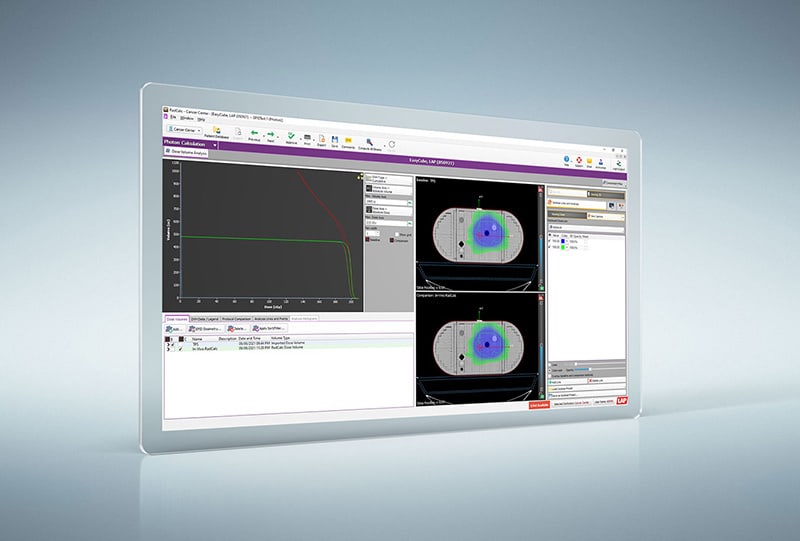
In this webinar, we will share our clinical experiences with RadCalc’s 3D EPID module.
Firstly, the commissioning process of this 3D EPID module will be shown, and Wang Ruoxi will demonstrate their in-house solution to fully automate the data pipeline (i.e. from the dosimetry image acquisition to the 3D dose reconstruction). He will then present the validation of the EPID 3D module, which was performed by comparing the reconstructed dose distribution both with the dose distribution calculated from the TPS, and with the phantom-based measurements. Furthermore, error detectability tests were performed and in order to demonstrate the value of the EPID-based reconstructed dose distribution, treatment plans with manually introduced errors were delivered and the corresponding dosimetric influences were evaluated with the 3D EPID module.
Finally, the presentation will be summarized with potential clinical benefits from the RadCalc’s 3D EPID module.
Ruoxi Wang received his doctorate from Université Claude Bernard Lyon 1, France, in 2015. He was engaged in the research and development of new dosimeters in Lyon Institute of Nanotechnology. After graduation, he joined Beijing Cancer Hospital in 2017, where he is a medical physicist in the Department of Radiotherapy.
His main areas of research are: application of Monte Carlo simulation method in the field of medical physics (dose deposition calculation, dosimeter simulation), in-body dose reconstruction, new methods of radiotherapy quality control and assurance, and automatic radiotherapy planning.
1 “A well-known scientist (some say it was Bertrand Russell) once gave a public lecture on astronomy.”
2 “No matter how hard you try you will never be able to grasp just how tiny, how spatially unassuming, is a proton.”
3 “Once on a Wednesday excursion when I was a little girl, my father bought me a beaded wire ball that I loved.”
4 “The origin of the universe is explained in the Younger Edda, a collection of Norse myths compiled around 1220 by the Icelandic magnate Snorri Sturleson.”
5 “When I was about eleven or twelve I set up a lab in my house.”
6 “The Sun beat down through a sky that had never seen clouds.”
7 “Melvin Butler, the personnel officer at the Langley Memorial Aeronautical Laboratory, had a problem, the scope and nature of which was made plain in a May 1943 telegram to the civil service’s chief of field operations.”
8 “The Cosmos is all that is or ever was or ever will be.”
9 “Some of the great mathematicians killed themselves.”
10 “The University of Cambridge at the end of summer with the leaves going dry is as beautiful as it must have been when the great evolutionary biologist Charles Darwin was an undergraduate here in the early nineteenth century.”
11 “Katherine Schaub had a jaunty spring in her step as she walked the brief four blocks to work.”
12 “In 1978, when John Bell first met Reinhold Bertlmann, at the weekly tea party at the Organisation Européenne pour la Recherche Nucléaire, near Geneva, he could not know that the thin young Austrian, smiling at him through a short black beard, was wearing mismatched socks.”
13 “The dark clouds of war had been gathering for more than eighty years by the time the initial skirmish took place in the attic of Jack Rosenberg’s San Francisco mansion.”
14 “The coveralls in the trailer were stiff and gray with salt, crackling as we stepped into them.”
15 “In his youth Albert Einstein spent a year loafing aimlessly.”
16 “It’s hard to know where to begin.”
Book titles
AA Short History of Nearly Everything by Bill Bryson
BThe Second Creation: Makers of the Revolution in Twentieth-Century Physics by Robert P Crease and Charles C Mann
C“Surely You’re Joking, Mr Feynman”: Adventures of a Curious Character by Richard Feynman
DTrespassing on Einstein’s Lawn: a Father, a Daughter, the Meaning of Nothing, and the Beginning of Everything by Amanda Gefter
EThe Age of Entanglement: When Quantum Physics Was Reborn by Louisa Gilder
FChaos: Making a New Science by James Gleick
GA Brief History of Time: From the Big Bang to Black Holes by Stephen Hawking
HHow the Universe Got Its Spots: Diary of a Finite Time in a Finite Space by Janna Levin
I The Radium Girls: the Dark Story of America’s Shining Women by Kate Moore
JSeven Brief Lessons on Physics by Carlo Rovelli
KCosmos by Carl Sagan
LInferior: How Science Got Women Wrong and the New Research That’s Rewriting the Story by Angela Saini
MHidden Figures: the American Dream and the Untold Story of the Black Women Mathematicians Who Helped Win the Space Race by Margot Lee Shetterley
NLongitude: the True Story of a Lone Genius Who Solved the Greatest Scientific Problem of His Time by Dava Sobel
OThe Black Hole War: My Battle with Stephen Hawking to Make the World Safe for Quantum Mechanics by Leonard Susskind
PThe First Three Minutes: a Modern View of the Origin of the Universe by Steven Weinberg
Looking for the answers? They’re listed below. But before you check them, why not listen to Physics World editors discuss this quiz in the Physics World Weekly podcast of 11 August?
1 G 2 A 3 N 4 P 5 C 6 F 7 M 8 K 9 H 10 L 11 I 12 E 13 O 14 B 15 J 16 D
Cubic boron arsenide is one of the best semiconductors known to science and could even dethrone silicon as the principal component of modern electronics. This finding, from teams headed by Gang Chen at the Massachusetts Institute of Technology in the US and Xinfeng Liu of the National Center for Nanoscience and Technology in Beijing, China, is based on experiments showing that small, pure regions of the material display a thermal conductivity and charge carrier mobility that far outperforms those of existing widely-used semiconductors, including silicon. The results validate theoretical predictions and suggest that cubic boron arsenide could revolutionize the field of electronics – at least in principle.
Silicon has dominated the electronics industry for decades. It is relatively easy to purify into a material with an almost perfectly uniform molecular lattice – an important requirement for robust and reliable electronic properties – and its status as one of the most abundant elements in Earth’s crust makes it commercially viable to use at scale.
Silicon’s performance as a semiconductor, however, leaves much to be desired. The issues with the material are twofold. The first concerns the mobility of its “holes”, which are regions of positive charge left behind when electrons are excited from a semiconductor’s insulating (valence) band to its conduction band. In silicon, these holes move much more slowly than the electrons in the conduction band, diminishing the material’s electrical performance. The second issue is silicon’s low thermal conductivity, which makes silicon-based electronic systems prone to overheating: a problem that can only be mitigated with costly cooling systems.
Reduced defects yield desirable properties
Several recent theoretical studies have predicted far more desirable properties in cubic boron arsenide (c-BA). According to these calculations, the material’s thermal conductivity should be some 10 times higher than silicon’s, stemming from its unique chemical bonding properties. Theorists also predicted simultaneously high mobilities of electrons and holes at room temperature.
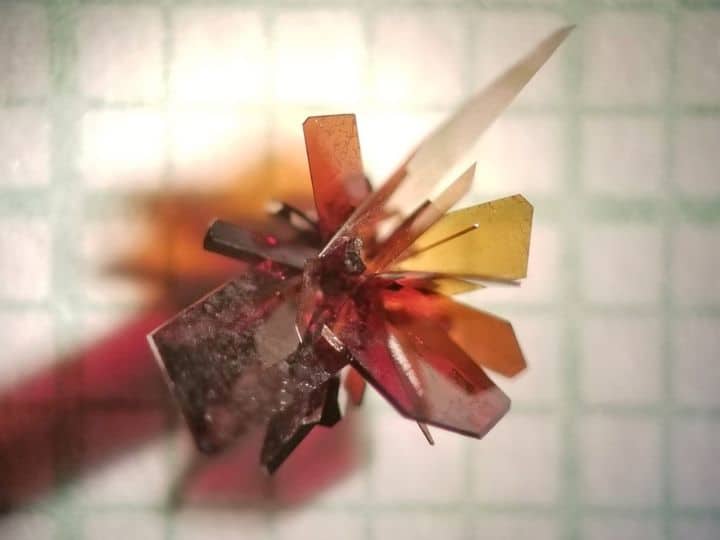
Hard to synthesize: Single crystals of boron arsenide. (Courtesy: University of Houston)
Until now, however, these promising predictions haven’t been borne out in experiments. The problem is that with existing fabrication methods, c-BA crystals typically feature large, non-uniform concentrations of defects, leading to significant discrepancies with predicted behaviour.
In the latest studies, which are described in back-to-back papers in Science, members of the two teams used a combination of spectroscopic techniques to precisely map out the distribution of impurities within thin c-BA samples. This allowed them to identify local regions of uniformity in its molecular lattice, free from impurities. Within these regions, the material’s semiconducting properties were some of the best ever measured, displaying exceptional values for thermal conductivity and hole mobility that were similar to those predicted from first-principles calculations.
Despite this promising discovery, it remains to be seen whether c-BA has a realistic chance of replacing silicon. Both boron and arsenic are far less abundant than silicon in the Earth’s crust, and researchers would need to substantially improve the purity of the material during fabrication for large-scale applications to be feasible. However, if these barriers can be overcome, Zhifeng Ren, director of the Texas Center for Superconductivity at the University of Houston, US and a corresponding author on both studies, says the discovery could have an impact similar to the advances in electronics that followed the advent of silicon wafers.
Scalability – check. Sustainable workflow efficiencies – check. Robust data security and redundancy – check. Taken together, these are the enhanced benefits of the SunCHECK Quality Management Platform from Sun Nuclear following the release of the cloud-hosted, software-as-a-service (SaaS) option of a product that’s already the de facto QA engine-room for more than 1600 radiotherapy customers globally.
For context, SunCHECK is a single interface and database offering a unified view of patient and machine QA independent from the treatment system. SunCHECK Patient encompasses all aspects of patient QA, including plan checks, secondary checks, phantomless pre-treatment QA and automated in vivo monitoring. Meanwhile, SunCHECK Machine addresses critical machine QA needs, including template-driven daily, monthly and annual QA; automated imaging, multileaf collimator (MLC) and volumetric modulated arc therapy (VMAT) checks; as well as long-term data trending and analysis.
Operationally, a dedicated SunDEPLOYS team also works side-by-side with new customers to ensure users achieve their clinical operational goals – from project management, site planning and system preparation all the way through training and go-live support.
Built-in scalability
In this way, SunCHECK already provides the “infrastructure of choice” to meet clinical customers’ diverse QA requirements – from single-linac treatment centres to large research hospitals and regional radiation oncology networks. If that’s where things stand now, however, the cloud-hosted SaaS model represents the future direction of travel for the product development roadmap – and a significant investment by Sun Nuclear in the long-term growth of SunCHECK’s clinical footprint.
Streamlined introduction and deployment are fundamental to efficient software implementation and, as such, sit front-and-centre within the SaaS business model. “One of the challenges with any enterprise software is the need to run and keep current an onsite server,” explains Adrian Fleet, SunCHECK international account manager. “With the SaaS SunCHECK acquisition model, we can leverage the power of the cloud and eliminate this challenge.”
Put another way: the cloud-based implementation model addresses the burden associated with local management of software and servers, reducing the budget, time and resources required for upfront deployment, ongoing platform support and software version updates. “At the recent ESTRO and AAPM annual meetings,” Fleet adds, “attendees were eager to learn more about the SunCHECK Platform, knowing that their clinics may have an easier time getting buy-in on the SaaS option. Initial markets adopting the SaaS model include the US, UK, Germany, Spain and Australia.”
Equally significant, the SaaS version of SunCHECK is a response to another key pressure point for clinical IT departments: the need to ensure evolving best practice when it comes to data storage, management, cybersecurity and operational continuity. “The SunCHECK SaaS option is all about giving the customer peace of mind,” notes Fleet.
With Amazon Web Services (AWS) as the cloud provider, for example, there’s built-in data backup and redundancy as standard, plus the highest levels of data encryption (both at rest and in-transit). Fleet continues: “Out of the box, SunCHECK SaaS provides a complete solution, including all the software licences, training and support as well as a secure and inherently scalable cloud-hosting environment. Sun Nuclear is currently pursuing ISO 27001:2013 certification, further reinforcing the commitment to security.”
Alongside the cloud-hosting innovations, the SunCHECK development team has been future-proofing the platform’s databases and associated patient and machine QA workflows. “As part of this project,” explains Fleet, “we challenged our team with establishing an architecture that meets the demand for high performance and easy implementation, while creating a pathway for highly sought-after future enhancements for both SaaS and on-premise customers.”
Education and execution
In terms of outreach to promote the SaaS model, Sun Nuclear will be running a series of user meetings and clinical cross-site visits for existing and prospective SunCHECK customers in the EMEA region in the second half of this year. Those user meetings will take place at existing SunCHECK reference sites, including long-term users of the software like the UK’s Clatterbridge Cancer Centre and Belgium’s Iridium Netwerk. “The user meetings are a fundamental part of Sun Nuclear’s requirements-gathering conversation, with an agenda to promote radiotherapy QA best practice through the SunCHECK platform,” explains Fleet.
In a related international development, Sun Nuclear has also established a Latin American SunCHECK Users group. The goal here is to encourage clinical collaboration and best practice in radiotherapy QA via regional SunCHECK meetings and related initiatives. Current SunCHECK sites in Latin America include VITTA Centro Avancado Radioterapia (Brazil), São Camilo Oncologia (Brazil), GRAACC (Brazil) and CEMENER (Argentina), with several more customers set to join the initiative later this year.
Researchers in Switzerland and the US have gleaned new insights into how slab avalanches begin on snowy mountainsides, reconciling the predictions of two competing theories. Led by Johan Gaume at the École Polytechnique Fédérale de Lausanne (EPFL), the team used calculations, computer simulations and observations from real slab avalanches to show that the cracks responsible for the falling snow are formed by mechanisms similar to those found in strike-slip earthquakes. The result could make it easier to forecast when and where avalanches will form.
Avalanches can be triggered by a variety of possible mechanisms, many of which rely on specific conditions such as loose, wet, or powdery snow. In slab avalanches, mechanical failure begins within weak, highly porous layers of snow that have become buried beneath fresh, more cohesive layers.
On steep mountain slopes, the weight of this newer snow can overcome the friction between the two layers. When this happens, broad fractures form in the upper layer and propagate along the mountainside at speeds of over 150 m/s – causing slabs of cohesive snow to slide and break away.
Competing theories and mechanisms
Scientists have developed two competing theories about the nature of this release mechanism. The first suggests that the weak snow layer fails under the shear stress imparted by the upper layer. The second argues that a collapse in the porous structure of the lower layer is the main culprit.
Although small-scale experiments seem to validate the first mechanism, the cracks that appeared in these earlier studies propagated far more slowly than was the case in real slab avalanches. Based on this evidence, Gaume’s team suggest that neither mechanism bears sole responsibility: rather, the shifting snow layers undergo a transition from one mechanism to the other.
To test their theory, the researchers constructed a large-scale simulation of the two layers and modelled the propagation of cracks in the upper layer during a transition between the two mechanisms. They then compared their measured propagation speeds with those observed in video recordings of real slab avalanches.
In their most accurate simulations, the team found that cracks began to form as the porous lower layer was crushed under the weight of newer snow, as suggested by the second theory. As this happened, however, the influence of the shear force between the layers took over, initiating crack formation via the first theory’s preferred mechanism.
These shear-induced cracks subsequently propagated along fractures already formed by the second mechanism, allowing them to travel far more quickly than if they were propagating through structurally-undamaged snow. In the team’s simulations, these propagations closely mimicked those observed in real avalanches.
Gaume and colleagues say that the insights in their study, which is published in Nature, could help to improve the accuracy of avalanche forecasting systems, enabling mountain communities and ski resorts to better evaluate the risks they pose. The mechanisms they have uncovered also have striking similarities with strike-slip earthquakes – meaning further research could provide similarly important insights for seismologists.
With the 2022 Commonwealth Games underway in Birmingham, UK, athletes from 73 nations are competing in more than 20 different sports, including track and field, gymnastics and, of course, swimming and diving. A brand-new aquatics centre has been built for the occasion – complete with a 10-metre high diving board – which will be open to the public once the games are over.
Now I don’t know about you, but the thought of jumping from that height into a pool of water fills me with dread. Fortunately, researchers at Cornell and West Chester universities in the US, led by Sunghwan Jung, have just released some advice in the journal Science Advances for anyone foolish enough to plunge from that height.
By dropping 3D printed models of a near life-sized human torso, connected to a force sensor, into a tank of water, they conclude that – without any training – you’re likely to injure your spine and neck if you dive head-first from a height of more than 8 metres into water. Plunge in hands-first from above 12 metres and you’ll probably knacker your collarbone, while you’re likely to damage your knees if you just jump in feet-first from above 15 metres. You have been warned.
Power when you need it
Now if you’re off on holiday, there’s nothing more annoying than discovering your phone’s battery has died – just when you need to capture that Instagram-perfect sunset or show your online boarding pass to an impatient security guard. I can therefore see an obvious market for a new water-activated disposable battery devised by Gustav Nyström and colleagues at the Swiss Federal Laboratories for Materials Science and Technology (Empa) in Dübendorf.
Powerful stuff: the two-cell paper battery with a design spelling out the name of the authors’ research institution (Courtesy: Alexandre Poulin)
It consists of a rectangular strip of paper with an ink of graphite flakes on one side acting as the cathode and a zinc powder printed on the other as the anode. As they explain in a paper in Scientific Reports, both sides are covered with another layer of graphite flakes and carbon black, which connects the anode and cathode to two wires at one end of the paper.
What’s clever is that the paper has salt (sodium chloride) dispersed throughout it. So if you add a bit of water, the salts dissolve, releasing ions that activate the battery. The authors combined two of these cells into one battery and used it to power an alarm clock with a liquid-crystal display.
Tests show that just two drops of water can activate the battery within 20 seconds, providing a healthy 1.2 volts. That value falls away sharply as the paper dries but adding two more drops will perk it back up to 0.5 V for an additional hour.
That’s probably not enough for a mobile phone: the authors say their battery is, in fact, more suited for “smart labels” for tracking objects, environmental sensors and medical diagnostic devices. Still, one can dream.
Teangannan na Gàidhlig (Gaelic tongues)
And finally, if you’re on vacation on the Isle of Lewis off the west coast of Scotland and have no idea what people are saying to you, help is at hand.
That’s because researchers at Lancaster University have videoed people’s tongues while they spoke Gaelic and Western-Isles English to investigate what kinds of movements are used to produce different consonants.
Using ultrasound, they then obtained a profile image of the tongue inside the mouth as the speaking took place. You can watch some of the videos on the Seeing Speech website, created by speech and language experts at the University of Glasgow and Queen Margaret University in Edinburgh. If it helps, here’s someone saying “beer”.








 In this webinar, we will share our clinical experiences with RadCalc’s 3D EPID module.