Medical imaging sheds light on the brain

RSNA 2021, the annual meeting of the Radiological Society of North America, brings together radiologists, radiation oncologists, medical physicists and related scientists to discuss the latest radiology research and developments. This year’s meeting is being held as a hybrid event, with more than 19,000 attendees expected to attend in-person in Chicago and another 4000 joining virtually. Here’s a small selection of the studies being presented at the conference this week, focusing on the latest innovative brain imaging research.

Mild to moderate COVID-19 during pregnancy doesn’t harm baby’s brain

Pregnant women appear to be more vulnerable to the SARS-CoV-2 virus, but little is known about the potential impact on an unborn child if the mother contracts COVID-19 during pregnancy. A study from Ludwig Maximilian University of Munich concludes that mild to moderate COVID-19 in pregnant women does not affect foetal brain development.

“Women infected with SARS-CoV-2 during pregnancy are concerned that the virus may affect the development of their unborn child, as is the case with some other viral infections,” explains senior author Sophia Stöcklein. “So far, although there are a few reports of vertical transmission to the foetus, the exact risk and impact remain largely unclear. The aim of our study was to fill this gap in knowledge regarding the impact of a maternal SARS-CoV-2 infection on foetal brain development.”

The researchers used foetal MRI to study 33 pregnant patients with COVID-19, acquiring T2-, T1- and diffusion-weighted brain images. The women were between 18 and 39 weeks into their pregnancies, with symptom onset at between four to 34 weeks.

Two expert radiologists evaluated the scans and quantitatively assessed structures of the brain stem and posterior fossa. They concluded that brain development – including brain surface and folding, cerebellar size and the size of all brain stem structures – was age-appropriate in all cases. There were no calcifications, signs of swelling or widening of the brain’s fluid-filled spaces.

Stöcklein cautions that the study only included mothers with mild to moderate symptoms and without hospitalization, emphasizing the importance of active protection against COVID-19 during pregnancy. The team plan to follow-up all newborns over the next five years, performing detailed neonatal assessment, and assessing neurological development.

Brain complications could affect over one in 100 hospitalized COVID-19 patients

A multi-institutional study has found that roughly one in 100 patients hospitalized with COVID-19 are likely to develop complications of the central nervous system. The retrospective study analysed nearly 40,000 hospitalized COVID-19 patients from seven US and four European university hospitals.

“Much has been written about the overall pulmonary problems related to COVID-19, but we do not often talk about the other organs that can be affected,” says lead author Scott Faro from Thomas Jefferson University. “Our study shows that central nervous system complications represent a significant cause of morbidity and mortality in this devastating pandemic.”

The patients in the study had an average age of 66 years old and many had comorbidities such as hypertension, cardiac disease and diabetes. The most common cause of hospital admission was confusion and altered mental status, followed by fever. Just over 10% of the cohort underwent neuroimaging; from these patients’ MRI or CT brain scans, the researchers identified 442 acute neuroimaging findings that were likely associated with COVID-19.
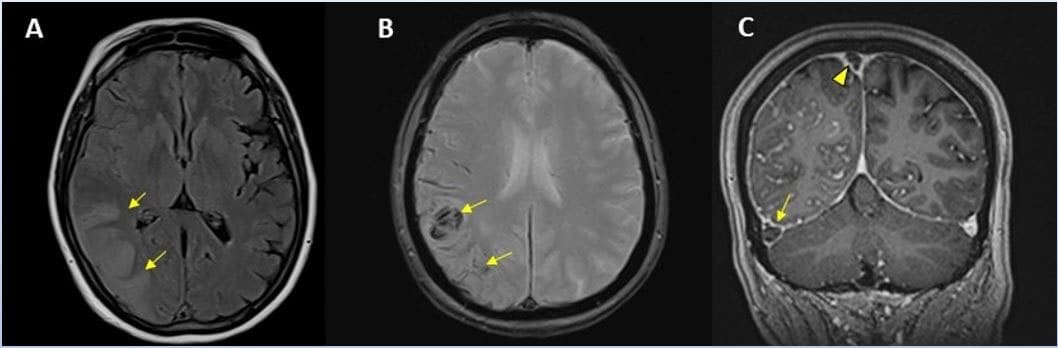
MR images of brain haemorrhage

The overall incidence of central nervous system complications in all patients was 1.2%, suggesting that just over one in 100 patients admitted to hospital with COVID-19 will likely have a brain complication of some sort. The most common complication seen was ischemic stroke, followed by intracranial haemorrhage and then encephalitis (brain inflammation).

“It is important to know an accurate incidence of all the major central nervous system complications,” says Faro. “There should probably be a low threshold to order brain imaging for patients with COVID-19.”

MRI reveals how alcohol exposure impacts the foetal brain

Consuming alcohol during pregnancy can lead to foetal alcohol spectrum disorders, a range of conditions that may result in physical, behavioural and learning problems. In the first MRI-based study of pre-natal alcohol exposure, researchers have used MRI to identify early changes in the brain structure of foetuses exposed to alcohol.

Pre-natal alcohol exposure

“There are many post-natal studies on infants exposed to alcohol,” says Gregor Kasprian from the Medical University of Vienna. “We wanted to see how early it’s possible to find changes in the foetal brain as a result of alcohol exposure.”

Kasprian and colleagues studied 500 pregnant women referred for foetal MRI. Anonymous questionnaires revealed that 51 of the women had consumed alcohol during their pregnancy. The team analysed a final group of 24 foetuses with pre-natal alcohol exposure and a control group of 52 gender- and age-matched foetuses without alcohol exposure. At the time of imaging, the gestational age was between 20 and 37 weeks.

The researchers employed advanced post-processing techniques to generate super-resolution brain MR images and performed semi-automated atlas-based segmentation of the resulting images.

Analysis of 12 different foetal brain structures revealed increased volumes in the corpus collosum, the main connection between the brain’s two hemispheres, and decreased volumes in the periventricular zone, compared with controls. They note that this is the first time that a pre-natal imaging study has quantified these early alcohol-associated changes.

“It appears that alcohol exposure during pregnancy puts the brain on a path of development that diverges from a normal trajectory,” says Kasprian. “Foetal MRI is a very powerful tool to characterize brain development not only in genetic conditions, but also acquired conditions that result from exposure to toxic agents.”

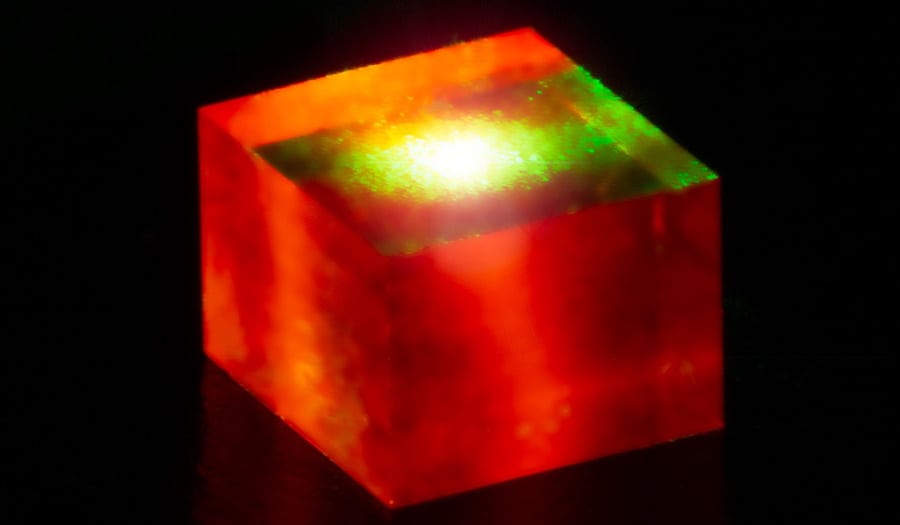
Synthetic diamond: material innovations open new frontiers in quantum metrology

Design, development and at-scale fabrication of “perfectly imperfect diamonds”, uniquely tailored for quantum metrology applications such as compact magnetometers, RF sensors, solid-state gyroscopes and room-temperature masers. That’s the mission for the quantum team at Element Six, which is applying its patents and know-how in chemical vapour deposition (CVD) to mass-produce quantum grades of single-crystal diamond containing deliberate and controlled levels of so-called nitrogen-vacancy (NV) spin centres.

Among the hundreds of different types of defects that can be found within the carbon lattice, the NV centre is especially interesting to scientists and technologists because it can be manipulated to provide an optical output that is sensitive to magnetic and radiofrequency signals at room temperature. This process, known as optically detected magnetic resonance (ODMR), is observed when measuring a change in fluorescence after shining green laser light on a single NV defect, or on an ensemble of them, in the presence of an applied microwave field – an interaction that provides the basis for a versatile solid-state platform with spin qubits that can be initialized and read out with long qubit lifetimes (up to seconds in certain circumstances).

Andrew Edmonds, a principal research scientist at Element Six, tells Physics World how the company’s DNV Series of synthetic diamond is being deployed by research and industrial end-users for a raft of emerging applications in quantum science and technology.

How does Element Six support wider commercialization efforts in quantum R&D?

I’ve been with Element Six for eight years and, along with my colleagues in the R&D and product development teams, work closely with academic and industrial customers to support a broad spectrum of quantum applications where synthetic diamond offers a unique value proposition. Collectively, our task is to transform early-stage applications into mainstream commercial opportunities.

Andrew Edmonds

In a sense, what the Element Six quantum team is trying to do is make the “perfectly imperfect diamond”. Put another way: a synthetic diamond that contains a specific type of defect – the NV centre – without creating other defects that will have a detrimental effect on the material’s aggregate physical properties.

Advanced materials science and leading-edge fabrication: these are the key elements underpinning the innovation behind our DNV Series.

Element Six has just released DNV B14, the latest addition to its DNV Series of quantum-grade diamond. In what ways will this new product benefit your academic and industrial customers?

The DNV Series is designed to provide material with engineered NV centres that can be readily integrated into an industrial quantum device or a research experiment. Our new material, DNV B14, uses a uniform distribution of NV spin centres in a small diamond chip (3x3x0.5 mm) that can generate a much larger fluorescence signal compared with DNV B1, the first commercial product we launched as part of the DNV Series. The difference is evident in the physical appearance of the two materials: the DNV B1 crystal is pink under natural light while DNV B14 is a vivid purple (due to its 10x increase in NV defect concentration).

As such, the new material gives scientists and engineers greater flexibility when designing a quantum sensing device around the diamond, with some applications benefiting from a higher concentration of NV spin centres (typically 4.5 parts-per-million in DNV B14) and others better suited to the lower NV concentration offered by DNV B1 (around 300 parts-per-billion). It’s worth emphasizing, though, that while synthetic diamond forms an integral part of the quantum sensing device, the broader instrument package around the diamond is just as important.

So DNV B14 complements DNV B1 rather than supersedes it?

Correct. As a specialist materials supplier, we make a point of working closely with all our customers to understand their technical requirements at a granular level, ensuring they get the synthetic diamond best suited to their needs. That could mean detecting or tracking a magnetic field that is oscillating significantly in a known way – for which DNV B1 might be the optimum fit – or measuring small-scale perturbations in the Earth’s largely static magnetic field versus changing geography or location – for which DNV B14 might be a better option.

Are there more classes of synthetic diamond planned within the DNV Series?

The DNV Series is work-in-progress and our R&D roadmap includes plans to develop other classes of materials, characterized by NV centres in different concentrations and/or geometries, to address existing and nascent quantum sensing applications. Our priority right now is to lower diamond’s adoption barrier and seed early-stage quantum applications by giving researchers and industry the specialist materials they need to maximize scientific impact and commercial success.

DNV Series diamond

Down the line, for example, it’s likely that users will require innovative variations on the DNV Series offering – perhaps thin layers of high-NV synthetic diamond on top of a really pure bulk diamond with minimal defects and impurities. Heterogeneous materials like this will open up new lines of scientific enquiry and enable users to build novel quantum devices – for example, imaging microscopes capable of mapping magnetic fields with unprecedented spatial resolution and nanoscale sensitivity.

Right now, what does the addressable market look like for the DNV Series?

We have a large number of university groups among our customer base – scientists doing the fundamental research on NV centres in quantum-grade diamond. At the same time, there’s growing engagement from industry, spanning across quantum technology start-ups – the likes of Qnami, SB Quantum and Quantum Diamond Technologies – as well as established, diversified instrumentation manufacturers like Bosch and Thales. The priority at Element Six is to get DNV Series diamond into the hands of the brightest researchers and engineers to deliver on the scientific and commercial promise of next-generation quantum sensing devices.

It seems there’s no shortage of applications for DNV Series diamond?

Our engineered diamond has already supported significant breakthroughs in quantum R&D. In 2018, for example, scientists at Imperial College London utilized our engineered single-crystal material in the world’s first continuous-wave, room-temperature solid-state maser (the microwave equivalent of a laser). Elsewhere, a team at the University of Warwick, UK, has demonstrated the world’s most sensitive fibre-coupled diamond magnetometer, an instrument that has the potential to be miniaturized for applications in healthcare diagnostics.

In the US, meanwhile, the aerospace and defence manufacturer Lockheed Martin has demonstrated a magnetometer built around quantum diamond to measure the direction and strength of nearly imperceptible anomalies in the Earth’s magnetic field. Ultimately, this sort of approach could yield an alternative to satellite-based GPS navigation systems – one that does not rely on external signals that can be jammed.

What are the main engineering and manufacturing challenges facing customers using DNV Series diamond for quantum sensing applications?

Quantum diamond underpins a whole new range of applications, many of which have no analogues in existing materials. Customers for this disruptive technology are academics and industrialists who are approaching the engineering and manufacturing challenges in different ways. The academic community, for its part, is focused on pushing the limits of what can be done, leading to paradigm shifts in technology performance.

Industry, on the other hand, is all about taking the current state-of-the-art and figuring out how best to package and integrate DNV Series diamond into quantum sensing platforms. Think reliability, robustness, manufacturability, scalability and cost/performance ratio. Given that context, one of the big advantages of DNV Series diamond is that it delivers a baseline of known and repeatable performance – though ultimately the final result also depends on the quality of the instrument users build around the diamond.

As a specialist materials company, how does Element Six secure its talent pipeline – in particular, the recruitment of PhD-level quantum physicists, materials scientists and device engineers?

Collaboration is embedded in Element Six’s DNA. It is the company’s long-term commitment to academia and industry that feeds our talent pipeline. This is perhaps even more true in the quantum space, where we can leverage our many long-standing collaborations with academic groups to recruit new talent, while also using that network to help our commercial customers speed up innovation and get devices to market faster.

Researchers use 3D printing to grow full-thickness skin in the lab

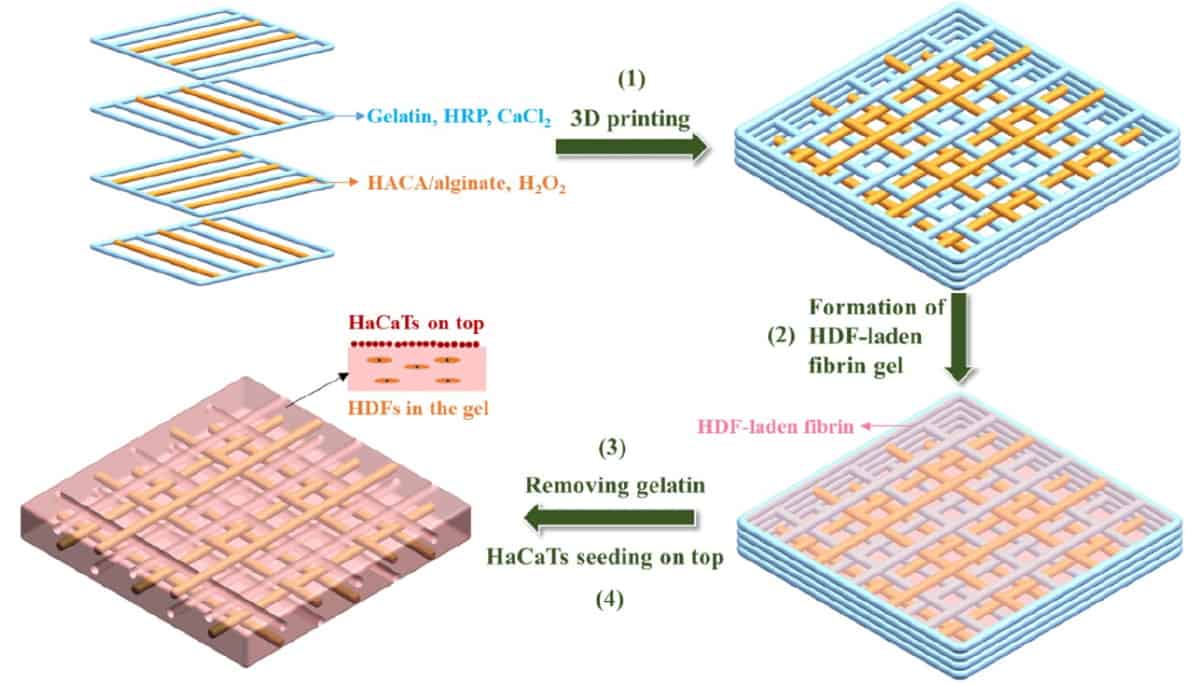
Fabrication of a double-layered skin model

Skin is the body’s first line of defence against toxins, radiation and harmful substances. It has at least six functions, regenerates itself approximately once each month, and consists of up to seven layers of tissue. It’s no wonder, then, that researchers and clinicians are interested in producing this remarkable organ in the lab so that it can be used to repair injuries caused by burns, surgery or disease.

While scientists can grow the epidermis, the outer layer of skin, in the lab, a major challenge for researchers today is growing functional, full thickness skin, which provides strength and flexibility and contains blood vessels. Researchers at the Intelligent Polymer Research Institute at the University of Wollongong in Australia are using 3D printing techniques to tackle this problem.

“There have been tremendous advances in biomaterials science and cell biology with respect to tissue engineering over the past two decades,” says Gordon Wallace, director of the Intelligent Polymer Research Institute. “Advances in 3D biofabrication enable us to converge knowledge in these two areas and to arrange existing materials in a way that dramatically enhances performance.”

Wallace is a senior author on a recent study applying 3D printing techniques to generate a skin-like structure that supports the growth of dermal fibroblasts found in the inner layers of skin. The study, published in the journal Biofabrication, presents a 3D printing platform that could be explored to engineer functional skin tissue.

Lab-grown skin

The researchers’ interest in skin regeneration is driven by collaborators at St. Vincent’s Hospital in Melbourne and at the Royal Perth Hospital and Western Australia Burns Service. Wallace attributes most of the work in the study to Ying Zhou, a highly talented PhD student who led the project.

“To facilitate regeneration of skin requires a 3D structure containing materials that can support development of appropriate cells through the provision of a composition and physical environment that promotes healing,” Wallace explains. “It was Ying’s insights and technical ability that brought this all to fruition.”

The team used a custom-designed ink for 3D printing the skin-like structures. Developed by the group last year, the ink is composed of catechol-hyaluronic acid (HACA), a polymer used in biological, stem cell and tissue engineering settings, and alginate, a compound found in the cell walls of brown algae that’s used in a variety of pharmaceuticals.

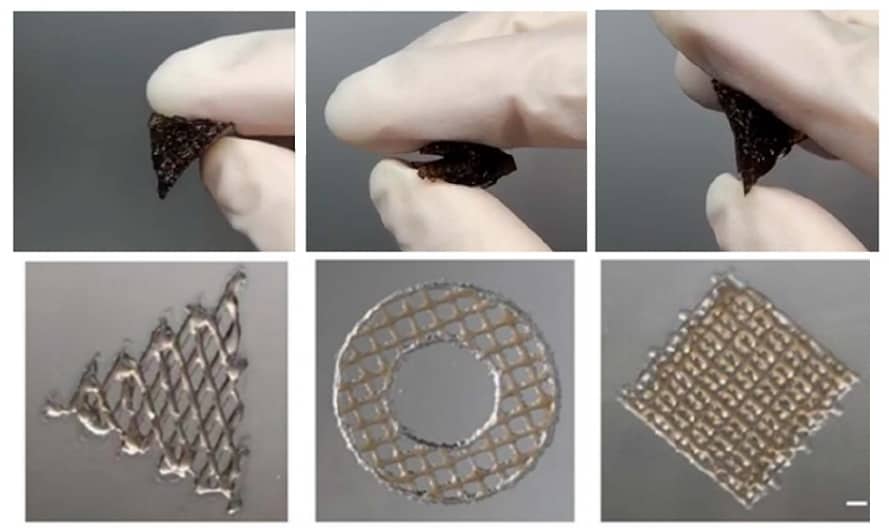
The HACA–alginate ink provides structural support with specific attributes while providing a balance between mechanical properties and cytocompatibility (it is not harmful to cells). The resulting printed hydrogel skin scaffold, verified using nuclear magnetic resonance and ultraviolent–visible spectroscopy, recovers after bending and has high elasticity and toughness.

“The importance of the elasticity is in providing an appropriate physical environment to facilitate cell proliferation, migration, reorganization and differentiation during the regeneration process,” says Zhilian Yue, another senior author on the Biofabrication study.

Flexible printed scaffolds

The multi-material scaffold, rather mimicking the elasticity of skin, encourages the development of tissue that can integrate with existing skin – the scaffold includes microchannels made from gelatin that can be used to mimic blood vessels and other vasculature and further facilitate cell growth – and that can be integrated with a cell-friendly matrix that promotes the growth of human dermal fibroblasts.

Introducing cells to scaffolds

With the skin-like scaffolds built, the researchers introduced the scaffolds to skin cells encapsulated in fibrin gel. They validated the self-assembly of fibrinogen, a soluble protein that’s converted to fibrin at wound sites in the presence of clotting enzymes, using scanning electron microscopy. The team’s initial analyses of the lab-grown skin also included measuring the thickness of the epidermal layer and analysing the differentiation of the epidermal layer and extracellular matrix deposition of the dermal layer using histology analyses and immunostaining.

“This work indicates that multicellular systems using skin as a model can be developed within a 3D structure comprised of commonly available biomaterial. These biomaterials work together to produce a tough and elastic hydrogel framework with built-in micro channels, to support cells in their specific environment as dictated by the targeted application,” Yue says.

Now, the researchers are working with their collaborators to determine the best way to deliver and use this multi-material skin regeneration platform in vivo, including tailoring its structure and composition to different types of injury.

Quantum physicist David Deutsch bags Isaac Newton Medal and Prize

The quantum physicist David Deutsch has won the 2021 Isaac Newton Medal and Prize for “founding the discipline named quantum computation and establishing quantum computation’s fundamental idea, now known as the ‘qubit’ or quantum bit”. Presented by the Institute of Physics (IOP), which publishes Physics World, the international award is given annually for “world-leading contributions to physics”.

Deutsch’s honour formed part of the IOP’s wider 2021 awards, which recognize everyone from early-career scientists and teachers to technicians and subject specialists. This year saw various changes to the IOP’s awards process, including self-nominations allowed for the first time and greater publicity to encourage a wider pool of applicants. Of those winners who chose to include data about their personal background, some 19% stem from a Black, Asian or minority ethnic group.

Born in Haifa, Israel, Deutsch studied physics at the University of Cambridge before doing a PhD at the University of Oxford. After several years at the University of Texas at Austin, he returned to Oxford, where he is currently based. Deutsch is also a founding member of the university’s Centre for Quantum Computation, which opened in 1998.

Deutsch has been awarded the Newton Medal and Prize thanks to his research in quantum theory. In 1985 Deutsch published his ground-breaking work that detailed the relationship between quantum theory and the universal quantum computer. Four years later he developed the theory of quantum computational gates and networks, which is today the basis of quantum-information science.

In the early 1990s Deutsch proved that a quantum computer would be able to solve problems that require exponentially more computational time on a classical computer due to its restricted modes of computation. His work opened the possibility that the properties of quantum mechanics could have tangible and useful applications in computing. Indeed, today there are several commercial quantum computers being developed by companies and governments worldwide.

The Isaac Newton Medal and Prize attracts an award of £1000 and is the only one of the IOP’s prizes that is open to physicists worldwide. Previous winners include Thomas Kibble, Deborah Jin and Ed Witten.“I am honoured and also very happy that the Institute of Physics recognizes the significance of quantum computation as a fundamental part of physics,” Deutsch told Physics World.

Rewarding excellence

The IOP has announced the winners of its other awards. Among them are Ian Chapman from the UK Atomic Energy Authority who receives the Richard Glazebrook Medal and Prize for outstanding leadership in fusion. “I’m honoured to receive this award on behalf of all the team at UKAEA,” says Chapman. “Realizing fusion energy is one of the biggest scientific and engineering grand challenges, but the rewards for success would be massive.”

Robert Crease from Stony Brook Univeristy in the US, meanwhile, receives the William Thomson, Lord Kelvin Medal and Prize for his 21 years writing Physics World’s Critical Point column, which describes key humanities concepts for scientists, and explains the significance of key scientific ideas for humanities scholars.

The annual IOP awards also recognize early-career scientists. Among them are Ying Lia Li from University College London, who receives the Clifford Paterson Medal and Prize for her work in quantum sensing as well as Rebecca Bowler from the University of Oxford who receives the Henry Moseley Medal and Prize for her research on the first galaxies in the universe.

“I warmly congratulate all of this year’s award winners. Each and every one of them has made a significant and positive impact in their profession, whether as a researcher, teacher, industrialist, technician or apprentice,” says IOP president Sheila Rowan. “Recent events have underlined the absolute necessity to encourage and reward our scientists and those who teach and encourage future generations. We rely on their dedication and innovation to improve many aspects of the lives of individuals and of our wider society.”

Sarah Bakewell, head of equality, diversity and inclusion at the IOP, says that nominations for next year’s award will be opening soon. “I urge you to have a chat with your teams or speak with your colleagues or even consider nominating yourself for our awards in the future,” adds Bakewell.

The full list of 2021 award winners is available here.

Could a conventional chair be a quantum measuring device?

There is no doubt that something extraordinary happens when a particle interacts with a quantum measuring device (QMD). The venerable “Copenhagen interpretation” says that measurements lead to the probabilistic collapse of the particle’s wavefunction, which, until that point, evolves deterministically according to the Schrödinger equation. But the question of how (or whether) collapses occur cannot be answered within the Copenhagen framework. This is known as the quantum measurement problem, and is the main reason for the enduring interest in “non-Copenhagen interpretations”, ranging from Hugh Everett’s many-worlds theory and hidden-variable explanations like De Broglie–Bohm’s pilot wave, to decoherence, dynamical reduction and quantum-trajectory models.

I had discussed all this many times with my good friend Bob, an amateur science buff. So, when Bob asked me one day: “what’s all the fuss about the measurement problem?” after he had read yet another article on the subject in the popular press, I braced myself. “You physicists like to talk a lot about it, but never explain what a single-particle detector is,” he said, smirking. Unsurprisingly, Bob was not satisfied with my answer involving projection operators and random stuff I recalled from school. “Tell me,” he said, “what is it that distinguishes a measuring from a non-measuring object.” It was right there I realized that I did not have a good understanding of what defines a QMD. Worst of all, I could not even answer Bob’s next question about how a particle distinguishes a Geiger counter from a chair.

I realized I could not answer a question about how a particle distinguishes a Geiger counter from a chair

I did not sleep well that night. I dreamed I was sitting on a huge chair in outer space while being pursued by a neutron. Preparing myself for an elastic collision and associated momentum exchange, I figured that, free of friction, the chair would experience a small change in its velocity that could nevertheless lead to a large modification of its position over a long period of time. I woke up wondering if this made the chair a QMD, and if the elastic interaction would collapse the neutron’s wavefunction. Early the next day, I was at the science library collecting every book I could find on particle detectors.

QMDs are macroscopic systems that can be prepared in non-thermal or thermodynamically unstable states, which are so close to a tipping point that an interaction with a single particle can lead to a massive change, visible to the bare eyes. As Bohr noted in his discussions with Einstein, measurements always involve an irreversible amplification, like an avalanche or chain reaction.

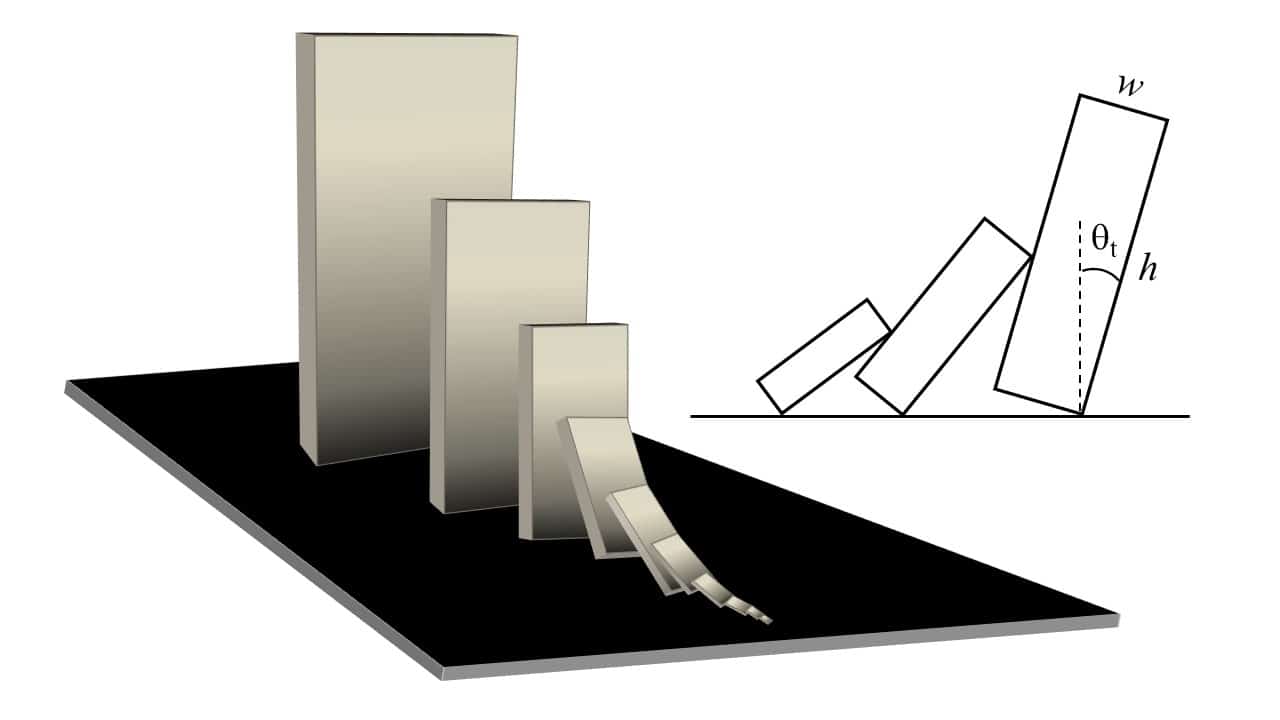
A classical-mechanics example of a chain reaction is the domino sequence pictured, where the distances between dominos and their dimensions grow at a fixed rate α > 1. If a domino can knock down its larger neighbour, falling leads to exponential amplification, since the energy released by the nth domino when it tumbles is a factor of α4(n-1) larger than for the smallest one. The process is irreversible as mechanical energy is dissipated by friction between the dominos. Moreover, if the constant width-to-height ratio is w/h << 1, the energy needed to topple a domino is a factor of (w/h)2 /2 smaller than its gravitational potential energy when standing. Hence, the energy required to initiate the avalanche can be exceedingly small.

But back to QMDs. A literature survey shows that they divide into two main classes, depending on whether the detector’s pointer is initially in a macroscopic state of charge separation or a thermodynamically metastable phase. In the former, a measurement induces a transfer of charge, while in the latter it triggers a phase (or compound) transformation.

The first charge-transfer device to be developed was the Geiger counter, which became a practical instrument in 1928, and is still widely used to detect ionizing radiation. In these devices, individual α, β and γ particles generate charge avalanches when they ionize atoms of an inert gas filling a Geiger–Müller tube. For a brief instant, the electrically insulating gas becomes a conductor and the resulting current pulse signals the detection of a particle. Other charge-transfer devices include photomultipliers, avalanche photodiodes and the silicon detectors used in high-energy experiments.

Phase-transformation QMDs, on the other hand, include photographic plates, which operate by a chain-like chemical reaction, as well as cloud and bubble chambers, developed respectively by Charles Wilson in 1911 and Donald Glaser in 1952. In these chambers, a particle leaves tracks by colliding with and ionizing molecules, which then become nucleation sites for a transformation from an unstable state into a stable one – from supersaturated vapour into liquid droplets in a cloud chamber, and from superheated liquid into gas bubbles in a bubble chamber.

Another example of a phase-transformation QMD is the superconducting-nanowire single-photon detector, first reported by Gregory Gol’tsman and co-workers in 2001. Its key component is a thin, meandering superconducting wire carrying a near-critical current that sets the material at the verge of switching into the normal, non-superconducting state. The phase transition can be triggered locally by the absorption of a single photon.

Armed with the knowledge that the principal trait of a QMD is that it allows a quantum object to generate a chain reaction and, therefore, that a conventional chair could not possibly be a QMD, I arranged to meet Bob for lunch one week after my long day at the library. Of all the things I told him, he was most interested that each measurement increases the entropy of the universe.

“Well done,” Bob said. “You solved the measurement problem.” As I stared in bewilderment, he continued. “If measurements are irreversible, it is abundantly clear that wavefunctions must collapse to prevent the occurrence of superpositions involving states of different entropy.” In what seemed to be a thinly veiled attempt to annoy me, he added, “You surely know that such superpositions violate superselection rules.” I did not know that, and I was very surprised that Bob knew about superselection rules. “By the way,” he said, as I was getting ready to leave, “do you think collapses happened before the 20th century, when detectors were invented?”

Quantum phase transition detected deep inside the Earth

Researchers have identified a quantum phase transition taking place in iron more than 1000 kilometres deep within the Earth’s mantle. This transition, known as a spin crossover, also occurs in nanomaterials used for recording information magnetically, meaning that the effect stretches from the macro- to the nanoscale.

Many of the physical processes that occur deep inside the Earth remain a mystery, especially those at depths of more than 660 km. This is because we only have access to seismic tomographic images of this region, explains Renata Wentzcovitch, a physicist at Columbia University in the US who studies materials under extreme conditions. To interpret these images, researchers need to calculate the seismic (acoustic) velocities in minerals at the pressures and temperatures that prevail in the Earth’s mantle. Such calculations can then be used to create 3D velocity maps and calculate the mineralogy and temperature of the regions being observed. In these maps, a phase transition such as a change in a mineral’s crystal structure usually produces a sharp velocity discontinuity.

Scientists have known for nearly two decades that a spin change occurs in an iron-rich mineral called ferropericlase (Fp), which is the second most abundant component of the Earth’s lower mantle. This change, or crossover, can occur when iron-bearing minerals are under pressure or exposed to high temperatures. During this process, the bulk modulus of Fp – a measure of its resistance to compression – drops as electrons in iron’s d-orbitals change from a high-spin to a low-spin state. The same spin transition is also exploited in magnetic recording applications, since the magnetic properties of materials just a few nanometres thick vary significantly when they are stretched or compressed.

Fp spin crossover signals deep within the Earth

Wentzcovitch and colleagues predicted in 2006 that the same effect effect should also occur in the Earth’s lower mantle, across a zone a thousand kilometres wide. Since then, her group and others have developed ways of modelling the spin crossover in Fp and another mineral, bridgmanite, which is the most abundant mineral in the Earth’s lower mantle. Using ab initio calculations based on density functional theory, they predicted the properties of these minerals during this quantum phase transition.

In the latest study, which is published in Nature Communications, the team identified Fp spin crossover signals deep within the Earth’s lower mantle (in the ~1400–2000 km depth range) by studying specific areas in regions where this mineral is expected to be abundant. They also identified similar signals below a depth of 1800 km.

Geophysicists have already used such results to simulate the effects of spin crossover on mantle convection. They have shown that spin crossover in iron can invigorate convection in the Earth’s mantle and speed up tectonic plate motion – meaning that this quantum phenomenon might possibly be linked to increases in the frequency of seismic events like earthquakes and volcanic eruptions.

The researchers are now developing more accurate simulation techniques to predict seismic velocities, particularly in regions rich in iron, at temperatures close to its melting point. The techniques developed in this and previous work can also be applied to materials such a multiferroics and ferroelectrics, in which electrons are strongly correlated, and to materials at high temperatures and pressures in general, they say.

New technique puts 3D quantum gases under the microscope

A team from the Institute for Laser Physics at the University of Hamburg, Germany has pioneered a new way of imaging quantum gases – collections of atoms only a fraction above absolute zero. Using a series of trapping and expansion techniques, the researchers magnify the spatial distribution of the atoms by up to a factor of 90, making it possible to measure the number of atoms, the correlations between them and the patterns they form with far greater precision than before. The technique could pave the way for exploring complex physics phenomena that were not previously accessible.

Using highly controlled laboratory experiments to simulate analogous quantum phenomena is one of the most prominent and promising paths to understanding complex quantum behaviour. These so-called quantum simulation experiments are particularly useful because they can exactly simulate the dynamics of, for example, condensed matter systems where numerical or theoretical methods fail.

Quantum gases in optical lattices make excellent quantum simulator candidates because they can be controlled and manipulated with high precision. Optical lattices are created by overlapping a series of laser beams to produce a periodic, egg-carton-like pattern of dips in potential energy, enabling atoms in the gas to be trapped at each dip or “site” (see figure for a visualization of the atoms in an optical lattice).

A side view and an end view of 1D quantum gases in a 2D optical lattice

To exploit the favourable properties of these quantum simulators, one needs to accurately image each site at small length scales. In 2D quantum gas simulators, where each site is typically occupied by a single atom, well-established microscopy techniques already exist for imaging the system at a smaller scale by direct imaging with high optical resolution. However, current microscopy techniques for 2D systems fail for 3D systems due to, for example, many atoms occupying a single site. “Microscopy techniques are very important for insight into quantum many-body systems,” explains Christof Weitenberg, a junior group leader at the University of Hamburg, who led the study together with Klaus Sengstock. “We wanted to push current techniques further to both new regimes and to less technical complexity.”

Magnifying the matter-wave

To image an everyday object, one would use a glass lens to magnify its optical image, exploiting the wave properties of light. To image their 3D quantum gas, the Hamburg group instead harness the wave-like nature of the gas itself and use a so-called matter-wave lens as a magnifier. This lens is not a physical lens made from glass; instead, it is a series of techniques designed to manipulate the gas’s shape.

Initially, the 3D quantum gas is tightly trapped in an optical lattice with sites spaced less than a micrometre apart, making the structures too small to be imaged directly. By changing the shape of the trap for a fixed time and then turning off the trap completely to let the gas expand freely, the researchers cause the gas to evolve through a series of geometries such that it returns to its original shape, but with a significant magnification. They can then make precise measurements, even resolving the small atomic motion inside the lattice sites. “This is particularly exciting because we demonstrate that the technique works for 3D systems with several atoms per lattice site; conditions where, up to this moment, high-resolution imaging was not possible,” says Luca Asteria, a PhD student at the University of Hamburg and the study’s first author.

To benchmark their imaging technique, Asteria and colleagues measured the thermodynamic properties of the quantum gas to demonstrate its transition to a Bose-Einstein condensate, a state of mater in which all atoms behave as one “super-atom”. This transition can be characterized by measuring atom numbers across the lattice and thus made an ideal test.

Exploring novel and unexplored regimes

Now that the imaging technique has been established and shown to precisely image 3D quantum gases, the researchers are keen to investigate new regimes of quantum many-body dynamics in complex lattice geometries. “We are currently exploring the physics in 3D systems on the single-site scale,” Weitenberg says. “We have already found intriguing phenomena, such as an emerging density wave upon applying a strong tilt to the lattice.”

In future experiments, the team plans to study topological states, in which atoms at the edge of the 3D system behave differently from atoms within its bulk. These states have been proposed theoretically but have not yet been observed experimentally in these systems. The team believe its methods could be extended to single-atom sensitivity, which would allow for deep insights into strongly interacting quantum systems.

The research is published in Nature.

Electromagnets could help clean up space junk

Researchers at the University of Utah in the US have used a set of electromagnets to move non-magnetic objects remotely – a technique they say could come in useful for cleaning up debris in space, where objects in low-Earth orbit are becoming an increasingly serious hazard.

In May 2021, NASA reported that the US Department of Defense was tracking more than 27,000 pieces of space debris in Earth orbit. This number does not include objects that are too small to track, and the number of trackable objects increased significantly in mid-November after a Russian anti-satellite missile test turned a defunct Soviet-era satellite into a debris cloud. Because these objects tumble and travel at speeds of up to 17,500 mph, they could cause serious damage to satellites or spacecraft if they collide with them. Such collisions also create fresh debris, potentially leading to a chain reaction known as Kessler syndrome.

Non-contact technique

Because most of these objects are made from non-magnetic aluminium, removal mechanisms that rely on magnets are generally not effective at “grabbing” them. The new non-contact technique developed by Jake Abbott and colleagues, however, can be used to manipulate any electrically conductive object. It works using magnetic induction, in which a fast-changing (rotating) magnetic field induces an electrical current that forms circular loops known as eddy currents in the conductor. These loops in turn produce their own, secondary magnetic field, thereby turning the conductive object into an electromagnet that exerts magnetic forces on the source of the original magnetic field.

If this field is produced by a moving or rotating magnet, the induced force opposes the original motion and slows the magnet’s motion. This “drag” effect is already exploited as a braking system for some trains as well as in industrial motors and magnetic propulsion systems for roller-coasters, among other applications. Indeed, scientists have been making use of magnetic induction since the 1800s to wirelessly transmit energy between conductors across short distances for applications in electrical transformers, wireless smartphone charging and, of course, in induction pots and pans.

Abbott and colleagues tested their approach by grabbing and moving a copper sphere floating in a tub of water, mimicking the low-friction environment of space. They showed that their magnet was able not only to move the sphere around a square, but also to rotate it.

Capturing space debris

The researchers say the technique could be used to slow the tumbling motion of space debris in a safe way, and then to tow it to a lower orbit for disposal. The technique might also be used to stop a damaged satellite from spinning so that it could be repaired – something that isn’t possible at present, they add. And since it is non-contact, it could allow engineers to manipulate particularly fragile objects, too.

The Utah team says it is now planning to manipulate objects for which the researchers do not have a model in advance. “For this work, we will have to learn the model as we manipulate it, observing how the object moves due to its rotating magnetic fields,” Abbott tells Physics World.

The present work is detailed in Nature.

Oxygen-delivering nanodroplets enhance the efficacy of photodynamic therapy

Photodynamic therapy (PDT) is an emerging cancer treatment that utilizes the photochemical interactions between light, light-sensitive drugs (photosensitizers) and oxygen to destroy tumours. The photosensitizer molecules are deposited in the tumour and then activated using an external light source. Once activated, the photosensitizer interacts with oxygen molecules to create reactive singlet oxygen that kills abnormal cells.

Although PDT has proved highly effective at treating several types of malignant tumours, the treatment efficacy is largely impacted by the tumour microenvironment. For hypoxic tumours, which exhibit a lack of oxygen, the PDT process can be ineffective, as the production of cytotoxic reactive oxygen species requires the presence of molecular oxygen to interact with the photosensitizer. As a result, hypoxic tumours can prove resistant to PDT.

To address this obstacle, a team of US researchers has developed novel theranostic perfluorocarbon nanodroplets that act as carriers for oxygen, photosensitizer molecules and indocyanine green (ICG), enabling light-triggered delivery of oxygen to the tumours. The researchers publish their findings in Photoacoustics.

Nanodroplet formulation

First author Marvin Xavierselvan and senior author Srivalleesha Mallidi, from the iBIT Lab and department of biomedical engineering at Tufts University, alongside the team at NanoHybrids, constructed the triple-agent nanodroplets with the aim of enhancing PDT in hypoxic tumours.

The group fabricated nanodroplets containing perfluoropentane (PFP), which has high oxygen solubility and carrying capacity, making it ideal for carrying oxygen. Additionally, previous research showed that the lifetime of singlet oxygen produced after activation of a photosensitizer is longer in PFP than in a cellular environment. Therefore, the researchers believe that PFP nanodroplets could be advantageous for localized delivery of oxygen and photosensitizers.

The nanodroplets also offer the ability to monitor uptake and changes in tumour oxygen levels in real time. To achieve this, the group synthesized nanodroplets containing ICG, an optical diagnostic agent with an absorption peak in the near-infrared (NIR) region. ICG is commonly used as a photoacoustic contrast agent as it absorbs more light than biological tissue in the NIR and generates acoustic waves upon excitation. This signal can be detected by an ultrasound transducer and analysed to determine the level of oxygenation – thereby providing photoacoustic image-guidance.

Absorption of light by ICG can also generate heat, which vaporizes the PFP droplets, leading to localized delivery of the photosensitizer. For this study, the researchers incorporated a benzoporphyrin-derivative (BPD) photosensitizer with characteristic absorption at 690 nm within the nanodroplets.

Nanodroplet function

The researchers demonstrated the nanodroplets’ ability to deliver oxygen in a murine model of head-and-neck cancer. Photoacoustic imaging after injection of nanodroplets showed an overall increase in tumour oxygenation. They also quantified oxygenation within different regions of the tumour before and after nanodroplet administration. This showed that oxygen increase was specific to hypoxic tumour regions, whilst areas of high oxygenation maintained steady levels.

In addition to providing successful oxygen delivery, PFP nanodroplets containing ICG were able to enhance the tumour contrast in photoacoustic images, using an 800 nm light source. This contrast enhancement was also observed in ultrasound images post-nanodroplet administration.

To investigate the efficacy of PDT with oxygen-enriched nanodroplets, the researchers administered PFP, PFP-BPD and PFP-BPD-ICG nanodroplets to mice, with BPD-ICG ratios of 1:1 and 1:2. After irradiating the tumour with a 690 nm laser, they monitored the animals biweekly for up to 15 days.

As expected, no therapeutic response was observed for nanodroplets lacking both BPD and ICG, although a moderate response was observed for nanodroplets containing ICG. “Since ICG has weak absorption at 690 nm, ICG could have been minimally excited and produced a weak photothermal response at this wavelength,” claims Xavierselvan. The therapeutic response in animals receiving PFP-BPD-ICG outperformed that of a clinical photosensitizer, Visudyne, due to its greater singlet oxygen production ability.

Finally, the team note that using BPD-ICG with loading ratios of 1:2 did not produce a therapeutic response – confirming that a higher ICG concentration within the nanodroplets can reduce the therapeutic efficacy of BPD. BPD-ICG loading ratios of 1:1 displayed a significant improvement in treatment efficacy – with a similar outcome to using BPD alone. “When incorporating multiple theranostic agents in a single carrier, it is very important to optimize the loading concentrations of different agents to ensure optimal response,” Mallidi explains.

Future of nanodroplets for oxygen enhancement

The novel nanodroplets have clear benefits for enhancing PDT efficacy by targeting hypoxic tumour regions. “These nanodroplets are made entirely from biocompatible and clinically-approved materials that could potentially enable its transition to the clinic,” says Mallidi.

In the future, the researchers aim to utilize the photoacoustic contrast provided by the nanodroplets to personalize the PDT dose based on the photosensitizer uptake and oxygenation content. The team also envision utilizing these particles within other cancer treatments, such as radiotherapy, where oxygen is a key ingredient for improved efficacy.

Why weather apps disagree with each other, Einstein’s notes fetch millions, physicist and Subway founder dies age 90

There are thousands of weather apps to choose from and perhaps surprisingly, they can sometimes give different forecasts. In this video from The Guardian, Josh Toussaint-Strauss explores why different apps can give different predictions for sunshine or rain. Apparently there are myriad reasons, including which algorithms and observations are used and whether there is any human input to the forecasts.

“Without a doubt the most valuable Einstein manuscript ever to come to auction,” is how the auction house Christie’s described 54 pages of handwritten notes on relativity, which were sold for €11.6m (£9.7m) at auction in Paris this week. According to The Guardian, the notes were made by Einstein and colleague Michele Besso in 1913-14 and contain preparatory work for Einstein’s general theory of relativity – which was published in 1915.

The notes are concerned with the precession of the perihelion of Mercury’s orbit, which Einstein subsequently put forth as a test of general relativity. The manuscript contains several errors, which caused it to be abandoned. Instead of tossing it away, Besso saved it for posterity.

There is no standard career path for a physics graduate and people who do PhDs often stray far from academic life. Peter Buck did a PhD in physics at Columbia University with Nobel laureate Isidor Rabi and started out working in the nuclear industry. But in 1965 he lent a friend $1000 to open a sandwich shop, and this changed Buck’s life. What started out as Pete’s Super Submarines grew into the Subway chain, which today has more than 37,000 restaurants in over 100 countries worldwide.

Buck died on 18 November, age 90. In 2016, Forbes estimated that he was worth $1.6 bn, so I’m guessing that he had few regrets leaving physics for the world of fast food.


Copyright © 2026 by IOP Publishing Ltd and individual contributors