Burning back burnout

Burnout is a multi-faceted phenomenon, and everyone’s experience of it is different. Remarkably, though, these unique experiences often get boiled down to similar descriptors: “I feel exhausted,” “I don’t feel like it,” or “This feels impossible.” Among the millions of professionals across all fields who experience burnout each year, the common thread is that activities they once found empowering and energizing have become exhausting and taxing.

I define burnout as the crippling experience of discovering that one’s passions are turning into sources of stress. Like waves crashing on a shore, burnout gradually erodes one’s sense of purpose to the point where it becomes unrecognizable, leading to a loss of motivation, identity and belonging in the workplace. As someone who has both experienced burnout and witnessed it in others, I have often wondered whether it is an inevitable part of life, or a problem with a solution. My optimism and experiences incline me to the latter view, and during my journey from undergraduate physics and chemistry major to 3rd-year atomic physics PhD student, I have developed several strategies for handling burnout. These responses have been critical to my survival as Black physicist.

Mentorship networks

At my undergraduate institution, I had professors, colleagues, a church and friends, but I did not really have a dedicated advocate I could relate to, or anyone who showed a long-term, vested interest in my individual success. Although I made a strong connection with my mentor during a summer research internship at the University of Mississippi (part of the US National Science Foundation’s Research Experiences for Undergraduates programme), once the summer ended, she was hundreds of miles away and understandably had obligations to her more-permanent students.

In the final (senior) year of my undergraduate degree, I won an NSF Graduate Research Fellowship. Once the news got out, nearly all my physics professors approached me in earnest, saying “Wow! Congratulations! I didn’t even know you were thinking of applying for this!” But although I was doing well, I felt a chronic, exhausting uncertainty about my place in physics, and I didn’t really understand why.

It wasn’t until I entered graduate school that I became part of a dedicated mentorship network. My two research mentors; the Sloan Scholars programme (which provides professional mentoring for under-represented STEM graduate students); my head of department; and several other members of the Illinois physics community – as well as the students I mentor myself – all help me survive burnout. They never make me feel uneasy for requesting their time, seeking counsel from them, or unapologetically addressing the isolating position of being a Black physicist. My mentorship network has been an invaluable piece of my strategy for burning back burnout because it provides me with a sense of belonging in physics.

Outreach and recognition

The absence of mentorship during my undergraduate experience has motivated me to do physics outreach in the Black community. In my senior year, I organized the Waco Physics Student Initiative, or WPSI (WΨ), to introduce local high school students to physics as a research field, rather than just a class you take for a grade. Witnessing the fire for physics ignite in the young Black students after our presentations, demos and tutoring sessions rekindled my own fire. I was further rejuvenated when an all-Black team of students, each of whom I had gotten to know personally, won first place in my department’s annual Physics Bowl for local high school students.

While fostering interest in physics among younger community members is important, organizations and events that simply celebrate and openly recognize Black physicists have been essential in helping me survive burnout. During my first year of graduate school, I experienced the National Society of Black Physicists (NSBP) conference for the first time. It was my first time ever being in a room with so many Black scientists. Simply being around and engaging with other Black physicists, collectively celebrating our experiences, our accomplishments and our presence, reinforced my resolve to keep doing my best. My drive to do my part in preserving that room of Black scientists burns back my burnout and helps me thrive in physics.

Introspection

Over the course of my young adulthood, I have learned how valuable it is to take time getting to know myself and how important it is to continuously evaluate my strengths and weaknesses. During the 2019 APS Division of Atomic, Molecular, and Optical Physics (DAMOP) conference, for example, I was new to the field, and I was also the only Black physicist in nearly every room I was in. As my ears filled with unfamiliar phrases like “Feshbach resonance” and “Franck–Condon factor”, I started to lose my motivation and identity in physics.

To fight back, I listened out for terms I didn’t know and wrote them down phonetically in my notebook. As I heard similar terms more, I started to contextualize them. Slowly, I learned how to ask the right questions, the ones that would unlock meanings. I was learning how I learn, one word at a time, by relying on a method that felt natural to me.

This type of introspection is my greatest strategy for burning back burnout because it helps me remember my strengths when I doubt myself. My motto for learning physics is “when in doubt, write it out”. I journal about physics in ways that feel natural, from working out the details of a mathematical derivation for atomic interactions to writing a pedagogical narrative that compares the way atoms handle electrons to the way people handle money. Journaling helps keep my experience of physics light and enjoyable, even during stressful times.

As DAMOP progressed, so too did I. I became comfortable having conversations with speakers and attendees, and I continued to add to my growing library of new physics terms in my notebook, which I labelled Book 1. Two years later, I’m on Book 9 of my physics journey, and my strategies for burning back burnout are the tools that will keep me going, filling more books with my knowledge and sharing what I’ve learned.

99 maps visualizing human impacts on the planet

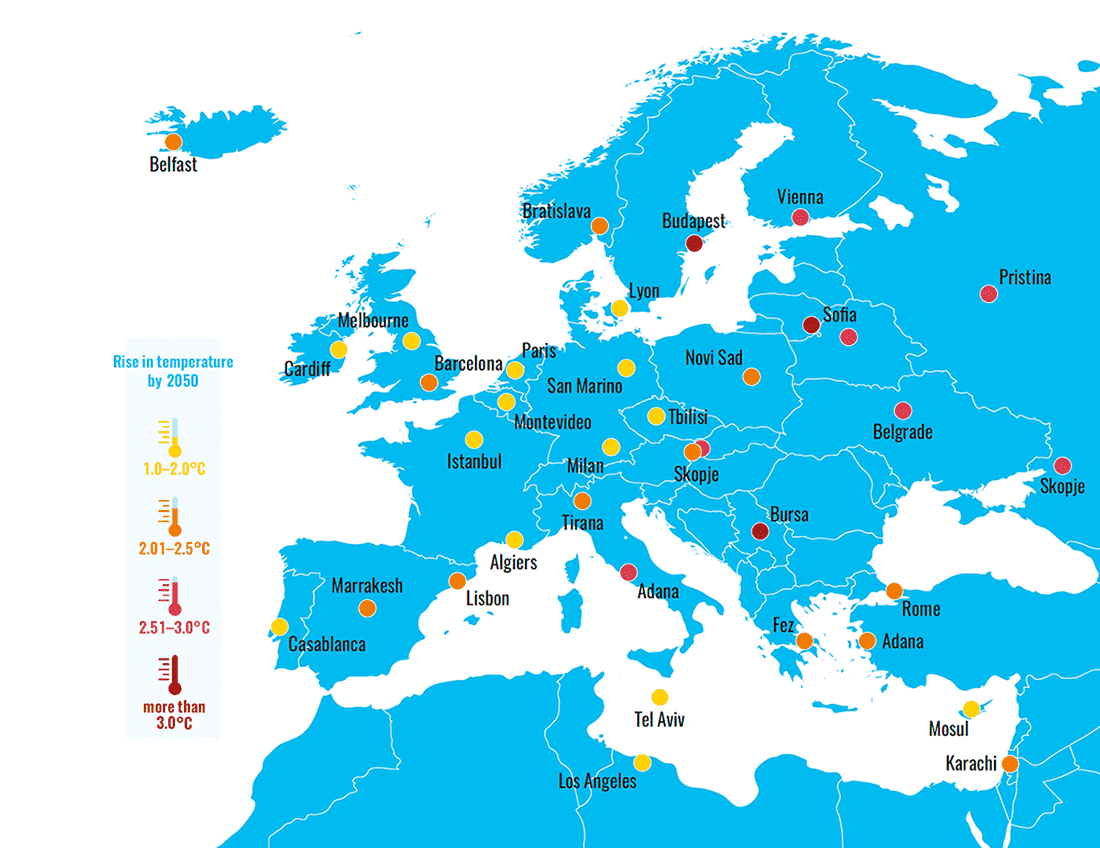
Illustration of Europe showing major cities and temperature rise

A few years ago, a friend introduced me to the idea that it’s possible to be shocked but not surprised. This is how I often felt as I flicked through the pages of 99 Maps to Save the Planet, a book that visualizes human impacts on the environment.

Put together by KATAPULT – a German magazine that creates insightful infographics on various social issues – the book has an introduction by conservationist and TV presenter Chris Packham. He makes the point that being bombarded with too much complex information can sometimes leave us confused and floundering. “There is no struggle to grasp the facts displayed so lucidly here,” he says, “no excuse to ignore them.”

While some of the ideas depicted will be familiar to most readers, such as Earth overshoot day, many of the infographics represent information in new ways that are freshly eye-opening for me. For example, in one map cities are labelled not with their own names, but the names of other cities whose current climates they will experience at various degrees of warming. At a temperature rise of 2.01–2.5 °C, London is projected to feel like Barcelona does now. Troublingly, some cities’ future climates cannot be compared with any existing ones.

There is occasional humour throughout, and some pages feel tongue-in-cheek. One, for instance, shows a map of “where people drive SUVs” in blue and “where people need to drive SUVs” in black. The map is, of course, 100% blue, with the exception of groups of islands coloured in red. The key indicates that these are islands that will soon be submerged by the sea.

The book has some positive pictures too, such as one showing the dramatic global reduction in consumption of substances that damage the ozone layer as a result of the Montreal Protocol that was implemented in the 1980s. But this just leaves me wondering why climate change hasn’t been treated with similar urgency. I hope that the shocking information in this book helps to spur some action, even if it comes without the surprise.

  • 2021 Bodley Head £16.99hb 208pp

Humidity controls frost pattern formation

Frost forms different patterns as it spreads across a surface depending upon the level of humidity, a novel imaging technique has revealed. These patterns range from complete surface coverage to fractal geometries.

Lukas Hauer, at the Max Planck Institute for Polymer Research in Germany, and his colleagues grew the frost on a microstructured surface covered in an array of micropillars spaced 30 µm apart. While this doesn’t replicate the types of surfaces that frost grows on naturally, it allowed the researchers to control the distribution of water droplets at the start of experiments. And condensation does tend to form in a pattern.

“When you have condensation on a surface, little droplets form on the surface and these droplets are usually separated by a certain distance and this distance is actually an average value. This is basically a property of the wettability of the surface,” explains Hauer. “So even if you have a smooth surface that is not microstructured, you will still see that droplets forming on the surface are separated by a characteristic distance.”

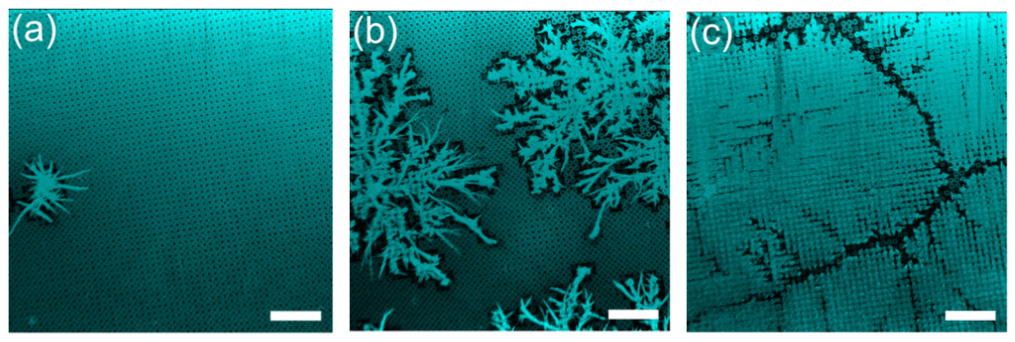
To see how frost changed with humidity, the researchers cooled the surface to −30°C and placed it in a sealed chamber. They then introduced nitrogen gas with a water vapour content of 14%, 24% or 34%. To observe the frost patterns, they used laser-induced fluorescence microscopy. The microstructure surface was infiltrated with silicon oil dyed with a fluorescent powder, which helped visualize the frost patches by increasing surface contrast.

This is the first time that this technique has been used for imaging frost and the researchers say that it allowed them to visualize frost formation in a more accurate and detailed way.

After the gas is introduced to the chamber, supercooled droplets condense on the micropillar tops, before randomly starting to freeze. These become frost nucleation sites, with frost patches growing out from them facilitated by water vapour. At the lowest humidity level (14%), most of the droplets evaporated quickly. This meant that few froze and those that did were unable to link with other droplets. Instead, they formed small spiky frost patches as droplets of water vapour froze to them.

At the highest humidity level of 34%, frost covered the surface. Evaporation was slower and almost all the droplets formed nucleated frost patches and ended up connecting to each other. Growing frost patches did halt as they approached each other, however, creating a small ditch that separated them.

Frost formation at varying relative humidity

Intermediate humidity (24%) produced an intermediate level of evaporation. Frost patches spread out and connected with neighbouring liquid droplets, growing larger than in the low-humidity environment. But this did not always happen, as some droplets evaporated before the frost bridges could reach them. This led to a branching pattern with a fractal geometry. “It is a less dense frost; with the humidity, the density of the frost changes,” explains Doris Vollmer, also at the Max Planck Institute.

Hauer tells Physics World that the rate of evaporation is linked to the initial size of the water droplets. In less humid environments, small water droplets condensate on the micropillars and evaporate quickly.

The researchers also found that the number and size of frost patches can be tuned by surface temperature. At −25°C, with a relative humidity at 28%, a few large frost patches formed. When the temperature was reduced to −35°C, more but smaller frost patches formed, and at −45°C, the droplets all froze straight after condensation, creating almost as many frost patches as micropillars.

Vollmer tells Physics World that improving our theoretical understanding of frost formation could help us reduce frosting and associated damage. She explains that understanding how humidity and temperature interact could allow us to develop different techniques for different parts of the world and different times of the year, which are linked to local environmental conditions, such as different anti-frosting surfaces.

“But it is difficult, because it is much, much more difficult to prevent frost formation than it to describe frost formation,” Vollmer says.

The researchers report their findings in Physical Review E.

Welcome to #BlackInPhysics week 2021

In October 2020 Physics World took part in the first ever #BlackInPhysics week, an event dedicated to celebrating Black physicists and revealing a more complete picture of what physicists look like.

This year’s #BlackInPhysics week runs on 24–30 October 2021 – and we’re delighted to be involved once again. In partnership with the organizers of #BlackInPhysics week, we’ll be co-publishing with Physics Today a series of five essays by Black physicists at different stages of their careers.

The focus of the essays will be on burnout in physics: how the problem manifests itself, how researchers can deal with it and (ideally) avoid burnout in the first place.

First up is Garrett Williams, a PhD student at the University of Illinois in the US, who is finding ways of using laser-cooled atoms as qubits for quantum computing.

Speaking to Margaret Harris on the latest episode of the Physics World Weekly podcast, Williams defines burnout as “a crippling experience where your passion starts to turn into sources of stress”.

In his case, it arose because Williams originally started his university career studying chemistry and, once in grad school, had to grapple with new, tricky and difficult concepts.

It didn’t help that at conferences he’d often be the only Black physicist in the room, with no role models or mentors to look up to. “It was very stressful for me and I started to question my place in physics,” Williams recalls.

I want to dispel the belief that physics is something that only certain people can do.

Garrett Williams, University of Illinois

Check out the podcast and Williams’ essay, which will be published later today, to discover his strategy for dealing with burnout. One tactic is keeping a journal to remind himself of what he’s good at.

Another is to do lots of outreach work, thereby helping the wider community too. “I want to dispel the belief that physics is something that only certain people can do,” he says. “Physics is universally hard, but it’s rewarding because it’s hard.”

For the record, here’s a list of upcoming essays in #BlackInPhysics week 2021, which will be published simultaneously on both the Physics World and Physics Today websites.

Other events during #BlackInPhysics week 2021 include a three-minute thesis competition, a “self-care cooking class”, a job fair, as well as webinars on avoiding burnout as you become a grad student and as you seek to become a professional physicist.

You can see the full list of events here.

  • For more on #BlackInPhysics week, including all the essays by outstanding Black physicists, please visit the dedicated pages at Physics World and Physics Today.
Black-hole laser could have quantum computing applications

An electromagnetic analogue for a black hole laser – a system that could theoretically amplify Hawking radiation from the event horizon of a black hole and make it observable – has been proposed by Haruna Katayama of Hiroshima University in Japan. The idea follows on from demonstrations of analogues using Bose-Einstein condensates and has the potential to provide new insights into the relationship between quantum mechanics and gravity. If built, the device could even advance technologies such as quantum computing.

Hawking radiation is one of the few hypothetically observable predictions arising when the two great pillars of modern theoretical physics – general relativity and quantum mechanics – bump into each other. At the event horizon of a black hole, quantum mechanics predicts the creation of photon pairs. One of the photons, which has negative energy, disappears into the black hole. The other, which has positive energy, escapes into outer space. This effect would cause black holes to emit radiation, giving them a measurable temperature – which would be theoretically revolutionary as it would suggest they had internal degrees of freedom. Unfortunately, the temperatures of all known black holes would be lower than that of the cosmic microwave background. The radiation emitted would be masked by the radiation absorbed and be unobservable.

In 1981, however, William Unruh, of the University of British Columbia in Canada showed that several physical systems are mathematically identical to that which produces Hawking radiation and therefore the effect could be studied in the lab. Among these analogues are water waves, fibre-optic systems and Bose-Einstein condensates.

Disputed claims

“[These analogues are] not going to get to the heart of any question having to do with quantum gravity because that’s going beyond the regime one is exploring here,” explains theoretical physicist Miles Blencowe of Dartmouth College in the US; “but there are still important questions with Hawking’s calculation. In a way you can think of these analogues as like quantum simulators.” Groups working with different “analogue gravity” systems have competed to produce the first evidence of various predictions of  Hawking, and claims by one group have often been disputed by others.

In the new work, Katayama proposes that one of the most eye-catching predictions of Hawking’s theory, made in 1999 by Steven Corley of the University of Alberta in Canada and Ted Jacobsen of the University of Maryland in the US, could be tested in a superconducting electric circuit. The duo outlined the operation of a black hole laser that requires a black hole to have a “white hole” inside it. The inner horizon of this white hole reflects negative energy photons back towards the black hole horizon, where, unable to escape, they are reflected back. The energy of the photons grows ever more negative as it bounces between the horizons, causing the energy of the photons emitted into outer space to become ever more positive.

“It’s very unlikely that one of these could be realized in nature, but it is possible to generate these in analogues,” says Blencowe. Indeed, the first such black hole analogue was produced in 2016 in a Bose-Einstein condensate.

Entangled radiation

In this latest work, Katayama proposes using the Josephson effect, which allows a superconducting current to become quantized, to create a non-dispersive wavepacket called a soliton in a metamaterial resonator. The soliton itself behaves as a resonant cavity, with radiation in the soliton becoming quantum-mechanically entangled with radiation emitted from the soliton. This emitted radiation is the analogue of Hawking radiation.

“Unfortunately, at this stage we have not been able to make proposals that surpass other [analogue] systems with this system,” says Katayama. “However, the dynamic Casimir effect, which is the dynamic fluctuation of the vacuum, has been revealed based on the proposed superconducting quantum device, and the photon detection technology developed in this system is a great advantage that cannot be imitated by other systems. In addition, this system, which is based on nanotechnology, has good controllability. Therefore, by controlling the circuit parameters, it is possible to bring the black hole from the classical domain to the quantum domain, so it may allow us to study the quantum pair creation of black holes and white holes from a vacuum.”

Blencowe  agrees the system’s sensitivity could aid the search for Hawking radiation: “Systems very close to this have been realized: they’re very important as very sensitive detectors of microwave photons and they’re very important in superconducting quantum bits,” he says; “If the proposals are realized it would be a very clean demonstration of the Hawking effect – the signal is relatively large and you wouldn’t have to worry about the noise so much.” Moreover, he sees significant potential for technology transfer: “Quantum computing is all about generating entanglement as a resource, so entangled microwave photons generated through these kinds of systems could be very useful,” he suggests.

The research is described in Scientific Reports.

ASTRO convenes in-person conference for the cancer care community

The American Society for Radiation Oncology (ASTRO) will once again welcome delegates to its annual meeting, which is due to take place in Chicago, IL, on 24–27 October 2021. Thousands of oncologists, clinicians, researchers and healthcare professionals are expected to come together to share knowledge and experience, and to reconnect with colleagues and friends at an in-person event.

“The ASTRO Annual Meeting will be the first major medical conference held in Chicago since the start of the COVID-19 pandemic,” said ASTRO president Laura A Dawson. “We are working closely with the city of Chicago and local planners to ensure that safety protocols are in place to foster a healthy, safe and engaging learning experience for attendees.”

Those unable to attend in person can still access all the presentations through ASTRO Digital XP, a virtual meeting platform that includes live interactive sessions, recorded presentations and Q&A from the live meeting, plus additional original programming that will feature a keynote presentation as well as extra scientific sessions. All the content on Digital XP will be available to view until 30 November.

The theme for the meeting will be “Embracing change, advancing person-centred care”, with the Presidential Symposium focusing on how to exploit rapid advancements in the field to provide the best patient care in the most efficient ways. Around this theme, some 1500 scientific presentations highlighting new results from clinical trials and other research studies will be presented, alongside educational panels, keynote addresses and other special sessions.

More than 160 exhibitors will also make their way to Chicago’s McCormick Place to showcase their latest technologies for cancer care. Attendees will be able to network with industry partners, view product demonstrations, and ask questions about new products and trends on the horizon. Some of the latest innovations are highlighted below.

Motion phantom delivers end-to-end quality assurance

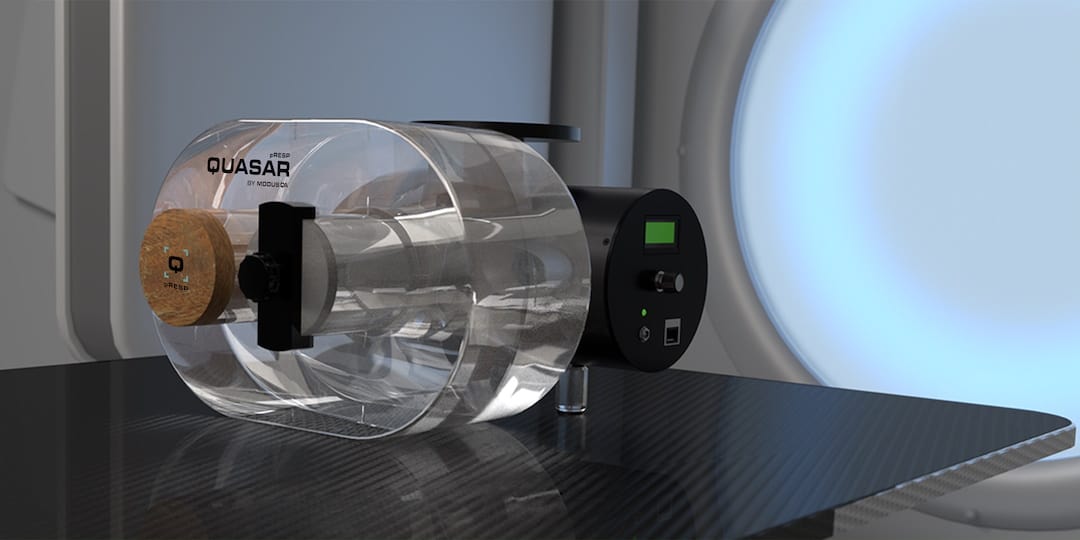
The QUASAR Respiratory Motion Phantom (pRESP) from Modus QA is a programmable breathing and tumour 3D motion simulator that enables end-to-end quality assurance (QA) on motion-guided radiation therapy systems such as CT, LINAC and PET.

The phantom makes it easy to adjust the motion frequency and amplitude in real time using a local manual control at the motor, while more complex patient-specific waveforms can be created, imported and played back with the advanced programmable motion software.

QUASAR Respiratory Motion Phantom

Versatile and interchangeable inserts are available for imaging, planning, targeting, dosimetry and delivery QA. The pRESP also features a vertical chest-wall surrogate that is compatible with various third-party tracking systems for motion-guided radiotherapy.

With more than 1100 units in use worldwide, Modus says that the QUASAR pRESP is a proven motion QA solution that has solidified its reputation as a trusted, efficient and cost-effective tool for respiratory motion management.

SRS phantom enables fast and accurate measurement of multiple lesions

The NavPhan phantom has been optimized for testing and commissioning systems for stereotactic radiosurgery (SRS) and the novel technique of single-isocentre multi-target (SIMT) SRS, which enables multiple lesions to be treated more rapidly. The phantom enables accurate end-to-end testing, QA for image-guided radiotherapy with six degrees-of-freedom, and patient-specific measurements in a single device. NavPhan is the first product to be launched by NavAxis, a medical device start-up specializing in radiation oncology QA.

The NavPhan phantom

NavPhan’s patented design allows the user to measure any distribution of targets directly using full composite delivery. The workflow allows accurate measurement of the dose for the smallest of targets, whether they are on- or off-axis. Since three targets are guaranteed to be measured per delivery, the system is three times more efficient during measurement than other planar devices.

The NavPhan can achieve a set-up accuracy of less than 0.2 mm and below 0.1° both in terms of dose plane extraction and during the measurement. Exactly aligning the measurement plane with the one extracted from the dose distribution eliminates a common source of error in small-field QA that can often require the measurements to be taken again.

Phantom offers end-to-end verification for stereotactic treatments

Stereotactic radiosurgery requires a high degree of accuracy in both target localization and dose delivery. Small errors can result in significant undertreatment of regions within the tumour volume, or overdose of nearby healthy tissues.

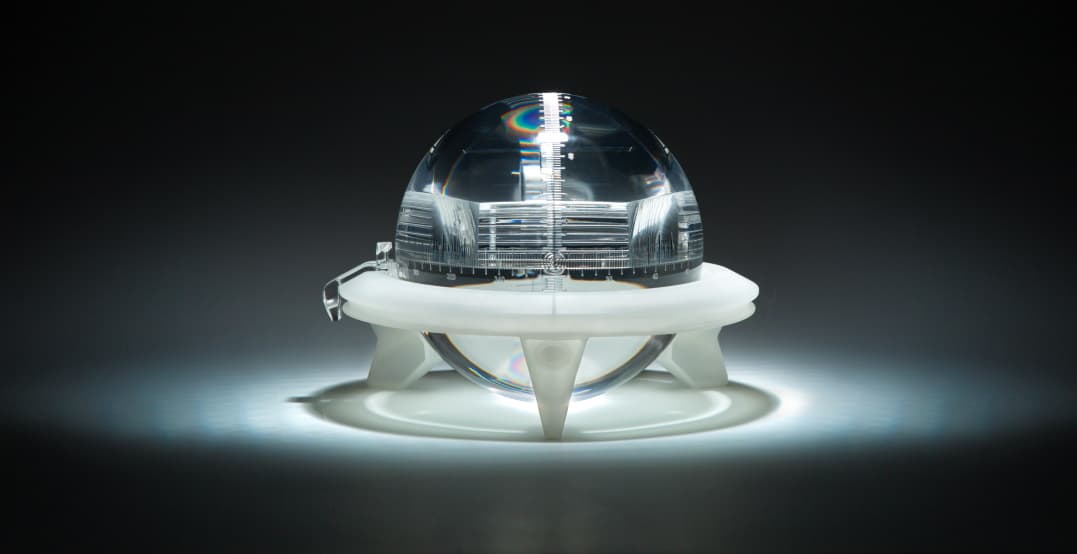
The Stereotactic End-to-End Verification Phantom (STEEV) from CIRS offers a way to check all the necessary steps of a treatment planning system – from diagnostic imaging with CT, MR and PET, to verification of the treatment plan. STEEV’s anthropomorphic exterior allows multiple positioning and fixation devices to be used, while internal details such as cortical and trabecular bone, brain, spinal cord, teeth, sinuses and trachea provide the most realistic clinical simulation for different anatomies.

The STEEV phantom

Geometric and organic target inserts offer comprehensive testing for different imaging modalities as well as machine QA and treatment planning. These include a variety of interchangeable tissue equivalent inserts that are suitable for small-field dosimetry, enabling dose measurements at both isocentre and off-isocentre positions.

Sun Nuclear highlights integrated and independent QA solutions

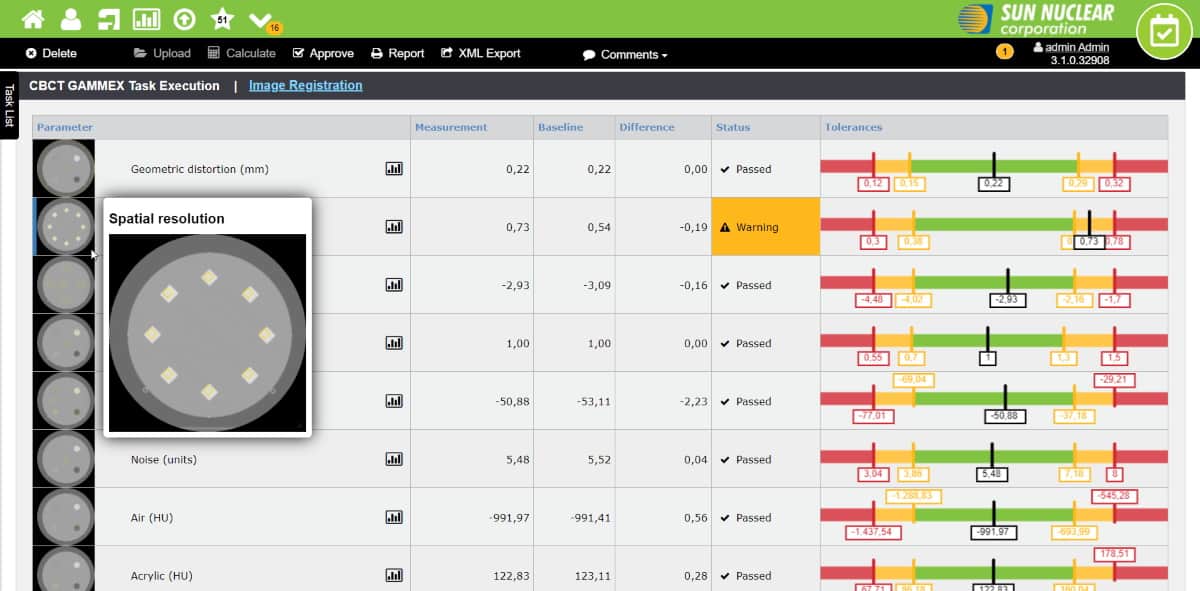
With the ever-increasing demands on the resources available for radiation therapy, both independence and integration are needed for effective quality management. During ASTRO’s Annual Meeting, Sun Nuclear will feature its leading quality management solutions in exhibitor booth #1029, with daily demonstrations and in-booth talks from clinical users.

Talks on automated workflows will discuss the use of SunCHECK – a single scalable platform for standardizing, integrating and automating both machine and patient QA. These include:

  • Comparison of Vendor-Dependent versus Commercially-Available, Independent Linac Quality Assurance (QA) featuring SunCHECK Machine  Presenter: Cassandra Stambaugh, Tufts Medical Center, Boston, US  
  • Automating and Standardizing QA Workflows with SunCHECK Platform  Presenter: Mark Geurts, Aspirus Health, Wausau, US
SunCHECK platform

Another presentation will offer an insight into building a strong end-to-end stereotactic programme using SRS MapCHECK, Sun Nuclear’s film-less array for patient QA.

  • Single Isocenter Multi-met SRS: Planning, Delivery and QA  Presenter: Justin Roper, Winship Cancer Institute of Emory University, Atlanta, US

SRS MapCHECK now includes CyberKnife machine QA, making it the only device that offers both machine QA and patient QA on a CyberKnife.

To learn about these solutions and more, visit sunnuclear.com.

Digital QA solution by IBA Dosimetry delivers speed and film-class resolution for stereotactic treatments

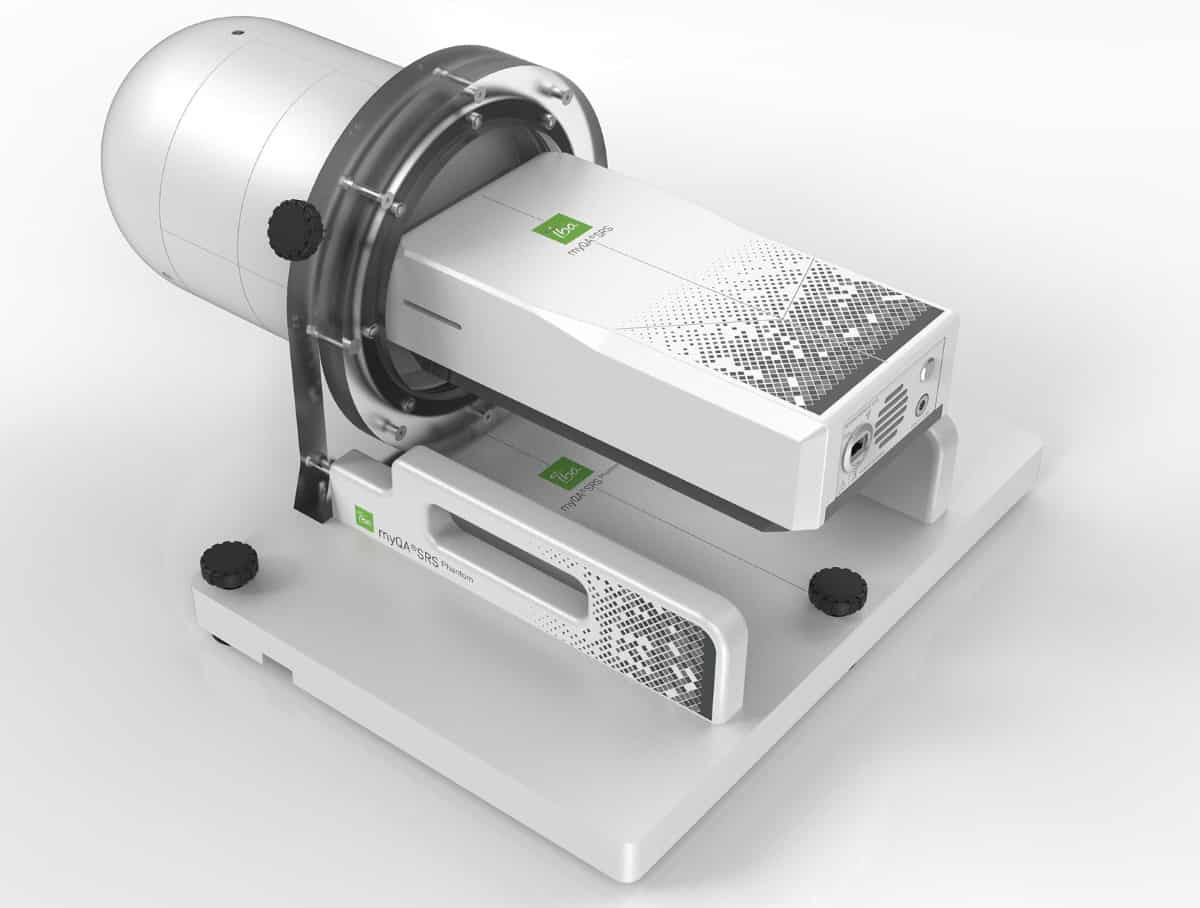
IBA Dosimetry will be showcasing its fully digital solution for high-resolution QA for both stereotactic radiosurgery (SRS) and stereotactic body radiation therapy (SBRT). The myQA SRS system features a digital detector array for faster QA, and also achieves a film-class resolution of 0.4 mm. With an active detector area measuring 12×14 cm2, the solution offers more than 100,000 measurement pixels to avoid the need for interpolation.

“The digital detector QA workflow with myQA SRS is 106 times faster and easier compared to using film,” comments Yun Yang of Rhode Island Hospital, who has tested the solution in a clinical setting. “The film-equivalent resolution for our QA measurements is the basis for better and more meaningful SRS patient plan verification with a high sensitivity and specificity to detect the real dose errors.” Yang presented his results in a poster during the AAPM 2021 Annual Meeting, as well as in a webinar that is available on the IBA Dosimetry website.

The myQA SRS solution

IBA Dosimetry will also be introducing myQA iON, a software environment that combines all patient QA tasks and workflow steps in a single interface. The software allows irradiation log files and dose measurements to be used alongside Monte Carlo prediction techniques, allowing the dose profile to be recalculated with fewer measurements and greater accuracy.

Magic smartphone trees: technology for a circular economy

“How incredible would it be if a smartphone could be grown like an apple on a tree?” So ask physicist Chris Forman and science communicator Claire Asher in their new book Brave Green World: How Science Can Save Our Planet. As fantastical as it might sound, they are not just idly imagining such a scenario.

The question of how to build a circular economy inspired by nature’s systems is the focus of the book, and the possibility of a “biosmartphone” forms a case study. Sections at the end of each chapter speculate on how key features, from the touchscreen to the electronics, might be recreated in more sustainable ways that would lend themselves to manufacturing and recycling in a closed-loop system.

The authors draw on the full spectrum of fields within science and engineering to explore how current and future technologies could transform all aspects of production. One chapter looks at the potential of 3D and 4D printing to mimic how proteins are assembled in cells, and what we could learn from non-equilibrium physics to create organized systems of recycling at the smallest scale. Elsewhere, the book examines the precision control involved in synthetic biology and the possible role of artificial intelligence in designing products and processes to fit a circular system.

While at times the suggestions feel too futuristic, the book is illustrated throughout with existing examples of technologies discussed. The (immense) difficulty is in piecing them together to create an overarching structure, which the book concedes has “colossal technical challenges”. Nevertheless, it is an exciting and original contribution to the discussion around sustainability, and it certainly refreshes my appreciation for nature, which has evolved the incredibly complex, ordered and efficient systems that we wish to emulate.

  • 2021 MIT Press $29.95pb 256pp

Cosmic rays reveal Vikings lived in North America in 1021, meteorite narrowly misses sleeping person

In the 1960s the Norwegian archaeologist Anne Stine Ingstad along with her explorer husband Helge Ingstad discovered the remains of a Viking settlement at L’Anse aux Meadows, which is on the northern tip of Newfoundland in Canada. The Vikings appeared to have been there about 1000 years ago, shattering the idea that Christopher Columbus and crew were the first Europeans to arrive in North America in 1492.

Now, Margot Kuitems, Michael Dee and colleagues at the University of Groningen in the Netherlands, along with researchers in Canada, have used radioactive isotope techniques to put an extremely precise date on the Viking settlement. According to a paper published in Nature this week, Vikings were living in Newfoundland in 1021 – exactly 1000 years ago.

The team could give such a precise date because of a fortuitous cosmic ray shower that is known to have occurred in 993. This event boosted the amount of radioactive carbon-14 in the environment – and some of that carbon was taken up by trees worldwide. This provides archaeologists with a distinct marker in the rings of ancient trees, signifying that the tree was growing in 993. By counting how many subsequent rings are present in a sample of wood, they can work out how many years passed from 993 to when the tree was cut down.

Wooden objects found at L’Anse aux Meadows had distinctive rings from 993, plus about 28 more – suggesting that they were made from wood that was cut in 1021. Writing in Nature, the team says, “Our new date lays down a marker for European cognisance of the Americas”. They add, “It also provides a definitive tie point for future research into the initial consequences of transatlantic activity, such as the transference of knowledge, and the potential exchange of genetic information, biota and pathologies”.

Rude awakening

Moving from the east coast of Canada to Golden, British Columbia in the west, where Ruth Hamilton had a shockingly close encounter with something from outer space. She awoke on 3 October to find a meteorite on the bed next to her. Hamilton told CBC News that she was woken by the sound of her dog barking, which was followed by an explosion of sound and debris as the space rock came through the ceiling and landed near her pillow – where her head had been seconds earlier.

Local construction workers reported seeing a bright flash in the sky at around the same time, leading physicist Peter Brown at Western University to conclude that the rock is probably a meteorite. Brown is now eagerly awaiting delivery of the object for further study.


Early stages of the COVID-19 pandemic penalized women in academia

Female academics submitted fewer papers than their male counterparts during the first wave of the COVID-19 pandemic. That is the main conclusion of a study by researchers in Europe, which found that while overall submissions increased by around a third in those early months of the pandemic, the productivity of female scientists was lower than expected. The authors warn that this could deepen gender inequalities in academia.

When the COVID-19 pandemic hit in early 2020, many researchers were forced to work at home, leading to a big increase in submissions of journal papers. However, home-working also created clashes between work and parental and other family responsibilities.

Men with many publications during the pandemic will have more citations and funding and with it increased reputation and prestige in the future

Flaminio Squazzoni

To see if lockdown disproportionately impacted female researchers, sociologist Flaminio Squazzoni of the University of Milan, Italy, and colleagues analysed article submissions to Elsevier’s 2329 journals from February to May in 2018, 2019 and 2020. The study covered more than five million authors, examining the number of academic papers each individual scientist submitted to journals during those time periods.

The researchers discovered that overall submissions to Elsevier journals between February and May 2020 were 30% higher than in the same period in 2019. However, women were found to have submitted fewer manuscripts than men across all academic fields. While women submitted more papers in early 2020 compared with previous years, the increase was much greater for male academics.

When the data were examined in more detail, this gender gap was found to be more pronounced for female academics early in their careers.

Squazzoni told Physics World that the most likely explanation for these differences is that women are more prone to be “on the front line of home schooling and parental care during the pandemic”. This is especially so for early-career scientists who are more likely to have children at home.

Uneven playing field

To see if the productivity differences were linked to lockdowns, the researchers compared researchers living under similar COVID restrictions. “We used Google mobility data to try to compare men and women submitting manuscripts in the same fields, living in the same countries, so exposed to the same lockdown measures,” says Squazzoni. The results indicate that as academics spent more time at home due to coronavirus restrictions there was a fall in manuscript submissions for women.

According to the authors, the results suggest that the early stages of the pandemic created cumulative advantages for men. Squazzoni says that not acknowledging and addressing this disparity will create inequalities that will persist and harm the progress of female academics.

“Men with many publications during the pandemic will have more citations and funding and with it increased reputation and prestige in the future,” Squazzoni says. “This is only because during the pandemic they were more likely to be able to work.”

Could the future of vaccines be syringe-free?

In the global fight against COVID-19, around 6.8 billion vaccine doses have been administered across the world, a figure that is likely to rise as more doses become available and with many countries now recommending booster jabs. As often in times of health crises, new medical technologies have emerged, driven by the sense of urgency and extra funding, that address difficulties of existing methods and could change healthcare paradigms for years to come.

During the COVID-19 crisis, we have witnessed the rise to prominence of messenger-RNA vaccines, which trigger immune reaction by directly teaching cells to produce subunit antigens, rather than by introducing weakened forms of the virus. This design makes them easier to design and manufacture than traditional vaccines.

But the pandemic also highlighted logistic and delivery hurdles. Indeed, many supply chain and delivery challenges have hindered mass vaccination against COVID-19, particularly in resource-limited countries: vaccines need to be stored in freezers, both during shipping and at delivery sites, and injected by trained healthcare professionals. This usually requires a visit to a clinic or a hospital, while those who fear needles may be offput by the traditional syringe-based vaccine delivery.

To address these challenges, two independent teams from the US and China set out to create patches composed of multiple microneedles, each smaller than a millimetre high, that can deliver vaccines into the skin. This technique can result in more antigen-presenting cells (the vaccine’s targets) than achieved via muscular injection. The teams report their findings in two separate articles, where they also highlight the technology’s potential for boosting immunity while reducing the volume of compound administered.

Customizing patches

In a study described in PNAS, researchers from the University of North Carolina and Stanford University in the US, led by Shaomin Tian and Joseph DeSimone, took advantage of continuous liquid interface production (CLIP) 3D printing to create vaccine patches with microneedles of different sizes and shapes. CLIP functions by triggering a photochemical reaction at the interface of a liquid resin, curing the resin into a solid state. It relies on a tuneable light sequence that meticulously manages the light–resin interaction.

Until now, 3D-printed patches could not offer such a high level of customization, resulting in bed-of-nails-like patches created through moulds. Repeated use of the moulds over time decreased the sharpness of the microneedles created, which eventually limited the vaccine efficiency.

“Our approach allows us to directly 3D print the microneedles, which gives us lots of design latitude for making the best microneedles from a performance and cost point-of-view,” Tian says.

The needle design chosen by the team is shaped like a fir tree, which increases its surface area and cargo loading (36% greater loading than a conventional pyramidal design). When compared with traditional subcutaneous injection, patches containing a common model antigen (ovalbumin) and the immunostimulator CpG induced an immune response 20 times higher after prime immunization, and 50 times higher after booster injection in mice.

The studies also highlighted the potential dose sparing ability of the patch, as the immune response elicited was the same with 10 times less ovalbumin (but the same level of CpG), or with five times less CpG (but the same level of ovalbumin).

The team of immunologists and chemical/biomedical engineers are continuing to innovate by formulating RNA vaccines, such as the Pfizer and Moderna COVID-19 vaccines, into microneedle patches for future testing.

No need for cold storage

In China, a team led by Guangjun Nie and Hai Wang from the National Center for Nanoscience and Technology and Hui Li from Dongfang Hospital in Beijing focused less on the needle design but specifically tackled the SARS-CoV-2 virus, in a study published in ACS Nano.

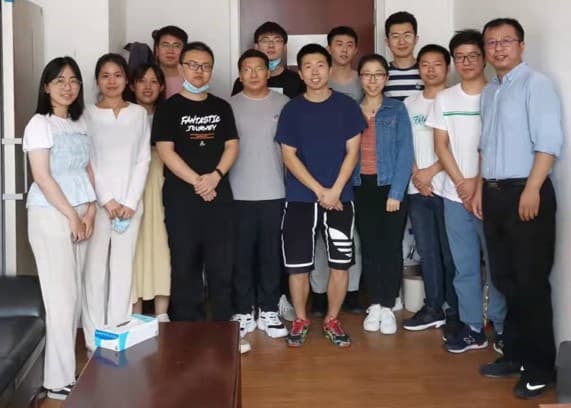
Hai Wang and his research group

The researchers designed a patch composed of 100 biodegradable microneedles, each less than one tenth the diameter of a bee’s stinger, mounted on top of a polyvinyl acetate backing layer and a layer of PNIPAM-B, a thermally responsive polymer. To release the needles’ cargo, it is important to separate the backing layer and leave the needles inside the epidermis.

The PNIPAM-B layer enables this release through an interesting property: it is hydrophobic at room temperature but becomes hydrophilic when its temperature falls below 14–16 °C. Using this property, the backing layer of the patch can be easily separated from skin by lowering the skin temperature through washing it for three minutes, leaving the microneedles in the skin.

The team tested the patch on mice, using a vaccine based on DNA sequences (which is more stable than an mRNA vaccine) encoding either the SARS-CoV-2 spike protein or nucleocapsid protein to the surface of non-toxic nanoparticles. The researchers observed a strong and potent adaptive immunity, both with freshly prepared patches and patches stored for two weeks at room temperature.

Interestingly, no decrease in immune response was noted between these two types of patches, showing promise for bypassing the need for cold storage in future vaccines. Additional experiments demonstrated that the DNA vaccines could even be stored at room temperature for at least one month.

If the COVID-19 pandemic showed how the next generation of vaccines may function, these studies give a glimpse of how they could be delivered. The future of vaccine could be syringe-free, which could facilitate its storage, transportation and administration while inducing higher immune response with lower doses.

Copyright © 2026 by IOP Publishing Ltd and individual contributors