Cold atmospheric plasma eradicates residual cancer cells

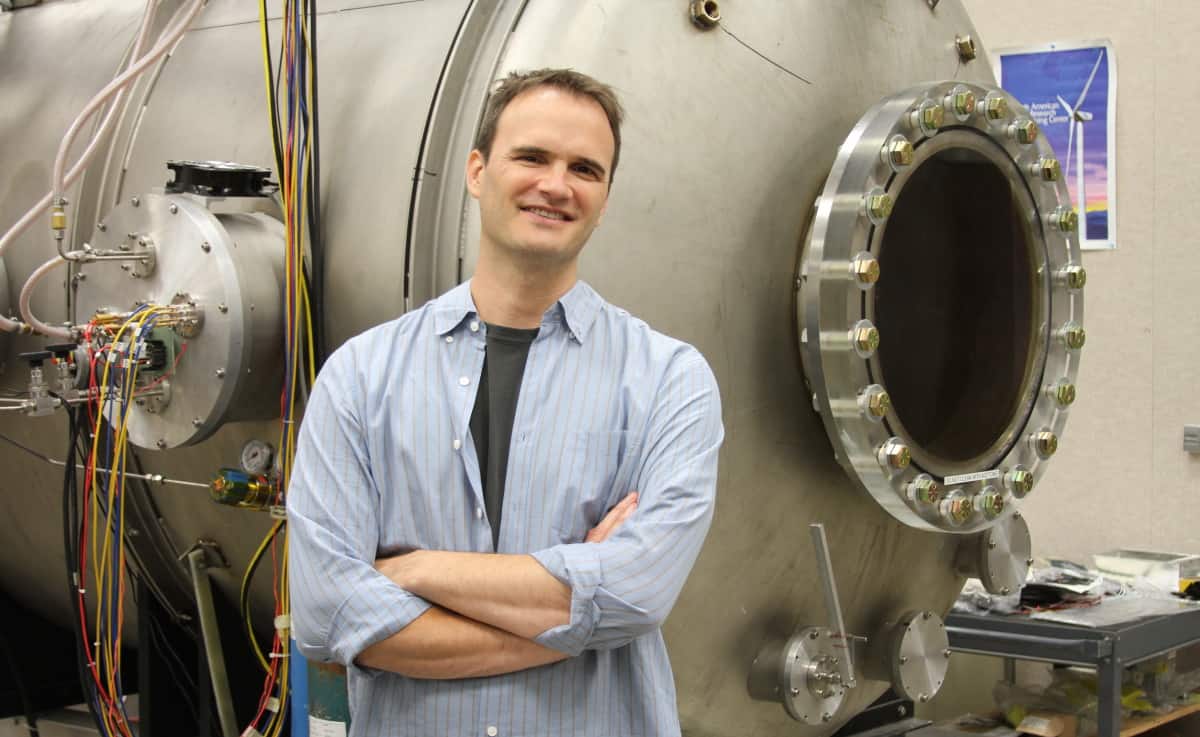
Richard Wirz

Chemotherapy and radiotherapy are standard treatments used after cancer surgery to destroy any residual tumour cells within the surgical cavity or circulating in the body. Such therapies, however, can be associated with adverse effects. Cold atmospheric plasma could provide an alternative anti-cancer tool and is under investigation as a potential postsurgical treatment.

A team at the University of California, Los Angeles (UCLA), working with researchers from China and Canada, has developed a portable, air-fed cold atmospheric plasma (aCAP) device for such applications. In a proof-of-concept study, described in Science Advances, the aCAP device inhibited tumour growth and improved survival in mice following cancer surgery.

One major advantage of the team’s aCAP device is that it uses ambient air as the source gas to generate the cold plasma discharge, in contrast to conventional CAP systems that require bulky pressurized gas supplies. It can also be powered by batteries. This greatly reduces cost and complexity, and increases the feasibility of use in the operating suite as well as remote locations throughout the world.

Low-energy lightning

Plasma, an ionized gas, is the primary state of matter in stars, and comprises over 99% of the visible universe. Plasma made from air consists of many reactive species, radicals, electrons and photons. Lightning, a visible form of plasma, is a naturally occurring electrostatic discharge between two electrically charged regions that produce a giant arc of electricity with gigajoule energy in the ambient air.
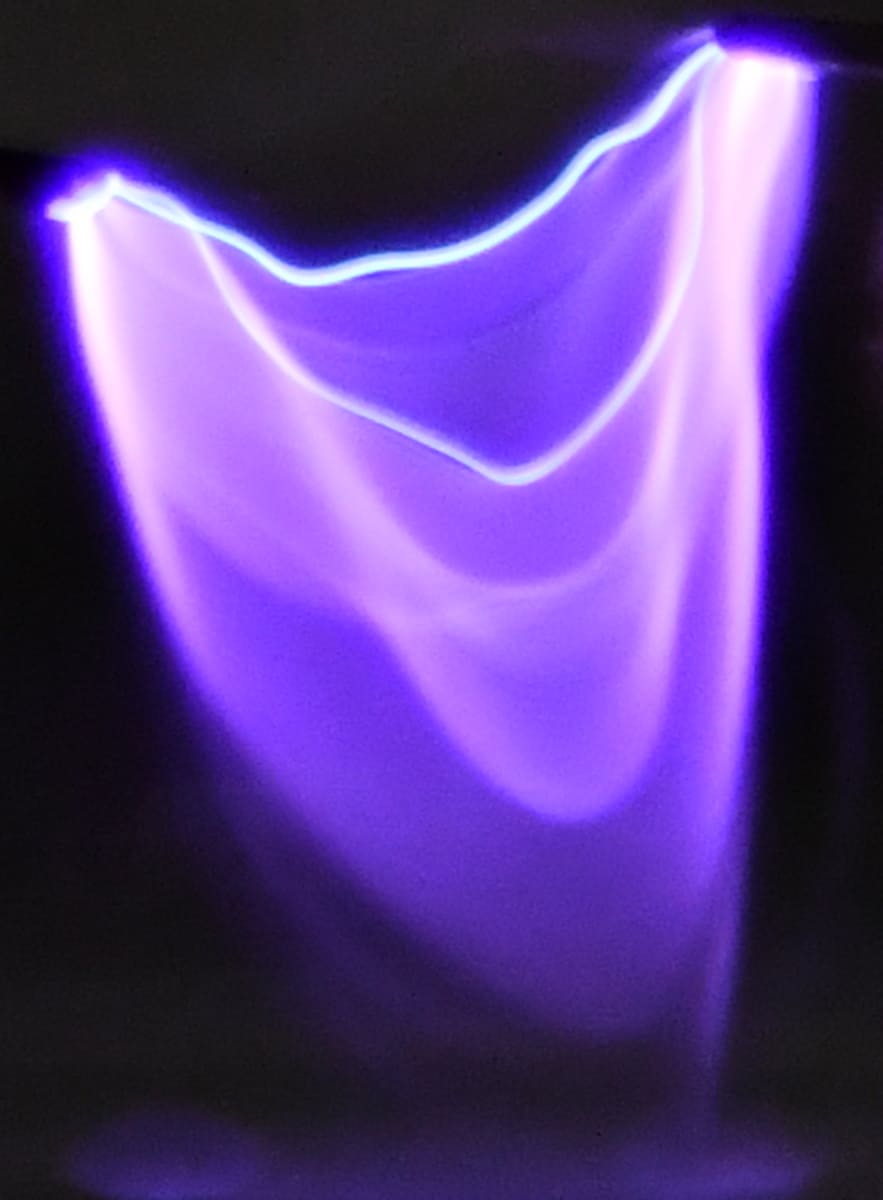
Cold plasma

Led by co-principal investigators Richard Wirz, director of the UCLA Plasma and Space Propulsion Laboratory, and Zhen Gu of the Zhejiang Laboratory of Systems and Precision Medicine at Zhejiang University Medical Center, the researchers designed the portable aCAP device around the concept of reducing the energy regime of lightning from gigajoules to joules. They achieved this by adjusting the voltages and distances between the device’s electrodes. The small arcs between these electrodes ionize ambient air that is fed through the device, resulting in a near-room-temperature jet of cold atmospheric plasma.

The team hypothesized that the local application of aCAP on residual tumour cells in a surgical cavity would induce a high level of reactive oxygen species (ROS) and reactive nitrogen species (RNS) in the tumour microenvironment. ROS and RNS are known to induce cancer immunogenic cell death and release tumour-associated antigens in situ, evoking effective anti-tumour immunity.

Cancer cell kill

The researchers first tested their prototype aCAP device in vitro with breast cancer and melanoma cells. They detected increased concentrations of ROS and RNS cells in the cells and the culture media, which caused potent tumour-killing effects.

Next, they used the device to treat the surgical cavity following resection of 400 mm3 breast tumours in mice. After surgery and application of aCAP (for 1, 2, 3 or 4 min) to residual tumour cells, they detected increased levels of calreticulin, an indicator of immunogenic cell death. The researchers used a thermal camera to monitor temperature in the aCAP-treated areas, reporting that no significant temperature changes occurred in and adjacent to the treated tissue.

To mimic residual microtumours, the researchers deliberately left 2–5% residual tumour after surgery, and monitored tumour regrowth. The mice that had surgery plus aCAP treatment showed significantly improved control of tumour regrowth compared with those that only underwent surgical excision.

Longer aCAP treatment correlated with better outcomes: over 40% of the mice survived for at least 60 days when treated with 4 min of aCAP. Co-lead authors Guojun Chen and Zhitong Chen suggest that extending the duration of aCAP treatment or performing repeated treatments could further enhance its therapeutic efficacy.

“Our portable aCAP device for postsurgical cancer treatment simplifies CAP equipment configurations and more broadly facilitates its applications in medicine. We anticipate that this treatment approach is also applicable to other types of solid cancer,” note the authors. They add that aCAP treatment could possibly be combined with cancer immunotherapies, such as immune checkpoint blockade, to further improve therapeutic outcomes.

“We are planning to improve the form, function and ease-of-use of the device, while continuing with further studies to determine modes of operation that are most effective with mouse models and then larger animals,” says Wirz. “This will be a joint collaboration by our team at UCLA, Zhejiang University, McGill University, and the National Innovation Center for Advanced Medical Devices in Shenzhen. If successful, we will want to advance to human studies.”

Laser beams become visible in vacuum

Laser beams are normally invisible when they pass through a vacuum, but physicists at the University of Bonn, Germany, have found a way to make them reveal themselves. This feat, which they accomplished using a technique called Ramsey imaging, should make it easier to align lasers with the precision needed to trap and manipulate individual atoms – a crucial step for atom-based quantum computing and other quantum technologies.

Optical traps use highly focused (often criss-crossed) laser beams to generate one or more dips, or “pockets”, in potential energy where individual particles can be held in place. Experimenters can move these pockets back and forth at will, thereby transporting the particles to specific locations in space.

As the number of particles in the same location increases, they start to interact with each other. “To control this process, all the pockets must have the same shape and depth,” explains Gautam Ramola, a PhD student at Bonn and the lead author of a study on the new technique. For that to happen, he adds, the trapping laser beams must overlap with micrometre precision.

Highly homogenous optical traps are especially important for atom-based technologies such as optical lattice clocks, trapped atom interferometers, quantum computing and quantum simulators. However, because these technologies operate under vacuum to preserve the atoms’ delicate quantum states, few other particles are present to scatter or reflect the laser light and thus reveal information about the beams’ intensity profile.

Ramsey phase tracking

Ramola, team leader Andrea Alberti and colleagues overcame this problem by using the atoms themselves to detect how the beams propagated. This technique, dubbed Ramsey phase tracking, works by probing the atoms’ hyperfine splitting – that is, the shift in an atom’s energy levels that occurs due to interactions between the magnetic moment of its nucleus and the orbital motion of its electrons. The Ramsey signal measures how this hyperfine splitting changes in the presence of elliptically polarized laser beams.

“Each atom effectively acts as a small sensor that records the intensity of the beam,” Alberti explains. “By examining thousands of atoms at different locations, we can determine the location of the beam to within a thousandth of a millimetre.”

The technique, which the researchers describe in Physical Review Applied, allowed the team to adjust four laser beams so that they interacted at exactly the position required. “Such a manoeuvre would normally take several weeks using conventional techniques, with no real guarantee of the final result,” Alberti says. “We only needed about one day to achieve this.”

In their work, the team made measurements on optical traps for caesium atoms, but the technique will also work with other alkali atoms, as well as atoms from certain other groups in the periodic table, such as the magnetic lanthanides. It could also be applied to a range of optical trap geometries, including “flat” and “hollow” traps.

Mussels mix proteins and metals to create sticky threads

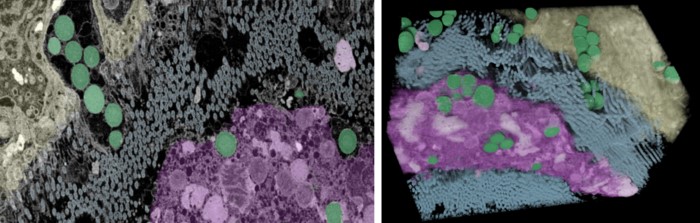
Microscope image of mussel

Mussels are famous for their ability to stick to a multitude of surfaces and now researchers in Canada and Germany have identified the molecular mechanisms used by mussels to produce robust adhesive threads. Using a range of imaging and spectroscopy techniques, a team led by Tobias Priemel at McGill University in Montreal found that the molluscs release fluid proteins into a network of microchannels in their feet, in coordination with separately stored metal ions.

To anchor themselves to their seashore habitats, mussels produce adhesive threads, called byssus. Once cured, the protein fibres of these structures become integrated with metal ions via mechanically stable cross-links – which are coordinated by an amino acid called DOPA.

By creating similar artificial structures, researchers aim to develop a new generation of bio-inspired polymers: with applications including self-healing materials; advanced coatings; and underwater adhesives. Currently, however the mechanisms employed by mussels to construct load-bearing cross-links within their byssus threads are largely unknown.

Microscopy and spectroscopy

To learn more, Priemel’s team first investigated the byssus formation process using a combination of optical, electron, and X-ray fluorescence microscopy; then examined the chemical composition of the fibres using Raman spectroscopy.

They discovered that instead of drawing in metal ions from surrounding seawater, as had been previously thought, mussels concentrate and store ions of iron and vanadium within specialized storage particles. These particles are themselves contained within cells and held together by an as-yet unknown biomolecule. Within a separate stockpile of vesicles, mussels also carry concentrated, DOPA-rich proteins in a fluid form.

To produce their byssus threads, the team showed that mussels secrete proteins from these vesicles, into a complex network of tiny, interconnected microchannels their feet. In coordination with this process, metal storage particles are also delivered into the microchannel network, where they release their metal ions – possibly through a pH-driven process.

As they diffuse and spread through the dense protein fluid, the ions are then coordinated by DOPA molecules to form cross-links. In the process, the mixture coalesces to form mechanically stable threads, featuring strong protein-metal bonds.

For the first time, this mechanism allowed Priemel’s team to explain how mussels can strongly adhere to almost any solid surface, even in seawater conditions. With a deeper knowledge of this process, researchers could soon find it far easier for researchers to replicate byssus filaments that are just as strong as those found in nature. Through future research, the researchers also hope to shed new light on why mussels use vanadium ions in particular – which are exceptionally rare in nature.

The study is described in Science.

Why nuclear energy must be part of ‘net zero’ climate targets

illustration of Earth run by nuclear power

According to a poll carried out in 2020 by the Institution of Mechanical Engineers (IMechE), only a quarter of people aged between 18 and 24 in the UK are aware that nuclear is a low-carbon source of energy. Three-quarters of young people, in contrast, believe that wind and solar are low carbon, with only 61% of the eldest-age category polled – 65–74 year olds – knowing that nuclear falls into the low-carbon category too. Those findings might surprise physicists, who will be aware that the energy density of nuclear fission is so high that just a fingertip of uranium has an energy equivalent of 5000 barrels of oil.

Despite these benefits, nuclear power tends to suffer from relatively poor public perception and not knowing it is low carbon could be due to a lack of education. Indeed, it is understandable why people might fear radiation given that you can’t see it – yet the same can be said of the air that we breathe. And if we assess the whole impact of energy sources per kWh, then the energy “deathprint” – the number of people killed per kWh produced – of nuclear is significantly lower than that of most other energy sources.

If you care about the environment and giving more land and resources back to nature – as many young people do – then nuclear is an important option in achieving “net zero”. This refers to the balance between the amount of greenhouse gases produced and the amount removed from the atmosphere – with net zero meaning that there are no net greenhouse emissions from the entire energy system. The UK government has stated that it wants to be net zero by 2050 and says it will support secure, reliable, low-carbon nuclear energy as a commercially deployable technology that can enable rapid decarbonization of heat, power and transport.

Nuclear needs an image makeover so that it is viewed on a par with other energy sources that are widely considered clean and sustainable

The problem for nuclear – as highlighted by the IMechE poll – is that it must reinvent itself for the modern world and re-evaluate its position within a sustainable-energy mix. Nuclear needs an image makeover so that it is viewed on a par with other energy sources that are widely considered clean and sustainable. That will require the nuclear industry to engage openly with society to build better awareness and understanding of the advantages and disadvantages of nuclear energy compared with other energy sources. Only then will it get the support to plug the gap in the decarbonization of our energy consumption. As the International Nuclear Agency points out, that goal cannot be reached using renewables alone, which are intermittent and cannot be easily stored.

Young support

As physicists we are well equipped to drive the conversation on climate change from the problem to solutions – one that nuclear needs to be a part of. We want to ensure a clean, sustainable and abundant future for us and the next generation. The COP26 climate talks that will be held on 1–12 November in Glasgow offer a perfect opportunity to do so. The UK Nuclear Institute will have an unparalleled reach at COP26 through collaboration with the European Nuclear Society – a non-governmental organization – and aims to get people excited about nuclear and ensure it is at the table and considered alongside renewables.

As part of that initiative, in February 2021 the Nuclear Institute’s Young Generation Network (YGN) launched the #NetZeroNeedsNuclear campaign to promote, support and raise awareness of nuclear as a low-carbon energy source. The initiative also sought to influence policy makers involved in COP26, take a scientific approach to energy policy and financing, and foster a sustainable collaboration between nuclear and renewables.

The YGN’s “position paper” called Nuclear for Climate, which summarizes the importance of nuclear, was supported by more than 100 nuclear associations worldwide and has so far been translated into 17 languages. In it, we emphasize that nuclear is not only a low-carbon source of energy, but is also widely available, scalable and deployable. We therefore need to build new nuclear plants – alongside increased renewable-energy capacity – if we are to deliver efficient and affordable clean-energy systems and achieve our net-zero targets.

Nuclear is also capable of supporting the decarbonization of other sectors, such as heating and transport. Indeed, nuclear allows the opportunity to decarbonize all energy, not just electricity. This can be done directly with the output of future “generation IV” reactors or through the steady production of hydrogen as a clean fuel for transport. Nuclear also supports global development by promoting global socioeconomic benefits and is strongly aligned to the UN sustainable development goals.

The collaboration between different parts of the energy and the wider sector has been a key part of #NetZeroNeedsNuclear and we must work together to save our planet. We hope that the move to nuclear will be the wildcard of COP26 and, as early-career physicists, we urge our fellow physicists to stand with us and support nuclear – alongside other clean energy sources – as a key part of our journey towards a new sustainable future.

‘Superbubble’ region of star formation was created by supernovae, study suggests

The highest-resolution 3D map of nearby molecular gas clouds in Milky Way has revealed a structure that is creating new regions of star formation.

Called the Perseus-Taurus Shell, or Per-Tau Shell for short, the region is a “superbubble” in the interstellar medium, blown by the blast waves of multiple supernovae dating back 22 million years. The blast waves have ploughed into interstellar gas, piling it up at the edge of the superbubble where it has formed the well-known Perseus and Taurus molecular clouds, which today are active star-forming regions.

The discovery has been made by a team led by Catherine Zucker and Shmuel Bialy of the Harvard Smithsonian Center for Astrophysics. They used a 3D map of interstellar dust with unprecedented resolution down to 1 parsec (3.26 light-years). This was produced by team member Reimar Leike of the Max Planck Institute for Astrophysics using data from the European Space Agency’s Gaia astrometric mission. The map charts molecular clouds out to a distance of 400 parsecs (1300 light-years) from the Sun.

Their new 3D map shows the general structure of giant molecular clouds, with lower-density outer envelopes and higher-density inner layers. The team hypothesizes that the boundary between these two regions within a cloud represents the transition between atomic neutral gas in the outer envelope, and the cold molecular gas required to form stars in the inner zone.

The Radcliffe Wave

While the map charts a dozen molecular clouds in the Sun’s neighbourhood, it is the Per-Tau Shell that has proved the most intriguing. It has an almost spherical structure that is 508 light-years in diameter. The Taurus Molecular Cloud located on the side of the shell that is nearest to the Sun (400 light-years away) and the Perseus Molecular Cloud is on the far side of the shell. The Per-Tau Shell is part of an even bigger structure, discovered in 2020 by a team led by Zucker and João Alves of the University of Vienna and the Radcliffe Institute for Advanced Study at Harvard University. This large structure is called the “Radcliffe Wave”.

Spanning 8800 light-years, from the Taurus Molecular Cloud all the way to the Cygnus X star-forming region located 5000 light-years from us, the Radcliffe Wave contains about three million solar masses worth of gas and dust. It is so large that it is undulating in time with the sinusoidal perturbations of the Milky Way’s spiral disc, an effect that could be caused by interactions with dwarf galaxy satellites or large clumps of dark matter.

The Radcliffe Wave “is a dense feature of the Local Arm of the Milky Way,” says Zucker, and its discovery has overturned the prevailing theory that the high density of star-forming nebulae that we see in the night sky were part of a ring-like structure called the Gould Belt.

Low-resolution illusion

The new results “lend further credence to the idea that the Gould Belt is an illusion caused by previously low-resolution data,” Zucker tells Physics World.

Instead, astronomers can now see that many of the local molecular clouds are part of the Radcliffe Wave, and the supernovae that gave birth to the Per-Tau Shell would originally have formed in an older star-forming nebula within the Radcliffe Wave.

“We think it’s no coincidence that the Per-Tau Shell formed inside the Radcliffe Wave,” says Zucker. “It speaks to the idea that star formation is mediated by physical processes that occur on vastly different scales.”

Supernovae triggers

The idea that supernovae can trigger the formation of molecular clouds had been hypothesized previously, but this is the first time that the process has been seen occurring in 3D. As such, this 3D map of the local molecular gas clouds will allow scientists to compare clouds generated in computer simulations to the real thing. Such comparisons will tell us how molecular clouds form and also provide insights into how stars themselves form, and why some molecular clouds are more adept at forming more massive stars than others.

“Understanding the density structure of molecular clouds in 3D will help us to place constraints on the large-scale dynamical processes of the gas within clouds that will form the seeds of star formation,” says Harvard’s Michael Foley, who is on Zucker and Bialy’s team. Making comparisons between the results from this 3D map and simulations or theoretical predictions could allow astronomers to see how certain structures within star-forming nebulae, such as clumps and filaments, form, and how these feed into the process of star formation.

The findings are published in The Astrophysical Journal and The Astrophysical Journal Letters.

Heterogeneous anthropomorphic phantoms: reimagining SBRT QA for small lung tumours

Medical physicists at the Dutch radiation oncology clinic Maastro are on a mission to fast-track continuous improvement and best practice in the planning, management and delivery of stereotactic body radiotherapy (SBRT) for the treatment of very small (less than 1 cm diameter) early-stage lung tumours. Working with industry partner CIRS, a US manufacturer of tissue-equivalent phantoms and simulators for medical imaging, radiation therapy and procedural training, Michel Öllers, Ans Swinnen and colleagues set out last year to demonstrate the inadequacy of existing dose verification methods for a specific category of lung SBRT treatments (Med. Phys. 47 5829). Their focus: how the latest so-called “type c” dose calculation algorithms like Acuros, an integral part of Varian’s Eclipse treatment planning system (TPS), deviate beyond a relative uncertainty of 5% for small lung tumours.

“Modern dose calculation algorithms perform much better in heterogeneous tissue like the lung than they did, say, 15 years ago,” explains Frank Verhaegen, head of physics research at Maastro and professor of medical physics at Maastricht University. “Nevertheless,” he adds, “accurate dose verification and QA for treatment plans of small lung tumours – and therefore small treatment fields – remains a complex proposition for the medical physics team.”

Phantom physics

Part of the problem is that while water-equivalent phantoms are well suited to the QA of radiotherapy treatments for abdominal or brain tumours (where most of the tissue is near-water-equivalent), the use of those same water-equivalent phantoms for heterogeneous tissue (such as the microenvironment of the lung) will provide incorrect dosimetric results. “Our aim was to find a phantom suited for accurate dose verification of the very small lung tumours (below 1 cm3) that are increasingly treated nowadays using SBRT,” notes Öllers. “Those cases, in turn, represent a non-trivial physics challenge for the developers of any dose calculation algorithm.”

With this in mind, the Maastro researchers teamed up with product engineers at CIRS to co-develop a series of proprietary tumour-equivalent inserts that mimic lung-tissue lesions as small as 5 mm diameter when integrated within CIRS’s existing Dynamic Thorax Phantom (Model 008A). Their new heterogeneous set-up was subsequently put through its paces at Maastro to test the premise, as Verhaegen puts it, that “accurate plan verification of small lung tumours can only be performed in an anthropomorphic phantom that mimics the clinical situation as closely as possible”.

Put another way: although the traditional SBRT QA consensus states that type c algorithms are able to reproduce the actual physical dose distribution in heterogeneous media in a small-field setting, Maastro’s working hypothesis said otherwise. In fact, the starting point for Verhaegen and colleagues was just the opposite – an assertion that Acuros falls outside a clinically acceptable accuracy of 5% below a certain threshold in tumour diameter (approximately 0.75 cm).

Quantifying the problem

To test their hypothesis, the Maastro physicists carried out a series of comparative dose measurements using the homogeneous PTW Octavius 4D phantom (including the Octavius 1000 SRS detector) and the heterogeneous Dynamic Thorax Phantom from CIRS. The latter contained different lung-equivalent, film-holding cylindrical phantom inserts with water-equivalent spherical targets (diameters of 0.5, 0.75, 1, 2 and 3 cm).

Using Acuros (version 15.5.11), the team calculated plans for 6 and 10 MV for each spherical target in the CIRS phantom – 14 treatment plans in all – with those plans subsequently delivered to both the PTW and CIRS phantoms to compare measured dose. In addition, the treatment plans of seven clinical lung cancer patients, all of them with tumours less than approximately 1 cm3 by volume, were irradiated in the heterogeneous CIRS phantom. The actual tumour size within the clinical treatment plans determined the choice of the spherical target size, thereby ensuring that both measurement geometry and clinical target volumes match as closely as possible.

The results are unequivocal: while measurement discrepancies in the homogeneous Octavius 4D phantom for the 14 calculated treatment plans were within 1.5%, dose discrepancies between measurement and TPS for the heterogeneous CIRS phantom increased for both 6 and 10 MV plans with decreasing target diameters – to 23.7±1.0% for 6 MV and 8.8±1.1% for 10 MV using the smallest target of 0.5 cm diameter (with a 2 mm margin for planning target volume versus clinical target volume). For the seven clinical plans, meanwhile, this trend of increasing dose difference with decreasing tumour size is less pronounced, although the smallest tumours exhibit the largest differences between measurement and TPS (up to 16.6±0.9%).

Disseminate and educate

So what’s changed 12 months on from the publication of Maastro’s findings? Verhaegen, for his part, is hopeful that the wider radiotherapy community is now at least more aware of the limitations of even the most advanced dose calculation algorithms for challenging SBRT indications like small lung tumours, also of the need for dedicated heterogeneous phantoms that can mimic these clinical situations to provide state-of-the-art dose verification. “Equally important,” he explains, “those heterogeneous phantoms are essential for the testing, calibration and validation of next-generation dose calculation models for stereotactic lung treatments.”

Meanwhile, the Maastro medical physics team has actioned the results with the clinic’s radiation oncologists, who are now aware of the limitations and inaccuracies of SBRT treatment plans to address lung tumour volumes of 1 cm3 or smaller. “Depending on the clinical status of the patient, we might accept dose inaccuracies up to 10% or make a decision not to treat,” says Öllers. “It’s worth noting, though, that our decision to treat or not to treat at Maastro is weighted against several factors. We consider not only the challenges of small lung tumours for the dose calculation algorithm, but also tumour movement and the visibility of the tumour targets on the cone-beam CT image.”

As for the bigger picture, Verhaegen reckons Varian’s close interest in the results is good news for the longer-term development and enhancement of lung SBRT QA protocols. He concludes: “We have been in contact with Varian since the publication of the study and aim to work with the vendor’s Eclipse development team to improve the Acuros algorithm for small lung lesions. That sort of continuous improvement will yield transferable upsides for the radiotherapy community as a whole.”

Phantom dynamics

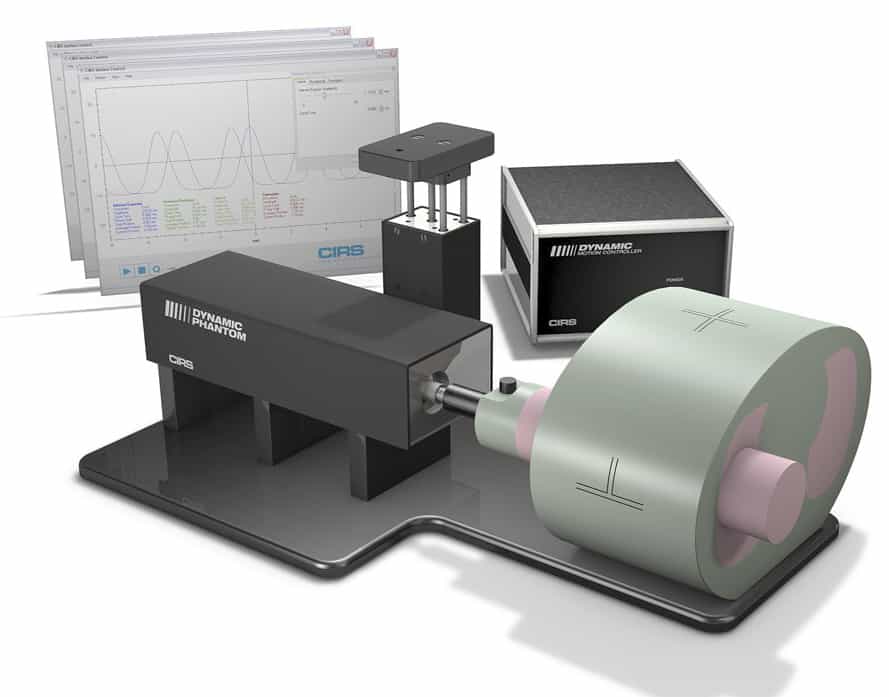
The CIRS Dynamic Thorax Phantom (Model 008A) is designed for comprehensive analysis and QA of image acquisition, treatment planning and dose delivery in image-guided radiation therapy of lung lesions.

CIRS Dynamic Thorax Phantom

The phantom body represents an average human thorax in shape, proportion and composition. A lung-equivalent rod (containing a spherical target and/or various detectors) is inserted into the lung-equivalent lobe of the phantom.

The body is connected to a motion actuator box that induces 3D target motion (sub-mm accuracy and reproducibility) through linear translation and rotation of the lung-equivalent rod. The motion of the rod itself is radiographically invisible (owing to its matching density with the surrounding material), while the motion of the target can be resolved thanks to its density difference.

CIRS Motion Control Software provides independent control of target and surrogate, replicating the complex 3D tumour motion within the lung. The phantom is tissue-equivalent from 50 keV to 125 MeV, while the surrogate breathing platform accommodates numerous gating devices.

Green jobs for physics graduates: finance and economics

Rustam Majainah, senior pricing analyst, OVO

Green energy might appear to be all about feats of engineering, but integrating those breakthroughs into society involves many other challenges too, not least from a financial and economic point of view. This is another area where physicists can play a key role. Just ask Rustam Majainah, a physics graduate who now works as a pricing analyst at OVO, the UK’s largest independent energy supplier.

Rustam Majainah

After studying physics at Royal Holloway, Majainah did a Master’s in renewable energy and sustainability at the University of Reading, UK. In the summer between his BSc and Master’s programme, he did a placement at the Chippenham-based renewable-energy company Good Energy, which he found through the South East Physics Network (SEPnet).

In his job at OVO, Majainah uses numerical models to determine the cost of energy. This involves considering many factors, including the cost of generation, the use of cables that bring the energy to people’s homes, and social levies such as the warm home discount, which supports vulnerable customers. “I think energy supply is often a forgotten part of the green transition,” says Majainah. “You’ve got the energy generators and networks on one side, and everyday people on the other, and energy suppliers sit in the middle and try to match them up.”

Majainah points out that it’s a time of change in the industry. “With the innovation of smart meters, we’re moving from a system where you give your supplier one reading per quarter to one where we can get that data at a half-hourly level,” he says. In moving to more granular charges, OVO can use that data to pass on savings to their customers if, for example, the wind is blowing and turbines are generating energy, or if electricity is cheap at certain times. More granular charges can also be used to “flatten” energy usage peaks by charging customers less for energy at quieter times, and part of Majainah’s role is looking at the wider policy around that.

“It’s a prickly point,” he explains, “because if energy is cheaper at some times and more expensive at others, how do you encourage customers to change their consumption patterns without unfairly impacting people who don’t have the flexibility to do that?” OVO also looks at kitting people’s homes out with electric vehicle chargers, using vehicle-to-grid technology that allows cars to export energy back into the grid when local demand increases.

All of these challenges require people with numerical and analytical skills, which a physics degree gives you a strong grounding in. Additionally, Majainah says that skills in data-analysis programming languages such as Python, which many physics degrees teach, are highly sought-after in the energy sector. “We’re going through big systems transitions,” he says, “so there are plenty of opportunities at OVO and in the industry in general.”

Flora Biggins, PhD student, University of Sheffield, UK

Since wind and solar energy depend on the weather, and are not necessarily being generated most at the times when consumers are using the most electricity, energy storage is a key component of embedding them in our networks. But developing this capacity requires financial investment.

Flora Biggins

Flora Biggins, a PhD student at the University of Sheffield, is working on incentivizing companies to make these investments. After graduating with a physics degree from Imperial College London, she decided she wanted to do research relating to sustainability. “I wanted to use my problem-solving skills to work on solutions to climate change, which is the biggest challenge we face,” she says, “and energy storage is really important for decarbonizing electricity.”

Biggins’ research involves creating computational models that use machine learning to predict how prices of energy-storage technologies such as batteries and green hydrogen will evolve over time. She can then use these predictions to advise companies on how to invest in order to maximize their profits, for example by buying the right kind of batteries, or by using batteries to store energy and then sell it on when prices are higher.

I wanted to use my problem-solving skills to work on solutions to climate change, which is the biggest challenge we face

Flora Biggins

In addition to advising companies, Biggins’ work also informs policy. “If I find that energy storage is not very profitable, then it’s important for government organizations to know that,” she explains. “They might respond by introducing subsidies to encourage investment until prices drop to an affordable level.” Predicting future prices is very difficult, as there are numerous factors to consider that are constantly fluctuating. Future prices of green hydrogen are especially tricky to forecast, as it is relatively new, so doesn’t have much historical data to use as a starting point.

To tackle these challenges, the mathematical and computational skills Biggins developed during her physics degree are essential. Besides these technical skills, she says resilience is also necessary to keep going when things don’t go as planned, and she finds that having a positive solutions-focused project helps to motivate her. “It feels good to be working on something that is going to benefit society.”

Lewis Ashworth, programme manager, Institutional Investors Group on Climate Change

Many physics graduates go into careers in finance, which are another way of influencing how money is invested, and there are green options within this sector too. Lewis Ashworth, for example, is a programme manager at the Institutional Investors Group on Climate Change (IIGCC) – a membership body that supports shareholders to drive forward sustainability in the companies they invest in.

As part of his physics degree at the University of Sheffield, Ashworth did a year abroad at Monash University in Melbourne, Australia, during which he took courses in climate dynamics of the atmosphere and oceans alongside pure physics. “That opened my eyes to climate change,” he says, “so when I graduated I decided to do a sustainability-focused Master’s degree.”

Lewis Ashworth

Ashworth did an MSc course on environmental technology and energy policy at Imperial College London before starting his role at IIGCC. He now works on several projects, including an initiative called Climate Action 100+, which seeks to ensure that the 167 largest greenhouse-gas-emitting companies in the world reduce their emissions to be in line with the goals of the Paris Agreement.

Other programmes that Ashworth works on include educating shareholders on how they can influence the companies they invest in, for example by filing shareholder resolutions or voting against directors. He is also helping to develop a benchmarking process to assess companies’ progress towards the goals of the Paris Agreement. This uses various indicators, such as whether the companies have set net-zero targets.

Ashworth regularly does presentations to colleagues and investors as part of his job, so communication skills are essential, alongside an understanding of the statistics and data that he is presenting. He finds his physics background gives him confidence in understanding the various topics he speaks about, from electric vehicles to using hydrogen to decarbonize the steel industry. “As a physicist, these are not alien concepts,” he says, “so it’s nice to feel confident in your ability to decipher what’s going on.”

One common challenge facing people like Ashworth who work in sustainability is that they have high aspirations for making change, but often face barriers and find progress to be slower than they would like. “But when something big happens,” he says, “like a company announcing that they are going to commit to a target that you have been pushing for, and you know you were part of it, that’s when you know you are really making a difference.”

Modelling insights help vacuum end-users save money and fast-track innovation

Developing and implementing a new vacuum system from scratch – even optimizing an existing vacuum installation – is rarely a straightforward exercise. Systems-level planning is mandatory, with due consideration assigned to the vacuum chamber design, pumping set-up, pressure gauges, materials inventory, leak detection and all manner of ancillary equipment. Notwithstanding those fundamental technology decisions, a host of other parameters must also come into play, including capital/operational costs, energy consumption, size and footprint, maintenance intervals and acceptable levels of noise and vibration. More often than not, it seems, vacuum systems are also complex systems, with each of the aforementioned variables all “weighted” differently depending upon an individual project’s objectives and performance specifications.

For the vacuum specialist Edwards, which serves a diverse base of scientific, instrumentation OEM and industrial end-users, the key to success lies in helping customers to figure out the right product and the right functionality for the job in question – and as quickly and cost-effectively as possible. Underpinning that commitment is a suite of in-house software tools for vacuum system design and a “modelling-as-a-service” capability that lets customers access the broad domain knowledge and technical know-how of Edwards applications, engineering and science specialists.

“Our modelling service enables customers to understand what’s possible – and just as important what’s not – versus the provisional technical specifications of their vacuum system design,” explains Russell Coleman, scientific market sector manager at the Edwards Global Technology Centre in Burgess Hill, UK. While managing expectations is always helpful, the evidence-based insights from the Edwards modelling team also mean that customers – especially those who are not necessarily vacuum experts – avoid over-engineering their vacuum requirements. That can mean significant savings versus upfront capital spend as well as reduced running and maintenance costs over time.

“We can get to the right answers faster by working in partnership with the end-user from the early stages of their vacuum project,” adds Coleman. “That translates into a scalable competitive differentiator – one that puts us in an advantageous position to win business at the end of the design process.”

Software at your service

There are three main building blocks to Edwards’ in-house modelling software: PumpCalc provides an entry-level toolkit for modelling of simple vacuum systems, with some Edwards field-sales engineers trained in its use to support routine customer requests; TransCalc is a more advanced, network-based software module tailored for the design of complex vacuum systems – everything from an ultrahigh-vacuum accelerator beamline to a steel degassing facility; while HSM Toolkit is a more focused software tool to support mechanism modelling within advanced split-flow turbopumps.

HSM software toolkit

“We are able to model all the core physics of the pump-down in a complex vacuum system,” notes Coleman. “That includes significant progress on dynamic modelling, tracking time-dependent properties like chamber outgassing, reductions in gas temperature inside the chamber, as well as changes in the rotational speed of the high vacuum and backing pumps.”

With pump-down time a rate-determining step for the cycle-time of many vacuum applications, that modelling capability is being put to good use by a sizeable cross-section of Edwards’ research and industry customers. “Our in-house software means that instrumentation OEMs, for example, can try out new ideas to sanity-check their prototype vacuum system designs,” notes Coleman. “Ultimately, the use of modelling means less trial-and-error during preproduction, effectively streamlining the product development cycle so the customer can home in on workable and manufacturable solutions sooner.”

It cuts both ways

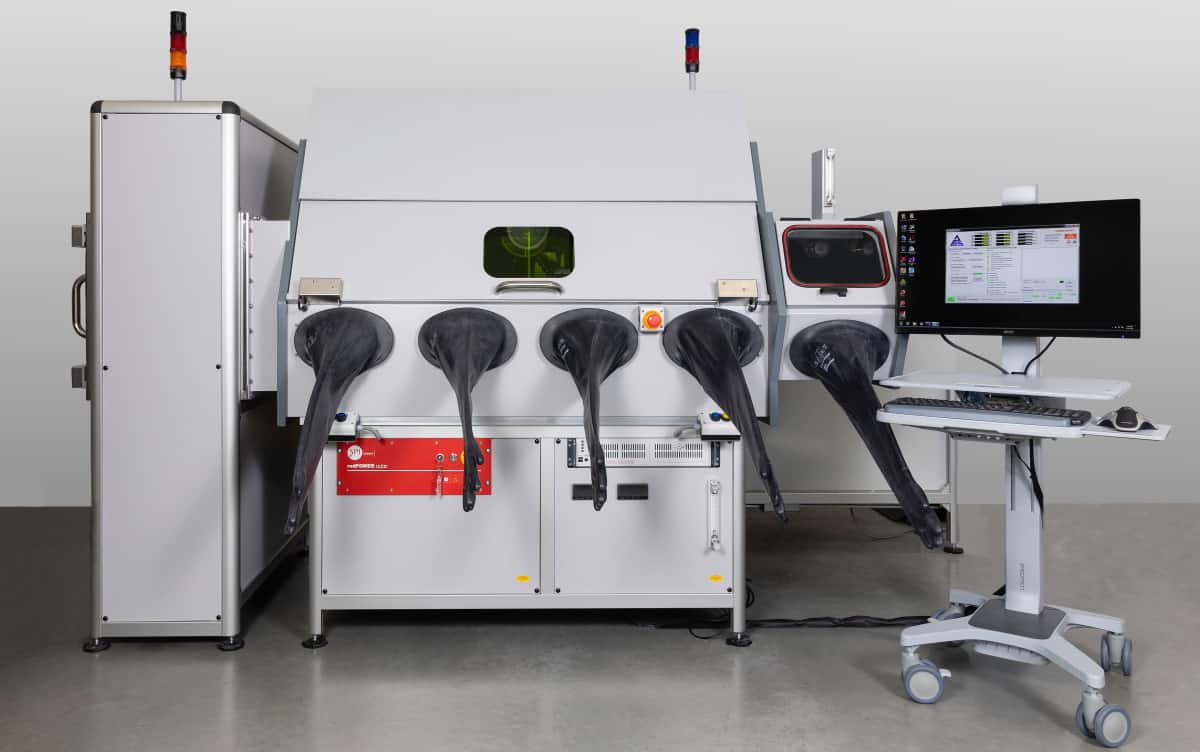
A case study in this regard is Pyramid Engineering Services, a UK designer and integrator of high-precision welding systems for the hermetic sealing of metal-can semiconductor and electronic packages. Those production systems – which span laser, seam, projection, spot and cold welding techniques – can be supplied as stand-alone workstations or custom-designed to integrate with other turnkey systems like gloveboxes, airlocks or vacuum gas-bake ovens in a customer’s existing manufacturing facility.

“We’ve been a customer of Edwards for many years, so we know their vacuum products and their capabilities really well,” explains David Watkins, Pyramid’s operations manager. In fact, it’s very much a two-way relationship, as Pyramid is also a supplier to Edwards (its projection welding systems being used in the manufacture of Edwards’ latest line of vacuum gauges). For Watkins the customer, though, the Edwards modelling-as-a-service capability has proved to be invaluable for the redesign of the vacuum systems on Pyramid’s industrial welding machines – either as a natural progression on the company’s own technology roadmap or in response to bespoke one-off requests from Pyramid’s end-users (for example, a non-standard geometry for a vacuum bake-oven or an alternative surface treatment of the chamber walls).

Pyramid’s industrial laser-welding machines

“In terms of our inputs,” says Watkins, “the Edwards modelling service works like a ‘black-box’ solution. All we need to do is send across the engineering drawings of the new-look vacuum chamber, outlining the vacuum level we want to achieve and on what timescale.” The Edwards applications team will then do the rest, using their in-house software to generate an optimum backing/turbo pump combination plus cost profile. For Watkins, it’s all about due diligence. “Those quantitative, physics-based insights provide reassurance to our customers,” he adds, “confirming that we can deliver a welding system that meets their required vacuum performance at the right price point.”

Blue-sky research

Meanwhile, in an altogether more rarefied context, Edwards’ modelling capabilities are helping physicists at the University of Oxford, UK, address some complex vacuum challenges of their own. The physicists in question are working on the Square Kilometre Array (SKA), an international research effort to build the world’s largest radio telescope which, when it comes online later this decade, will enable astronomical surveys of the sky with unprecedented detail and at unmatched speeds.

The vacuum requirement centres around an SKA work package that Oxford is managing for the design of a multifrequency receiver module – known as a single-pixel feed (SPF) – that will eventually be deployed at scale across the SKA’s network of 133 radio antennas in South Africa’s Karoo Desert (an array that will extend over a 150 km diameter with a total collecting area of 32,600 m2).

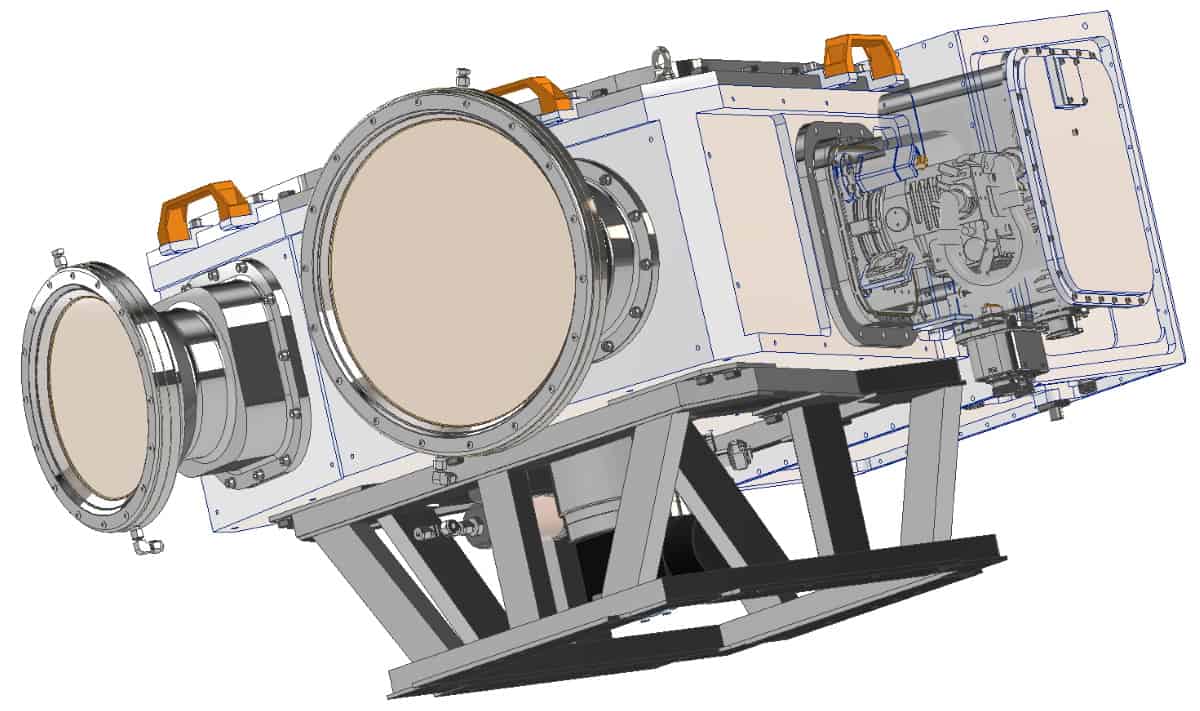
SPF receiver module

The SPF module itself is designed to house up to five detector feed horns (covering different GHz frequency bands) in a single, modular cryostat operating under vacuum. Herein lies the problem. “Essentially we realized, given the initial constraints on our cold-head’s cooling capacity, that achieving a low enough pressure during cool-down using a scroll pump alone would be difficult,” explains Jamie Leech, Oxford’s SKA SPF Band 345 technical lead. “We have to maintain a low enough cryostat pressure during the cool-down or else residual gas conduction will dominate and prevent us from achieving working temperatures in the receiver module [around 10 K].”

The workaround, says Leech, was initially elaborated by the Oxford SKA team, then subsequently modelled by Edwards via a series of pump-down calculations to confirm the suitability of a turbopump (bolted to the side of the central vacuum hub) to get the pressure down below 1×10⁻⁴ mbar before and during cool-down. “The scroll pump would yield a starting pressure in the region of 3×10⁻² mbar,” notes Leech. “That isn’t low enough to start cool-down without the risk of excess heat load or substantial cryo-condensate formation, but it is low enough to bring on a small high-vacuum turbopump, with the function of the scroll pump switching from roughing to backing.”

He concludes: “The SKA project needed accurate quantitative modelling, so the pump-down calculations were vital in making the case for the cryostat’s revised pumping set-up.”

  • Edwards will be exhibiting at Lab Innovations in Birmingham, UK, from 3-4 November and Precisiebeurs in ‘s-Hertogenbosch, Netherlands, from 10-11 November.

‘Mellow’ supermassive black holes could be creating mysterious cosmic particles

“Mellow” supermassive black holes (SMBHs) at the centres of some galaxies could be the source of mysterious low-energy gamma rays and high-energy neutrinos that have been seen by some observatories, according to physicists in Japan and the US. Shigeo Kimura at Tohoku University and colleagues came to this conclusion by developing models of processes that occur when matter falls into SMBHs. Their results provide guidance to future experiments that will search for the sources of cosmic gamma rays and neutrinos.

The universe is filled with energetic cosmic particles including photons, neutrinos and protons. These are believed to be produced by violent astrophysical processes such as those occurring in exploding stars (supernovae) or in active galactic nuclei (AGN). The latter are regions found at the centres of some galaxies, where material accretes onto an SMBH forming a hot, extremely bright plasma.

Today, astrophysicists do not understand the origins of all the particles that have been seen by detectors such as the IceCube Neutrino Observatory and the Neil Gehrels Swift Observatory, which detects gamma rays. For example, the origin of soft gamma rays in the megaelectronvolt energy range is a mystery as are the origins of high-energy neutrinos in the petaelectronvolt range.

Quiet objects

Kimura’s team focused on SMBHs that are much quieter than a typical AGN – these are mellow objects that accrete lower quantities of material. Since the plasma that forms around these bodies is less dense, it is far less efficient at radiating heat, and can reach temperatures of tens of billions of degrees.

Under these conditions, photons are emitted by fast-moving electrons as they change direction. These photons are then scattered by other fast-moving electrons in the plasma, which can boost photon energies into the megaelectronvolt range. In addition, protons within the plasma can be accelerated to extremely high energies, via processes including turbulence and magnetic field reconnection. As the protons collide with other baryonic particles, they can create neutrinos in the petaelectronvolt range.

Although mellow SMBHs are far dimmer than AGN – which produce higher-energy gamma rays – they are believed to be far more numerous throughout the universe. As a result, these quiet black holes could account for the observed low-energy cosmic gamma rays and high-energy neutrinos.

The team’s predictions cannot be confirmed by observations today – this will have to wait for the next generation of gamma-ray and neutrino observatories to come online.

The research is described in Nature Communications.

Physicists get under the skin of apple growth

Researchers in the US have used the physics of singularities to study the recess, or cusp, that forms around the stalk of an apple. Based on field and laboratory experiments as well as simulations, they determined that the cusp is self-similar, meaning that it looks the same at different stages of the apple’s growth. They also investigated the emergence of multiple cusps, as are sometimes seen in real fruit.

Singularities are points at which a certain quantity becomes infinite or ill-defined. The infinite space-time curvature thought to exist at the centre of black holes is one well-known example, but singularities also crop up in other areas of physics. In biology, meanwhile, examples include the sharp folds on the surface of the brain and the way bacteria clump together in the presence of certain chemicals.

Move over, Newton

The latest research sees Lakshminarayanan Mahadevan and colleagues at Harvard University explore the singularity created by the abrupt change in the orientation of the apple’s surface at the base of its stalk. In a paper published in Nature Physics, they describe how this singularity develops as the apple grows from a slight bulge in the stem of a blossom into a fully-formed fruit with a seed-containing core, a fleshy cortex surrounding it and a tough outer skin.

To make their observations, Mahadevan and colleagues began by studying the shapes of 100 apples picked at different stages of their growth from the orchard of a college, Peterhouse, at Cambridge University, UK. By slicing each apple in half, they created a series of cross-sections, then arranged them in order as if they were stills from a film depicting the changing shape of a single apple.

The team found that apples measuring less than about 1.5 cm across displayed no discernible cusp, while those with a diameter of more than 3 cm had a distinctive dip at the base of the stalk. This is because in the early stages of the apple’s growth, the contour of the peel varies smoothly. As the cortex starts to expand more quickly than the core, however, a bulge forms away from the core and a discontinuity appears in the apple’s perimeter.

Harvesting data

Next, the researchers analysed the apple’s shape by defining its cross-sectional profile as a one-dimensional curve with a height that depends on both the distance from the stalk and the size of the apple. After generating Taylor expansions of the height and distance variables in terms of the size, they succeeded in expressing the apple’s profile in a self-similar way.

To establish whether real apples also display this self-similarity while approaching a cusp-like singularity, Mahadevan and co-workers rescaled the height and stalk-distance axes using appropriate coefficients and then plotted each apple’s profile. They found, as expected, that the measured profiles all overlapped with one another near the cusp – tracing out what they describe as a “universal curve”.

The researchers went on to confirm this self-similar scaling in three ways. First, they carried out a dynamical analysis on an expanding sphere with its growth restricted at the centre but constant further away. Next, they created a mechanical simulation that treats apples as neo-Hookean materials, meaning their stress-strain curves plateau as they grow. Lastly, they performed experiments using artificial apples made from polymer spheres that swelled when immersed in hexane. By using a second, un-swellable polymer to represent the stalk, they found that a cusp formed within an hour of immersion in the solvent.

On the cusp of greatness

As a final step, the researchers investigated apples with multiple cusps, each of which creates a separate groove on the fruit’s upper surface. Using simulations, they showed that the quantity of cusps depends both on the number of carpels – that is, the apple blossom’s seed-bearing structures – and the ratio of the apple’s diameter to the diameter of its stalk. They confirmed this diameter-ratio dependence in further experiments with the polymer spheres, and they claim that it is also present in their data from real apples.

Mahadevan says that the research was prompted by simple curiosity, rather than any practical end. But he argues that by quantifying apple growth, he and his colleagues have sharpened some outstanding questions – including why the region near the stalk grows more slowly and what biochemical processes are involved. “This will hopefully give us a still deeper view of how nature works,” he says.

Jens Eggers of Bristol University in the UK is enthusiastic about the research but questions whether the Harvard models fully agree with the field data. In particular, he says, it is not completely clear whether the results from real apples show a correlation between cusp number and diameter ratio.

But, he adds, extracting quantitative, testable results from biological data is not easy. “By this measure the paper is doing quite well,” he says.

Copyright © 2026 by IOP Publishing Ltd and individual contributors