Real-time treatment verification with the Integral Quality Monitor (IQM) System

Want to learn more on this subject?

The Integral Quality Monitor (IQM) is a simple solution that offers advanced real time QA for every segment and beam. The novel design introduces a single ion chamber that provides exceptional reproducibility and accuracy for every treatment technique, from small-field SRS to large conventional treatments. All this is combined with workflows that are fully automated and require no extra steps in planning or treatment delivery.

This webinar, presented by Juergen Oellig and Marlies Pasler, will cover the following topics:

  • The IQM development project
  • The IQM technology
    – Reference calculation
    – Signal measurement
    – Signal reproducibility
    – Beam attenuation
  • Clinical experience with IQM at Lake Constance Radiation Oncology Center, Friedrichshafen, Germany
    – Error detection sensitivity
    – Clinical experience with IQM treatment monitoring for all fractions
    – Testing IQM for QA purposes (beam flatness and symmetry)

Want to learn more on this subject?

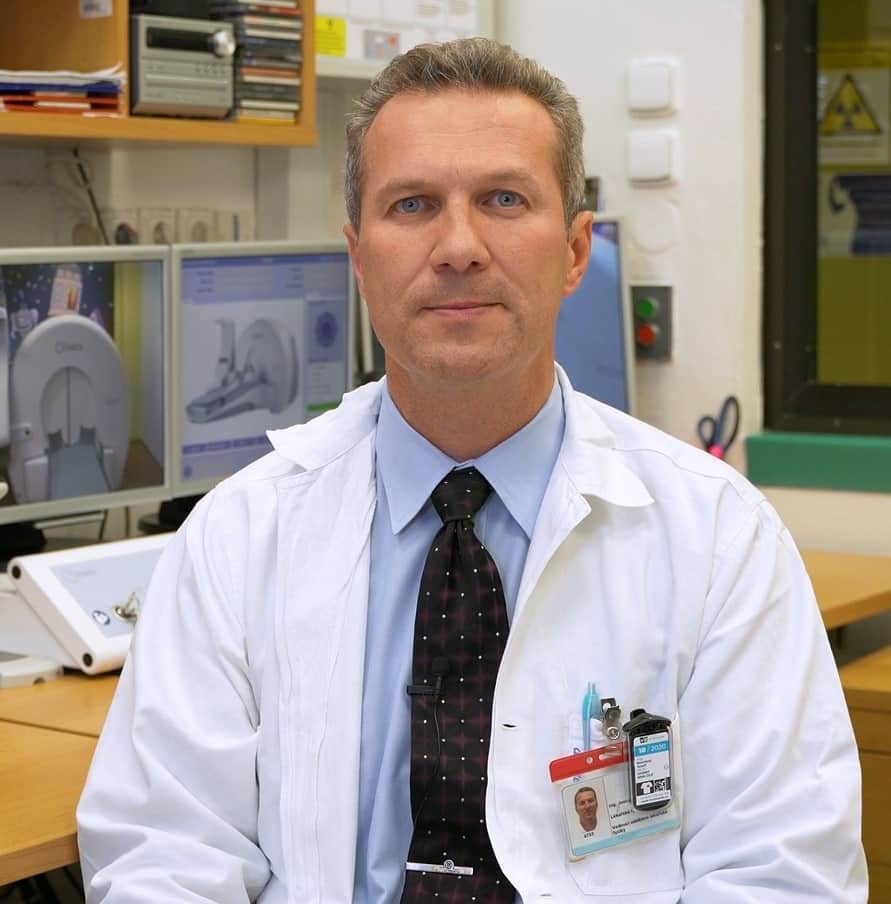
Juergen Oellig is the managing director of iRT Systems. He began his career in radiation therapy in 1995 and has been responsible for the sale and service of treatment planning systems as well as dosimetry and quality assurance equipment.

In 2013 he founded iRT Systems with the sole focus on developing, certifying and marketing the Integral Quality Monitor (IQM) System. A unique aspect of the IQM development project was the dynamic programme of research co-operation with radiation therapy departments all over the world. Groups on four continents contributed their investigative work before and after the product release, addressing various aspects of using IQM for online Fraction QA, for Plan QA for complex treatment techniques, as well as for linear accelerator quality assurance.

Today, his focus is on showing clinicians how they can realize clinical benefits and achieve more patient safety with IQM.

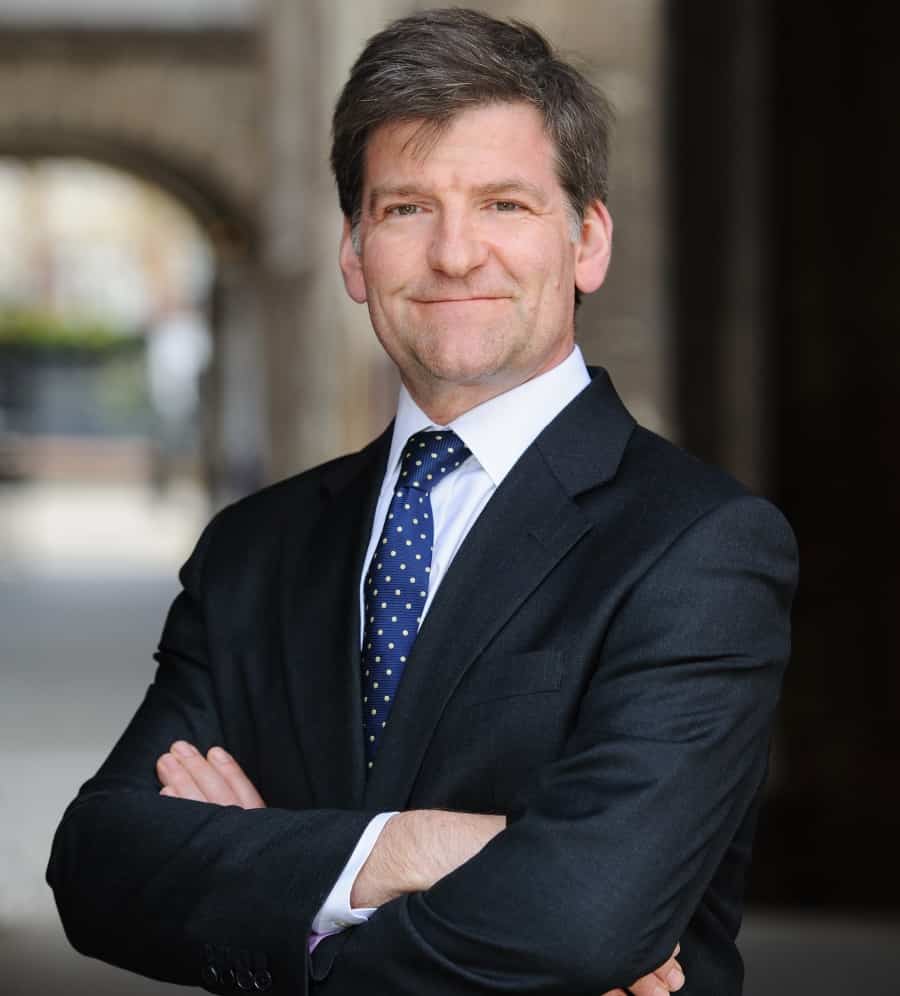
Marlies Pasler is a medical physicist at the Lake Constance Radiation Oncology Centre, Friedrichshafen, Germany. As a physicist, her areas of expertise are versatile, ranging from routine tasks such as treatment planning, plan verification, dosimetry and linac constancy checks, to more projecting tasks such as the implementation of new techniques, hardware and software beta-testing. Her fields of research include VMAT treatment planning, QA for rotational techniques with a special focus on log files and dosimetry and multi-institutional auditing concepts.

Her work is published in several journals and she presented her projects at various conferences including DEGRO, ÖGRO and ESTRO.

A million years into the future: why you need a dose of very deep thinking

The Greek philosopher Plato once imagined a city that provides full justice to its citizens. Setting out his ideas in the Republic almost 2500 years ago, Plato did not, however, think that such a city could ever be realized. Radical (and surely unachievable) transformations in education, culture and government would be required to establish and sustain it. “Ridiculous,” Plato concluded.

In a similar vein, the US cultural anthropologist Vincent Ialenti envisions a fictional city whose citizens have been trained to think so that humans don’t need to flee the planet to survive. So utopian is the picture that Ialenti – writing in his new book Deep Time Reckoning – calls it “absurd”. Yet that notion is no less absurd, he continues, than the way humans are now acting, “careening toward an Anthropocene cliff”.

Based at George Washington University, Ialenti developed this picture by drawing on three years of fieldwork in Finland, where he’d studied experts who were evaluating the risks of a permanent repository for nuclear waste. The experts had been asked to develop methods to convince Finnish regulators that the facility, being cut out of granite bedrock underneath the island of Olkiluoto, would not expose future populations – thousands and even hundreds of thousands of years from now – to radiation above the country’s legal limits.

Long-term predictions face enormous scepticism and deeply embedded resistance from the public and government officials, especially when they concern global matters

The Finnish experts developed various strategies to envision “deep time”. For example, they implemented unusual computer modelling methods to integrate a variety of datasets, scenarios, maps and reports over an unprecedented range of issues, including climate change, geological events, shorelines, human demographics, vegetation growth and ecosystems. For clues on the long-term evolution of materials and planetary landscapes, they studied everything from ancient Roman nails and 2100-year-old Chinese cadavers to cannons from a sunken 17th-century Swedish warship and traces of a crater in Finland caused by a meteor 73 million years ago.

Playing the long game

Ialenti is fully aware of the deficiencies and partialities of the Finnish project and of his own study. Sample size was one concern, based as it was on just two dozen experts from a single firm associated with the nuclear-power industry. Another was the fact that Finland is the most sparsely populated country in the European Union. Finland also has a much higher public trust of scientists and technical experts – certainly higher than other large nations such as mine, where tens of millions of citizens can vote for leaders who think that consulting scientific advice is for losers.

Furthermore, contemporary humans are soaked in a world of tools, technologies and institutions that reinforce short-term – rather than long-term – thinking. Decisions about buying and selling stocks must be made in seconds, apps can be updated every few weeks, and start-up companies must rethink their plans every year or so. Long-term predictions face enormous scepticism and deeply embedded resistance from the public and government officials, especially when they concern global matters.

Somewhere in deep time looms a catastrophe that we don’t yet have the imagination to envision, nor the will to confront

Climate-change predictions, even for 2050, seem hopelessly far in the future, and tainted by politics, guesswork and subjectivity. Thinking about the present seems more do-able, while thinking about tens or hundreds of thousands of years in the future appears starry-eyed and abstract. But Ialenti believes the exact opposite is true. What’s abstract (in the sense of detached from reality) is what Ialenti calls “a manic fixation on the present”, and not being able to think about humanity thousands of years hence.

Ialenti is less interested in the conclusions reached by the Finnish experts than by their audacious aims, which are to develop methods to break free from what he calls our “shallow time discipline”. He then tries to devise ways to retrain our habits to encourage humans to think long-term; for him, Deep Time Reckoning is not a stale academic treatise but more of a “practical toolkit”.

This toolkit includes high-school civics classes devoted to teaching long-term developments: of the universe since the Big Bang 13.8 billion years ago; of Earth since 4.5 billion years ago; of Earth’s life, dinosaurs and humans; and of the evolution of languages and technologies. It envisions school pupils reading about futuristic visions by Ray Kurzweil and Marxist descriptions of world utopias.

Ialenti even asks his university students to examine the tools that the insurance industry uses to protect companies against future calamities, and the methods that the Catholic Church uses to maintain institutional continuity. Practised over generations, Ialenti thinks, such an education would eventually make deep time thinking “less wacky and aloof”, and more second-nature.

Ialenti proposes a range of details in his deep-time-thinking world that are more New Atlantis than Republic. His deep-time-thinking world has monuments, but they are to volcanoes, glaciers, asteroid collisions and other testimonials to deep time. Internet competitions and TV gameshows are devoted to preparations for and speculations about the future. Even the screensavers of his utopian world remind computer users of deep time. The United Nations, meanwhile, might support institutions with names like “Global Deep Time Reckoning Association”, precursors to which, he thinks, already exist in organizations like the Planetary Society and the Aspen Institute, a global non-profit think tank.

The critical point

Plato meant the Republic to be a beacon for humans to think about justice in the present, not as the blueprint for an actual city to be realized in the future. After all, if you head straight towards a lighthouse, you usually end up on the rocks.

Somewhere in deep time looms a catastrophe that we don’t yet have the imagination to envision, nor the will to confront. Ialenti thinks he finds in the Finnish nuclear-risk experts glimmerings of what it might take to cultivate the human behaviour needed to do so. Humanity’s long-range hope, Ialenti suggests, hangs on what we might call the Finlandization of the planet.


Air purifiers could spread viruses in confined spaces

Air purifiers in lifts (elevators) and other confined spaces could actually increase the spread of airborne virus droplets, according to new calculations by two researchers in Cyprus. This surprising result means that health and safety authorities should revise current guidelines accordingly by considering how these droplets circulate and disperse, they say.

When people infected with the Cov-SARS-2 virus, responsible for the current COVID-19 pandemic, sneeze, talk or simply breathe, they expel thousands of contaminated saliva droplets. These droplets are now recognized as being the main way in which the virus spreads to other individuals and people are being advised to wear masks to curb contamination. Regularly airing indoor spaces to reduce the concentration of viral particles is also important.

Since the quality of air in a small space can quickly deteriorate even when there is just one person in that space (mainly because of the increased CO2 levels produced as we breathe out), lift manufacturers routinely include ventilator systems. These can, however, increase the rate at which air – possibly laden with bacteria and viruses – circulates. While adding an air purifier to the lift in addition to the ventilator should help in theory, the way in which the purifier affects air circulation, and thus transmission of airborne viruses is unclear.

Computational study

Air purifiers work by sucking in stale air and exhausting cleansed air, but this adds to the overall circulation of air – an aspect that previous studies, or indeed air purifier manufacturers themselves, have not considered.

To investigate this issue, Dimitris Drikakis and Talib Dbouk of the University of Nicosia analysed how air circulates in a three-dimensional volume of 27.28 m3 (x=1.24; y=1; z=2.2 m), which is equivalent to the space in a lift designed for five people. They equipped their virtual lift with a standard ventilation system and then installed an air purifier at a height of 1.9 m (z=1.9 m) in the lift. The purifier has an air intake (outlet) and an air exhaust (inlet) and circulates air at roughly 60 m3/h.

Using a (Eulerian–Lagrangian) multiphase model that they recently developed, the researchers simulated what happens when someone in the lift coughs lightly. They did this by ejecting 1000 “contaminated” saliva droplets (each with a mass of 20 mg) at a speed of 1 m/s from the person’s mouth, which they placed at two different positions (x=0; y= 0.41; z=1.6) and (x=0; y=0.67; z=1.6) in the lift. They then modelled the spatial distribution of saliva droplets inside the lift. They performed their computations at 20 °C, 50% relative humidity and atmospheric pressure.

The researchers found that the air purifier actually increases the spread of saliva droplets in the cabin. This is because the air intake integrated inside the purifier equipment induces flow circulation that can add to the transport of these droplets, explains Drikakis. They also found that the risk of airborne virus transmission is lowest for low ventilation rates. This is due to reduced flow mixing inside the lift, says Dbouk.

Revise guidelines?

Unsurprisingly, the risk of contamination increases with the number of infected individuals in the lift, add the researchers. Restricting the number of people allowed in such a small place could therefore minimize virus spread as would designing better air purifier and ventilation systems that reduce the flow of circulating air.

The results of the study, which is detailed in Physics of Fluids, could be applied to any confined space, they explain. These include small rooms, underground car parks, shops, aircraft cabins, submarines and spacecraft.

“The broader implications of the present findings are that health and safety authorities must revise guidelines accordingly by considering the flow circulation and droplet dispersion effects arising from air purifiers and sanitizers in confined spaces,” say Drikakis and Dbouk.

“For our part, we now plan to investigate the airborne transmission mechanisms for COVID-19 and other diseases,” they tell Physics World. “Indeed, a recent study we published regarding fluid mechanics and epidemiology shows how temperature, humidity and wind effects can predict the second wave of the pandemic.”

SRS treatment planning: where automation yields precision, speed, workflow efficiency

It’s one of the fundamental challenges facing radiotherapy equipment manufacturers: how to balance the relentless clinical demand for automation and enhanced workflow efficiency versus the desire of care providers to customize treatment planning and radiation delivery to meet the personalized needs of every cancer patient. Back in May last year, Elekta, a specialist equipment provider in precision radiation medicine, went some way towards squaring this circle with the market introduction of Leksell Gamma Knife Lightning, an automated treatment planning system that integrates with Leksell Gamma Knife, the manufacturer’s flagship stereotactic radiosurgery (SRS) platform for the treatment of benign and malignant intracranial tumours as well as vascular and functional disorders in the brain.

For context, the Gamma Knife SRS system exploits multiple narrow beams from different directions to deliver conformal, high-dose radiation to the disease target in one or a few fractions while minimizing collateral damage to surrounding healthy tissue and organs at risk (OARs). Despite widespread deployment in cancer centres worldwide, it’s fair to say that the precision targeting inherent to SRS remains a non-trivial dose optimization challenge for the medical physics team – and not least when it comes to focusing “high-payload” radiation onto metastatic small lesions (as small as 2 mm3 in extent) and having it fall off as quickly as possible.

If that’s the problem, Leksell Gamma Knife Lightning is shaping up a lot like the solution. This next-generation treatment planning system enables medical physicists, radiation oncologists and neurosurgeons to automatically create multiple SRS treatment plans in less than a minute, with optimization based on dose constraints to one or more lesions and OARs. The result: fast-track comparison of treatment plan options followed by selection of the optimal plan for each patient (in terms of conformality and tissue sparing). In some cases, that can include a reduction in “beam-on” time by as much as 50% compared with manual forward planning.

The view from the clinic

As part of the network of alpha test sites for Lightning, Prague Na Homolce Hospital (Czech Republic) was ideally positioned last summer to become one of the first Elekta customers to deploy the software clinically for SRS patient treatments. The department of stereotactic and radiation neurosurgery at Na Homolce handles around 1200 patients annually in its Leksell Gamma Knife centre, with Lightning now used to plan all but the most straightforward single-shot SRS treatments on its Icon device. (Worth noting, though, that Lightning is also fully compatible with Perfexion, Elekta’s other commercial Gamma Knife system.)

Josef Novotný

“The benefits of Lightning are especially evident in complex cases when very high dose conformity and protection of critical structures like the optic nerve are required,” explains Josef Novotný, head of medical physics at Na Homolce. Novotný should know: he has notched up more than 20 years of clinical experience with Leksell Gamma Knife, having participated in the development of the Perfexion and Icon systems while also supporting clinical roll-out at over 150 Leksell Gamma Knife centres around the world.

Equally instructive, says Novotný, is the impact of Lightning on Na Homolce’s SRS clinical workflow and patient throughput. “Lightning streamlines the overall treatment planning process for SRS, such that the typical calculation time per plan is less than one minute,” he adds. “We also see a reduction in beam-on time by almost 15% owing to efficient planning and use of a very high number of isocentres – akin to ‘dose painting’ of the tumour targets.”

An initial study by the Na Homolce team, the results of which are to be formally presented at the Third European Congress on Medical Physics (ECMP) in Turin this summer, provides quantitative evidence of Lightning’s clinical benefits. Novotný and colleagues report that Lightning improves both selectivity (i.e. dose reduction outside the target) and Shaw conformity index (a measure of targeting accuracy) by about 9%, while reducing the 12 Gy volume (which is often used as a predictor for complication rate) by about 5%. In selected cases, the researchers also observe enhanced sparing of critical structures by about 12% (optic nerve), 9% (cochlea) and 5% (pituitary).

“It can be generally said that Lightning is superior to previous methods used for treatment planning on Leksell Gamma Knife,” notes Novotný. “That means better treatment plans versus multiple metrics – whether in terms of dosimetry characteristics, lower doses to critical structures, as well as reduced beam-on time.”

Collective progression

Another enthusiastic early-adopter of Lightning is Ian Paddick, chief medical physicist at the Queen Square Radiosurgery Centre in London and immediate past-president of the International Stereotactic Radiosurgery Society (ISRS). For the past two decades, Paddick has provided training, mentorship and consultancy to more than 100 Gamma Knife centres around the world. It’s within this wider frame of reference that he sees Lightning as a catalyst for community-wide progression and innovation in SRS treatment planning. Put another way: a “rising tide lifts all boats” scenario that will ultimately promote convergence towards clinical best practice and enhanced patient outcomes across the Gamma Knife user base.

The upsides are already evident at a more granular level. For starters, claims Paddick, Lightning will do a better job on the majority of tumour targets than an expert treatment planner – in terms of enhanced conformality, selectivity and dose gradient. What’s more, Lightning is also incredibly fast. “I could not believe it when I first used the software,” he adds. “In fact, I’ve just used Lightning for a case with six complex metastases and it took about 35 seconds to produce an optimized treatment plan. Generating the same plan manually took me around 40 minutes.”

Of course, the treatment plans generated by Lightning still need to be reviewed and signed off, with the opportunity to manually adjust dose distribution ahead of treatment delivery (allowing further optimization, for example, if the dose is spilling out of the target in the vicinity of a cranial nerve). “In this way,” adds Paddick, “Lightning can be used to do most of the heavy-lifting, with the final ‘sculpting’ and optimization of the dose distribution being hand-crafted by the medical physicist, neurosurgeon or radiation oncologist.”

Herein lies another opportunity: the use of Lightning to fast-track learning and development among inexperienced SRS planners at new Gamma Knife centres. “If you want to master the art of manual SRS planning, you really need to pit yourself against Lightning,” Paddick argues. “Used in the right way for performance benchmarking, Lightning will always show you what can be achieved in terms of dose optimization and plan quality.”

Novotný, for his part, believes that Lightning will simultaneously drive improvements within established Gamma Knife centres while helping new SRS users to achieve consistent, high-quality treatment planning sooner – i.e. without the lengthy learning curve and accumulated experience from planning many stereotactic cases. “It’s clear that Lightning lowers the barriers to entry in SRS,” he concludes. “Once the target volume and critical anatomical volumes are defined, the operator just has to specify prescription dose to the target volume and dose constraints to any adjacent structures. The rest is handled automatically by Lightning.”

Polymer gels snap and jump on their own

A polymer-based gel made by researchers in the US and inspired by the Venus flytrap plant can snap, jump and “reset” itself autonomously. The new self-propelled material might have applications in micron-sized robots and other devices that operate without batteries or motors.

“Many plants and animals, especially small ones, use special parts that act like springs and latches to help them move really fast, much faster than animals with muscles alone,” explains team leader Alfred Crosby, a professor of polymer science and engineering in the College of Natural Sciences at UMass Amherst. “The Venus flytraps are good examples of this kind of movement, as are grasshoppers and trap-jaw ants in the animal world.”

Snapping instabilities

The Venus flytrap plant works by regulating the way its turgor pressure – that is, the swelling produced as stored water pushes against a plant cell wall – is distributed through its leaves. Beyond a certain point, this swelling leads to a condition known as a snapping instability, where the tiny additional pressure of a fly’s footsteps is enough to cause the plant to snap shut. The plant then automatically regenerates its internal structures in readiness for its next meal.

Researchers have previously used these swelling-induced snapping instabilities to amplify the power of artificial motors, as they are good at converting the motor’s output into motion (think of pulling a rubber band and letting go). The problem is that so far, artificial gel-based devices have only been able to snap once, as they lack the internal self-regenerating mechanisms that makes repeated snaps possible in living structures like the Venus flytrap.

Transient deswelling

Crosby’s team got around this problem by harnessing an often-overlooked process called transient deswelling. They discovered the mechanism for this process by chance, when they observed a long, elastic strip of polymer gel moving as its internal liquid evaporated. Although most such movements were slow, every so often the researchers saw them speed up. “These faster movements were snap instabilities that continued to occur as the liquid evaporated further,” they explain. “Additional studies revealed that the shape of the material mattered and that the strips could reset themselves to continue their movements.”

To investigate the mechanisms behind this phenomenon, the researchers made a strip of material 0.2 mm thick, 5 mm wide and 60 mm long from poly(dimethylsiloxane), PDMS, and placed it in a solvent of n-hexane. They chose n-hexane because it has a high affinity for PDMS, allowing the material to fully swell up. Once the strip swelled, they placed it on a sheet of black poly(tetrafluoroethylene), PTFE. This polymer minimizes the effect of friction on the strip’s motion and prevents solvent from absorbing into the substrate.

Abrupt snaps

The researchers observed that during the first 90 seconds of deswelling, the strip buckled and transformed into different shapes in a seemingly random fashion. These complex buckling transitions included both smooth, simple bends and abrupt snaps.

To analyse how the snapping affected the strip’s movement, the researchers measured the change in the position of its apparent centre of mass and one endpoint (tip). They found that the centre of mass moved, on average, at 0.007 m/s, with a maximum speed or around 0.2 m/s. In contrast, the average speed of the tip was roughly 0.018 m/s, with a maximum of 1.1 m/s. This “extraordinarily” fast speed, which occurs at distinct moments and makes up only a few of the observed movements, must come from snapping, Crosby and colleagues say, since deformations caused by swelling or deswelling would only produce speeds of about 0.006 m/s or less.

Snapping structures perform complex tasks

The researchers, who detail their work in Nature Materials, also showed that the snapping motion could be used to perform tasks. “We used our understanding of the physics of the strip and made spherical shells from these structures,” Crosby tells Physics World. “These shells harnessed the snap instability to jump up a sloped substrate on their own as well as autonomously climb a ladder.”

The results demonstrate how materials can generate powerful movement by making use of interactions with their environment, such as through evaporation, he adds. “They are important for designing new robots, especially at small sizes where it’s difficult to have motors, batteries, or other energy sources.”

The UMass Amherst team says it’s now planning to extend its work on snapping strips and shells to create microscale bundles that act like synthetic muscles while generating power. “We will be able to more directly engineer these structures into microscale robots and other moving structures at small size scales,” says Crosby.

Celebrating cosmic-ray pioneer Bibha Chowdhuri, Super Mario gets an ionizing boost, new planetoid is Farfarout

Bibha Chowdhuri Poster

This edition of the Red Folder is going out of this world to celebrate the three missions arriving at Mars this month: United Arab Emirates’ Hope probe, China’s Tianwen-1 Mars probe and the US’s Perseverance rover.

One thing that space missions have to contend with is damage to equipment from cosmic rays. Canada’s Perimeter Institute for Theoretical Physics has just issued a downloadable poster of the cosmic-ray pioneer Bibha Chowdhuri in its Forces of Nature series that celebrates women who have changed science.

Born in Kolkata, India in 1913, Chowdhuri began her pioneering work on cosmic rays while doing a MSc at the University of Calcutta. She then moved to the UK where she did a PhD at the University of Manchester with the future Nobel laureate Patrick Blackett. There Chowdhuri did research on air showers of radiation, which are created when a high energy cosmic ray collides with a molecule in the upper atmosphere.

Chowdhuri returned to India after completing her PhD and worked at the Tata Institute of Fundamental Research as well as the Physical Research Laboratory and the Saha Institute of Nuclear Physics. She died in 1991.

Staying on the topic of cosmic rays, an article in TheGamer claims that a player called DOTA_Teabag gained a boost from a wayward ionizing particle from space while playing the video game Super Mario 64. In 2013, the player was launched high into the air for no apparent reason, gaining significant advantage.

Flipping a bit

After the event, gamers around the world tried to work out how DOTA_Teabag did it, but to no avail – until now. A gamer called pannenkoek12 has shown that boost could have occurred if one specific bit in the byte that defines the player’s height was flipped at a precise moment in the game. And how could that happen? Well, the speculation is that a particle from space just happened to zap the game hardware, flipping the bit.

Farfarout” is the name of what astronomers at the University of Hawaii believe is the most distant object observed in the Solar System. The planetoid is four times the distance from the Sun as Pluto and was first spotted in 2018. Now, after careful observations the team is confident about the object’s orbit, which puts Farfarout beyond the previous record holder “Farout” – which was also discovered in 2018 by the same team.

Farfarout takes about 1000 years to orbit the Sun , which is why it took several years to pin down its orbit.

ExoMars craft finds hydrogen chloride in the Martian atmosphere

Scientists in Russia have observed trace amounts of hydrogen chloride in Mars’ atmosphere for the first time. The detection, which was based on data from the ExoMars Trace Gas Orbiter (TGO), raises questions about the dynamics and chemistry of the Martian atmosphere and surface as well as the processes that could have formed the compound.

At local sunrise and sunset, two of the instruments aboard the TGO – the Nadir and Occultation for Mars Discovery (NOMAD) and the Atmospheric Chemistry Suite (ACS) – use spectrometers to analyse the sunlight that passes through the Martian atmosphere. These sensitive instruments make it possible to detect trace species at the parts-per-billion (ppb) level.

Dusty discovery

The TGO picked up the first signs of hydrogen chloride (HCl) shortly after a global dust storm (GDS) that occurred in Martian year 34 (MY34), equivalent to 2018 on Earth. These storms occur every 3–4 Martian years on average, when the planet’s complex orbital pattern ensures that summer in its southern hemisphere coincides with the point at which it is closest to the Sun (perihelion).

The researchers, who report their work in Science Advances, suggest that the appearance of the HCl could be due to water vapour interacting with chlorine from the dust grains. “Both dust and water vapour in the atmosphere are amplified during GDS or ‘dusty season’,” explains Oleg Korablev, who led the research at the Space Research Institute of the Russian Academy of Sciences.

Even without a GDS, however, Korablev notes that Mars’ atmosphere tends to become dustier at perihelion due to an increase in the planet’s atmospheric circulation intensity. Indeed, a separate study led by K S Olsen recently found that HCl reappeared in Mars’ atmosphere in the dusty season of the following year, MY35, when there was no GDS.

Volcanic alternative

Korablev and colleagues also put forward an alternative hypothesis for the formation of HCl in Mars’ atmosphere: the compound could be released directly from volcanoes. This possibility would be analogous to volcanic activity exhibited on Earth, where chlorine compounds and their reactions with aerosols are known to impact the ozone layer in the stratosphere.

However, the scientists say that this hypothesis is less likely because it would be hard to explain how a localized surface source could produce such widespread atmospheric traces of HCl. In addition, seismic data from a separate Mars mission, NASA’s InSight Lander, indicates that Mars does not experience much volcanic activity, and the TGO did not detect the abundance of sulphur gas that a volcanic eruption would produce.

Joint exploration

Korablev says that further research on the chemical cycles of elements such as nitrogen and sulphur will be needed to characterize the processes taking place on Mars. In particular, scientists have not yet confirmed and quantified the gas-solid heterogeneous reaction that might allow chlorine salts in the Martian dust to join up with atmospheric water vapour to form HCl gas. An explanation for why the HCl gas disappears after the end of the dusty season is also lacking.

While the TGO is a collaborative project between the European Space Agency (ESA) and the Russian Roscosmos State Space Cooperation, Korablev points out that the upcoming ExoMars 2022 mission is more complex, with the success of the “mostly ESA” Rosalind Franklin rover depending on “intertwined” subsystems of the landing module. Like NASA’s just-landed Perseverance rover, ExoMars 2022 aims to understand Mars’ astrobiological and geological processes, as well as the history of Martian water. A key component will be the Franklin rover’s onboard spectrometer, the NASA-provided Mars Organic Molecule Analyzer, which will perform the first analyses of the amount and type of chemicals in the Martian subsurface – potentially confirming theories of the planet’s formation. Getting all these parts to work together will be a challenge, Korablev says; nonetheless, he thinks “the agencies will learn the lesson” and that “joint is good”.

Twisted trilayer graphene could help make high-temperature superconductors

Two’s company, but three’s a crowd – unless you’re trying to make graphene superconduct at higher temperatures. That is the finding of researchers at Harvard University in the US, who discovered that the superconducting state in three stacked and twisted layers of graphene is more robust to temperature increase than the equivalent state in two-layer graphene. The researchers also found evidence that superconductivity in the trilayer system comes from strong interactions between electrons, rather than weak ones as in most conventional superconductors – corroborating a result reported a few days earlier by a separate team at the Massachusetts Institute of Technology (MIT).

A sheet of graphene consists of a simple repetition of carbon atoms arranged in a two-dimensional hexagonal lattice. When two sheets of graphene are placed atop each other and slightly misaligned, they form a moiré pattern, or “stretched” superlattice that dramatically changes the electronic interactions in the material compared to its pristine counterpart. The misalignment angle is critical: in 2018, the MIT group, led by Pablo Jarillo-Herrero, discovered a so-called “magic” angle of 1.1° where the material switches from an insulator to a superconductor. This means the twisted graphene can carry electrical current with no resistance below a superconducting transition temperature, Tc, of 1.7 K.

More robust superconductivity

In the Harvard study, a team led by Philip Kim made twisted trilayer graphene by stacking three sheets of graphene on top of each other at small twist angles of opposite signs. The twist angle between the top and middle layer is 1.5° while that between the middle and bottom layer is -1.5°.

Kim and colleagues studied the conductivity of these sheets by applying a voltage to them and then measuring the current that circulated through them. They measured a Tc for a twisted trilayer of around 2.3 K, or about 40% higher than similarly prepared twisted bilayer graphene.

The researchers report that the new structure is also extremely sensitive to the applied voltage. By varying the electric field, they found that the superconductivity in the material stems from strong interactions between electrons – a factor that could help explain the increase in Tc.

“While weakly interacting superconductors are fragile and lose superconductivity when heated to a few Kelvin, strong coupling superconductors are much more resilient but much less understood,” explains team member Eslam Khalaf. “Realizing strong coupling superconductivity in a simple and tuneable system such as trilayer graphene could pave the way to finally develop a theoretical understanding of strongly-coupled superconductors to help realize the goal of a high temperature, maybe even room temperature, superconductor.”

Close-to-room-temperature superconductors are, he adds, the “holy grail” of condensed- matter physics, with important real-world applications in areas such as electricity transmission, transport and even quantum computing. Unfortunately, today’s superconductors, including graphene, only work at ultracold temperatures or ultra-high pressures.

The Harvard researchers, who report their work in Science, say they will continue to investigate the origin of the peculiar superconductivity they have unearthed. “We also aim to find a way to obtain even more robust superconductivity in twisted 2D materials,” Kim tells Physics World.

Monochromatic X-ray source could make mammograms safer

A monochromatic X-ray source under development for breast cancer screening can produce high-quality phantom images at significantly lower radiation dose and with greater sensitivity than conventional mammography systems. This low-dose technology could represent a paradigm change for mammography, making these exams safer for women by exposing them to less radiation dose and better identifying suspicious abnormalities, especially in dense breasts.

Developers at Imagine Scientific report that their prototype system reduces radiation dose by a factor of five to 10 times for the same signal-to-noise ratio (SNR) as a conventional mammography system. They tested the system on breast phantoms of varying thickness containing a variety of test objects. The system is being designed for both conventional 2D digital mammography and 3D digital breast tomosynthesis (DBT).

Conventional radiography systems use multi-wavelength X-ray emission, which extends over a broad energy band. This creates a less optimal image than an extremely narrow bandwidth beam does, and exposes patients to a higher level of radiation to obtain a diagnostic-quality image. The advantages of monochromatic X-ray radiation to improve clinical imaging are well known, but its generation requires crystal or multilayer monochromators coupled to either traditional broadband X-ray tubes or large synchrotron facilities. Both are impractical for routine clinical use.

Eric Silver

Company founder Eric Silver and colleagues have developed a prototype X-ray generator that sequentially combines two X-ray emission processes to generate monochromatic X-ray beams suitable for medical imaging. The two-stage process includes bombarding a metallic target with high-energy electrons to emit broadband bremsstrahlung X-rays, which subsequently irradiate a second target that emits monochromatic X-rays via fluorescence. Additional proprietary geometric techniques produce a beam of monochromatic X-rays with sufficient intensity and large enough field-of-view for routine clinical imaging.

The prototype X-ray tube, which is comparable in size to a conventional X-ray tube, uses the inside surface of a conically-shaped annular ring to concentrate the broadband X-ray energies onto a compact, thin-foil, secondary metallic target placed at the centre of the ring. This secondary target subsequently emits monochromatic X-rays via fluorescence, with an energy determined by the elemental composition of the compact target. The team describe the design in detail in Medical Physics.

For their validation study, the researchers recorded images of four breast phantoms with thicknesses of 4.1, 4.5, 7.1 and 9.0 cm, using the prototype and a conventional 2D mammography system. The phantoms contained high- and low-contrast masses and microcalcifications, as well as regions of differing breast densities. The team compared image quality as a function of radiation dose using the measured SNR values.

The researchers reported that tissue fibres, microcalcifications and low-contrast lesions were observable in both sets of phantom images. However, the conventional system required 4.5 times the dose for the 1.0 and 0.75 mm thick lesions, and six to eight times the dose for 0.5 to 0.2 mm thick lesions to produce the same SNR as that of the monochromatic system.

“The high SNRs for very thick breast phantoms provide evidence that screening with less breast compression is possible while maintaining high image quality, helping to improve patient comfort,” write the authors. They also report that “contrast-enhanced digital mammography with monochromatic X-rays was shown to provide a simpler and more effective technique at substantially lower radiation dose”.

The technology may potentially reduce unnecessary negative biopsies and avoid the need for expensive follow-up imaging, such as breast MRI and molecular breast imaging.

“Our objective is to replace conventional broadband X-ray tubes used in 2D mammography and 3D DBT with our monochromatic X-ray source,” says Silver. “The same improvements in SNR, detectability, image quality and lower radiation dose that we demonstrated for our 2D measurements apply to 3D DBT as well.”

“The technology we are developing will provide unambiguous results, 85% lower radiation dose, examinations without painful breast compression, and the ability to perform chemical analysis of tissue in vivo.” he adds. “Any medical application that uses a conventional X-ray tube will benefit from using monochromatic radiation. The additional disciplines we are addressing include paediatric, bone, lung, heart, thyroid, prostate and dental imaging.”

Silver tells Physics World that a second-generation monochromatic X-ray tube with at least ten times higher power is currently in development to reduce exposure time, and that automatic replacement of the secondary fluorescence target is a priority. Image Scientific is planning to sponsor a series of clinical studies in leading medical centres. These include a pilot study comparing conventional and monochromatic mammography of women with dense breasts, to be followed by a large, multi-institution clinical study in 2022.

NASA’s Perseverance rover lands safely on Mars

NASA’s Perseverance rover has landed on Mars, completing its seven-month journey to the red planet. The Mars 2020 mission will search for signs of ancient microbial life and collect rock samples that will be returned to Earth later in the decade. Perseverance’s arrival marks the end of a busy February for Mars exploration, with the United Arab Emirates and China successfully delivering Mars orbiters earlier this month.

At 20:55 GMT, mission control at the Jet Propulsion Laboratory in California confirmed that the car-sized rover had touched down in the Jezero Crater – a treacherous landscape pockmarked with boulders and steep cliffs. The craft was autonomously guided to the ground by the Terrain Relative Navigation system, which referenced live photos of the surface against a hazard map generated from Mars orbiters.

“What an amazing day,” says Steve Jurczyk NASA’s acting administrator. “What an amazing team, to work through all the adversity and all the challenges that go with landing a rover on Mars plus the changes of Covid.”

First image from Perseverance

A Martian detective

The Jezero Crater, a 45-kilometre-wide basin, was selected because of its potential for holding signs of past life. Geologists believe that around 3.5 billion years ago a river in this region flowed into a large body of water, forming a river delta. This part of the Martian surface also shows signs of volcanic and hydrothermal activity – processes that likely played a role in how life emerged on Earth.

This watery region dried out once Mars’ geomagnetic field died away early in its history, leaving the Martian surface exposed to the solar wind. But what astronomers want to know is whether primitive organisms existed on our planetary neighbour before it turned into the harsh barren world we see today.

“We all have this curiosity about whether or not we are alone, or if there is a potential for life to have existed somewhere else. Being able to find evidence of that would be amazing,” says Kelsey Moore, a geobiologist at NASA’s Jet Propulsion Laboratory.

In an ideal world, astronomers would find an actual fossil of a bacterial cell or a microbial mat – the type of patchy green substance found covering rocks on Earth. But they are more likely to have to make do with chemical clues for life obtained by the rover’s SHERLOC instrument. Scanning the Martian surface with a laser, it will search for organic compounds and build a surface map of rock mineralogies.

The PIXL instrument, meanwhile, will map the chemical composition of rocks and sediments.

Illustration of science instruments on Perseverance rover

Perseverance also carries a subsurface radar system and 19 cameras. Guided by this imaging array, the rover will collect over 30 rock cores using a drill attached to a robotic arm. These samples will eventually be returned to Earth as part of the NASA/ESA Mars Sample Return campaign, which could launch as soon as 2026.

“If we see something that is really fascinating, we’ll take a pencil-like core, seal it up and place it next to the rover,” says Luther Beegle, SHERLOC’s principal investigator. “The next rover will pick it up and bring it back to Earth where we’ll be able to look for evidence of life in terrestrial laboratories.”

Paving the way for humans

The initial science mission will last one Mars year (about 687 Earth days), though Beegle hopes it can continue doing valuable science for much longer, just like the Curiosity rover which is still operational 10 years since it landed.

The Mars 2020 mission also carried the Ingenuity Mars Helicopter, a 1.8 kg experimental device that might enable future Mars exploration to include an aerial dimension. Ingenuity will attempt up to five test flights within a 30-Martian-day (31-Earth-day) demonstration window.

Another aspect of the mission is to pave the way for human exploration. Perseverance carries materials that could be used in spacesuits to see how they cope in the Martian climate. Its MOXIE instrument, meanwhile, will produce oxygen from Mars’ carbon-dioxide atmosphere, demonstrating a way that future explorers might produce oxygen for rocket propellant as well as for breathing.

Copyright © 2026 by IOP Publishing Ltd and individual contributors