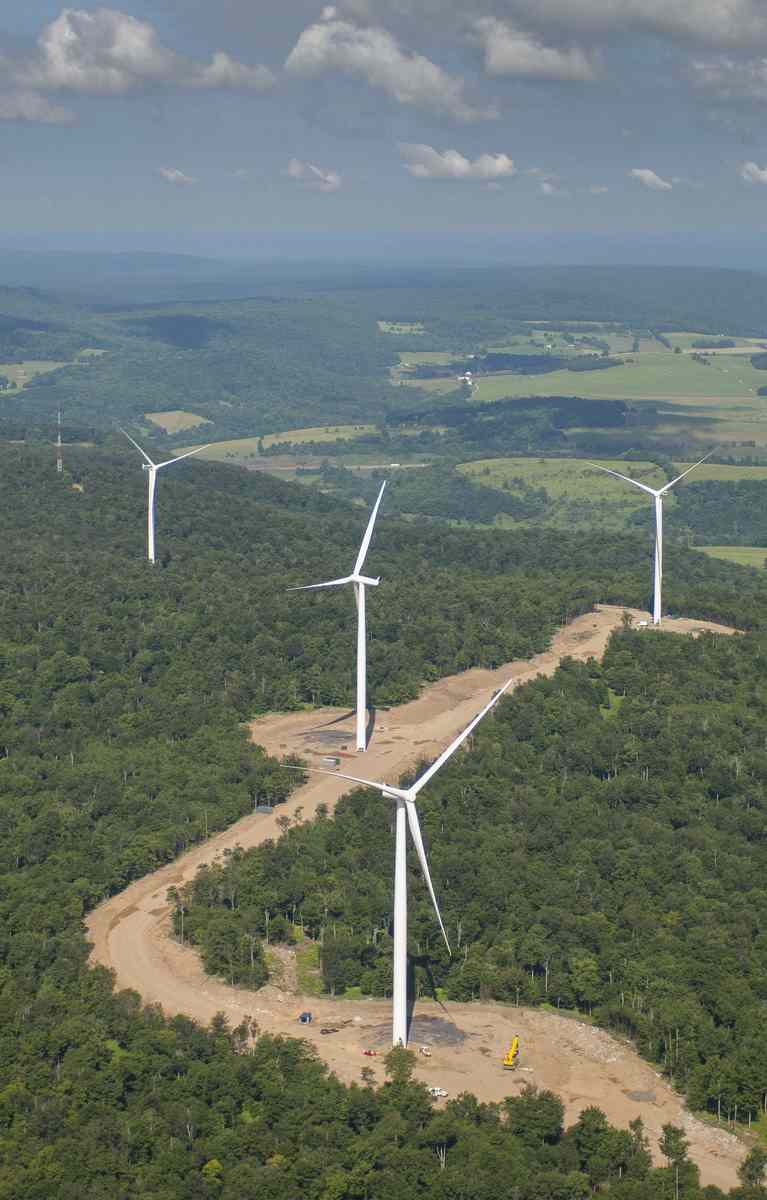
Land-use impacts of wind turbines in Pennsylvania, US. (Image courtesy Mark Godfrey/The Nature Conservancy)
By replacing fossil fuels with renewable energy nations could achieve their emissions commitments without encroaching on vital natural land, according to researchers in the US.
Low-emission energy sources like wind and solar can have a larger geographical footprint than fossil-fuel plants of equivalent capacity. Even so, the renewable-energy potential of already developed land is more than enough to fulfil pledges made as part of the Paris Agreement and could satisfy the total energy demand projected for 2050, the analysis shows.
At the 21st Conference of the Parties (COP21) in Paris in 2015, 196 countries agreed to aim to limit warming to less than 2 °C above pre-industrial levels. The rapid cuts in greenhouse-gas emissions needed imply a large-scale shift away from fossil fuels. Renewable-energy schemes are not without environmental impact themselves, however, so it’s important to choose locations and generation techniques that cause the least possible harm.
“Similar to conventional energy sources, we need to think beyond just the direct footprint of the wind turbine or solar panel and consider the associated structures and roads that renewable energy development brings with it,” says Sharon Baruch-Mordo of The Nature Conservancy, US. “The total sum of such development causes fragmentation of natural lands at a greater scale and creates disturbances that degrade the habitat.”
Natural lands are still relatively free from the direct impact of development; they’re typically forests, grasslands and other ecosystems that have not been appropriated for agriculture or other uses. Converting such areas to human use decreases their biodiversity and releases carbon stored in soils and biomass.
To determine whether land that is already compromised holds enough potential for renewables, Baruch-Mordo and colleagues calculated how much energy is represented by the greenhouse-gas reductions that each nation has committed to under the Paris climate agreement. The team assumed that cuts in emissions would focus on electricity and heat generation, with renewable-energy sources replacing fossil fuels.
The next step was mapping each country’s potential for wind and solar energy generation on land already converted for human use. The researchers also included the potential output from retrofitting existing hydroelectric plants – assuming their efficiency could be slightly improved – and repurposing non-hydroelectric dams to become power-generating. New dams were disallowed because of the harm they cause to natural river processes.
The analysis showed that the total renewable-energy potential of the world’s converted land is 17 times that required to meet the nationally determined contributions (NDCs) committed to during COP21. What’s more, the 10 largest emitters – including the EU28 as a single region – can all fulfil their pledges using land within their own national boundaries.
For a more ambitious target of total fossil-fuel replacement by 2050 (including transport-related energy generation), the researchers found that, globally, converted land has more than one and a half times the potential capacity needed. Fewer individual nations could achieve the goal independently, however, so international agreements and electricity interconnections would be needed.
Because converted land is already used for other purposes, integrating new energy infrastructure will be challenging.
“While wind farms may be compatible with agricultural land uses, solar farms would completely replace the current use,” says Baruch-Mordo. “On the other hand, solar is highly compatible with urban areas especially on rooftops. Development of new technologies for integration such as solar roads or building-integrated solar thermal can also open new frontiers to incorporate renewable-energy generation into areas already modified by people.”
Technical innovation has become big business in modern agriculture, where even small increases in crop yields can have a major impact on the bottom line. Environmental concerns are also driving the need to reduce the use of pesticides or fertilizers, which is demanding better monitoring systems for optimizing growth rates and detecting early signs of disease.
One of the newly adopted tools for remotely assessing the health of plants is multispectral imaging, which measures the light reflected by fields and orchards over different wavelength ranges. Changes in reflectance can indicate that crops have become stressed, prompting field teams to investigate and potentially intervene before a small-scale problem becomes more widespread.
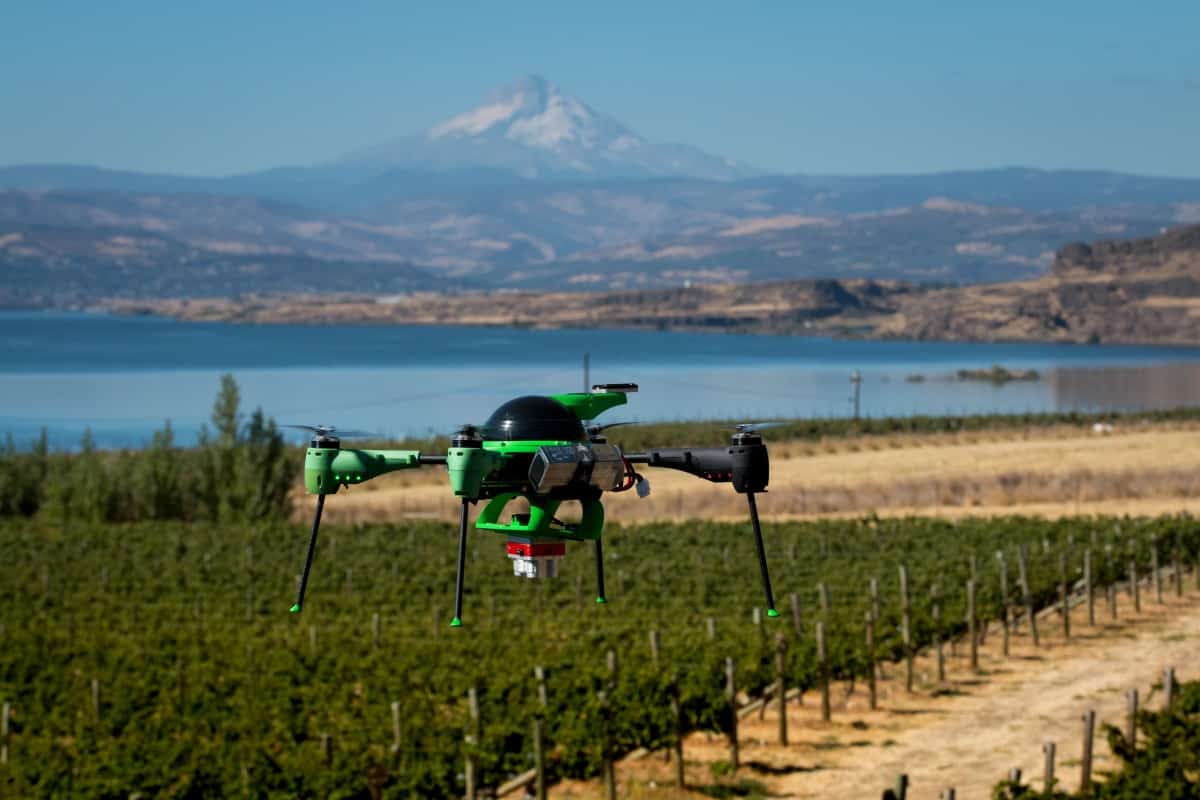
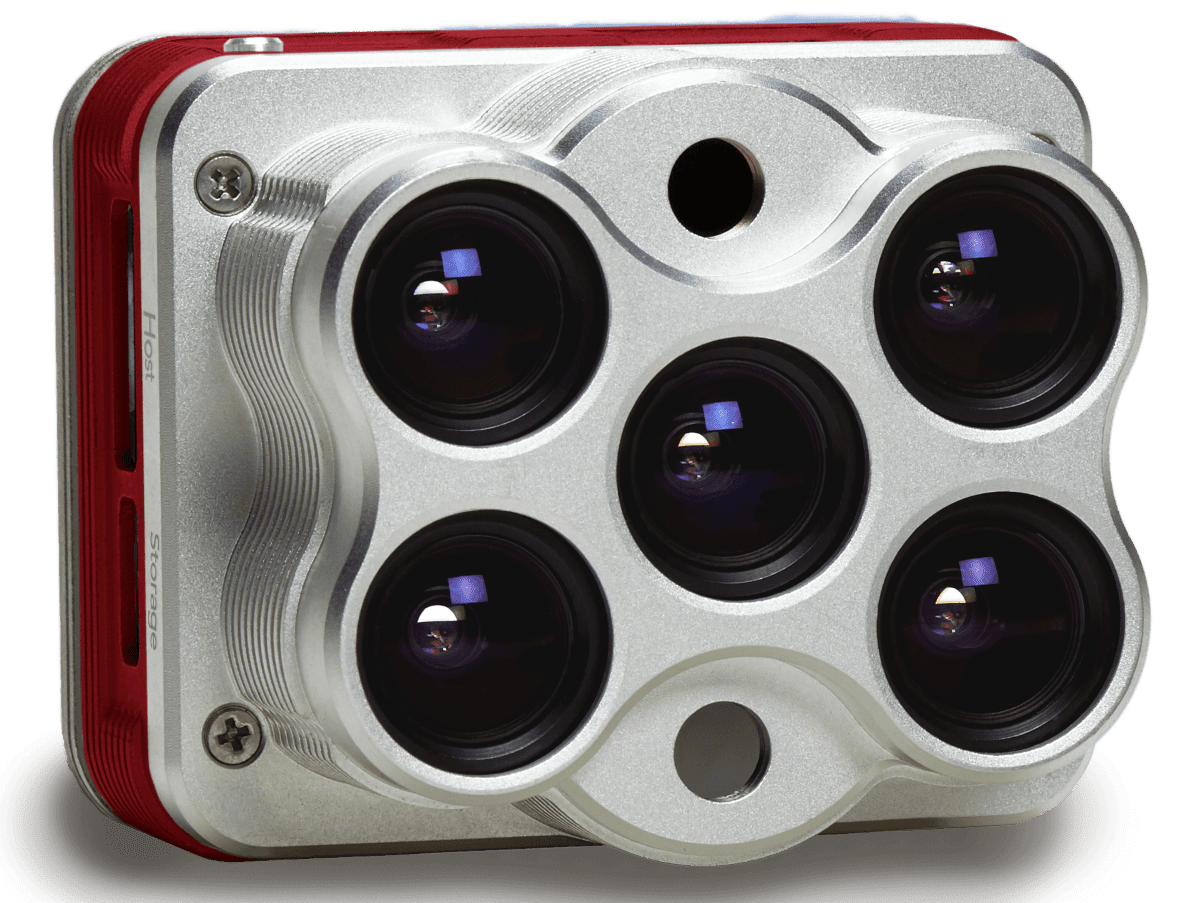
“Sick plants and healthy plants reflect light differently,” explains Dr Manal Elarab, director of enterprise solutions at MicaSense, which since 2014 has produced multispectral sensors for agricultural applications. “Our sensor is designed to be flown over plants or crops using a drone, capturing data over five spectral bands that are particularly relevant for plant canopy analysis.”
Five spectral bands
Along with visible imaging at red, green and blue wavelengths, the camera records data in the near-infrared and the red-edge region. This red-edge spectral band is particularly important for detecting changes in the reflectance of vegetation, since chlorophyll in the leaves absorbs visible light but becomes almost transparent at wavelengths greater than 700 nm.
It’s fitting, then, that MicaSense named their debut product RedEdge when it was first launched in 2014. Several iterations later, the RedEdge camera has become the go-to multispectral instrument for scientists who specialize in studying and improving the performance of plant-based crops. Data from the RedEdge has been exploited in more than 100 published scientific studies, and MicaSense works closely with the research community to support ongoing projects and connect different groups who are working on similar problems.
Each flight must be carefully planned to obtain data that be acted upon (Courtesy: MicaSense)
In one recent study, Dr Ray Asebedo from Kansas State University proved that data captured by the RedEdge could be used to detect disease in wheat fields earlier than other remote-sensing techniques. Mapping the area using common indices such as the Normalized Difference Vegetation Index (NDVI) showed no sign of any problems, while multispectral red-edge data revealed a small patch with different reflectance characteristics – highlighting signs of stress that manifested as chlorophyll deficiencies. Closer examination uncovered yellow streaks on the wheat, a symptom of a viral infection that would have a significant impact on yields if left untreated.
Elarab stresses that the reflectance data should not be used a standalone diagnostic, but rather as an indicator of a potential problem that can reduce the time spent manually checking the health of the crops. If a problem is detected, further analysis in the field or in the lab is also vital to understand the cause of the stress, and to devise possible solutions.
“Multispectral imaging plays a huge role in monitoring the effect of any management practice performed in the field,” Elarab continues. “It can help to determine whether the problem has been resolved, and whether the plants have regained their size and strength.” Other applications for the technology include forestry and archaeological surveys.
Putting the pieces together
Careful planning is essential to generate useful information from a flight, says Elarab. The camera must be integrated onto a suitable aircraft, the flight path must be configured to collect multiple overlapping images, and the raw data must be processed and analysed to enable decisions to be made. “I can’t claim that it’s an easy puzzle to put together, because all the right pieces need to fit together to achieve a successful output,” says Elarab. “But it’s much easier today than when I was a graduate student in 2012, and the technology is now evolving to produce real information rather than just data or pictures.”
Elarab explains that most crop studies monitor changes over time, which means that calibration is essential to correct for different weather conditions and to enable a direct comparison of data recorded over weeks or months. The sensor is therefore supplied with two calibration instruments that can correct for different light conditions between flights, and even for varying light conditions during a single flight. One is a calibration panel that can be imaged before and after the flight to measure the baseline lighting conditions, and the other is a so-called downwelling light sensor that records the ambient light in each of the five spectral bands during the flight.
Our commitment is to build the best sensor we can, while working hand-in-hand with our users to help them to achieve the best possible results from their data
Manal Elarab
The data captured by the multispectral sensor must also be processed to provide reflectance information over the area of interest. A reflectance map can be created with photogrammetric software available from several third-party vendors, who are continually developing their tools to make the data easier to use on a routine basis. Meanwhile, MicaSense provides plenty of advice and support to help customers get the most out of their data through webinars, workshops, and Knowledge Base articles.
“Our core expertise is building better sensors, but we are also committed to working with everyone else in the drone-mapping workflow to ensure that our users derive the proper information from our sensors,” comments Elarab. “We partner with processing companies to help them understand our users and their applications, allowing them to introduce better ways for our customers to unlock the full potential of their data.”
Thermal integration
But the main focus for MicaSense is improving the effectiveness of its technology. As well as regular updates to the original RedEdge camera, in 2018 the company introduced a new multispectral sensor that incorporates thermal capabilities for measuring the temperature of the crop – which can be an important indicator of water stress or disease.
“We were finding that some of our customers were buying the RedEdge and then also flying a separate thermal sensor,” says Drew Baustian, the company’s business development manager. “They would then have two separate datasets containing their multispectral and thermal data, and it was really tricky and time consuming to merge the two together.”
The MicaSense Altum synchronizes multispectral data with thermal measurements (Courtesy: MicaSense)
The new Altum synchronizes multispectral and thermal measurements and outputs into a single file, and offers a higher data resolution than that of the RedEdge. Both the Altum and the latest version of the RedEdge include an upgraded version of the downwelling light sensor, which can better estimate the light conditions during the flight and so improve the corrections that need to be made to compensate for changing conditions between flights or during the same flight.
It’s early days for the Altum sensor, which has only been available for one complete growing season in the southern hemisphere and is now being used for its first summer season in the northern hemisphere. But Elarab says the scientific community has been eager to test the new instrument in the field. “It has already been incorporated into lots of different research projects,” she says. ”There’s nothing ready for publication yet, but we’re very excited about the potential of using Altum to combine high-resolution multispectral data with thermal measurements.”
The company is now working to offer users greater flexibility for their data capture, rather than restricting them to the five pre-defined spectral bands provided by the RedEdge and Altum instruments. “Researchers often have related applications that require a slightly different spectral band,” says Baustian. “We have never really addressed that demand, so we’re looking at offering another configuration over the next 12 months or so.”
Elarab believes that this continued innovation will open up new scientific opportunities, while also delivering new solutions for farm managers and agricultural service providers. “We want more people to adopt precision agriculture,” she says. “Our commitment is to build the best sensor we can, while working hand-in-hand with our users to help them to achieve the best possible results from their data.”
Correlations between the radial positions and radial momenta of entangled pairs of photons have been measured for the first time by physicists in China, Canada and the US.
The work was done Lixiang Chen and colleagues at Xiamen University, the University of Ottawa and University of Rochester – who say that radial entanglement could be used to create better optical tweezers and new quantum technologies.
Entanglement is purely quantum-mechanical phenomenon that allows the properties of two or more photons (or other tiny particles) to be correlated more strongly than allowed by classical physics. Once seen as a quirky aspect of the quantum world, entanglement is now being used to create practical quantum technologies for a range of applications including sensors, computing and cryptography.
Crystal conversion
Entangled pairs of photons can be created by spontaneous parametric down-conversion (SPDC). This involves firing a single photon through a crystal to produce a pair of photons, which remain correlated even when separated by large distances. So far, SPDC has been used to entangle photons in terms of their positions, polarizations, momenta, and orbital angular momenta.
It turns out that photons can also exist in quantum states that resemble rings of light. These states are defined in terms of their radii (radial position) and their radial momentum (whether the ring is expanding or contracting). In their study, Chen’s team demonstrated correlations between these two radial properties in entangled photon pairs.
They did this by first firing a laser at a crystal to produce an entangled photon pair via SPDC. A beam splitter then directs each photon down separate perpendicular arms, which each host a pair of identical spatial light modulators (SLMs). To check for correlations, these SLMs can either function as annular apertures, which only admit photons with a specific radius, or a diffraction gratings, which only allow photons with a specific radial momentum to pass through. Single-photon detectors placed at the end of each arm then confirm whether or not both photons had made it through their respective SLMs. Correlations between signals in the detectors then reveal entanglement through radial properties.
The positive results of the experiment confirmed for the first time that radial positions and radial momenta can indeed be correlated within an entangled photon pair. Chen’s team suggest several potential applications for their results, including optical tweezers made from photons with the same radial momenta. These could be used to guide trapped microscopic particles more precisely. In addition, the confirmation could bring about new capabilities of quantum cryptography and may even offer a new platform for fundamental tests of quantum mechanics.
Diffusion-weighted imaging (DWI) can be used to streamline breast MRI protocols, according to a joint German–Austrian study published online in European Radiology.
The study results are good news for women undergoing breast MRI because they could translate into shorter examinations, wrote the team led by Matthias Dietzel, a radiologist from University Hospital Erlangen in Germany (Eur. Radiol. 10.1007/s00330-019-06346-x).
“We … hypothesized that DWI could be used as a substitute of [the delayed-phase enhancement part of the MRI protocol],” the group noted. “If verified, this might abbreviate and simplify current practice of breast MRI.”
Dynamic contrast-enhanced imaging of the initial phase (IP) and delayed phase (DP) is a key part of any clinical breast MRI protocol. However, because DWI has been used increasingly as an add-on sequence, Dietzel’s group sought to investigate whether it could be used instead of the delayed-phase part of the protocol.
Breast MRI of a 41-year-old woman with grade 2 invasive ductal cancer. Numbers denote acquisition time points of T1-weighted dynamic gradient-echo images after intravenous contrast medium injection in minutes. (Courtesy: Matthias Dietzel and Pascal Baltzer/European Radiology)
“As the DP provides essential diagnostic information, it is considered an integral part of every standard breast MRI protocol,” they wrote. “Besides morphologic and dynamic criteria, numerous additional MRI techniques have been investigated. In this context, diffusion-weighted imaging is arguably the most promising method.”
But adding DWI plus the standard MRI protocol increases scanning time and exam complexity, the researchers explained. They theorized that because the delayed-phase curve type and the apparent diffusion coefficient (ADC) maps obtained from DWI are affected by extracellular space characteristics, perhaps the physiological and diagnostic information they glean would overlap – thus allowing DWI to be used instead of the delayed-phase part of the MRI protocol.
The study included 132 patients with 145 lesions with equivocal or suspicious findings at ultrasound and/or mammography who underwent diagnostic breast MRI. Of these 145 lesions, 101 were malignant and 44 were benign. Dietzel’s group, which included two researchers from the Medical University of Vienna, assessed three sections of the MRI protocol: the initial-phase enhancement, the delayed-phase enhancement, and the ADC maps obtained from DWI. The group examined mean region of interest values for the three sections, as well as the following multiparametric combinations:
IP+: Initial-phase enhancement and DWI
Curve: Initial-phase enhancement and delayed-phase enhancement
Curve+: Initial-phase enhancement, delayed-phase enhancement and DWI
They then compared the performance of these combinations based on the area under the receiver operating characteristic curve (AUC).
The IP+ combination outperformed the Curve combination, in both time needed and AUC, the group found. In addition, the Curve+ combination was not superior to the IP+ combination (p = 1).
Performance of multiparametric combinations.
Based on the results, it appears the breast MRI protocol can be safely abbreviated by using DWI instead of delayed-phase enhancement, according to the group.
“As DWI is typically used as an add-on to IP and DP, our findings have a potential clinical impact,” they concluded. “They provide a rationale to shorten and to simplify current breast MRI practice without losing diagnostic information.”
Passengers at London’s Heathrow Airport got some good news recently when it was announced that – thanks to the airport’s new computerized tomography (CT) scanners – they will soon be able to stop separating out the liquids and gels in their hand luggage as they go through security. The new scanners produce high-resolution, three-dimensional X-ray images in real time, making it easier to detect explosives quickly, without the need for a separate screening process.
This development was widely reported in the media and heralded as a boon for travellers and security staff alike. What was not so widely reported, however, is that streamlined imaging of luggage and containers has been achieved, in part, by improvements to the accelerators that provide the electron beams for the scanners. These improvements have made scanning equipment more compact, while also enhancing the quality of the imaging beam – and they were based on knowledge that has been acquired, directly and indirectly, from R&D into particle accelerators used for scientific research.
Real-time security screening
In CT scanning – still the most widely-used imaging technique for luggage – a beam of particles (traditionally X-rays, but it could also be neutrons or other particles) is sent through the object. By measuring the attenuated beam, and then repeating this process in steps over a 180- or 360 ˚ range, the imaging system produces a 2D shadowgraph of the specimen, revealing details of its internal structure (dimensions, shape, internal defects, density, and so on). These cross-sectional images are reconstructed using projections from several directions and visualized using 3D graphics-rendering software. The 3D image is then manipulated and sliced in various ways to provide a thorough understanding of the object.
Although many reconstruction algorithms exist, most fall into one of two categories: filtered back projection (FBP) and iterative reconstruction (IR). Both procedures give inexact results and there is a trade-off between accuracy and computation time required. FBP demands less computing power but is less accurate, while IR generally produces fewer artefacts (errors in the reconstruction) at a higher computing cost. In both cases, the computing power requirement means that most tomographic scanners acquire static images, not moving ones. Meanwhile, the large size and substantial cost of the accelerators used to create the particle beams ensures that although CT is routinely used to scan hold luggage, its wider use in security screening is limited.
Recently, however, real-time tomographic (RTT) scanners have emerged that significantly reduce these obstacles. The first models were relatively slow, as they were mounted on a gantry and the scanner was moved around the bag, typically taking 12 to 15 views. However, the new generation of RTT systems have no moving parts and are considerably faster.
The manufacturer of Heathrow’s £50m CT scanners has not been disclosed, but one of the most advanced systems is made by a US-based company, Rapiscan, and was developed with support and training from scientists at the UK’s Daresbury Laboratory (operated by the Science and Technology Facilities Council). The Rapiscan baggage scanning system uses multiple X-ray sources. A stationary array of micro X-ray emitters captures tens of thousands of views of a bag, generating images with significantly better resolution in all planes than standard CT imaging. A very fast reconstruction algorithm has also been developed to speed up the screening process, making it possible to check 1500 to 1800 bags per hour. This is hugely significant for the transport industry. Security checks at airports and docks constitute a major bottleneck in international travel and commerce, and unknown objects can cause long delays even when they turn out to be harmless.
The manufacturers of particle accelerators used in security-screening equipment do not generally need to consider the radiation dose imparted to the suitcases, containers and so on being imaged. This is, of course, not true in medical imaging, where the dose to the patient is a vital consideration. In this field, CT scanning is widely used due to its high image quality, but recent research into the detrimental effects of higher radiation doses has drawn attention to an alternative technique known as digital tomosynthesis.
Digital tomosynthesis works by moving the X-ray source around the patient and acquiring images, as in computerized tomography. However, instead of a full 360 ˚ rotation, the angle is much smaller. This reduces the dose, but the smaller angle means that less information is available for the reconstruction, leading to lower image quality. Moving the source also creates motion-induced artefacts in the images.
An ongoing R&D effort by the accelerator science group at the University of Liverpool/Cockcroft Institute (which I lead) and a UK-based company, Adaptix, aims to design an ultra-compact, high-resolution digital tomosynthesis system that will offer enhanced medical imaging applications with less impact on the patient. The new designs include a system with multiple X-ray sources at different positions and angles that replace the one moving source. This minimizes motion-induced artefacts, although it also creates new challenges that we are still investigating. The hope is that the device will become an intermediate step between standard, low-dose planar X-rays and more expensive CT scanners, giving doctors the option of a tool that combines 3D imaging with a lower radiation dose.
Beating cancer sooner
A third example of technology transfer in accelerator science relates to cancer treatment. Proton- and ion-beam therapies are very effective at treating certain types of the disease, and they are a direct result from R&D into ion accelerators for fundamental science applications. Until recently, there was only one clinical facility using proton beams for cancer treatment in the UK: the Clatterbridge Cancer Centre on the Wirral, where 60 MeV protons have been used to treat ocular melanomas for more than 25 years. The first high-energy proton-beam cancer centre in the UK opened its doors in 2018 at the Christie hospital in Manchester, and more are currently being built.
Unlike the X-rays used in CT scanning and conventional radiotherapies, proton and ion beams used in cancer treatments do not pass all the way through the body. Instead, they stop sharply at a depth determined by their energy. By modulating the beam’s energy and direction, clinicians can deliver a homogeneous dose of radiation over a 3D tumour volume while sparing healthy surrounding tissue. In order to further optimize ion beam therapy, an international R&D effort has focused on the development of novel beam and patient imaging techniques, studies into enhanced biological and physical simulation models using Monte Carlo codes, and research into facility design and optimization to ensure optimum patient treatment along with maximum efficiency. These are all studies that build on research that originally targeted accelerators for fundamental science applications and show how health applications can benefit from more general R&D.
Accelerators that deliver high energies while maintaining a small physical “footprint” could bring research and applications that are currently only possible at large-scale facilities into wider use
Future benefits
These are just a few of the ways that R&D on particle accelerators has led to wider benefits. Other advances include better machine-learning techniques, robotics, new materials, and advances in cryogenics, data handling and analysis – and, of course, the World Wide Web, which was developed for particle physics experiments at CERN. These applications have changed our world, and I believe that future spin-out technologies will have just as much impact.
One reason for my optimism is that ongoing accelerator-science research promises technology innovations in a number of areas. The High Luminosity upgrade of the Large Hadron Collider (HL-LHC), for example, will make the world’s highest energy particle collider an even more powerful tool for discoveries.
Luminosity, originally defined to characterize the brightness of a star, determines how many collisions take place in a particle collider per unit of time. Currently, the beams in the LHC just cross over to create the opportunity for particles to collide; to maximize the chance of a smash, Cockcroft scientists have contributed to experiments with a method of capturing short bunches of protons a few centimetres long and throwing them sideways to hit another bunch of protons head-on. These “crab cavities” have the potential to increase the luminosity of the LHC by a factor of 10; this will speed up discovery to such a degree that 10 months of current work could be done in just one.
These developments will also demand novel beam diagnostics tools to fully characterize the more powerful beams, as existing technologies will simply no longer work. My group has been developing a non-invasive gas-jet-based monitor in close collaboration with experts from CERN and GSI in Germany for the LHC upgrade – a technology that shows great promise also for other high-energy and high-intensity accelerators.
Other strands of research aim to make accelerators more compact, thereby simplifying their operation and reducing their costs. International collaborations such as EuPRAXIA and AWAKE are investigating several mechanisms, including laser- and particle-beam-driven plasma acceleration. In these schemes, a plasma is modulated by a so-called “drive beam” that generates extremely high electric field gradients in the plasma. By injecting an electron beam into regions with a very high electric field, it has been shown that electrons can be accelerated to high energies over distances that are 1000 times shorter than is possible in conventional RF accelerators. These are very exciting developments, since accelerators that deliver high energies while maintaining a small physical “footprint” could bring research and applications that are currently only possible at large-scale facilities into wider use.
Further in the future, an even higher-energy collider (such as the Future Circular Collider being studied by researchers around the world) will require advances in several areas, including magnets, superconducting materials and cables, as well as detectors and diagnostics – all drivers of innovation that show great promise for application in other, often unexpected, areas. R&D into particle accelerators has been driving innovation for more than 100 years. This has resulted in applications with enormous benefits for society. An even more promising future lies ahead.
Synthesis routes for T-graphene. Credit: Chinese Physics Letters, courtesy: S Jian
A single-layer planar carbon sheet with four- and eight-membered rings, known as T-graphene, could be an intrinsic elemental 2D superconductor with a superconducting transition temperature (Tc) of more than 20 K. This is the new finding from researchers at Nanjing University in China who say that single-layer T-graphene, which could be used to fabricate superconducting nanodevices in the future, might be peeled off from a precursor potassium T-graphene intercalation compound (C4K) and be synthesized under high pressure in the laboratory. The precursor itself could have record values of Tc for layered carbon-based superconductors.
There are single-layer materials, such as iron selenide (FeSe), molybdenum disulphide (MoS2) and niobium selenide (NbSe2) that can be superconductors but some of these need to be doped or strained to exhibit superconductivity. Graphene (a sheet of carbon atoms just one atom thick) is another example. Indeed, researchers recently reported superconductivity in “magic-angle” bilayer graphene, a result that caused quite a stir, but the magic angle can be quite tricky to control in experiments.
The list does not end there: many carbon-allotrope related materials, such as graphene intercalation compounds (GICs), fullerene alkali metal compounds, nanotubes, boron-doped diamond and boron carbide, are also superconducting. GICs, in which metallic atoms intercalate between graphene sheets, are particularly interesting to study, says study team leader Jian Sun who is at the School of Physics and the National Laboratory of Solid State Microstructures at Nanjing University.
T-graphene and its intercalation compound
Alkali metal carbon compounds (such as C8A, where A is K, Rb or Cs) were the first type of GIC superconductors to be studied, he explains. C8K was the most popular compound since it is one of the easiest to fabricate. Indeed, researchers predicted that this material could have Dirac-like fermions and a high Fermi velocity similar to graphene itself and found that the Tc of C8K can be increased to 1.7 K by applying pressures of 1.5 GPa.
Sun and colleagues have now predicted that the T-graphene intercalated material C4K, which has a similar structure to C8K, could have a Tc that is even higher – of up to 30.4 K at 0 GPa. They obtained their result thanks to a machine learning crystal structure search method that they developed last year to predict that a stable phase of C4K can be synthesized in the laboratory at high pressures of around 11.5 GPa and then quickly quenched to ambient pressure.
The researchers then employed first-principle calculations based on density functional theory to check the material’s stability and show that a single-layer of T-graphene could, in principle, be peeled off from bulk C4K or from bulk T-graphite (C4), where C4 can be obtained from C4K by evaporating the K atoms. Finally, they used first-principles calculations and electron-phonon coupling theory to study the materials’ electronic structures and superconducting properties. “Most excitingly, we found that the single-layer of T-graphene could be an intrinsic superconductor with a Tc of around 20 K,” Sun tells Physics World.
Fabricating superconducting devices
“Once the single-layer T-graphene is made, it could be stacked with other 2D materials such as graphene or transition metal dichalcogenides (using standard layer-by-layer or so-called vertical techniques) to fabricate superconducting devices,” he says. “What is more, the high-pressure synthesis method we have put forward in this work could be a new strategy to obtain single-layer materials that cannot be easily synthesized at ambient conditions. This provides a road map to obtaining such promising materials and opens a new door in the field.”
The researchers, reporting their work in Chinese Physics Letters 10.1088/0256-307X/36/9/097401, say that they are now using the strategy they have proposed to search for other single-layer materials with superconducting properties.
Periods of heavy summer rain will become more persistent in the northern hemisphere as the climate warms – according to scientists in the UK, Germany and the Netherlands. The team also predicts that summer heatwaves and droughts will last longer in some parts of the hemisphere, with the changes being driven by the slowing down of large-scale atmospheric circulations.
Climate change is already expected to intensify heat and rainfall extremes. This latest study looks instead at its impact on the clustering of wet days and hotter than average days, finding that both hot and wet weather events will persist for longer if global temperatures rise to 2 °C above pre-industrial levels.
The researchers say that this is important because although extreme weather events are commonly discussed in terms of their intensity and frequency, it is often persistence that leads to the most severe effects. Extended periods of hot and dry weather can have serious public health, agricultural, environmental and economic impacts, while consecutive days of heavy rainfall raise the risk of severe flooding.
Four general circulation models
To assess changes in the persistence of extreme summer weather under climate change the team compared ten-year future scenarios from four general circulation models with climate data from 2006 to 2015.
These models were used to identify periods of consecutive warm, dry, dry–warm or rain days. Rain days were those with more than 5 mm of precipitation, while days with less than 1 mm were considered dry. To identify heatwaves relative to warmer climate conditions, not just present-day conditions, warm days were defined as those with temperatures exceeding a scenario-dependent and location-specific median.
According to the study, if the world warms to 2 °C above pre-industrial temperatures, periods of at least seven consecutive days of heavy summer rain will increase by 26% across the northern hemisphere, compared with today’s climate. Both warm and warm-dry periods that last longer than two weeks are also predicted to increase by 4%.
Heavy rain for longer
“Our study found that if the world warms to 2 °C above pre-industrial levels, we could see a significant shift in summer weather conditions from the patterns we know today. Extreme weather would become more persistent – hot and dry periods, as well as consecutive days of heavy rain would all get longer,” says Peter Pfleiderer, a climate scientist at Humboldt University in Berlin.
We consistently find lesser effects when working in the 1.5 °C scenario
Kai Kornhuber
Increases in persistent warm periods would be most pronounced in northern Asia, central Europe and eastern North America. These regions would also see an increase in persistent dry weather, according to the study, with eastern North America seeing increases in long dry-warm periods of 20%. The biggest increases in long wet periods will be seen in northern and central Europe, and northern Asia.
The researchers also highlight the predicted lengthening of dry-warm periods in important agricultural regions, such as central North America, and northern and central Europe, stating that it poses a serious risk to food production. The summer heatwave of 2018 serves as a warning: persistent dry-warm periods in western Europe, which ran from April to September, with few breaks, contributed to a 15% reduction in the German wheat harvest.
Weakening circulation
The researchers say that the weakening of large-scale summer atmospheric circulation patterns, such as storm tracks and the jet stream, that move weather and storms around, is likely an important driver of the increased weather persistence. Their analysis found that the weakening summer storm tracks are predicted by all models, with previous research linking a slow-moving stationary wave in the jet stream to persistent extreme weather events in the summer of 2018.
“The weakening of storm tracks can contribute to an increased persistence of these dry and hot days, and that is consistent with other studies that show that these storm tracks will continue to weaken in a warmer climate,” says team member Kai Kornhuber, who is at Columbia University.
If warming can be limited to 1.5 °C above pre-industrial levels, however, then the team has shown that the impact on heatwaves is reduced. For example, dry–warm persistence is projected to increase by 10% in central North America and central Europe if global temperatures rise by 2 °C, but there is no predicted change under 1.5 °C scenarios. This suggests a nonlinear dependence of dry–warm persistence with mean temperature rises, the researchers say. Rain persistence, however, increases almost everywhere with 1.5 °C of warming, scaling linearly with global mean temperatures.
“We consistently find lesser effects when working in the 1.5 °C scenario,” Kornhuber says, adding that this underlines the idea that risks can be prevented if we stick to the Paris Agreement. “Half a degree matters,” he says.
The Rutherford Cancer Centre Thames Valley today announced the opening of its new proton therapy suite, the first such facility in South East England. The centre will begin treating its first cancer patients within a fortnight.
The Thames Valley centre, which will serve all of London, as well as international patients, has a permanent consultation facility in London’s Harley Street. This will allow patients to undergo initial consultations in London before receiving treatment at Thames Valley, which is a 25-min train journey away in Reading. The new centre is part of a network of Rutherford Cancer Centres, which also includes fully operational facilities in Wales and Northumberland.
“The opening of our latest proton beam therapy suite marks a major milestone for advanced cancer care in the UK,” says Mike Moran, chief executive of Rutherford Health Plc, which operates the Rutherford Cancer Centres. “It is remarkable that just over a year ago, there were no such facilities in the UK. Patients who needed precision radiotherapy had to travel abroad. It reflects the rising demand for precision radiotherapy and we are determined to ensure cancer patients can receive the treatment that they need without facing any delays or having to travel abroad.”
Each Rutherford Cancer Centre provides imaging, chemotherapy, radiotherapy, immunotherapy and proton therapy, as well as a suite of diagnostic services. A fourth is currently under construction in Liverpool.
“UK cancer care has made major strides over the past year thanks to a complementary mix of private and public facilities but rising demand for precision radiotherapy means that there is still some way to go,” says Karol Sikora, chief medical officer of Rutherford Health Plc. “Based on treatment rates in other advanced European countries, the UK may need approximately 18 proton beam therapy facilities in the years to come.”
Laura Geer, centre manager of Rutherford Cancer Centre Thames Valley, adds: “Bringing advanced cancer treatments to the most populous region of the UK and the biggest city in Europe for the first time will have a major impact on patient outcomes and help transform cancer care nationally.”