Quantum approach reveals faster protein folding

The study of protein folding is fundamental in biophysics because it is important for understanding how proteins function in a wide range of biological processes and for investigating diseases like Alzheimer’s and Parkinson’s in which proteins misfold. Thanks to a new quantum approach, researchers in China have now found that proteins could fold much faster than previous calculations suggest.

Proteins consist of a long chain of molecules known as amino acids folded into a 3D shape. Researchers have been studying protein folding since the 1950s, and in 1956, two postdocs working at the Carlsberg Laboratory in Copenhagen, John Schellman and Bill Harrington, were the first to discover that protein folding reactions are very fast and often reversible. However, just over a decade later, physicist and molecular biologist Cyrus Levinthal pointed out that they may be extremely slow.

The Levinthal paradox

In his model, Levinthal assumed that a protein folds through a series of meta-stable intermediate states and that a myriad of different conformations are possible. He estimated that if a protein explored new conformations randomly at the rate at which a single molecular bond can rotate, the time it would take for it to explore all the possible conformations would amount to the age of the universe – even for a protein containing just 100 amino acid residues. Experiments show, however, that proteins can fold in less than a few seconds.
You-Quan LI

There are many theoretical models today to explain this so-called Levinthal paradox. These include the Ising-like model, the foldon-dependent protein folding model and the nucleation-condensation mechanism. All these models require that simple assumptions of the protein structure be made from the outset, however.

A quantum walk on a definite graph

Researchers at Zhejiang University in Hangzhou led by You-Quan Li and Li-Hua Lu have now put forward a quantum strategy to describe protein folding as a quantum walk on a definite graph. This, they say, provides them with a general scheme without having to resort to simple, “artificial”, hypotheses.

“In our technique, we calculate the folding time as the mean first-passage time from the protein’s initial state (a straight-line conformation) to the target, final state (the most compact structure that models the native conformation),” explains Li.

Li-Hua Li

Protein folding time is much shorter

The protein folding time Li and Lu obtained is much shorter than that calculated from classical random walks. “This result should substantially advance the research field of protein folding,” says Li. “It may also help in the development of protein engineering technologies and in the design of protein-based nanodevices.”

In their work, they describe the protein structure by the frequently adopted 2D square lattice model in which a protein is thought of as a chain of non-intersecting units (amino-acid residues). The chains have a given length on the lattice.

“For a protein with n-amino-acid residues, we can calculate the total number Nof distinct lattice conformations that are different for each protein intermediate structure,” explains Lu. “For example, we have N4= 4 and N6= 22. This technique provides us with a set of Nobjects (a structure set).”

One-step folding process

The researchers say they studied the protein folding process as a one-step folding. “Based on the lattice model, we can naturally define this one-step folding by the displacement of one amino acid in one of the lattice sites,” says Lu. “This approach allows us to establish certain connections between distinct points in a structure set and to draw up a connection graph.

“In other words, two structures are connected via one-step folding if their conformations differ in one site only.”

The model, as it stands, does have its limitations though, insists Li. “In this work, we have put forward a self-contained quantum approach to investigate the problem of protein folding without artificial hypotheses, but we have only considered the case of six residues as a model study.

“For a genuine interpretation of experimental protein-folding time, we will need to apply our approach to more residues,” he tells Physics World.

The research is detailed in Chinese Physics Letters 10.1088/0256-307X/36/8/080305.
Light–matter interactions take strange new turn

Physicists in the US have shown that light hitting a conductive metal surface at an angle can cause free electrons in the metal to move either in the same direction or in the opposite direction as the photons, depending on its surrounding environment. Jared Strait and a team of researchers at the National Institute for Standards and Technology (NIST) in Maryland observed the direction change through simplified experiments involving a thin gold film. Their observations reveal a significant gap in our knowledge of how light interacts with metals on microscopic scales.

Currently, physical models explain the interactions between light and conductive metals through the framework of classical electrodynamics. In these models of the so-called “photon-drag” effect, the momentum of photons hitting the metal surface at an angle is conserved as it transfers to the material’s free electrons, pushing them forward in the same direction as the incident light. However, many recent experiments have contradicted this idea, observing currents that flow in the opposite direction of the incident light – indicating instead that the photons are pulling electrons backwards.

Strait’s team aimed to recreate these counter-intuitive results in a highly simplified experiment. They placed uniform film of gold, which contains classical Drude-like electrons, inside a vacuum. An electrode at one end of the film then indicated its voltage, and subsequently, the properties of electron flow induced by the photon-drag effect. After hitting the film with polarized light at various different angles, the team observed that the magnitude of the voltages picked up by the electrode were consistent with current theoretical models of the effect. However, they also found that the electrons were flowing in entirely the wrong direction.

The NIST researchers then repeated the experiment with the film exposed to ambient air. This time, they reproduced the electron flow directions predicted by current theories, which confirmed that those theories are not simply based on inconsistent experimental results. It seems instead that the directions of electron currents produced by the photon-drag effect are wholly dependent on the surrounding environment of the metal.

This completely contradicts classical explanations for the effect, and suggest that far more complex behaviours are at play on microscopic scales than previously realized.  The physicists suggest that these environment-dependent direction changes could be caused by the incident photons acting not just on free electrons in the metal, but also on the core electrons that remain bound to metal ions. However, they acknowledge that this idea is completely speculative.

The processes underlying their observations remain a mystery for now, but Strait’s team now hope to recreate their results across different metals, as well as different polarizations of incident light. Ultimately, they hope that these efforts will allow them to construct an updated model of momentum transfer in the photon-drag effect, potentially allowing for new microscopic theories of light-metal interactions.

Land use is critical for tackling climate change, says report

Climate change is putting an increased pressure on land resources and hampering its ability to sustain growing human populations. That is the conclusion of a special report from the Intergovernmental Panel on Climate Change (IPCC), released today, which also says that keeping global warming below 2 ºC can only be achieved by reducing greenhouse gas emissions from all sectors including land and food.

Taking over two years to put together, the special report on climate and land examines how humans use land and how it contributes to climate change. The report was prepared by 107 scientists from 52 countries who assessed over 7000 scientific publications. It is the first comprehensive look at the land-climate system and is only the second special report to involve all three of the IPCC’s “working groups”.

Climate change is undermining food security and will cause declined yield and increase prices

Valérie Masson-Delmotte

The report reaches three overarching conclusions: land is under growing human pressure; land is part of the solution to tackle climate change; and that land alone cannot solve these problems. Physicist Valérie Masson-Delmotte from the Laboratoire des Sciences du Climat et de l’Environnement in Paris, who is a co-chair of the IPCC’s working group I, notes that about 500 million people are negatively impacted by climate change by living in degraded land areas. “Land is a critical resource,” she says. “Climate change is undermining food security and will cause declined yield and increase prices.”

Indeed, the IPPC’s report describes how dietary choices could help to mitigate climate change. “Diets high in meat are impacting climate change,” says Jim Skea from Imperial College London, who is a co-chair of the IPPC’s working group III. “Reducing food loss and waste needs to improve and balanced diets could reduce the impact of climate change.” Although Skea is keen to emphasize that the IPCC does not recommend what diets people should eat, he says the report highlights that “certain types of diets have a low carbon footprint”.

Near-term actions

The IPCC approved a summary of the report for policymakers at a meeting this week in Geneva, Switzerland. “Early action is the most cost effective — climate change creates additional stresses on land,” notes climate scientist Hans-Otto Pörtner from the Alfred Wegener Institute, Bremerhaven, Germany, who is co-chair of the IPCC’s working group II. “Near-term actions will help reduce the loss of biodiversity and restore natural ecosystems and local knowledge can contribute to tackle the challenges of climate change.”

The IPCC will release a special report on the ocean and cryosphere on 25 September. The body’s sixth assessment report on climate change will follow in 2021/22.

Flexible PET scanner aims to lower cost of PET/MRI

PET/CT scanners have become an invaluable imaging tool in clinical oncology because of their ability to measure metabolic activity and evaluate potentially malignant cells. This is not the case for integrated whole-body PET/MRI systems.

Hybrid integrated PET/MRI systems that perform simultaneous PET and MRI acquisitions afford significantly more accurate registration than the sequential scanning of conventional PET/CT scanners. PET/MRI shows soft-tissue contrast better than PET/CT, can yield functional information about perfusion, diffusion and metabolism, and also reduces total radiation dose. However, its adoption has been slower, in great part due to cost.

Researchers from the Graduate School of Medicine of Kyoto University have assessed a prototype mobile PET scanner designed to work with both CT and MRI scanners. Their objective is to create a more affordable, more versatile PET scanner.

The team tested two different detector layouts of the flexible PET scanner – called fxPET and manufactured by Shimadzu Corporation. They evaluated image quality, lesion detection rate and parameters such as standardized uptake values (SUVs) and metabolic tumour volume (MTV), compared with those of a conventional PET/CT scanner without time-of-flight capacity (Mol. Imaging Biol. 10.1007/s11307-019-01384-9).

The MR-compatible fxPET scanner, comprised of dual arc-shaped detectors each covering 135°, is a partial-ring system rather than a conventional full-ring scanner, with limited angular coverage. It consists of two detector units that fit beds and patients of various body sizes. The fxPET is designed to fit existing MR systems, allowing it to fuse sequential PET and MR images with minimum misalignment.

The dual arc-shaped detector heads can be arranged in various configurations, including top–bottom and left–right. Each detector unit consists of three rings of 18 detector modules, giving a total of 108 detector blocks. Each detector block comprises four-layer depth-of-interaction crystal blocks of lutetium gadolinium oxyorthosilicate crystals and a 64-channel silicon photomultiplier array.

The arc-shaped detectors have a ring diameter of 778 mm and an axial extent of 150 mm. The spatial resolution of fxPET is estimated to be less than 2.5 mm and the coincidence timing resolution is approximately 500 ps.

Performance comparisons

Because fxPET is a partial-ring scanner, degradation of image quality can occur as a result of incomplete coincident data. Radiologist Masao Watanabe and colleagues conducted a study comparing two layouts: one with the detectors located above and below the patient; and the other with the detectors in the same configuration but closer to the patients to eliminate the gap. They also compared the results with whole-body PET/CT images.

The researchers studied 59 patients with a variety of cancers who underwent whole-body PET/CT scans, followed by fxPET scanning in both layouts. Two radiologists rated each image on a 4-point grading scale. With the three image datasets simultaneously displayed on a diagnostic workstation, Watanabe counted the number of visible lesions for each.

The team found that bringing the detectors closer to the patient improved image quality. The fxPET layout with the detectors closest to the patient identified 172 lesions out of 184 (93.5%), compared with 166 lesions (90.2%) for whole-body PET/CT. The other fxPET layout identified 169 lesions, or 91.8%. The authors also reported that SUVs were larger and MTVs smaller in fxPET than in whole-body PET/CT, especially for lesions smaller than 2 cm.

Co-author Yuji Nakamoto tells Physics World that the researchers have developed a new reconstruction algorithm for the scanner and are currently evaluating image quality, diagnostic performance and quantitative values for images reconstructed with this algorithm. In future, they plan to conduct studies to determine an optimum scanning time for fxPET.

“We believe that the fxPET scanner will be an attractive imaging tool, especially from the standpoint of cost,” the authors say. “In any facilities having a state-of-art MR system, fused PET and MR images can be obtained at low cost, although the scanning is not simultaneous but sequential. Also, because of the wide inner diameter of the fxPET system, it can use the standard radiofrequency coils of MR scanning if a CT attenuation map of them is prepared and incorporated into reconstruction of the fxPET images. For this reason, it is not necessary to prepare dedicated radiofrequency coils for combined PET/MRI. In addition, this system could be installed for other devices, such as CT or radiation therapy equipment.”

Reality check

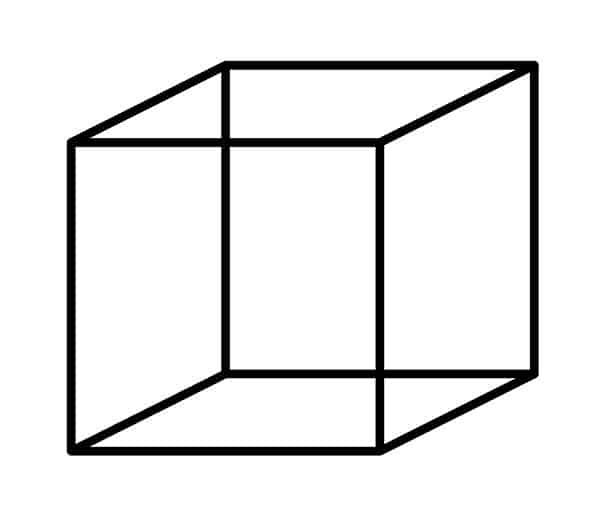
Remember that old optical illusion of a 3D cube drawn in 2D? While viewing this “Necker cube”, what I think is the frontmost face suddenly flips and becomes the back of the block. At any given moment while I am looking at it, I can tell which of two alternative sides – the lower-left or the upper-right square – is at the “front” of the cube. Yet when I’m not looking, I have no idea which of the two faces, if any, is really there.

Donald D Hoffman, cognitive psychologist from the University of California, Irvine, likes to perform this same trick with tomatoes. As he suggests in his latest book, The Case Against Reality: How Evolution Hid the Truth from Our Eyes, that juicy red fruit on your plate ceases to be when you don’t look at it. And he doesn’t stop at tomatoes. For Hoffman every single thing, from a neuron to the Sun, is a mere “icon” upon our mental desktop: a user interface geared to aid survival in a world utterly and inscrutably different from anything we could conceive it to be. The way we perceive a Necker cube turns out not to be some freakish anomaly, but a key to recognizing that our perceptions are non-veridical – that is, they didn’t evolve to see the truth.

Our perceptions are non-veridical. They didn’t evolve to see the truth

Smell, hearing, touch and taste are no less deceptive than sight. The dismal advice is that if I reach out to grasp my tomato, it is not something “out there” to be eaten – instead, this tactile experience is just manipulation of another kind of icon. Depth itself is in Hoffman’s firing line too, as are all dimensions of space–time, and the physical bodies many of us inhabit. These are mere holographic inflations, akin to a video game.

Inevitably, the film The Matrix is a running reference throughout the book, and Hoffman clearly prides himself on being a “red pill” drugs baron. The sophistication of the book comes in showing how we can take a simulation seriously, without taking it literally. One of the most insightful chapters tells how marketing executives exploit our fallible perceptions, pushing hyper-perceptual products such as Lee Jeans’ Body Optix technology. This uses optical physics and laser printing to create a pair of trousers that perfectly highlights the contours of your body. Even as the very fabric of reality is being torn into tatters by Hoffman, he’s sure that consumerist fashions will continue to flourish.

A key tenet of the book is that truth itself can be hazardous to life. According to Hoffman, on seeing a long-winding object in the grass, it’s best to react as if it’s a poisonous snake. The small cost of a mistake, in cases where it turns out to be a hosepipe, is outweighed by the gain to overall fitness in remaining unbitten. Hoffman has an array of examples like this, which align with the “Fitness-Beats-Truth” (FBT) theorem. Under FBT, perception strategies that enhance fitness always “win-out” over strategies that try to accurately depict an objective reality.

Necker cube

These examples build a sturdy pillar of support for perceptual infidelity. It’s on climbing a second pillar – a parallel case against reality built up from physics – where things get shakier. Read as a primer on the foundations of physics, these chapters are rewarding. Where I began to struggle was in understanding how that physics marries up with Hoffman’s work in cognitive science. It feels like Hoffman is pushing an analogy into an unjustified sameness.

Take symmetry. There are abundant symmetries in our perceptions. Just look again at that tomato. For Hoffman, these symmetries “reveal how we compress and encode information, not the nature of objective reality”. He seeks common cause with John Wheeler and his famous phrase “It from bit”. The view is that it is our observation of, and interaction with the universe, that makes stuff exist. Information processes, rather than particles and space–time structures, are fundamental. While the audacity of such theories is recognized throughout the book, opposing positions aren’t.

It is exhilarating territory to explore, and Hoffman is an amiable guide. He gives wonderfully clear accounts of key features in that terrain, such as the “Kochen-Specker Theorem” (that no property has a definite value that is independent of how we measure it). He puts these to work undermining any worldview that pretends to see a world divorced from its context of observation.

Is that to say that there are no symmetries “out there” in the world? Not quite. The absence of a clearer link between research into perception (we don’t perceive the world as it is) and research in the foundations and philosophy of physics (there may not be a world “out there” to perceive) left me longing for a more substantial bridge between these pillars.

Hoffman wants it both ways: drawing heavily on physics to undermine perceived reality, he rejects physicalism – the view that, at root, everything is physical. In its place he posits a radical proposal: consciousness itself is fundamental, something that “just is”, rather than something that needs explaining in terms of other things. This is a cunning move, but it fails to respect the peculiarity of platforms on which cognitive processes are performed.

Reflecting on this rollercoaster read, I’m grateful to Hoffman for showing that “We have mistaken the limits of our interface for an insight into reality.” Grateful while still reeling from his suggestion that conscious agents are “just math[s]”.

  • 2019 Allen Lane 272pp £20hb

Portable radiation detectors make the invisible, visible

Radiation is an invisible threat. So-called “hot spots”, or areas with high levels of radiation, look no different to the human eye than lower-risk locations, and objects that have been irradiated do not smell, feel or taste different from those that have not. The invisibility of radiation is one reason why radiological incidents such as the meltdown of nuclear reactors at Chernobyl, Ukraine, in 1986 and at Fukushima, Japan, in 2011, have such a high “fear factor” among the public.

The intangible nature of dangerous radiation levels also makes it difficult for clean-up workers to determine quickly and accurately which areas require remediation. Traditionally, workers have used hand-held meters to survey small areas methodically, square centimetre by square centimetre. This process is cumbersome, and it can also mean that technicians spend unnecessarily long periods of time in dangerous environments. As a result, decontamination projects are often highly complicated and expensive, as well as potentially hazardous.

Limitations and challenges

The meltdown at the Fukushima Daiichi nuclear power station brought these problems into sharp focus. Triggered by the Tōhoku earthquake and subsequent tsunami, the disaster scattered a total of 770,000 TBq of radiological material across several Japanese prefectures. The vast geographic spread of the contamination contributed to the scale of the clean-up. In every location, teams had to thoroughly decontaminate a variety of environments and structures, including roads, houses and gardens, agricultural land and forests, water storage sites and of course Fukushima Daiichi itself.

Scientists from my company, Innovative Physics (IPL), were involved in these painstaking clean-up operations alongside partners from other organizations. The standard practice was for the top few centimetres of soil to be removed and placed in bags designed for long-term storage. This was slow and inefficient, and it quickly became evident that workers needed tools that would help them identify and locate radioactivity more efficiently (and safely) than was possible with commercially available devices.

At the time, other systems on the market used either pinhole cameras or Compton scattering to detect gamma rays. Pinhole cameras, as the name implies, allow radiation to enter a detector through a single tiny aperture. As this aperture only lets a small amount of radiation through, the signal-to-noise ratio for these devices is low – meaning that it takes a while for them to find weaker sources of radioactivity, and that people using them may be exposed to radiation in the meantime.

Clean-up workers involved in the Fukushima decontamination process identified "hot" areas based on data from images.

Devices that use Compton scattering – the interaction of a gamma ray with an electron – to determine the location of radiation also have limitations. In these systems, the electron is typically supplied by a material such as silicon, and the angle between the original position of the electron and the scattered gamma-ray photon is measured using an absorber such as cadmium telluride or cadmium zinc telluride. The Compton camera uses these measurements to determine a ring of possible origins for the incident photon, and each additional detection event builds up a more accurate picture.

This method also takes time, and the placement of the detectors in the Compton camera limits the device’s sensitivity. Even if photons from the hot spot reach the camera, some of them may be scattered at such large angles that they do not reach the second detector, making it hard to pinpoint the hot spot’s location. A typical Compton camera also uses a fish-eye lens, meaning that the distance between hot spots appears smaller than it really is due to the curvature of the lens. As a result, Compton cameras struggle to register multiple hot spots if they are too close to each other, and their image quality worsens as hot spots get closer to the edge of their field of view.

A better way

Beginning in early 2012, IPL worked closely with a Japanese customer to understand what a better “gamma camera” would look like. The Hot Spot Locator (HSL), as it is now known, was developed in the IPL’s headquarters on the Isle of Wight, UK. The way the HSL images gamma radiation is similar to the way that digital cameras image visible light. Signals from an array of high-energy radiation sensors are coupled with a coded aperture – in essence, a collection of around a dozen pinholes, which IPL’s deconvolution algorithms can interpret to create a true image of the hotspot. The HSL uses a dynamic imaging mask (DIM), which enables the coded aperture to rotate, allowing different patterns of radiological data to hit the sensor. By taking the two set patterns of radiological data and subtracting them from one another any background radiation can be removed. When these data are then overlaid onto a video camera image, the result is a near real-time image of radiation contamination.

The coded aperture design makes the HSL much more sensitive than pinhole cameras or Compton cameras of a similar size and weight, enabling it to detect levels of radiation five times lower. The HSL is also able to detect isotopes that emit radiation at energies as low as 50 keV. Both features made it well-suited for quick deployment in the rural areas around Fukushima where a complex range of radioactive isotopes is known to make up the contamination. By May 2013 a prototype device was ready for testing in contaminated areas of Fukushima Prefecture and, after it successfully identified radioactive hotspots, the first field trial unit was produced two months later.

The HSL provides an image or video of a large area, enabling workers to detect hot spots quickly and remotely. It also provides information, within minutes, about the type of radiation being emitted. Locating hot spots of radioactivity in this manner makes it easier to determine where radioactive contamination is and what its source might be (such as a leaking storage barrel). It also lets technicians focus on decontaminating highly radioactive areas first, creating a safer environment for subsequent, lower-level decontamination work.

Stacked containers of waste from a nuclear facility.

The HSL was primarily designed to assist the Fukushima decontamination project. From this, IPL has developed a host of specific applications, highlighting the device’s versatility. Figure 1(a) shows the image generated when the HSL was placed 5 m from a drain. The background radiation in this area was 1.5 μSv/hr, and within 30 seconds, the device located a radiation hot spot of 0.18 μSv/hr – despite the contamination occurring at much lower sensitivity levels. This hot spot was quickly identified as a small shrub. Subsequent investigations showed that contaminated water had washed into the drain, and the plant’s roots were soaking it up, leading the plant itself to become contaminated.

A similar situation is shown in figure 1(b). Here, the HSL was placed 4.5 m from a bush, in an area with a background radiation of 0.5 μSv/hr. Within two minutes, the HSL identified a hot spot of 0.2 μSv/hr. In this case, contaminated water from the roof of the house was dripping onto the bush, which absorbed the contamination.

Another application for the HSL lies in reassuring end users and residents that their homes and communities really have been decontaminated to the required standard. This is essential both because radiation is invisible, and also because many Fukushima residents have become wary or distrustful of official reassurances in the wake of the environmental catastrophe. The HSLs provide clear “before and after” images that even non-radiation experts can understand, showing residents evidence of the actual levels of contamination in their areas in a way that gives them confidence in the work that has been done. The quicker the area around Fukushima can be decontaminated – and, crucially, seen to be decontaminated – the sooner people can return to their homes, and the faster the region can go back to producing crops that are safe for human consumption.

Forward looking

In the years since the Fukushima disaster, IPL has added new devices and capabilities to the HSL range. Some of these devices are designed for use by organizations that routinely process radioactive waste. Such waste is often stored in containment vessels of varying sizes before being processed and/or shipped to long-term storage facilities. In these circumstances, the HSL is faster than pinhole or Compton cameras at ascertaining whether radioactive waste is present in the storage vessels (figure 2).

All of these applications rely on the HSL’s ability to find areas of radioactive contamination quickly, in minutes rather than hours, saving money and ensuring that workers spend less time in hazardous situations. We are always interested in hearing about new technical challenges and obstacles that this technology and our R&D experience can overcome.

Breakthrough prize criticized for rewarding ‘failed ideas’

Three proponents of “supergravity” – a theory that attempts to unify all the forces of nature – have been awarded with a Special Breakthrough Prize worth $3m. Theorists Sergio Ferrara from the CERN particle-physics lab near Geneva, Daniel Freedman from the Massachusetts Institute of Technology and Stanford University, and Peter van Nieuwenhuizen from Stony Brook University, share the prize for work they carried out in the 1970s that unifies general relativity and supersymmetry. The announcement, however, has been met with derision by some who say that such a high-profile physics prize should not go to a speculative theory that has not been tested experimentally.

By the early 1970s, physicists had unified the electromagnetic, weak and strong forces via the now-famous Standard Model of particle physics, but gravity proved elusive. At the same time, quantum-field theorists found that the infinities that appeared in their calculations to unify gravity would often disappear if every particle happened to be accompanied by a partner with a spin that differed by half-multiples of h/2π, where h is Planck’s constant. They then postulated a universal “supersymmetry” between fermions and bosons, and vice-versa, but it was still a question whether this could be applied to gravity.

That is when Ferrara, Freedman and van Nieuwenhuizen took on the problem. The trio wrote down the theory of a spin-2 particle – the graviton – with a spin-3/2 field as its supersymmetric partner. When they ran their calculations through a computer they showed that they had indeed constructed a consistent field theory that combined general relativity with supersymmetry at every point of space–time.

The trio published their paper on 15 June 1976 (Phys. Rev. D 13 3214) and two months later van Nieuwenhuizen and Freedman published a follow-up paper for their new theory (Phys. Rev. D 14 912). The idea boomed and other theorists dived into supergravity. Supergravity is now thought of as a low-energy limit of string theory and it gave theoretical physics a boost along the road towards superstrings, which has become the prevailing effort to unify physics.

The community needs to admit failure and think about what went wrong, not put lipstick on a pig

Sabine Hossenfelder

The discovery of supergravity was the beginning of including quantum variables in describing the dynamics of spacetime,” notes Edward Witten from the Institute for Advanced Study at Princeton University, who chaired the 29-strong selection committee for the prize. “It is quite striking that Einstein’s equations admit the generalization that we know as supergravity.”

Supergravity is based on a symmetry principle – a symmetry between bosonic and fermionic fields. That symmetry can only be implemented if space–time is curved – that is, if gravity is present. Were supersymmetry to be found at, say, the Large Hadron Collider (LHC) at CERN, many models would imply supergravity as well. However, despite the LHC collecting a wealth of data over the last few years, there has been no sign of supersymmetry.

‘Failed ideas’

This absence of experimental proof for supergravity – and indeed supersymmetry – has led some to criticize the committee for giving the award for a theory that may never be grounded in reality. “I think this is a bad development,” Sabine Hossenfelder from the Frankfurt Institute for Advanced Study told Physics World. “The message here is clearly that in fundamental physics contact to observation is no longer necessary.” She says that the award gives the message that the foundations of physics is “not really science but in the best case a mixture of maths and philosophy [and] in the worst case just fantasy”. She also says that it tells researchers that they should “strive for popularity” to be considered successful. “With this [prize’s] high visibility comes a message and with that comes responsibility,” she adds.

Hossenfelder admits that supergravity has been influential and that it has given rise to mathematical insights, but she says that it should instead be called a prize for mathematics. “The problem is that we have no reason to think that just because a hypothesis is popular and inspiring it also has a good chance to be a correct description of nature,” she says, adding that supergravity is an example of “research bubbles of empty promise”. “The community needs to admit failure and think about what went wrong, not put lipstick on a pig,” she says.

The fact that one idea — supergravity — has had so many consequences shows its intellectual weight

David Tong

Those views are backed up by theoretical physicist Peter Woit from Columbia University, who has previously been critical of the Breakthrough prizes. “Exactly the possible damage I worried about due to this kind of prize has happened and is ongoing,” he told Physics World. “Due to its size, the prize has got a lot of attention, generating a lot of misleading positive publicity for failed theoretical ideas.”

Woit says that fundamental physics is “facing a difficult time” due to the failure of ideas that have dominated the subject for the past 40 years. “Awarding huge cash prizes for these failed ideas sends the wrong message and makes moving on more difficult,” he says. Woit adds that one problem with the current award is that the citation specifically argues for supersymmetry. “This completely ignores the strong LHC negative results about supersymmetry,” he says. “Giving a huge award for a theoretical idea that has just been falsified by experiment seems something no one should be doing.”

Recognizing ideas

In a Q&A on Stony Brook University’s website, van Nieuwenhuizen admits that the prize has been awarded for purely theoretical work. “The proof is there; the theory exists, mathematically everything is clear,” he says. “But it is not clear if this is a theory of nature. Only when supersymmetric particles are discovered will our theory become physical reality.”

Those behind the prize have also defended their decision. “I believe it is important to recognize the diverse ways in which we advance our understanding of the universe,” David Spergel from Princeton University, who sits on the selection committee for the Breakthrough prize, told Physics World. “We want to recognize the experimentalist who designs a careful and clever experiment that places important new limits on novel physics, as well as the theorist whose ideas open up new possible ways of thinking about the structure of physics.”

Spergel says that work on supergravity has “transformed the range of possible theories and has had a profound effect on how people study the universe”, adding that whether the theory is ultimately correct will “likely influence the path that we take towards understanding physical reality”. Indeed, Spergel says he has the “deepest respect” for scientists who push the limits of technology even when there is no theoretical expectation of a discovery and to theorists who explore energies that are currently beyond the limit of our experimental reach, adding that he would encourage those who would like to see the breakthrough prize go to different people to nominate them.

David Tong, a theoretical physicist from the University of Cambridge, says that the award is “very well deserved”. “The development of supergravity in the 1970s was a mathematical tour-de-force and has had a major impact on developments in theoretical physics,” he told Physics World. “There is a well-established prize for theoretical work that has been confirmed by experiment — the Nobel prize. The Breakthrough prize has a broader remit and is awarded to physicists whose work is of a more mathematical leaning.” Tong adds that much of the progress that we have made in better understanding quantum field theory and general relativity over the past three decades has had supergravity at the heart of it. “The fact that one idea — supergravity — has had so many consequences shows its intellectual weight,” he says.

Breaking through

The Breakthrough prize was inaugurated in 2012 by the Israeli-Russian venture-capitalist Yuri Milner, who had studied theoretical physics. The prize’s funders now include Google co-founder Sergey Brin and Facebook’s Mark Zuckerberg. The award is given out each year in fundamental physics, life sciences and mathematics, with special awards given out at any time. Previous winners of the Special Breakthrough Prize in fundamental physics include Jocelyn Bell-Burnell in 2018 for the discovery of pulsars, and in 2016 the 1015 scientists and engineers who contributed to the detection of gravitational waves earlier that year.

The prize has been met with controversy before when it was criticized for having an all-male selection committee, which was then made up of 26 members. That changed, however, last year when Bell-Burnell, a former president of the Institute of Physics, which publishes Physics World, won a Special Breakthrough Prize and therefore sat on the committee.

The new laureates will be recognized at the 2020 Breakthrough prize ceremony at NASA’s Hangar 1 on 3 November where the winners of the annual fundamental physics prize will also be honoured.

Quantum teleportation moves into the third dimension

Physicists in China and Austria have shown for the first time they can teleport multi-dimensional states of photons. Carrying out experiments using photons encoded via three spatial states, they say their scheme can be extended to arbitrarily high numbers of dimensions and is a vital step in teleporting the entire quantum state of a particle. The work could also improve technology used in quantum communications and quantum computing.

Quantum mechanics forbids the quantum state of one particle from being copied precisely to another particle. But teleportation – the instantaneous transfer of a state between particles separated by a long distance – offers an alternative. The process involves no physical transfer of matter and erases the state of the particle to be copied.

The basic idea is that Alice and Bob share a pair of entangled particles (in the terminology of quantum cryptography, Alice being the sender of a message and Bob the receiver). Then Alice interacts a third particle – in an unknown state – with her half of the entangled pair, measures the outcome of the interaction, and then tells Bob the result via a classical channel. Given that information and a measurement on his half of the entangled pair, Bob is able to work out the original unknown state – which is what has been teleported.

First proposed theoretically in 1993, quantum teleportation has since been demonstrated in many different guises. It has been carried out using two-level states of a single photon, a single atom and a trapped ion – among other quantum objects – and also using two photons. Then in 2015 Chaoyang Lu, Jian-Wei Pan and colleagues at the University of Science and Technology of China in Hefei demonstrated teleportation of two degrees of freedom – spin and orbital angular momentum – between single photons.

In the latest work, the same group, working with Anton Zeilinger and colleagues at the University of Vienna in Austria, has demonstrated teleportation of higher-dimensional states. As Lu explains, being able to transfer multiple degrees of freedom is only part of the challenge. That’s because particles in nature have properties that can take on many possible values, rather than the simple binary states (qubits) used in experiments to date. He says that even the simplest atom – hydrogen – can potentially exist in four different ground states and many excited states.

Measuring the Bell state

The chief difficulty in doing this, says Lu, is Alice’s initial measurement of the “Bell state” between the photon to be teleported and her half of the entangled pair. That measurement requires that the two photons interact with one another, but that interaction is extremely weak. There is a straightforward way around this problem when dealing with two dimensions, he says, but not for any higher number.

In two dimensions there are four possible Bell states, given that each photon can exist as a 1 or a 0: 00+11, 00-11, 01+10 and 01-10. Because three out of these four states are “symmetric” – meaning that switching the two particles leaves the combined wavefunction unchanged – the fourth “asymmetric” state can be unambiguously identified, allowing the state to be teleported successfully. However, in three dimensions there are nine possible states, three of which are antisymmetric, while the remaining six are neither symmetric nor antisymmetric.

Three-photon teleportation

To overcome this problem, the researchers built a complex network of linear optical components linking multiple inputs with multiple outputs. The trick was to tap four different photons – the one to be teleported, the two being entangled and an extra one to enable successful Bell-state measurements. The photons were generated by a pulsed ultraviolet laser and then split along three different paths – to represent the three dimensions – with the three photons at Alice’s end then interfering with one another. The patterns of clicks from detectors recording the interferometers’ output revealed whether the three photons had been projected into a specific Bell state and could therefore be used for teleportation.

In a paper posted on arXiv, and accepted for publication in Physical Review Letters, Lu and colleagues report having successfully teleported photons 75% of the time – by preparing the input photons in a known, specific state and comparing them with the teleported photons (a standard procedure in teleportation experiments). This fidelity of 0.75, they point out, is well above the upper limit of 0.5 possible without entanglement, as well as the 0.66 that could conceivably be achieved with qubits only.

Towards higher dimensions

Lu says that the scheme could be scaled up quite easily to four, five or more dimensions mainly by adding a few more beam splitters, although he reckons that integrating the components on a photonic chip might be more practical for very large numbers of dimensions. More generally, his group is now looking to combine these higher dimensions with multiple degrees of freedom to try to teleport complete particles. “That is a necessary step if we ever want to teleport complex systems,” he says.

Technologically, Lu says that high-dimensional teleportation could be used to extend quantum communication networks – potentially providing higher bandwidth, more secure repeaters than could be achieved using qubits. It might also speed up logic operations inside quantum computers, he reckons. What’s more, he says, higher-dimensional Bell tests could provide greater scrunity of Einstein’s idea of local realism, since they would yield an even more extreme difference between classical and quantum measurements.

Lu and colleagues are not the only researchers to have demonstrated higher-dimensional teleportation. Guang-Can Guo and co-workers, also based at the University of Science and Technology of China in Hefei, have likewise reported teleporting photons in three-dimensions. Their scheme was quite similar to Lu’s but relied on two extra photons to carry out the Bell state measurement, rather than one. They also appear to have achieved a slightly lower fidelity – reporting a figure of “above 0.63”.

Does the UK need 40 GW of firm capacity?

Whether it comes from nuclear plants or fossil fuel-fired power stations with carbon capture and storage (CCS), the UK will need 30-40 GW of new “firm” low-carbon baseload generation by 2050 to meet the net-zero emissions target, Greg Clark reportedly said, just before being replaced by Andrea Leadsom as UK government Department for Business, Energy and Industrial Strategy (BEIS) Secretary of State. That view underlined the consultation on the proposed pre-build “regulated asset base (RAB)” consumer surcharge subsidy for new nuclear. RAB has not been without its critics. But is the capacity-need rationale right?

First off, it has to be said that “baseload” plants, “firm” capacity and “dispatchable power” are not the same thing. As BNEF’s Michael Liebreich told Carbon Brief: “Any case for ‘firm’ power is essentially valueless without knowing the detail of the assumptions. Firm power which cannot be switched off when you don’t need it will be as much of a problem as variable power which cannot be switched on when you do. What is called for is flexibility, in huge quantities and of all types.” Nuclear plants of the current type can’t provide that, and gas turbines with CCS may find it hard to load-follow economically, with inefficient part-time use of costly CCS kit. What we need to do is to plan the whole new system coherently, not just add on odd bits.

At present, peak wintertime UK power demand is around 60 GW and the summer night-time minimum demand is about 20 GW. Most of the latter is met from nuclear-, gas- and coal-fired plants run continuously and meeting the so-called baseload, although with coal on the way out, PV solar, which has over 13 GW in place, is edging into the market. Wind, with more than 21 GW in place, is more available in winter and, if not, is backed up by flexible gas plants, with these inputs, along with extra from gas and biomass plants, and the “baseload” plant inputs, meeting winter demand.

Flexibility wins

Renewables like wind and solar are variable. So, as we expand from the current 33% renewable contribution, we will need to use flexible plants more often — the inflexible nuclear plants can’t help — and also add other balancing measures. But it doesn’t have to be fossil gas-fired back-up plants. Biogas and green syngas-fired plants would avoid the need for costly CCS, and storable hydrogen syngas could be made from the occasional surplus renewable power outputs, via Power to Gas (P2G) electrolysis, maybe soon at reasonable overall costs — as renewable costs fall, the economics of P2G/hydrogen do seem to be improving.

It is possible that, at some point soon, we could meet near 100% of power demand from renewables most of the time. National Grid offshoot ESO says “there soon will be times in the year when the market could meet the total demand for electricity through renewable generation only and these periods will increase as more and more renewables are connected and more load actively participates in the market”.

Then there would, at times of low demand, be a substantial surplus, available, if it was P2G converted and stored, to meet the occasional demand peaks and longer lulls in renewable availability without much need for other storage. Although compressed air/liquid air storage are also options for longer-term bulk storage, with perhaps better round-trip efficiencies than P2G. Pumped hydro and batteries can help with shorter-term balancing, for hours or at most days. Some easily-varied biogas-fired Combined Heat and Power plant outputs, linked to heat stores/district heating networks, could also help with that, with the heat stores being topped up using solar heat and heat made with surplus wind/PV power. And demand-side management (DSM) could delay the peaks for a while. We may also be able to import green power to meet local lulls — balanced by exports at other times, when we have a surplus.

Meeting demand

Will all that suffice? The current plan is to switch most heating and transport over to electricity — heat pumps and electric vehicles (EVs). That has some issues: the power grid may not be up to it, as power demand would be pushed up at peak times, unless evening EV-charging was delayed. But let’s say maximum demand rose to 70 GW (despite the fact that power use has actually been falling). With, say, 100 GW of renewables on the grid, that demand could be met most of the time, with DSM helping to cut peaks and P2G-fed plants topping up when there are long lulls in wind/PV.

That does mean green gas plants must be there for occasional extra back-up but arguably it would not require 70 GW. If DSM can delay peaks and the UK briefly imported some power, less back-up should be needed, and that’s forgetting that wind and PV are unlikely to both get to zero at the same time. In addition to the (stored) biomass, there would also be inputs from hydro and, possibly, geothermal (all “firm” sources) and tidal plants (variable but predictable), plus wave energy (variable, but less so than wind). With load factors improving all the time — over 60% is claimed for some new offshore wind turbines — my guess, in line with the modelling I did some while back for Pugwash, is that it would be rare to need more than 30-40 GW of partly P2G-fed green power capacity available for backup by 2050, depending on how the rest of the system was developed and run, and the level of demand reduction that can be made.

Given that we don’t yet know what the optimal mix/scale of renewables/P2G would be, it is hard to assess the overall cost of this system. It is usually said that balancing costs will rise significantly as the variable renewable proportion increases. But, against that, some smart grid-balancing measures will reduce system costs by matching energy supply and demand more efficiently. As the National Infrastructure Commission (PDF) noted, an integrated flexible supply and demand management system, with smart grids, storage and also grid interconnector imports/exports, could save the UK £8 billion p.a. by 2030. A study by Imperial College London/OVO Energy claimed that just adding residential flexibility in domestic energy use (including for electric vehicle charging) could reduce whole system costs by up to £6.9 billion p.a, or 21% of total electricity system costs. It was suggested that these savings could more than offset the cost of upgrading the power system. That does seem credible for some of the options. For example, introducing variable time-of-use energy tariff charges requires no capital outlay but could lead to reduced energy use and user costs and reduced system costs. In all, it has been suggested that improved system flexibility could save the UK up to £40 billion by 2050.

Going bigger?

What’s more, as I noted in an earlier post, we also do not have to stick with just 100 GW of renewables. Some say you can expand renewables much further, in which case demand could be met even more of the time (reducing the need for back-up), and there would also be more surpluses, which could be used not just to deal with times when current output can’t meet demand, but for other purposes as well, including transport, heating and export.

In a scenario with renewables much expanded, demand would not change (indeed, hopefully in such a future, it might be reduced). But, while there would not be a need for more back-up power, there would be a need for more P2G conversion if the surpluses are to be used as hydrogen more widely, so that would push up the cost — although that has to be set against the value of the wider use of P2G energy. Alternatively, some of the surplus could just be exported as power, earning valuable income.

The UK government’s advisory Committee on Climate Change (CCC) says you can only go so far with the proportion of energy supplied by renewables before balancing costs start to rise, so we will need nuclear or CCS to provide some firm power. But it assumes that nuclear will get 28% cheaper by 2050 and that CCS will be viable at scale. In reality, renewables are here now and are getting ever cheaper and, as I have suggested above, the system economics could improve as renewables expand — depending in part on the viability of P2G.

Overall, the technology is changing fast and as the CCC admits,”there is good reason to believe that the range of options could be wider and/or cheaper than we have assumed”. With the UK likely to miss its next climate targets and the UN Climate Change COP26 roadshow due to descend on the UK next year, BEIS arguably has to up its game and look to a wider set of options, beyond nuclear and more fossil gas.

Raman spectroscopy lines up for thyroid cancer diagnosis

Raman spectroscopy could ease the diagnosis of thyroid cancer, according to a study from researchers at UC Davis and the University of Washington. The label-free spectroscopic technique, which uses inelastic scattering of light to identify a sample’s molecular composition, can distinguish between benign and cancerous human thyroid cells with 97% accuracy (Biomed. Opt. Express 10.1364/BOE.10.004411).

Thyroid cancer is the ninth most common cancer, with more than 50,000 new cases diagnosed in the US each year. One common symptom is a lump in the neck – although most thyroid nodules aren’t cancerous. Suspicious nodules are typically analysed using ultrasound-guided fine needle aspiration, in which cells removed from the nodule are stained and analysed by a pathologist.

In roughly 15–30% of cases, however, the pathologist cannot determine whether the biopsied cells are benign or malignant, and a thyroidectomy is required to surgically remove tissue. A technique that could more accurately diagnose and differentiate thyroid nodules would avoid unnecessary surgeries and have a major impact on patient care and management.

With this aim, the research team investigated Raman spectroscopy as a possible diagnostic alternative. The technique identifies intrinsic molecules in cells and tissues without requiring sample preparation or staining, can offer subcellular spatial resolution if implemented into a confocal microscope and is non-destructive.

“We would like to use Raman spectroscopy to improve the pathologist’s analysis of the cells obtained with fine needle aspiration to reduce the number of thyroidectomies necessary,” explains James Chan from UC Davis. “This would both minimize surgical complications and reduce healthcare costs.”

For their study, the researchers used a line-scan Raman microscope to rapidly acquire Raman signals from an entire cell volume. They recorded a total of 248 Raman images of individual cells isolated from 10 patient thyroid nodules diagnosed as benign (n=127) or cancerous (n=121).

Thyroid cell images

To convert the hyperspectral Raman image of a cell into a single Raman spectrum representing its overall chemical composition, the researchers summed the spectral signals from all cell pixels in the image. They used these single-cell spectra in all subsequent analysis for classifying cell type. They note that this method more accurately captures the composition of the entire cell compared with other approaches that acquire a Raman spectrum from only part of a cell’s volume.

The researchers then used multivariate statistical methods, principal component analysis and linear discriminant analysis to analyse the Raman data and classify the cells based on their Raman spectral signatures. The data analysis identified unique spectral differences – attributed to phenylalanine, tryptophan, proteins, lipids and nucleic acids – that could distinguish cancerous from benign cells with 97% diagnostic accuracy. The team also demonstrated that other cell subtypes could be identified by their spectral differences.

“Our encouraging results show that Raman spectroscopy could be developed into a new optical modality that can help avoid invasive procedures used to diagnose thyroid cancer by providing biochemical information that isn’t currently accessible,” says Chan. “This could have a major impact in the field of pathology and could lead to new ways to diagnose other diseases.”

To confirm the accuracy of the Raman technique, the team plan to test it on more cells and patients. They also need to apply the approach to cells obtained via fine needle aspiration and samples with indeterminate cytology. Finally, the researchers hope to develop an automated prototype system that can perform the Raman measurements and analysis with minimal human intervention.

“These preliminary results are exciting because they involve single cells from human clinical samples, but more work will need to be done to take this from a research project to final clinical use,” notes Chan.

Copyright © 2026 by IOP Publishing Ltd and individual contributors