Learning to be astonished

How did I, a professor of theoretical physics, end up standing on one leg and eating a strawberry, while holding a bottle of vanilla to my nose? Oh, and with a dozen people watching me listen to a PowerPoint presentation on how my phone obsession was the first step toward becoming a cyborg.

Perhaps the journey to this point started when I was a graduate student and having troubles with my then-girlfriend. I thought just stating “the facts” about our relationship would surely fix everything. That did not go well.

Or maybe it began with politics. It had been bothering me for a long time that no matter how much slam-dunk data scientists showed about climate change, humanity wouldn’t stop burning fossil fuels. Should we scientists just give up and stew in our frustration? Or could there be another approach?

But I think the real impetus was my academic adviser. I desperately wanted him to believe in me. I spent three years trying to convince him that my doctoral research on solitons and vortices in Bose–Einstein condensates was more than pretty maths. I’d write out these beautiful derivations but he’d just shake his head and say, “Where’s the physics, Lincoln? What is this telling me?”

But what is “the physics”? Is it the data? Is it the story? Was it my adviser’s belief in me? After all, I had laid out the proof right in front of him, hadn’t I? Why was my truth falling short?

Facts, as it turns out, are not self-explanatory. Science is much more ambiguous than I had once naively imagined. When I was a student, courses mainly taught me to find solutions to well-posed problems with known answers. But how do we get from rigid curricula and textbook problems to research and the unknown? Physics is not maths – proofs are few and far between. Research requires embracing ambiguity. And one way to do this is to study the humanities and the arts, however surprising or counter-intuitive that might seem.

Denver poet Jovan Mays

A history of ambiguity

The humanities have faced ambiguity for thousands of years. Even the very first written story – The Epic of Gilgamesh from ancient Sumeria – is open to more than one interpretation. Dating to around 2100 BC, the poem tells the story of King Gilgamesh of Uruk, whose people both adored him for leading their civilization and feared his power and capriciousness. One day an indigenous man, Enkidu – a great dreamer who ran naked with the animals – came to Uruk. Gilgamesh grew jealous of his people’s praise of the stranger. In a rage, he attacked Enkidu, and they fought to a stalemate. As Herbert Mason’s verse translation of the poem reveals, Gilgamesh then turned to Enkidu, who leaned against his shoulder, looked into his eyes:

“And saw himself in the other, just as Enkidu saw
Himself in Gilgamesh.
In the silence of the people they began to laugh
And clutched each other in their breathless exaltation.”

The Epic of Gilgamesh is a rich and complex story. In part it is a surprisingly modern metaphor for how so many of us feel nostalgia for a simpler life, as the people of Uruk admired Enkidu’s idyllic lifestyle. It could also be interpreted as the relationship between science (Gilgamesh) and humanities (Enkidu), and how they find themselves reflected in each other. An even more powerful message presents itself in the sudden empathy between the two combatants, who form one of the greatest friendships in history.

The humanities teach us ambiguity, but above all they teach us how to be human. Mary Oliver, a Pulitzer prize-winning poet I adore, died earlier this year. Over and over again she draws me into nature, its terror and beauty and peacefulness. And what is physics but the Greek word physike, meaning nature? In her poem “Sometimes” she writes:

“Instructions for living a life:
Pay attention.
Be astonished.
Tell about it.”

Could there be a more concise, perfectly stated description of the life and duty of a scientist? This is how poets and scientists alike practise their crafts. We have much in common.

Many of the cognitive tools developed in the humanities are thousands of years old. Science is much, much younger. In fact, the physical sciences were an integral part of the historical liberal arts. It is thus natural that many great scientists, past and present, were also students of philosophy and literature. Take Hasan Ibn Al-Haytham, who died a thousand years ago. He was educated in traditional Muslim philosophy and, through experiments on human perception, was able to adapt an artistic instrument – the camera obscura – to observe a solar eclipse. In one fell swoop, this philosopher founded the field of optics and invented the scientific method. Seven hundred years later, Gottfried Wilhelm Leibniz, whose notation for calculus we still use today, produced equally famous works in philosophy, ethics and linguistics. His impact in the humanities was nearly as great as his work in mathematics, physics, technology and early computer science.

In the present era, Harvard chemist and physicist Eric Heller’s plots of quantum chaotic wavefunctions adorn the walls of the US National Science Foundation, where each day scientists find inspiration. In my UK collaboration, Quantum Science with Ultracold Molecules, our artist in residence Geraldine Cox closed our meeting last summer with a seminar on her artistic interpretation of our work. Cox also leads our programme that teaches about the atom and our place in the universe to eight-year-old children and their families. “Atoms are like tiny musical instruments playing notes we can see,” she said. Afterward I heard a highly accomplished colleague exclaim, “I finally understand what I’m doing!”

STEM students in three-way dialectic

Building the relationship

How can we inspire our students to think like Al-Haytham, Leibniz and Heller? At the Colorado School of Mines, our answer to this question is the McBride honours programme. The best students from every science, technology, engineering and mathematics (STEM) department across campus – roughly 35–45 per year from an entering class of 1300 – compete to join this programme and gain a humanities education. Faculty in turn vie to have the honour of teaching such unusual and dedicated students. We scientists and engineers end up working alongside professors of creative writing, international relations and economics. I have been lucky enough to teach in this programme for the last seven years.

Students often enter my classes thinking science is true, but art, literature and philosophy are, well, fuzzy. Especially poetry. How can poetry be “true”?

My most recent class, Pathways to Innovation: Building Synergy between the Sciences and Humanities, starts with silence. Students learn how to visualize silence and how silence influences their senses and cognitive state. From this place of listening, they move on to exploring quantum logic, reading everything from the paradoxes of Eastern philosophy in Zen Koans and the Tao to Terry Rudolph’s Q is for Quantum. Then they write and perform a quantum play, demonstrating entanglement and quantum gates through action, words and motion.

Thus begins a 16-week stint of acquiring new cognitive skills, in which students unlock their creativity through poetic reverie and dreaming; approach truth via Platonic dialogue; explore indigenous writing and the shamanic experience; and challenge their emotional intelligence, ethics and choice of career.

For instance, they do “dream incubation” like the Ancient Greeks, and practise “active imagination” while waking. In short, they learn dream recall, some lucid dreaming, and how to set an intention before sleep. Some get quite good at it.

Meanwhile, to teach emotional intelligence, I use Annie Dillard’s Pilgrim at Tinker’s Creek in which she observes nature closely, combining her inner world with outer observation:

“But there is another kind of seeing that involves a letting go. When I see this way I sway transfixed and emptied. The difference between the two ways of seeing is the difference between walking with and without a camera. When I walk with a camera I walk from shot to shot, reading the light on a calibrated meter. When I walk without a camera, my own shutter opens, and the moment’s light prints on my own silver gut.”

Each weekly three-hour seminar begins with five minutes of total silence, so that, as Dillard suggests, we can put the light meter down, open our shutter and let the moment’s light print on our silver gut. In a given class, students might then experiment with creating live pieces in virtual reality; face poetry writing challenges; brainstorm associative mind maps at the board; and pair off to write a set of penetrating questions on our readings to pose to their fellow students.
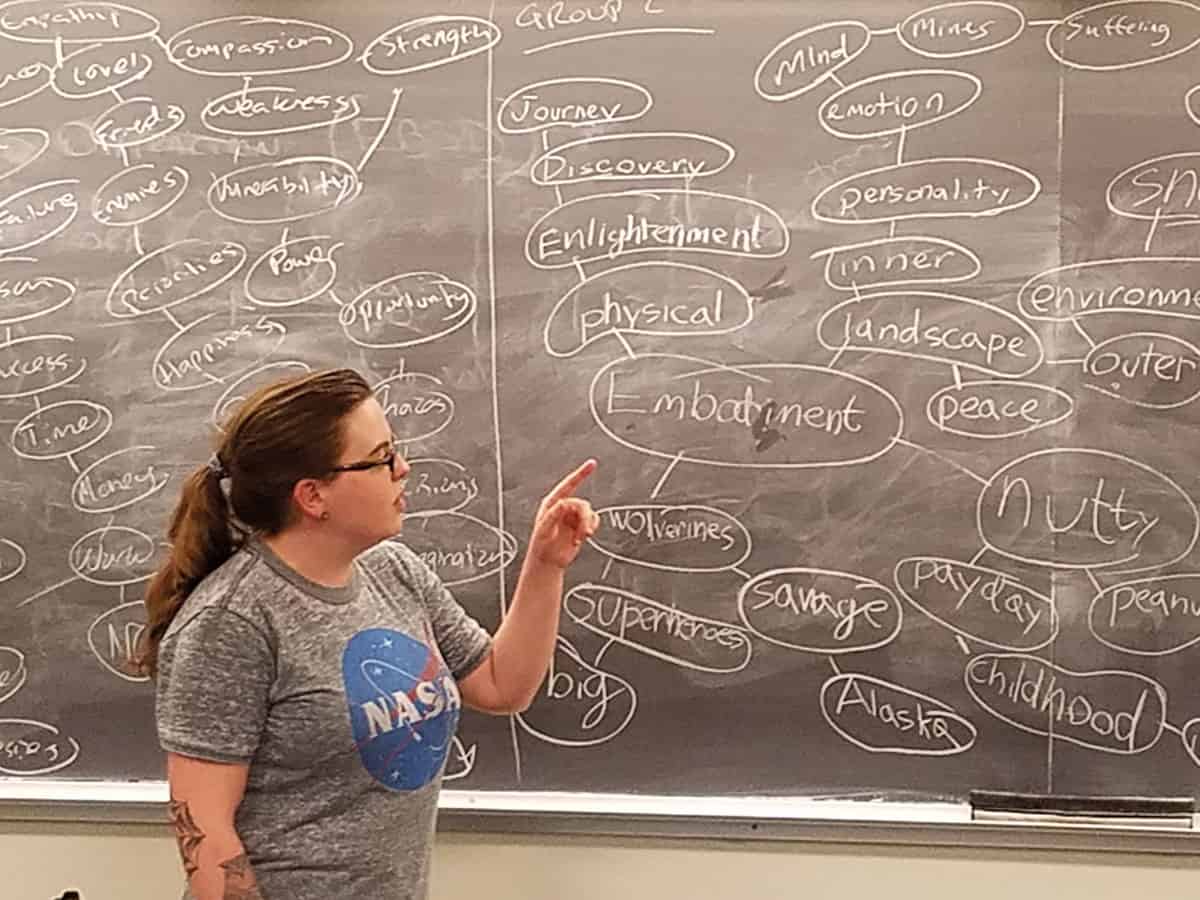
Mindmap exercise

My students’ favourite book is Einstein’s Dreams by Alan Lightman. He was the first professor to hold a joint appointment in both the sciences and the humanities at the Massachusetts Institute of Technology. The book is a series of poetic prose vignettes, in which Albert Einstein each night has a dream of how time might work. One night, time flows backwards. Another night, it travels in circles, repeating endlessly. Time may move along different life trajectories like the quantum many-worlds theory, or ripple turbulently, or end the universe with all of humanity gathered together holding hands. In Einstein’s dream on the night of 3 May 1905, cause and effect are erratic. As Lightman writes:

“In this acausal world, scientists are helpless. Their predictions become postdictions. Their equations become justifications, their logic, illogic. Scientists turn reckless and mutter like gamblers who cannot stop betting.”

What a shocking and uncomfortable image he conjures of scientists. Their words are incoherent mutterings. They are gamblers. Lightman continues:

“In this world artists are joyous. Unpredictability is the life of their paintings, their music, their novels. They delight in events not forecasted, happenings without explanation, retrospective.”

Lightman shows us that time affects both scientists and artists. To really understand time – to find the right theory of relativity – we have to explore the complete human experience. We need to grapple with the ambiguity of acausality. We need to acknowledge the uselessness of the facts without a good story and emotional intelligence to tie them together.

From strawberries to quantum states

In my own life, teaching humanities courses has made me a better researcher. Recently I discovered, together with three very talented students, that quantum states look remarkably like brain states. In fact, the same sort of measures used in electroencephalogram and functional magnetic resonance imaging, based on complex networks, can be applied to quantum states to quantify quantum complexity. We found that the neighbourhood around quantum critical points is maximally complex in this sense.

I thought of this idea while co-teaching a course with a poetry professor, Toni Lefton, called Cognition, Creativity, and Catharsis. One of our final assignments was a PowerPoint presentation in which students had to invoke at least seven of our 20 senses in the audience. So now you know how I ended up standing on one leg eating a strawberry while wondering if we were all doomed to become cyborgs.

We are facing stupendous scientific, technological, engineering and mathematical problems in the 21st century. How will we create enough clean water for our global population? What kind of sustainable energy can we invent to avert global climate change? What is the social and practical impact of the imminent arrival of cognitive assist technology and artificial intelligence? Is there a mathematics of human behaviour that might help us to achieve political stability? To solve these kinds of problems, we need to have all the cognitive tools invented over thousands of years at our disposal. Why would we ever, as scientists and lovers of truth, want to leave any of them out of our toolbox?

We don’t need to take a class to acquire these skills. We can learn them by engaging fully in the world outside our labs: in museums, literature and poetry readings; and in paying attention to our dreams and opening our waking senses as Lightman and Dillard show us. Above all, like Gilgamesh, we can befriend and spend time with the Enkidus of the world – artists, writers and other creative thinkers who embrace ambiguity, revel in acausality and teach us to be more complete human beings. Delving into the humanities not only makes us more emotionally intelligent, empathic, well-rounded individuals – it makes us better researchers. And who knows, some of us might end up writing magnificent poetry along the way.

Historic first black-hole image graces cover of May 2019 issue of Physics World magazine

It’s time to tuck into the May 2019 issue of Physics World magazine, which is now out in print and digital formats.

We couldn’t resist putting on the cover last month’s historic first-ever image of a black hole, captured by astronomers from the Event Horizon Telescope (see below). It’s an iconic image and one that print readers will love to get in their hands.

Cover of the May 2019 issue of Physics World

However, that breakthrough, which we discuss in the new issue, shouldn’t overshadow the thought-provoking feature by Lincoln Carr – a physicist at the Colorado School of Mines who thinks scientists can become better researchers by embracing the ambiguity inherent in the arts.

As he explains in this feature in the May edition, Carr is putting his ideas into practice by teaching his students to acquire new cognitive skills and unlock their creativity through poetry, mind-mapping, and “cognitive debate”. Find out more by watching the video above or listening to in this podcast.

Elsewhere in the issue, you can find out how the GRACE-FO satellites “weigh” water from space, explore the use of nanoparticles in medicine, read an interview with Nobel laureate Kostya Novoselov – and discover why the physicist Elon Musk is (mostly) so good at business.

You can enjoy the May 2019 issue of Physics World magazine via our digital apps for iOSAndroid and Web browsers (membership of the Institute of Physics required). Let us know what you think about the issue on TwitterFacebook or by e-mailing us at pwld@iop.org.

For the record, here’s a run-down of what’s in the issue.

• First black hole images unveiled – The Event Horizon Telescope has taken the first-ever images of a black hole, a breakthrough that lets astronomers study the event horizon of supermassive black holes. Michael Banks reports

• A 3D view on 2D materials – Nobel laureate Kostya Novoselov from the University of Manchester, UK, talks to Anna Demming about moving on from graphene and going back into 3D materials

• A question of timing – Elon Musk’s involvement in commercial space flight and electric vehicles underlines why getting your timing right is vital in business, says James McKenzie

• QB or not QB – Philosophers can learn much from a row in the physics community, says Robert P Crease

• Learning through interacting – Nikola Šibalic says that physicists can improve how they communicate their results by using interactive figures

• Weighing water from space – By monitoring tiny changes to the Earth’s gravitational field, the GRACE satellites have been pinpointing the distribution of fresh water on our planet for almost two decades. But as Marric Stephens explains, a new follow-on mission is also helping with plans for a space-based gravitational-wave detector

• Learning to be astonished – We’re often taught to think of science and the humanities as discrete fields, with the former full of definite truths and the latter open to interpretation. But is that really the case? Lincoln Carr explains how he’s helping science students use the ambiguity essential to the humanities to become better researchers

• Nanoparticles home in on infectious diseases – A new wave of “bionanosensors” may make it quicker, cheaper and easier to detect harmful microorganisms, but hurdles remain before they can enter the clinical realm, as Joe McEntee reports

• Across the universe – Melissa Brobby reviews The Beginning and the End of Everything: From the Big Bang to the End of the Universe by Paul Parsons

• Coupled practices – Anna Demming reviews Physics and Dance by Emily Coates and Sarah Demers

• The art of continuous transformation – How does an industrial physicist end up in an arts faculty working on historic printing processes – and why? Susanne Klein tells Joe McEntee all about it

• Once a physicist – Meet David Roberts, a co-founder of 110th Street Films, is a writer and filmmaker who previously he worked as a US diplomat

• Physicist in the making – Peter Wright explores what first got him into physics as a youngster

Quantum gravimeter drives out of the lab and into the hills


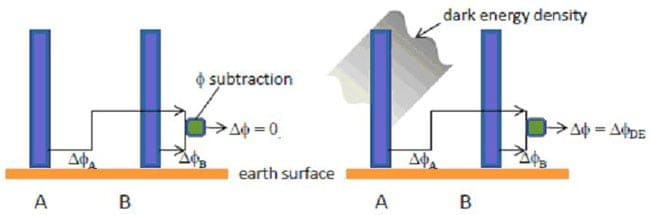
Physicists in California have loaded a bunch of ultracold caesium atoms into the back of a van and driven them up a hill to demonstrate how quantum interference can be used to measure gravity outside the laboratory. When cooled to just above absolute zero, the atoms form the centrepiece of a portable gravimeter that might in future be used to measure how the Earth’s surface gradually rises to form mountains or to underpin the new physics-based definition of the kilogram.

Acceleration due to gravity varies considerably across the Earth’s surface (between about 9.78-9.83 ms-2) depending on how mass is distributed underneath. Scientists and engineers exploit these variations – in both space and time – to do things such as better understand how ice sheets melt and to monitor the build up of magma inside volcanoes.

Measuring the absolute value of gravity (g) can be done by measuring the free-fall acceleration of a corner cube reflector by bouncing laser beams off its surface and analysing the resulting interference patterns. Although very accurate, these mechanical objects are not well suited to repeated measurements in the field. Quantum gravimeters also measure objects in free-fall, but the objects in this case are atoms that experience interference effects because of their wavelike properties.

Smaller, simpler, more robust

In the latest research, Holger Müller and colleagues at the University of California, Berkeley created a portable version of such a device. As with other quantum gravimeters, it uses an atom interferometer to measure the effect of gravity on clouds of atoms that are first trapped and cooled. But its creators claim that a new kind of magneto-optical trap allows the device to be smaller, simpler and more robust than rival designs.

After being released from that trap, several million caesium atoms fall freely under gravity while being exposed to a series of laser pulses. The first pulse places the atoms in a superposition of two different trajectories through the gravitational field, while the second brings the trajectories back together. The third pulse causes the atoms to interfere and the difference in gravity along the two trajectories is revealed by the interference pattern.

Müller and team first tested their device in the lab, using it to measure Earth tides over 12 days. These miniscule distortions of the Earth, caused by the Moon’s gravity, lead to very slight oscillations in the value of g. The researchers’ results did not quite agree with model predictions and they found that the disparity was likely due to the ocean tide – which is relevant because the lab is close to San Francisco Bay. They were also able to detect the vertical acceleration of seismic waves from several distant earthquakes.

Berkeley Hills

The group then packed the interferometer, its electronics and a battery into the back of a van and drove several kilometres along a road up into the Berkeley Hills. They stopped at six points along the way and recorded how g varied with altitude – their climb of about 400 m taking them very slightly further from the centre of the Earth and therefore to a fractionally weaker gravitational field. They then compared that variation with the slightly higher gradient of g in “free air” to calculate the density of rocks in the hill.

At each stop it took them about 15 min to power up the instrument and align the interferometer beam to the Earth’s gravitational field, and then a few more minutes to carry out the measurements. Ground vibrations limited their measurement sensitivity about 5 µm/s2. This is more than a factor of ten worse than lab-based systems, which are capable of 100 nm/s2, but Müller and colleagues claim that none have done better in the field. They say that the only other atomic instrument used to carry out gravity surveys – done on board a ship in the choppy Atlantic waters off the north-west coast of France – had a measurement uncertainty of 10 µm/s2. “With simplicity and sensitivity, our instrument paves the way for bringing atomic gravimeters to field applications,” they write in a paper uploaded to the arXiv preprint server.

Kai Bongs of University of Birmingham in the UK agrees that the new instrument’s simplicity is an important feature, arguing it could lead to quantum devices that are competitive in price with their classical counterparts (which cost about $100,000 each). But he reckons that the instrument’s sensitivity is less important. In contrast to a gradiometer, which measures relative gravity and can remove the effect of vibrations, he points out that an (absolute) gravimeter needs lots of measurements to average out vibrational noise. “It wouldn’t make sense to build an instrument a thousand times more sensitive because it would take years to reach that sensitivity limit in the real world,” he says.

Final score from the 2019 ‘World Cup of Physics’

By David Collomb, University of Bath

The Olympics and the FIFA World Cup are sporting events that attract billions of spectators from all over the globe. I always imagined that there should be a similar international competition that tests a nation’s mastery of physics, so I was pleased to find in my undergraduate years that the International Physicists’ Tournament (IPT) is gradually establishing itself as the “World Cup for Physics”.

The IPT is an international tournament that tests the experimental and theoretical prowess of physics undergraduate students, and follows the same format as a similar competition for secondary schools (the International Young Physicists’ Tournament, IYPT). Participants spend around nine months preparing for the event, working on a pre-selected list of 17 open-ended and unsolved problems in physics. The climax, and most exciting part of the tournament, comes when the participating nations come together to present, defend and refine their solutions.

This year, students from 19 institutions and 16 different countries competed in the 11th edition of the event, which was hosted in April by the Ecole Polytechnique Fédérale de Lausanne (EPFL) in Switzerland. To find the winner the participants contest a series of “physics fights”, each one involving three teams of undergraduate students from different institutions.

At the start of a fight, one of the teams holds the position of the reporter, another is the opponent and the third is the reviewer. The reporter is challenged by the opponent to present its work on one of the problems, after which the opponent has an opportunity to critique the reporter’s work. The two sides engage in a brief debate on the proposed solution, and the reviewer then steps in to summarize the debate and to guide the other two opposing teams to improve the approach originally suggested by the reporter.

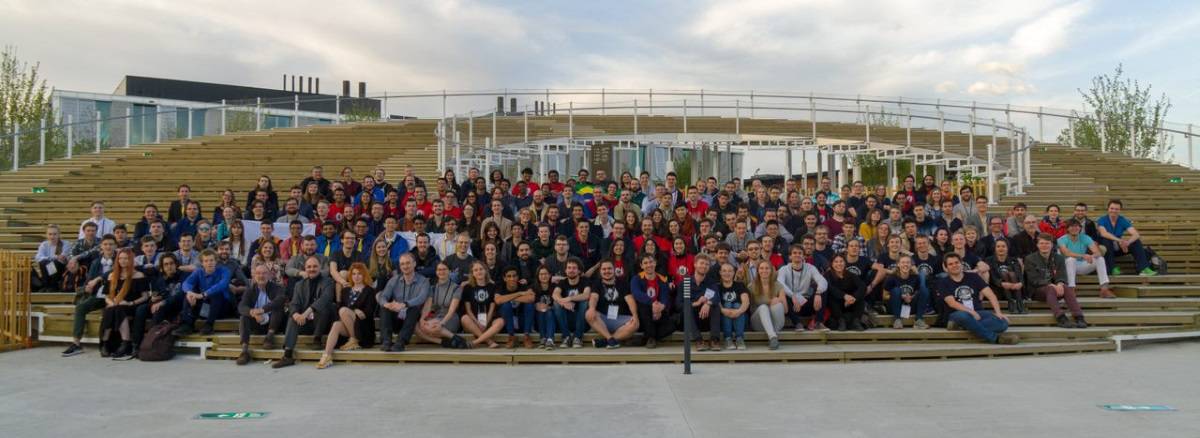
Participants, team leaders and organizers at the International Physicists' Tournament

A jury of research academics and PhD students then marks the performance of the teams in their starting roles, and the teams then rotate until each one has held all three roles. After a qualifying round and two semi-finals, the top three teams do battle in a final fight to determine who will be crowned the World Physics Champion.

This year’s tournament was hotly contested, with more students and institutions taking part than ever before. For the first time the semi-final produced a tense twist of events in which a Russian team representing Voronezh State University was overtaken by a French team from Ecole Polytechnique – which denied the Russian team a place in the final. The other semi-final saw Colombia, which had finished 5th in the qualifying rounds, dropping to 6th place in a tight fight with the host nation.

It was, however, the final that could have been anyone’s guess, with Ecole Polytechnique joining clear front-runners Kharkiv University from Ukraine and a second French team from the University of Lyon. All three teams finished with just one point between them, but in the end it was France’s Ecole Polytechnique who narrowly outperformed the other teams with a very strong presentation and defence of their solution of the Tesla coil engine. Readers can relive the final on YouTube, which was live streamed to more than 2000 viewers.

The progress made by the participating teams on the 17 different problems does not stop at the tournament. Emergent Scientist is a spin-off journal from the event that offers a forum for students to publish their findings, while particularly strong efforts have been published in prestigious research journals – with a French team in the 2016 tournament publishing their work on a cobra wave made of popsicle sticks in Physical Review Letters.

This year’s tournament was made possible by the organizing committee in Lausanne, headed by Evgenii Glushkov and Jean-Philippe Ansermet. Anyone interested in future events is welcome to contact the IPT organizing team.

Wind speeds and wave heights are increasing across the oceans

Average wind speeds and wave heights have been strengthening slightly over the last three decades across much of the marine environment, according to Ian Young and Agustinus Ribal of the University of Melbourne in Australia. Their study found that the largest rises have occurred in the Southern Ocean and also that the magnitude of extreme wind and wave events (those in the 90th percentile) have increased significantly. Their work overcomes previous challenges in integrating measurements made by different satellite platforms and their results could help to refine future climate models.

Wind and waves provide important links between the oceans and the atmosphere and understanding any changes in wind and wave patterns is crucial for anticipating future climates. For example, the strength of wind blowing over open waters is a prime driver in setting the ocean’s surface roughness – a parameter that dictates the extent of energy and carbon dioxide transfer between the ocean and the overlying air. Furthermore, some waves will ultimately break upon the shore and understanding trends in wave height is important for protecting coastlines as sea level rises.

Unfortunately, detecting small shifts in the global wind and wave trends using long-term records has proven challenging. Much of the data gathered on ocean wind and waves comes from instruments deployed on buoys. Studies have demonstrated, however, that data collection is not necessarily uniform across the global buoy network.

Consistent calibration

An alternative lies in using satellite data, which provides global coverage going back over 30 years. Satellites use a variety of measurement devices to study the oceans including altimeters (for wave height and wind speed), radiometers (for wind speed) and scatterometers (for wind speed and direction). However, like the buoy network, there are important challenges for those using satellite data including is how to ensure the consistency of calibrations across different satellite platforms, dealing with biases that are inherent in satellite monitoring and explaining inconsistencies in wind-speed trends measurements made using different instruments.

In their new study, Young and Ribal have taken steps to address these challenges by focusing primarily on data acquired between 1985-2018 by 13 satellite altimeters. To verify the altimeter data, the duo also used measurements from 11 radiometers taken in 1986-2013 and data from seven scatterometers taken in 1992-2018.

The team calibrated the three satellite datasets using data collected by buoys monitored by the US National Data Buoy Center (NDBC), a second and independent buoy dataset and measurements made by other satellites.

Extreme wind and waves

Their work reveals that these waves, and the winds that generate them, are increasing in magnitude and have been doing so for the last 30 years on a global scale. Furthermore, the study shows that extreme wave conditions are increasing even more rapidly – with the largest increases occurring in the Southern Ocean. Indeed, extreme winds in the Southern Ocean have increased by approximately 5.4 km/h or 8% over the past 30 years. Extreme waves in this region have increased in height by 30 cm or 5%. In general, the study found that winds are increasing at a faster rate than wave height.

The study backs up climate models, which predict that westerly winds in the Southern Ocean are strengthening as a result of the enhancement and southward movement of low-pressure systems. The study also supports model-predictions that the trade winds in the Pacific and Atlantic are strengthening at mid-latitudes.

With regards to extreme wind speed and extreme wave height, large increases are seen across much of the globe. The reasons behind these changes are not entirely clear, Young says, but are likely a product of both climate change and multi-decadal oscillations that impact wind speed, such as El Niño, the North Atlantic Oscillation and Pacific Decadal Oscillation.

Best dataset possible

“[Young and Ribal] have done their best to check, double-check and cross-check that they have the best dataset possible. For this alone – they deserve all credit,” applauds Ole Johan Aarnes, a researcher from the Norwegian Meteorological Institute, who was not involved in the study.

“To state they have a completely homogenous dataset, cleared for any unwanted effects, is probably somewhat optimistic, however, this study is an important step on the way to better understand changes in marine winds and wave heights over the last 30+ years.”

Aarnes says that his biggest concern is how the three datasets are all calibrated against NDBC buoys. Not only could this potentially mask differences between the three satellite datasets, he cautions, but these buoys are also subject to unwanted changes over time.

“In this way, calibration against NDBC buoys may actually introduce inaccuracies that were not there in the first place,” Aarnes warns.

With this initial study complete, an international programme has commenced to further refine the quality of the long-term satellite database and by extension,  the quality of the data. Alongside this, Young says, the dataset will provide a valuable test bed for various climate models.

“Integration of wave effects into these models will be an important part of future research,” he concludes.

The research is described in Science.

MR elastography method may speed up brain scans

© AuntMinnieEurope.com

A global team of investigators believes it is on track to cut the time of an MRI brain scan to milliseconds with an MR elastography technique. The study was published online on 17 April (Science Advances 10.1126/sciadv.aav3816).

The approach uses functional MR elastography (fMRE) to create maps of tissue stiffness, which, in turn, track the activity of brain function that occurs in bursts as short as 100 ms. Early indications are that fMRE could be better than functional MRI (fMRI), because fMRI cannot keep pace with the split-second activity of the brain’s neurons as they process thoughts and react to various stimuli.

“Traditional fMRI has a temporal response of several seconds and, therefore, cannot measure high-level cognitive processes that evolve in tens of milliseconds,” wrote author Samuel Patz,  from Brigham and Women’s Hospital in Boston, Massachusetts, US, along with colleagues from King’s College London in the UK. and the French National Institute for Health and Medical Research (INSERM) in Paris. “To advance neuroscience, imaging of fast neuronal processes is required. Here, we directly show in vivo imaging of fast neuronal processes at 100-ms time scales by quantifying brain biomechanics noninvasively with MR elastography.”

This five-year collaboration took a rather unusual turn after an unexpected discovery. Researchers were exploring MR elastography for lung imaging when they tried the modality on mouse brains. The images inexplicably revealed a stiffening of approximately 10% in the somatosensory cortex of rodents after repeated electric stimulation with frequencies ranging from 0.1 Hz to 10 Hz.

Patz and colleagues followed up with another fMRE scan. This time they chose to plug the mouse’s ear canals with a gel to reduce possible stimulation of the auditory cortex from preclinical MRI scanner noise. They subsequently observed a softening of the mouse’s auditory cortex on the side of the brain that processed sound from the plugged ear.

The brain’s stiffening and softening responses were replicated on subsequent fMRE scans under different types and levels of stimuli. At 100 ms of stimulation, there also were changes in the thalamus, which is “the relay location [for] input to the cortex,” the authors noted.

“We anticipate that mapping neuronal activity by the measurement of tissue stiffness will provide a new methodology for studying brain function at high temporal and spatial resolution with specific application to tracking neural circuitry at high speed,” they added. “We look forward to future studies of neuronal propagation with different stimuli at different stimulus switching frequencies, which will allow for the elucidation of the different neuromechanical coupling mechanisms with their different amplitudes and time constants.”

Patz and colleagues hope to advance this fMRE protocol to observe neuronal activity in humans. The potential benefits include better understanding and diagnoses of neurological pathologies in which neuronal activity is abnormal or dysfunctional.

“The translation of our approach to humans is imminent, and we have already obtained preliminary data in the human visual cortex,” the authors wrote. “Thus, fMRE has great potential to facilitate and deepen the understanding of the pathway of neuronal signals propagating in the in vivo brain, including the elucidation of impaired neural circuitry associated with pathologic subcomponents of neuronal physiology.”

• This article was originally published on AuntMinnieEurope.com ©2019 by AuntMinnieEurope.com. Any copying, republication or redistribution of AuntMinnieEurope.com content is expressly prohibited without the prior written consent of AuntMinnieEurope.com.

Caffeine boosts perovskite solar cells

Researchers at the University of California, Los Angeles (UCLA) have succeeded in improving the performance and thermal stability of metal halide perovskite solar cells by adding an unexpected ingredient to them – caffeine. The technique could potentially play an important role in scaling up the production of these solar cells, they say.

Organic-inorganic hybrid halide perovskites (PVSKs) have an ABXstructure, where A is caesium, methylammonium (MA) or formamidinium (FA), B is lead or tin and X is chlorine, bromine or iodine. They are a promising alternative to silicon for making solar cells thanks to their unique photoelectric properties that lend themselves well to a host of applications. They are also cheaper and more flexible than solar cells made from silicon and are easier to manufacture (from solution-based precursors, for example, rather than solid crystals).

Researchers have managed to increase the power conversion efficiency (PCE) of these materials from just 3.8% (in 2009) to over 23%. This makes their performance comparable to that of established technologies such as silicon, GaAs and CdTe. Despite this impressive advance, the long-term stability of PVSK is still rather poor though and is holding back the commercialization of PVSK solar cells.

PVSK film rapidly deteriorates

MA-based PVSKs are the best candidates in this respect since the tetragonal black phase of these materials is stable at low temperatures. At higher temperatures, however, the volatile MA organic cation means that the PVSK film rapidly deteriorates and precipitates out trigonal PbI2.

Worse still, the numerous under-coordinated ions in the PVSK (as is the case in most ionic crystals) mean that I– ions easily migrate though the polycrystalline grains and even out of the PVSK layer to interfere with the metal electrodes in a solar cell device when exposed to heat. This process produces defects that act as non-radiative recombination sites at grain boundaries, thus lowering the performance of the solar cell.

Finally, the randomly oriented PVSK crystallites may result in poor charge transport in the vertical direction. The random orientation comes as a consequence of the fast and uncontrollable growth of the PVSK film when it is synthesized.

Caffeine boost

A team led by Yang Yang at the Department of Materials Science and Engineering at UCLA has now shown that 1,3,7-trimethylxanthine – a commodity chemical containing two conjugated carboxyl groups and better known by its common name caffeine – improves the performance and thermal stability of solar cells based on MAPbIwhen added directly to the perovskite film. The technique also works well for the perovskite CsFAMAPbI3. This type of perovskite contains a black phase of Cs that is thermodynamically unfavourable at room temperature.

The idea of adding caffeine to these materials started out as a joke over morning coffee, recalls team member Jingjing Xue. “One day, as we were discussing perovskite solar cells, our colleague Rui Wang said: ‘if we need coffee to boost our energy, then what about perovskites?’”

Improved electronic properties and a “molecular lock”

“We found that caffeine strongly interacts with the perovskite precursors thanks to its lone electron pairs of carbonyl groups – an effect that we confirmed with Fourier transform infrared spectroscopy,” explains Wang. “This strong interaction enhances the activation energy for the crystallization of the perovskite and retards its crystallization. This results in a perovskite film with a preferred orientation and improved electronic properties that is more efficient at converting light into electricity.”

And that is not all: since the caffeine is non-volatile, it remains inside the perovskite film and forms a “molecular lock” therein, allowing the molecule to strongly interact with Pb2+ions, he adds. “This interaction prohibits the degradation of the perovskite at high temperature. The enhanced crystallinity also suppresses ion migration, which contributes to the much-enhanced thermal stability too.”

PCE as high as 20.25%

The superior crystallinity of the PVSK films containing caffeine boast reduced defect densities and better vertical charge transport, allowing for a champion PCE as high as 20.25% (compared to 17% for films without caffeine), he tells Physics World. The caffeine-containing devices are also thermally stable for over 1300 hours at 85°C (compared to just 150 hours for films without caffeine).

“Solar cells obviously work under sunlight, which of course heats them up, so they must be made thermally tolerant,” he adds. “Our result shows that caffeine can help the perovskite cells maintain over 85% of their original efficiency after 1300 hours of continuous heating at 85°C. We believe that our strategy could help push forward the commercialization of these materials in the future.”

The UCLA researchers, reporting their work in Joule, are now busy further investigating the chemical structure of their caffeine-containing PVSKs. “We are also looking for the best passivation agents for these materials to enhance their stability and efficiency even more. Finally, we will be focusing on fabricating high-quality large area samples from these films.”

This is how CERN’s Large Hadron Collider looks during the 2019 shutdown

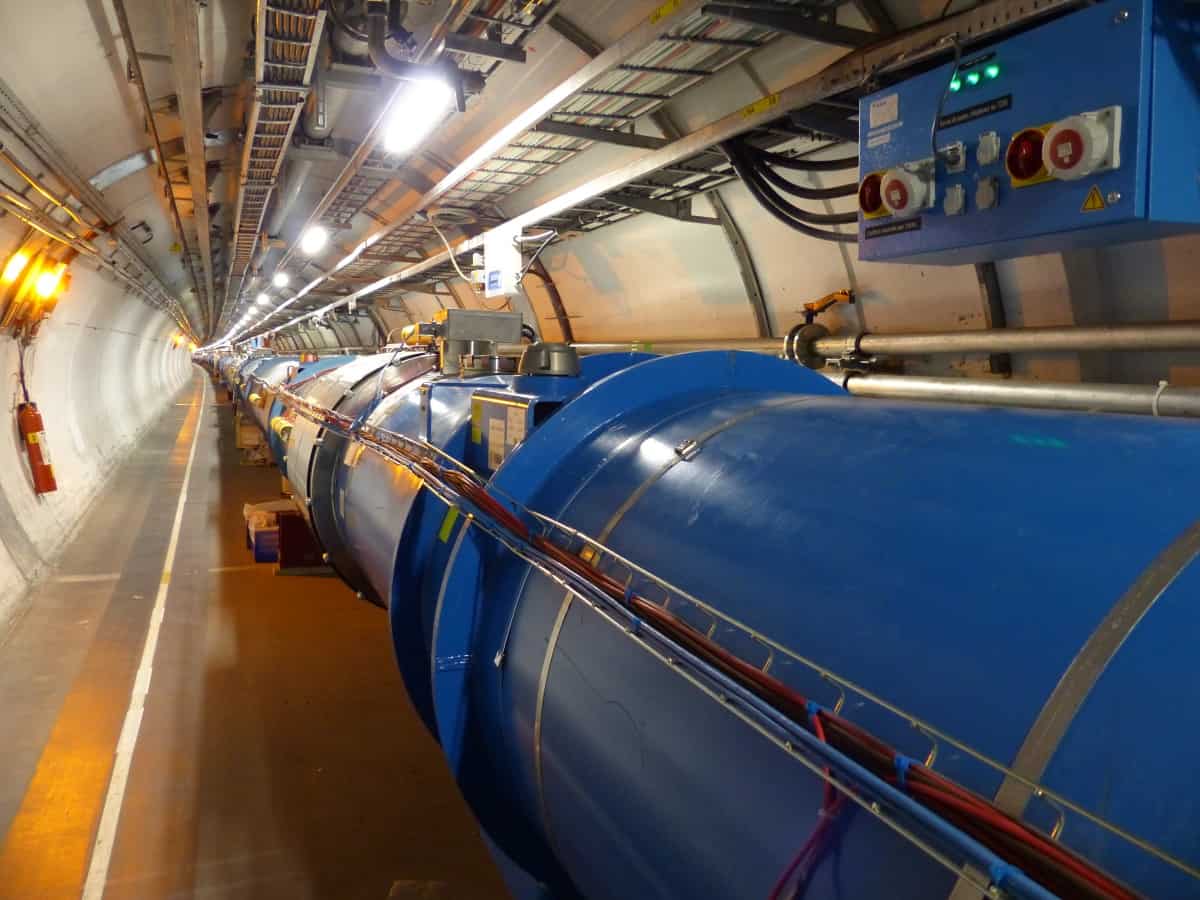
Photo of LHC tunnel

When Physics World was invited by the UK’s Science and Technology Facilities Council (STFC) to visit CERN and meet a bunch of physicists working on the world’s biggest physics experiment, it’s hard to think of a good reason to say “no”.

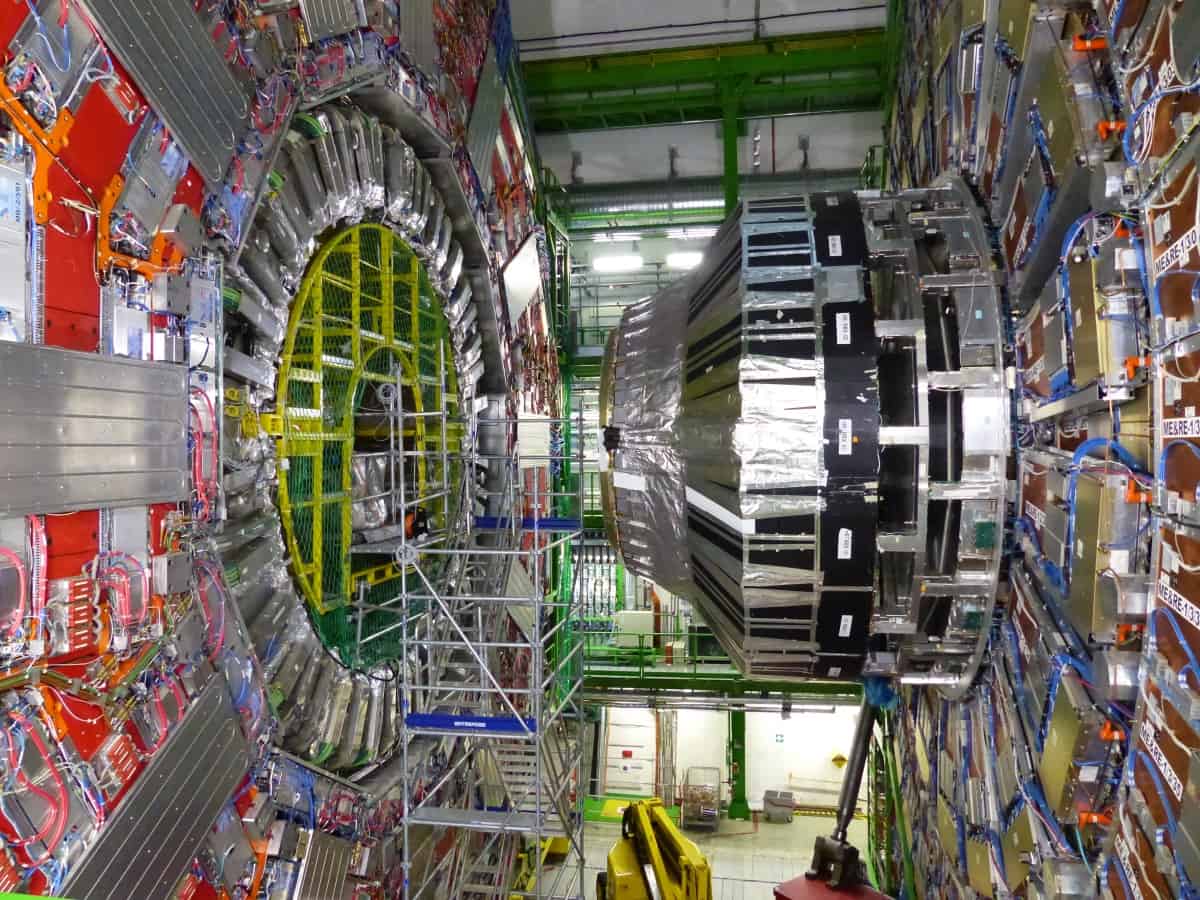
And so last week I flew to Geneva to join a group of other UK science journalists on a two-day tour of CERN, having a nosey round the LHC and two of its experiments – LHCb and the Compact Muon Solenoid (CMS) – and learning about CERN’s plans for the future.

Descending 100 m underground in an industrial lift, first stop was the LHC itself, which is normally out of bounds but is currently in the midst of a two-year shutdown as CERN begins work on an upgrade to the LHC called the High-Luminosity LHC (HL-LHC).

Photo of Paul Collier, CERN

There to greet us was Paul Collier, CERN’s marvellously titled “head of beams” (who I have just realized is one “D” short of the best-ever example of nominative determinism – Collier/Collider). He explained how the LHC is tilted at angle of 1.4° to the horizontal to keep the accelerator level with respect to the surface overground.

Collier was there on the fateful day in 2008 when, just after the LHC fired up, two superconducting contacts in one of the LHC’s magnets separated, creating an arc of current that damaged the machine and led to a massive repair programme that took almost a year to complete.

Of course, the LHC isn’t there just to accelerate protons, the idea is to collide them too. And so it was back overground to the control room of the LHCb experiment, where it was reassuring to see an emergency panel with a big, red “stop” button.

CMS Control Room panel, CERN

Much of the focus at CERN has been the two “general-purpose” experiments — ATLAS and the Compact Muon Solenoid (CMS), which together found the Higgs boson in 2012. But one could argue that there’s been more interesting work from the LHCb, which has only this year reported further evidence for pentaquarks and for symmetry violation in charm mesons for the first time – a finding that could help explain why there’s so much more matter than antimatter in the universe. Giving us the lowdown on the LHCb was Silvia Gambetta (University of Edinburgh), Mark Williams and Chris Parkes (both University of Manchester).

People working on the LHCB
Inside the LHCB cavern during the 2019 shutdown

As I stared at the wiring on the LHCb, it’s mind-boggling how any of it actually works. One stray cable and surely the whole thing will conk out?

Photo of wiring on the LHCb detector

Most of the current shutdown is focused on preparatory civil-engineering works for the HL-LHC, but CERN staff are using the two-year break to carry out vital maintenance on the accelerator and experiments before the LHC switches back in 2021 for a final three-year run. After all, when the LHC’s in use, it’s on for two or three years at a time – and you can’t nip down and carry out running repairs.  Or as physicist Dave Barney from CMS put it: “It’s like having an experiment on the Moon – you can’t modify it when you want.”

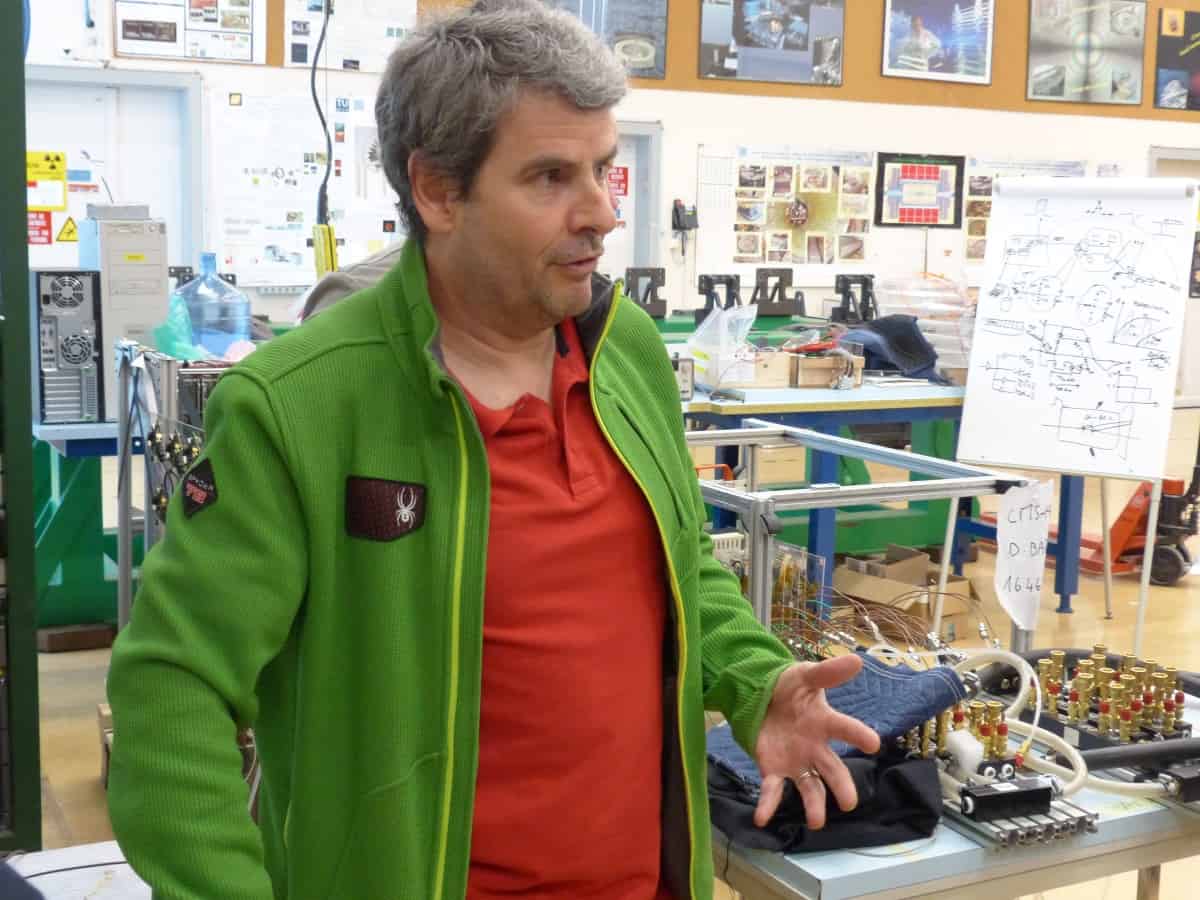
Dave Barney from the CMS experiment, CERN

Barney is responsible for validating prototype modules for a new calorimeter for the “end-caps” on the CMS experiment. The current calorimeter has several parts, including one that contains 80,000 lead-tungstate crystals, which are super-dense and therefore great at measuring the energy of particles that fly off from collisions. Trouble is, they go dark and won’t stand the rigours of the HL-LHC.

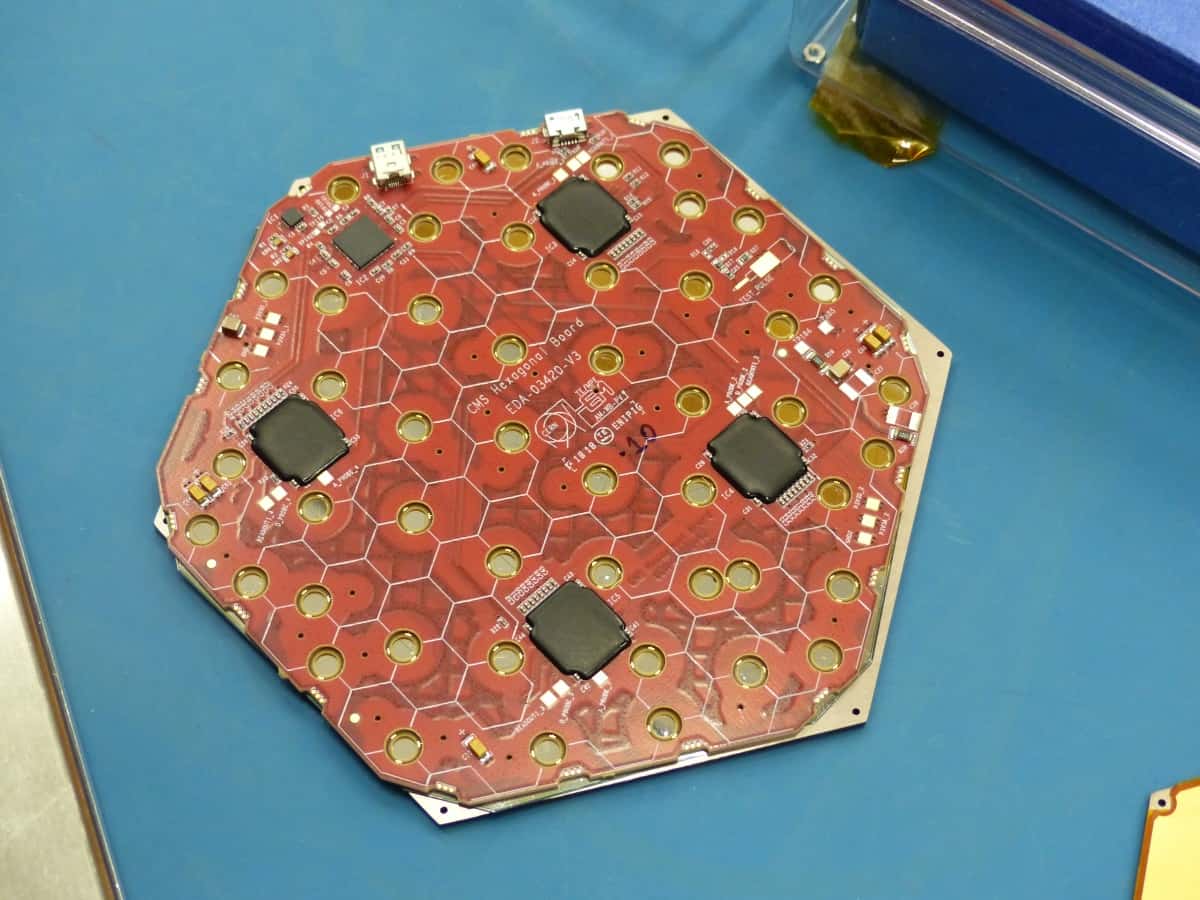
This is especially true of the endcaps, where the 14,000 crystals will have to be replaced with something else. Barney and colleagues are therefore developing a new “high-granularity” calorimeter that will include about 30,000 honeycomb-shaped silicon modules, each divided into about 200 smaller hexagons – a total of about six million detectors!

Calorimeter detectors for CMS experiment at CERN

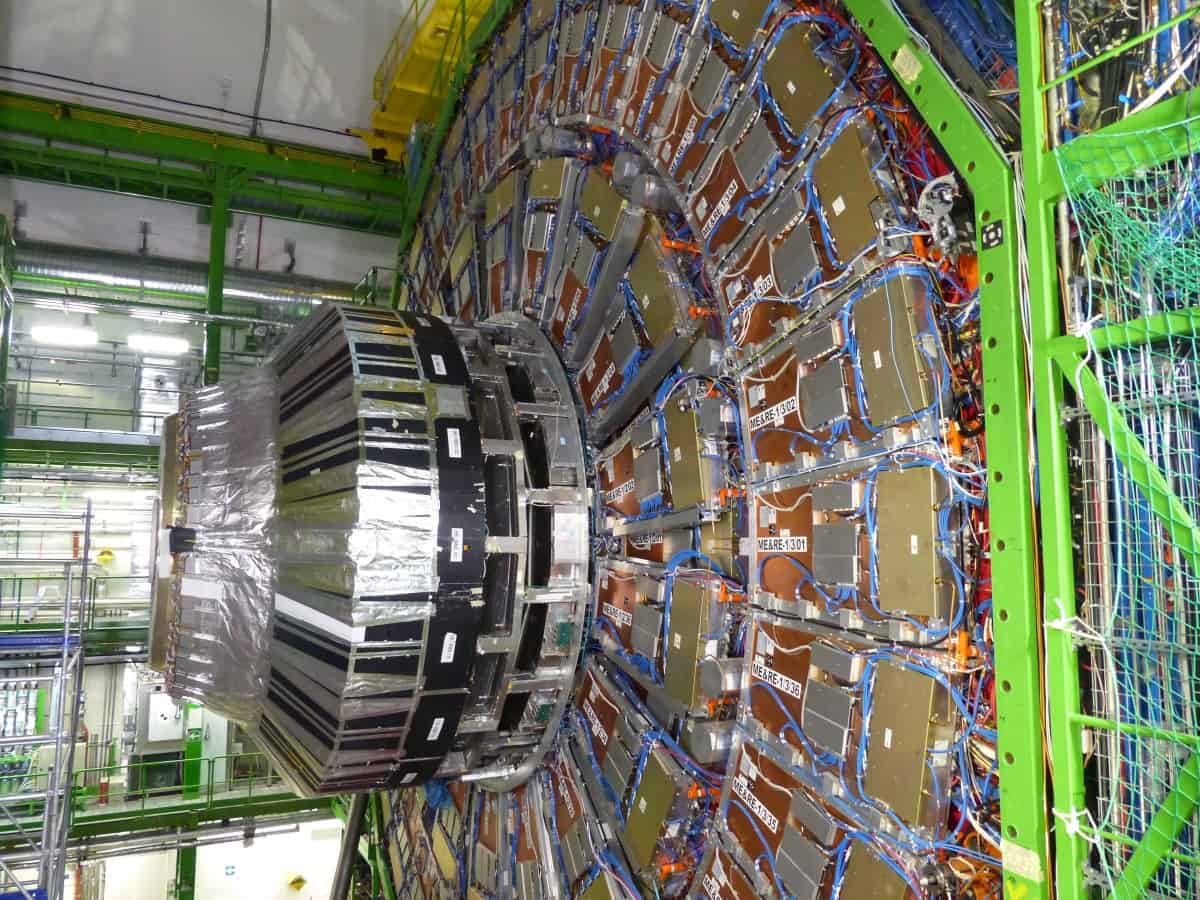
Barney was talking to us about the end-caps as if they’re part of just another physics experiment. Which I suppose they are – that is, until you go 100 m back underground to see CMS and you realize just how big it is and why “compact” is the strangest choice of word for the CMS. The end-caps are the big lumpy object to the right of the scaffolding.

The CMS experiment at CERN during the 2019 shutdown
Endcap on the CMS experiment at CERN during the 2019 shutdown

For all the talk of HL-LHC, or “High-Lumi” as I often heard it called for short, there are already plans for the next collider after the LHC. Depending on who you talk to, CERN will, over the next 12 months, fall in line either behind the Compact Linear Collider (CLIC) or the 100 km Future Circular Collider (FCC).

The FCC, if built, would be about as long as the giant £15bn Crossrail railway tunnel across central London. Except that it would contain an accelerator with thousands of magnets, using technology that’s been pushed to the limits, searching for physics we don’t yet know anything about, and involving thousands of scientists and engineers from across the globe – many of whom have perhaps not yet even been born. If it happens, the FCC will, like CERN itself, be an incredible human feat.

• You can find out more from my visit by listening to this Physics World Weekly podcast, which features Rhodri Jones (head of beam instrumentation), Chris Parkes (LHCb), Ben Krikler (CMS) and Sarah Williams (ATLAS).

Climate studies fail to credit Indigenous communities

Most climate science studies based on Indigenous knowledge systems fail to adequately engage local communities, according to a literature review. As a result, researchers are overlooking centuries’ worth of data, and leaving important contributions uncredited.

“Indigenous communities maintain intergenerational longitudinal data, on the scale of hundreds to thousands of years, regarding geophysical and biological processes,” says Dominique David-Chavez of Colorado State University, US. “These knowledge systems remain vastly underrepresented and unacknowledged in the sciences despite countless contributions. Among academic scientists this would be considered ethical misconduct, yet it persists between non-Indigenous scientists and Indigenous knowledge holders.”

David-Chavez and Michael Gavin of the Max Planck Institute for the Science of Human History, Germany, ranked 125 studies published in the last 20 years by how closely the authors collaborated with the community. At the bottom of the scale was work described as “extractive”: all decisions were made by researchers, with community members involved on a merely contractual basis.

A growing number of Indigenous community members – myself included – represent the first generation in their family with access to higher education and leadership roles in the sciences

Dominique David-Chavez

The team found that levels of community participation varied globally, with engagement appearing greatest in North America. But overall 87% of the articles were extractive. What’s more, these extractive studies were far less likely to measure up to six criteria David-Chavez and Gavin adopted from United Nations and other expert working-group guidelines. These measured the work’s accessibility and relevance to the community; whether Indigenous community members’ contributions and intellectual property were acknowledged and respected; whether appropriate ethical standards were followed; and whether the outcomes were of benefit to the community.

At the other end of the scale from “extractive” were studies where the community had control of the research process. “These studies were initiated in mutual agreement between Indigenous community members and outside researchers, requiring that the community provide explicit consent for a study to occur,” says David-Chavez.

The methods in the high-ranking studies show how climate-science research can employ Indigenous knowledge systems more collaboratively. Measures include disseminating findings among the community, using Indigenous languages, and training local researchers. For these practices to become commonplace, however, all participants in the process must take the issue seriously.

“We have developed a series of guiding questions for publishers, proposal reviewers and researchers alike to reflect on their own role in addressing ethical integrity in research,” says David-Chavez.

The researcher sees one of the most promising long-term pathways for addressing these challenges as supporting and learning from a new generation of Indigenous research scientists and data stewards.

“A growing number of Indigenous community members – myself included – represent the first generation in their family with access to higher education and leadership roles in the sciences,” she says. “As they engage in their respective fields, they often do so with the added perspective of Indigenous knowledge systems and values, including an unparalleled relational accountability when engaging with their own communities and homelands.”

David-Chavez and Gavin reported the findings in Environmental Research Letters (ERL), a sister publication of Physics World.

Wet and dry spheres pack together in the same way

Adding water to a granular material does not necessarily result in significant structural changes, according to a team in Germany led by Matthias Schröter at Friedrich Alexander University Erlangen-Nuremberg. The group made the discovery by taking X-ray tomographic images of the packing arrangements of both wet and dry spheres. The result is surprising because it is well known that mechanical properties of granular materials such as sand can change significantly when water is added.

Anyone who has built a sandcastle knows that wet sand is much better at sticking together than dry sand. This stickiness arises because water droplets wet the surfaces of sand grains and form networks of capillary bridges between them. This creates tensile forces between grains that boost the mechanical stability of the sand. In contrast, the forces between dry sand grains are far weaker – which is why a dry sandcastle will quickly collapse in a heap.

It is tempting, therefore, to assume that inter-grain forces also affect how the grains are packed together – which could also affect the mechanical properties of a material. There is however, no universal quantitative theory that confirms or refutes this idea.

Filling a gap

To fill this gap in our knowledge, Schröter and colleagues set-out to compare the packing structures of wet and dry granular materials for the first time. To do this, they placed 5000 polymer spheres, each roughly 3.5 mm in diameter, inside a cylinder. Using X-ray tomography, they then obtained images of cross-sectional slices of the cylinder at regular intervals, in both wet and dry conditions. To quantify packing structures, the team used these images to compute the number of contacts between the spheres, and for the wet particles, the number of liquid bridges connected to each sphere.

The team was surprised to find that even when liquid bridges introduced tensile forces between spheres, the packing structures of the wet spheres was not significantly different to that of the dry spheres. Furthermore, they established a clear relationship between the number of contacts and the number of liquid bridges. This suggested that instead of actively changing packing structures by drawing spheres together, the bridges simply varied their shapes to accommodate for existing packing structures.

Schröter’s team now hopes to repeat their experiment using smaller particles, where liquid bridges can stabilize structures at far lower packing fractions than in dry materials. They will also aim to explore the behaviour of non-spherical particles, which introduce new bridge geometries and novel geometrical features. Ultimately, they will aim to guide the development of the first universal particle-based models and mechanical descriptions of granular materials.

The study is described in the New Journal of Physics.

Copyright © 2026 by IOP Publishing Ltd and individual contributors